
Toothache with a cold – symptoms and treatment
Many people are familiar with this phenomenon. A simple cold brings not only a cough, a runny nose and aching limbs. Suddenly, toothache also occurs. It is particularly confusing when all your teeth hurt at the same time or the pain alternates between your upper and lower jaw....
Über 350 Google-Bewertungen
The short answer
Toothache during a cold is usually caused by inflamed, swollen paranasal sinuses, which put pressure on the tooth roots – the upper back teeth in particular are sensitive, and several teeth often hurt diffusely at the same time. Decongestant measures, warmth and nasal irrigation can provide relief. If the symptoms do not subside after the cold, they should be assessed by a dentist.
- Typical cause
- Inflamed paranasal sinuses put pressure on the tooth roots – upper back teeth close to the maxillary sinus are particularly affected
- Distinguishing it from tooth decay
- With a cold, several upper back teeth may hurt diffusely; the number of painful teeth does not reliably distinguish this from tooth decay or inflammation. Seek prompt dental assessment for lower-jaw, localised, worsening or persistent pain
- When to see a dentist
- If the pain persists after the cold or gets worse, be sure to have it assessed by a dentist
General information only; no guarantee of a cure. Please consult a doctor or dentist about persistent symptoms.

Why does toothache occur with a cold?
The most common cause of toothache associated with a cold is involvement of the paranasal sinuses. If these become inflamed and the mucous membranes swell, pressure can develop on the tooth roots. Particularly in the upper jaw. Typical symptoms are upper jaw pain or toothache in the upper jaw during a cold, which is often perceived as a dull, pressing pain. The roots of the back teeth lie very close to the maxillary sinuses. A cold with jaw pain or even jaw pain on one side during a cold is therefore not uncommon. The pain can feel as though it is coming directly from the teeth. In fact, the underlying cause lies in the inflamed tissue of the paranasal sinuses.

Typical symptoms of toothache with a cold
The symptoms can vary greatly and differ from patient to patient. Those affected frequently report: • Toothache in a back tooth: The upper back teeth in particular react sensitively to the pressure of the swollen mucous membranes. • Toothache in several teeth at once: Several teeth may be affected, although dental disease can also cause similar symptoms. • All teeth suddenly hurt or all teeth are painful: The pain can be diffuse and difficult to localise clearly. • Tooth pain on pressure: A throbbing sensation or pain on pressure that becomes worse when bending forwards. • Gum pain radiating: The symptoms can radiate into the gums or jaw. • Toothache moving from top to bottom: The pain seems to move between the upper and lower jaws. Sinus-related pain is typically felt in the upper back teeth. Pain in the lower jaw, or pain that is localised, worsening or persistent, should be assessed promptly by a dentist. It is particularly noticeable that the symptoms often occur in parallel with the cold symptoms. As the infection subsides, the toothache also subsides.

Distinguishing it from classic dental diseases
Not every pain during a cold is automatically harmless. It is important to distinguish between cold symptoms and serious dental diseases. Signs of a cold-related cause: • The pain occurs at the same time as a runny nose or sinusitis. • All teeth hurt at the same time or several teeth in the upper jaw are affected. • The pain gets worse when bending over or lying down.
Signs of a dental cause: • Severe back tooth pain affecting only one tooth. • Localisable pain on pressure in a tooth or dental nerve pain that also persists independently of the cold. • Visible changes such as swelling, bleeding gums or holes in the tooth.
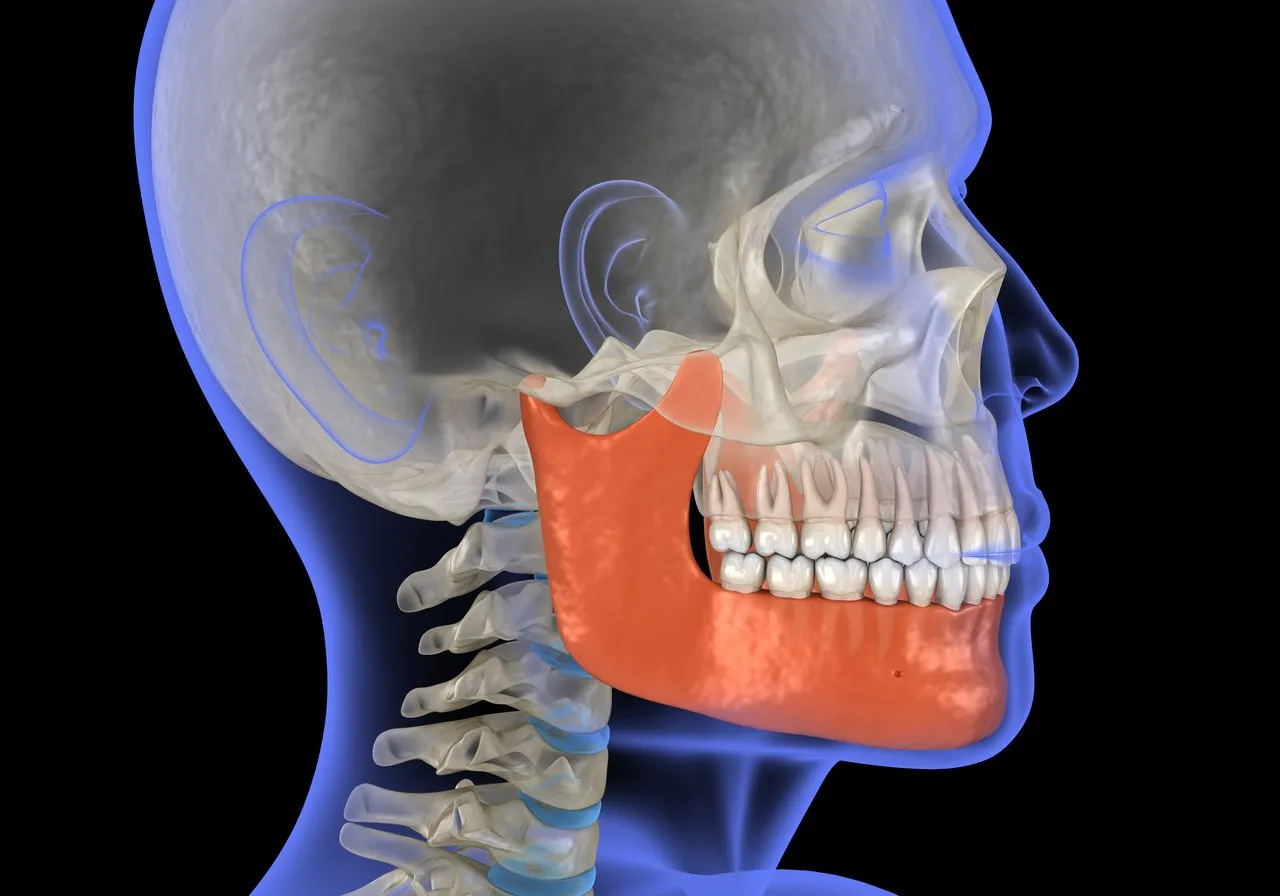
Toothache with a cold in the lower jaw
Although most symptoms affect the upper jaw, sinus inflammation during a cold can cause referred pain in the upper back teeth. Toothache in the lower jaw, pain that clearly affects only one tooth, or pain that worsens or persists should be assessed promptly by a dentist. The pain can also be caused by tense chewing muscles, which are placed under greater strain during an infection.

What can you do about toothache during a cold?
The right treatment depends on the cause: • Home remedies: Nasal rinses and warm compresses may reduce the pressure in the sinuses. This may also provide temporary relief from toothache. • Medicines: Painkillers and decongestant nasal sprays may help relieve symptoms temporarily. • Visiting the dentist: If the pain is very severe, persists for a long time or clearly affects only one tooth, a dentist should investigate the cause.

When is medical help necessary?
A visit to the dentist is advisable if: • the toothache persists after the cold has cleared, • a single tooth is severely affected, • nerve pain occurs in the tooth, • the gums are swollen or very red.
In these cases, there may be a separate dental disease that needs to be treated. This could be caries, root inflammation or gingivitis, for example.
Conclusion
Toothache during a cold is a common symptom that is caused primarily by inflamed paranasal sinuses. Typical symptoms are back tooth pain, diffuse discomfort in several teeth or the feeling that all teeth suddenly hurt. In most cases, the pain disappears by itself once the cold has passed.
If the symptoms persist or are concentrated on a single tooth, a dentist should definitely be consulted. In that case, a serious dental disease must be urgently ruled out.
FAQ – Frequently asked questions about toothache with a cold
The cause usually lies in inflamed and swollen paranasal sinuses, which put pressure on the tooth roots.
Yes, the upper back teeth in particular lie close to the maxillary sinuses and react sensitively to the swelling.
Yes, a cold can make several teeth hurt at the same time. When the pain comes from the sinuses, it is typically felt in the upper back teeth rather than all the teeth. Pain in the lower jaw, or pain that is localised, worsening or persistent, should be assessed promptly by a dentist.
This is due to the connection between the tooth roots and the inflamed mucous membranes in the sinuses.
Yes, toothache in the lower jaw can occur with a cold, particularly because of muscle tension or referred pain. However, lower-jaw pain should be assessed promptly by a dentist, especially if it is localised, worsening or persistent.
This can occur when the pain comes from the sinuses rather than the tooth itself; sinus-related pain is typically felt in the upper back teeth. Pain in the lower jaw, or pain that is localised, worsening or persistent, should be assessed promptly by a dentist.
Decongestants, warmth and nasal irrigation often help. If the pain persists, a dentist should be consulted.
Yes, the inflammation can irritate nerves and cause nerve pain.
A cold can cause diffuse pain in several upper back teeth, but the number of painful teeth alone cannot reliably distinguish this from tooth decay or inflammation. Lower-jaw pain, or pain that is localised, worsening or persistent, should be assessed promptly by a dentist.
If the pain disappears after the cold, a visit is not strictly necessary. If the symptoms persist, however, they should definitely be assessed by a dentist.