Treatment of inflammation in the mouth and jaw
Inflammation can affect the teeth, gums, tooth roots or jaw. Bacteria often cause the symptoms. An early diagnosis protects the tissue and improves the chances of successful treatment.
Über 350 Google-Bewertungen
Which types of inflammation does a dentist treat?
Inflammatory processes can develop in different parts of the mouth. Gingivitis usually affects the superficial gum tissue. Without suitable treatment, it can develop into periodontitis.
The inside of the tooth can also become inflamed. Tooth decay, leaking fillings or dental injuries are often responsible. Bacteria reach the dental pulp and irritate sensitive nerves.
Other infections affect the tooth roots, root tips or jawbone. Inflamed wisdom teeth can also cause considerable discomfort. Each type therefore requires a targeted examination.

Typical symptoms of inflammation
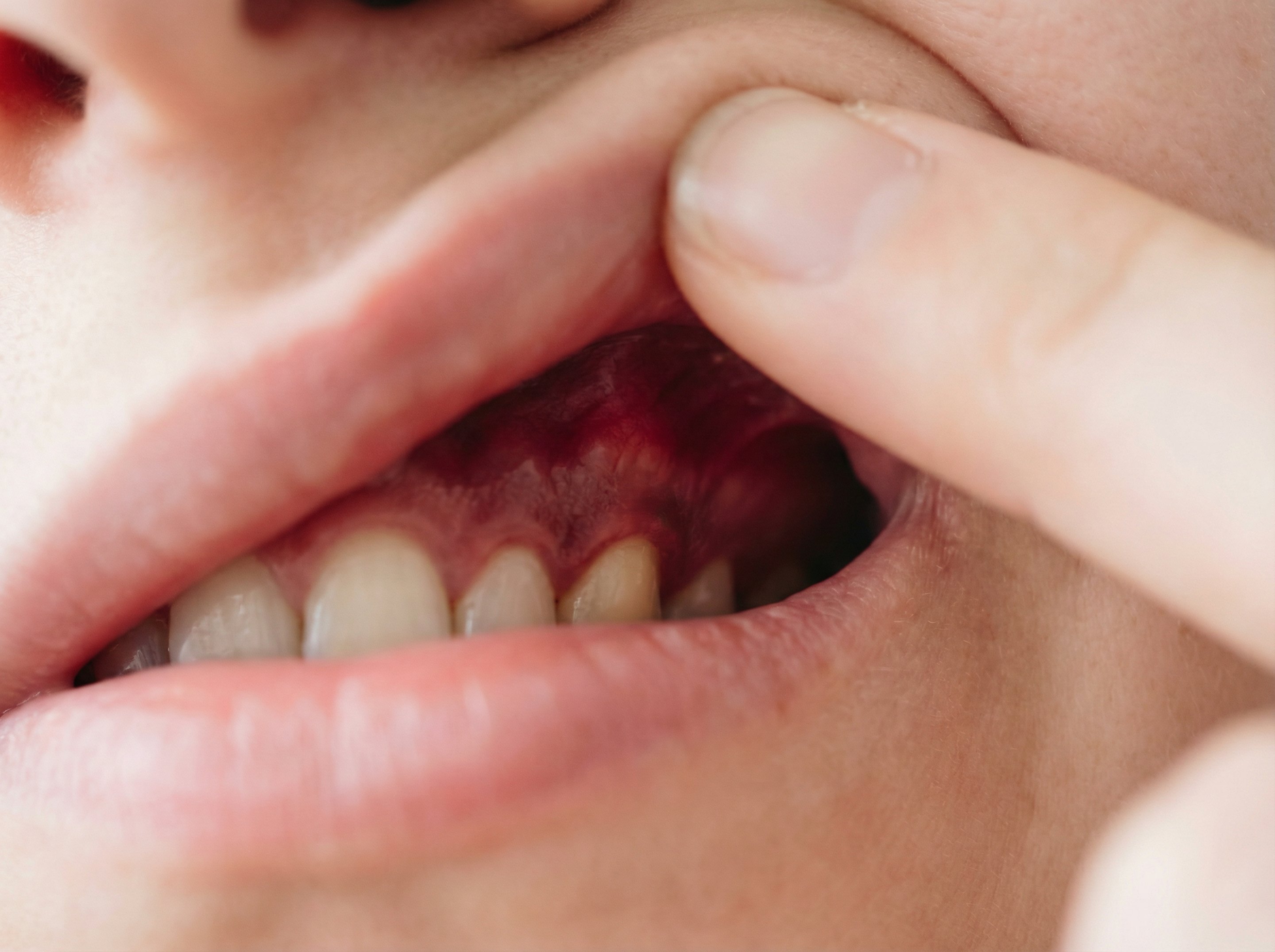
Common warning signs include redness, swelling and bleeding gums. Many people also notice sensitivity to pressure or throbbing toothache. Bad breath and an unpleasant taste can also occur.
Advanced infections sometimes lead to accumulations of pus or visible abscesses. Fever, fatigue and swollen lymph nodes are also possible. Such symptoms require prompt dental assessment.
Some inflammation is initially unnoticeable. Chronic processes sometimes cause only mild or intermittent symptoms. Regular check-ups help to detect such changes early.
How is the diagnosis made?
First, the dentist discusses your symptoms, previous illnesses and any medication you are taking. Your teeth, gums and oral mucosa are then thoroughly examined. Your response to pressure or temperature also provides important information.
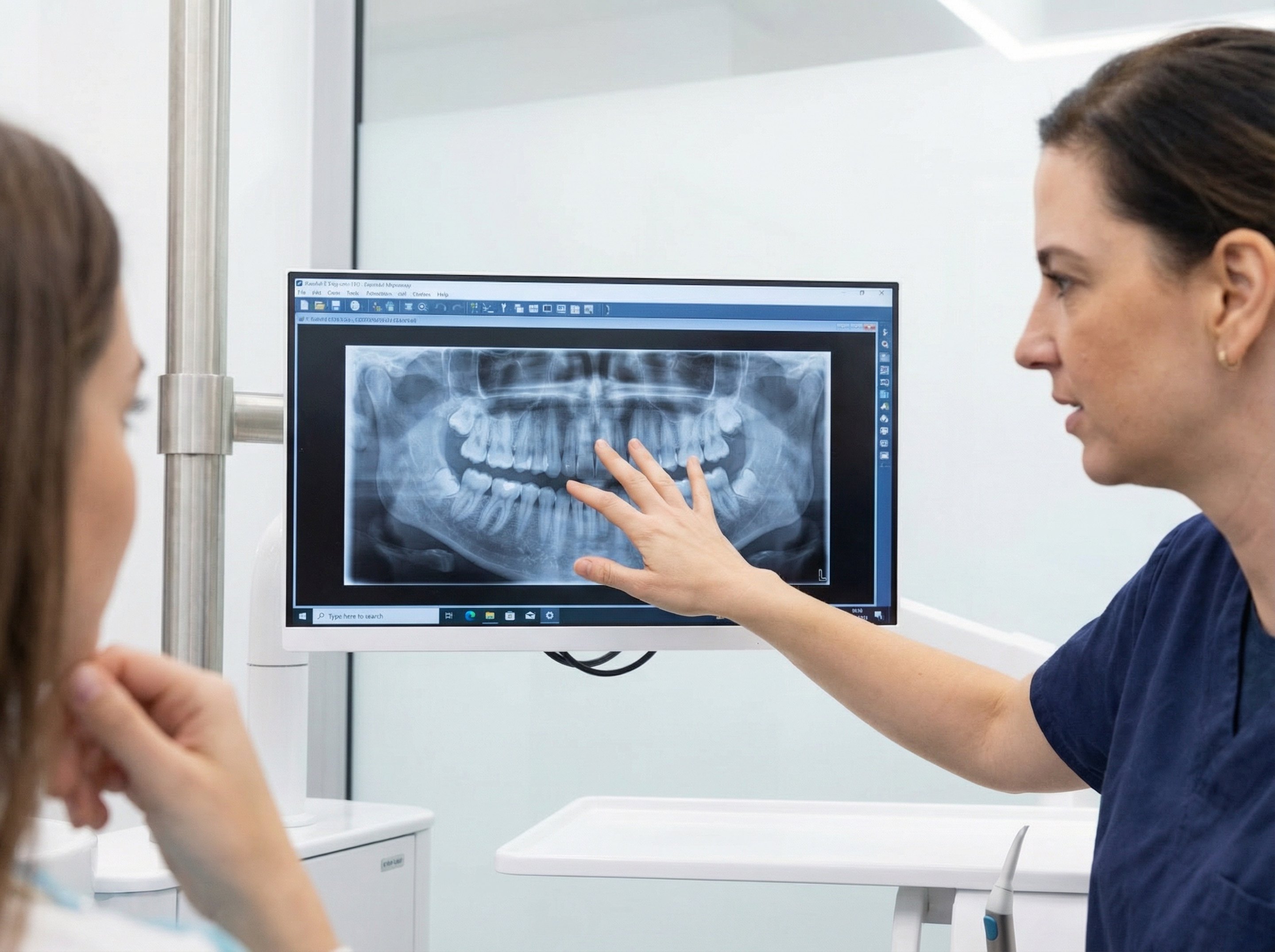
X-rays show changes to the roots and jawbone. Three-dimensional images may be useful for complex findings. Gum pockets are measured with fine instruments.
The results determine the type and extent of treatment. The cause of the inflammation always remains crucial. Treating the symptoms alone is often not enough.
Treatment of gum inflammation
With simple gingivitis, bacterial deposits are thoroughly removed. Professional teeth cleaning can support your home care. Patients also receive suitable advice on oral hygiene.
Periodontitis requires systematic treatment. Deposits below the gum line are removed. This is followed by check-ups and regular supportive care.
Antibiotics are not generally necessary for gum diseases. They are only considered as an additional treatment for selected findings. Mechanical cleaning remains the most important treatment step.
Treatment of tooth root inflammation
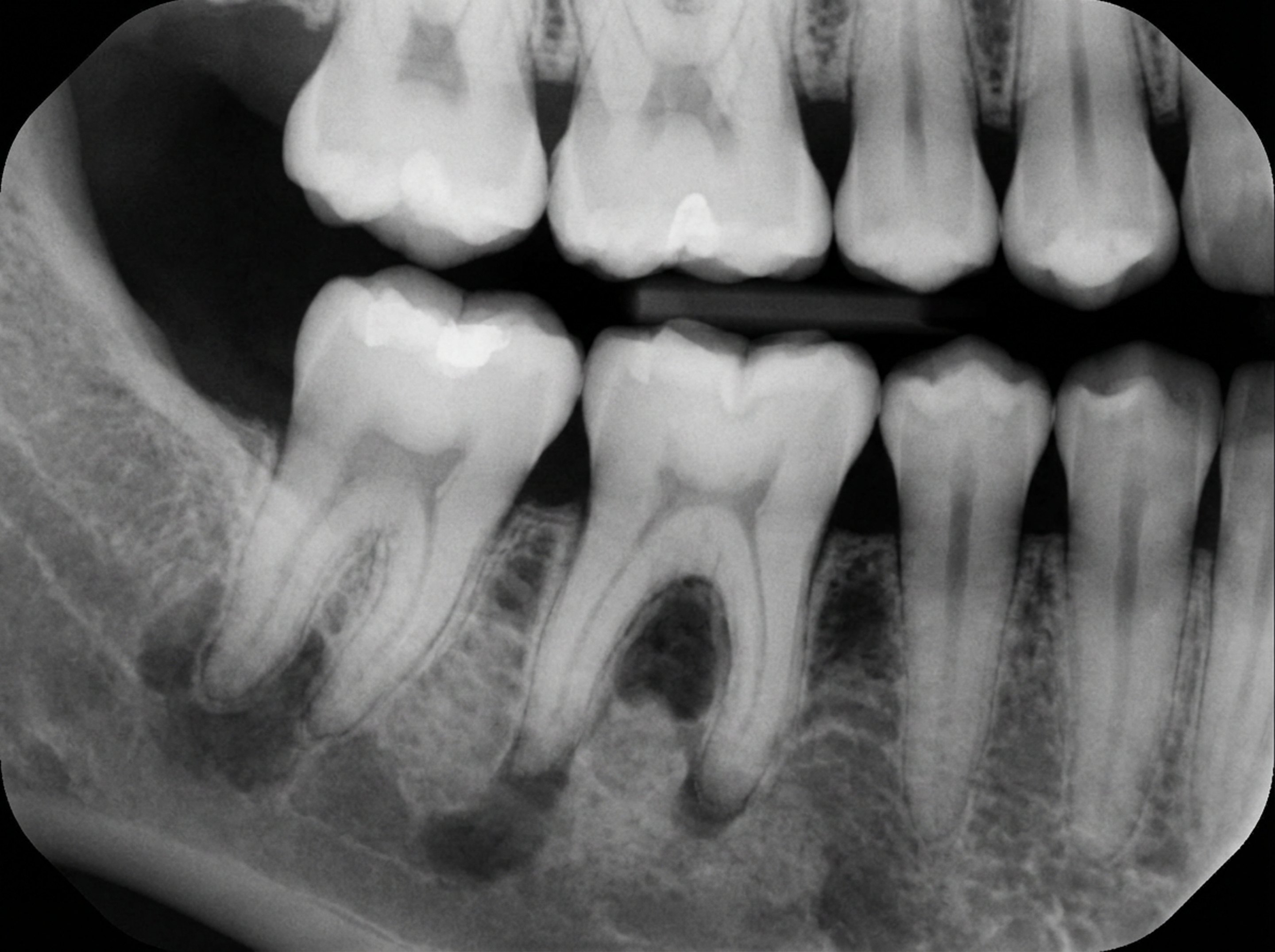
Inflammation of the dental pulp usually requires root canal treatment. The dentist removes inflamed or dead tissue. The canals are then cleaned, disinfected and tightly sealed.
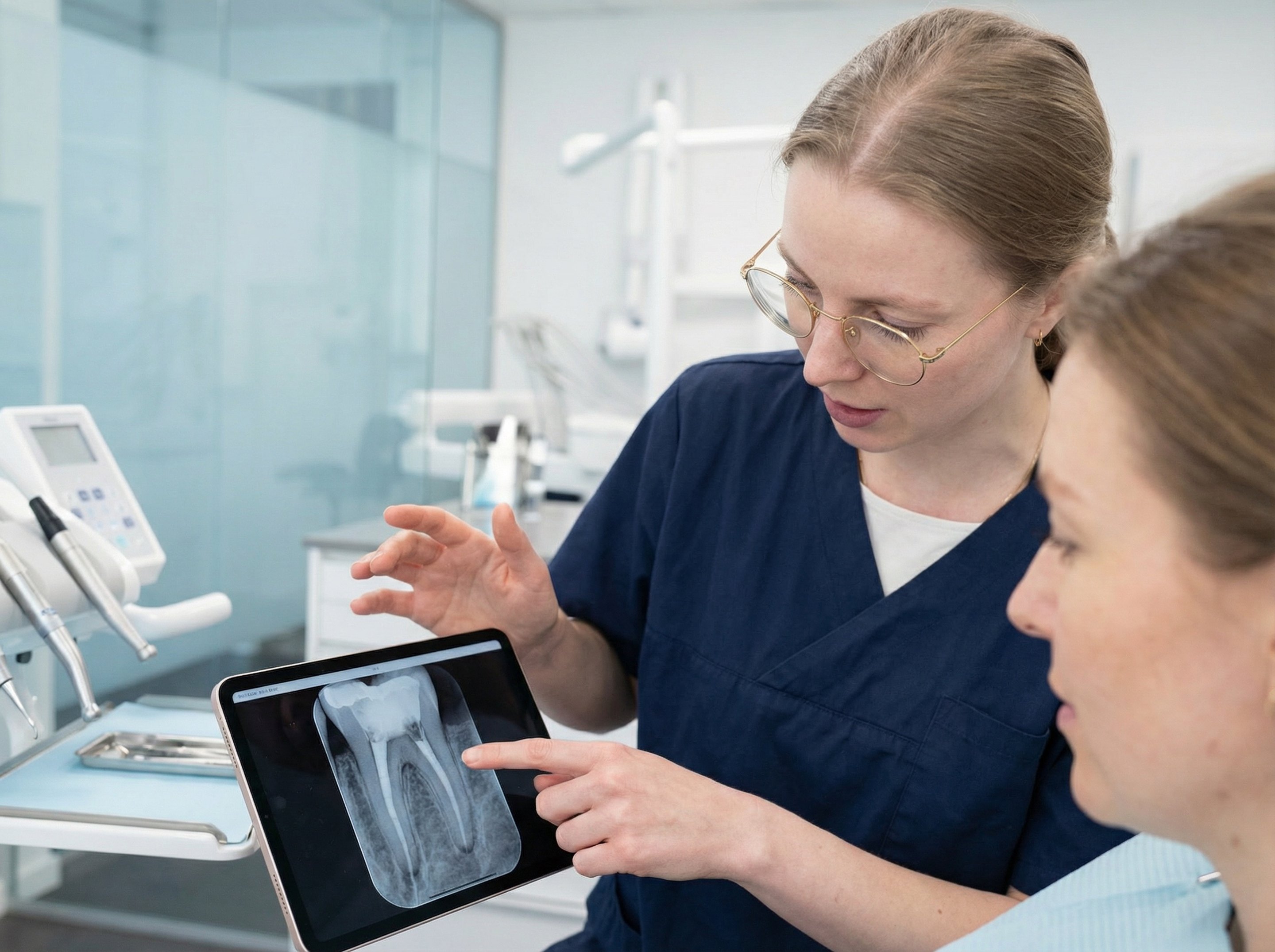
The aim is to preserve the affected tooth. A stable filling or crown then protects it. Regular X-ray checks monitor the healing process.
If inflammation at the root tip persists, surgery can help. The inflamed tissue is selectively removed. However, a severely damaged tooth sometimes cannot be saved.

Treatment of abscesses and jaw inflammation
An abscess contains pus and usually requires rapid relief. The dentist opens the affected area and allows it to drain. At the same time, the underlying dental cause is treated.
Antibiotics do not replace this local treatment. They may be necessary if the infection spreads, if you have a fever or if there is an increased health risk. The choice is based on the findings and your individual medical history.
Jaw inflammation can affect the bone and surrounding soft tissue. Its treatment depends on the cause and extent. In severe cases, surgical cleaning is required.
What can patients do themselves?
Cooling can limit swelling after treatment. The cooling element should never be placed directly on the skin. Physical rest supports the initial healing phase.
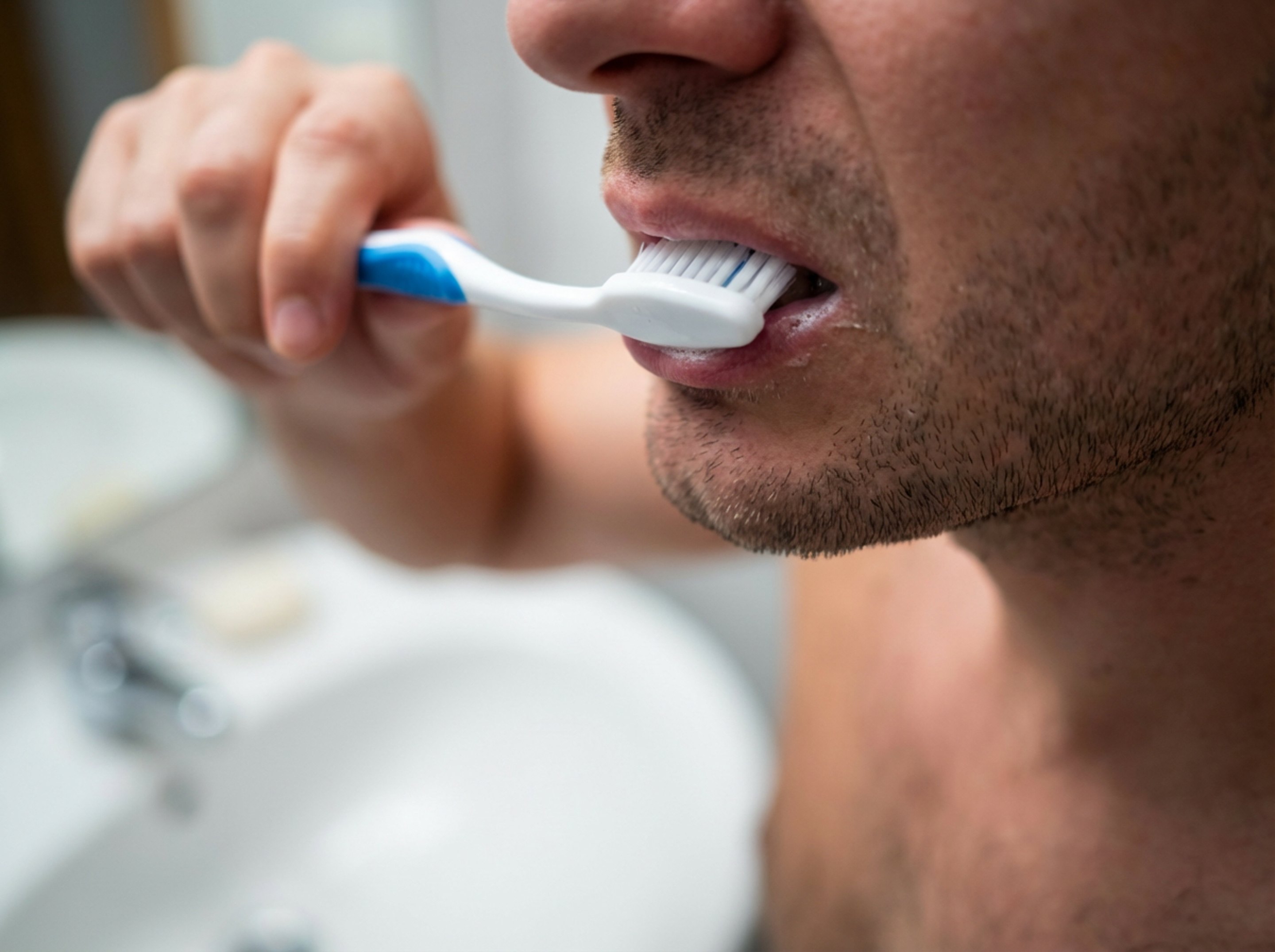
Careful oral hygiene remains important despite sensitive areas. Treated sites should be cleaned as instructed by your dentist. Smoking can significantly impair wound healing.
Home remedies can at most relieve symptoms temporarily. However, they do not eliminate a bacterial cause. Painkillers should also only be used on professional advice.
Aftercare ensures successful treatment
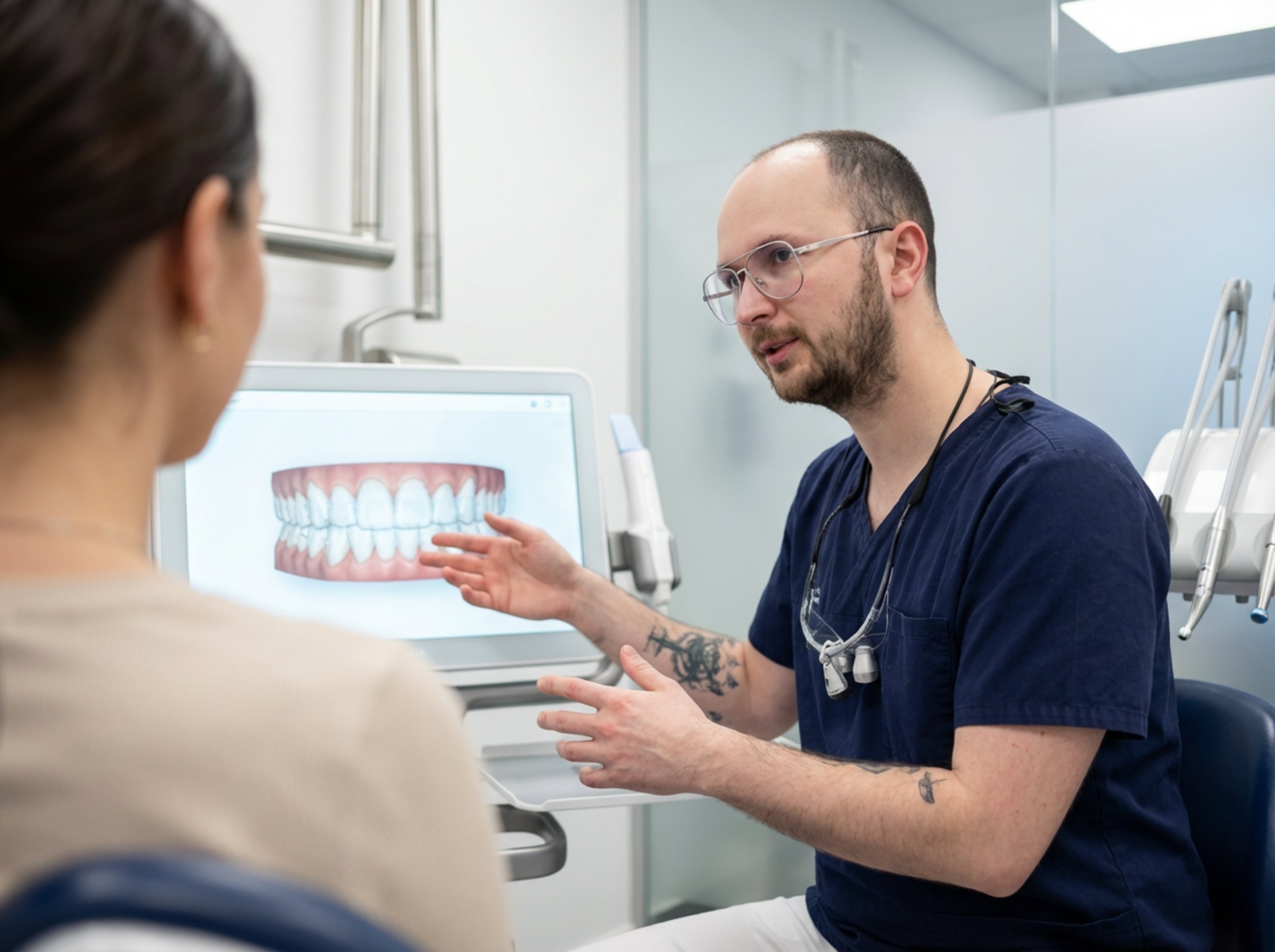
Follow-up appointments are an integral part of treating inflammation. The team assesses wound healing, swelling and resilience. If necessary, further treatment is adjusted.
Prescribed medication should be taken exactly as instructed. Antibiotics must not be stopped or passed on to others on your own initiative. Inform the practice if you experience side effects or new symptoms.
After procedures, soft, lukewarm food is recommended initially. Alcohol and strenuous activity should be avoided temporarily. Individual instructions from the practice always take precedence.

When is urgent help needed?
Severe swelling of the face or neck is a warning sign. This applies particularly if accompanied by fever, difficulty swallowing or restricted mouth opening. Breathing problems also require immediate medical help.
You should also visit a practice promptly if your symptoms get worse. The same applies to discharge of pus or a persistent feeling of pressure. Acting early can prevent further spread.

Treatment of inflammation at Wunschlachen
At Wunschlachen, every treatment begins with careful diagnostics. We explain the findings clearly and discuss suitable treatment steps. Tooth preservation, function and long-term monitoring are our priorities.
Modern techniques enable precise, tissue-preserving treatment. Your treatment is tailored to your individual health situation. If you have symptoms, book an examination appointment early.