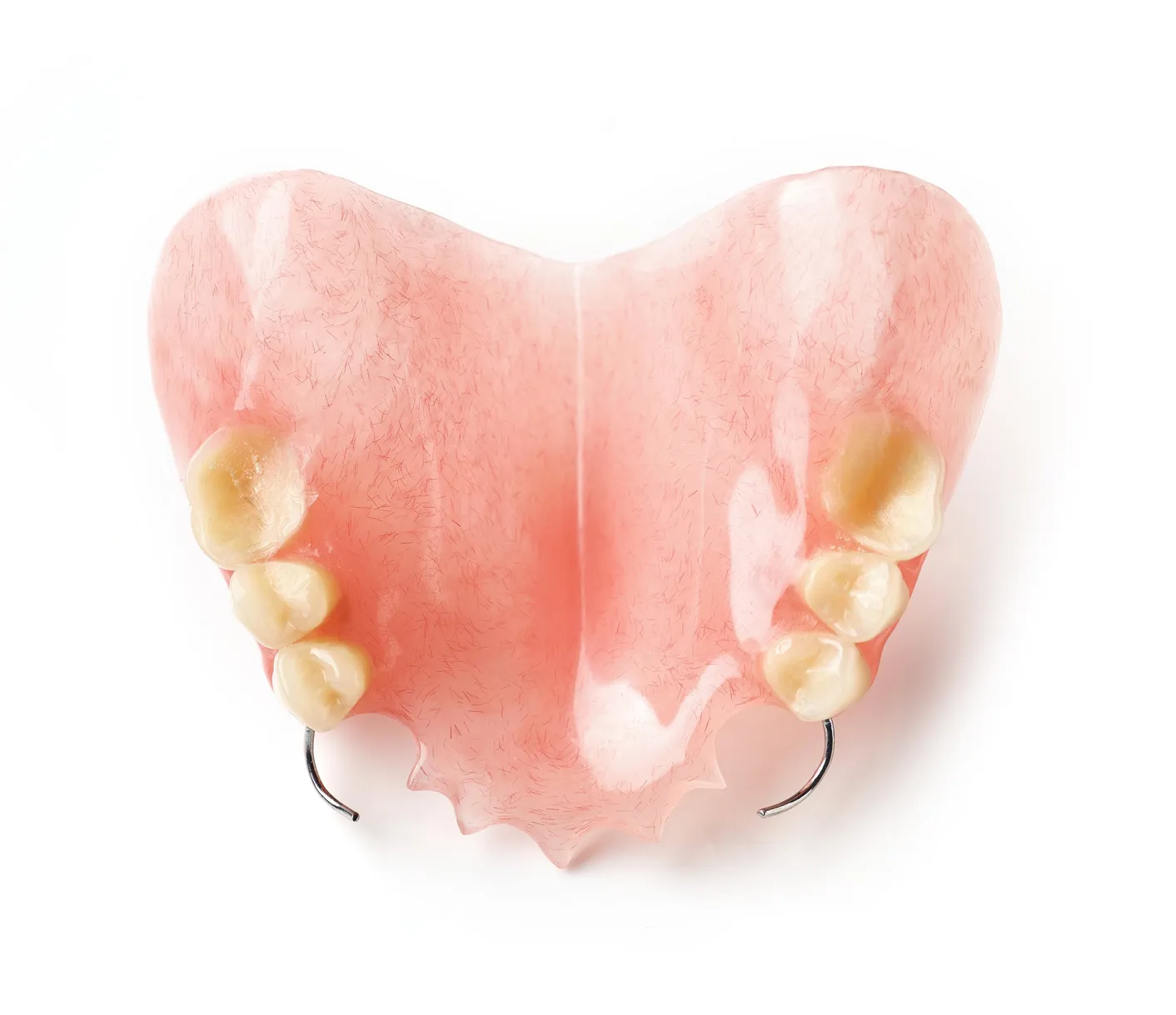
Upper jaw dentures: everything you need to know
Dentures are an important part of modern dentistry. They replace lost teeth and restore the function and appearance of the teeth. If several teeth or entire rows of teeth are lost in the upper jaw, the question arises as to which dental restoration is suitable. A...
Über 350 Google-Bewertungen

What is a denture?
It is an artificial set of teeth used to replace missing teeth. There are different types of dentures, which vary according to needs and the type of dental restoration. Dentures can be made for either the upper or lower jaw. A full denture covers complete tooth loss, while a partial denture replaces only individual teeth. Dentures are usually made of plastic, metal or a combination of these materials. They are individually fitted to match the lost teeth as closely as possible.
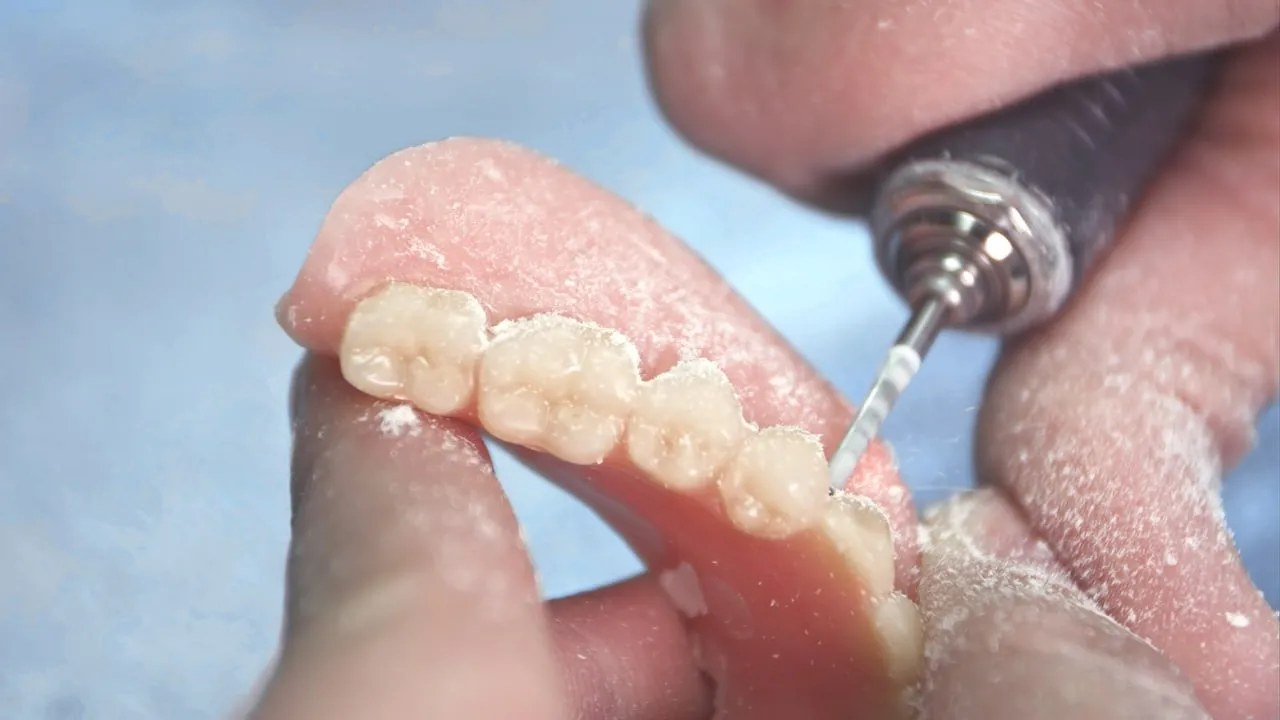
Dentures for the upper jaw: what types are available?
Dentures for the upper jaw are available in different types. The important factors are how many teeth need to be replaced and what functional and aesthetic requirements there are. The most common types are:

1. Full upper jaw denture
A full denture is the most common solution for patients who have all their teeth extracted and need a denture. This type of denture replaces all the teeth in the upper jaw. It is usually made from acrylic resin or a combination of plastic and metal. The full denture is fixed to the jaw ridge and held in place by the pressure of the soft tissues in the mouth. It is particularly necessary when there is complete tooth loss, whether due to tooth decay, periodontitis or age-related wear.
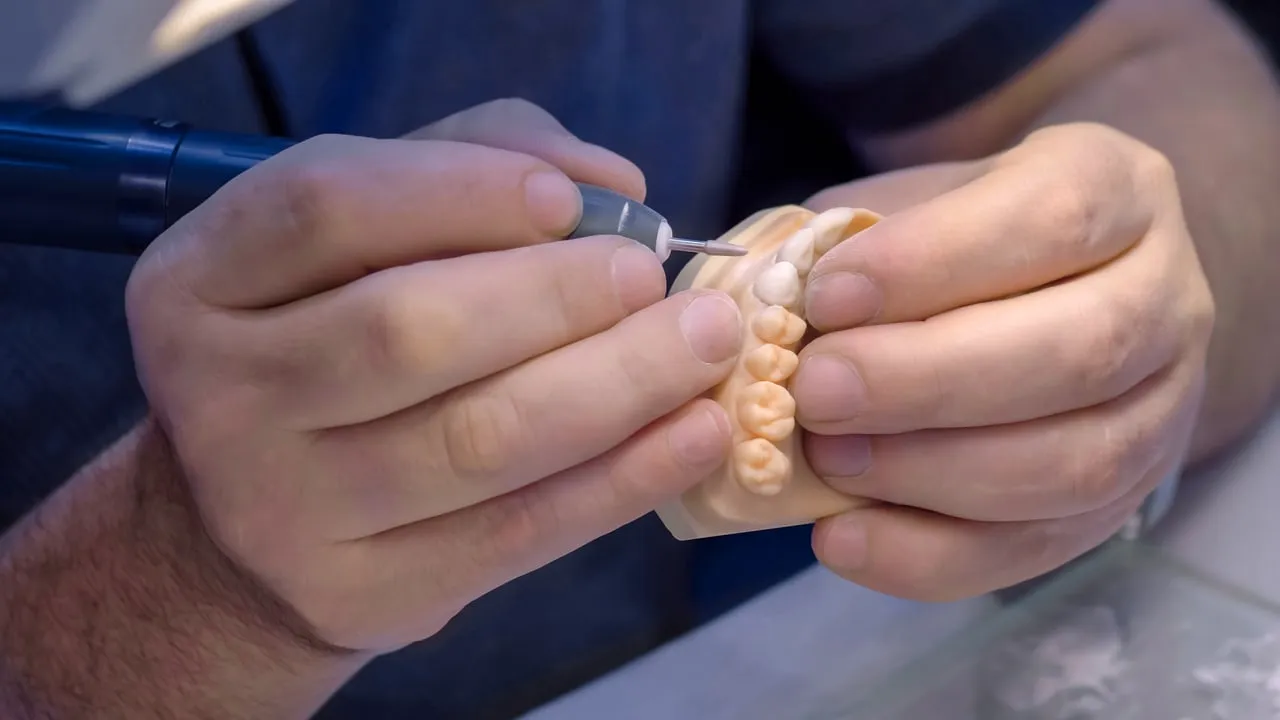
2. Partial upper jaw denture
A partial denture is used when only some of the teeth in the upper jaw are missing. Unlike a full denture, a partial denture replaces only the missing teeth, while the remaining teeth are retained. This denture can be attached to the neighbouring teeth with metal clasps or posts. This makes it more stable than a simple, loose denture. It offers a good way of maintaining the function of the teeth without removing all the natural teeth.
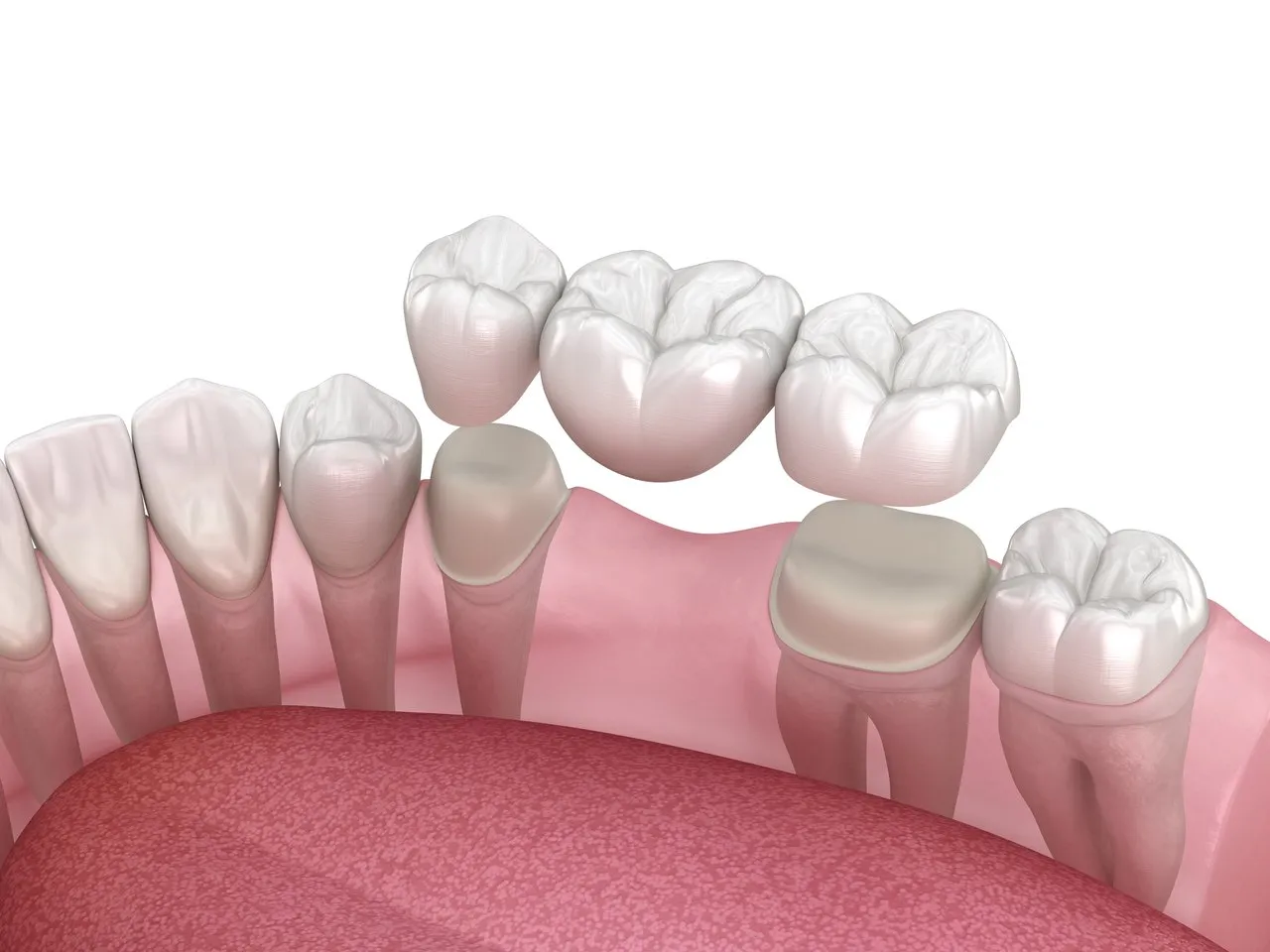
3. Denture for one tooth
If you lose a tooth, it may be sufficient to have a denture for a single tooth. In this case, a small denture is used to replace the missing tooth. This type of single-tooth denture is generally referred to as a bridge. The structure is fixed to the neighbouring teeth. This prosthesis is a permanent solution that works flawlessly both aesthetically and functionally.
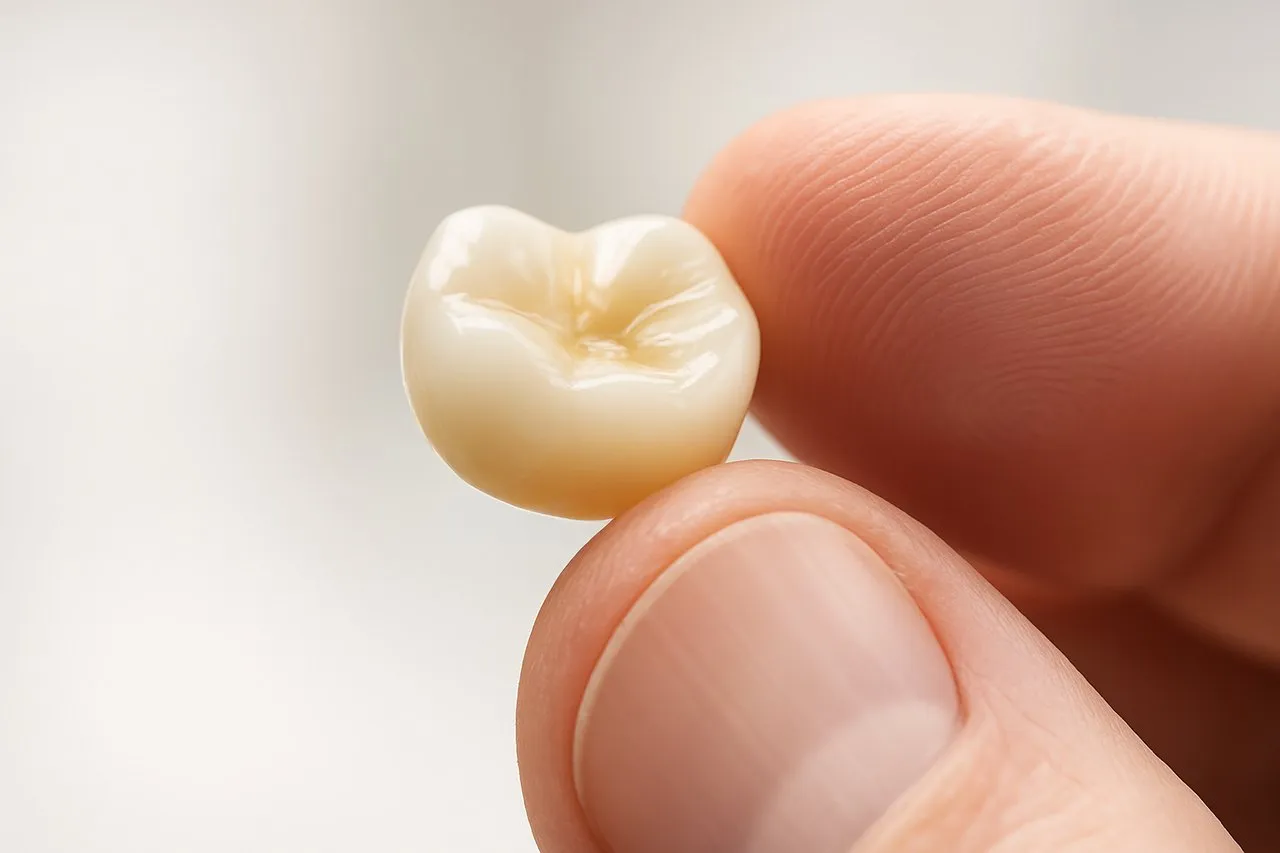
4. Molar denture
The loss of molars presents a particular challenge. These teeth are essential for chewing and breaking down food. A molar denture is specially fitted to replace these missing teeth. It can be either a partial or a full denture, depending on the number of missing teeth.
How do dentures stay in place without teeth?
When a full denture is used, the question arises: how do dentures stay in place without teeth? A denture is shaped to fit the jawbone and soft tissue as closely as possible. Modern dentures offer a very secure fit because they are tailored to the individual shape of the jaw. Full dentures generally rely on suction. This is created by pressure from the jaw tissue on the denture. In some cases, a clasp or implant can be used to secure the denture further.
Dentures and everyday life
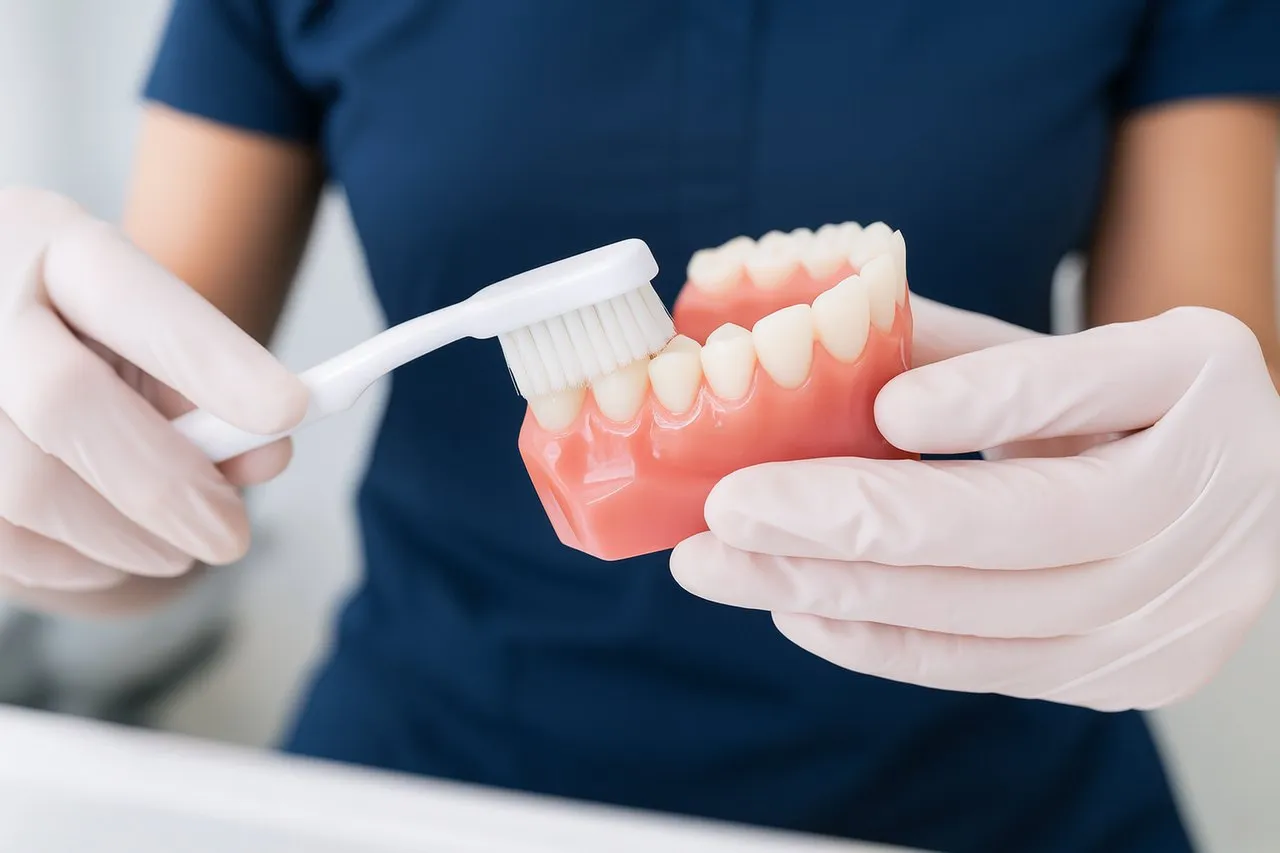
Incorporating a denture into everyday life is a significant adjustment for many patients. However, modern solutions offer numerous advantages that make it possible to continue living as usual without major restrictions. 1. What to eat after getting a denture With the right fit, you can enjoy all foods again after the adjustment period. At first, it is advisable to favour soft foods and avoid hard or sticky foods. After a while, harder foods such as apples and nuts can also be chewed again without difficulty. 2. Speaking with a denture Speaking can be a slight challenge at first, especially if many teeth have been replaced. However, with the right fit and practice, speech will gradually return to normal. It can be helpful to do specific speech exercises to get your tongue used to the new denture. 3. Denture care Proper denture care is crucial for its longevity and for maintaining oral health. You should clean your denture thoroughly after every meal to remove food debris and plaque. It is advisable to use a soft toothbrush and special cleaning products. Regular visits to the dentist are also necessary to check the fit of the denture and make any necessary adjustments.
New denture: what should you do if the old denture no longer fits?
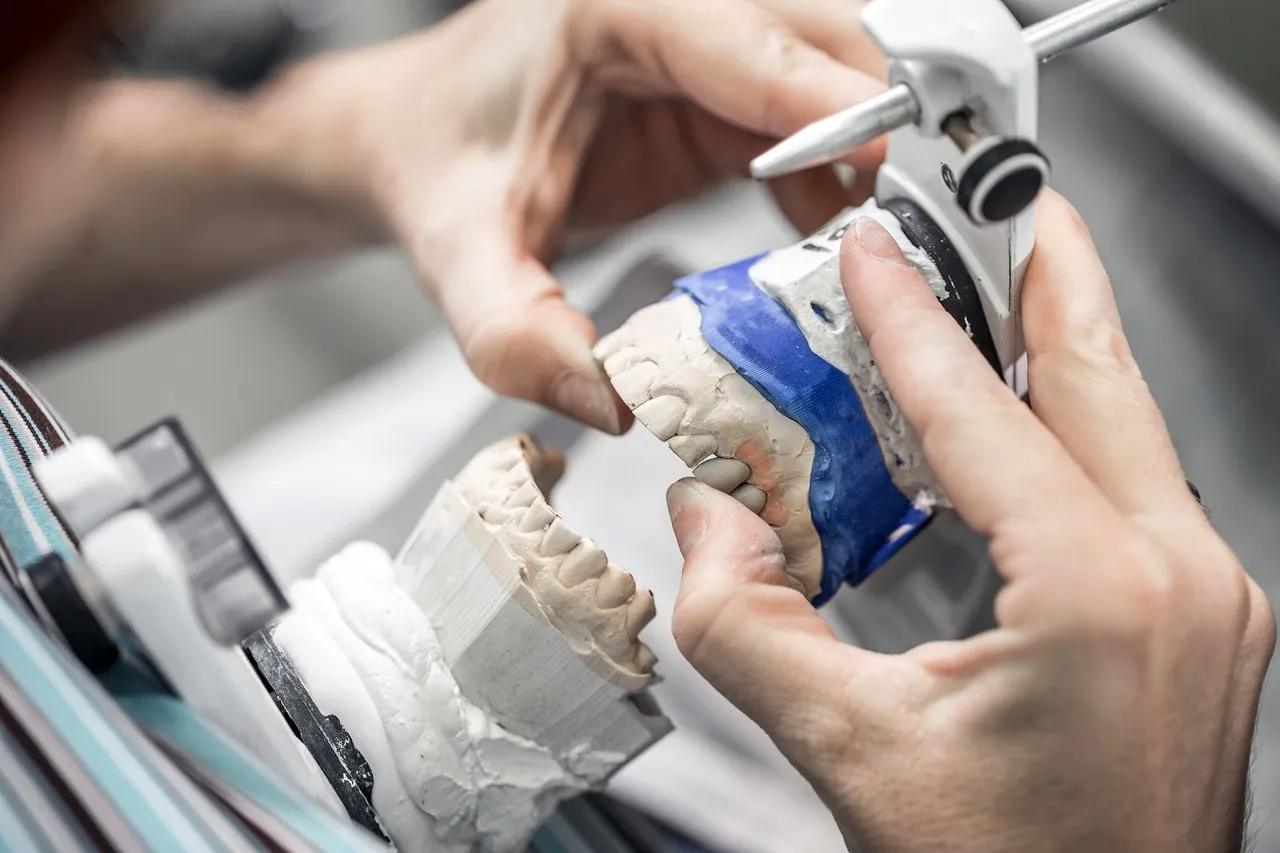
The jaw can change over time. This can cause the denture to no longer fit properly. In this case, a new denture must be made that fits better and provides optimum support. It is important to visit the dentist regularly and have them check whether the denture still fits properly.
Frequently asked questions about upper jaw dentures
An artificial set of teeth used to replace missing teeth and restore the function of the teeth.
A denture is necessary when several teeth are missing in the upper jaw or the teeth are severely damaged.
There are full dentures, partial dentures, dentures for individual teeth and molar dentures.
A denture is individually fitted after the dentist has taken an impression of the jaw and teeth.
A denture can last for many years if it is well cared for. Over time, however, it may need to be adjusted or replaced.
Yes, modern dentures offer a secure fit even when there are no natural teeth left.
A denture should be cleaned after every meal to remove food debris and plaque. Regular visits to the dentist are also important.
Yes, after an adjustment period you can enjoy normal meals again, although soft foods are recommended at first.
If your denture no longer fits properly, you should see a dentist to have the fit checked. A new denture may need to be made.
It usually takes a few days to weeks for the mouth to get used to a denture. With practice and patience, speaking and eating become increasingly easier.