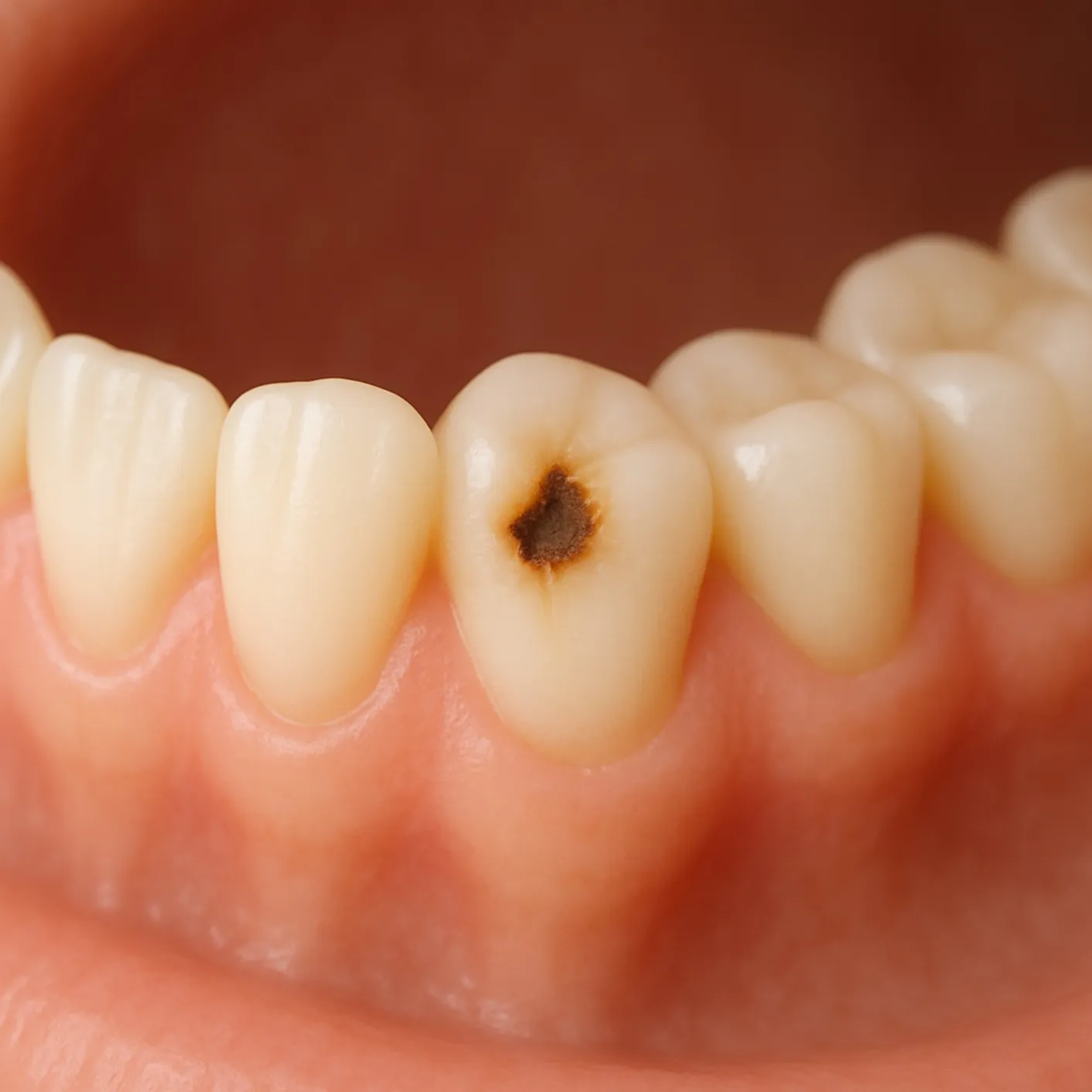
Early tooth decay – recognise it and treat it in good time
Early tooth decay may sound harmless. Nevertheless, it already means that the tooth has been damaged. If you act early, treatment can often still be carried out without drilling.
Über 350 Google-Bewertungen
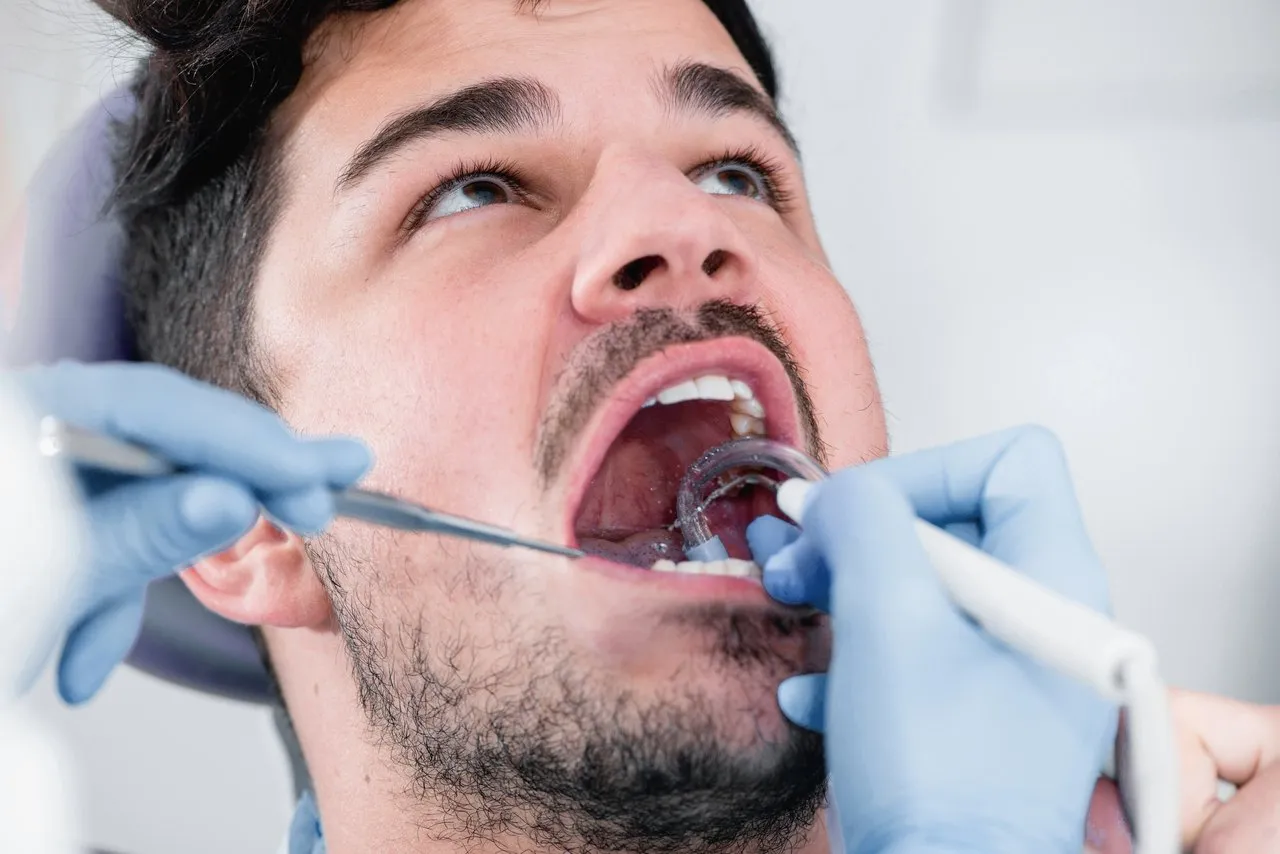
What does early tooth decay mean?
Dentists refer to early tooth decay when only the tooth enamel is affected. This early stage is also known as initial caries. The bacteria have not yet reached the softer dentine. At this phase, the damage can often still be reversed. The tooth enamel can absorb minerals again. If nothing is done, this develops into an actual hole in the tooth.
Causes of tooth decay in the early stages
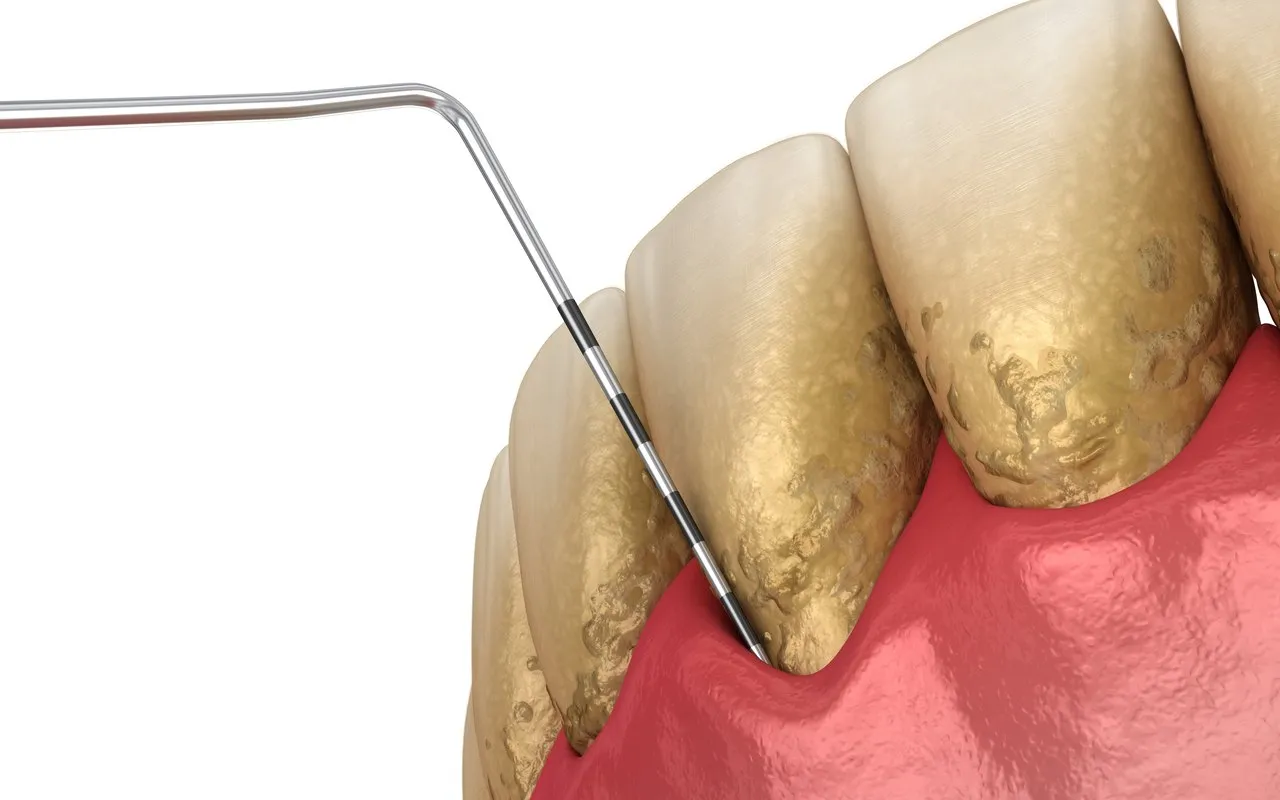
The main cause is bacterial plaque on the teeth. The bacteria use sugar from food and drink. This produces acids that slowly dissolve the tooth enamel. Poor oral hygiene greatly increases the risk. Frequent snacking and sugary drinks make the situation even worse. A dry mouth also promotes early tooth decay.
Recognising early tooth decay: typical signs
Many patients ask themselves: What does mild caries look like? Typical signs are dull, chalky-white patches in the tooth enamel. Later, these areas may appear yellowish or brownish. Often, there is still no severe pain. However, some people notice mild sensitivity. Cold drinks or sweet foods can cause brief twinges of discomfort. Mild caries is often discovered by chance during a check-up. X-rays show early defects between the teeth. This is why regular appointments at the dental practice are so important.
Is early tooth decay dangerous?
At first glance, early tooth decay seems mild and not very threatening. But without treatment, the disease spreads further into the tooth. A small enamel defect then becomes a deep cavity. If the process reaches the inside of the tooth, more extensive measures are needed. Fillings, root canal treatment or even tooth loss may result. This is why even apparently mild tooth decay should be treated consistently.

Treating early tooth decay – often still possible without drilling
At an early stage, the dentist can often work using minimally invasive techniques. First, plaque is thoroughly removed and the surface is cleaned. This is followed by intensive fluoride treatment of the damaged areas. Fluoride supports the remineralisation of the tooth enamel. This can stabilise the initial damage or partially reverse it. It is important for patients to consistently improve their oral hygiene. Caries infiltration may be an option for certain defects. A special resin penetrates the porous enamel zone. This procedure is usually carried out without drilling and is particularly gentle.
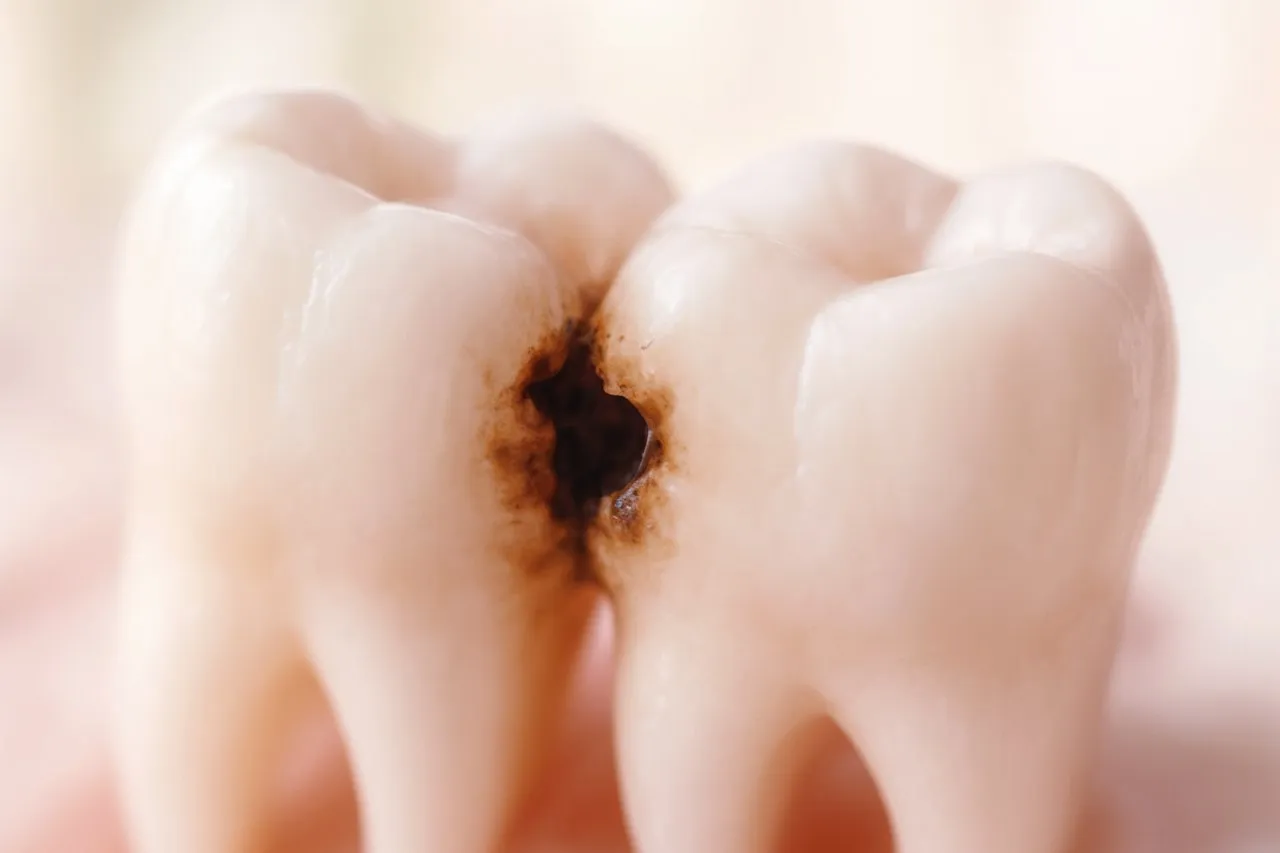
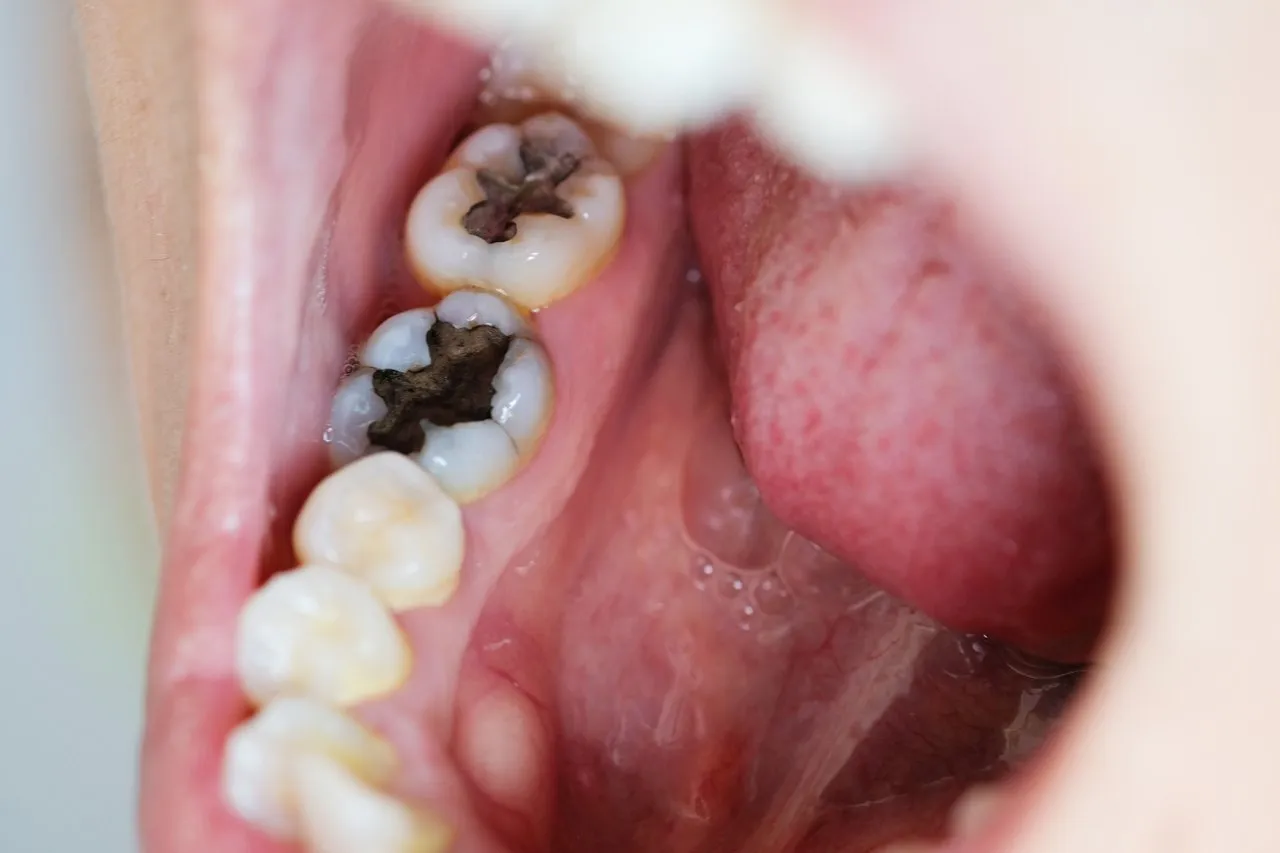
Early tooth decay on a molar
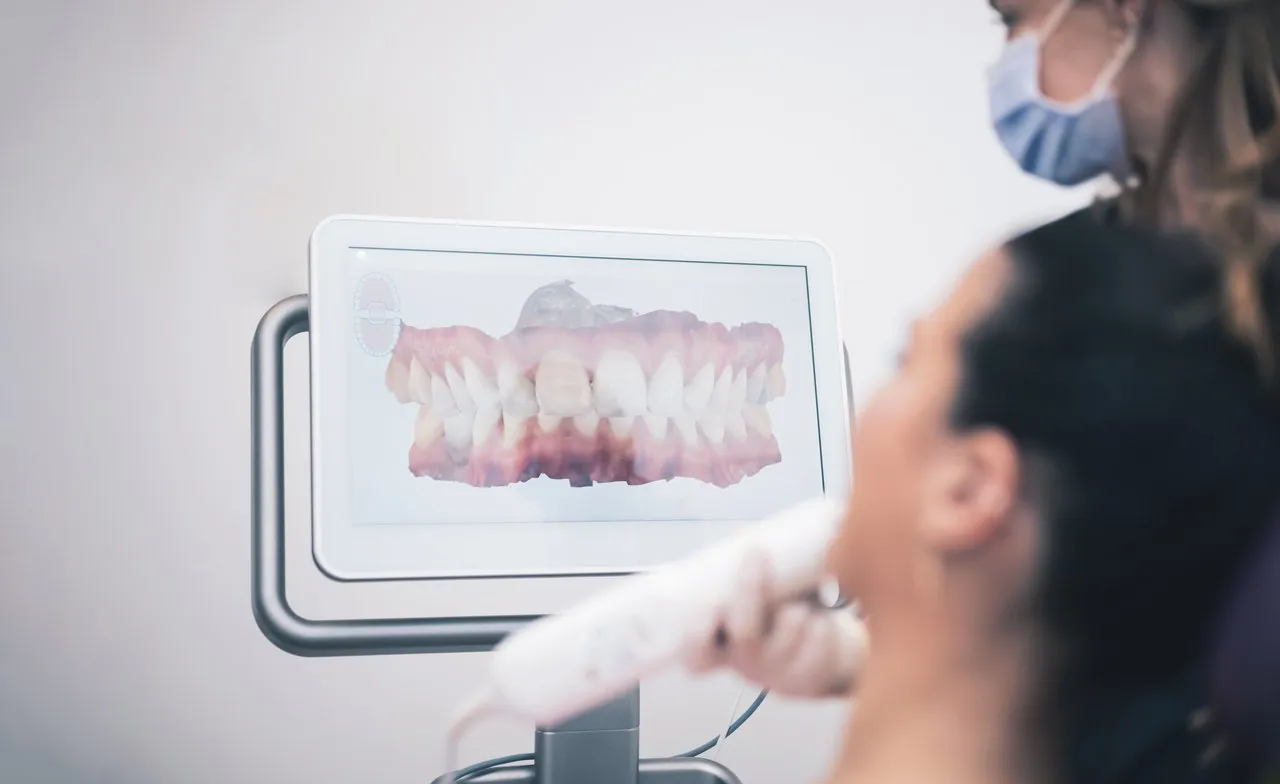
The chewing surfaces of the molars are particularly at risk. Deep fissures provide ideal hiding places for bacteria. As a result, early tooth decay often goes unnoticed there for a long time. Many people affected search online for ‘mild tooth decay’ or ‘early tooth decay molar’. These search terms reveal considerable uncertainty. At our practice, we explain the findings directly on the monitor. Sealants can protect these fissures permanently. The dentist applies a thin layer of plastic to the fissures. This makes the surface smoother and much easier to clean.

How to prevent further tooth damage
The most important measure is thorough brushing twice a day. Always use a fluoride toothpaste. Dental floss or interdental brushes should also be used. Eat a diet low in sugar. Sugary drinks between meals are particularly problematic. Water and unsweetened tea are much better for your teeth. Regular preventive care at the Wunschlachen practice supports your home dental care. Professional cleaning removes hard and soft deposits. We also advise you on suitable dental care products.
Early tooth decay in children
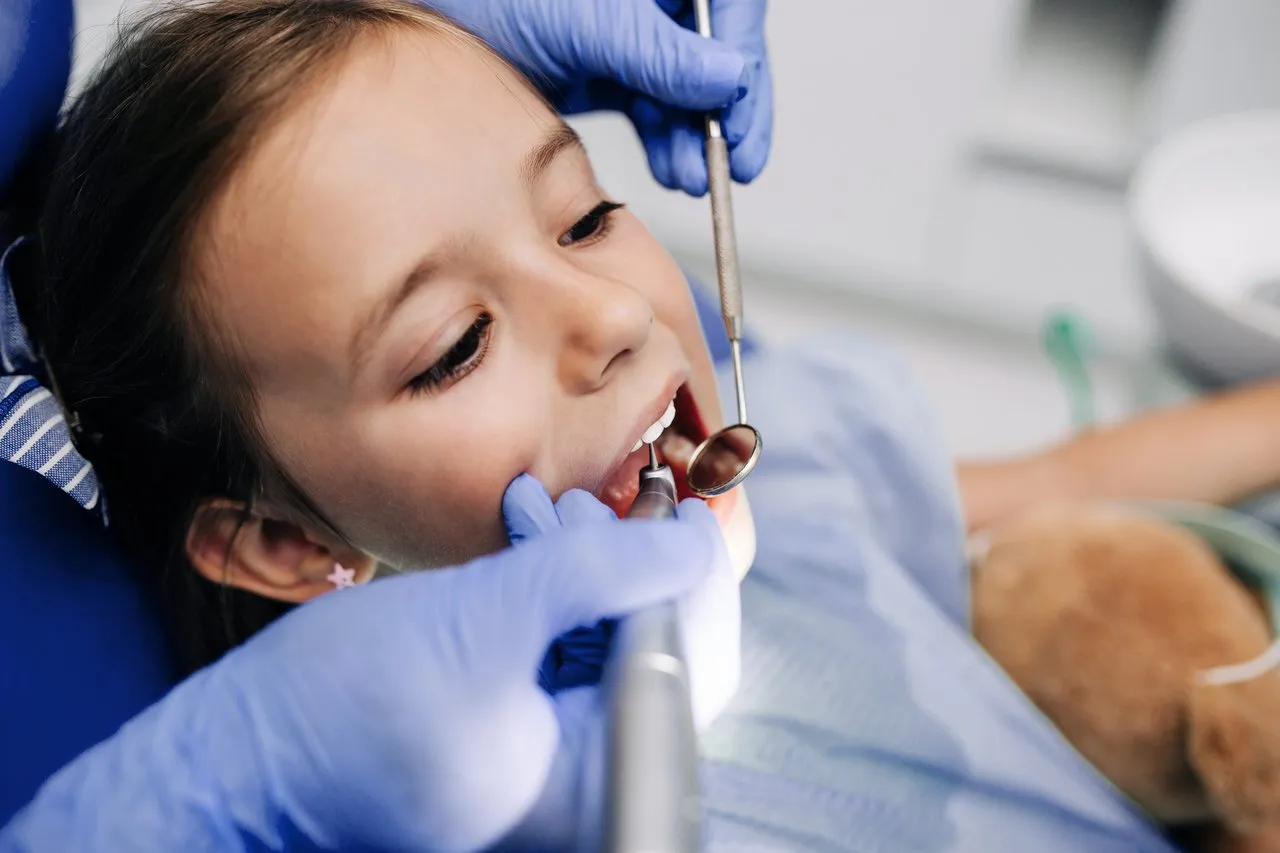
Tooth decay usually progresses more quickly in children than in adults. Milk teeth have thinner tooth enamel. Parents should therefore take the first changes very seriously. An early sign is pale, chalky spots on the front teeth. Later, brownish areas appear on chewing surfaces and between the teeth. Small black dots in fissures can also indicate early tooth decay. At Wunschlachen, we take plenty of time for our young patients. Playful explanations and gentle treatment help to reduce anxiety. This teaches your child early on how important dental care is.

Treating early tooth decay at Wunschlachen in Berlin
At our Berlin practice, we detect incipient tooth decay using modern diagnostic techniques. Even small enamel defects become visible on X-rays. This allows us to intervene in a targeted and very gentle way. Together, we discuss which treatment makes sense in your case. Sometimes a consistent change in oral hygiene is enough. In other situations, we recommend additional protective measures such as infiltration or sealing. Our aim is to prevent more serious damage from occurring in the first place. This keeps your teeth healthy and naturally beautiful for a long time. Please feel free to book an appointment for personalised tooth decay prevention.
FAQ – Frequently asked questions about early tooth decay
Early tooth decay is caused by bacterial plaque, sugar and the acids it produces. These acids attack the tooth enamel. If the process continues, the defect becomes deeper.
The body can partially repair damaged tooth enamel. It needs fluoride and time to do this. Without support, however, the disease usually progresses.
In the early stages, tooth decay often causes no severe pain. Some patients only experience brief sensitivity. At the latest, the dentist should examine the tooth when this occurs.
Affected areas look chalky white or slightly brownish. The surface appears dull rather than shiny. Actual holes are usually not yet visible at this stage.
Yes, in many cases this is possible. Fluoride treatment and caries infiltration can stabilise the enamel. An early diagnosis by a dentist is crucial.
Tooth decay spreads more quickly through children’s teeth. Regular, closely spaced check-ups are therefore particularly important. Damage detected early is much easier to treat.
Sugary foods and drinks promote acid formation. Frequent snacks constantly provide bacteria with new nourishment. Set meals and low-sugar drinks are better.
A check-up at least twice a year is advisable. A shorter interval is recommended for those at higher risk. Your dentist will determine this interval individually.
Electric toothbrushes usually remove plaque very thoroughly. Nevertheless, the correct brushing technique remains important. Dental floss and interdental brushes are also essential.
Simply book an appointment at our Berlin practice. We will check whether early tooth decay is already present. You will then receive a personalised preventive care plan.