Leaving wisdom teeth in place: possible consequences
Wisdom teeth do not necessarily have to be removed, and healthy teeth can remain in the jaw. They become problematic when there is insufficient space, inflammation or damage to neighbouring teeth. Regular check-ups detect changes early and enable appropriate treatment.
Über 350 Google-Bewertungen
What happens if wisdom teeth are left in the jaw?
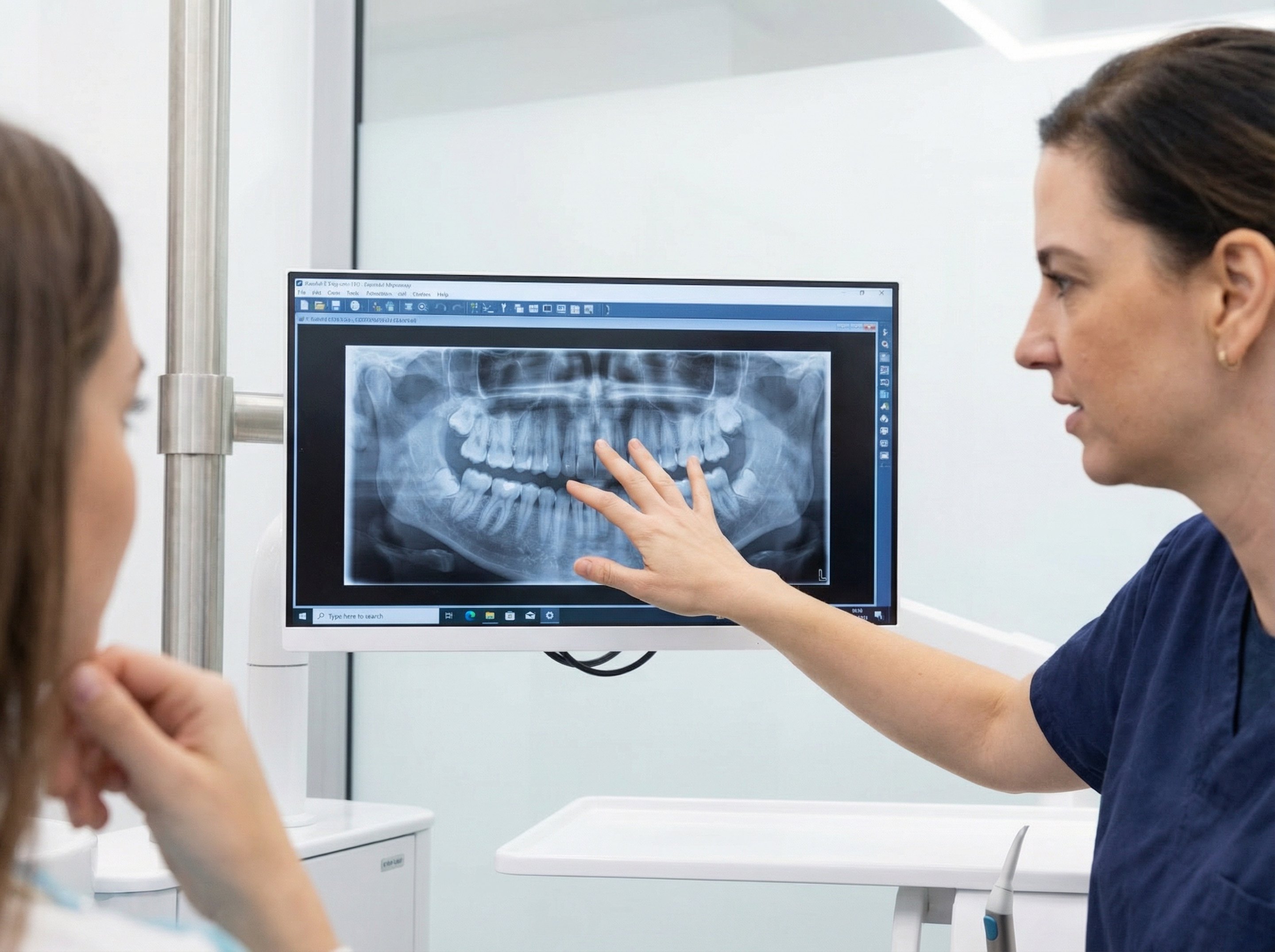
Many wisdom teeth erupt fully and fit in without causing any noticeable problems. Others remain partially or completely hidden in the jaw. Dentists then refer to them as impacted or displaced wisdom teeth.
Leaving them in place is not automatically dangerous. The deciding factors are their position, how easily they can be cleaned and any changes that are already present. Teeth that are causing no symptoms and show no detectable disease are often simply monitored at first.
Why can wisdom teeth cause problems later on?
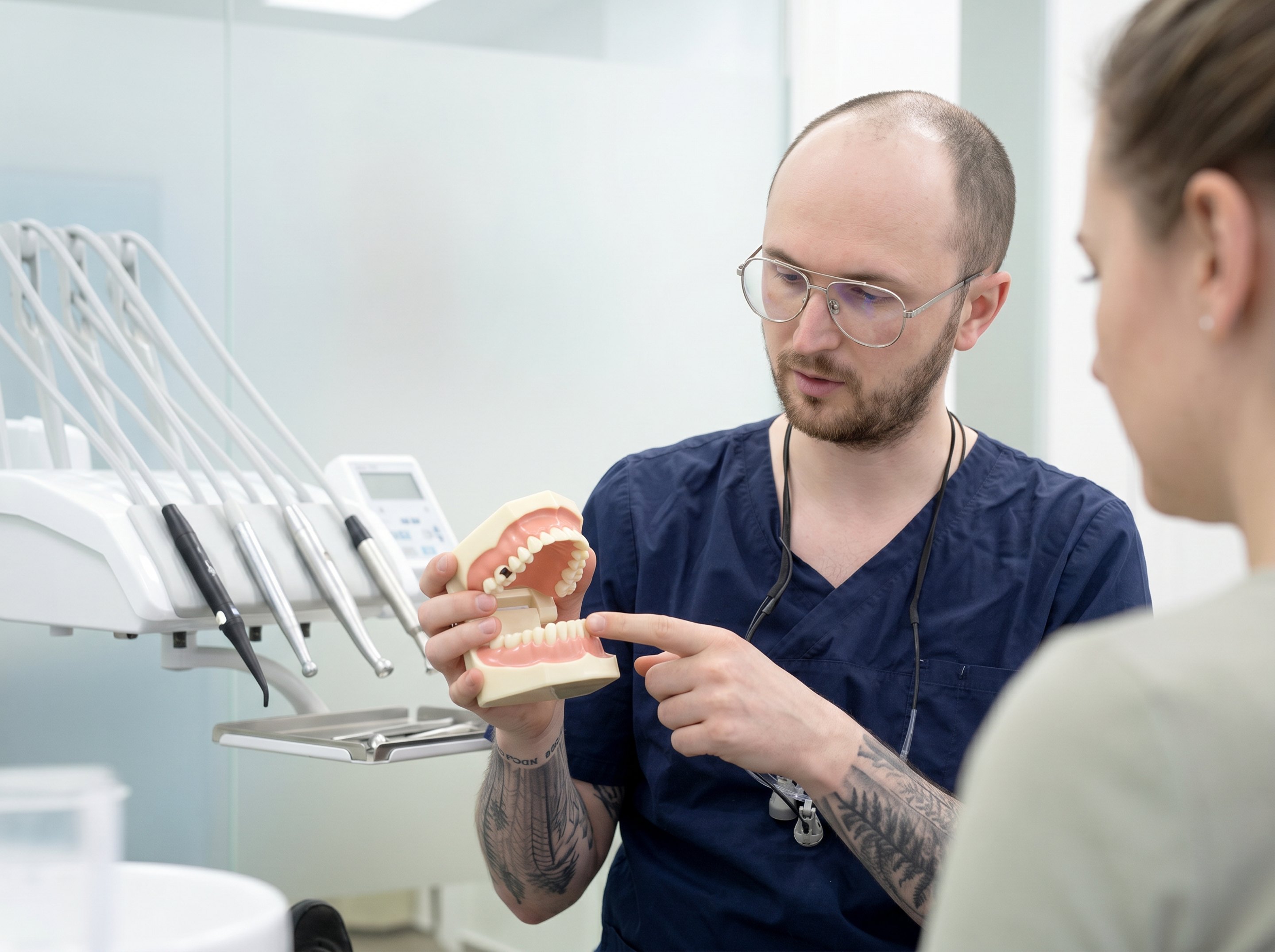
The very back of the jaw is often difficult to reach. This makes it easier for food debris and bacterial plaque to accumulate there. When space is tight, thorough cleaning can sometimes be only partly effective.
Partially erupted teeth often have a gum pocket. Bacteria can multiply beneath this mucous membrane. This increases the risk of inflammation around the wisdom tooth.
What types of inflammation can occur?
Inflammation around a wisdom tooth is called pericoronitis. Typical signs include red gums, swelling and an unpleasant taste. Restricted mouth opening can also occur.
Recurrent inflammation can affect the surrounding tissue. In severe cases, collections of pus or more pronounced swelling may develop. The practice should then be contacted promptly.
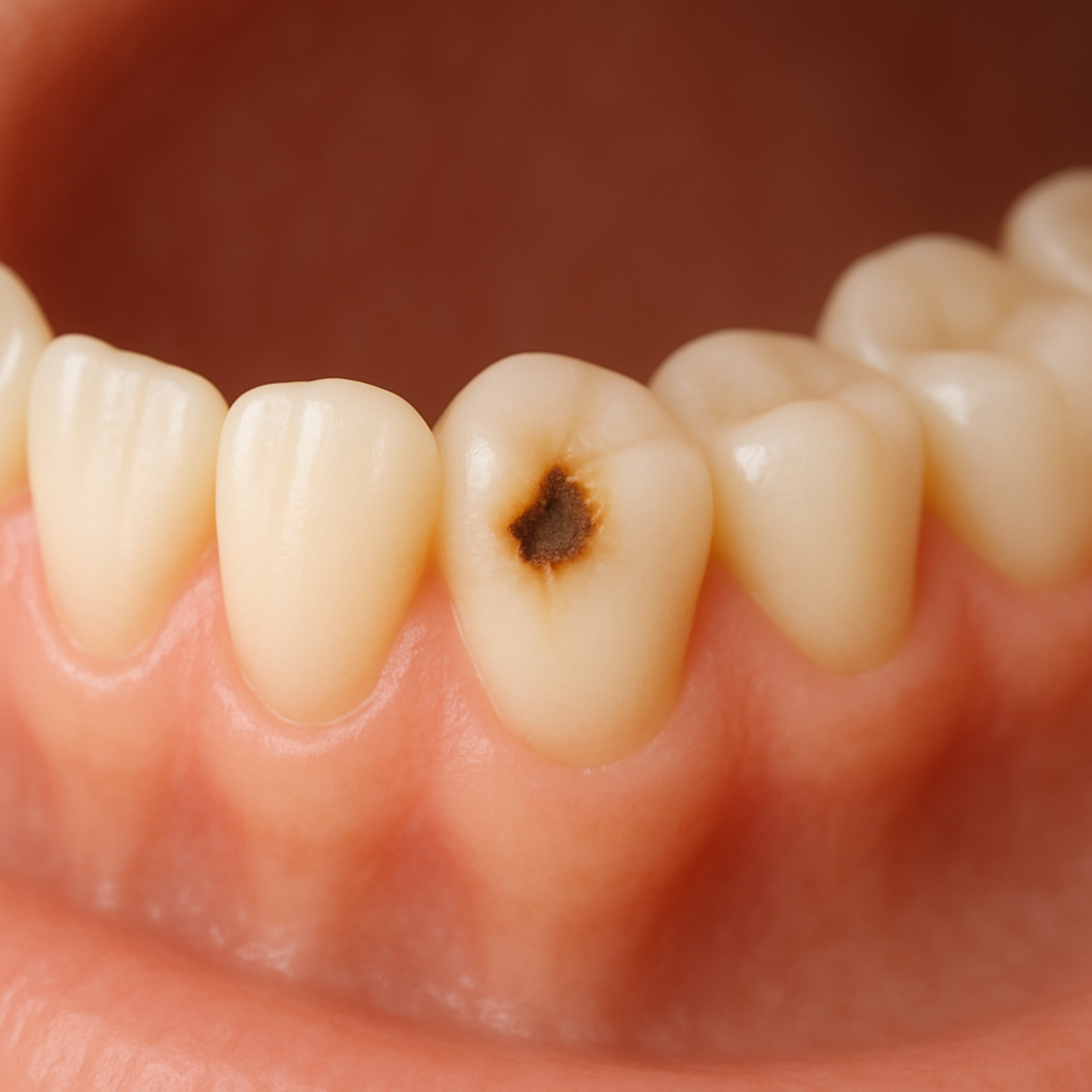
Tooth decay in the wisdom tooth and neighbouring tooth
Wisdom teeth that are difficult to reach are often harder to brush. This can lead to decay in the wisdom tooth. The second molar directly in front of it may also be affected.
A wisdom tooth positioned at an angle is particularly problematic. Plaque between the two teeth often goes unnoticed for a long time. As a result, damage to the neighbouring tooth may not become apparent until a late stage.

What role does oral hygiene play?
Wisdom teeth that are easy to reach can be cleaned with a small toothbrush. Dental floss reaches the contact point with the second molar. Suitable aids depend on the amount of space available.
Cleaning remains more challenging when teeth are partially covered. Professional dental cleaning is no substitute for treating the underlying cause of recurrent inflammation. The practice can demonstrate suitable techniques for areas that are difficult to see.
Mouthwashes can temporarily supplement daily care. They replace neither a toothbrush nor a dental examination. Symptoms should not be self-treated over a long period.
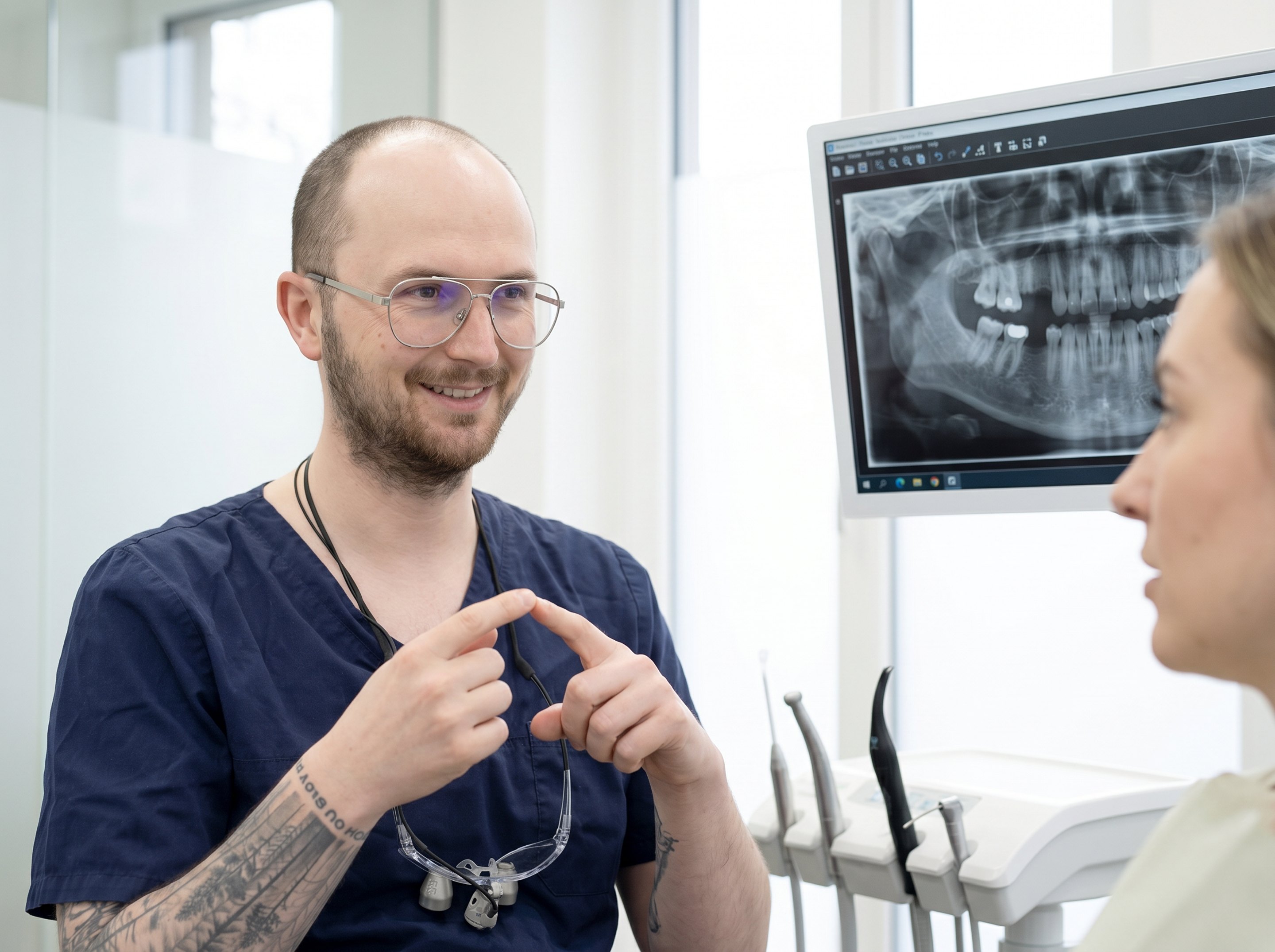
Can a wisdom tooth move other teeth?
Wisdom teeth are often associated with later crowding. However, tooth positions change due to several factors. It is therefore not always possible to identify a single general cause.
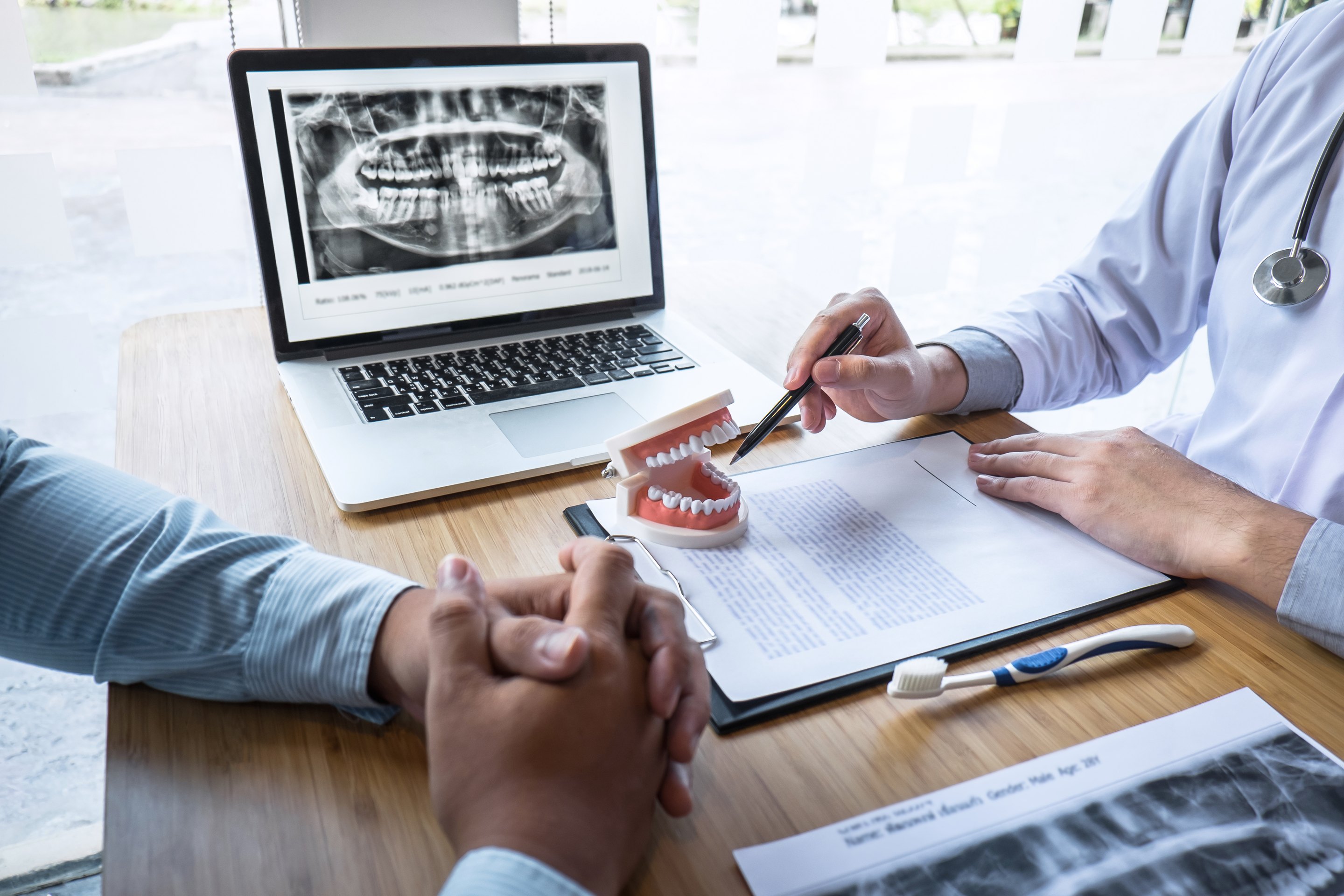
An unfavourably positioned tooth can affect the adjacent molar. An X-ray helps to assess its position and contact surfaces. This forms the basis for an appropriate recommendation.
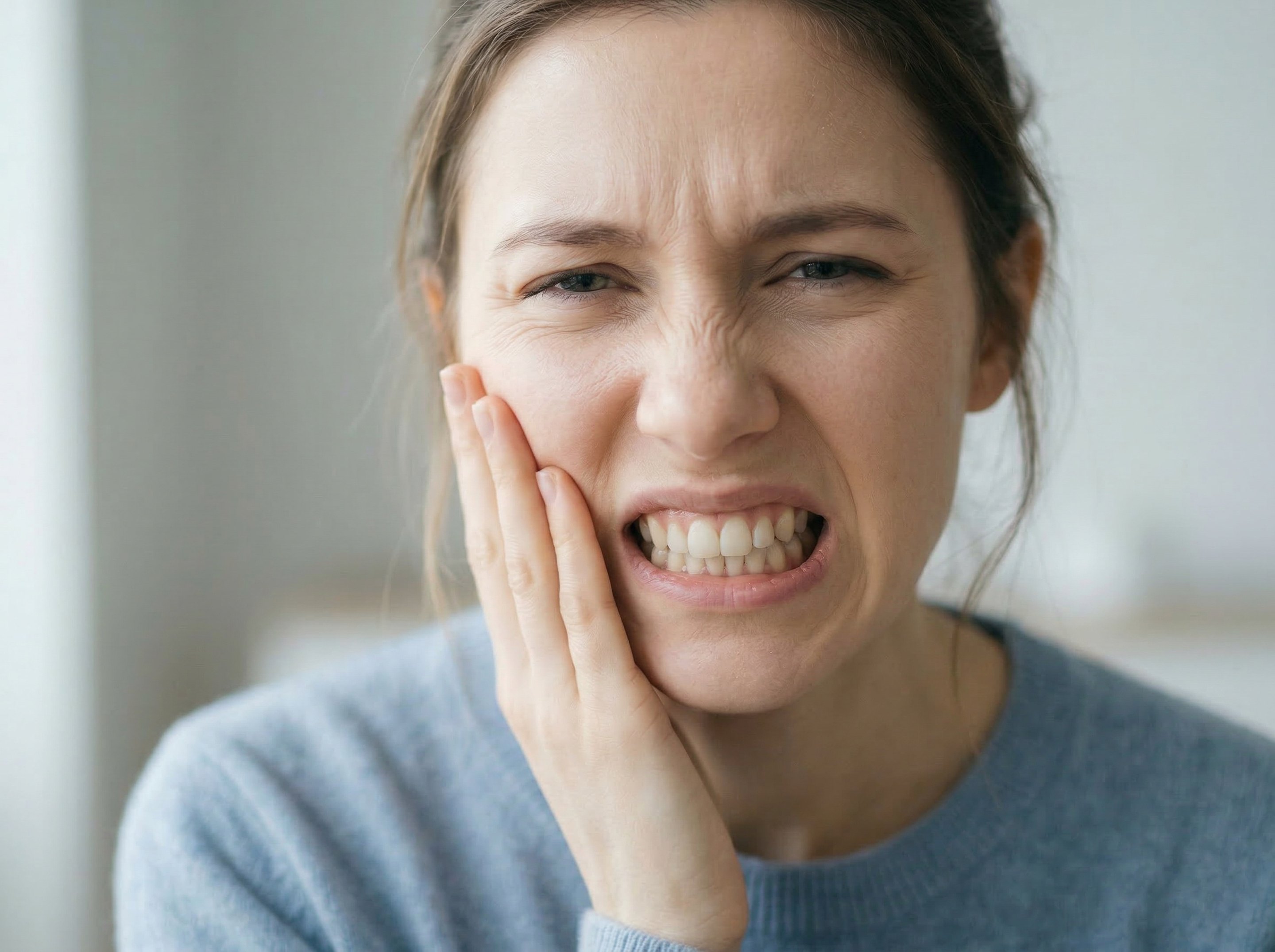
Cysts and changes in the jawbone
A natural sac of tissue surrounds an unerupted tooth. In rare cases, a cyst can develop from it. It often grows slowly and initially goes unnoticed.
Larger cysts can displace bone or damage neighbouring teeth. Radiological check-ups are therefore important for impacted wisdom teeth. Abnormal findings require targeted dental investigation.
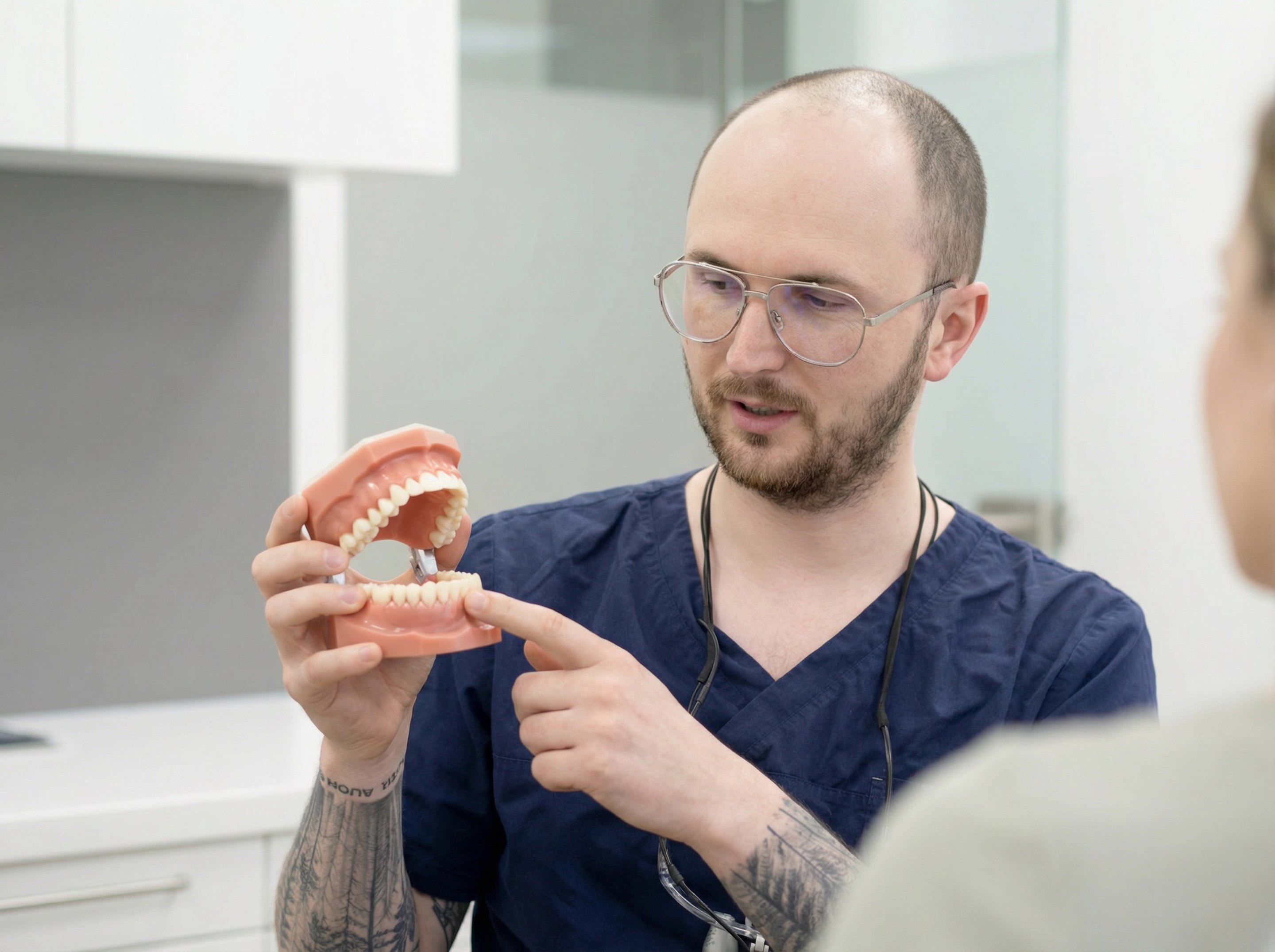
What happens if there is no opposing tooth?
Ideally, a fully erupted wisdom tooth needs an opposing tooth to make contact with. If this is missing, the tooth can gradually continue to emerge. This process is known as elongation.
This can create interfering contacts when chewing. Cleaning can also become more difficult. Further treatment depends on function and the individual bite.
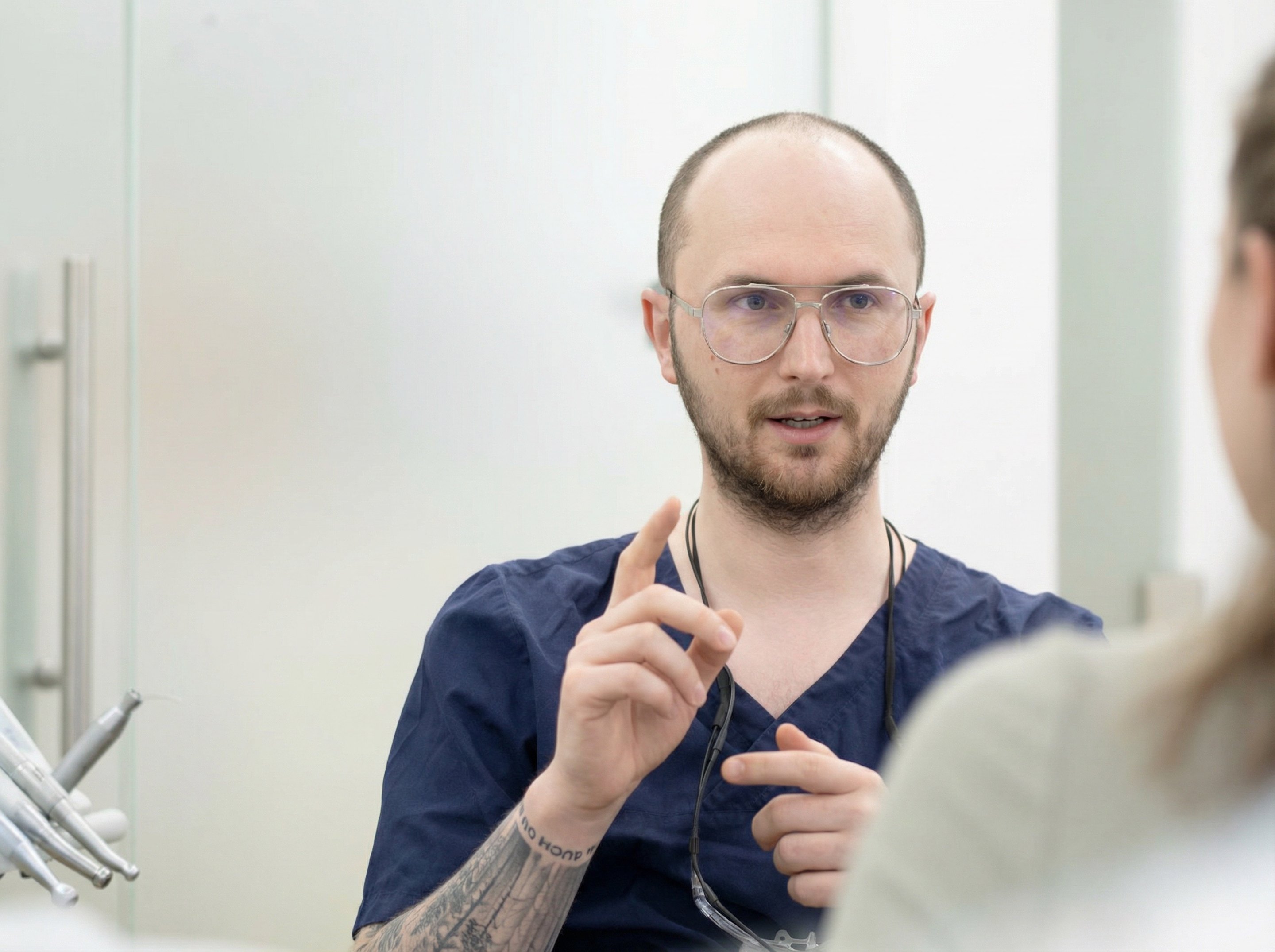
Do symptom-free wisdom teeth have to be removed?
Not every symptom-free wisdom tooth requires an operation. Specialists consider the risk of disease, function and the risks of surgery. Age, root position and neighbouring structures also influence the decision.
Healthy wisdom teeth can remain problem-free for life. This requires good care and regular monitoring. If changes occur, the recommendation is reviewed again.
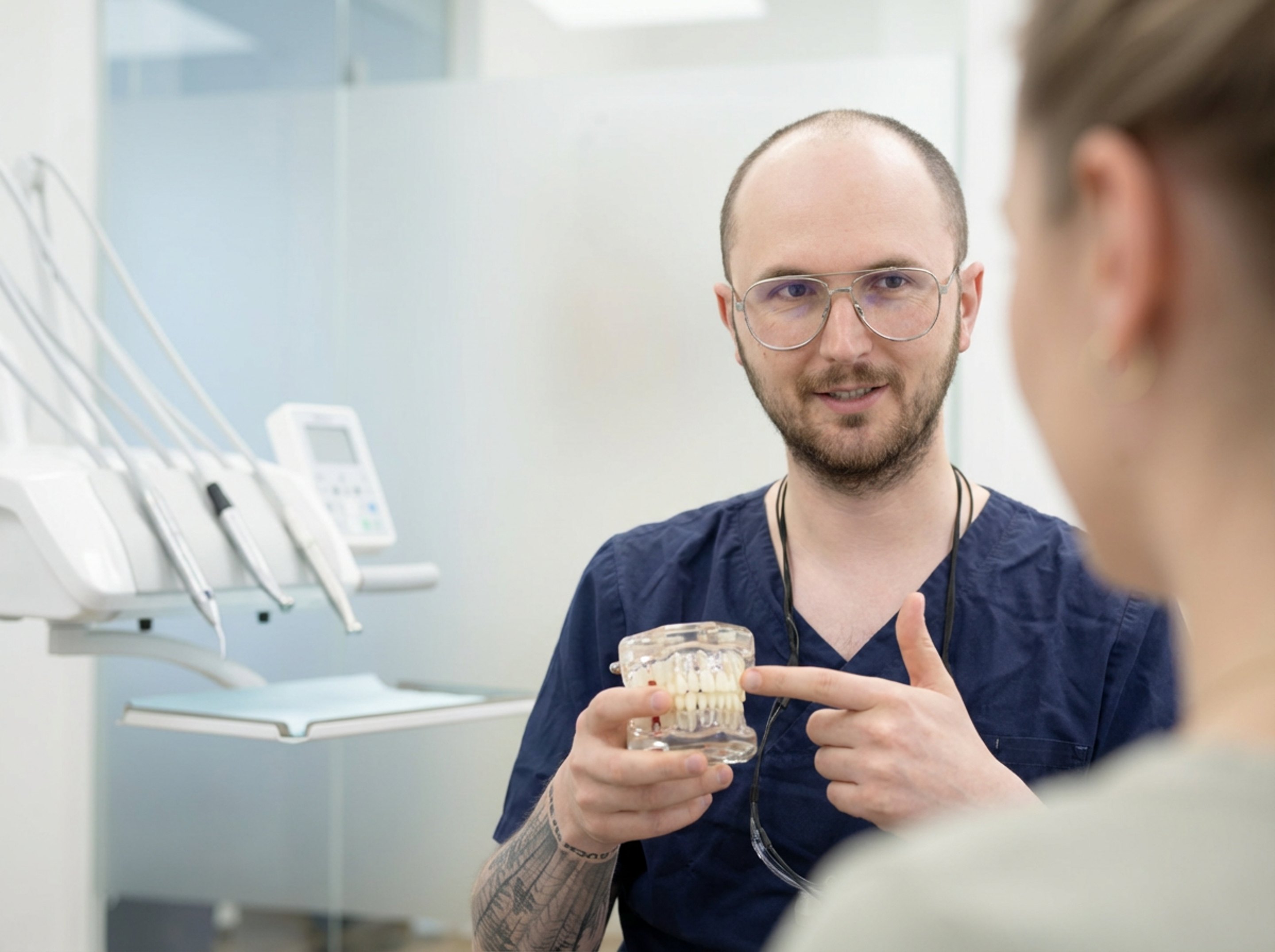
When is there a strong case for removal?
Removal is often advisable when inflammation keeps recurring. This also applies to decay that cannot be treated or damage to the neighbouring tooth. Cysts and other pathological changes can also justify a procedure.
Planned orthodontic or surgical treatments also play a role. The decision is always made after an examination and imaging. A blanket recommendation does not suit every finding.
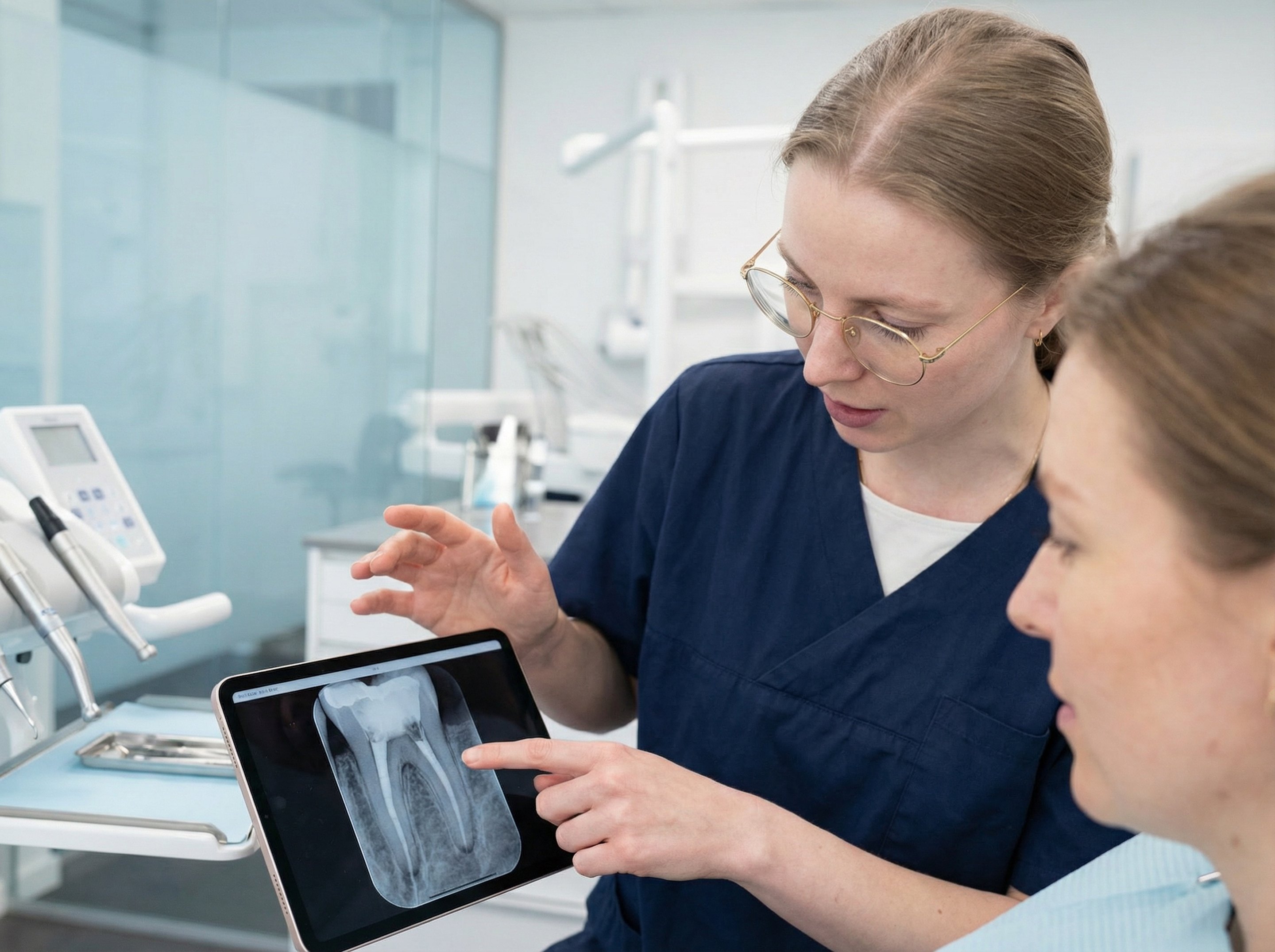
Can removal at a later date become more complicated?
Bone becomes denser with increasing age. The tooth roots are also fully developed by then. This can make a later procedure more technically demanding.
However, healing and individual risks vary considerably. Age is therefore not the only factor. The current findings remain decisive.
If there is an identifiable risk of disease, earlier removal may be advisable. With healthy teeth, there is a strong case for structured monitoring. The benefits and risks should be weighed up together.

How are wisdom teeth monitored?
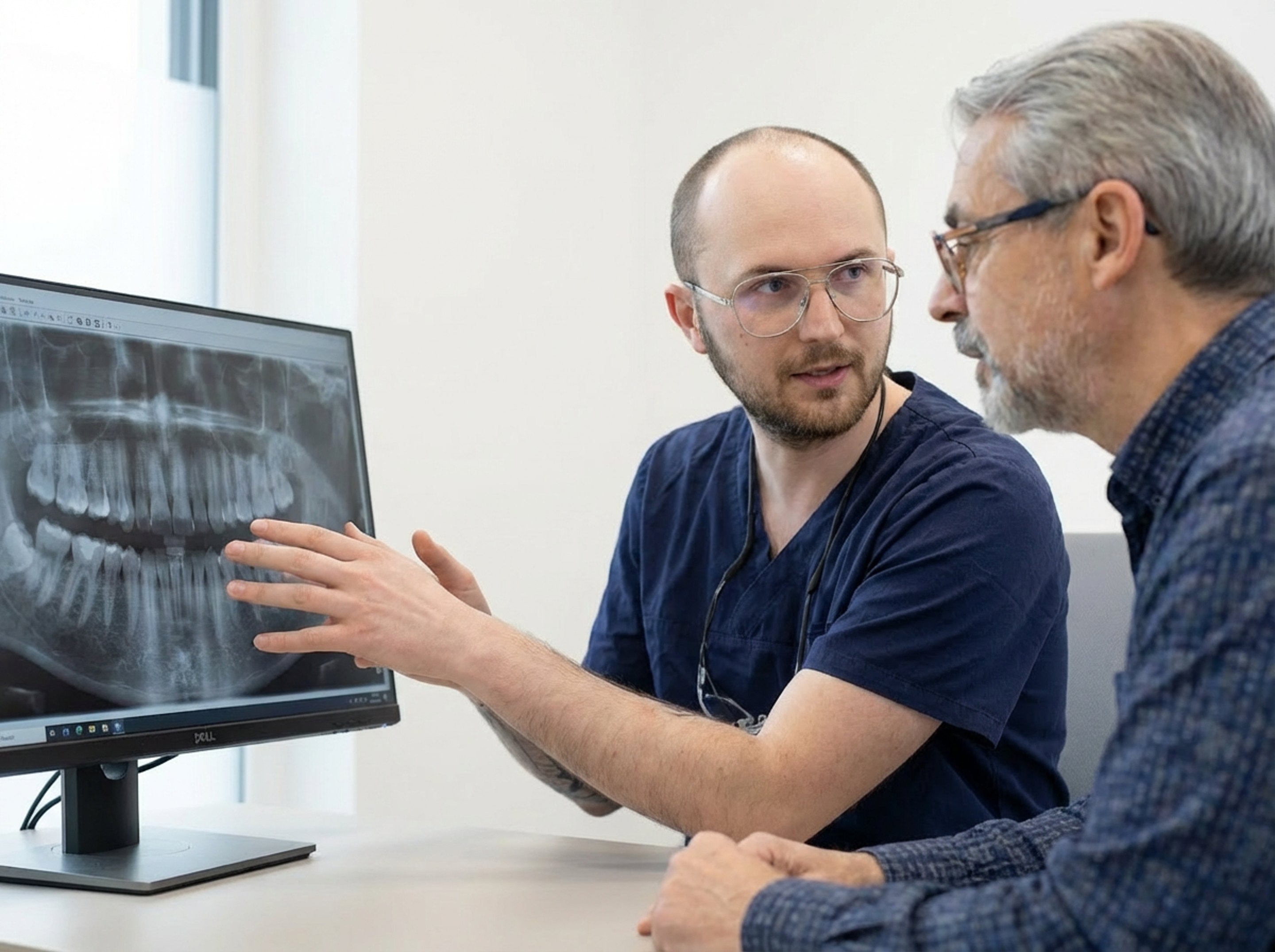
The check-up begins with a discussion of symptoms. The dentist then examines the gums, mouth opening and options for cleaning. An X-ray shows hidden teeth and important neighbouring structures.
Check-up intervals depend on individual risk. Routine preventive appointments may be sufficient when findings are stable. Teeth with abnormal findings often require more frequent check-ups.
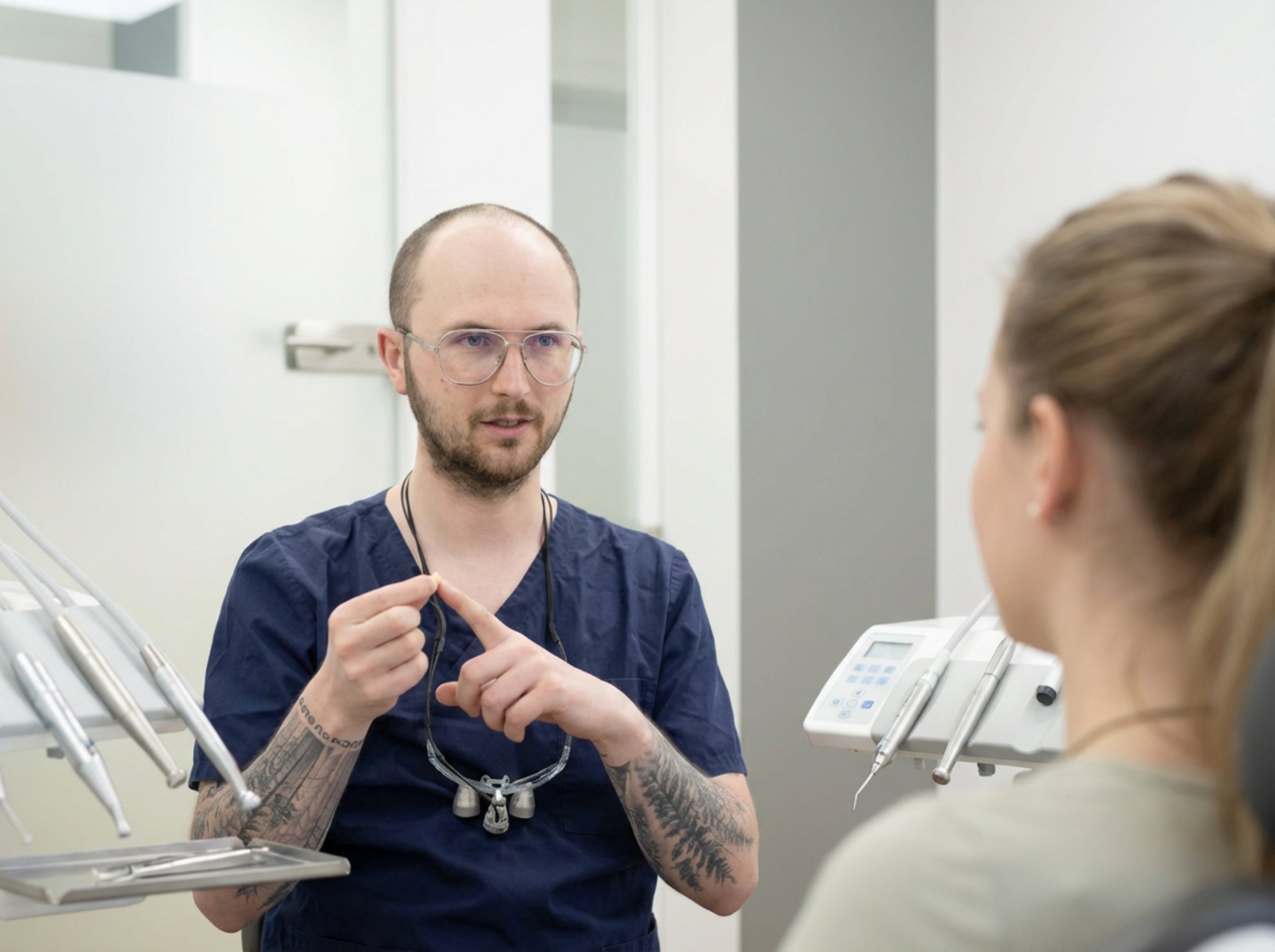
Warning signs that require a prompt visit to the dentist
Severe swelling, fever or difficulty swallowing require prompt assessment. The same applies to a discharge of pus or increasing difficulty opening the mouth. Such signs can indicate a progressing infection.
Recurring symptoms should also be examined. Home remedies usually do not eliminate the cause. An early diagnosis can prevent more extensive subsequent damage.
Conclusion: keep or remove wisdom teeth?
Wisdom teeth can remain in place if they are healthy and easy to monitor. Without check-ups, inflammation, tooth decay or cysts can progress unnoticed. Partially erupted teeth and those that are difficult to reach are particularly at risk.
At Wunschlachen, we assess the position, function and surrounding structures. You will then receive a clear, individual recommendation. The aim is a safe decision for your long-term oral health.