
Eating after wisdom tooth surgery: what you can eat and when
Über 350 Google-Bewertungen

When can I eat again after wisdom tooth surgery?
Meal plan after wisdom tooth surgery: days 0 to 14


Day of surgery: drink first, then eat spoon-soft food
While the anaesthetic is still working, only sip still water or lukewarm tea. Afterwards, cool or lukewarm puréed foods such as yoghurt, pudding, apple sauce or a lukewarm broth are suitable. Avoid hot and spicy foods and alcohol today.
Days 1 and 2: soft food, chewing on the opposite side
Soups, mashed potato, scrambled eggs, porridge or a smoothie without seeds are all good choices, eaten with a spoon or drunk from a glass. The swelling is now at its worst, and it is often difficult to open your mouth. Chew on the side without the wound.
Days 3 to 5: soft foods with a little more texture
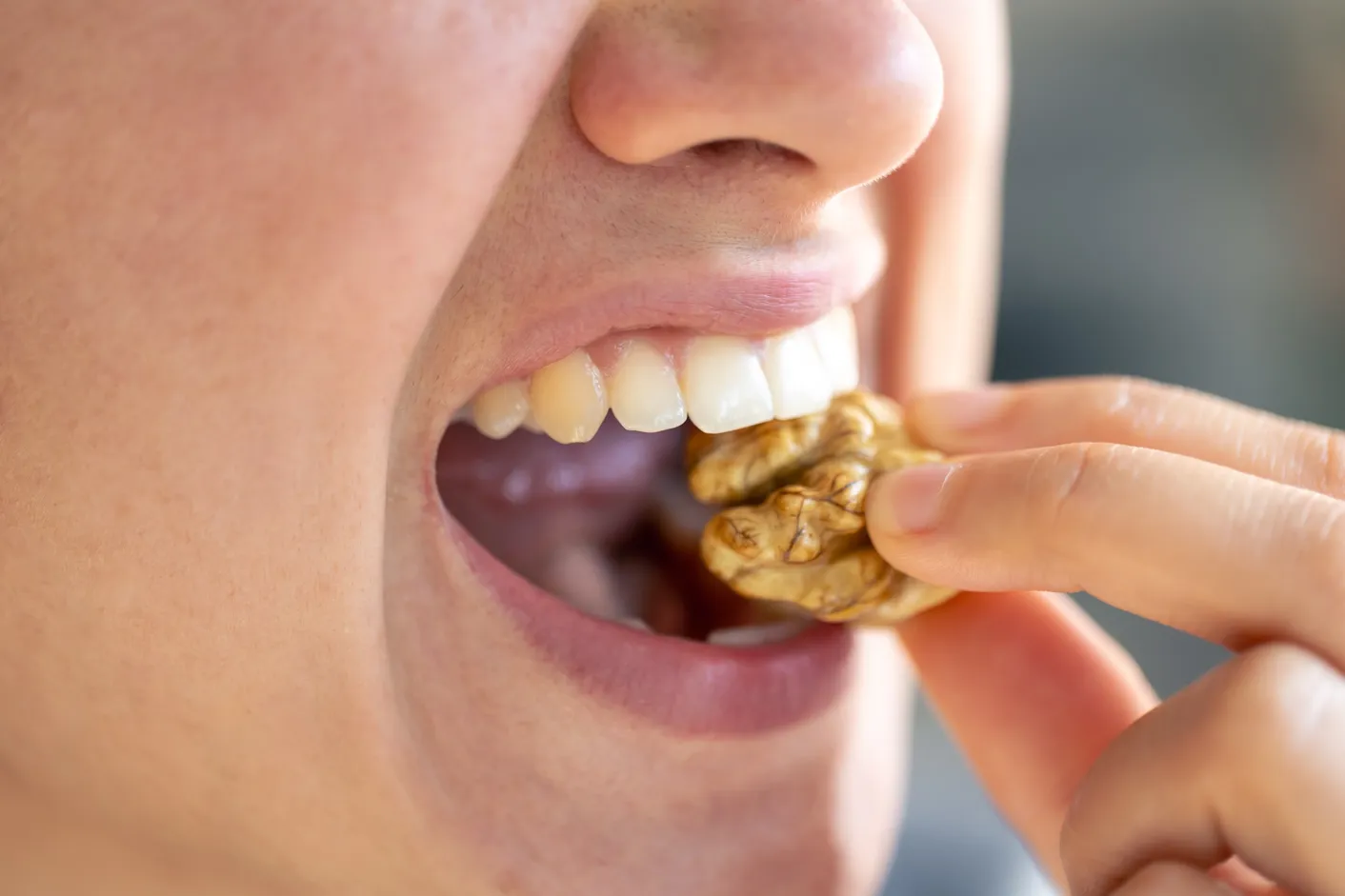
You can now eat foods that can almost be crushed with your tongue, such as softly cooked pasta, fish, rice pudding or steamed vegetables. Hard and crumbly foods still need to wait.
Days 6 to 9: almost normal, but no crumbs
Carefully try soft bread without the crust or a casserole. Continue to avoid nuts, crisps and grains.
Days 10 to 14: return to your usual diet
Once your stitches have been removed, often after around eight days, gradually return to your usual diet. Bread crusts, pizza crusts and nuts come last. If chewing causes pressure, go back a step and mention it to your practice.
What to avoid during the first few days
Recovery in numbers
The figures come from a diary study of 201 people who underwent surgery; the daily milestones in the plan above are intended as a guide. From day 5, everyday life became more normal again for the participants.
Swelling and pain are part of the healing process; the swelling is worst on days 1 and 2, and severe pain becomes much less common by day 7. Read our dedicated guide to find out what the normal course of pain after wisdom tooth surgery looks like.
Food debris in the wound: normal, but do not poke around

Ice cream, pudding and smoothies: yes, with two caveats
Coffee, alcohol, milk and straws: what studies and information leaflets say
Zu Getränken kursieren die meisten Regeln. Hier steht, was Studien zeigen und was eine übliche Vorsichtsregel ist.

Coffee
Dental information leaflets advise avoiding coffee for 24 hours to two days; the clinical guideline does not specify a time limit. While the anaesthetic is still working, there is a risk of scalding. Afterwards, it is best to drink coffee lukewarm or cold for the first few days.

Alcohol
Dental information leaflets advise avoiding alcohol for 24 hours to two days, while the British health service, the NHS, cites the risk of renewed bleeding. Following sedation or a general anaesthetic, the anaesthetic team's instructions also apply. An adverse interaction with alcohol has been described for some antibiotics, such as metronidazole; the patient information leaflet is the authoritative source.

Milk and yoghurt
Neither the clinical guideline nor the patient information we reviewed mentions a general ban on milk. Yoghurt, pudding and quark count as soft foods. However, milk has been shown to significantly reduce the absorption of some antibiotics; if you have been prescribed one, follow the patient information leaflet.

Straws and fizzy drinks
Sucking through a straw creates negative pressure that can dislodge the fresh blood clot, so clinical patient information advises against it. Drink from a glass. IQWiG health information recommends still water or lukewarm herbal tea as better options.

Before surgery: shopping and preparation
Wisdom tooth surgery at Wunschlachen in Berlin
When to call rather than wait