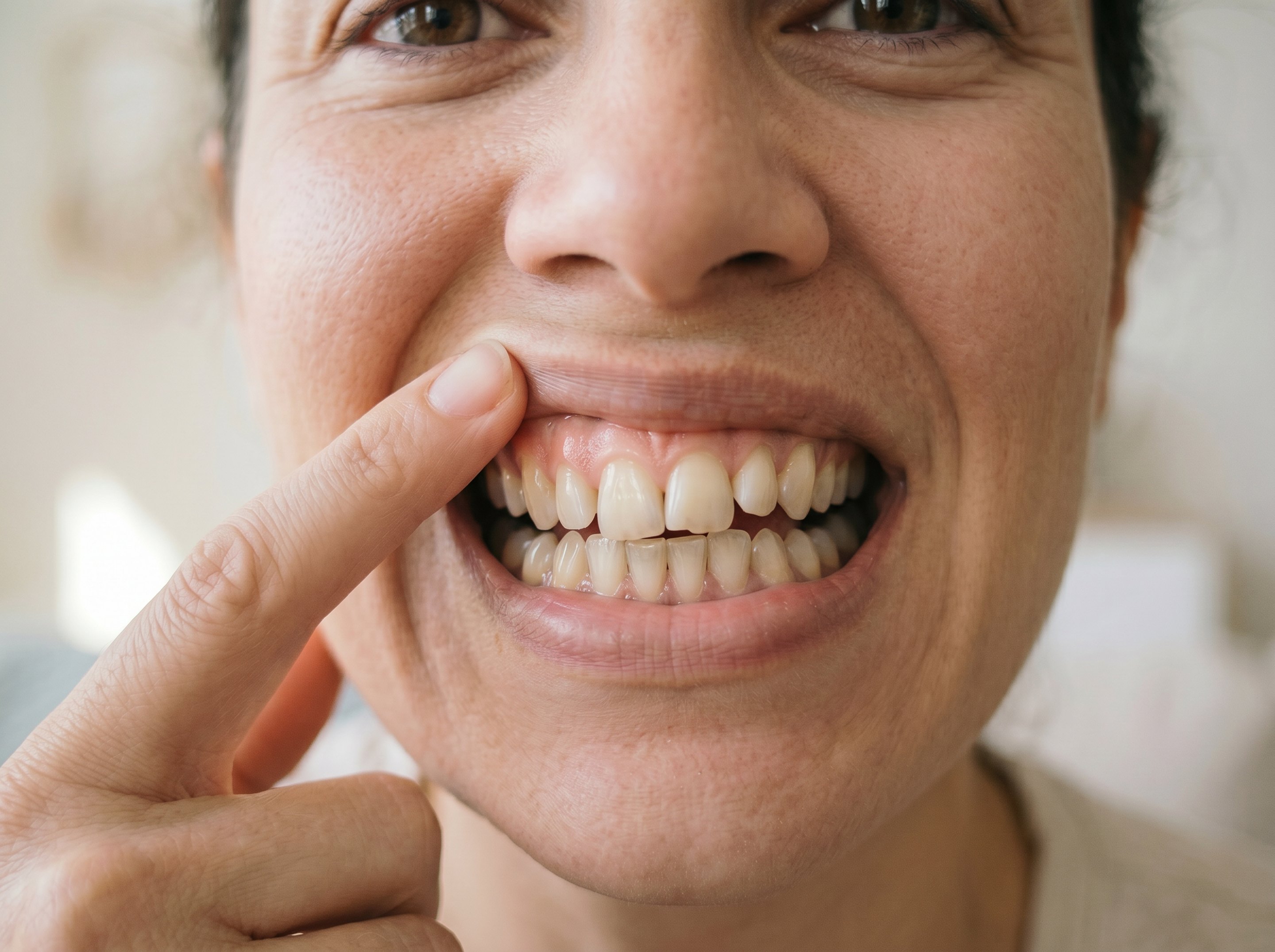
When do wisdom teeth need to be removed?
Wisdom teeth do not need to be removed as a matter of course. The key factors are symptoms, inflammation, damage or identifiable risks. An examination will show whether monitoring or removal is advisable.
Über 350 Google-Bewertungen
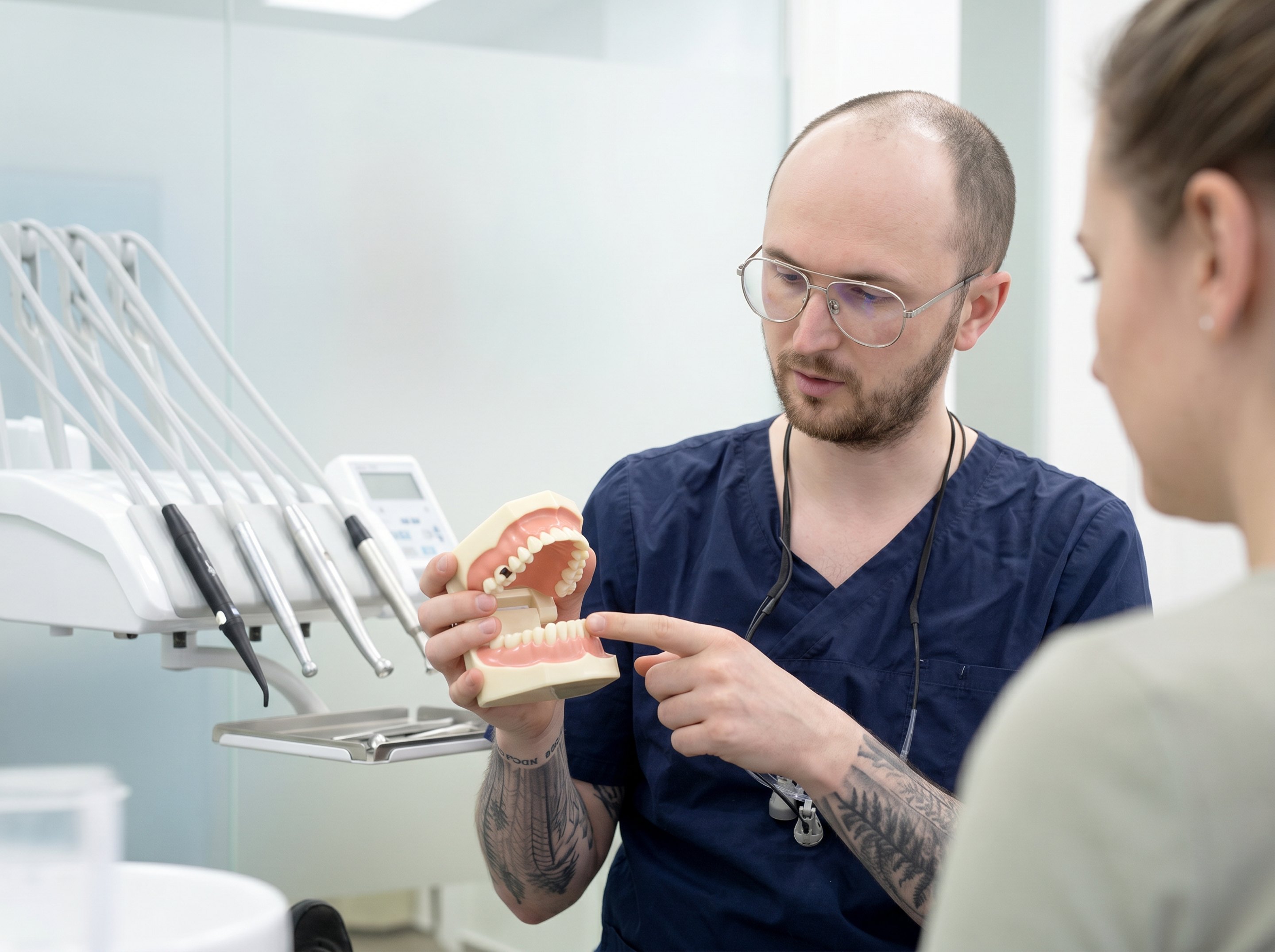
Why wisdom teeth can cause problems
Wisdom teeth are the rearmost molars in the upper and lower jaws. There is often insufficient room for them to erupt straight. They then remain partially or completely within the jaw.
Partially erupted teeth are often difficult to clean. Food debris and bacteria collect beneath a flap of gum. This can lead to inflammation, tooth decay or gum pockets.
An impacted wisdom tooth can also press against the neighbouring tooth. This can damage the tooth root or the structures supporting the tooth. Cysts are also possible, but are comparatively rare.
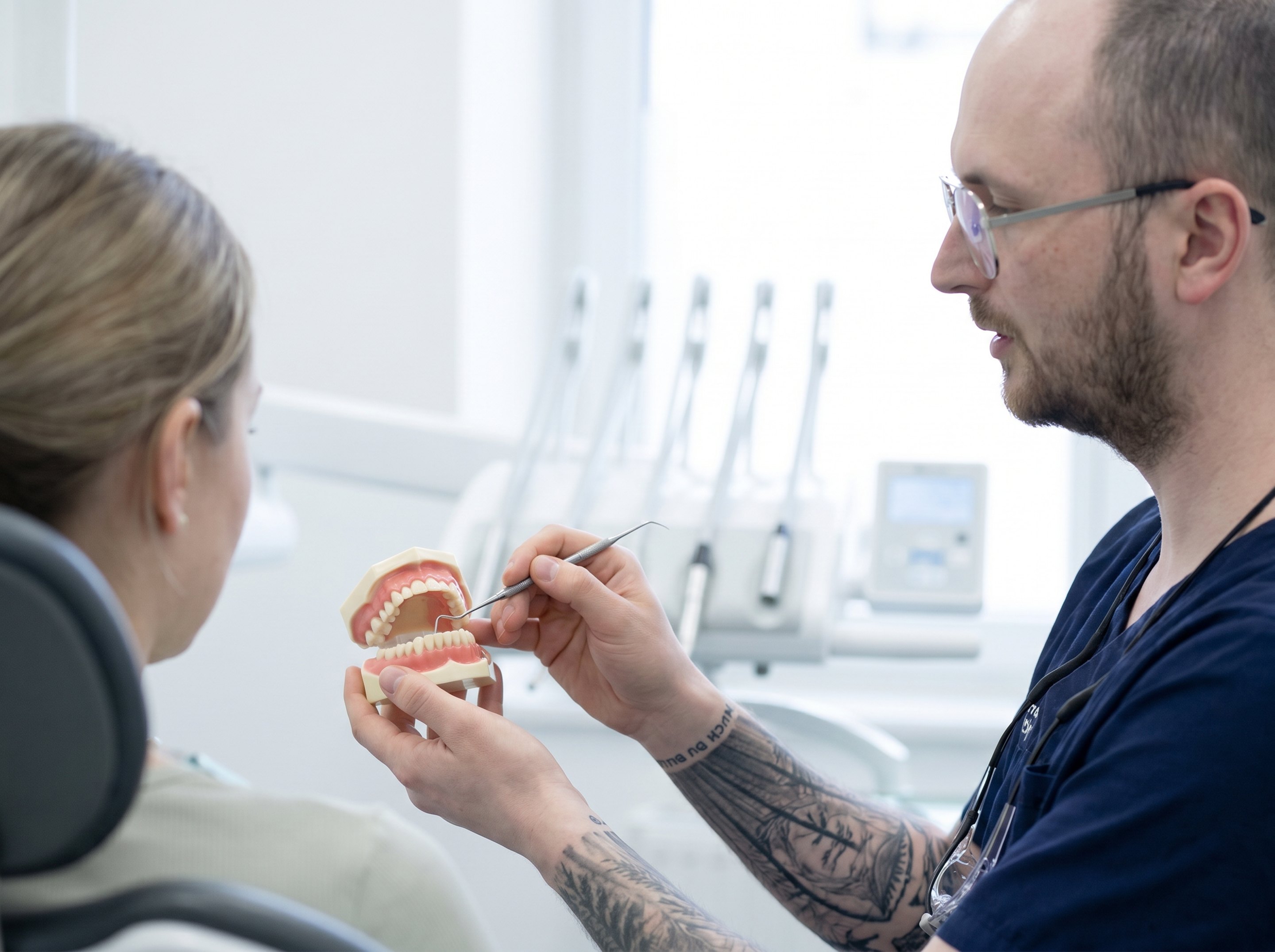
When is wisdom tooth removal necessary?
Removal is usually recommended when disease is already present. This includes recurring inflammation around the wisdom tooth. Abscesses or pronounced swelling also indicate a need for treatment.
Tooth decay can also make surgery necessary. This is particularly true of defects that are difficult to access. Sometimes the adjacent molar has already been damaged.
Other reasons include root inflammation, cysts or resorption of adjacent tooth roots. A tooth can also obstruct planned procedures on the jaw. However, every decision requires an individual assessment of benefits and risks.
What damage can occur to neighbouring teeth?
Wisdom teeth growing at an angle often touch the second molar. A hard-to-reach gap forms between the two teeth.
Plaque accumulates there despite careful oral hygiene at home. Tooth decay can therefore develop unnoticed on the rear surface of the tooth. Deep gum pockets are also possible in this area. In the long term, they jeopardise the stability of the adjacent tooth.
In rare cases, pressure dissolves parts of a tooth root. Specialists refer to this as root resorption. Such changes can often be detected earlier on X-rays.
Protecting the second molar is an important factor in the decision. Preserving it usually has greater functional importance. Any unusual contact between the teeth should therefore be monitored regularly.
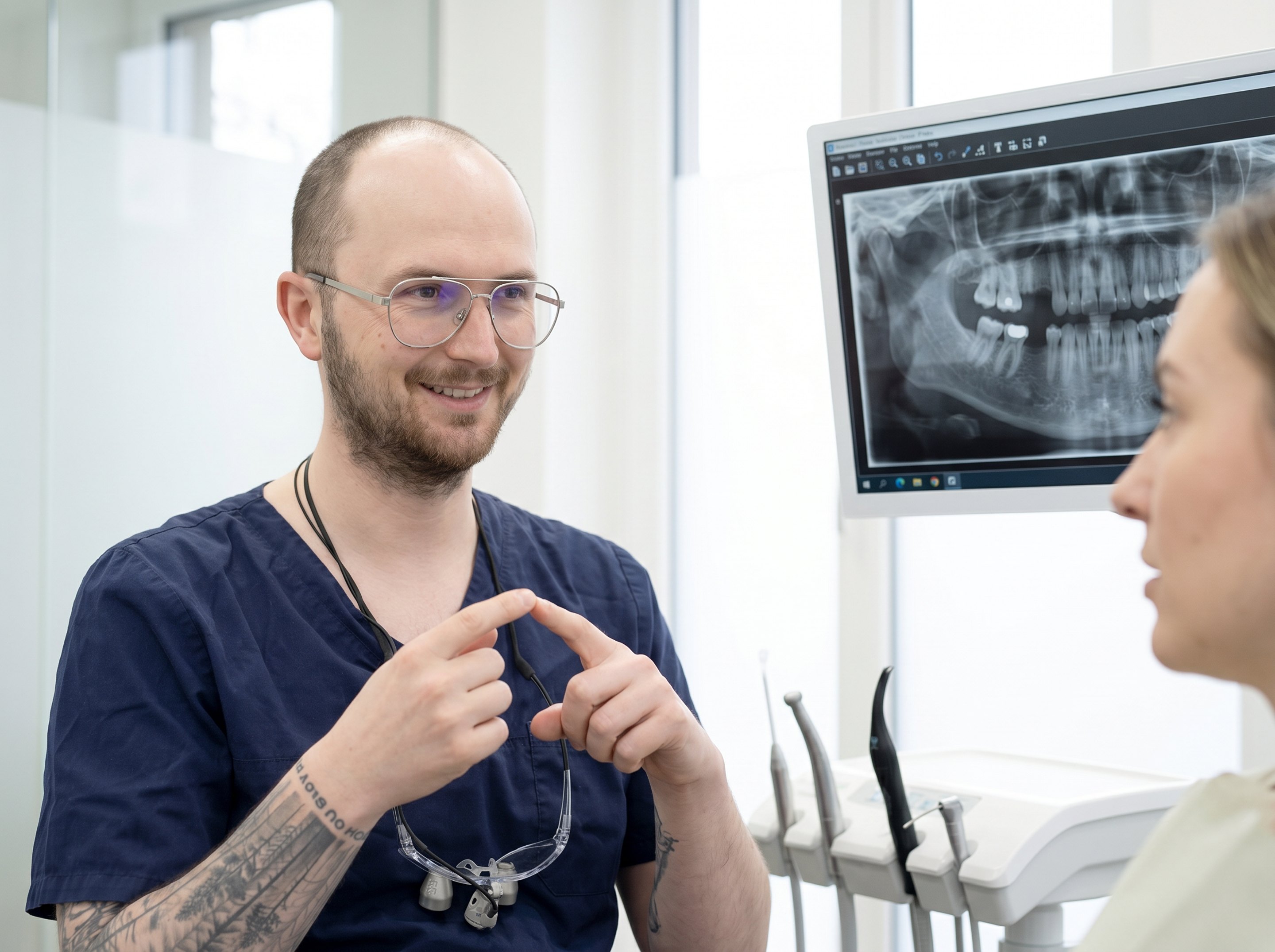
Typical warning signs at the back of the jaw
Recurring symptoms behind the last molar should be examined. Redness, swelling or an unpleasant taste often occur. Sometimes inflammation makes chewing or opening the mouth difficult.
A feeling of pressure can also indicate a lack of space or an unfavourable position. However, pain alone does not reliably reveal the cause. A dental diagnosis therefore remains important.
Fever, pus or increasing facial swelling require prompt assessment. The same applies to difficulty swallowing or significantly restricted mouth opening. Such signs can indicate an advancing infection.

Do wisdom teeth that are not causing symptoms always have to come out?
No, healthy and unproblematic wisdom teeth can often be retained. Impacted teeth do not automatically require surgery either. Regular check-ups may then be sufficient.
The dentist examines the gums, neighbouring teeth and how well the teeth can be cleaned. X-rays show the position, roots and adjacent structures. This allows changes to be detected early.
Preventive removal can nevertheless be considered on an individual basis. The deciding factors are position, age, risk of disease and planned treatments. Crowding of the front teeth alone is usually not sufficient as the sole reason.
When is the right time for removal?
The best timing does not depend on age alone. Operations can become more challenging with increasing age. Nevertheless, age alone does not justify removal.
Where damage is evident, treatment should not be delayed unnecessarily. Recurring inflammation can place additional strain on the surrounding tissue. In cases of acute symptoms, the findings determine the immediate course of action.
The operation can then be planned under better conditions. Pre-existing conditions and medication are given particular consideration in older patients. Blood-thinning medication must never be stopped on your own initiative.

When can another treatment be sufficient?
Not every gum inflammation requires immediate wisdom tooth surgery. Professional cleaning can initially reduce local irritation. Tailored oral hygiene and frequent check-ups also help.
If the tooth is favourably positioned, a filling may also be possible. However, defects that are difficult to reach often cannot be treated permanently. Removal may then be more beneficial in the long term.
Sometimes the root is very close to the nerve in the lower jaw. In selected cases, partial removal can be considered. Part of the root remains in the jaw under monitoring.
Which examinations are important before the decision?
First, a thorough examination of the mouth is carried out. The eruption, gums and adjacent teeth are assessed. Your personal history of symptoms is also discussed.
An X-ray shows the exact position of the wisdom tooth. In the lower jaw, proximity to the nerve is particularly important. In the upper jaw, the relationship to the maxillary sinus is assessed.
A three-dimensional scan can be useful if the tooth is in a complicated position. It supports precise planning in complex cases. However, not every patient needs this additional diagnostic procedure.

What risks does removal involve?
Swelling, wound pain and restricted mouth opening are possible after the procedure. These symptoms usually subside during healing. Post-operative bleeding or wound infections can also occur.
With lower wisdom teeth, there is a risk of nerve irritation. This can cause temporary altered sensation in the lip, chin or tongue. Permanent changes are less common, but cannot be ruled out.
The benefits and risks should therefore be carefully weighed against each other. For unproblematic teeth, monitoring may be the better option. Where disease is clearly present, the benefits of removal often outweigh the risks.
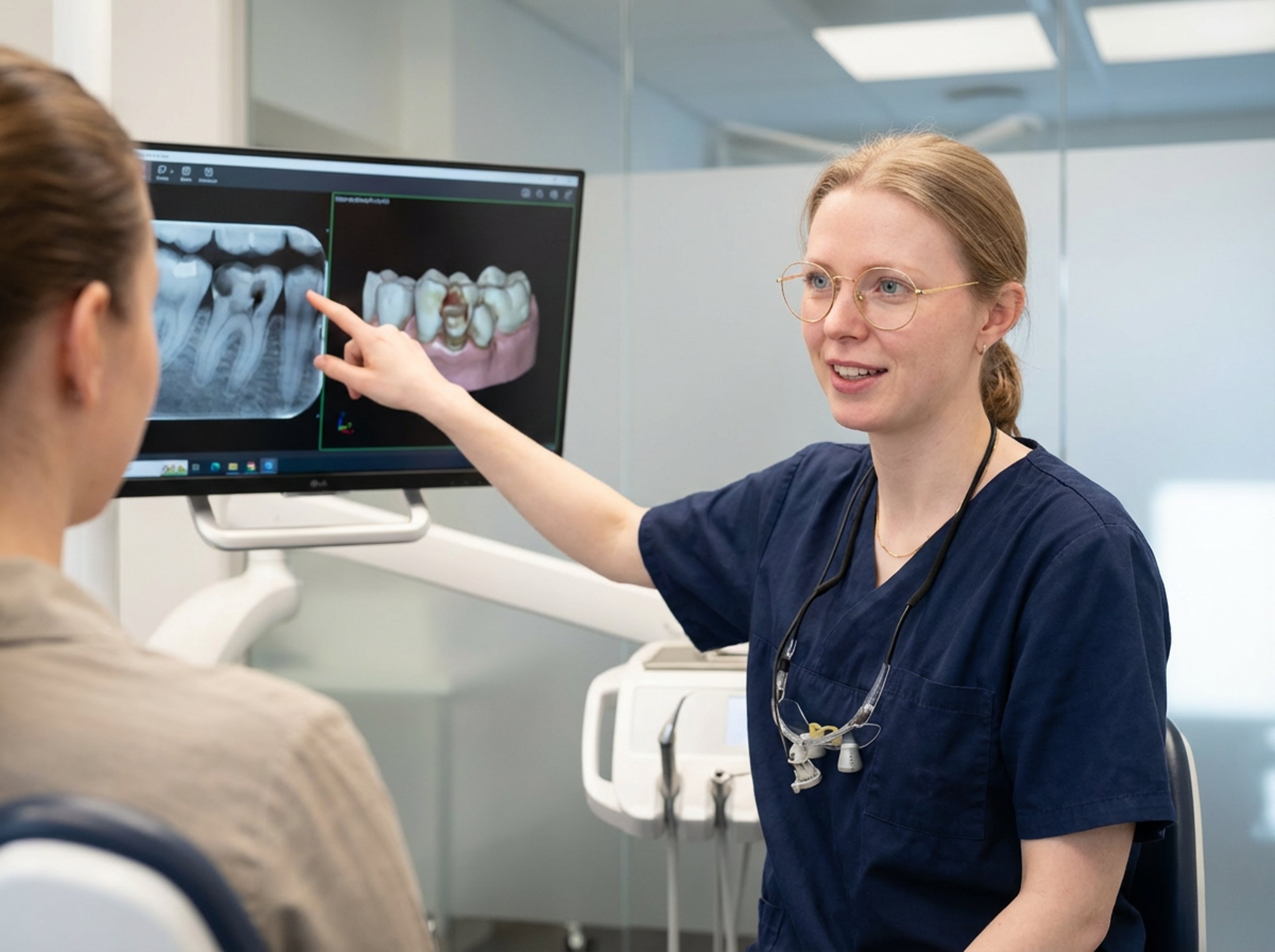
Have your wisdom teeth examined at Wunschlachen
At Wunschlachen in Berlin, we thoroughly assess your wisdom teeth. We explain the findings, the need for treatment and possible alternatives clearly. We then plan the next steps together.
An early check-up provides clarity if you have symptoms or a lack of space. However, it does not reliably prevent every individual disease. Regular appointments support timely treatment.