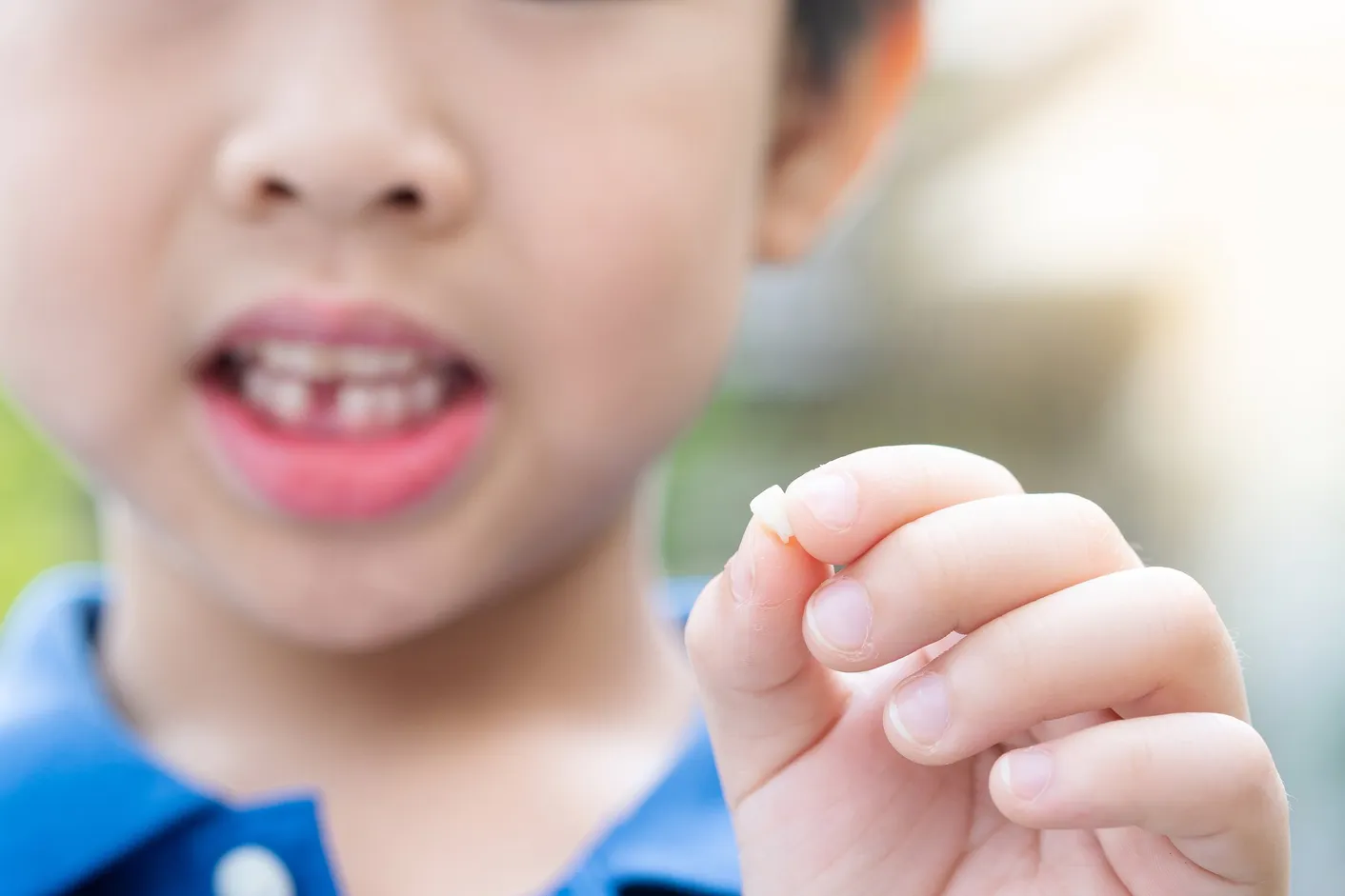
Wobbly teeth in children: supporting your child as their baby teeth come out
The first wobbly tooth is an exciting milestone for many children. During the natural process of losing baby teeth, baby teeth gradually become looser and make room for the permanent teeth. This process can usually be handled calmly. However, it is important to distinguish between a baby tooth that becomes loose at the appropriate stage of development and a tooth that wobbles or hurts after a fall.
The short answer
A wobbly tooth can be part of the natural process of losing baby teeth. Pain, an accident or a loose permanent tooth require a different assessment.
- Why does a baby tooth become loose?
- Baby teeth also have roots. During the natural process of tooth replacement, these roots are gradually broken down. This loosens the tooth's anchorage and makes it mobile. When it eventually falls out, often only its small crown is visible. This does not mean that a large piece of root must have been left behind in the jaw.
- Not every new tooth replaces a baby tooth
- During the mixed dentition stage, baby teeth and permanent teeth are present in the mouth at the same time. The first large permanent molars usually appear behind the baby molars at around six years of age. No baby tooth needs to fall out first. These teeth can therefore easily be overlooked or mistaken for additional baby teeth.
- When should a wobbly tooth be examined?
- Arrange a check-up if a tooth becomes loose unusually early, if teeth are being lost noticeably on only one side, or if the new tooth appears in a different position. This does not automatically mean that treatment is needed. The examination establishes which tooth is affected and whether the available space and dental development are compatible.
- If the tooth is wobbly after a fall
- After an accident, a loose, displaced or broken tooth should be examined promptly. Say when the accident happened and whether your child's bite feels different, a lip is injured or a piece of tooth is missing. An accident is a separate situation, even if your child is already losing baby teeth.
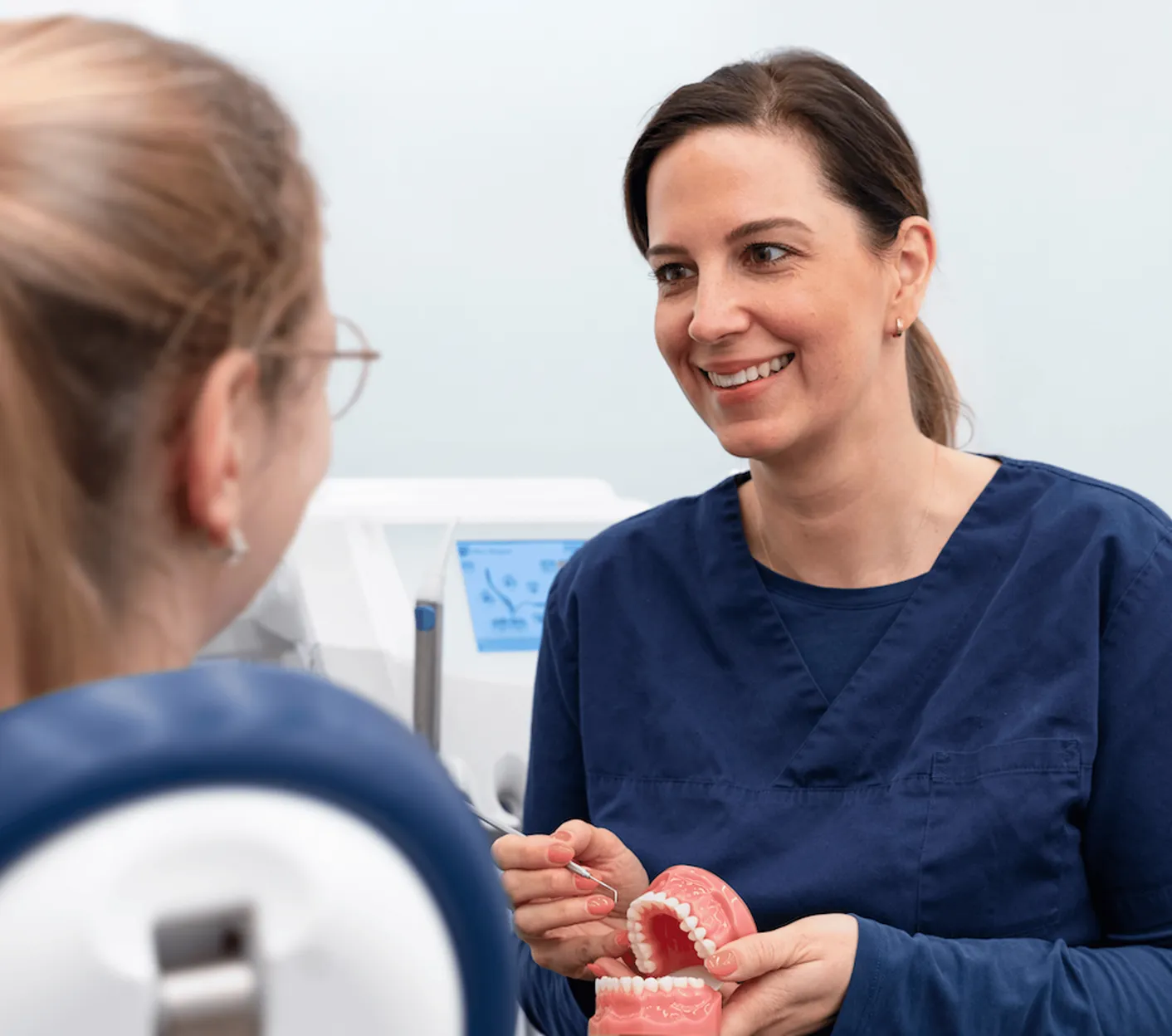
Why does a baby tooth become loose?
Baby teeth also have roots. During the natural process of tooth replacement, these roots are gradually broken down. This loosens the tooth's anchorage and makes it mobile. When it eventually falls out, often only its small crown is visible. This does not mean that a large piece of root must have been left behind in the jaw.
Children often begin losing their baby teeth at around the time they start school. The incisors usually come out first; other baby teeth follow at later stages. Development does not follow the same timetable in every child. Comparing your child with classmates alone therefore does not show whether anything needs treatment.
If you have concerns, make a note of your child's approximate age, the tooth affected and how long it has been wobbly. A dental check-up can assess development better than searching for a single ‘correct’ date for a tooth to come out. You can find information about how children's teeth develop in the article on baby teeth.
Not every new tooth replaces a baby tooth
During the mixed dentition stage, baby teeth and permanent teeth are present in the mouth at the same time. The first large permanent molars usually appear behind the baby molars at around six years of age. No baby tooth needs to fall out first. These teeth can therefore easily be overlooked or mistaken for additional baby teeth.
It is worth taking a close look at the new teeth at the back when brushing. At first, they are often not yet level with the neighbouring teeth. Help your child to reach their chewing surfaces too. A wobbly tooth at the front is therefore not the only change to look out for while baby teeth are being replaced.
Nor does the gap left by a lost baby tooth always close within a fixed number of days. If you are concerned about how things are progressing, arrange a check-up. The assessment takes account of the tooth affected and overall development; a rigid deadline for all children is not very helpful.
Leave it or pull it out: what can parents do?
Do not try to remove a baby tooth that is still firmly in place by force. Using string, a door or tools is not a sensible way to help with tooth loss. Your child should not have to pull at their tooth because they are afraid of the next bite or because adults are pressuring them.
Stay calm if you have questions and explain that baby teeth make room for new teeth. If your child wants to know what the tooth will look like later, you can look together at permanent teeth that are already present. There is no need to pull and twist the tooth every day to check on progress.
If a very loose tooth interferes with eating or your child is hardly eating because they are worried, contact the dental practice. They can decide whether waiting is sufficient or whether help is needed. This is particularly important if it is unclear whether the tooth affected really is a baby tooth.
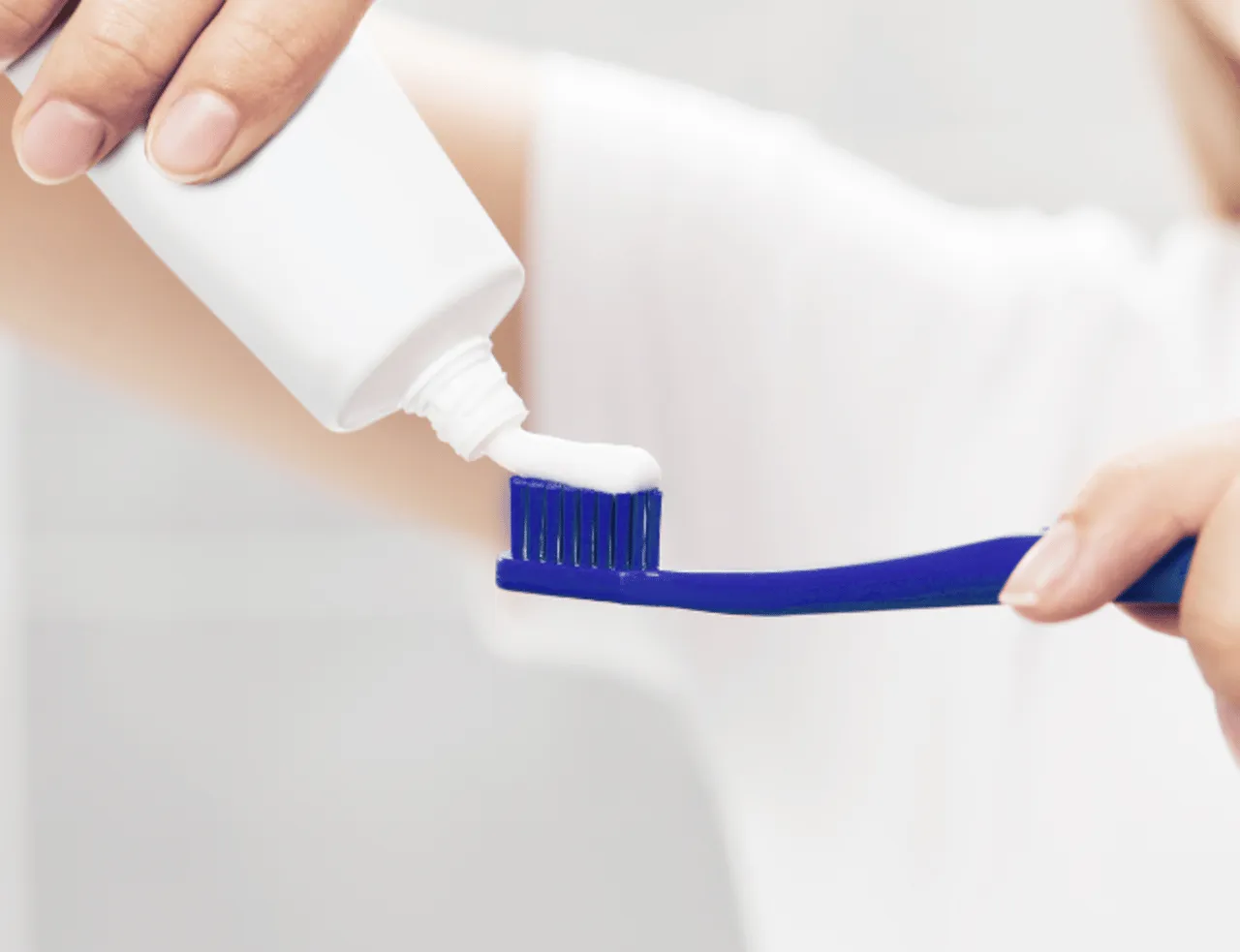
Brushing and eating while losing baby teeth
A loose baby tooth is no reason to stop oral hygiene. Continue to clean the teeth with a soft brush of a suitable size and age-appropriate fluoride toothpaste. Gentle brushing around the sensitive area is more comfortable than vigorous scrubbing. The neighbouring teeth and newly erupting molars should also be reached.
From around the age of six, the KZBV recommends brushing twice daily with a junior or adult toothpaste containing 1,450 ppm fluoride. Younger children need the amount and concentration intended for their age. Seek advice if your child is also given fluoride supplements; different applications should be coordinated.
If biting down is uncomfortable, smaller pieces and less hard foods can make everyday life easier. A special ‘wobbly-tooth diet’ is not necessary. Instead, watch whether your child is eating and drinking enough or avoiding certain sides because of pain. Recurrent pain should not simply be dismissed as part of losing baby teeth.

When should a wobbly tooth be examined?
Arrange a check-up if a tooth becomes loose unusually early, if teeth are being lost noticeably on only one side, or if the new tooth appears in a different position. This does not automatically mean that treatment is needed. The examination establishes which tooth is affected and whether the available space and dental development are compatible.
If a baby tooth is lost early, its role in maintaining space must be considered. In particular, a gap that appears prematurely can affect subsequent dental development. Whether measures are needed depends on the tooth and stage of development. Neither removal nor a space maintainer should therefore be decided on from a photo alone.
Swelling, pus, severe pain or fever do not simply fit with the normal process of losing baby teeth. Have such symptoms assessed urgently by a dentist. Immediate medical help is required for breathing or swallowing difficulties; in an acute emergency, call 112. For routine preventive care and questions about development, paediatric dentistry provides an overview.
If the tooth is wobbly after a fall
After an accident, a loose, displaced or broken tooth should be examined promptly. Say when the accident happened and whether your child's bite feels different, a lip is injured or a piece of tooth is missing. An accident is a separate situation, even if your child is already losing baby teeth.
A baby tooth that has been knocked out is not put back in place. Doing so could damage the permanent tooth beneath it. A permanent tooth that has been knocked out, on the other hand, requires immediate dental care. Avoid touching its root if possible; if it cannot be put back in place, milk can be used for transport.
If you are unsure whether it is a milk tooth or a permanent tooth, seek dental advice by telephone rather than improvising. If there is loss of consciousness or serious associated injuries, call the emergency medical services. The dental injury must not delay the assessment of other injuries. To find help outside surgery hours, read emergency dentist.
Preparing for the next appointment
For a question about development, a short list helps: Which tooth is wobbly? For how long? Was there a fall? Is a permanent tooth already visible? Also describe any changes in eating or brushing. Avoid trying to move the tooth more in order to document it.
Ask for a child-friendly explanation and what you should look out for until the next check-up. This can help your child experience tooth loss as an understandable process. An examination is not only about extracting a tooth; it can also confirm that observation and careful care are sufficient for now.
Frequently asked questions
Children often begin losing their baby teeth at around the time they start school. The timing varies. An examination can assess progress if development raises any questions.
Do not remove a tooth that is still firmly in place by force or with tools. If a very loose tooth is causing significant problems, the dental practice can assess whether help is needed.
No. The first large permanent molars grow behind the baby molars. They do not replace a baby tooth and need careful care from the outset.
Yes. Brush gently with a suitable toothbrush and age-appropriate fluoride toothpaste. Have more severe pain or swelling examined.
Have the injury assessed by a dentist. A baby tooth that has been knocked out is not put back in place. Different measures apply to permanent teeth, and prompt care is important.
No. A permanent tooth is not replaced by another natural tooth. New looseness should be investigated by a dentist.