Teething in babies: understanding symptoms and providing support
When the first teeth emerge through the gums, everyday life changes for some families: the baby chews more often, drools more or is unsettled. Other children get their teeth almost unnoticed. Parents can support this developmental stage gently. It is important not to attribute symptoms to teething too hastily. A child who appears clearly unwell needs a separate medical assessment.
The short answer
Teething can be accompanied by sore gums and unsettled behaviour. A fever or a baby who appears clearly unwell should not automatically be attributed to teething.
- When do the first teeth come through?
- Many babies get their first tooth at around six months of age. Some start earlier, others considerably later. The lower incisors often appear first; the subsequent order and timing can vary. Many children have their milk teeth by around two to three years of age. There is no precise calendar that applies to every baby.
- Which symptoms can be associated with teething?
- The gums may be sore or red where the tooth is coming through. Some babies drool more, chew on suitable objects, sleep less soundly or are more irritable. Such changes may occur from time to time. However, they do not prove that every instance of unsettled behaviour is caused by a tooth.
- Teething rings, necklaces and other products
- A teething ring should be age-appropriate, undamaged and easy to clean. Follow the instructions and supervise your baby while using it. Do not attach teething rings around the neck with a cord. Parts that can come loose or be swallowed are unsuitable.
- When does the baby need medical help?
- For an infant under three months old, a measured temperature of 38 °C or above must be assessed by a doctor immediately. Serious illnesses can also occur without a fever at this age. Poor feeding, unusual behaviour or a marked deterioration in your baby's condition therefore require attention, regardless of whether a tooth is currently becoming visible.
When do the first teeth come through?
Many babies get their first tooth at around six months of age. Some start earlier, others considerably later. The lower incisors often appear first; the subsequent order and timing can vary. Many children have their milk teeth. There is no precise calendar that applies to every baby.
Comparing your child with others can be unsettling, even though development varies widely. Make a note of questions for your child's routine check-up rather than concluding that there is a problem simply because a tooth has not yet appeared. The dental examination assesses the teeth and other findings.
The new teeth are milk teeth. They will be with your child for several years and need care from the outset. Their later replacement by permanent teeth is a different developmental stage; teething in infancy is not yet the changeover from milk teeth.
Which symptoms can be associated with teething?
The gums may be sore or red where the tooth is coming through. Some babies drool more, chew on suitable objects, sleep less soundly or are more irritable. Such changes may occur from time to time. However, they do not prove that every instance of unsettled behaviour is caused by a tooth.
NHS information lists a slightly raised temperature below 38 °C as a possible accompanying symptom. According to this information, there is no evidence to support the claim that teething causes diarrhoea. A high fever, severe diarrhoea or a baby who appears clearly unwell should therefore not be dismissed as normal teething.
Look at the overall picture: Is your baby drinking as usual? Can they be soothed? Do they respond to you? What other symptoms are present? These questions are more informative for a medical consultation than an area of swollen gums alone. Seek help if your baby's behaviour seems unusual.

What can soothe a baby without medication?
Being close to you, quiet play and distraction can help your baby through uncomfortable phases. A suitable teething ring gives your baby something to chew on. Some products may be cooled in the fridge according to the manufacturer's instructions. Frozen objects should not be placed on sore gums: excessive cold and hardness can cause harm.
You can gently touch or massage the gums with a clean finger if your child finds this pleasant. Do not press hard or try to ‘free’ a tooth. The tooth does not need tools or sharp objects to help it come through.
Not every baby likes the same kind of support. Start with one simple measure and watch their reaction. If your child rejects it, you do not need to keep trying. The support should soothe them, not become another stressful procedure. Significant pain or persistent feeding problems should be assessed by a healthcare professional.
Teething rings, necklaces and other products
A teething ring should be age-appropriate, undamaged and easy to clean. Follow the instructions and supervise your baby while using it. Do not attach teething rings around the neck with a cord. Parts that can come loose or be swallowed are unsuitable.
Teething necklaces and amber necklaces are not recommended: the FDA warns of injuries, choking and strangulation associated with teething jewellery. A material that appears natural does not eliminate these risks. A necklace is also not a necessary aid for supporting a baby through teething.
If your child is already having solid foods, choose foods appropriate to their stage of development and supervise them while eating. Small, hard pieces can be swallowed. Sweet teething products are not a good choice for everyday use; sugar remains relevant to dental health even when only a few teeth have come through. Food and play objects should not be confused.
Painkillers and teething gels: seek advice first
For more severe symptoms, medical advice can clarify whether a suitable painkiller is needed. Age, weight, other medical conditions and the specific product affect how it is used. Do not take dosage instructions from internet comments or use medicines intended for adults. Ask your paediatrician's surgery or a pharmacy for advice on the appropriate approach.
There is limited evidence for the effectiveness of teething gels. Even an over-the-counter medicine is not automatically suitable for every baby. The FDA warns in particular about certain numbing medicines containing benzocaine or lidocaine, as well as problematic teething products. This warning does not replace advice about a product sold in Germany, but it does highlight the need for careful selection.
Do not use general mouth pain gels for adults, home remedies containing alcohol or mixtures you have prepared yourself. If simple soothing measures are not enough, seeking advice is better than trying several products at once. Also ask which symptoms despite treatment would warrant another examination.
When does the baby need medical help?
For an infant under three months old, a measured temperature of 38 °C or above must be assessed by a doctor immediately. Serious illnesses can also occur without a fever at this age. Poor feeding, unusual behaviour or a marked deterioration in your baby's condition therefore require attention, regardless of whether a tooth is currently becoming visible.
Seek medical help for older babies too if your child is drinking very little, is unusually sleepy or difficult to wake, has breathing problems or shows other worrying symptoms. Call 112 in the event of acute breathlessness, unconsciousness or a comparable medical emergency. Not every raised temperature warrants an emergency call; age and overall condition are decisive.
Make a note of the temperature, when it was measured, drinking behaviour and any other symptoms for the consultation. Ask how you should monitor your baby's condition. Assuming that ‘it is the teeth’ must not delay a necessary examination. The guideline for parents on fever management provides additional guidance.
Dental care begins with the first tooth
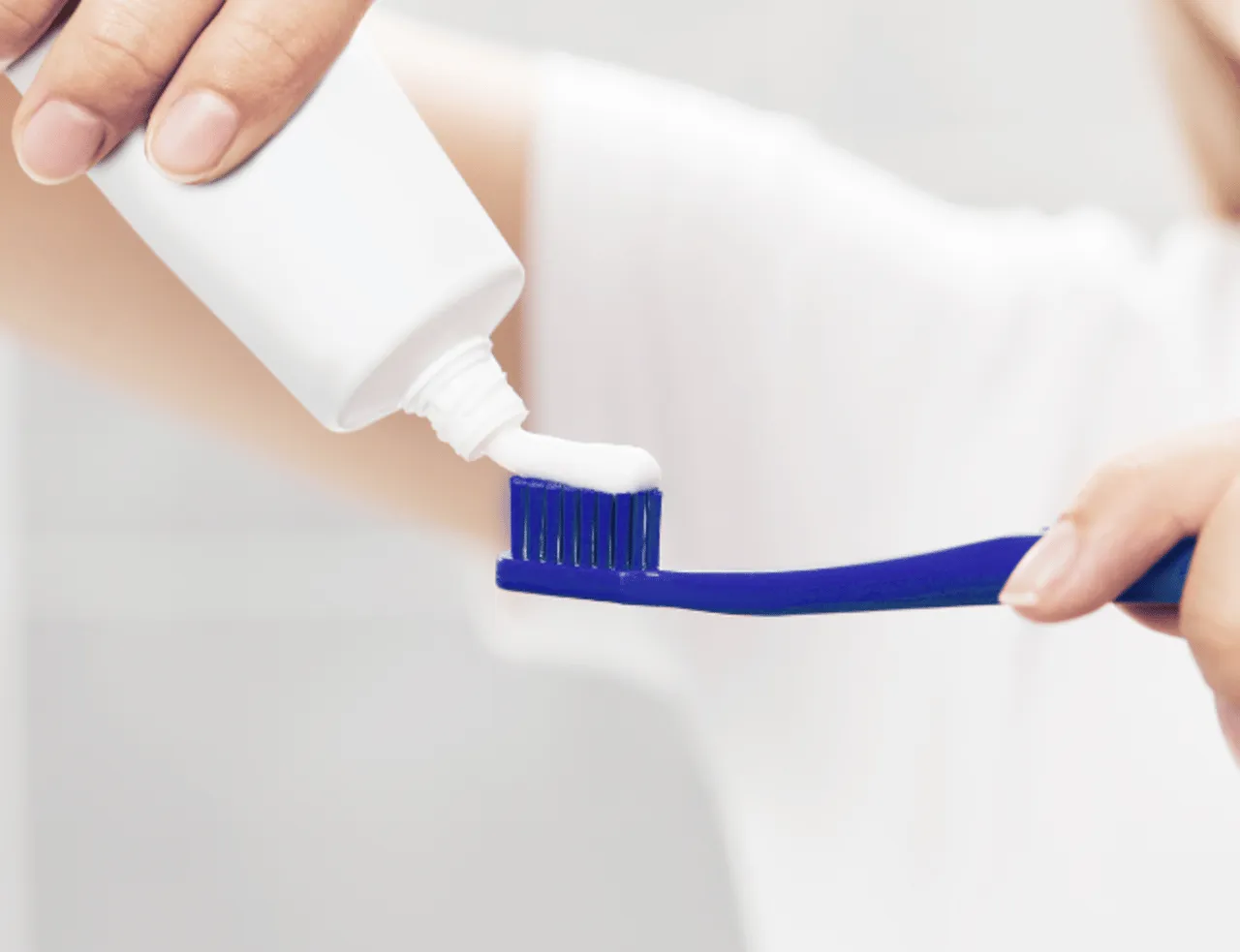
Start brushing as soon as the first milk tooth has come through. Use a soft, age-appropriate toothbrush and follow the advice given at the recommended infant health checks on fluoride use and the amount of toothpaste. This is particularly important if your child is already receiving fluoride tablets. The different uses should be coordinated.
Establish a short, calm routine and do the cleaning yourself as your child's adult carer. A baby cannot clean their own teeth thoroughly. A teething ring does not clean them adequately either. You can discuss questions about early preventive care during a children's dental examination .
A manageable plan is enough for the next few weeks: appropriate relief for sore gums, the start of dental care and clear points of contact if symptoms of illness occur. This allows teething to remain a supported developmental stage without losing sight of other symptoms.
Frequently asked questions
No. The timing varies. Questions about development can be discussed at routine health and dental check-ups.
A high fever should not automatically be attributed to teething. Age, temperature and general condition determine what medical help is needed.
No. Frozen teething rings can damage the gums. Only cool suitable products in the fridge according to the manufacturer's instructions.
No. Teething jewellery can cause choking or strangulation. A necklace is not necessary to support a baby through teething.
The dosage must be appropriate for the child and the product. Seek advice and follow the specific instructions. General information on the internet is no substitute for this.
From the moment the first milk tooth comes through. The toothbrush, amount of toothpaste and fluoride use should be age-appropriate and coordinated with any other fluoride products.