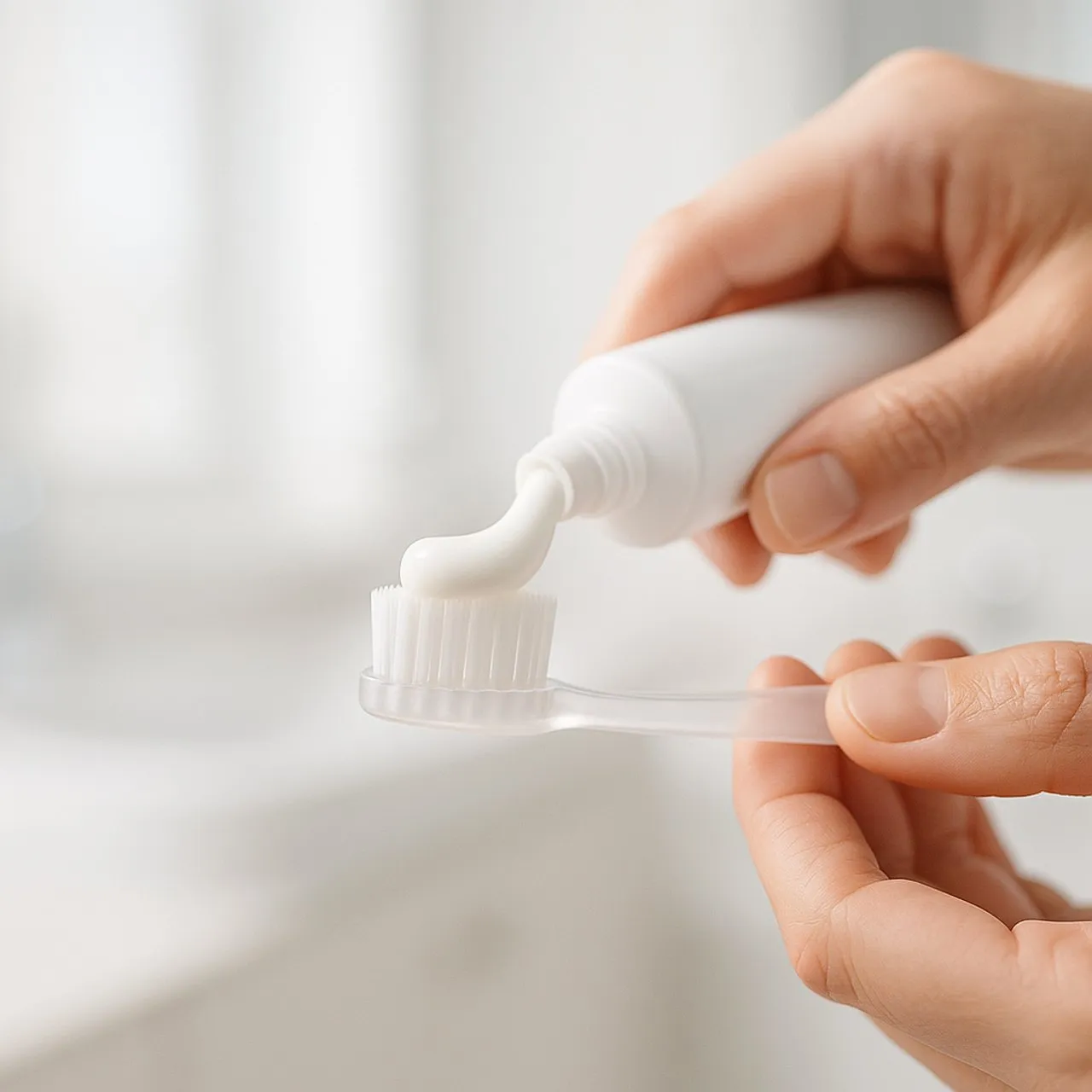
Finding the best toothpaste: Criteria rather than advertising promises
The search for the best toothpaste quickly leads to long product lists. When deciding, however, the first thing to consider is what you need your toothpaste to do: support everyday protection against tooth decay, care for sensitive teeth or accommodate special needs. There is no single tube that suits everyone, regardless of age, diagnosis and use. This overview will help you read packaging information sensibly and clarify any outstanding questions in a focused way.
The short answer
The right toothpaste depends on your age, risk of tooth decay and individual symptoms. Comprehensible ingredients and regular use are important.
- Start with protection against tooth decay
- Fluoride is a key ingredient in toothpaste for preventing tooth decay. It helps protect the tooth surface and can have a beneficial effect on early mineral loss. The BfR recommends the topical use of fluoride-containing dental care products to prevent tooth decay. The key is to use a suitable product regularly and correctly.
- What do ‘sensitive’ and similar claims mean?
- Toothpastes for sensitive teeth can contain active ingredients that relieve symptoms associated with exposed dentine. Among other things, the ADA describes various desensitising ingredients for this purpose. The choice should match the diagnosis. Not every pain when drinking is harmless hypersensitivity.
- Different requirements apply to children
- For children, the fluoride content and amount of toothpaste must be appropriate for their age. Toothpaste and any fluoride tablets should be coordinated with each other, particularly during infancy. Adults should measure out the toothpaste and help with brushing; a tube is not a toy for unsupervised use.
- Reviewing your choice in everyday life
- A suitable toothpaste is one that you can use regularly as recommended. After buying it, check whether you like the taste and consistency and whether you can follow the directions for use. A product that you constantly avoid will not support a consistent routine.

Start with protection against tooth decay
Fluoride is a key ingredient in toothpaste for preventing tooth decay. It helps protect the tooth surface and can have a beneficial effect on early mineral loss. The BfR recommends the topical use of fluoride-containing dental care products to prevent tooth decay. The key is to use a suitable product regularly and correctly.
Look for an explicit statement of the fluoride content on the packaging. Standard fluoride toothpastes for adults contain approximately 1,350 to 1,500 ppm; special applications may differ. ‘ppm’ denotes the concentration. A fresh taste, foam or a natural-looking label tells you nothing about this.
If particular measures have already been recommended, do not choose solely on the basis of a general list. Ask why the recommendation was made and how long the product is intended to be used. Various conditions can underlie a high risk of tooth decay; suitable preventive care should therefore form part of your individual care plan.
Read the packaging in a set order
First check which age group the product is intended for. Next look at the fluoride content, specific intended uses and directions for use. Only then is it worth considering taste, consistency and price. This order prevents an eye-catching advertising claim from overshadowing the important part of your choice.
A practical shopping list can be short: age-appropriate, desired fluoride content, well tolerated and easy to use every day. An expensive product is not necessarily more suitable simply because of its price. Conversely, a low price should not cause you to overlook the absence of an important ingredient.
Where possible, compare the same type of product. An ordinary adult toothpaste, a children's product and a special toothpaste recommended by a dentist serve different purposes. The tube within a brand can also change. Therefore, read the current packaging and do not rely solely on an old product name.

What do ‘sensitive’ and similar claims mean?
Toothpastes for sensitive teeth can contain active ingredients that relieve discomfort caused by exposed dentine. The ADA describes various desensitising ingredients for this purpose, among others. The choice should suit the clinical findings. Not every pain when drinking is harmless hypersensitivity.
New, one-sided or persistent symptoms require an examination. Caries, a crack or a problem with a filling cannot be diagnosed by switching to a ‘sensitive’ toothpaste. A symptom-relieving toothpaste may be part of the treatment, but it is no substitute for identifying the cause.
For your consultation, make a note of what triggers the pain and how long it lasts. Ask which product aim is appropriate for you and when a check-up should take place. Further guidance is available under teeth sensitive to cold.
Whitening is not the same as protection against tooth decay
Whitening toothpastes generally target superficial discolouration. Their cleaning and polishing action is not equivalent to every form of tooth whitening. Moreover, an advertised whitening result does not automatically indicate how well the toothpaste fits into the rest of your care plan.
Do not use kitchen mixtures of acids, salt or highly abrasive substances as a substitute. The ADA warns of damage caused by supposedly natural whitening methods. Activated charcoal is also not evidence of gentle use or proven superiority.
If you have exposed tooth necks, existing dental restorations or symptoms, you should discuss your choice in particular. The condition of your teeth is important before any targeted whitening. The article on the risks of bleaching describes further limitations. A toothpaste does not have to meet all your cosmetic wishes at the same time.
Foam, taste and tolerability
Foaming agents help distribute a product; however, lots of foam does not prove thorough cleaning. Some people prefer a lower-foaming toothpaste, for example if they have particular difficulties with oral care. Such a choice should still provide suitable protection against tooth decay.
Individual ingredients can cause irritation in some people. If burning, sore areas or other changes occur after starting a new product, have this checked. Tolerability cannot be inferred solely from the word ‘sensitive’ on the tube.
Bring the product you use or a photo of its ingredients list to your appointment. This makes specific advice easier. Do not change your toothpaste, mouthwash and other care products at the same time if you want to work out what your symptoms are responding to. A professional assessment helps ensure that other causes are also considered.
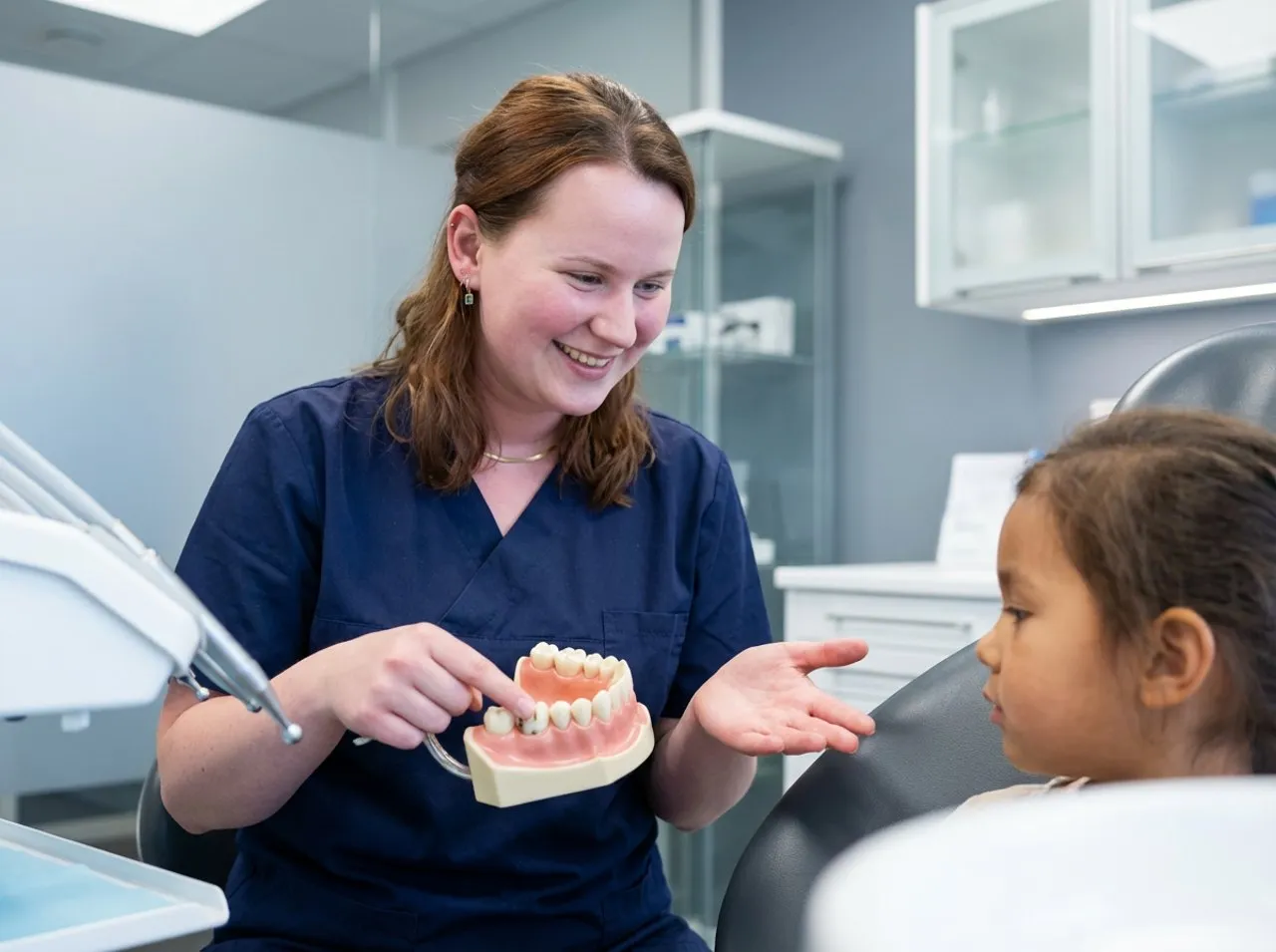
Different requirements apply to children
For children, the fluoride content and amount of toothpaste must be appropriate for their age. Toothpaste and any fluoride tablets should be coordinated with each other, particularly during infancy. Adults should measure out the toothpaste and help with brushing; a tube is not a toy for unsupervised use.
Colourful packaging alone does not make a children's toothpaste suitable. Read the concentration, age information and the recommendations that apply to your child. If several carers brush the child's teeth, agree a shared routine so that everyone knows the same instructions.
If you are unsure, discuss the use of fluoride with your paediatrician or dental practice. Paediatric dentistry also covers questions about oral care. A generic family toothpaste cannot replace age-specific coordination. A child also needs help to reach all tooth surfaces, not just a different product.
Why a single abrasion value does not create a ranking
Laboratory values for abrasivity are available for toothpastes, including the RDA value. The ADA points out that this value should not be used as a simple ranking of the clinical tolerability of toothpastes. Technique, pressure and the condition of the tooth surfaces also play a role during use.
A product with the lowest possible numerical value is therefore not automatically the most suitable choice for everyone. If you have sensitive or exposed areas, ask about your overall care plan. A suitable brush and gentle technique are part of this. Greater friction should not serve as a substitute for regular brushing.
A clear explanation is often enough to help you decide: Why exactly does this product suit my diagnosis? Which details do I need to look for when I next buy it? This helps you avoid being unsettled afresh by every new ranking or advertising claim.
Reviewing your choice in everyday life
A suitable toothpaste is one that you can use regularly as recommended. After buying it, check whether you like the taste and consistency and whether you can follow the directions for use. A product that you constantly avoid will not support a consistent routine.
At your next appointment, also discuss whether new damage or symptoms continue to occur. This may be a reason to review your technique, diet or additional measures rather than simply switching brands. The basics of caries explain why several factors interact.
Take a short, specific recommendation away from your consultation: product type, fluoride content, directions for use and, where applicable, a follow-up date. This turns the question of the ‘best’ toothpaste into a comprehensible choice for your situation.
Frequently asked questions
No. Price and packaging are no substitute for checking age suitability, fluoride content, intended use and tolerability. Compare suitable types of product.
Fluoride is an essential component of recommended tooth decay prevention with toothpaste. A decision to avoid it should not be based solely on advertising claims.
No. It can help with certain forms of hypersensitivity. New or persistent pain requires an examination to determine the cause.
No. Foam describes a product property. Thorough cleaning depends on suitable use and reaching all tooth surfaces.
Not automatically. For children, the amount and concentration must be appropriate for their age and any other fluoride use. Particular diagnoses may bring additional requirements.
No. A single laboratory figure does not fully represent use in people. Technique and tooth condition also form part of the assessment.
Sources and further information
- BfR: Fluoride – an important building block for teeth, 2026
- ADA: Toothpastes
- University of Bristol: Review of toothpastes for dentine hypersensitivity, 2023
- AAOM: Clinical practice statement on oral contact allergies, 2016
- ADA MouthHealthy: Choosing a toothpaste
- Dorset County Hospital: Low-foaming toothpastes
- ADA MouthHealthy: Natural teeth whitening