Braces and gum overgrowth: have changes examined
If your gums become thicker during brace treatment or cover more of the surfaces of your teeth, the change should be examined. The clinical term is gingival enlargement; the colloquial expression ‘overgrown’ does not identify a cause. Plaque and inflammation may be involved, but other factors may also play a role. Do not change your medicines or brace yourself. An examination will establish the findings and what care or treatment is appropriate.
The short answer
If your gums become thicker around a brace, they need to be examined and you need a clear care plan. The cause cannot be determined from a photograph.
- What should you look out for in the change?
- Note which areas are affected. Do the gums between your teeth appear enlarged? Is only one area or a larger section affected? Is there bleeding, pain or difficulty cleaning? These observations will help when you get in touch, without your having to diagnose the problem yourself.
- What is checked during the examination
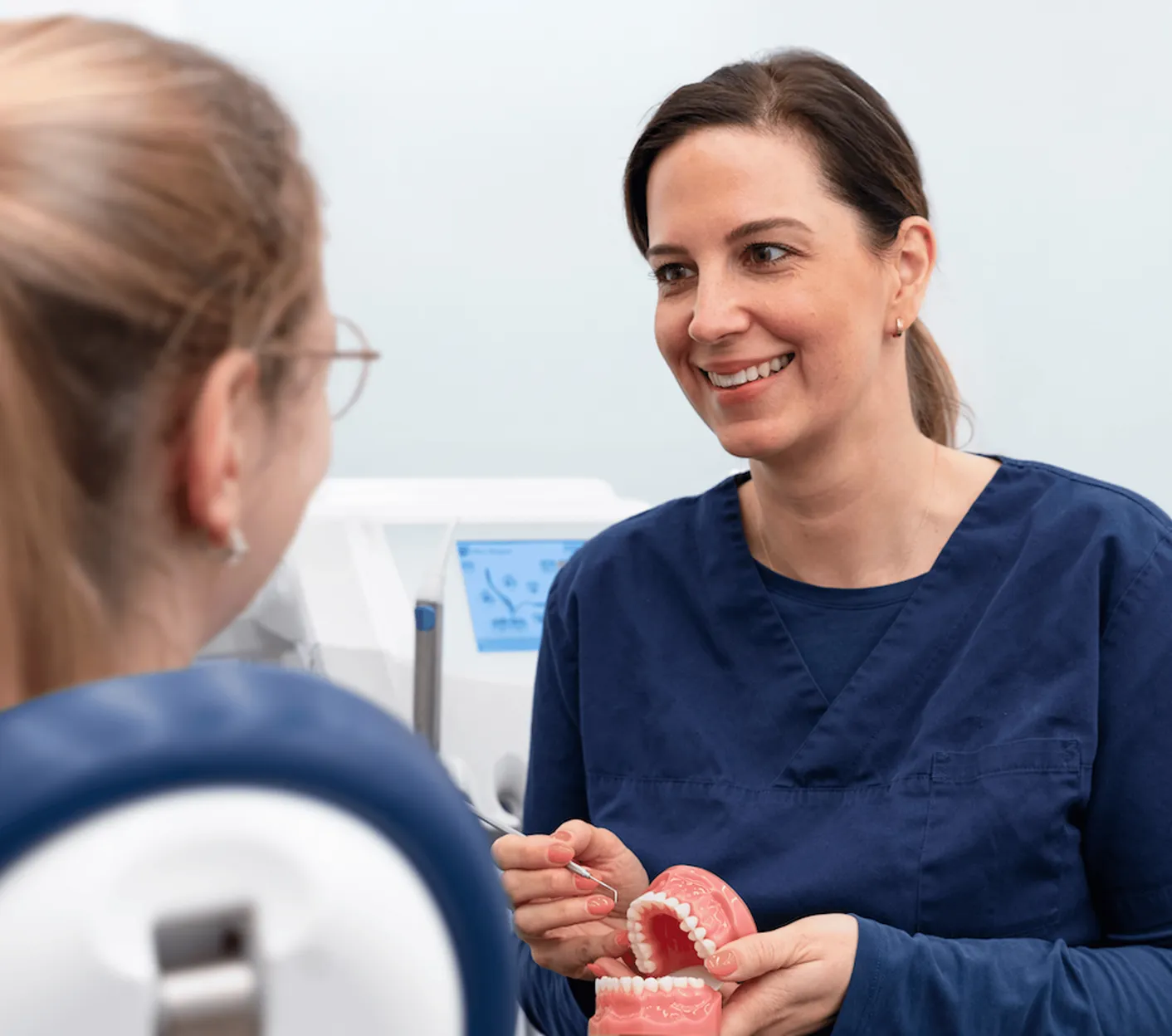
- The treatment team will examine the appliance, the affected areas and the rest of your mouth. They can assess where plaque or deposits are present and whether mechanical irritation is playing a role. Depending on the findings, the periodontium may be examined further. Visible tissue enlargement is not automatically the same as periodontitis.
- Medicines and other conditions should be discussed
- Certain medicines can be associated with gingival enlargement. Birmingham Dental Hospital lists ciclosporin, some medicines for high blood pressure and phenytoin, among others. What matters is your actual list of medicines, not an assumption based on a brand name.
- When you should get in touch sooner
- Report a change that is increasing rapidly, pain, a sore area, or cleaning that is no longer possible. You do not need to wait until your next scheduled orthodontic check-up to report this. Also mention any problems eating or a part of the appliance that is pressing into the tissue.
What should you look out for?
Note which areas are affected. Do the gums between your teeth appear enlarged? Is just one spot or a larger area affected? Is there any bleeding, pain or difficulty cleaning? These observations will help when you get in touch, without you having to diagnose the problem yourself.
Make a note of when you first noticed the change and whether it is increasing. An earlier photograph you already have can illustrate the progress over time; new photographs are mainly an aid to memory. The colour or shape in a phone photograph is not enough to assess inflammation, the type of tissue or the condition of the periodontium.
Everyday effects matter too: Does food get stuck more easily, can you hardly clean a particular area any more, or does part of the appliance sit differently? Describe these functional issues rather than just the appearance. During the examination, the visible change and the difficulties with cleaning can be assessed together.
Why fixed braces make cleaning more difficult
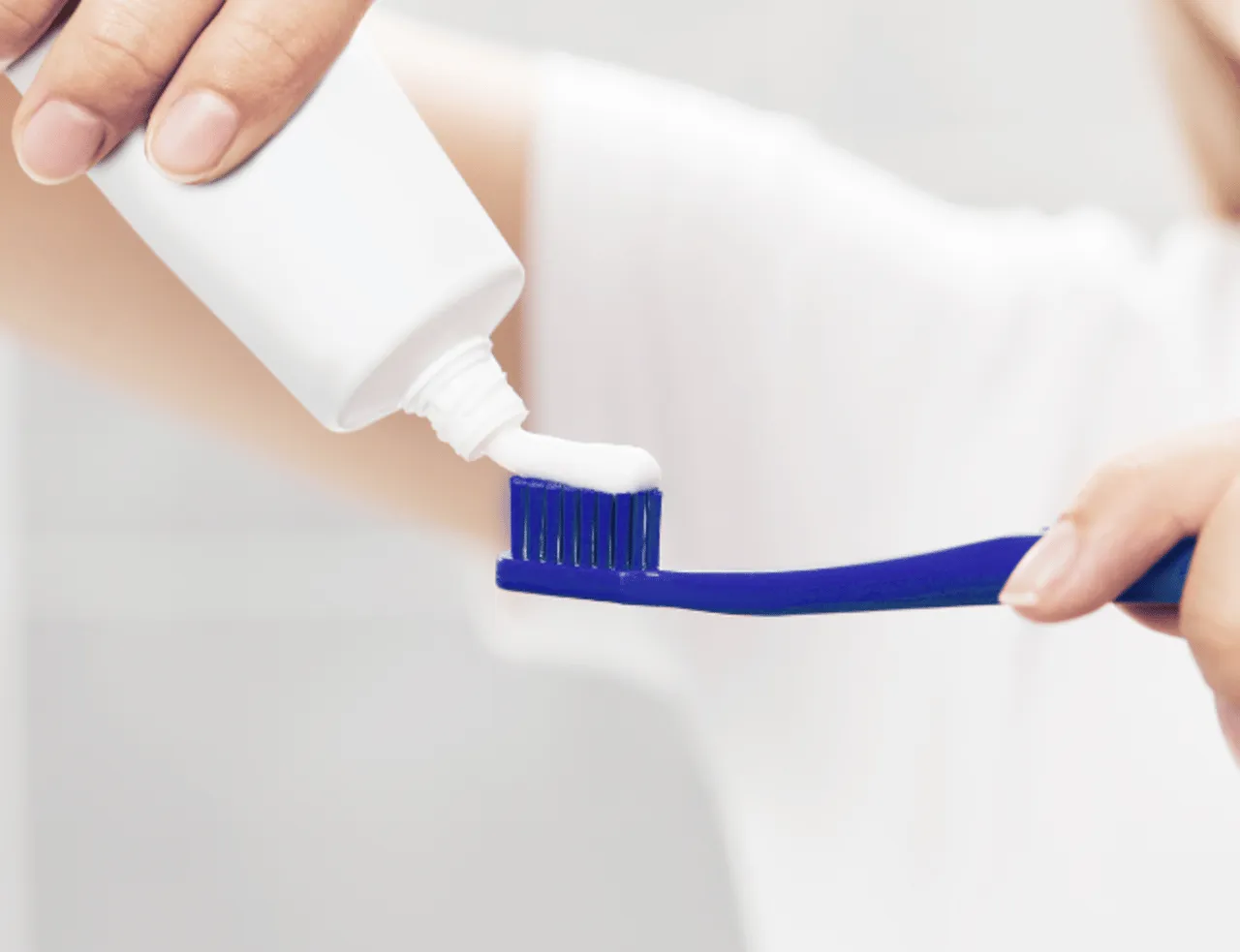
Brackets and wires create areas that are harder to reach. Plaque can remain there even when you take care with brushing. An inflammatory response can also make the gums swell. This does not mean, however, that every instance of enlargement can be explained solely by a lack of effort.
A clinical cross-sectional study from 2017 examined 260 people with and without fixed braces and found an association between the duration of treatment and gingival enlargement. This is an observation in a study group, not a prediction of how an individual patient’s condition will progress.
A systematic review from 2026 describes several possible contributing factors, including biofilm, hormonal changes and mechanical factors. The underlying studies differ. Such associations cannot prove a particular cause in your own gums. An examination therefore remains the starting point, rather than searching for a single explanation online.

What is established during the examination
The treatment team will examine the appliance, the affected areas and the rest of your mouth. They can assess where plaque or deposits are present and whether mechanical irritation is playing a role. Depending on the findings, the periodontium may be examined further. Visible tissue enlargement is not automatically the same as periodontitis.
Bring the oral care aids you use or photos of their packaging with you. Show which area you clean and how, and where it becomes difficult. A demonstration makes the feedback more specific than asking whether you should generally brush more often. You can find advice on routine cleaning at Dental care with fixed braces.
At the end, ask for a clear plan: What was found, what steps are now planned and when will the change be assessed again? The next steps may involve both dental and orthodontic tasks. Find out who will be responsible for follow-up, rather than assuming there will be two separate appointments with no shared feedback.
A care plan must reach the affected areas
Removing plaque plays an important role in inflamed areas. The patient information from Birmingham Dental Hospital emphasises demonstrated cleaning techniques and, where necessary, professional removal of deposits. General advice to ‘brush more thoroughly’ is not enough if it is unclear how to access areas around your appliance.
Ask to be shown how to clean a problem area. Which brush reaches the gumline, which surfaces around the bracket, and which aid is suitable for the gap? Write down the recommendation so that you can repeat it at home. For children, the person supporting them should also understand the instructions.
Greater pressure or sharp tools are not a suitable way to deal with hard-to-reach areas. If a movement hurts or an aid does not fit, ask for your routine to be adjusted. General information about bleeding gums and gum inflammation can help, but is no substitute for an assessment of your brace.
Medicines and other conditions should be discussed
Certain medicines can be associated with gingival enlargement. Birmingham Dental Hospital lists ciclosporin, certain medicines for high blood pressure and phenytoin, among others. What matters is your actual list of medicines, not an assumption based on a brand name.
Also say how long you have been taking each medicine and whether the dose has changed. This information should be discussed with your treating medical and dental team. Do not stop taking a prescribed medicine on your own initiative. Any change must take account of its benefits, the reason it was prescribed and possible alternatives.
Braces and a medicine may both be present; this does not establish which influence is mainly responsible for your change. A joint assessment is more helpful than deciding on a cause before an examination. If you have existing conditions, bring relevant documents with you or give the name of the medical practice responsible for your care.

Does enlarged gum tissue require surgery?
Having ‘overgrown’ gums does not automatically mean that surgery is needed. First, the findings and any factors that can be influenced are assessed, and suitable non-surgical treatment is planned. The effect of these measures is monitored over time. Some changes require further steps if they persist or interfere with function.
Leeds Dental Institute describes the removal of excess gum tissue as a gingivectomy. It emphasises the importance of good oral hygiene before and after such a procedure. Whether the procedure is necessary in your case can only be decided after an individual assessment. Simply having a brace does not necessarily mean that a laser is required.
If a procedure is being considered, ask about its aims, alternatives, risks and aftercare. Also ask how your oral care should be adapted during healing. Do not confuse postoperative instructions with your normal routine at home: different instructions apply temporarily and must be appropriate for the specific wound.
When you should get in touch sooner
Report a rapidly worsening change, pain, a sore area or difficulty cleaning properly. You do not need to wait until your next scheduled orthodontic check-up to report this. Also mention any difficulty eating or any part of the appliance pressing into the tissue.
If you have severe pain with increasing swelling or fever, you need a prompt dental assessment. If you are short of breath or have swelling that makes breathing, swallowing or speaking difficult, seek medical help immediately; if you are short of breath, call 112. The emergency dental service is a point of contact for urgent dental problems outside normal opening hours.
Frequently asked questions
No. Inflammation may be involved, but several factors could be contributing. Have the change examined rather than deciding on a cause based on its appearance or a photograph.
A fixed brace can make cleaning more difficult. Plaque is an important factor that can be checked, but it does not explain every instance of enlargement on its own. Being shown a technique and having an individual plan are more helpful than blanket blame.
No. Do not alter brackets, wires or prescribed components yourself. Report any area that is pressing, and have the appliance assessed to see whether it needs adjusting.
Yes, certain medicines can be associated with gingival enlargement. Bring your list of medicines with you. Stopping or changing them will be discussed with your prescribing medical team.
That is not a general rule. The findings, causes and course of the condition determine the treatment. If a procedure is being considered, the appropriate procedure, alternatives and aftercare will be discussed with you individually.
Any unusual or increasing change should be assessed beforehand. In particular, report pain, bleeding and any difficulty cleaning. If you have acute warning signs, you need prompt help.
Sources and further information
- Pinto and colleagues: Gingival enlargement in orthodontic patients, original study, 2017
- Rocha-Eiroa and colleagues: Gingival Enlargement Induced by Orthodontic Therapy, systematic review, April 2026
- Birmingham Dental Hospital: Drug-induced gum overgrowth, patient information
- Leeds Teaching Hospitals: Periodontal surgery and Gingivectomy, 2025
- NHS: Toothache – advice on prompt examination and emergency care