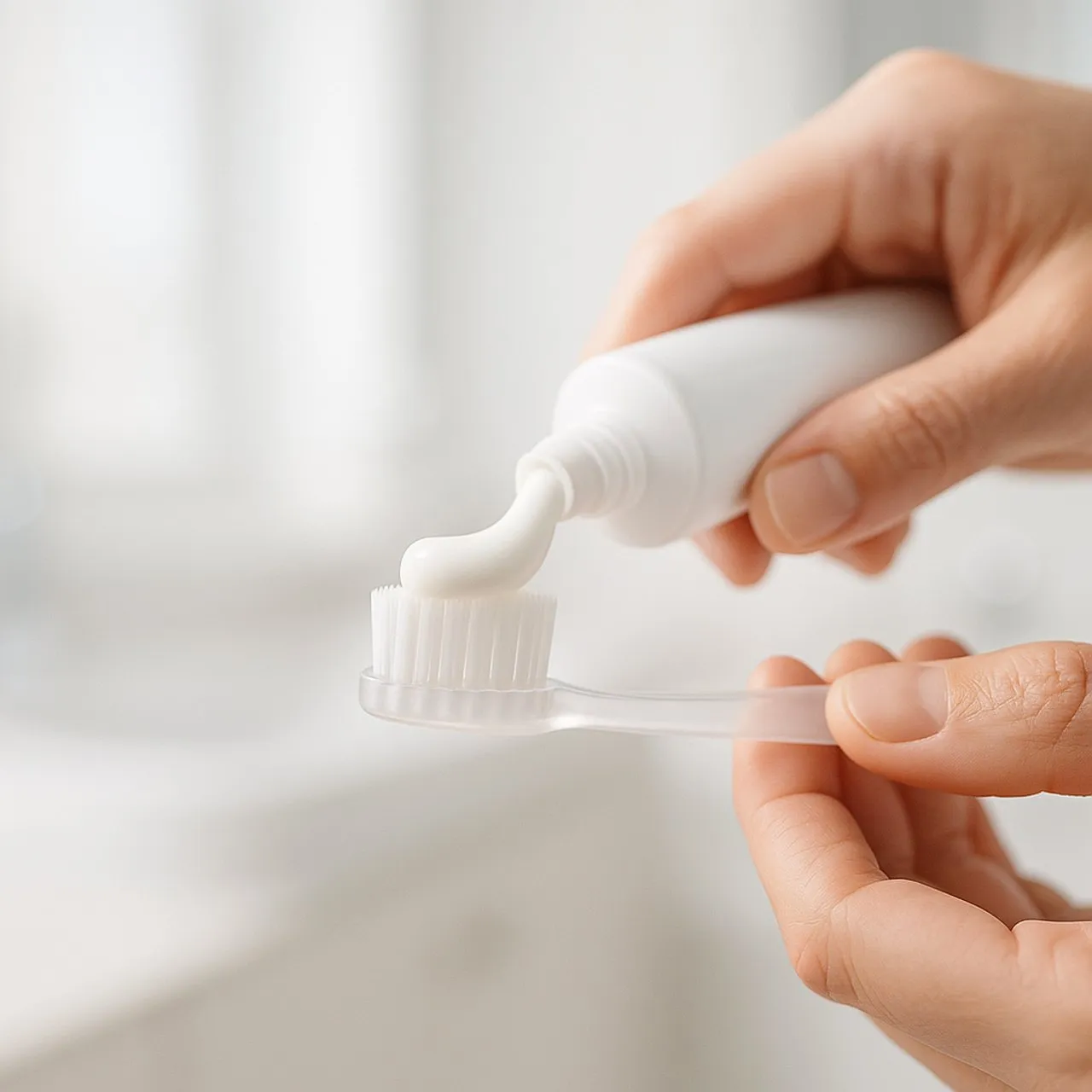
Changing your toothbrush: spotting wear and storing it correctly
As a general guide, the American Dental Association recommends changing your toothbrush approximately every three to four months. If the bristles become frayed or misshapen before then, it is advisable to replace it sooner. This also applies to the replaceable heads of electric toothbrushes. A calendar can remind you to make the change, but it is no substitute for looking at the brush head. Here you can find out how to combine a simple checking routine with sensible storage.
The short answer
It is not just the date that matters: the condition of the bristles, how you store your toothbrush and your own brushing routine all help you determine the right time to replace it.
- The replacement date is a guide, not an expiry date
- A toothbrush does not suddenly become unusable on a particular day. How quickly it wears out varies from person to person. That is why two questions go together: how long have I been using it, and what does it look like today? If you only look at the purchase receipt, you may overlook bristles that have frayed early. If, on the other hand, you only wait for obvious damage, you can easily lose sight of its age.
- If the bristles are already splaying after just a few weeks
- Very rapid wear is a reason to review how you use your toothbrush. Buying new brushes frequently cannot compensate for pressing too hard. Take your brush to your next appointment and show how you brush. A practical demonstration is more helpful than asking whether you are generally cleaning your teeth ‘correctly’.
- Storage: allow to dry and avoid mix-ups
- Rinse off any toothpaste residue after brushing and leave the brush upright to air dry. Each brush belongs to one person. Even within a family, a brush head should not be shared. The ADA points out that damp, closed containers can encourage microbial growth.
- Hygiene without experimenting with heat
- Microorganisms can be detected on used toothbrushes. This finding alone does not prove that they cause illness. The ADA advises against putting toothbrushes in the microwave or dishwasher because high temperatures can damage the material. A homemade disinfection method is therefore not an alternative to replacing a worn brush head.
The replacement date is a guide, not an expiry date
A toothbrush does not suddenly become unusable on a particular day. How quickly it wears out varies from person to person. That is why two questions go together: how long have I been using it, and what does it look like today? If you only look at the purchase receipt, you may overlook bristles that have frayed early. If, on the other hand, you only wait for obvious damage, you can easily lose sight of its age.
It is practical to make a note when you open the packaging: put the date in your calendar, set a reminder on your phone or leave a short note in the bathroom cabinet. If you have several brushes, for example at home and in your travel luggage, give each one its own entry. Changing your brush with the seasons can also help; checking the bristles should nevertheless remain part of your routine.
An older clinical study compared new manual toothbrushes with ones that had been used for three months. Wear varied considerably; age alone did not explain cleaning performance well. This is not an argument for using a brush head indefinitely. It explains why it makes sense to consider both the length of use and the condition of the brush.
Five things you can check on the brush head
Look at the dry brush in good light without deliberately pulling the bristles apart. Comparing it with a new brush of the same model makes it easier to assess. Look out for:
Not every feature says something about an illness. The issue is the condition of the tool. If the head is damaged, it is irrelevant that the scheduled replacement date has not yet arrived. Coloured indicator bristles can serve as a reminder; the instructions for use explain which change the manufacturer intends them to show. A lack of colour change does not negate visible wear.

If the bristles are already splaying after just a few weeks
Very rapid wear is a reason to review how you use your toothbrush. Buying new brushes frequently cannot compensate for pressing too hard. Take your brush to your next appointment and show how you brush. A practical demonstration is more helpful than asking whether you are generally cleaning your teeth ‘correctly’.
With electric models, it is worth checking the pressure control and the instructions for guiding the head. A warning signal should not be ignored. With a manual toothbrush, how you hold the handle and your brushing movements can be discussed together. Advice on technique can be found under brushing your teeth properly; choosing a toothbrush is a separate question.
Persistent bleeding gums should also be investigated. A new head can make an unfavourable brushing technique easier or harder, but it does not automatically explain the cause of the bleeding. Make a note of where it occurs and whether you also have any pain.

Storage: allow to dry and avoid mix-ups
Rinse off any toothpaste residue after brushing and leave the brush upright to air dry. Each brush belongs to one person. Even within a family, a brush head should not be shared. The ADA points out that damp, closed containers can encourage microbial growth.
For households with several people, this suggests a clear system: each brush has an identifiable place. Check whether the heads touch one another and whether water collects in the mug. A family mug whose base is difficult to reach makes cleaning unnecessarily awkward. Follow the manufacturer's instructions for holders and electric devices.
The British guidance for supervised children's toothbrushing also emphasises separate heads and air circulation. This does not mean that a complicated disinfection system is needed at home. What matters is a consistent everyday routine. Caps should not prevent drying; a head that is still wet particularly needs ventilation.
When travelling and using several brushes
A travel case protects the brush from coming into loose contact with items in your luggage. Once you arrive, however, the brush head should be able to dry. Do not leave it damp in a closed case for several days. If the case becomes dirty, clean it according to its instructions and allow it to dry too.
Before a longer trip, consider whether your current brush head still looks good and how old it is. This allows you to pack a suitable replacement in good time. For electric devices, the model name and suitable head should be part of your planning; attachments that look similar are not automatically compatible. A spare in your suitcase may remain unused and does not need to be opened as a precaution at the start of your trip.
Children can identify their brush by a colour or marking. Clear identification also helps adults who need support with brushing. Write down the replacement date so that everyone involved in providing care can follow it. The task should not depend on who happens to remember it.
Hygiene without experimenting with heat
Microorganisms can be detected on used toothbrushes. This finding alone does not prove that they cause illness. The ADA advises against putting toothbrushes in the microwave or dishwasher because high temperatures can damage the material. A homemade disinfection method is therefore not an alternative to replacing a worn brush head.
If special hygiene rules apply to you because of an illness, ask your treatment team for specific instructions. Distinguish between the brush, its holder and the electric handle: the instructions may differ. After an ordinary cold, general warnings about germs should not be used to claim that a particular disinfection product will prevent further infections.
Frequently asked questions
The ADA's general guide is approximately every three to four months. A frayed, misshapen or damaged head should be replaced sooner. Make a note of the date you start using it and look at the bristles regularly.
Yes, their brush heads wear out too. Also follow the manufacturer's instructions on replacement, compatibility and cleaning. The electric handle is not replaced every time you change the head.
Check the explanation for your model. Indicator colours are reminders. Visibly frayed bristles or damage indicate that replacement is needed, regardless of any colour scale.
The ADA does not recommend this. High temperatures can damage the brush. Rinsing, suitable storage and timely replacement are the basics; discuss individual hygiene rules with your treatment team if necessary.
Where possible, allow it to dry outside the closed case. A case can be useful for transport, but storage should allow air to reach the head. Follow the product's instructions on ventilation and use.
Poor brushing technique or too much pressure may play a role. Have someone show you how to use your brush and, if applicable, check the device's pressure indicator. The condition of the brush alone cannot be used to diagnose a tooth or gum disease.