
Dental implant insurance: protection for your teeth
Dental implants are a modern and effective solution for replacing missing teeth. However, despite their high quality and durability, they involve numerous costs that can deter many patients. In such cases, dental implant insurance can provide valuable...
Über 350 Google-Bewertungen
Is it worth it?
Supplementary dental insurance can significantly reduce the high out-of-pocket costs of dental implants: depending on the policy, it covers the implant, the crown and preparatory and follow-up treatments. Premiums are often around €20 to €50 per month; many policies have waiting periods and do not cover treatment that has already been planned or started.
- Premium
- Often around €20–€50 per month, depending on the provider and policy (guide only)
- Cover
- Depending on the policy, implant, crown/bridge and pre- and post-treatment; sometimes also preventive care and professional teeth cleaning
- Good to know
- Be aware of waiting periods; insurance generally does not cover treatment that has already been planned or started – compare policies before taking out cover
For the specific treatment, the practice will prepare an individual treatment and cost plan in advance as the basis for your insurance enquiry.

What is dental implant insurance?
Dental insurance is a special type of insurance that focuses on covering the costs of dental treatment. As standard statutory health insurance only covers part of the treatment costs, there is often a substantial amount left to pay yourself. This is frequently the case with dental implant treatment in particular. Dental insurance helps to reduce these costs. It also ensures that your personal financial burden does not become too great.

How does dental insurance for implants work?
Dental insurance generally covers a large proportion of the costs that go beyond the benefits provided by statutory health insurance. This can include the cost of the implant, crowns or bridges, as well as the necessary examinations and follow-up treatment. In many cases, benefits such as X-rays or specialist dental treatments are also covered. However, there are differences in the benefits offered by different providers and policies. It is therefore important to choose the right dental insurance to suit your individual needs.
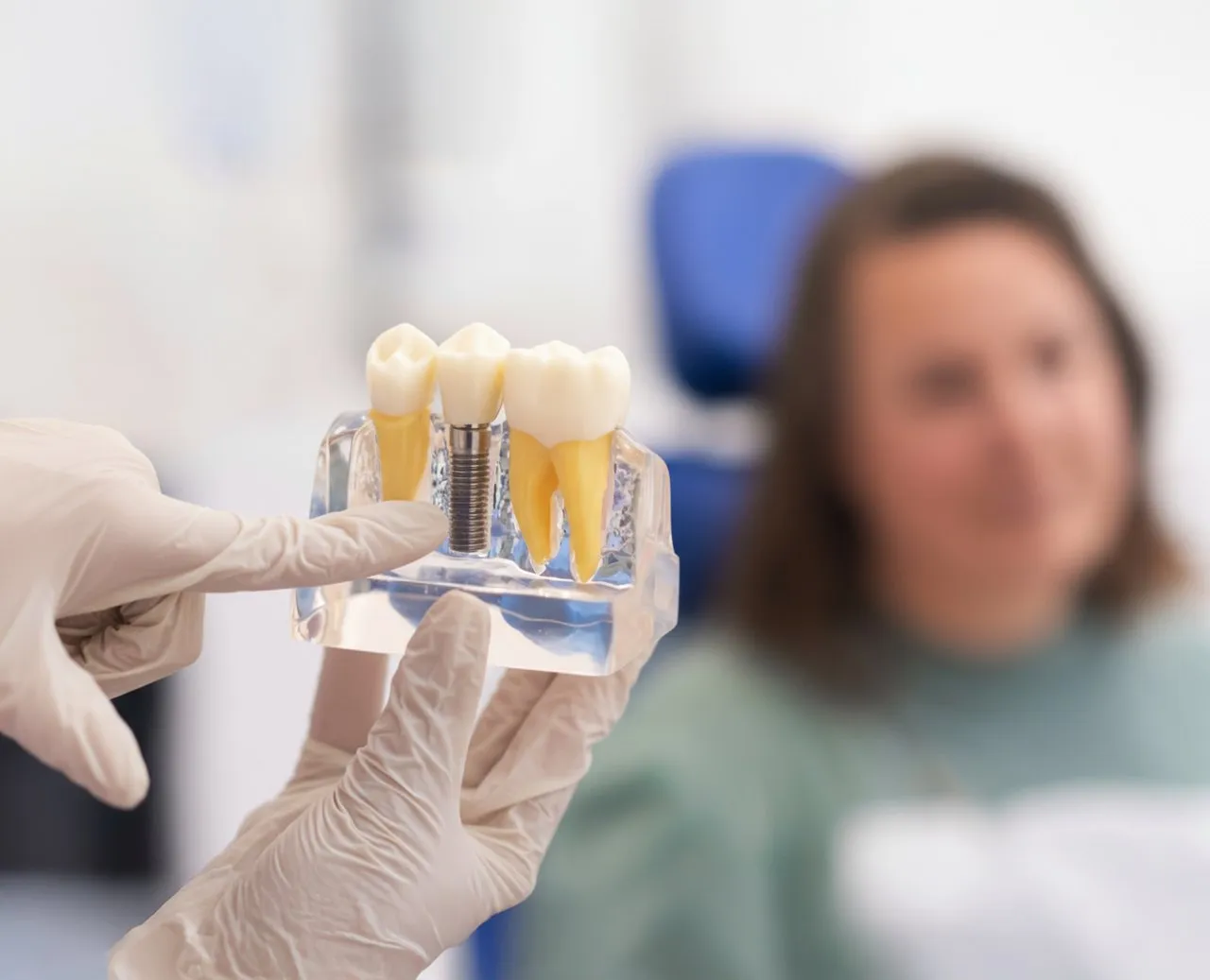
What benefits does insurance for implants cover?
Dental insurance for implants offers various benefits, which can vary depending on the provider and policy. The most common benefits include: 1. Cover for dental implants: The insurance covers part of the cost of the implant itself. 2. Costs for crowns and bridges: Dental implants are usually fitted with a crown or bridge. Many insurance policies also cover these costs. 3. Preparatory and follow-up treatments: Many insurance policies also cover the costs of examinations and aftercare, e.g. regular check-ups and X-rays.
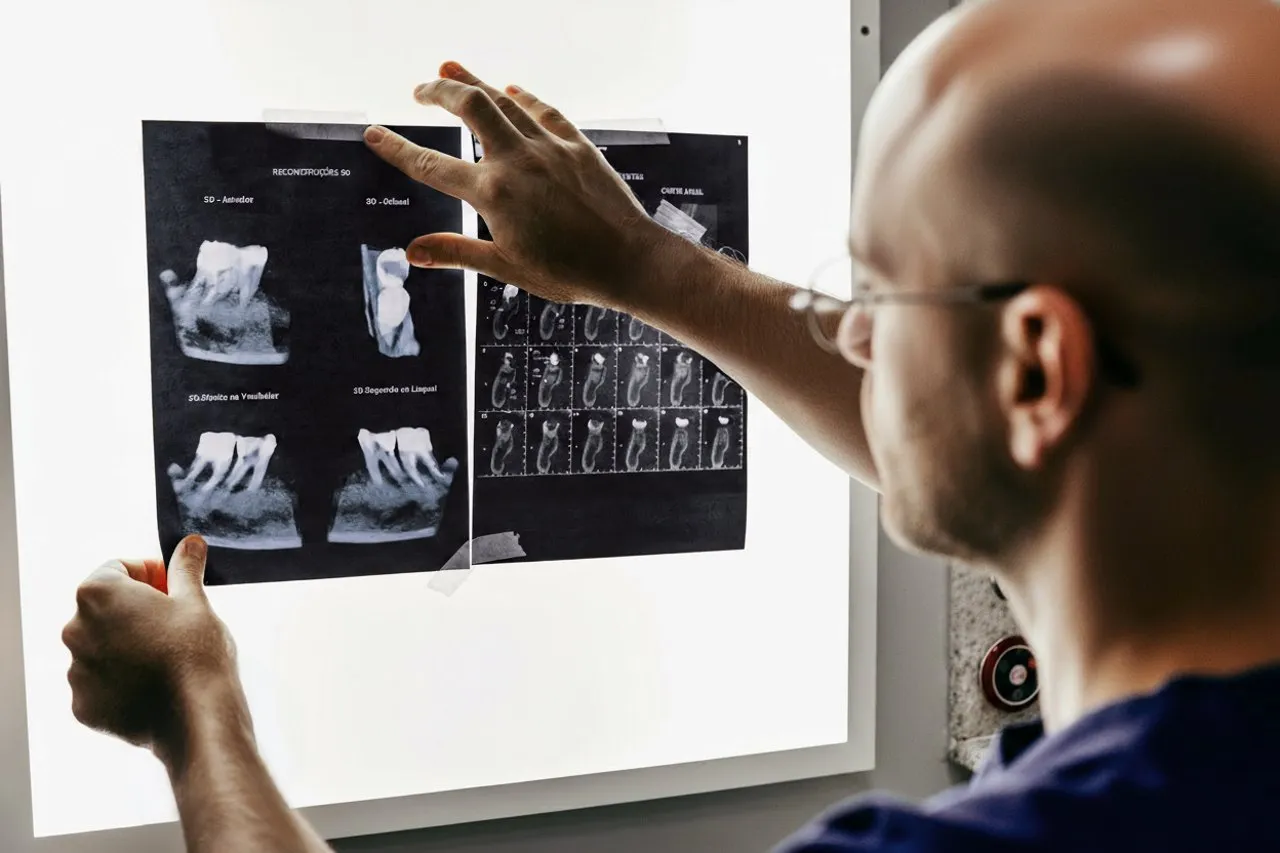
Why is insurance for dental implants worthwhile?
Implant treatment is generally more expensive than other methods such as bridges or dentures. Depending on the dental implant, the complexity of treatment and the region, prices can amount to several thousand euros. The need for such insurance becomes clear when you are faced with the costs. Implant surgery is usually a private treatment, unless rare exceptions defined by the Federal Joint Committee (G-BA) apply. Separately, statutory health insurance may pay a fixed subsidy towards diagnosis-based prosthetic care. You usually have to pay the costs of the implant procedure and any remaining costs for dental restorations or special procedures yourself. Dental insurance for implants covers a large part of this difference. Depending on the policy, 50 to 90 per cent of the costs can be covered. This significantly reduces the financial burden.

What is the best dental insurance for implants?
The best dental insurance for implants naturally depends on the patient's personal needs and requirements. It is therefore essential to compare the different providers and policies to find the right offer. Some criteria to consider when choosing dental insurance for implants are: • Scope of benefits: Make sure that the policy covers all relevant implant treatments, including the implant procedure, crowns and follow-up treatment. • Waiting periods: With some insurance policies, you must observe a certain waiting period before you can claim benefits. Look for providers that offer immediate dental implant insurance. • Value for money: Compare the costs of the different policies. Also check whether the benefits justify the price. • Customer experiences and reviews: Read testimonials and reviews from other policyholders. This will tell you more about the quality of the provider and its customer service.

Advantages of dental insurance for implants
• Reduced out-of-pocket expenses: Dental insurance covers a large proportion of the costs, so your own contribution is significantly lower. • Greater flexibility: With dental insurance, you can decide for yourself which implant and which methods you prefer, but coverage depends on your contract terms and you remain responsible for any uncovered share of the costs. • Immediate dental implant insurance: Some policies that also cover immediate implants have no initial waiting period. However, coverage and reimbursement depend on the specific tariff, including whether already advised, planned or started treatment is excluded.
FAQ: Dental implant insurance
Dental insurance helps to cover the costs of dental implants. As these costs are not covered by statutory insurance, this is an advantage.
It generally covers the costs of the implant itself, crowns, bridges, and preparatory and follow-up treatments. The proportion covered depends on the policy chosen.
Some insurers offer immediate dental implant insurance. Some of these policies have no initial waiting period, but coverage and reimbursement depend on the specific tariff, including whether already advised, planned or started treatment is excluded. With other policies, a waiting period generally has to be observed before benefits can be claimed.
In most cases, dental insurance only covers the costs of functional implants, not purely cosmetic treatments. It is best to read the terms and conditions of the relevant policy carefully.
Compare policies based on their scope of benefits, waiting periods and costs. This will help you find the best dental insurance for your needs and treatments.
Costs vary depending on the provider and policy, but often range between 20 and 50 euros per month.
As a rule, it is not possible to take out dental insurance for implant treatment that has already been planned or carried out. However, some providers offer immediate insurance for implants. This generally does not cover treatment that has already begun.
In addition to implants, other benefits may also be covered depending on the insurance policy, such as dental cleaning, professional dental cleaning or dental prophylaxis.
Yes, some providers offer dental insurance for implants without an initial waiting period. Coverage and reimbursement depend on the specific tariff, including whether already advised, planned or started treatment is excluded, so treatment or reimbursement is not necessarily available immediately after taking out the policy.
Yes, especially if you will rely on dental implants in the long term. Dental insurance can significantly reduce the financial burden and improve your care.
Book your appointment now
We would be happy to advise you in person at our practice.