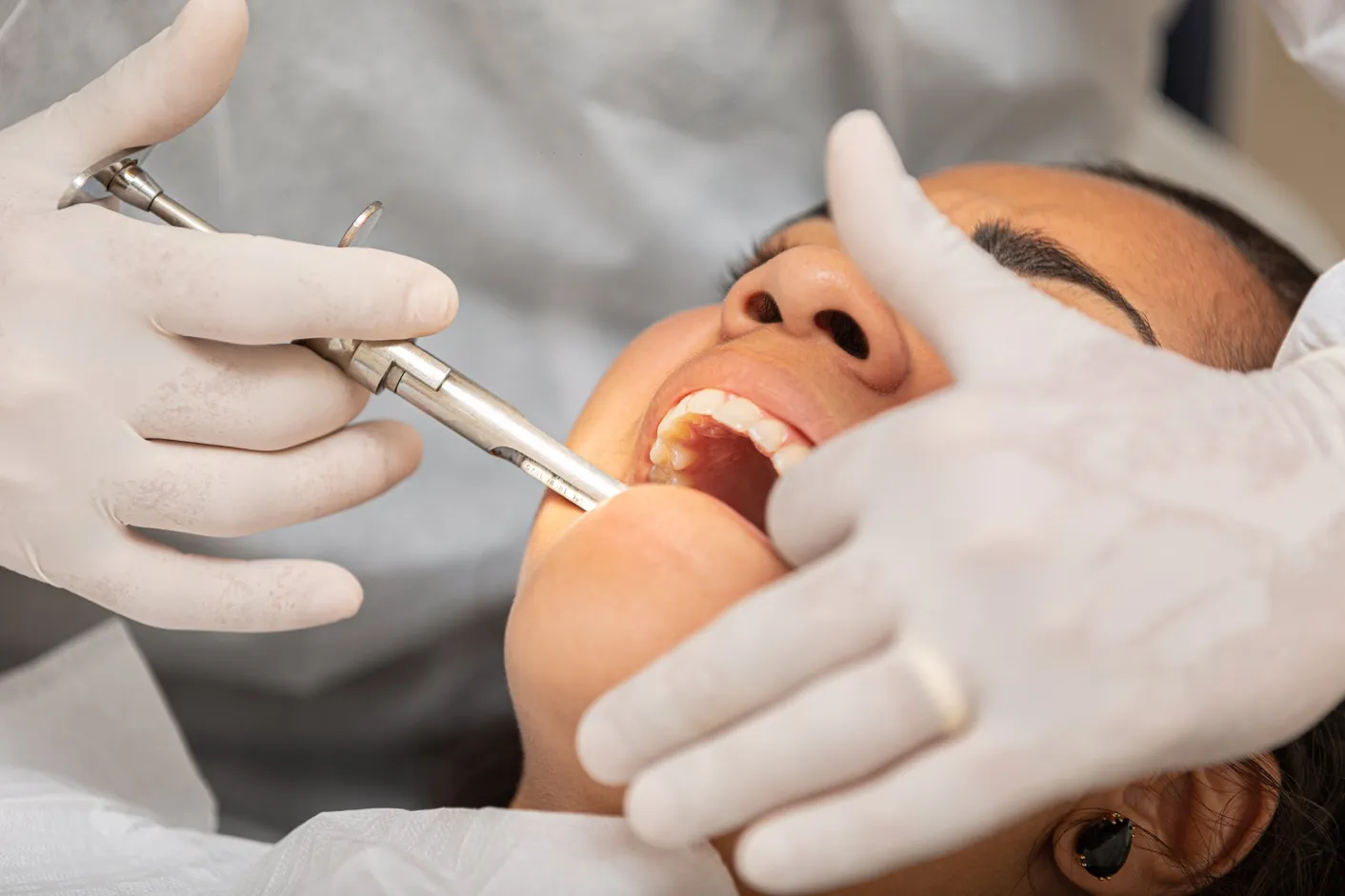
General anaesthesia at the dentist in Berlin
For many people, dental treatment is associated with anxiety, stress or even panic. Treatment under general anaesthesia or sedation can bring relief. This is particularly beneficial for complex procedures such as implant treatment or the removal of wisdom teeth...
Über 350 Google-Bewertungen
The short answer
A general anaesthetic at the dentist puts patients into a sleep-like state, during which an anaesthetic team continuously monitors their vital signs. It may be considered particularly for severe dental anxiety or extensive procedures such as implant treatment or wisdom tooth surgery. For self-paying patients, the costs are often around €200 to €600; an individual cost plan before treatment begins provides definitive information.
- Suitable for
- Severe dental anxiety, several procedures in one session, complex surgery or a pronounced gag reflex.
- Costs
- Guide price of approximately €200–€600 depending on duration, and potentially more for longer procedures; definitive cost information before treatment begins.
- Statutory health insurance cover
- Statutory health insurers generally only pay when medically necessary, not solely for comfort.
- Aftercare
- Attend having fasted in accordance with your treatment team's specific instructions, and do not drive yourself afterwards; arrange for someone to accompany you and allow for around 1–2 hours of observation, subject to a clinical discharge assessment. Follow your team's post-discharge instructions: short observation and resting for the day do not establish readiness to resume normal activities or end driving and escort restrictions.
Does not replace individual dental advice; definitive cost information before treatment begins.
When is general anaesthesia at the dentist advisable?
General anaesthesia at the dentist is particularly worth considering when:
several teeth need to be treated or removed in a single session
implants are being placed
you have severe dental anxiety (dental phobia)
physical or mental impairments make standard dental treatment impossible
complex surgical procedures, such as wisdom tooth surgery under general anaesthesia, are planned
Children who are unable to sit still for long periods and patients with a strong gag reflex can also benefit from anaesthesia at the dentist.

What happens during dental treatment under general anaesthesia?
During dental treatment under general anaesthesia, a specially trained team will put you into a sleep-like state. You will receive the anaesthetic agents intravenously. Throughout the treatment, our anaesthetist will monitor your vital signs and ensure your safety.
You will ‘sleep through’ the entire treatment without experiencing any pain, noise or other unpleasant sensations. After the procedure, you will wake up in a specially equipped room at our practice, where our team will continue to provide you with medical care.
Advantages of general anaesthesia at the dentist
For patients with dental anxiety in particular, our option of seeing a dentist who offers anaesthesia is often the only way:

Dentist offering anaesthesia in Berlin – your Wunschlachen practice
Our modern dental practice in Berlin offers you compassionate care and the equipment needed for treatment under general anaesthesia. We work with experienced anaesthetists specialising in dental care, who monitor you closely and tailor the anaesthetic to your individual health and risk profile to support your safety.
We will advise you in detail on whether dental treatment under general anaesthesia is appropriate in your case. Your health and well-being are our top priorities. Your treating dentist will discuss with you whether this approach is right for you. General anaesthesia is, however, suitable for numerous procedures and is widely used.
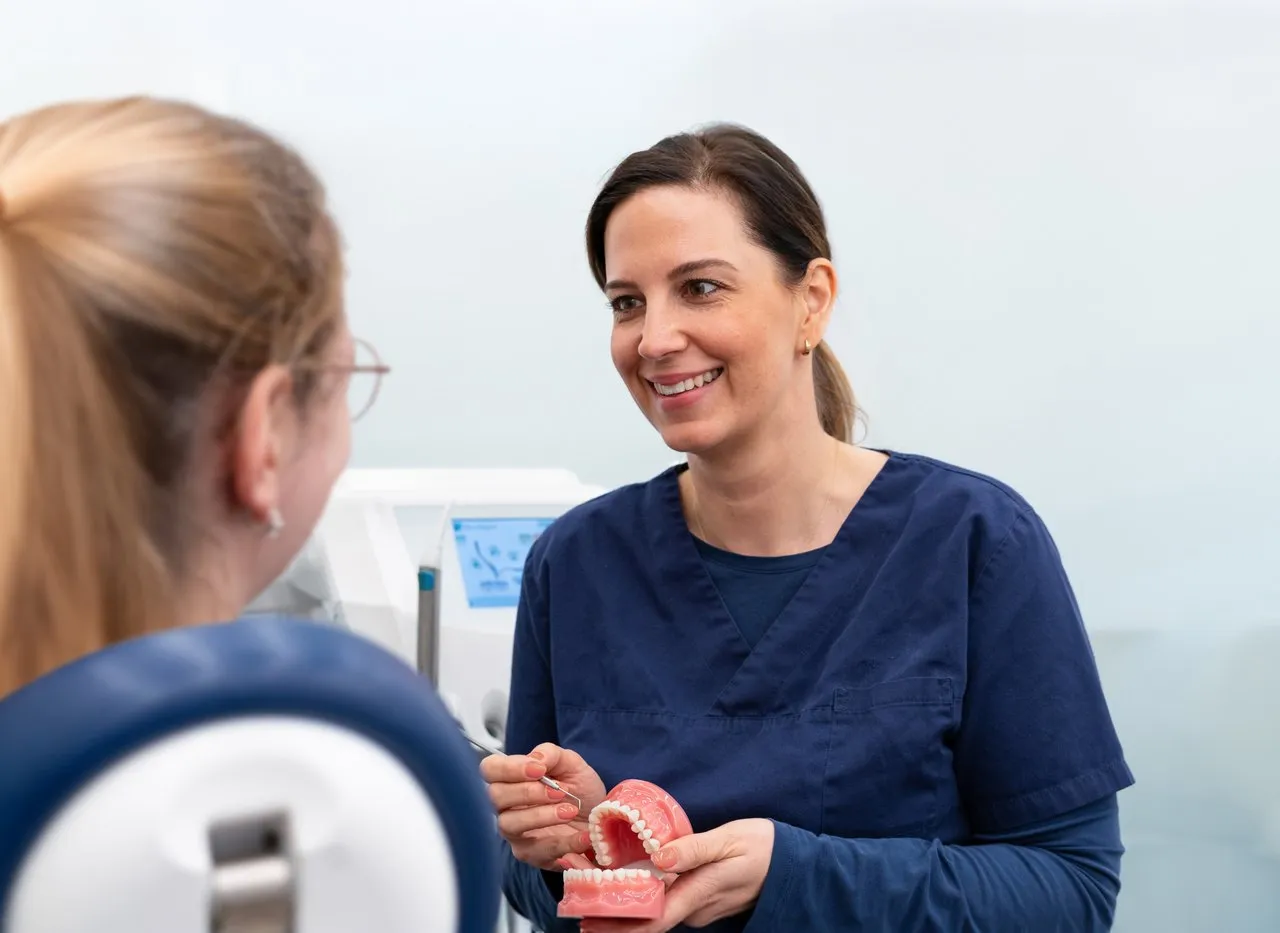
How much does general anaesthesia at the dentist cost?
The cost of general anaesthesia at the dentist depends on the type and duration of treatment. In most cases, statutory health insurance providers do not cover the full cost of anaesthesia at the dentist. We would be happy to discuss this with you at our practice.
For patients paying for their own treatment, the cost of general anaesthesia at the dentist is usually between €200 and €600. We would be happy to discuss this with you at our practice. The cost of general anaesthesia at the dentist may also be higher for longer or more complex procedures. During your consultation, we will clearly explain all the costs involved and any additional payments you may need to make.
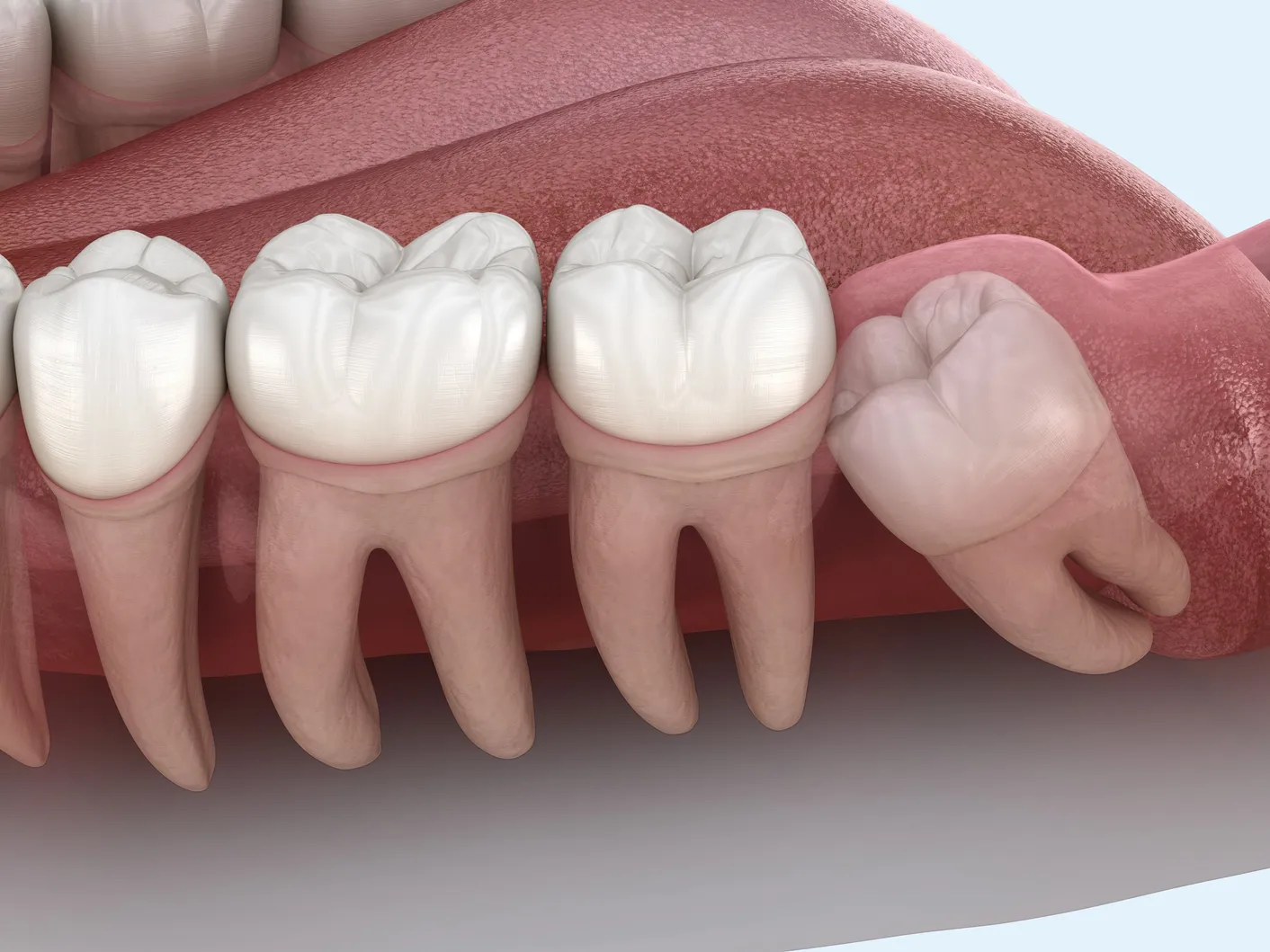
Wisdom tooth surgery under general anaesthesia
Particularly when several wisdom teeth are removed at the same time, wisdom tooth surgery under general anaesthesia can be a comfortable solution. The most suitable option is selected individually, and several teeth can also be treated during one visit under suitable local anaesthesia. Instead of undergoing several individual sessions, the entire procedure can often be completed in one session. General anaesthesia can reduce stress and awareness during treatment, but a completely stress-free or painless experience cannot be guaranteed.
We assess each case individually
Not every dental procedure has to be performed under general anaesthesia. Together with you, we will decide whether dental treatment under anaesthesia is advisable and medically necessary. In some cases, another form of anaesthesia, such as twilight sedation, may also be sufficient. You can rely on our many years of experience and personal care.
Frequently asked questions (FAQ)
Yes, modern anaesthesia is very safe. An experienced anaesthetist monitors you throughout your treatment.
The cost of general anaesthesia at the dentist is usually between 200 euros and 600 euros, depending on the duration. Statutory health insurers only cover the costs in exceptional cases where treatment is medically justified. We would be happy to discuss the options with you at our practice.
Not always. We assess individually whether general anaesthesia is medically necessary and advisable. In some cases, a local anaesthetic is sufficient.
You will usually remain at the practice under observation for around 1–2 hours, subject to a clinical assessment confirming that you are ready to be discharged. You should rest for the remainder of the day. Follow your treatment team's specific instructions on fasting before treatment and on your care after discharge. This short observation period and resting for the day do not establish that you are ready to resume normal activities or that driving and escort restrictions have ended; follow the instructions given by your team.
In most cases, this is a service that patients must pay for themselves.
With sedation (twilight sedation), you remain responsive; under general anaesthesia, you are completely unconscious and are artificially ventilated.
No, after anaesthesia you may neither drive nor go home alone. Please bring someone to accompany you.
You receive an anaesthetic intravenously. You soon fall into a deep sleep and treatment begins. Afterwards, you wake up again under supervision.
Yes, wisdom tooth surgery under general anaesthesia is a comfortable solution, especially if all four teeth are to be removed.
As with any anaesthetic, side effects can occur. Common effects, such as nausea, a sore throat or drowsiness, are usually temporary, while serious complications are rare. We discuss all risks with you in detail beforehand and assess your individual risk, including the possibility of an allergic reaction.