
Bleeding gums – treatment at Wunschlachen in Berlin
Many people experience bleeding gums, also known as gingival bleeding, from time to time. For example, when brushing their teeth or using dental floss. However, although it often seems harmless, it can also be a warning sign from the body.
At our Wunschlachen dental practice in Berlin...
Über 350 Google-Bewertungen
Harmless or a warning sign?
Bleeding gums when brushing your teeth or using dental floss are often the first visible sign of inflammation in the mouth. The most common cause is bacterial plaque along the gum line, which can harden into tartar; too much pressure or hard bristles can also irritate the tissue. If bleeding occurs regularly or is accompanied by pain, swelling or bad breath, the cause should be investigated by a dentist.
- Common causes
- Bacterial plaque along the gum line (which can develop into tartar), incorrect brushing technique or toothbrushes that are too hard.
- Warning signs
- Regular bleeding, pain, swelling or bad breath – signs of gingivitis.
- When to see a dentist
- Promptly if gum bleeding recurs – when treated early, inflammation can usually be stopped effectively.
This overview does not replace a dental examination. The cause and treatment will be determined individually based on the findings.
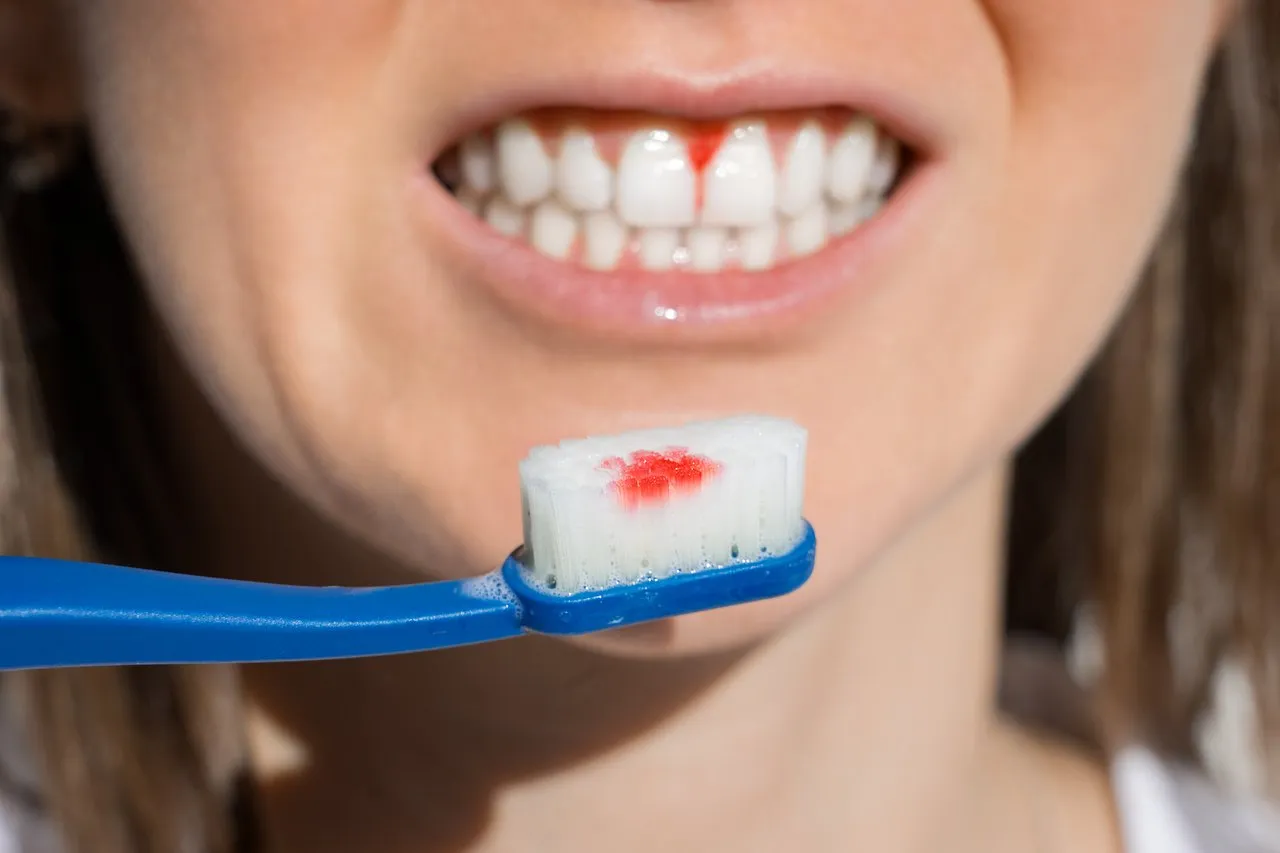
What to do about bleeding gums?
Bleeding gums when brushing your teeth or using dental floss are the first visible sign of inflammation in the mouth. This means that the gums react sensitively, either due to mechanical irritation or the onset of gum inflammation (gingivitis).
Important: If your gums bleed regularly or the bleeding is accompanied by pain, swelling or bad breath, you should visit our dental practice.
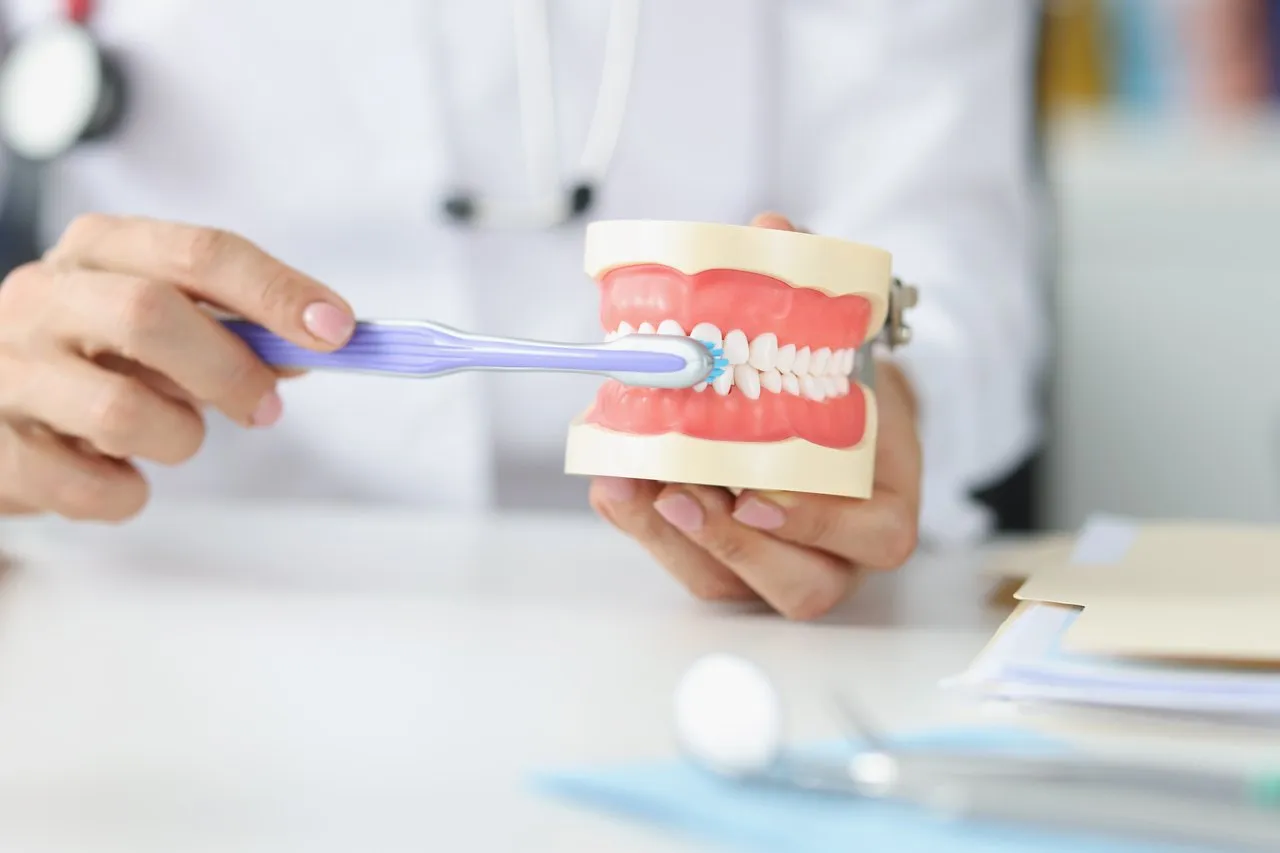
The most common causes of bleeding gums
1. Poor oral hygiene:
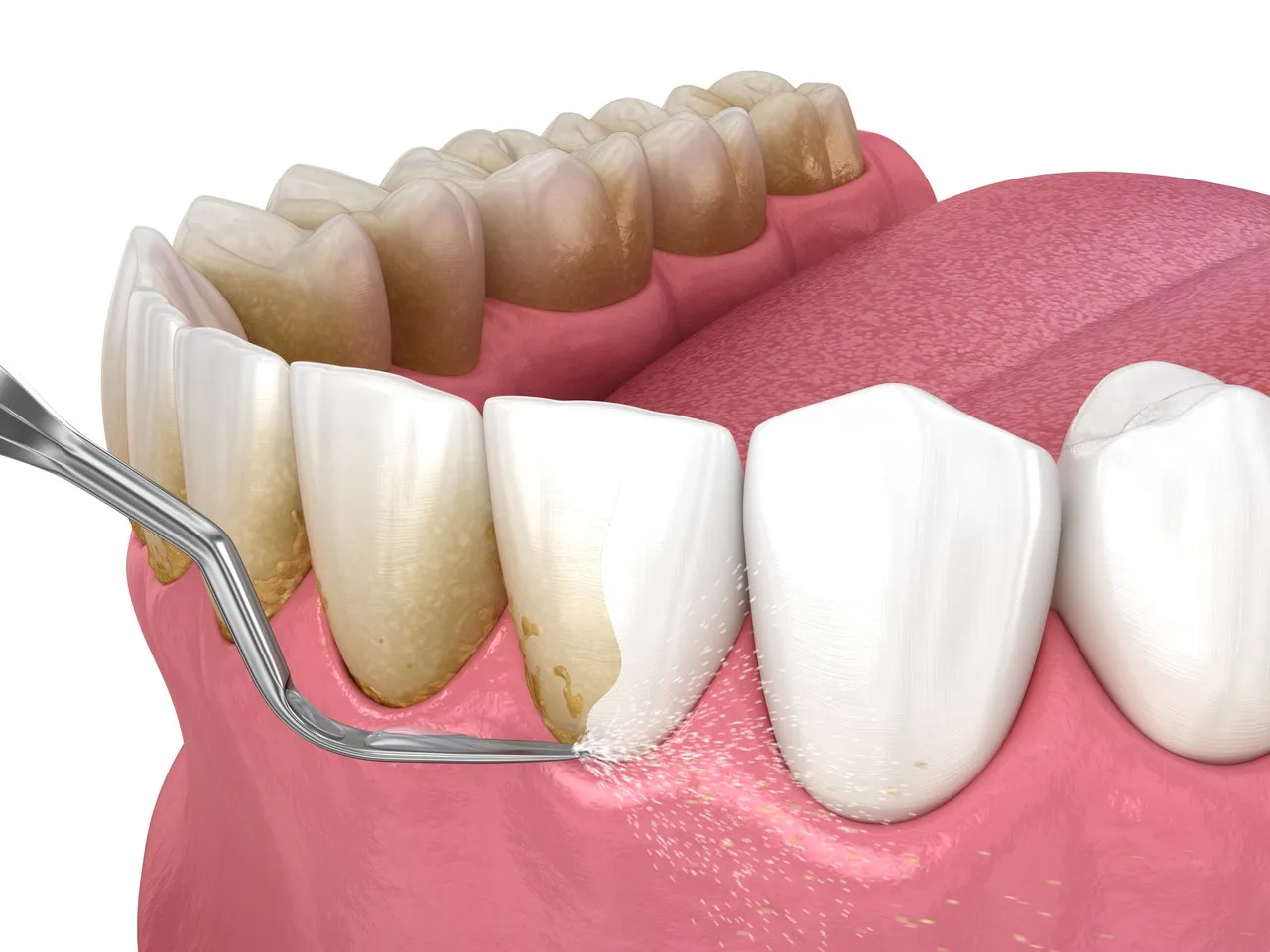
The most common cause of bleeding gums is dental plaque. This is a bacterial film that accumulates along the gumline. If this plaque remains for a long time, it hardens into tartar and causes inflammation of the gums.
2. Incorrect brushing technique or hard toothbrushes:
Too much pressure or a toothbrush with bristles that are too hard can injure the gums. The result: small tears that bleed when brushing.
3. Nutrient deficiency:
A deficiency in vitamin C or vitamin K can make the gums more prone to bleeding.
4. Hormonal changes:
During pregnancy or puberty, hormone levels change. The gums receive an increased blood supply and become more sensitive.
5. Taking medication:
Blood thinners such as ASA (acetylsalicylic acid) can increase gingival bleeding as a side effect.
6. Periodontitis:
If gingivitis is left untreated, it can develop into periodontitis. This is a serious inflammation of the supporting structures of the teeth, which in the worst case can lead to tooth loss.
What can you do about bleeding gums?
The good news: in many cases, bleeding gums can be controlled through consistent oral hygiene and targeted measures at home.

Remedies for bleeding gums:
• Brush your teeth several times a day: Make sure you use the correct technique (from red to white, i.e. from the gums to the crown of the tooth).
• Use a soft toothbrush: This cleans gently and protects teeth and gums.
• Use dental floss or interdental brushes daily: This also removes plaque from between the teeth.
• Use fluoride toothpaste: It strengthens tooth enamel and protects against harmful bacteria.
• Use an antibacterial mouthwash: For example, chlorhexidine (only for a limited time and under guidance).
• Have regular preventive care at the dentist: Professional dental cleaning (PZR) removes stubborn plaque and helps prevent gum problems.

Home remedies for bleeding gums
Home remedies can also help:
• A diet rich in vitamin C: Strengthens the connective tissue and the immune defences in the mouth.
Please note: Home remedies are no substitute for professional dental treatment; they merely provide support for the affected area. If your gums bleed repeatedly, you should have the cause assessed by a dentist.

The role of diet
A tooth-friendly diet can significantly reduce the risk of gingival bleeding. Foods high in calcium and vitamin C strengthen the gums and immune system. Low-sugar meals reduce plaque formation.

Caution with medication
Some medicines, including blood-thinning painkillers, can cause bleeding gums. If you take medication regularly and notice bleeding gums, talk to your doctor or dentist about possible alternatives.
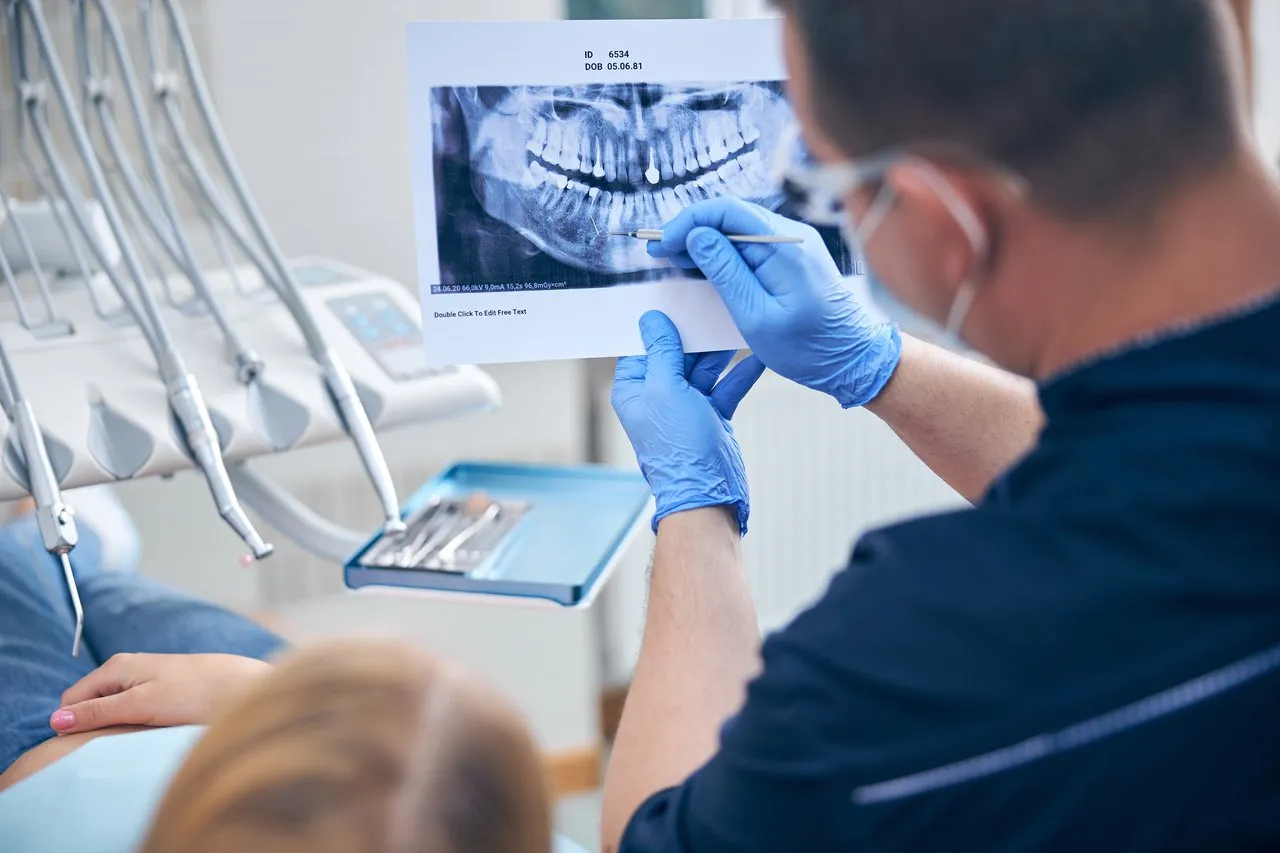
When you should see a dentist
If you have gingival bleeding that
• occurs frequently or persists,
• is accompanied by pain, bad breath or loose teeth,
• does not disappear despite good oral hygiene,
book an appointment at our Wunschlachen dental practice. We thoroughly investigate the causes of bleeding gums and develop a personalised treatment plan, from professional dental cleaning (PZR) to the treatment of periodontitis.
FAQ – Frequently asked questions about bleeding gums
Switch to a soft toothbrush, improve your brushing technique and use dental floss. If the problem persists, see a dentist.
The main cause is plaque or tartar along the gum line, which triggers inflammation.
If your gums bleed repeatedly, you should have the cause assessed by a dentist.
If it occurs regularly or there are signs of periodontitis, a dental examination is necessary.
Possible reasons include medication, hormonal changes or systemic diseases.
In addition to thorough oral hygiene, you should have a dental check-up and, if necessary, schedule professional teeth cleaning.
Use a soft toothbrush and brush with gentle pressure.
Indirectly, yes. Through a weakened immune system or neglected oral care during stressful periods.
A calcium-rich, low-sugar diet and vitamin C are beneficial.
Twice a year. Possibly more often if you are prone to gum problems.