
What does German statutory health insurance cover at the dentist?
At our Wunschlachen dental practice in Berlin, we receive many questions every day about statutory health insurance (GKV). Many patients with statutory health insurance are unsure which treatments are covered and which costs they have to pay themselves.
The answer is...
Über 350 Google-Bewertungen
The short answer
Statutory health insurance covers standard dental care (Regelversorgung): simple fillings, medically necessary root canal treatment for teeth that can be preserved, and a fixed subsidy (Festzuschuss) based on the diagnosis for dental prostheses, which increases with a complete bonus booklet. Professional teeth cleaning, implants and general anaesthesia, by contrast, are usually private services; exceptions apply where medically indicated. The treatment and cost plan (Heil- und Kostenplan) sets out the details.
- Covered by statutory insurance
- Standard care: simple fillings, root canal treatment for a tooth that can be preserved, fixed subsidy for crowns, bridges and dentures
- Usually a private service
- Professional teeth cleaning, implants, general anaesthesia without a medical indication, and higher-quality aesthetic materials
- Good to know
- A complete bonus booklet increases the fixed subsidy; for people on low incomes, the hardship rule (Härtefallregelung) may cover standard care in full
This information does not replace individual advice. The treatment and cost plan and a follow-up enquiry with your health insurance fund will clarify which services are covered in your case.

Standard care and the fixed subsidy
The basis of statutory benefits is what is known as standard care. This refers to adequate, appropriate and cost-effective treatment, as laid down in the Social Code (SGB V).
For many dental restoration procedures, such as crowns, bridges or dentures, the GKV pays a fixed amount, known as the fixed subsidy. For fixed subsidies approved on or before 31 December 2026, this is generally 60 per cent of the cost of standard care. If patients opt for a higher-quality solution, for example more aesthetically sophisticated materials, the fixed subsidy remains the same. The rest is paid privately.
With a fully maintained bonus booklet, the health insurance fund's fixed subsidy for these approvals increases after five years to 70 per cent. After ten years, it increases to 75 per cent. For approvals from 1 January 2027, the corresponding rates are 50 per cent without a bonus, 60 per cent after five years and 65 per cent after ten years. Subsidies approved on or before 31 December 2026 retain the previous rates. This is particularly worthwhile for extensive dental restoration procedures.
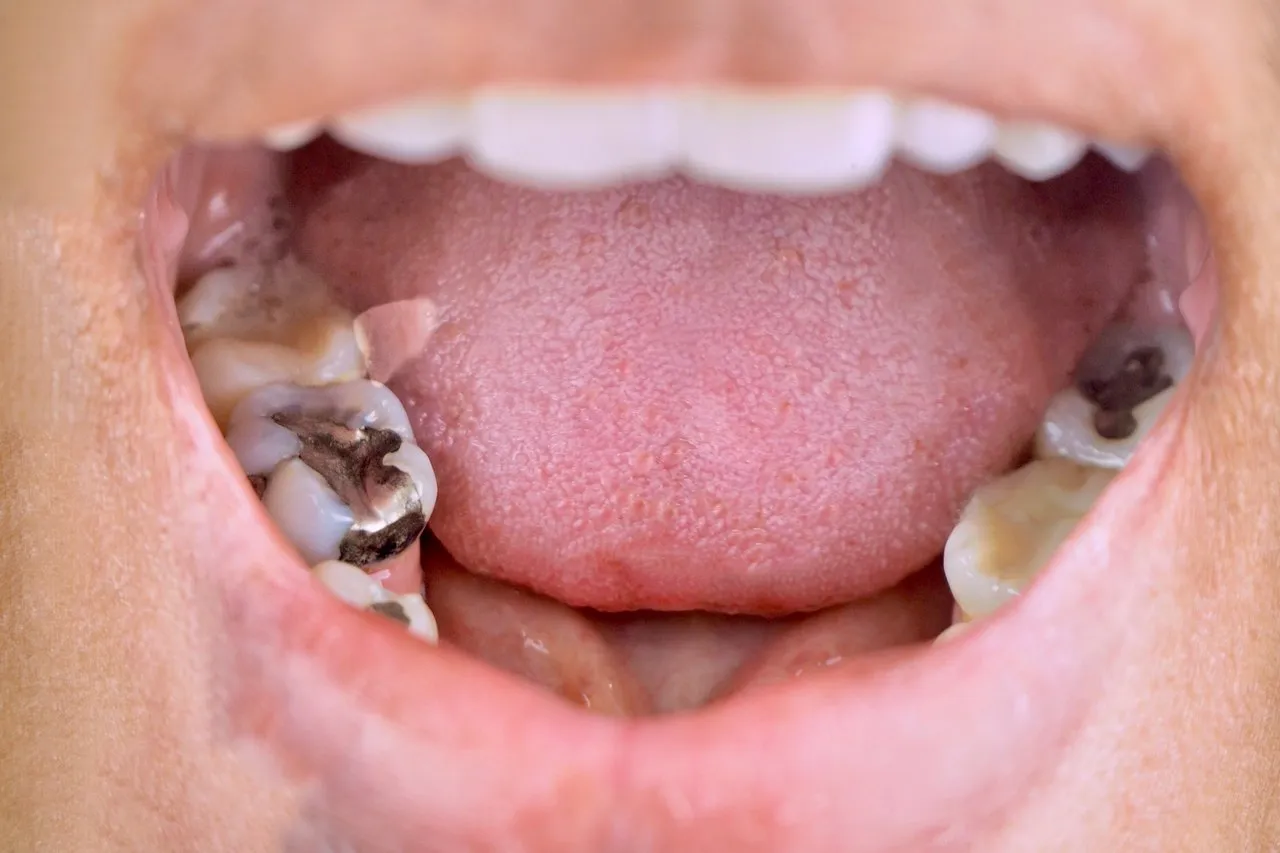
Which fillings does health insurance cover?
The GKV covers the cost of dental fillings, but only for certain materials and in certain areas of the teeth. For back teeth, self-adhesive materials are generally covered; bulk-fill composite is covered in exceptional situations when self-adhesive material is not clinically possible. Anyone who chooses a more elaborate tooth-coloured filling for aesthetic or health reasons usually has to pay the additional costs themselves. For front teeth, on the other hand, the health insurance fund generally also covers a tooth-coloured composite filling.
The question of which filling the health insurance fund covers therefore depends largely on the tooth concerned and the material used. For standard care, the GKV covers the costs; for aesthetically superior alternatives, it covers them only partially or not at all.
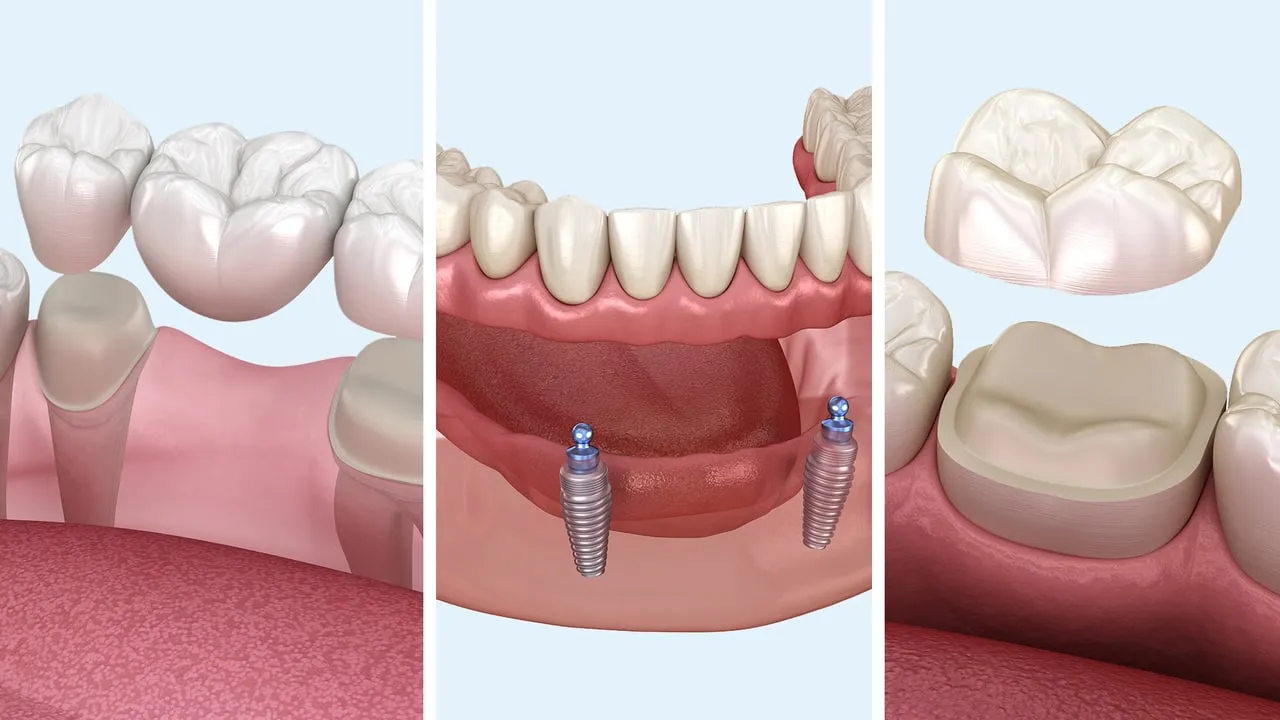
Dental prostheses: crowns, bridges and dentures
For dental restorations such as crowns, bridges, partial or full dentures, the GKV's fixed-subsidy system applies. Those who opt for standard care receive a reimbursement of approximately half the costs from their statutory health insurance fund. The subsidy is based on the clinical findings, not on the chosen treatment.
This means that even if you opt for higher-quality treatment, the subsidy remains the same. For example, the health insurance fund will pay for a simple metal crown with facing in the visible area. However, if you opt for a fully faced crown or one made of ceramic, you pay the difference in cost yourself.
For dentures, particularly cast partial dentures or full dentures with an acrylic base, the health insurance fund covers the costs as part of standard care. Implant-supported dentures, however, are not part of standard care and must be paid for privately.
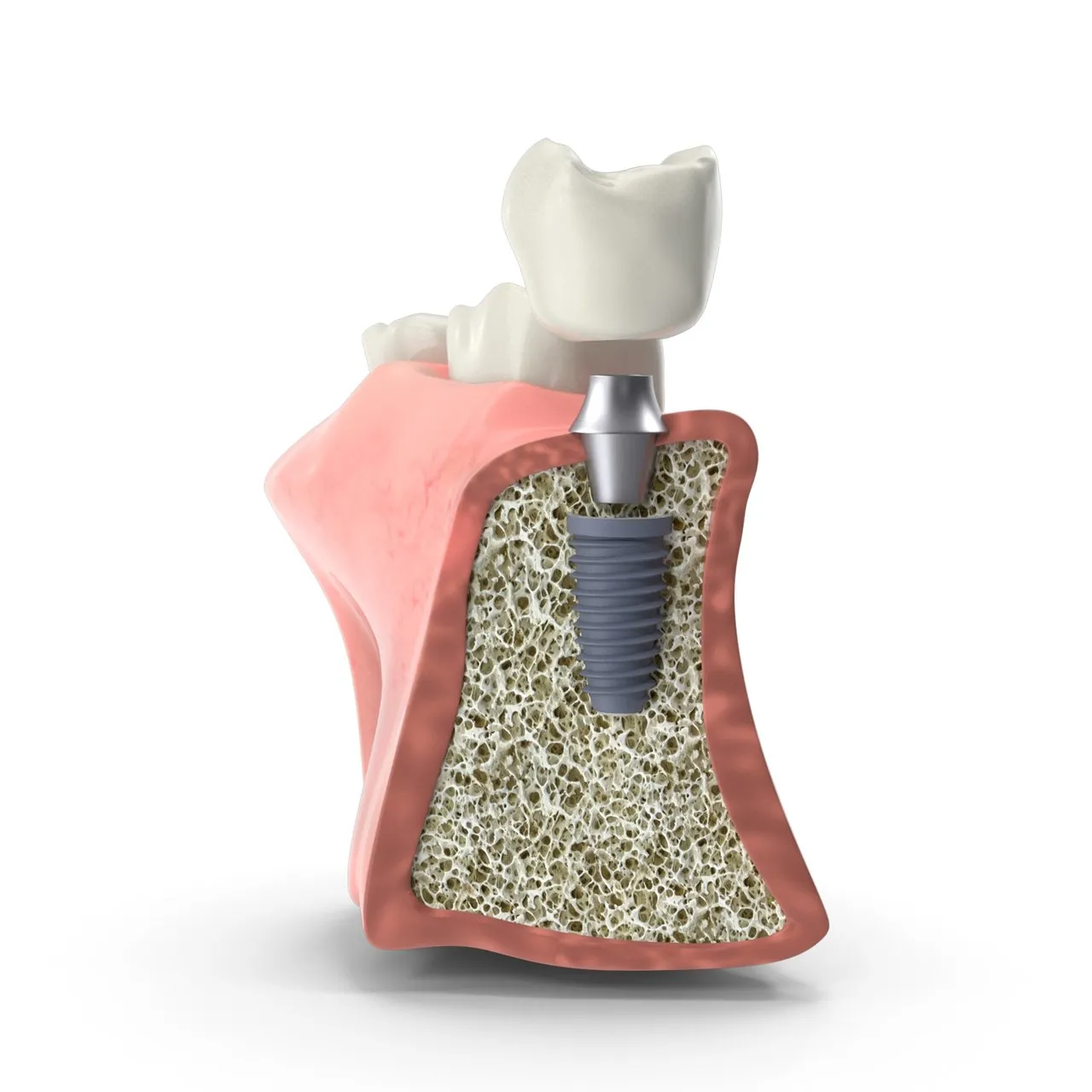
Implants: a question of medical indication
Implants are generally considered a private treatment. The GKV only contributes to the costs in medically justified exceptional cases. This applies, for example, to cases in which conventional treatment is not possible or unreasonable. For example, in cases of tumour diseases or certain jaw malformations.
In such cases, an application can be made for the costs to be covered. Rare qualifying exceptional cases may include cover for the implant, including the suprastructure, as part of comprehensive medical treatment. Otherwise, implant surgery is generally a private treatment, while a diagnosis-based fixed subsidy towards prosthetic care may be granted.
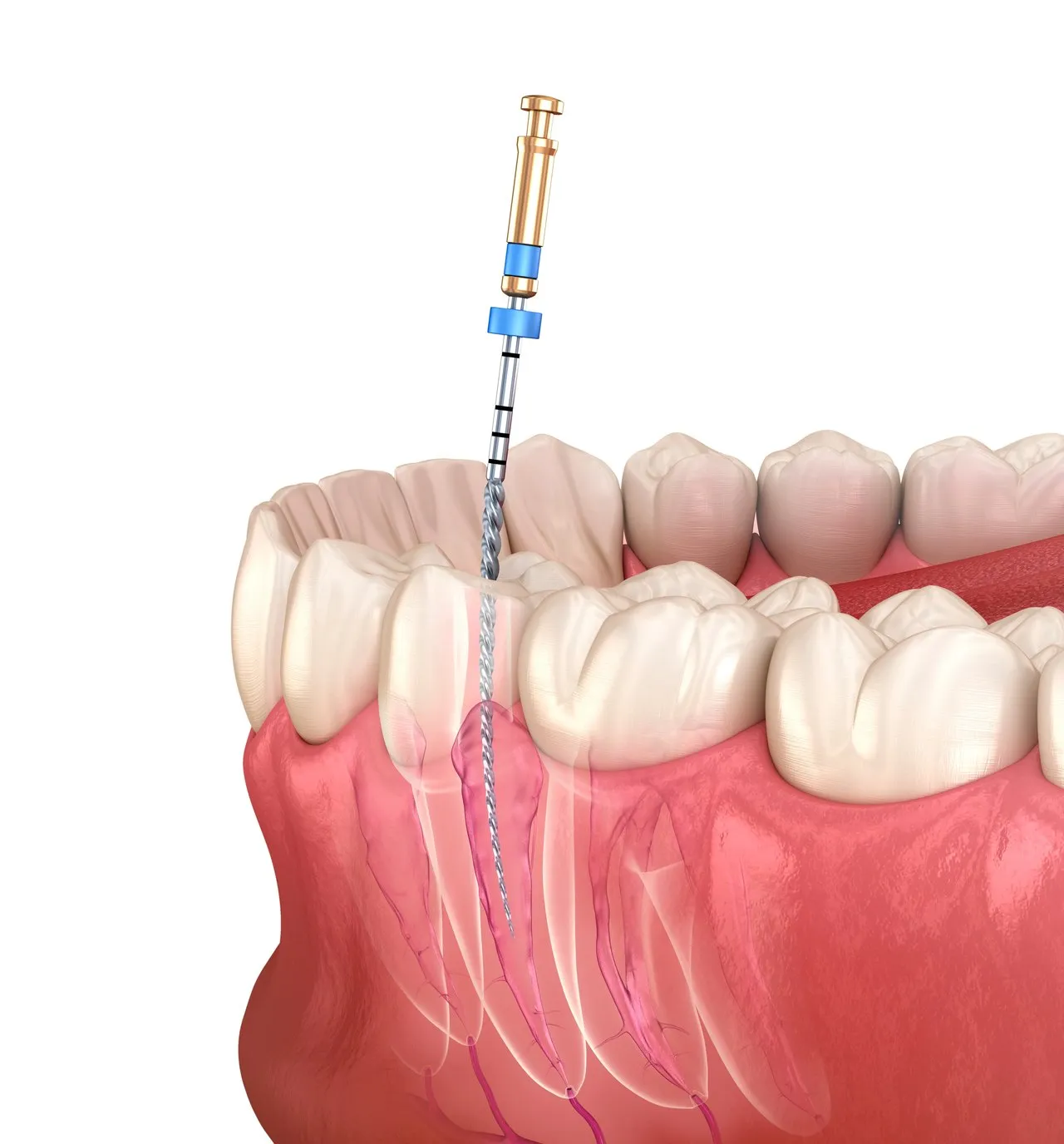
Root canal treatment and German statutory health insurance
The statutory health insurance fund does not make a blanket decision about whether it will pay for root canal treatments either. The costs are covered if the tooth can be preserved through the treatment, which leads to the preservation of a complete dental arch.
The aim is to preserve functional teeth, particularly if more extensive dental restorations would otherwise be necessary. If, however, the tooth is deemed not worth preserving, the health insurance fund will refuse to cover the treatment. In this case, the extraction is covered by statutory health insurance.
Preventive dental care costs and health insurance
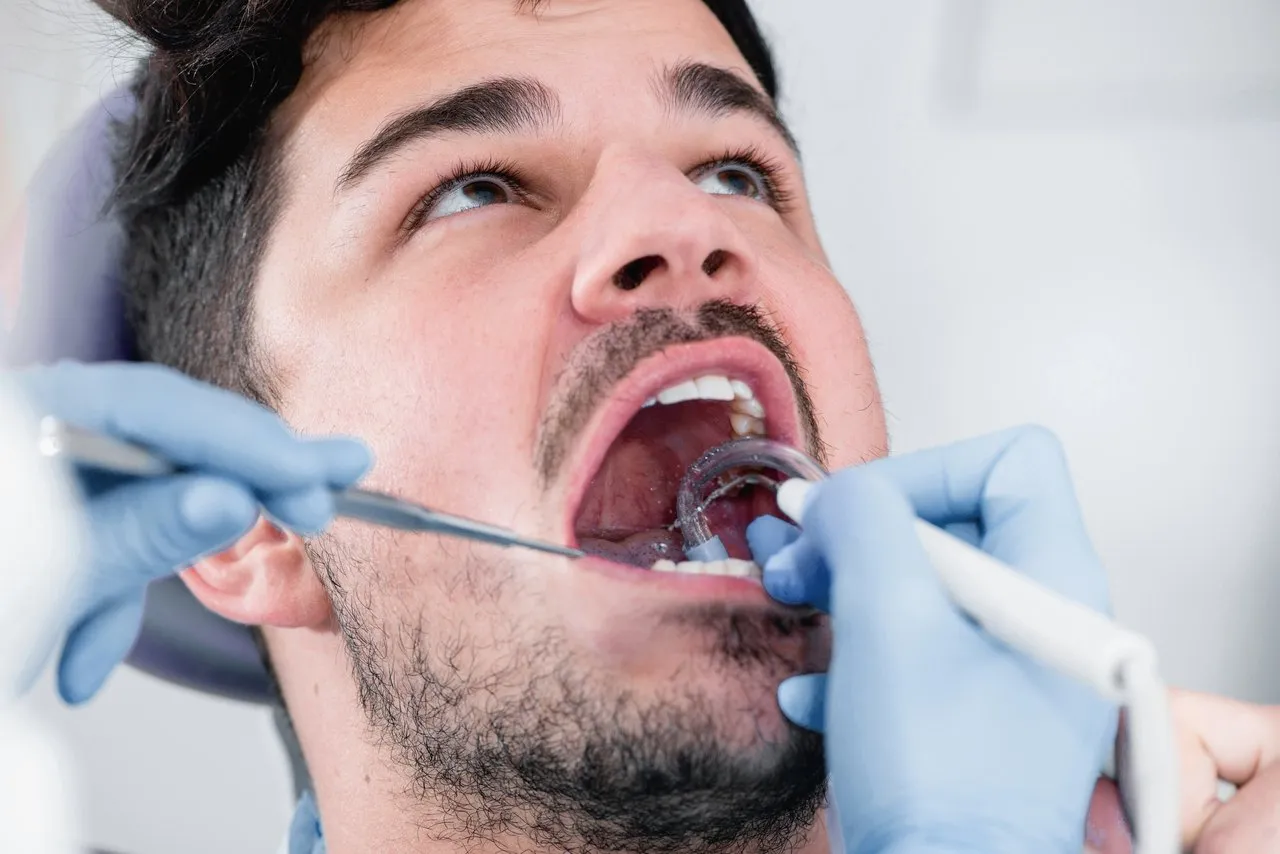
Many patients are surprised that professional dental cleaning is not a benefit covered by statutory health insurance. The GKV does not cover the costs because it is considered a preventive measure. However, some statutory health insurance funds offer subsidies for dental cleaning as part of bonus programmes or through benefits provided under their statutes. You should therefore ask your health insurance fund directly.
Prophylactic treatments such as fissure sealing or fluoride applications for adults are also not always included in the GKV's catalogue of benefits. In these cases, it is important to weigh things up on a case-by-case basis and seek individual advice.

General anaesthesia for dental treatment
The statutory health insurance fund can only cover the costs of treatment under general anaesthetic if it is medically necessary. This applies, for example, to patients with severe dental anxiety (anxious patients) or in the case of complex surgical procedures. A corresponding certificate or a doctor's statement is required for reimbursement. Otherwise, the general anaesthetic must be paid for by the patient.

Functional analysis for jaw problems
Functional analysis is necessary when craniomandibular dysfunction (CMD) is suspected, in order to diagnose misaligned teeth and temporomandibular joint problems. GKV only covers the cost if there is a medically justified indication.
The hardship rule for people on low incomes
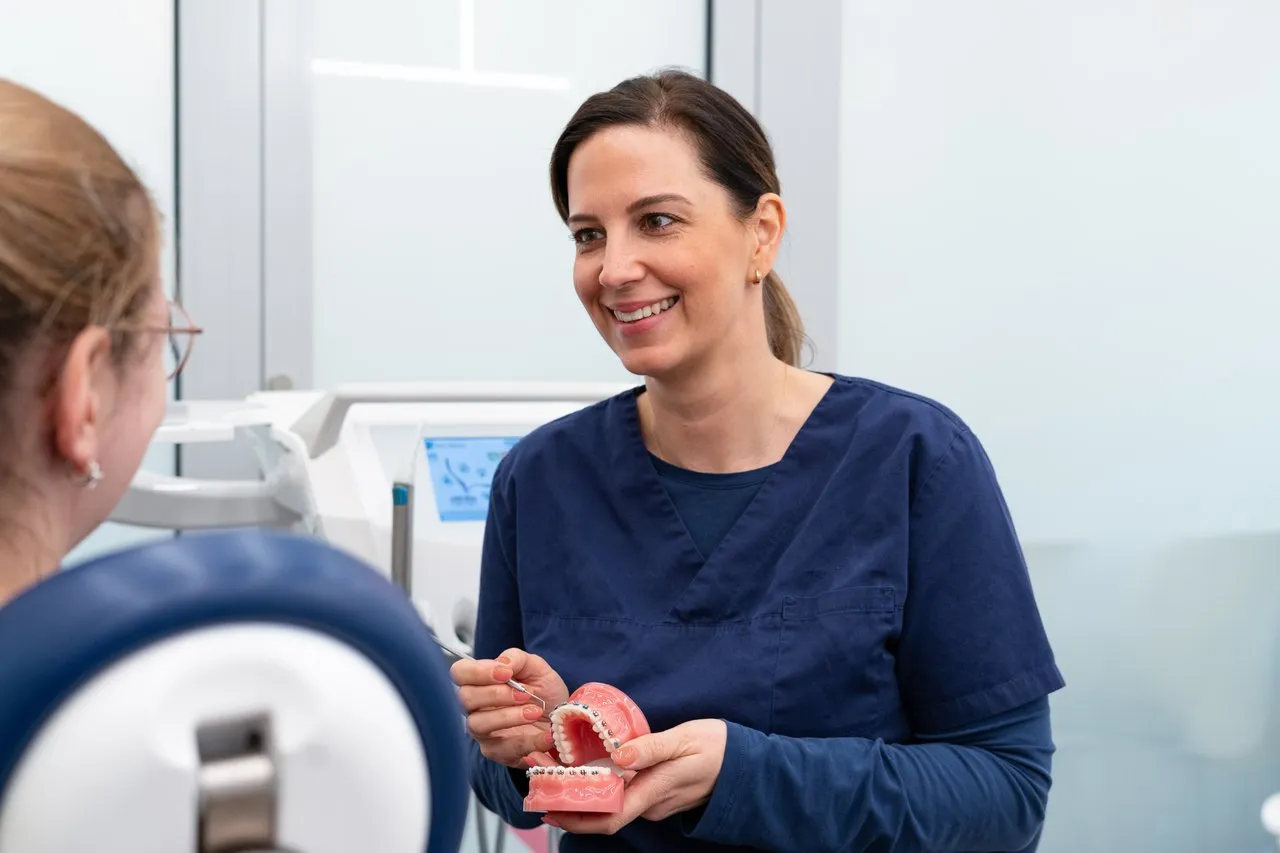
Patients on a low income can receive full cover for dental restorations under the hardship regulation. This applies to standard care.
Those who nevertheless want a higher-quality restoration receive the basic diagnosis-based subsidy plus 40 per cent of the cost of reference standard care and must pay the remaining additional costs themselves. We will support you in your communication with your health insurance fund.

Financing and supplementary dental insurance
Not all treatments that are medically advisable or aesthetically desirable are covered by the GKV. We therefore offer flexible financing options for the out-of-pocket costs at our practice. For example, through convenient instalment payments.
In addition, supplementary insurance can be worthwhile. Depending on the policy, this covers a large proportion or even all of the costs that have to be paid privately. Taking out such insurance is particularly worthwhile for people who value high-quality materials, aesthetically pleasing treatment and long-term durability.

Conclusion
Statutory health insurance covers many necessary dental treatments, particularly as part of standard care. However, higher-quality aesthetic or functional options often require co-payments or private alternatives. At our Wunschlachen practice, we are happy to advise you on cost coverage and supplementary insurance. Together, we will find the right solution for your needs.
FAQ: What you should know about statutory health insurance benefits at the dentist
Statutory health insurance covers standard care, such as simple fillings, dentures, treatment for gum disease or root canal treatment under certain conditions.
Self-adhesive materials are covered for back teeth, with bulk-fill composite covered in exceptional situations when self-adhesive material is not clinically possible; tooth-coloured composite fillings are also covered for front teeth.
Depending on the material and tooth region, out-of-pocket costs of between 30 and 150 euros may arise.
Only in very rare exceptional cases, e.g. if medically necessary. In such cases, the implant, including the suprastructure, may be covered as part of comprehensive medical treatment; otherwise, implant surgery is generally private and the crown may receive a diagnosis-based fixed subsidy.
Only if the tooth is deemed worth preserving and is functionally necessary.
No, professional teeth cleaning (PZR) is not covered by statutory insurance, although some funds offer voluntary subsidies.
Usually none for adults, whereas some dental treatments are covered for children and adolescents.
A fixed amount that GKV pays towards dental prostheses, regardless of the treatment actually provided.
If you have a low income, the GKV covers 100 % of the cost of standard care.
Yes, particularly if you value high-quality, aesthetic and durable dental prostheses.