
Dental pulp necrosis – When the dental pulp dies: causes, symptoms and treatment
A healthy tooth is alive, permeated by nerves and blood vessels that supply it with nutrients and transmit stimuli. However, if these internal structures are damaged, the dental pulp can die. This phenomenon is known as dental pulp necrosis and is a serious...
Über 350 Google-Bewertungen
The short answer
In tooth necrosis, the dental pulp dies – usually as a result of deep caries, trauma or severe inflammation. The process is often painless at first; later, dark discolouration, pain when biting or the formation of a fistula are typical. It is usually treated with root canal treatment; if left untreated, the inflammation can spread to the jawbone and body.
- Typical causes
- Deep caries, dental trauma (blow, accident), severe teeth grinding or thermal stimuli.
- Warning signs
- Dark discolouration, no response to cold, pain when biting or spontaneous pain, formation of a fistula.
- When to see a dentist
- Tooth necrosis always requires treatment – early diagnosis significantly improves the chances of preserving the tooth.
General information; not a substitute for a diagnosis. Have any discolouration or symptoms examined by a dentist.

What does necrosis mean?
The term ‘necrosis’ describes the death of living tissue in medicine. In a dental context, this refers to the death of what is known as the dental pulp tissue. That is, the nerves, blood vessels and connective tissue cells inside the tooth. This tissue is protected inside the tooth enamel and is known as the pulp or dental pulp.
Dental pulp necrosis usually occurs as a result of deep carious lesions, trauma or severe inflammation. If the inside of the tooth is injured or infected with bacteria, the blood supply can be interrupted. Without oxygen, the tissue slowly dies. The problem is that the process often goes unnoticed. In many cases, dental pulp necrosis is initially asymptomatic.
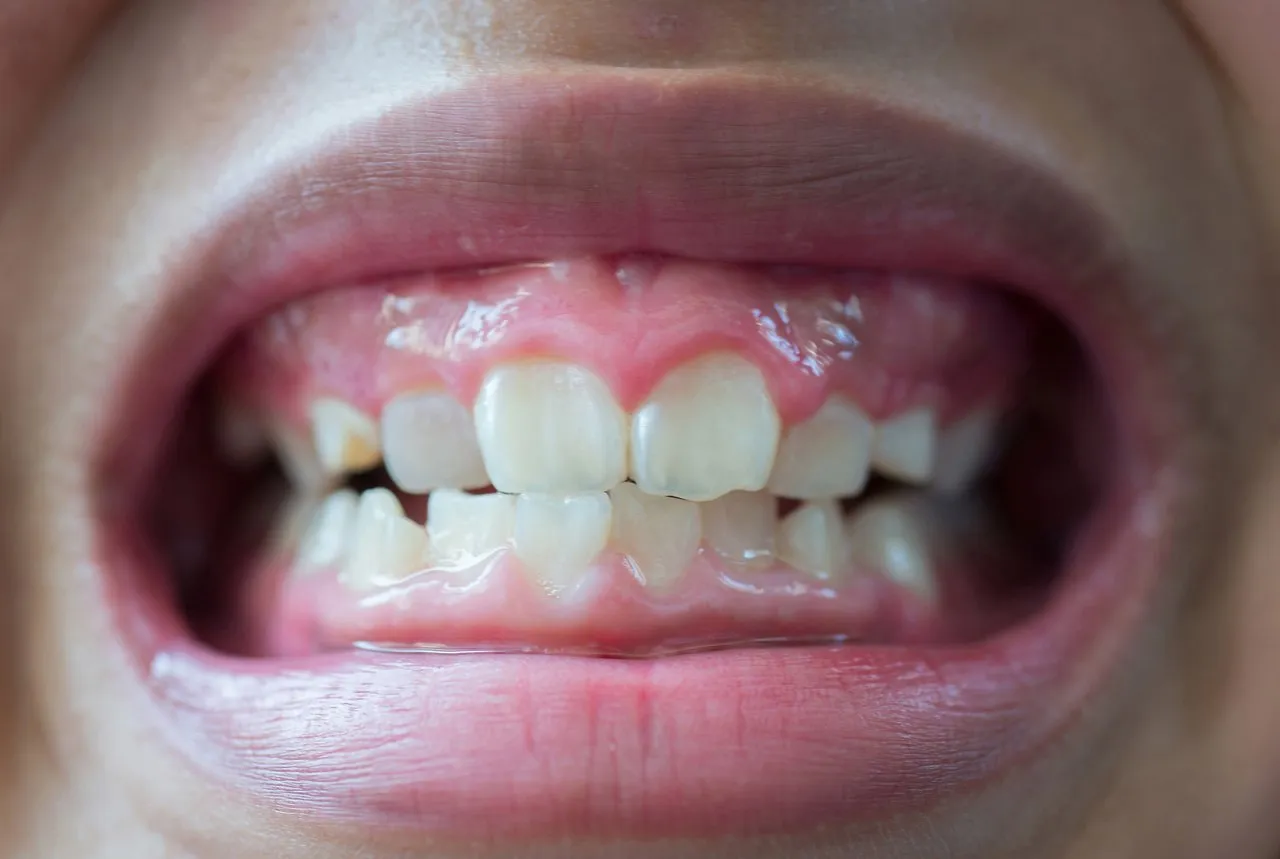
Causes of dental pulp necrosis
The most common cause of tooth death is tooth decay. If bacteria penetrate the tooth enamel and reach the pulp, inflammation (pulpitis) initially develops. If this is left untreated, cell death follows, resulting in necrosis of the pulp tissue.
Another possible cause is dental trauma, for example from a blow to the tooth, an accident or severe teeth grinding. Such trauma can damage the blood vessels at the root tip, resulting in an inadequate blood supply.
Thermal stimuli, such as excessive whitening (bleaching), overheating during drilling or large fillings, can also eventually lead to necrosis.

Symptoms: how does dental pulp necrosis present?
Dental pulp necrosis often goes unnoticed, particularly in its early stages. As the dying tissue loses nerve function, a tooth may suddenly stop causing any discomfort. This is often mistakenly interpreted as ‘healing’.
In many cases, however, typical necrotic pain occurs, such as:
• Sensitivity to pressure when chewing
• Pain when biting
• Spontaneous pain (including at night)
• A sensation of ‘pulling’ or ‘throbbing’ in the tooth
In addition, the tooth may become discoloured. This is a classic sign of dead tissue. If the inflammation spreads beyond the tip of the root, fistulas may form in the surrounding tissue.
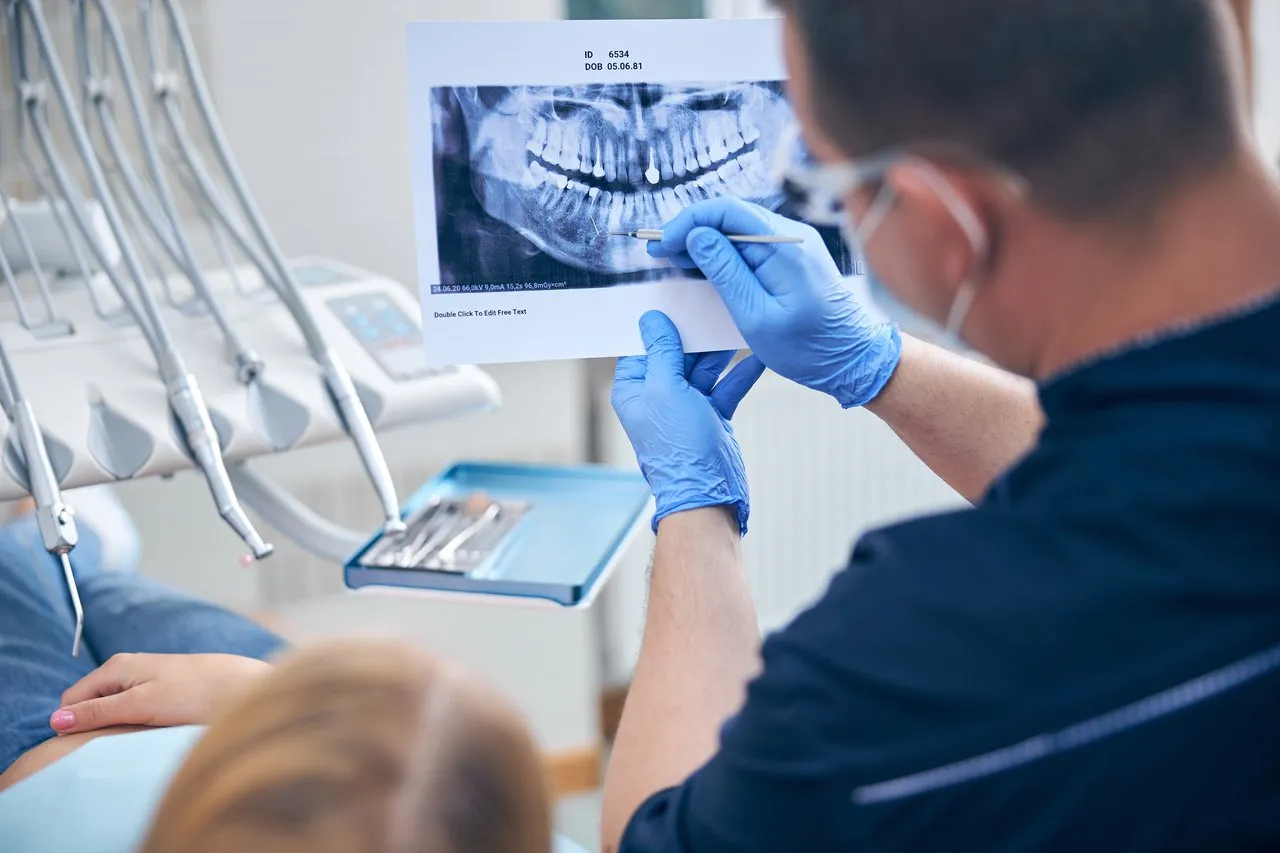
Dental pulp necrosis: diagnosis by a dentist
A dentist can identify dental pulp necrosis through several examinations. In addition to a clinical visual examination (discolouration, sensitivity), a cold test or an electric pulp vitality test is often used. If the tooth no longer responds to stimuli, this is an indication of dead tissue.
X-rays also provide information about the condition of the root and possible foci of inflammation in the bone. In some cases, 3D imaging (CBCT) may be required to determine the exact extent of the damage.
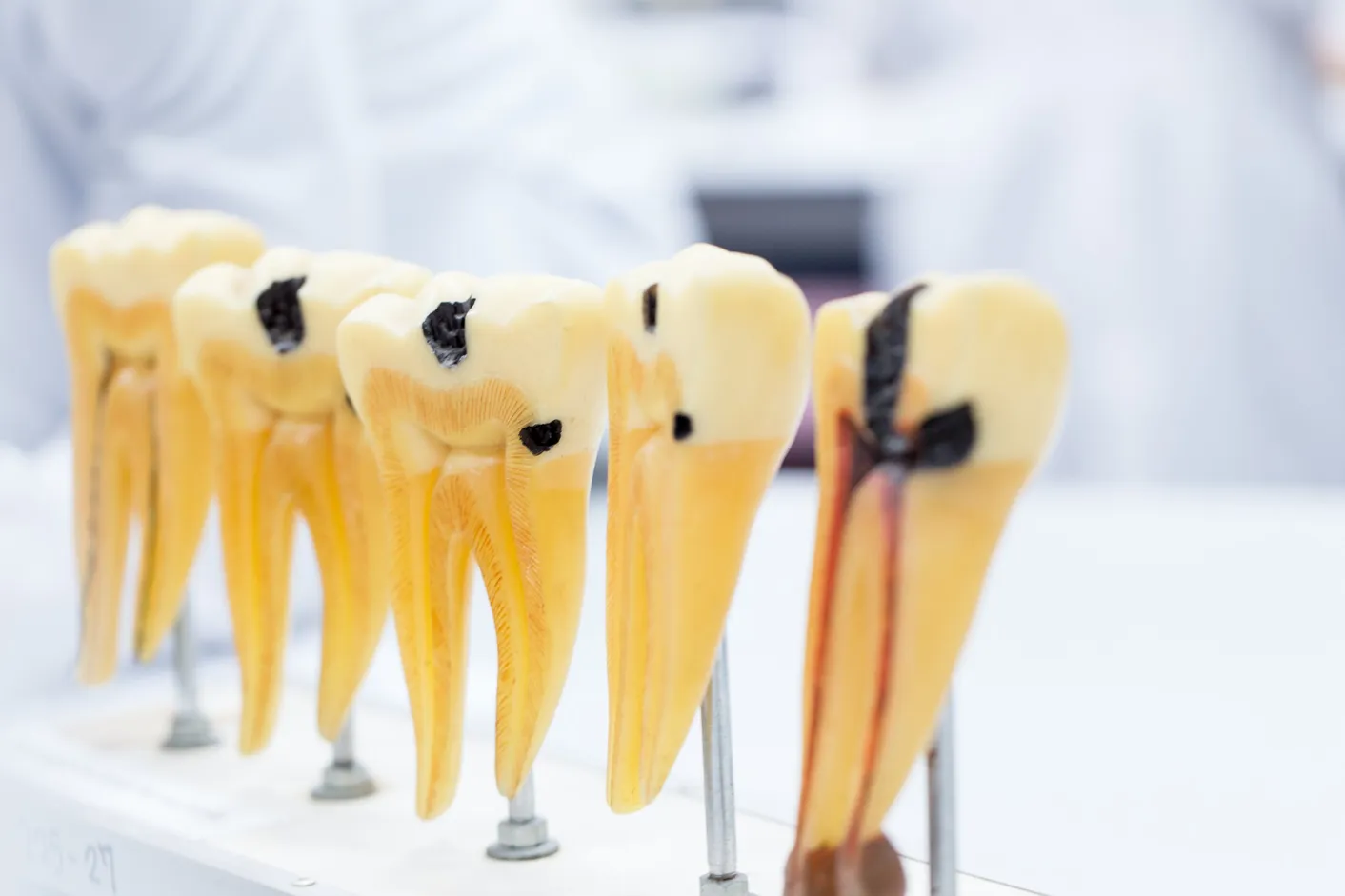
Necrosis treatment: what to do about dental pulp necrosis?
Dental pulp necrosis always requires treatment, as dead tissue provides an ideal breeding ground for bacteria. Without treatment, there is a risk of severe inflammation, which can spread into the jawbone and even into the bloodstream.
The standard treatment is root canal treatment. The dead tissue is removed from inside the tooth, and the root canals are cleaned, disinfected and then sealed with a filling material. This treatment can preserve the tooth and prevent the inflammation from spreading.
If the tooth is already severely damaged or the inflammation cannot be controlled, tooth removal (extraction) is often the only option. In this case, tooth replacement options such as implants or bridges may be considered.

Prognosis and aftercare
If dental pulp necrosis is detected and treated in time, the prospects of preserving the tooth are good in many cases. Modern endodontics enables precise and gentle treatment, even with complex root anatomy. Regular check-ups with the dentist are important after treatment to ensure that the tooth remains stable. To prevent problems, thorough oral hygiene, regular check-ups and avoiding dental damage are recommended.

Conclusion
Dental pulp necrosis is a serious warning sign that should not be taken lightly. Even if there is not always any pain, a ‘dead tooth’ can pose significant health risks. Early diagnosis and targeted treatment are crucial to saving the tooth and preventing damage. If you think the pulp in one of your teeth may have died, let Wunschlachen advise and treat you.
FAQs about dental pulp necrosis
Necrosis means that the dental pulp has died. The tooth is therefore no longer vital.
Necrosis may initially be painless. Later, however, severe pain on pressure and when biting may occur.
The main causes are deep caries, dental trauma or thermal stimuli.
Typical signs include discolouration, no response to cold, pain or the formation of a fistula.
It can lead to chronic inflammation, bone loss and even spread through the body.
Usually with root canal treatment; in severe cases, by extracting the tooth.
Root canal treatment usually takes 1–2 sessions, depending on severity.
Yes, provided treatment is carried out in time and enough of the tooth substance is still intact.
The tooth darkens as blood components break down in the dead tissue.
No, dental pulp necrosis is not contagious, but the inflammation can spread through the body.