
Dentist’s cost estimate: process, contents and clarity
A dentist’s cost estimate sets out the services, materials and total costs. It clearly distinguishes between the amount covered by your health insurer, your own contribution and any additional costs. It forms the basis for your decision and for coordination with insurers.
Über 350 Google-Bewertungen
The short answer
A dentist’s cost estimate lists the planned services, materials, laboratory costs and fees, and distinguishes between the amount covered by your health insurer, your own contribution and any additional costs. For people with statutory health insurance, the treatment and cost plan (Heil- und Kostenplan, HKP) is central, as the insurer uses it to calculate the fixed subsidy; for private services, a cost plan based on the German Scale of Fees for Dentists (GOZ) applies. This gives you clarity about costs before treatment begins.
- Contents
- Diagnosis, planned treatment steps, materials and manufacturing process, laboratory items, dental fees and your own contribution.
- Health insurance cover
- The treatment and cost plan records the clinical findings and standard care – the health insurer’s fixed subsidy is based on this.
- Good to know
- Private services are billed using GOZ codes with fee multipliers; both approaches provide clarity about costs before treatment begins.
General information – a binding statement of costs is only available through an individual treatment and cost plan before treatment begins.
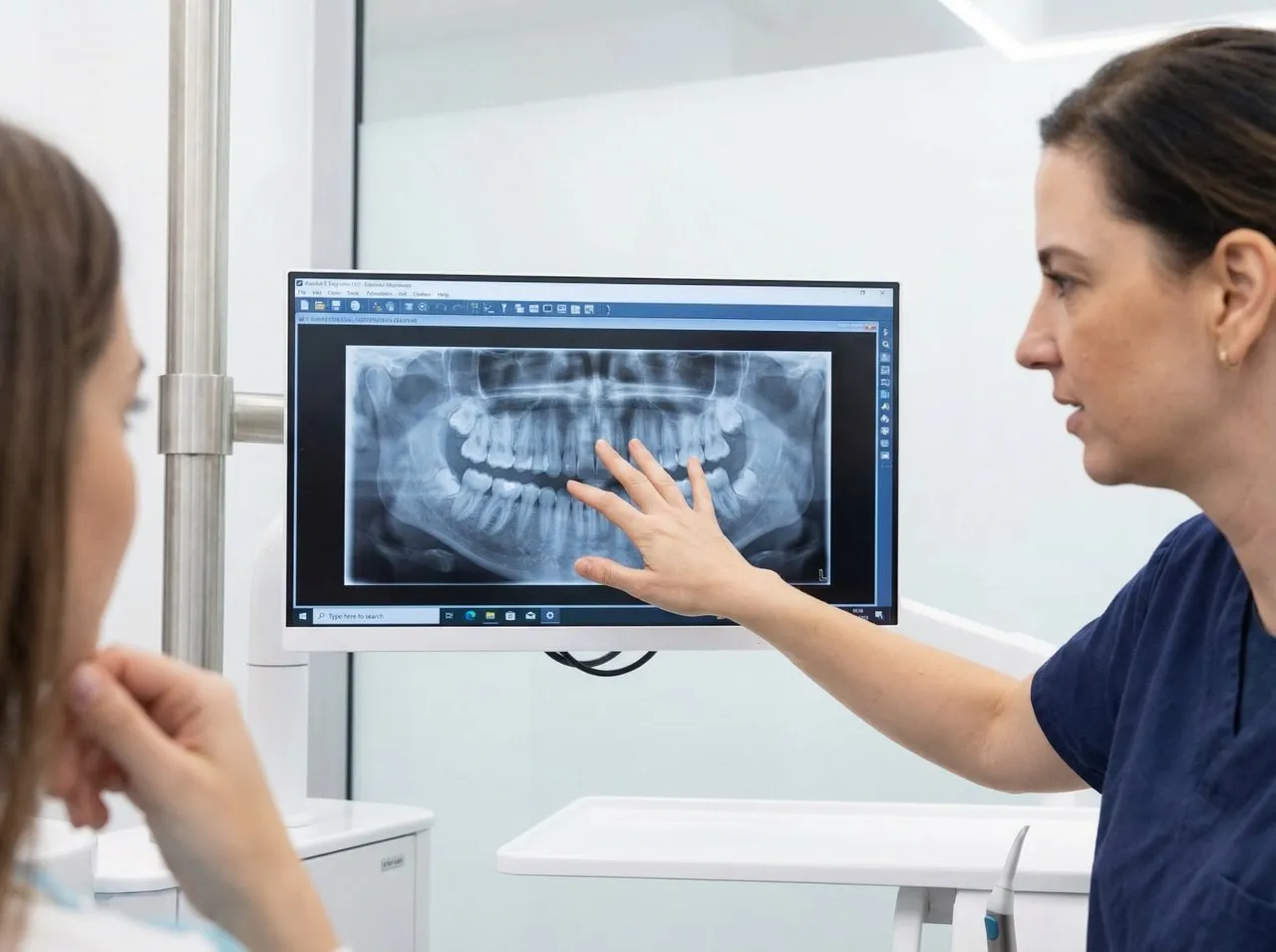
Why a dentist’s cost estimate is important
Many treatments consist of several components. These include the fee, laboratory costs and dental technical work. A written cost breakdown provides a reliable basis for assessing the plan. You can see what treatment is planned. You can identify alternatives and their effects. This helps you avoid unpleasant surprises.
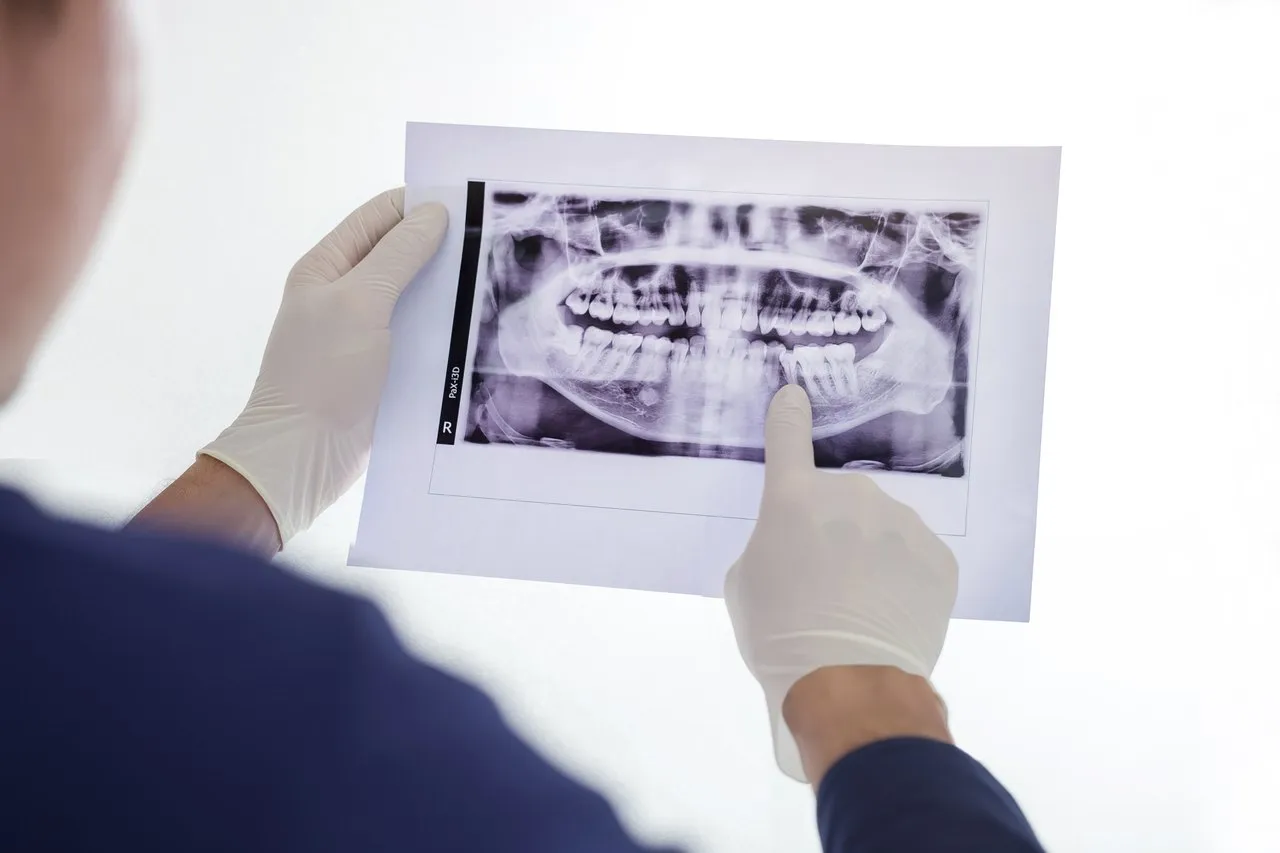
What does a dentist’s cost estimate include?
The description of the services is at the heart of the estimate. It states the diagnosis, planned steps and type of dental restoration. It also includes details of the materials and manufacturing process. A good plan also contains laboratory items. It shows the dental fees and any additional services. Your own contribution is often listed separately.
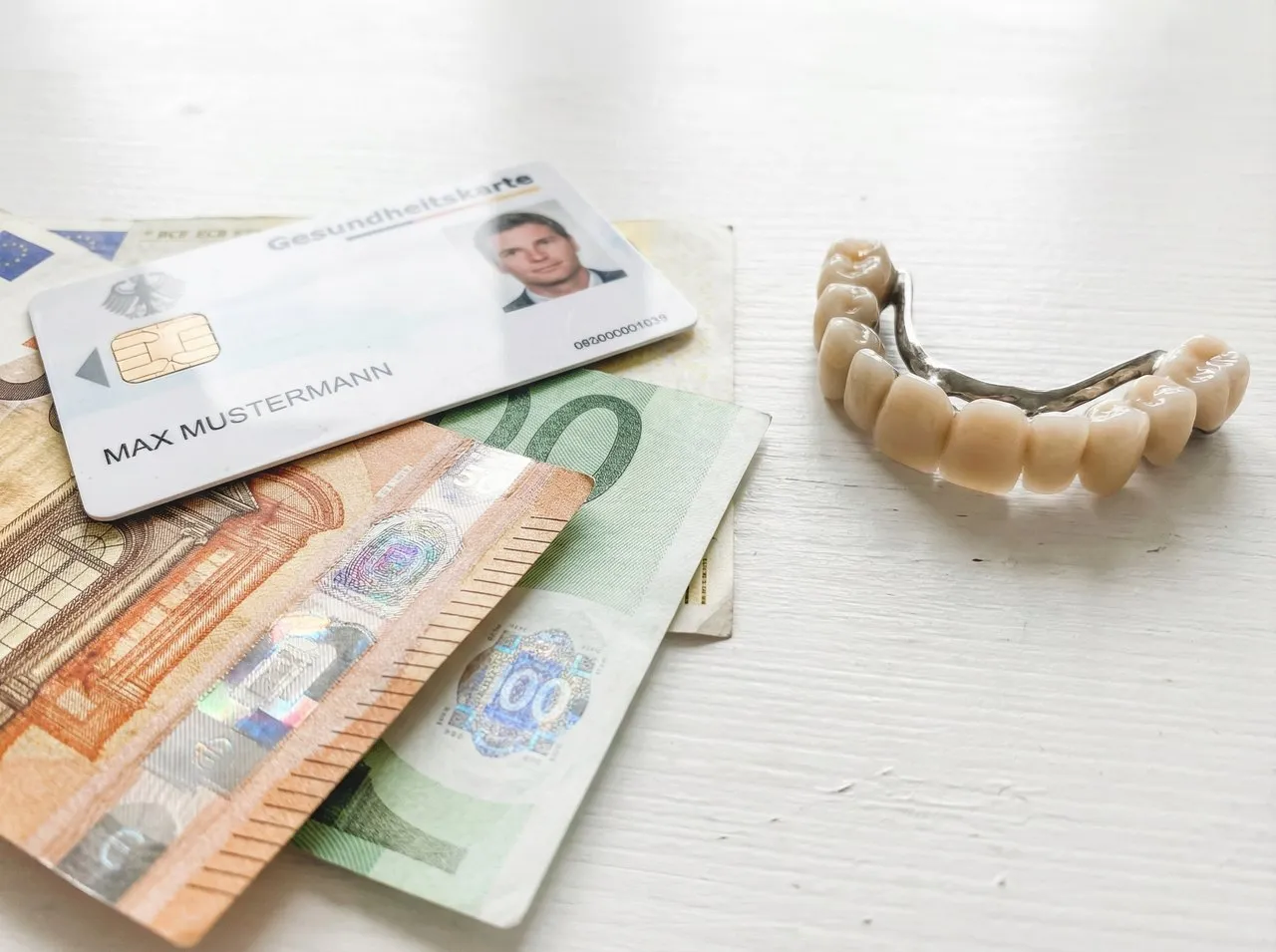
Cost estimate, treatment and cost plan, and private plan
For people with statutory health insurance, the treatment and cost plan, or HKP for short, is central. It records the diagnosis and standard care. The health insurer’s fixed subsidy is based on this. A private cost plan is often used for private services. GOZ codes and fee multipliers are relevant here. Both approaches provide clarity about costs before treatment begins.

How the cost breakdown is prepared at the practice
First, we assess your case through an examination and diagnostic tests. We then discuss your goals and medical needs. Next, we draw up the written treatment plan. 1. We select a suitable form of treatment and possible alternatives. 2. We calculate the costs of materials, laboratory work and the planned time required. 3. We explain the amount covered by your health insurer, your own contribution and any additional services. 4. We clarify deadlines, approval and the next treatment steps.
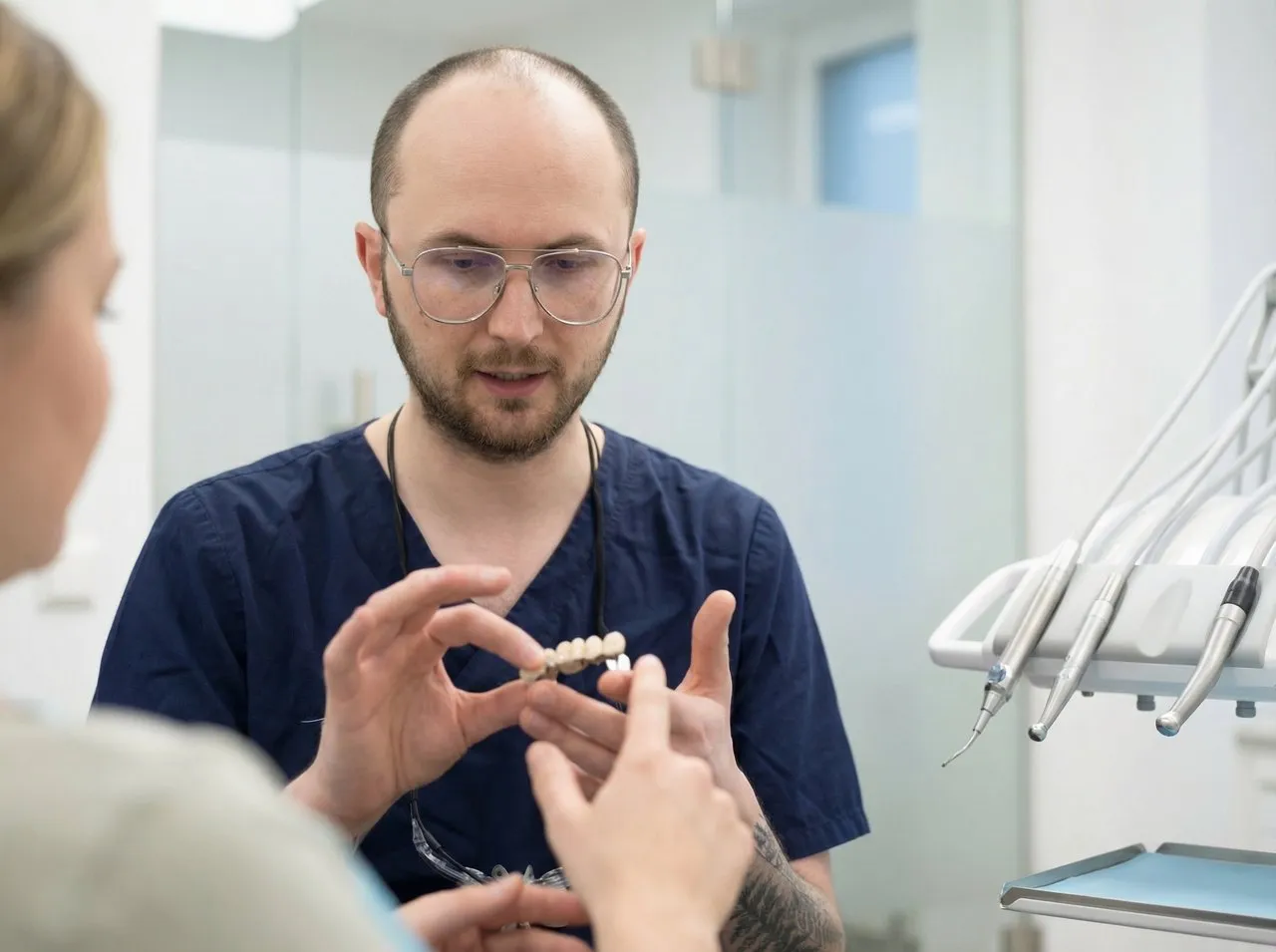
Which factors affect the total cost?
The costs depend heavily on the findings. The key factors are the scope of treatment, the choice of materials and the complexity of the dental laboratory work. Preliminary treatments can also increase the amount of work involved. Laboratory work is a significant factor for dental restorations. In implant dentistry, the condition of the bone is also important. Preliminary treatment may be necessary if there are pre-existing periodontal findings.

How to check a cost plan properly
Make sure the overview of services is easy to understand. Check whether the treatment is planned as standard care or an equivalent solution. Ask questions if any terms are unclear. Details of the materials used for crowns, inlays or dentures are important. The planned laboratory services should also be transparent. Reputable practices explain every item.

Documents that accompany a cost plan
You should receive a copy of the HKP or the private treatment plan. For additional services, an agreement on additional costs is often advisable. This sets out the scope and price in writing. You should also ask about the likely period of validity. Material and laboratory prices can change. A current date provides clarity.

Which questions can help before you decide?
Ask which steps are medically necessary. Ask which alternative is covered by standard care. Ask how the choice of materials and durability differ. Also ask whether any preliminary treatments are planned. These might include root canal treatment or periodontal therapy, for example. Such steps affect the time required and the total cost.

Cover from health insurers and insurance companies
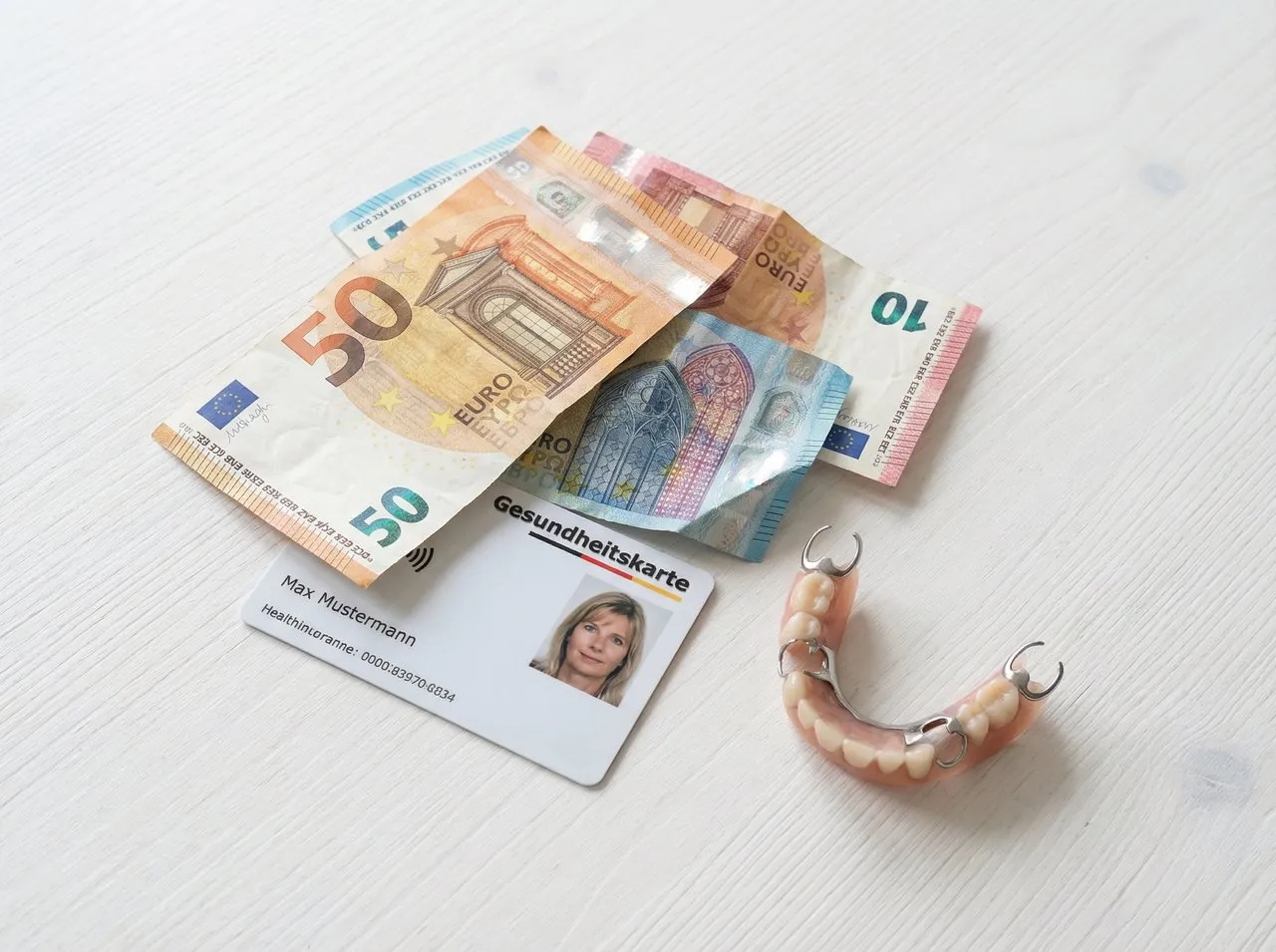
Your statutory health insurer pays a fixed subsidy based on your diagnosis. A completed bonus booklet can increase the subsidy. The HKP must normally be approved by your statutory health insurer before dental prosthetic treatment begins; urgent repairs are an exception. Private insurers reimburse costs according to your policy. Supplementary dental insurance can reduce your own contribution. Check benefit limits and waiting periods early on.
What happens if the price changes during treatment?
Sometimes an additional issue only becomes apparent during therapy. Further measures may then be medically advisable. In such cases, we inform you in advance. The plan is updated if there are significant deviations. You then decide whether to give your consent. Transparency takes priority over speed here.
Common misunderstandings about cost estimates
A cost estimate is a professional estimate of the likely costs. It is based on the current clinical findings and the planned care. However, it does not replace individual confirmation of cover from your insurer. Nor does approval from your health insurer cover every additional service. Aesthetic preferences can result in additional costs. This applies particularly to the visible front teeth.

Cost plans at Wunschlachen in Berlin
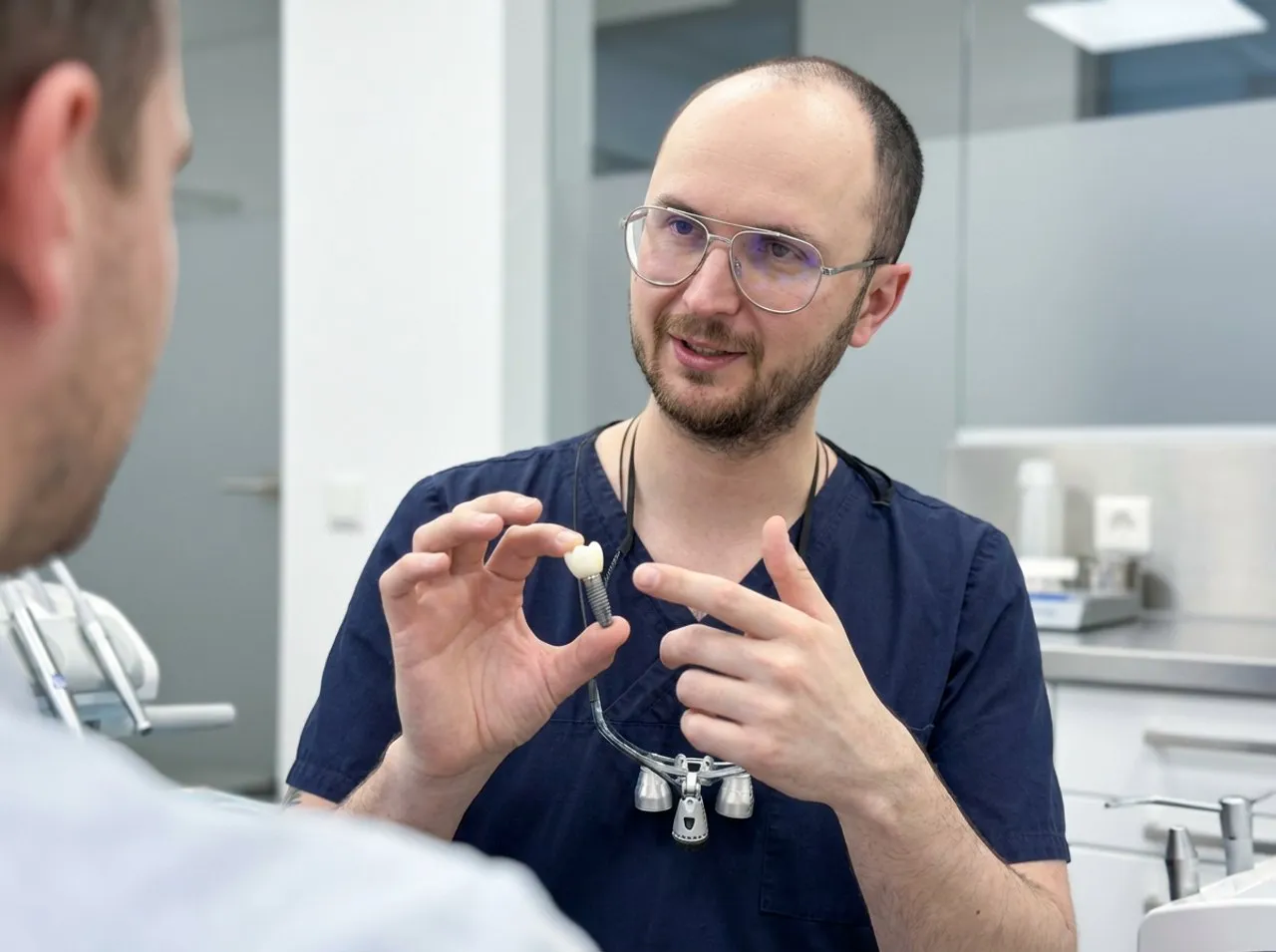
At Wunschlachen, you receive a clear and structured cost breakdown. We explain the medical necessity and suitable alternatives. You decide without time pressure. If you wish, we can help you submit the HKP. We answer questions about fixed subsidies and bonus booklets. This means you can start treatment well informed.

Conclusion
A dentist’s cost estimate gives you planning certainty before the procedure. It makes the costs, your own contribution and scope of services transparent. Use it proactively to ask follow-up questions and make comparisons.
FAQ – Frequently asked questions about dentists’ cost estimates
A cost estimate is a written cost breakdown provided before treatment. It contains the services, materials and expected total costs. It helps you make your decision and enables your insurer to review the costs.
It is a calculation based on the current clinical findings. Minor deviations are possible if the amount of work involved changes. If there are major changes, the practice must inform you in advance.
The treatment and cost plan is primarily intended for people with statutory health insurance. It forms the basis for the health insurer’s fixed subsidy. A private cost plan often includes services billed under the GOZ.
For extensive dental restorations, the HKP is often submitted in advance. The insurer then reviews the diagnosis and subsidy. Treatment usually only begins afterwards.
The diagnosis, planned services and materials are important. Laboratory items and fee components should also be identifiable. Your own contribution should also be clearly stated.
Differences arise from the materials, laboratory quality and extent of treatment. The planned technique can also vary. It is therefore worth comparing the contents, not just the price.
Yes, several treatment options are often possible. An alternative may be functionally similar but look different. Ask specifically about standard care and higher-quality options.
Statutory health insurance (GKV) pays the fixed subsidy regardless of the material. High-quality solutions can lead to additional costs. However, the subsidy remains in place.
Your own contribution is the amount you pay yourself. It is the amount left after subsidies and reimbursements have been deducted. It depends on the diagnosis and the treatment you choose.
Many plans are only valid for a limited period. This is due to changes in laboratory and material prices. Ask about the period of validity before making your decision.