Gum inflammation: causes, symptoms and treatment
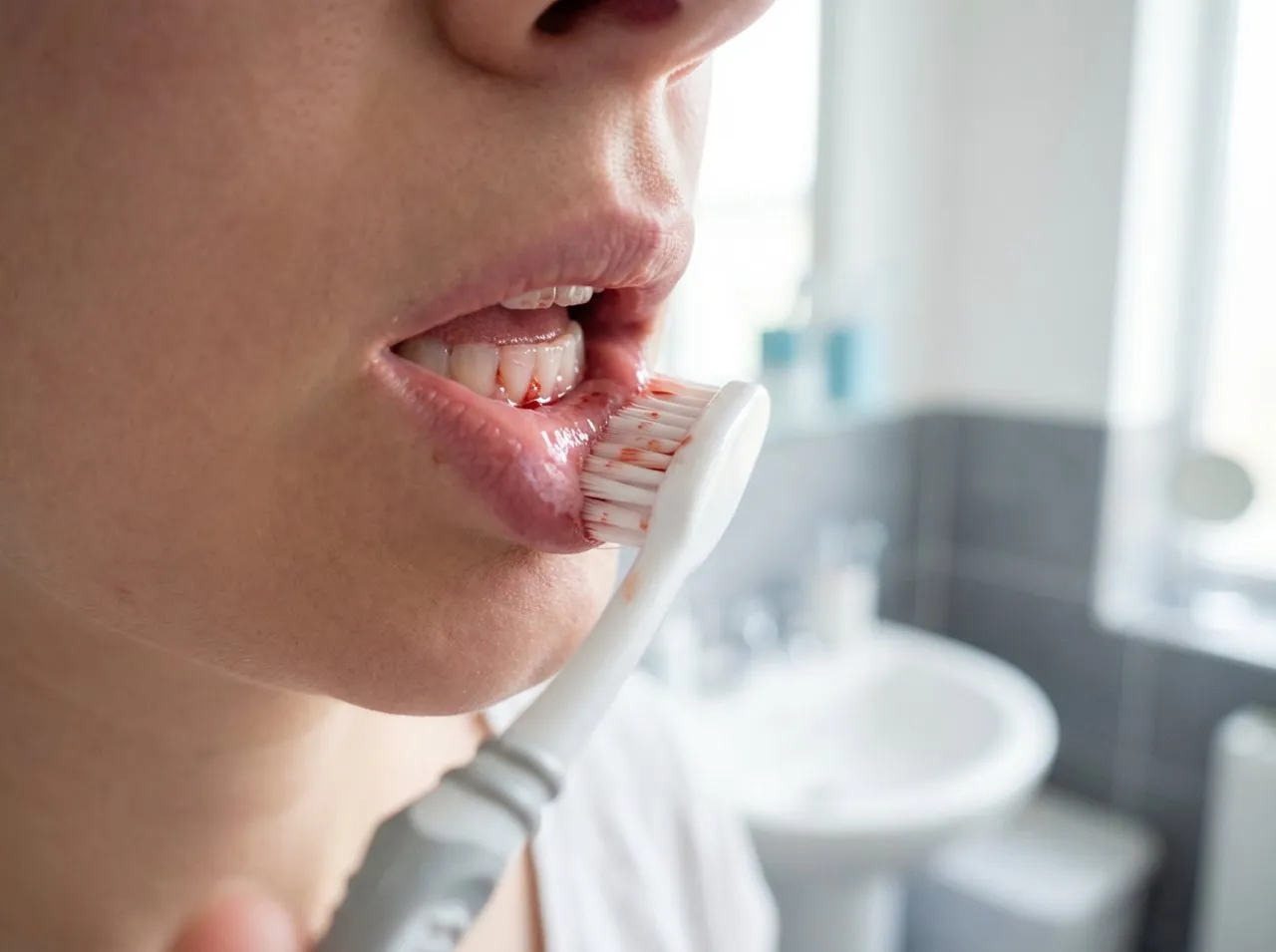
Gum inflammation is not uncommon. Its medical name is gingivitis. It often begins with slight gum bleeding. Inflamed gums are usually caused by plaque at the gumline. Bacteria irritate the tissue. The gums then become red and sensitive.
Über 350 Google-Bewertungen

What is gum inflammation (gingivitis)?
Gingivitis primarily affects the gums. The jawbone initially remains intact. This makes the condition highly treatable. If the inflammation persists, it can spread deeper. Periodontitis with bone loss may then develop. An early examination protects the structures supporting the teeth.

Gum inflammation symptoms: typical warning signs
Many people notice symptoms of gum inflammation when brushing. The gums bleed more readily than usual. Bad breath is often present as well. Gum pain often occurs when chewing. Sore gums are also typical. Sometimes the gums are swollen and painful. This often happens at tight contact points. Plaque is more likely to become trapped there. Some people report that their gums hurt but there is nothing to see. In that case, the irritation is often between the teeth. Interdental cleaning is often lacking there.

What do inflamed gums look like?
Healthy gums are firm and pale pink. Inflamed gums appear red and shiny. They bleed even under light pressure. Severe irritation causes swelling at the gumline. The gums may feel soft.
Causes: why do my gums hurt?
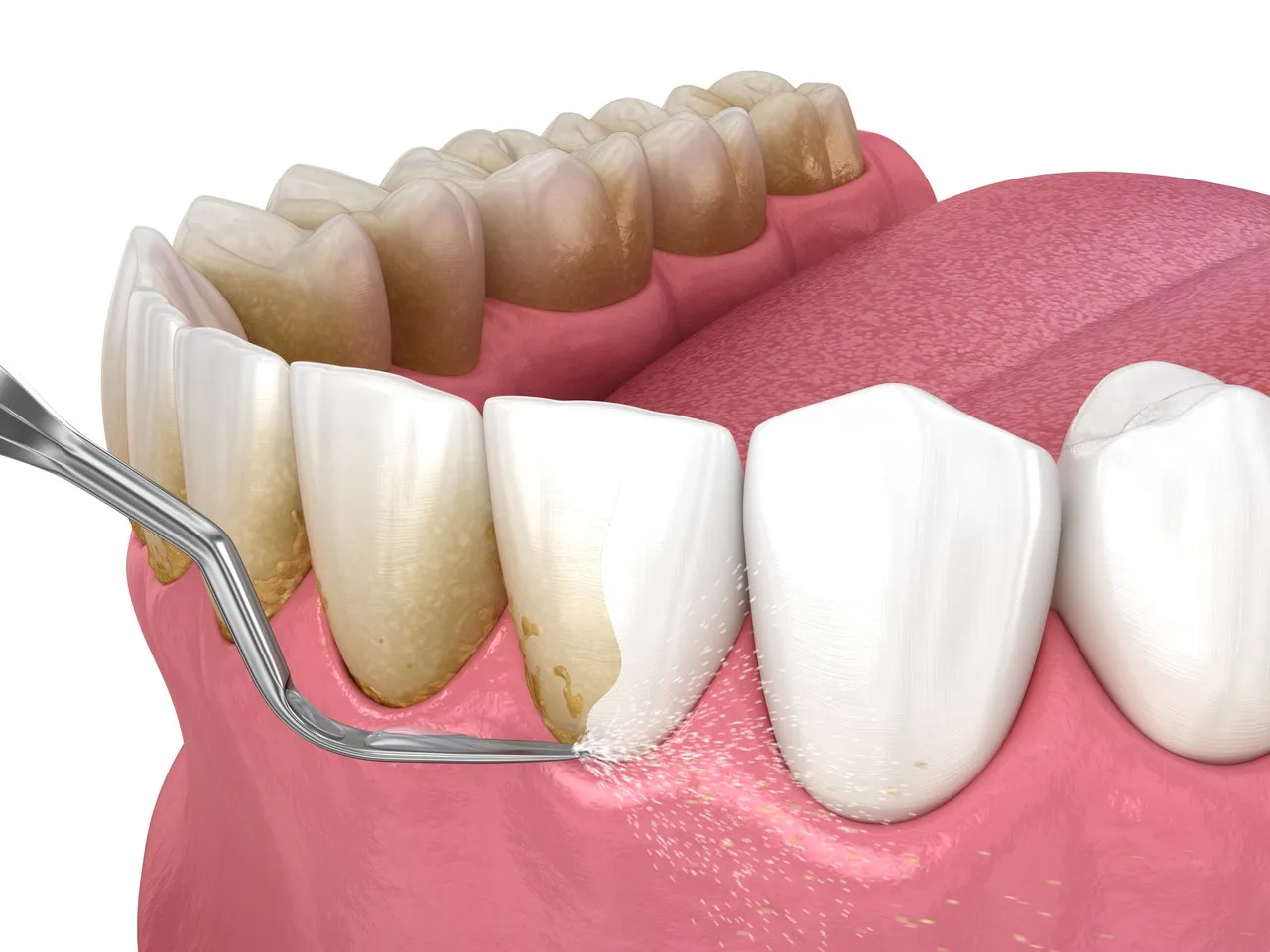
The main trigger is plaque. It builds up in hard-to-reach areas. Tartar makes the problem worse. Smoking also increases the risk. Stress and too little sleep weaken the body's defences. Hormonal changes can be an additional trigger. Defective fillings or crown margins irritate the tissue mechanically. This often affects a back tooth. This is how gum inflammation develops around a molar.

Risk factors: diabetes, pregnancy and medication
High blood sugar promotes inflammation in the mouth. With diabetes, gingivitis is often more persistent. Regular check-ups are important. During pregnancy and puberty, the gums react more sensitively. Even small amounts of plaque can cause bleeding. Consistent care helps. Certain medicines promote dry mouth. This causes the bacterial load to increase more quickly. Drinking plenty of fluids and using saliva substitutes can help.
What to do about inflamed gums: immediate help at home
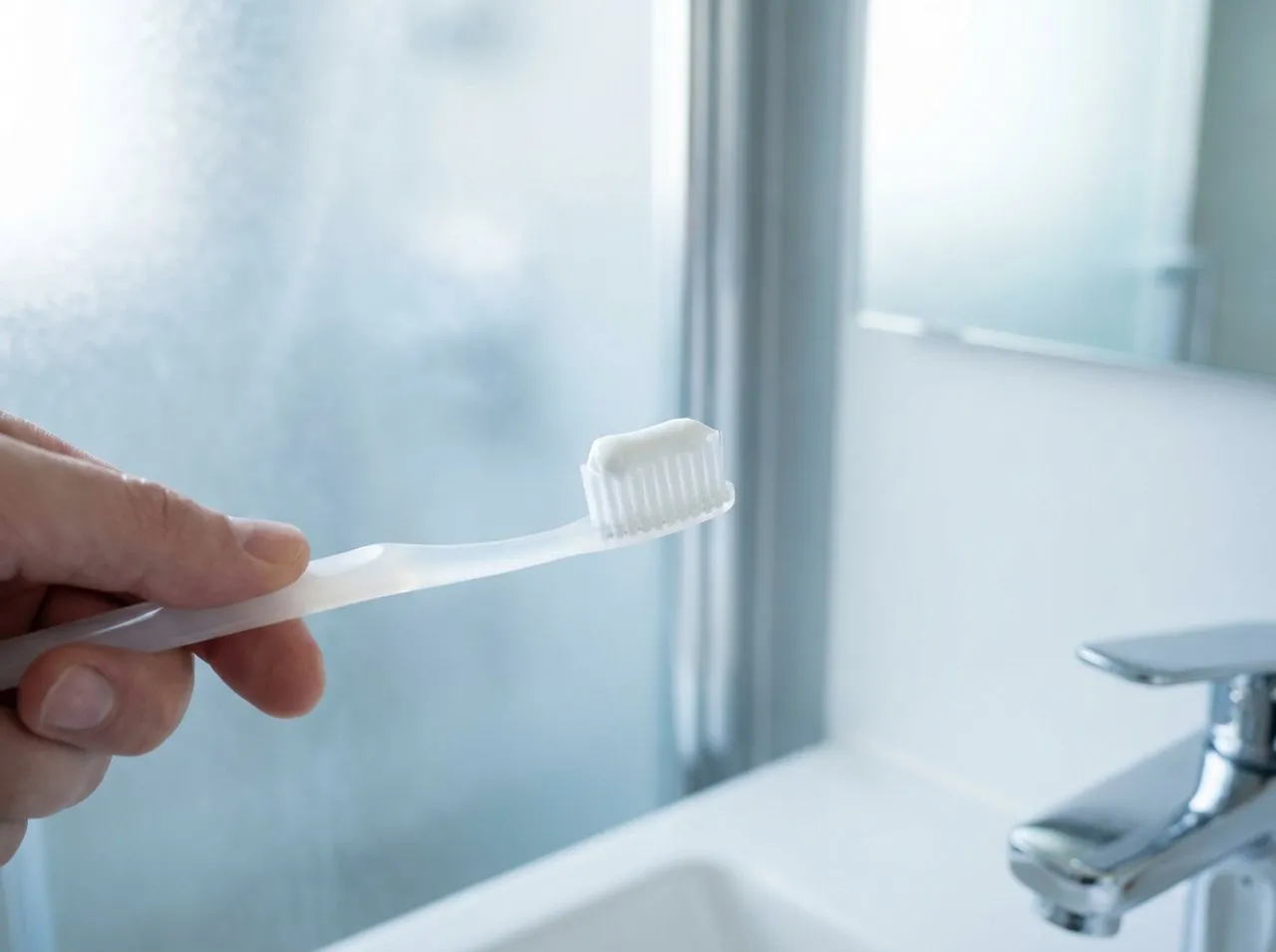
Many people ask what to do about inflamed gums. Brush gently but thoroughly. Use a soft toothbrush. Clean between your teeth every day. Interdental brushes are usually more effective. Dental floss is an alternative. What can you do about inflamed gums when they are acutely painful? Cooling can reduce swelling. Avoid very spicy foods. Short-term use of mouthwashes can help. Use antiseptic products for only a few days. Prolonged use can irritate the mucous membrane.
What helps gum inflammation in the long term?
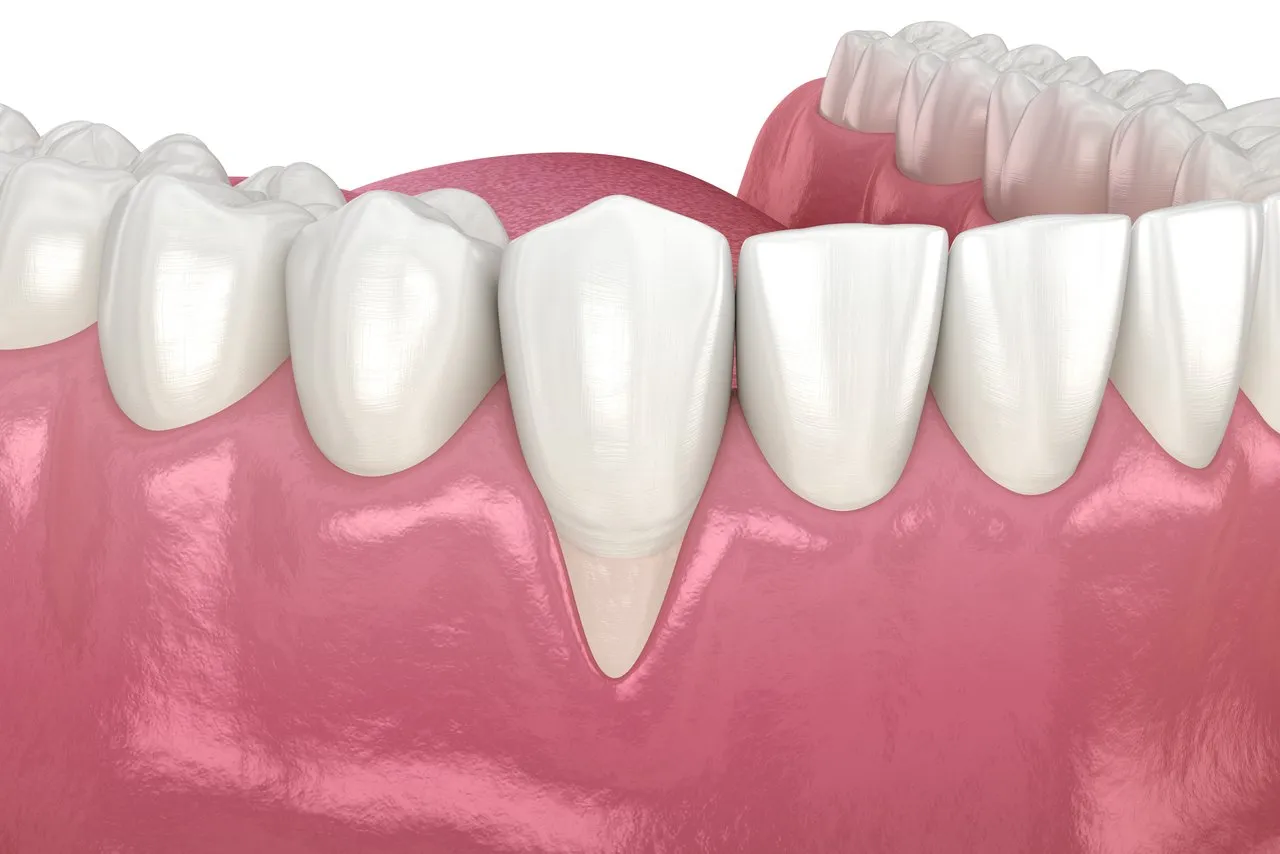
The most important answer is to remove plaque consistently. This is often more effective than home remedies. Nevertheless, many people ask what helps against gum inflammation. A professional dental clean can provide a fresh start. Oral care then becomes easier. This significantly reduces the bacterial load. Many people ask what they can do about inflamed gums. Guidance on brushing technique is often crucial. We review your brushing routine.

Diet and lifestyle: supporting recovery
Drink enough water, especially if you have a dry mouth. Sugary snacks promote plaque and should only be eaten occasionally. A vitamin-rich diet supports the mucous membranes. Alcohol and nicotine often delay healing. If needed, we can advise you on suitable products.

Diagnosis and treatment planning at the practice
We assess colour, swelling and bleeding. We then measure the pockets with a probe. We often use the PSI as a screening tool. We also check for factors affecting the tooth. These include overhangs and rough margins. This allows treatment to be planned.

Treating gum inflammation: dental treatment
If your gums hurt and the symptoms persist, make an appointment soon. We check for bleeding, swelling and pockets. This allows us to assess the symptoms of gingivitis reliably. A thorough clean around the gumline is often sufficient. We remove tartar and biofilm. We then polish the surfaces. Deeper pockets require periodontal treatment. This may take several appointments. The aim is a stable, inflammation-free condition.
Recognising and stopping chronic gum inflammation
Chronic gum inflammation develops gradually. The symptoms often fluctuate. Nevertheless, the risk of subsequent damage increases. Many people describe the pain of gum inflammation as similar to toothache. This can indicate deeper inflammation. In that case, X-rays and probing are advisable.

What to do about swollen gums: when it becomes urgent
Seek help immediately if you have pus, a fever or facial asymmetry. Severe difficulty swallowing is also a warning sign. This may indicate an abscess. If your gums hurt and the pain increases, do not wait. The same applies to loose teeth. Swelling on one side also needs to be investigated.
Prevention and preventive care at Wunschlachen
Brush thoroughly twice a day. Clean between your teeth every day. This reduces the risk of painful gum inflammation. Regular preventive care at our Wunschlachen practice supports monitoring. We remove hard and soft deposits. You receive personalised oral care advice. Book an appointment if symptoms return. We investigate the causes and treatment options. This helps keep your gums stable.
FAQs about gum inflammation
Thorough cleaning and a professional dental clean usually help most quickly.
Interdental brushes remove plaque from these areas particularly reliably.
Mild cases often improve after a few days.
Continue brushing gently and clean between your teeth every day.
Apply cooling and see a dentist soon for an assessment.
Cooling and thorough plaque removal provide relief.
Plaque often remains between the teeth or around crown margins.
Yes, overhanging margins can irritate the gums.
The gums are red and swollen and bleed more readily.
Yes, without treatment the inflammation can spread deeper.