Maxillary sinusitis – causes, symptoms and treatment
Maxillary sinusitis (medically known as sinusitis maxillaris) is an inflammation of the mucous membrane in the maxillary sinuses. These cavities are located to the left and right of the nose and are directly connected to the upper teeth. This means that both dental problems and conditions affecting the paranasal sinuses can play a role in its development.
Many patients wonder which doctor they should see. In general, both ear, nose and throat (ENT) specialists and dentists are the right people to contact. If the cause lies in the teeth, a visit to the dentist is essential.
Über 350 Google-Bewertungen
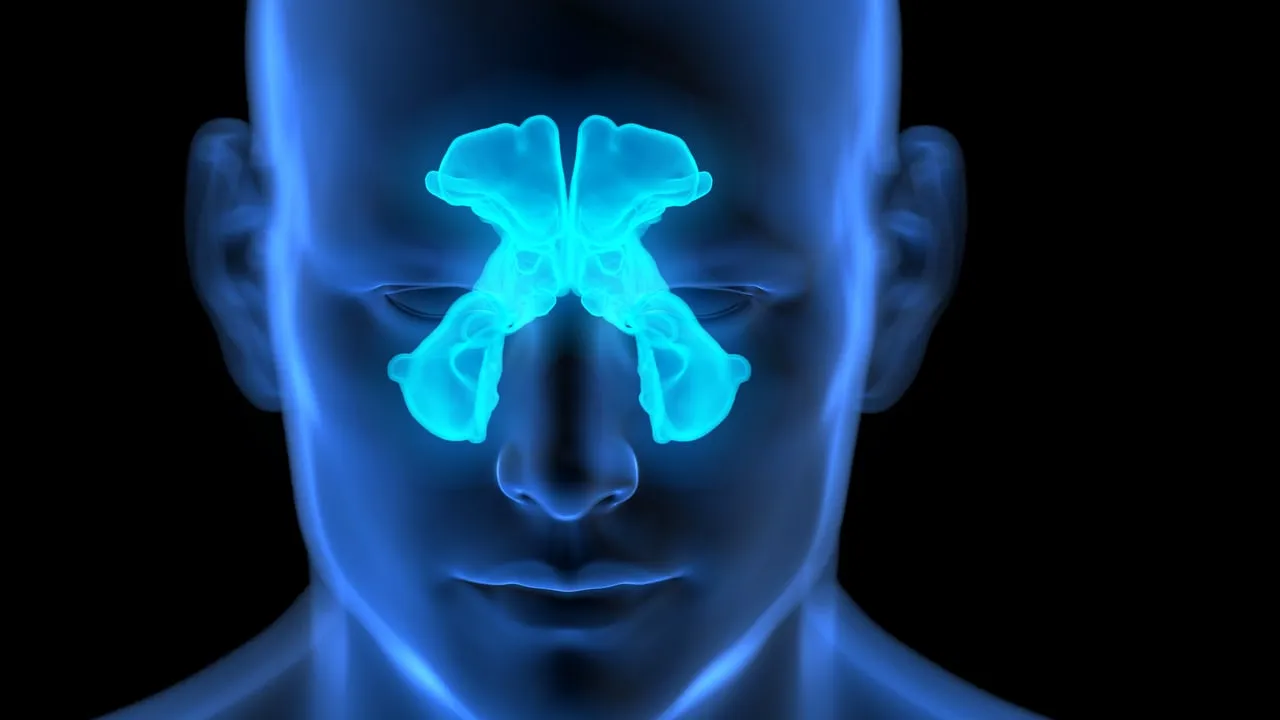
Causes of maxillary sinusitis
The most common cause is a bacterial or viral infection. As a rule, this spreads from the nose or throat area to the maxillary sinuses. It becomes particularly problematic when the inflammation develops following a dental procedure.
Maxillary sinusitis after dental surgery occurs primarily after tooth extractions in the upper jaw. For example, when removing wisdom teeth or during implant placement. Due to the proximity of the tooth root and maxillary sinus, bacteria from the oral cavity can spread into the maxillary sinus.
Another cause is maxillary sinusitis caused by a tooth. This can happen when the inflammation extends as far as the root. From the root, the infection can spread to the maxillary sinus. Leaking root fillings or implant complications can likewise be the triggers.

Typical symptoms of maxillary sinusitis
Symptoms of maxillary sinusitis are varied and can vary considerably depending on their course. Typical symptoms include a dull pressure or pain in the cheek area, which worsens when bending over or chewing. Many patients also complain of headaches, a blocked nose, purulent discharge and a general feeling of illness. With unilateral maxillary sinusitis, the pain usually occurs on only one side of the face.
If the inflammation remains untreated, it can become chronic. Chronic maxillary sinusitis often leads to persistent symptoms such as constant pain, bad breath and recurring infections.

Diagnosis – Which doctor can help?
It is reasonable to ask which specialist is responsible for this inflammation. In general, two specialties are involved: ENT specialists and dentists. While the ENT specialist assesses the general course of the infection and the paranasal sinuses, the dentist checks whether there is a dental origin. Modern X-ray techniques or digital 3D volume tomography (DVT) can support a precise diagnosis when interpreted together with the patient's medical history and a clinical examination; the next steps depend on the findings.

Treatment for maxillary sinusitis
Treatment for the inflammation depends on its cause. For bacterial infections, antibiotics are used when clinically indicated; many uncomplicated acute cases do not need immediate antibiotics. For viral infections, decongestant nasal sprays and warmth are often sufficient.
If a tooth has caused the inflammation, dental treatment to control the source of the infection is essential. This may involve root canal treatment, retreatment or, in the worst case, removal of the tooth.
In some cases, surgery is unavoidable. Surgery for maxillary sinusitis is required primarily when collections of pus need to be removed or the maxillary sinus needs to be opened surgically.

Maxillary sinusitis caused by dental surgery – what should you do?
The inflammation can occur after surgery if the wound becomes infected or a connection develops between the oral cavity and the maxillary sinus (oroantral communication). In such cases, prompt action is required. The dentist closes the connection and treats the infection with medication to prevent complications.

Prevention and tips
If you frequently suffer from sinusitis or have previously had inflammation in the maxillary sinuses, you should take preventive measures. These include good oral hygiene, prompt treatment of dental problems and avoiding unnecessary pressure on the head, for example when you have a cold or when diving.
A cold or a tooth problem? How to tell the difference
Both can feel similar at first: pressure in the upper jaw, a blocked nose and a dull headache. However, a few signs may make a tooth-related cause more likely.
If the pressure occurs on only one side, this can be an indication. Inflammation caused by a cold usually affects both maxillary sinuses, whereas inflammation originating from a tooth almost always affects only the side where the affected tooth is located. The course also differs: after an infection, symptoms usually subside within two weeks. If they last longer or recur without you having had a cold, it is worth having your teeth examined.
Another sign can be pain when biting. If a single back tooth in the upper jaw hurts when chewing or is sensitive to tapping, this may indicate that the cause lies there. Some patients also report an unpleasant taste or smell — this can indicate a connection between the tooth root and the maxillary sinus.
Self-assessment alone cannot determine the cause. Clinical assessment and, if indicated, imaging are needed. A panoramic X-ray or a three-dimensional scan can show whether a root tip extends into the maxillary sinus or whether inflammation is present there. This investigation is also advisable if you have already seen an ENT specialist and your symptoms persist despite treatment.