Oral thrush: treatment at your Berlin dental practice
Oral thrush, also known as oral candidosis, is a common fungal infection in the mouth. It is mainly caused by the yeast Candida albicans. This fungus is usually harmless and forms part of the natural oral flora in many people.
However, when the balance in the mouth is disturbed...
Über 350 Google-Bewertungen
Oral thrush symptoms in adults
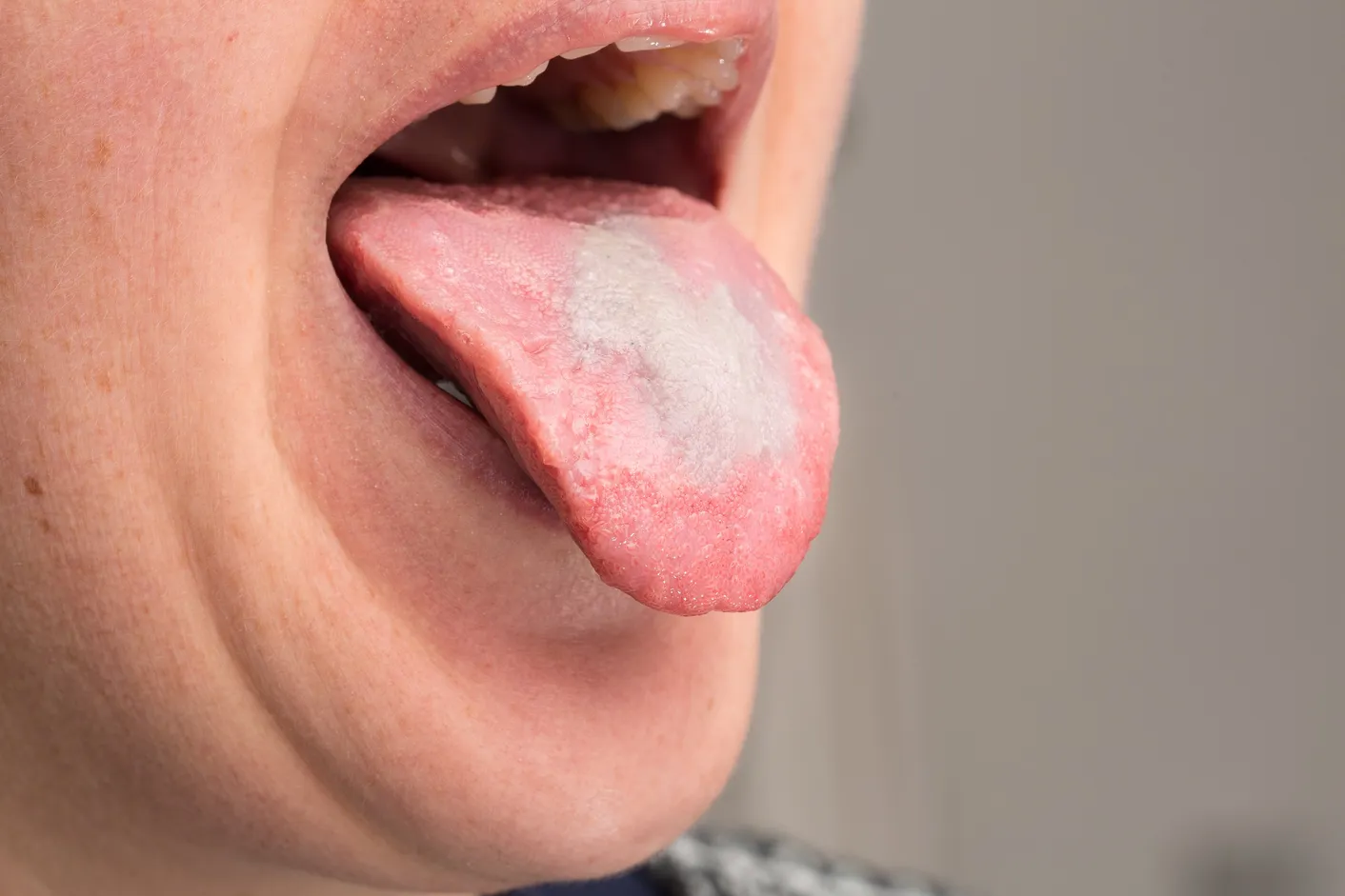
Typical signs of the infection are whitish coatings on the tongue, palate or inside of the cheeks that can be wiped away. Beneath these coatings, the mucous membrane usually appears red, irritated and tender. Many people affected report a burning sensation in the mouth, changes in taste or pain when eating.
Symptoms in which the tongue appears coated, swollen or red are particularly characteristic. In severe cases, painful cracks may develop at the corners of the mouth; these are known as angular cheilitis.
Is oral thrush contagious? What you need to know
A common concern among our patients is whether the infection is contagious. In fact, the fungal infection can be transmitted to other people through direct contact. Infants, people with weakened immune systems and older patients are particularly susceptible. Sharing dummies, nipple shields or feeding bottles can also lead to transmission in babies. Hygiene is therefore especially important when caring for an affected child.
Oral thrush in babies: symptoms and treatment options
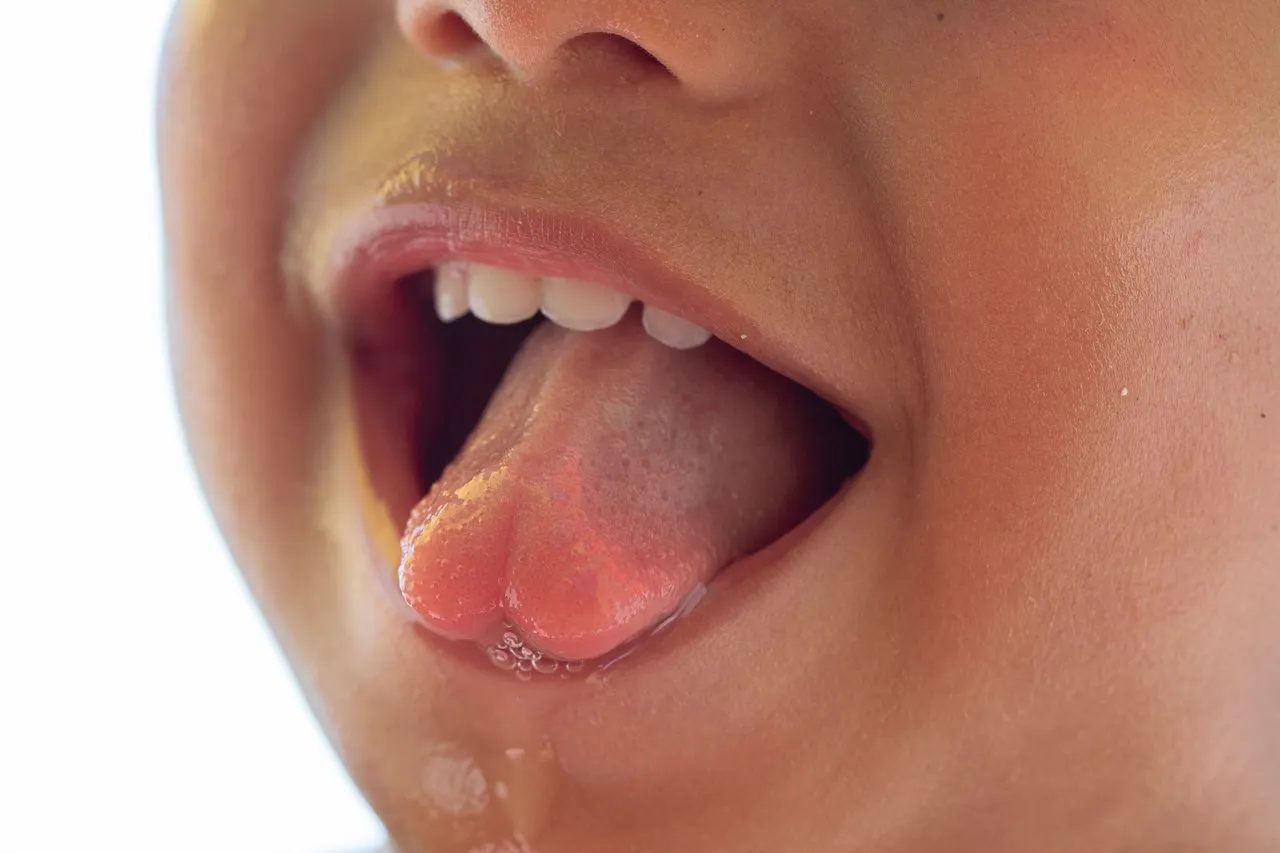
The infection occurs relatively frequently in children, particularly during the first year of life. The condition manifests as whitish coatings on the tongue, palate or inside of the lips. Many infants refuse breastfeeding or drinks, are tearful and have difficulty swallowing.
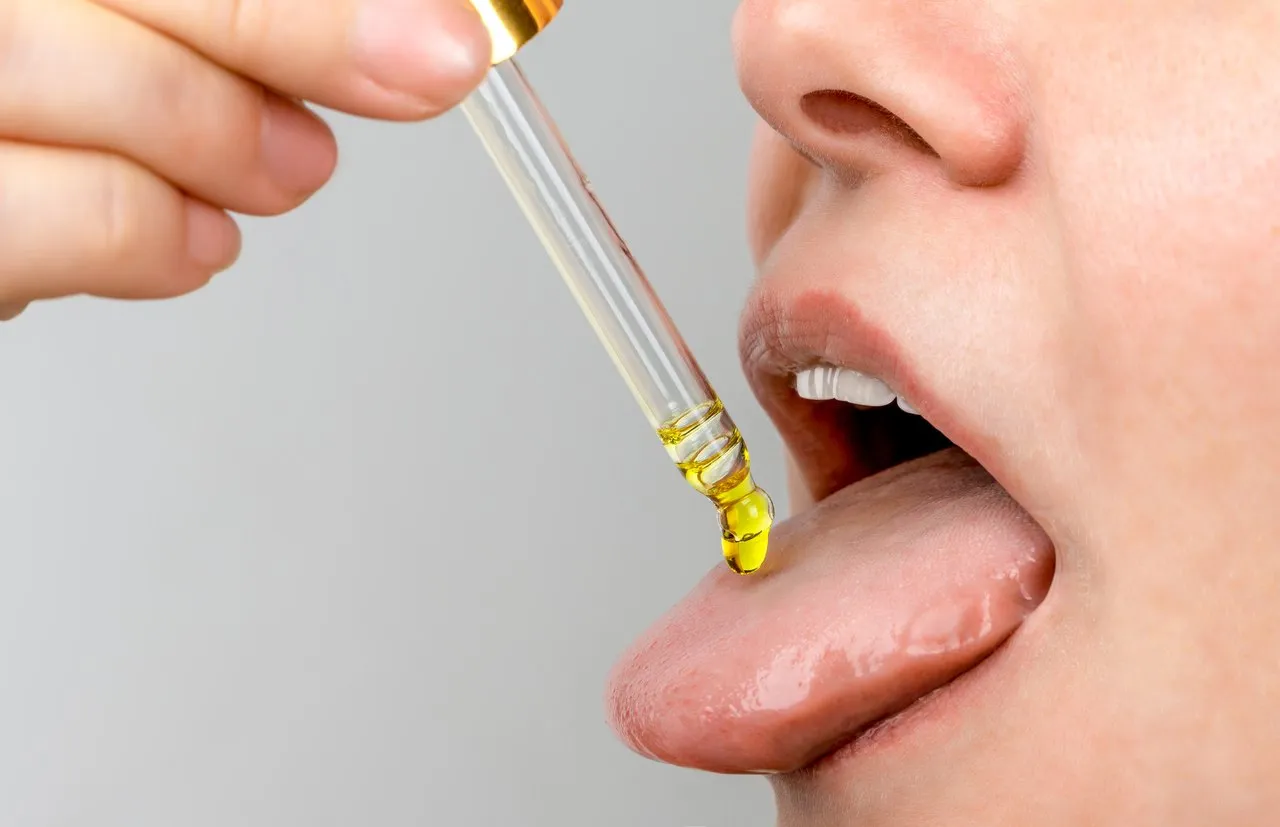
Treatment for oral thrush in babies generally involves well-tolerated antifungal medicines in the form of drops or gels. These are applied to the affected areas of the mucous membrane several times a day. Cleaning and sterilising dummies and bottles at the same time is crucial to prevent reinfection.
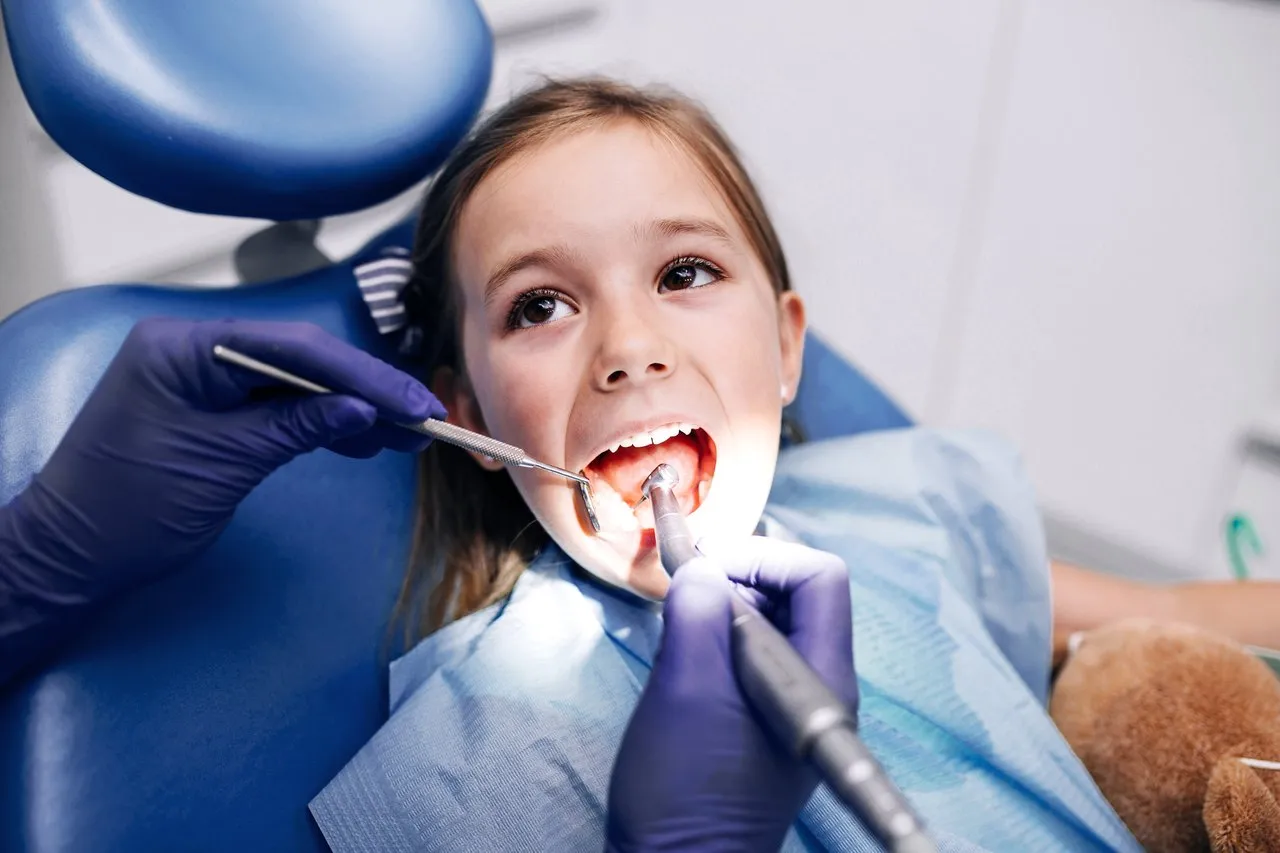
Oral thrush in toddlers: recognising symptoms and taking action
The infection can also occur in toddlers, for example after antibiotic treatment or when immune defences are reduced. The symptoms are similar to those in infants: whitish coatings in the mouth, irritability, loss of appetite and refusal to drink. Parents should consult a dentist or paediatrician at the first signs to ensure prompt diagnosis and treatment.
Treatment for oral thrush: how is it treated?
The treatment of oral thrush depends on the severity of the infection. Mild cases are usually treated with locally acting antifungal medicines, such as nystatin or amphotericin B in the form of oral gels, drops or lozenges.
In more severe cases or in people with a weakened immune system, systemic treatment may be necessary. Treatment for oral thrush does not only aim to eliminate the underlying cause.
Consistent oral hygiene, a low-sugar diet and, if necessary, adjustment of dentures or dental splints are important. These steps support the healing process.

Oral thrush and pain: effects on everyday life
The sore area can be painful, particularly when chewing, swallowing or speaking. The burning sensation in the mouth and irritation of the mucous membrane can severely affect everyday life.
In infants, this often leads to restlessness, sleep problems or weight loss. At our Wunschlachen dental practice, we therefore place great importance on providing rapid relief from symptoms.
Causes of oral thrush on the tongue: how the infection develops
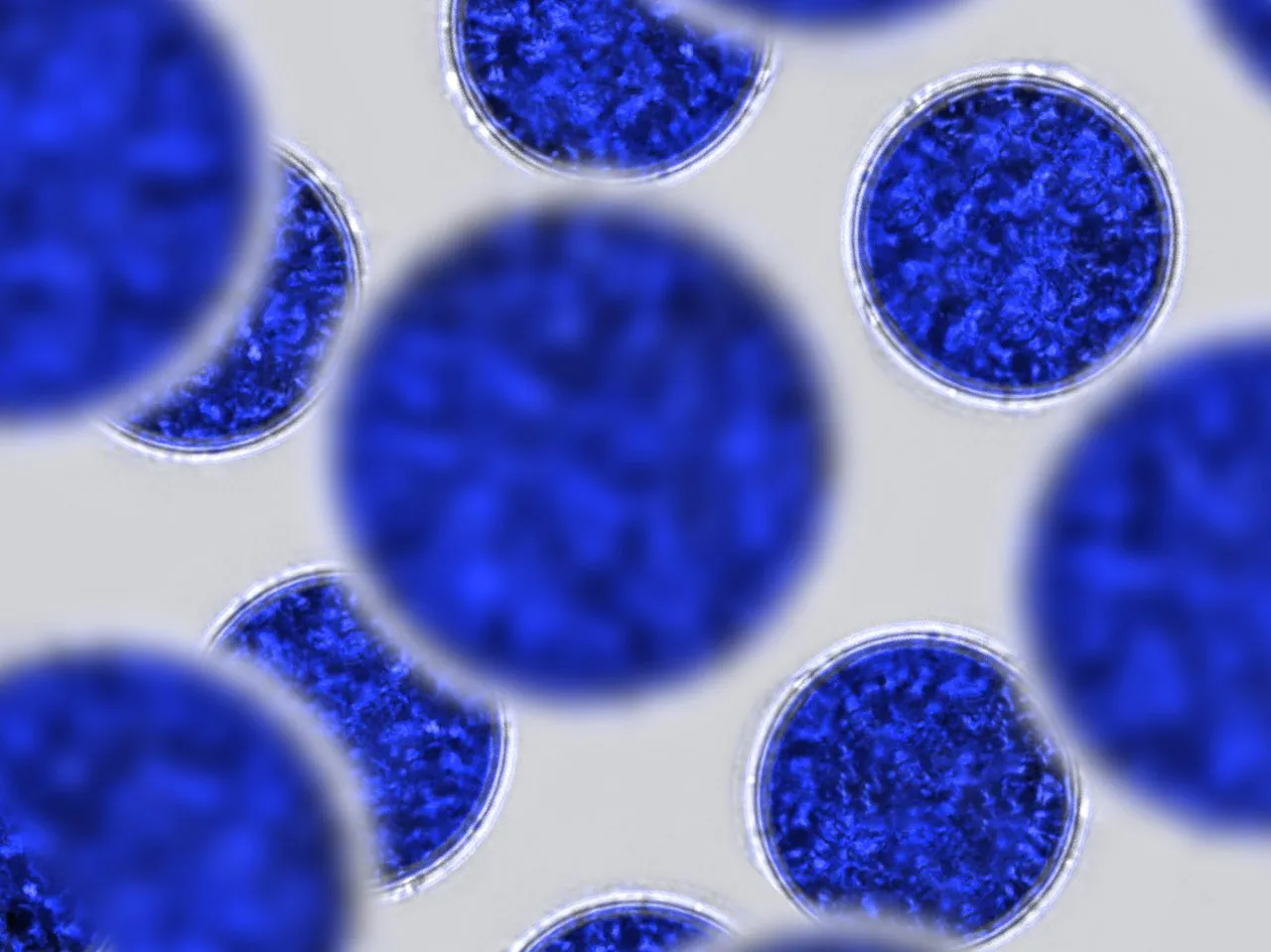
The infection can develop for many reasons. Common triggers include antibiotic treatments, cortisone preparations, diabetes mellitus, dentures, smoking or an unbalanced diet high in sugar. Stress, hormonal changes or illnesses that weaken the immune system can also increase the risk of a Candida infection. Good oral care and a healthy lifestyle are therefore essential for prevention.

Treating oral thrush at Wunschlachen: your dentist in Berlin
At our Wunschlachen practice in Berlin, we provide individual and compassionate care in treating the infection. We offer thorough diagnostics, targeted treatment and comprehensive advice. This eliminates the causes and prevents recurrences. We support you throughout the entire treatment and advise you on hygiene measures.
Your dental practice in Berlin – locations
Our dental practices in Berlin are located in Reinickendorf, Schöneberg, Friedrichstraße and Charlottenburg. We offer high-quality treatments and modern technology. Book an appointment with a dentist now, online or by phone, for a radiant smile.
General dentistry and surgery
Reinickendorf
Zahnarzt & Implantate
Gotthardstr. 27, 13407 Berlin Tel.: 030 / 495 20 10[email protected]Mo-Do: 08:00–20:00 Fr: 08:00–14:00
Mehr erfahrenSchöneberg
Zahnarzt & Implantate
Bayerischer Platz 7, 10779 Berlin Tel.: 030 / 854 44 83[email protected]Mo-Do: 08:00–20:00 Fr: 08:00–14:00
Mehr erfahrenFriedrichstraße
Zahnarzt & Implantate
Friedrichstraße 147, 10117 Berlin Tel.: 030 / 959 990 644[email protected]Mo-Do: 09:00–18:00 Fr: 09:00–14:00
Mehr erfahrenCharlottenburg
Zahnarzt & Implantate
Savignyplatz 5, 10623 Berlin Tel.: 030 / 233 290 390[email protected]Mo-Do: 09:00–18:00 Fr: 09:00–13:00
Mehr erfahrenOrthodontics and paediatric dentistry
Reinickendorf
Kieferorthopädie & Kinderzahnmedizin
Gotthardstr. 27, 13407 Berlin Tel.: 030 / 495 20 10Mo-Do: 08:00–20:00 Fr: 08:00–14:00
Mehr erfahrenSchöneberg
Kieferorthopädie & Kinderzahnmedizin
Bayerischer Platz 7, 10779 Berlin Tel.: 030 / 854 44 83Mo-Do: 08:00–20:00 Fr: 08:00–14:00
Mehr erfahrenFAQ – Frequently asked questions about oral thrush
It is a fungal infection in the mouth caused by Candida albicans. When the balance of the oral flora is disturbed, the fungus grows excessively.
Typical signs include whitish coatings, burning, bad breath, changes in taste and pain when eating or drinking.
Yes, the fungus can be transmitted particularly through direct contact or contaminated objects such as dummies or cutlery.
The tongue appears coated, red or swollen, with a white, often wipeable coating.
Usually with drops or gels containing an antifungal medicine that are applied directly to the mucous membrane.
Treatment generally takes seven to fourteen days and should be completed in full.
Nystatin, amphotericin B or miconazole are frequently prescribed, depending on age and severity.
In addition to treatment, soft, non-irritating foods and avoiding alcohol, nicotine and spicy foods can help.
A weakened immune system, medicines, dentures or poor oral hygiene are typical risk factors.
In rare cases, yes, but the infection usually worsens without treatment. Medical advice should therefore always be sought if oral thrush is suspected.