Poor teeth: causes, consequences and modern solutions
Über 350 Google-Bewertungen
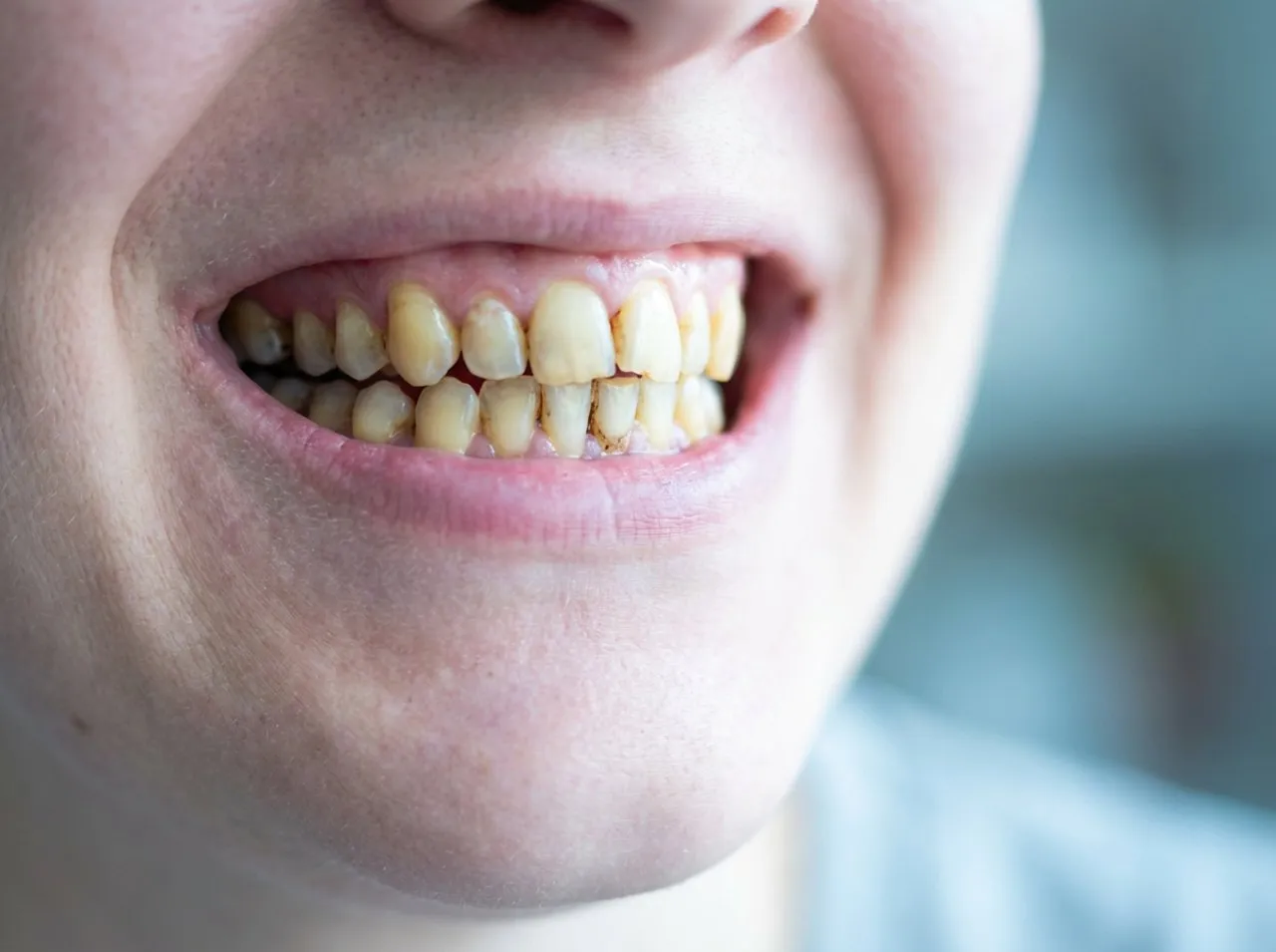
What is meant by “poor teeth”?
Severely damaged tooth structure: typical causes

Dental problems despite brushing: common pitfalls
Genetics and risk: what can be inherited
Poor teeth in children: what the figures really show
If you blame yourselves as parents
The preventive care your child is entitled to
Why milk teeth are treated even though they fall out
Brushing children's teeth: what applies at each age
From the first tooth to the first birthday
As soon as the first tooth appears, brush twice a day. Until the first birthday, there are two approaches to fluoride, and the 2021 recommendation agreed by the Healthy Start to Life network, involving the dental and paediatric professional associations, explicitly presents them as alternatives: either a fluoride tablet with vitamin D as before, together with fluoride-free toothpaste — or toothpaste containing 1,000 ppm fluoride in an amount the size of a grain of rice, followed by a tablet containing only vitamin D rather than a fluoride tablet. It states: ‘Under no circumstances should both be used (fluoride toothpaste and a fluoride tablet).’ From the 12th month of life, all children should use an amount the size of a grain of rice with 1,000 ppm fluoride. Discuss which approach is right for your child with your paediatrician. At this age, parents do the brushing; the early screening directive explicitly provides for practical instruction for carers at the practice. The first dental appointment, Z1, takes place during the same period, from the 6th to the end of the 9th month of life. A separate page explains what milk tooth care looks like in everyday life.
From the second birthday
From the 12th to the 24th month of life, continue using an amount the size of a grain of rice with 1,000 ppm fluoride, now with no alternative and no fluoride tablet. From the second birthday, increase the amount from the size of a grain of rice to the size of a pea; the fluoride content remains at 1,000 ppm and brushing continues twice a day. The use of a bottle for sipping is now something the directive explicitly asks about when taking the patient's history: sugary drinks sipped throughout the day are the classic route to early childhood tooth decay; we have compiled separate guidance on what a tooth-friendly diet involves instead. Appointments Z4, Z5 and Z6 follow between the 34th and 72nd months of life.
From the sixth birthday
Individual preventive care now begins: one examination per calendar half-year, along with an oral hygiene assessment, advice, instruction and fluoride application. At around the same time, the first permanent molars emerge. These are known as the six-year molars. Their fissures can be sealed as long as they are free of caries — the individual preventive care guideline recommends doing this as early as possible, even if the first molar emerges before the child's sixth birthday. Brushing your child's teeth again afterwards remains advisable for as long as they cannot reliably clean their teeth themselves.
From the age of twelve
From the twelfth birthday, the date is entered in the bonus booklet at every six-monthly examination. This is not just a formality: Section 55 of the Fifth Book of the German Social Code later links the higher fixed subsidy for dental prostheses to this — 70 per cent instead of 60 per cent after five uninterrupted years, and 75 per cent after ten. A bonus booklet started at the age of twelve is already five years old at seventeen.
Three questions parents ask especially often
More about children's teeth
Milk tooth treatment
How tooth decay in milk teeth is treated — from fillings to children's crowns.
Mehr erfahrenChalky teeth in children
Causes, severity and treatment of molar incisor hypomineralisation.
Mehr erfahrenPreventive care for toddlers
What is advisable between the first tooth and starting school.
Mehr erfahrenChildren's dentist in Berlin
Appointments and procedures at our practices.
Mehr erfahrenPreventive care for children
An overview of all preventive care topics, from early detection to braces.
Mehr erfahren
Advanced tooth decay: recognise warning signs early
Abnormal blood test results caused by teeth: possible links
Oral health and life expectancy: a realistic assessment

Tooth damage, depression and shame

Dental problems and fear of the dentist: breaking the cycle

What do dentists think about poor teeth?

Dental problems in adulthood: why they often escalate later

Treatment: which options are appropriate
Financing restorative treatment: getting started anyway
Prevention: simple rules with a big impact