Sinus lift: bone augmentation in the upper jaw at Wunschlachen
A sufficient amount of stable bone is essential for secure implants in the upper jaw. If there is insufficient bone height beneath the maxillary sinus, a special bone augmentation procedure can help. At our Wunschlachen practice in Berlin, we perform this procedure regularly. The so-called sinus lift creates new bone...
Über 350 Google-Bewertungen
The short answer
A sinus lift is a bone augmentation procedure in the lateral upper jaw: the floor of the maxillary sinus is raised and the space is filled with bone or bone substitute material so that implants can be securely anchored. The procedure is usually performed under local anaesthetic, and bony integration takes several months. Costs depend on the extent of the procedure and the material used; the sinus lift is normally a private service as part of implant preparation. Any statutory fixed subsidy is separate and applies to diagnosis-based prosthetic care, not the sinus lift itself.
- Treatment duration
- Procedure under local anaesthetic, with sedation available on request; bony integration takes several months, depending on the extent of the procedure.
- Costs
- Depending on the extent of the bone augmentation, the material used and the number of implants; the treatment and cost plan before treatment begins provides a reliable basis.
- Health insurance cover
- Sinus lifts and bone augmentation are normally private services as part of implant preparation. Separately, statutory health insurance funds may pay a diagnosis-based fixed subsidy towards standard prosthetic care; private and supplementary insurance policies may reimburse more, depending on the policy.
This does not replace individual dental advice; binding cost information is provided before treatment begins.
What is a sinus lift?
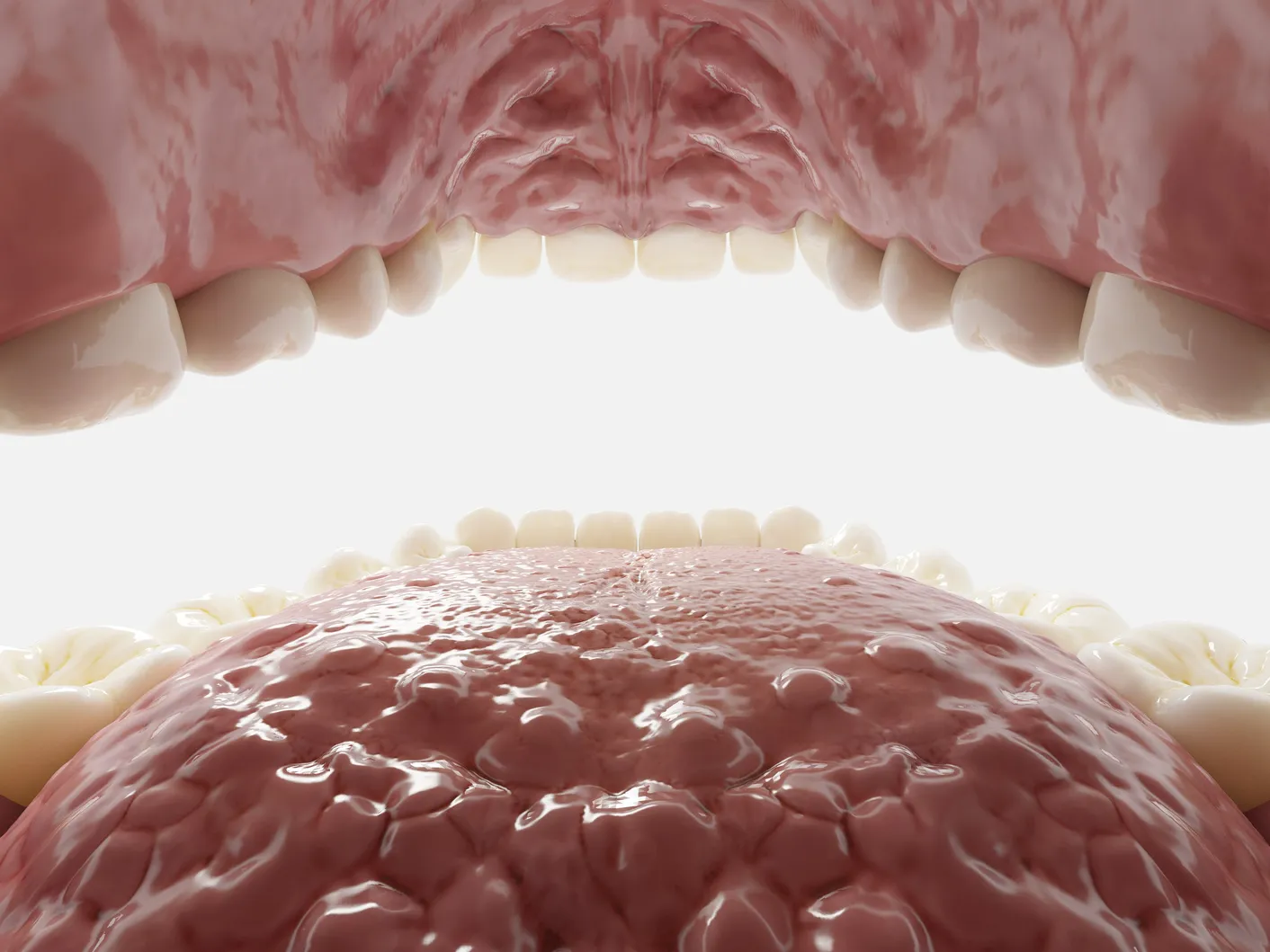
In this form of maxillary sinus lift, the floor of the maxillary sinus is raised. The newly created space is filled with bone or bone substitute material. This restores height and stability to the lateral upper jaw. It is also known as sinus floor elevation or maxillary sinus augmentation. The aim is for the bone beneath the maxillary sinus to regain sufficient height.
Why is the procedure necessary?
After tooth loss, the jawbone gradually breaks down. At the same time, the maxillary sinus often drops slightly. This leaves insufficient bone height for a dental implant in the upper jaw. An implant without sufficient bone would not be stable enough. Bone augmentation therefore provides the basis for a long-term fixed dental restoration.
Types of maxillary sinus lift: internal and external
A fundamental distinction is made between internal and external procedures. The choice depends on the existing bone height. Both methods pursue the same goal but differ in how access is gained. With an internal sinus lift, access is through the implant bed. It is suitable when only a small amount of additional bone is needed. The procedure is usually somewhat gentler. With an external maxillary sinus lift, a bone window is created at the side. This gives the practitioner direct access to the maxillary sinus. This method is used when there is a more severe bone deficiency.

The treatment process at Wunschlachen
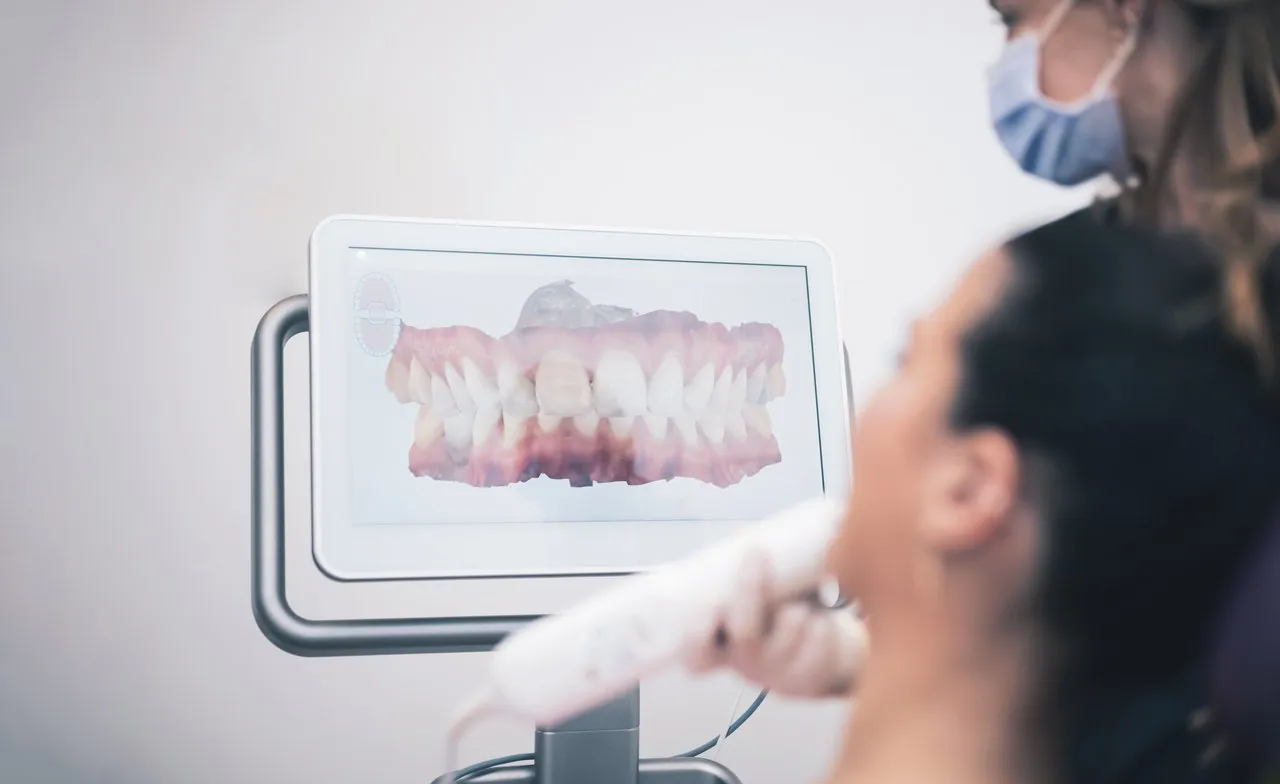
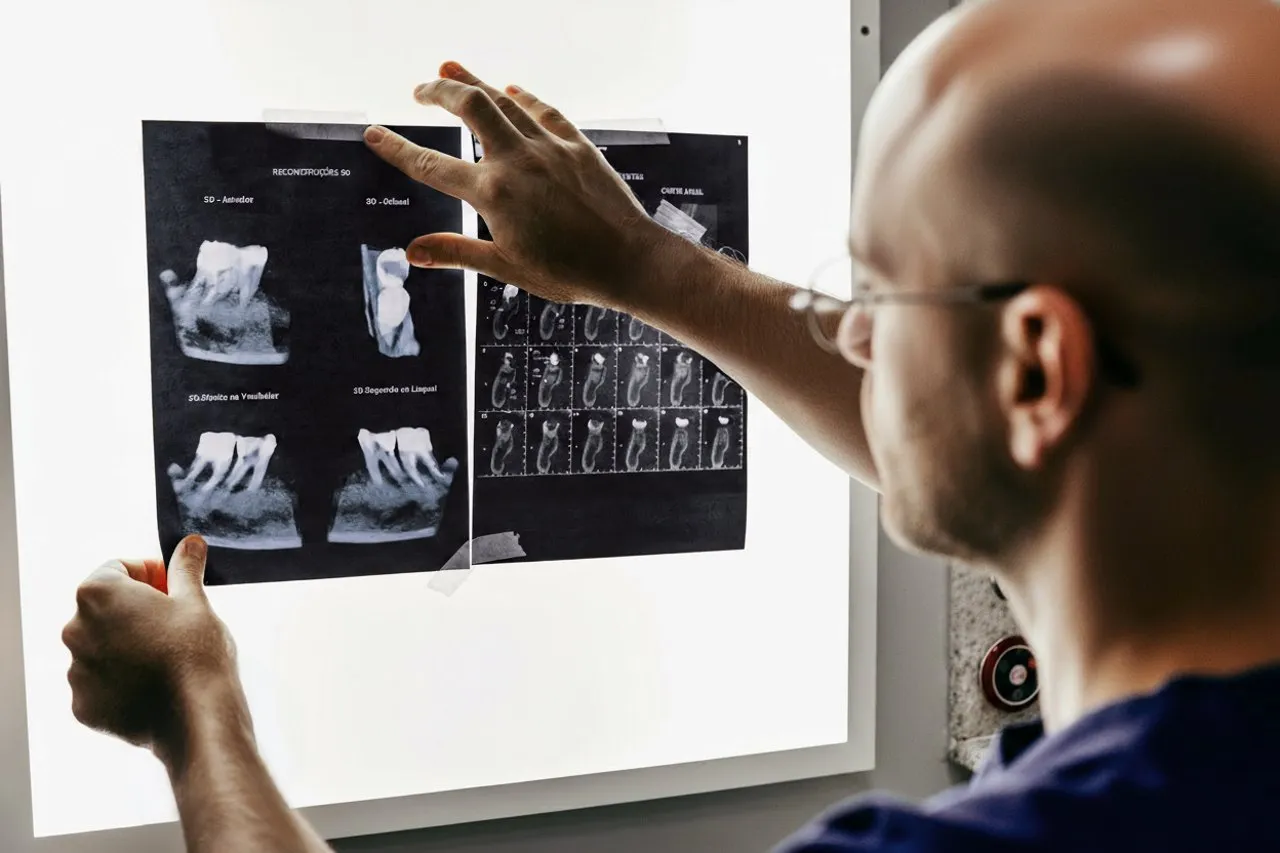
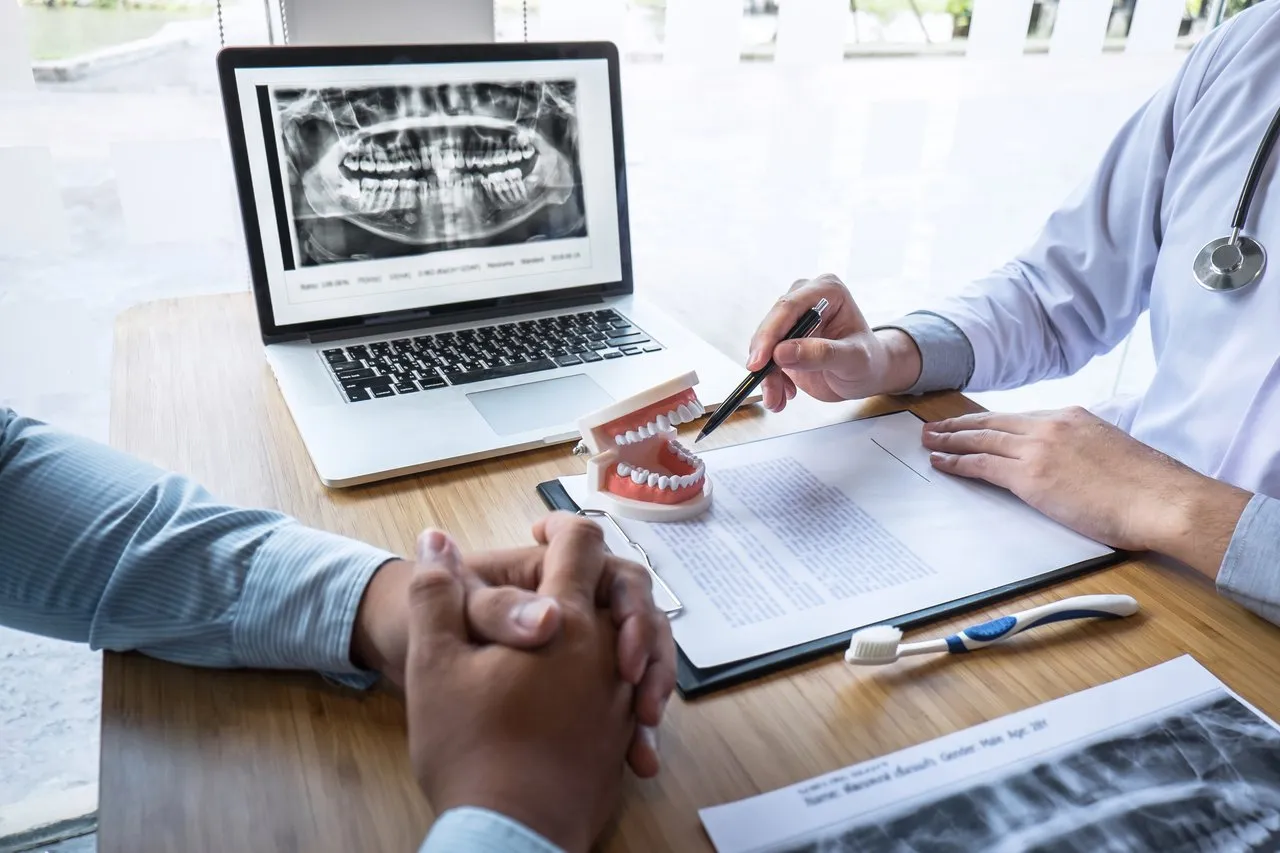
Every sinus operation is preceded by thorough diagnostics. We use three-dimensional imaging to assess the bone height and maxillary sinus precisely. On this basis, we plan the individual procedure. Bone augmentation in the upper jaw is usually performed under local anaesthetic. Sedation with sedatives is also available on request. This allows even anxious patients to undergo treatment in a relaxed state. The floor of the maxillary sinus is carefully lifted through a small opening. We then fill the resulting space with bone substitute material or the patient's own bone. Finally, the region is carefully closed. Depending on the initial situation, implants can be placed immediately. In other cases, implant placement only takes place after healing.
Upper jaw bone augmentation and safety
Bone augmentation in the lateral upper jaw is an established procedure. Modern surgical techniques and precise planning significantly increase safety. Complications are rare thanks to experience and care. Nevertheless, all surgery carries risks. Possible problems include swelling, bruising or infections. Careful hygiene and aftercare can significantly reduce the risk.

Pain, swelling and healing
Swelling in the cheek area is common after maxillary sinus elevation. Mild to moderate pain is normal during the first few days. Suitable painkillers and cooling are very helpful. The actual healing process after bone augmentation takes considerably longer. The body needs time to form new, stable bone. This takes several months, depending on the extent of the procedure. You should limit physical exertion during this phase. Pressure in the head area should be avoided. This includes blowing your nose vigorously or lifting heavy objects.

What to do after the operation
You will receive detailed instructions after the procedure. These are crucial to the success of the bone augmentation. Please follow them consistently. Important points include rest and very good oral hygiene. Refrain from smoking and drinking alcohol temporarily. Both impair blood circulation and healing. Check-up appointments at our practice are an integral part of aftercare. This allows us to monitor the healing process closely.
Maxillary sinus lifts and dental implants
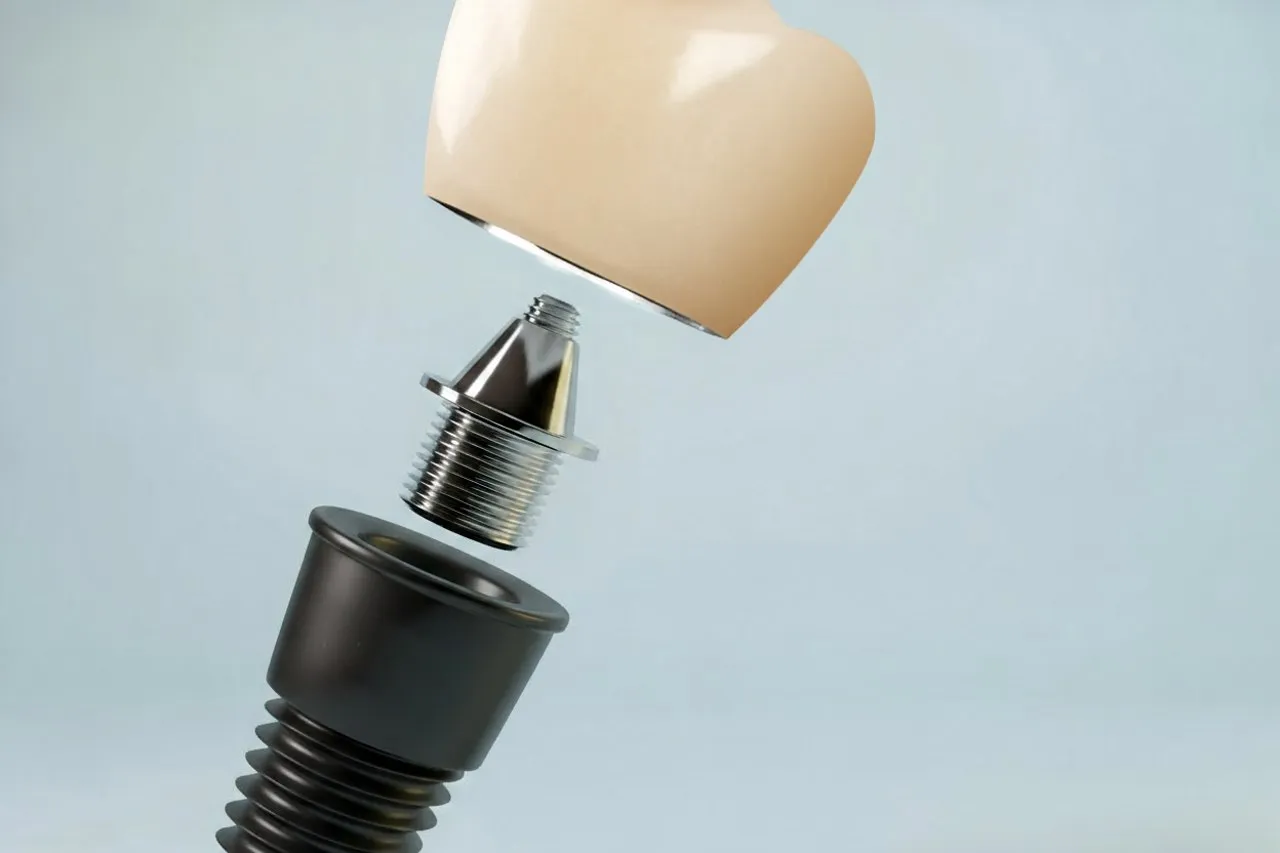
Upper jaw bone augmentation is usually planned in connection with dental implants. The aim is to create a stable foundation for the subsequent dental restoration. This allows the lateral upper jaw to be restored securely for the long term. Sometimes implants can be placed directly during the procedure. A certain amount of residual bone height is required. This shortens the overall treatment time. If the bone is very shallow, the implants are placed later. First, the bone augmentation is allowed to heal completely. The implants are then anchored in the new bone structure.

Costs and cost coverage
The cost of a sinus lift depends on the clinical findings and the method used. The key factors are the extent of the bone augmentation and the material used. The number of planned implants also plays a role. A sinus lift and the associated bone augmentation are normally private services as part of implant preparation. Separately, statutory health insurance providers may pay a diagnosis-based fixed subsidy towards standard prosthetic care. Patients usually pay the costs of the sinus lift and any remaining treatment costs themselves. Private insurance or supplementary dental insurance may reimburse more, depending on the policy. A treatment and cost plan provides clarity at an early stage. At Wunschlachen, we provide detailed advice on all the options.

Maxillary sinus lifts at Wunschlachen in Berlin
At our Wunschlachen practice, we combine experience with modern technology. Bone augmentation in the upper jaw is one of our established services. We take time for a detailed consultation. Together, we discuss alternatives, risks and the exact procedure. We take your wishes and personal circumstances into account. This results in an individual treatment plan. On request, we can also provide information about payment by instalments. This keeps the procedure and dental implants financially manageable. Your long-term stable, aesthetic smile is always our focus.
FAQ – frequently asked questions about sinus lifts
It is a special bone augmentation procedure in the lateral upper jaw.
The procedure is necessary when there is insufficient bone beneath the maxillary sinus.
With an internal sinus lift, access is through the implant bed.
The procedure is performed under anaesthetic.
Bone healing after the augmentation usually takes several months.
Possible risks include swelling, infections or bruising.
In most cases, yes; however, we assess every situation individually.
Implants can be placed directly only if there is sufficient residual bone height.
The cost depends on the extent of the procedure, the material used and the number of implants.
We have extensive experience in upper jaw bone augmentation and use modern diagnostics.