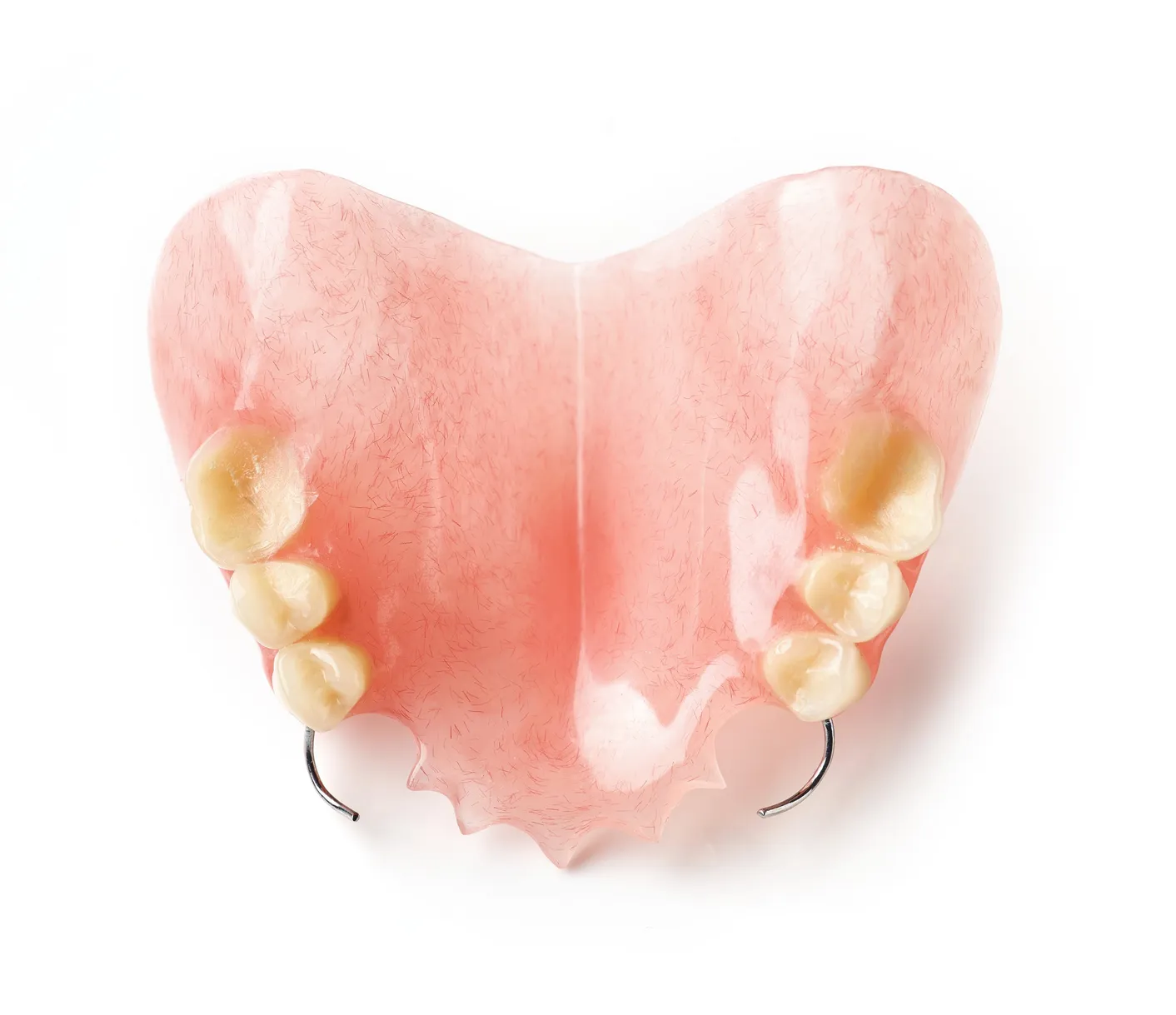
Partial Denture for the Upper Jaw: Retention, Palate and Everyday Life
If several teeth are missing in the upper jaw, a removable partial denture may be a possible treatment option. The initial discussion often concerns visible clasps, coverage of the palate and whether eating and speaking will work well again. There is no single design that suits every mouth. The position of the gaps, the condition of the remaining teeth, the forces placed on the denture and personal needs are all considered together. This overview explains the most important differences and helps you to better understand your individual treatment plan.
The short answer
A partial denture replaces missing teeth in the upper jaw and uses existing structures for support. The most suitable design depends on the overall clinical findings.
- Distinguishing Between Partial and Full Dentures
- A partial denture replaces some of the teeth; natural teeth are still present in the jaw. A full denture, by contrast, is intended for an edentulous jaw. This distinction is important because retention and the distribution of forces must be planned differently. The number of missing teeth is only one part of the decision. Their distribution and the condition of the remaining teeth also matter.
- How a Partial Denture Can Be Held in Place
- Clasps can hold a removable denture on the existing teeth. A cast metal partial denture incorporates a metal framework. There are also combined restorations, for example with telescopic crowns. In this design, inner crowns are fitted over prepared teeth, while matching outer components are connected to the removable denture. A restoration without visible clasps may therefore require additional treatment to your natural teeth.
- Care and Breaks from Wearing According to Personal Instructions
- Clean your denture and mouth regularly using suitable products. Choose cleaning agents according to the material and the manufacturer's instructions; not every product is suitable, particularly for dentures with metal components. Do not use hot water or attempt your own repairs with household glue. The denture should be removed for cleaning so that the retaining elements and the areas beneath them can also be reached.
- Discuss Check-ups and Changes Promptly
- A partial denture and its supporting teeth need regular check-ups. A change in fit, a new pressure sore, a fracture or a loose component are all reasons to contact the practice. The tissues in the mouth and the remaining teeth can change, so a denture that once fitted well may not continue to fit unchanged indefinitely. Whether an adjustment, repair or a new treatment plan is appropriate will depend on the examination.
Partial Denture and Full Denture Compared
A partial denture replaces some of the teeth; natural teeth are still present in the jaw. A full denture, by contrast, is intended for an edentulous jaw. This distinction is important because retention and the distribution of forces must be planned differently. The number of missing teeth is only one part of the decision. Their distribution and the condition of the remaining teeth also matter.
Ask for the findings to be explained using a diagram or your scans. Ask to be shown which teeth are intended to provide support and which tissues will also bear the load. This makes it clear why two partial dentures may look different despite replacing a similar number of teeth. The general article on dentures explains the different types of restoration.
How a Partial Denture Can Be Held in Place
Clasps can hold a removable denture on the existing teeth. A cast metal partial denture incorporates a metal framework. There are also combined restorations, for example with telescopic crowns. In this design, inner crowns are fitted over prepared teeth, while matching outer components are connected to the removable denture. A restoration without visible clasps may therefore require additional treatment to your natural teeth.
With every proposal, ask about the fit and the maintenance required for the remaining teeth. ‘Without clasps’ is a description, but not in itself a judgement of quality. The decision takes into account, among other things, the hard tooth structure, the gums and possible future changes. You can read more about the principle under telescopic denture. A particular design should not be preferred for every clinical finding simply because of its name.
Why Parts May Extend Across the Palate
The various components of a partial denture in the upper jaw are connected to one another. Depending on the design, this may involve covering an area of the palate. The extent and shape depend on the stability, support and distribution of forces required. A blanket promise of ‘always without a palatal plate’ would therefore be inaccurate. Acrylic and metal restorations can differ in size and design.
If you have a pronounced gag reflex or particular difficulties with the palatal area, mention this before the denture is made. Ask which design is medically and technically possible and what disadvantages a smaller area of coverage would have. An illustration can make the shape easier to understand. Another type of restoration may also need to be discussed; however, this would require its own assessment and cost planning.

The Remaining Teeth Are Part of the Plan
A denture is only as sound as the associated plan for your oral health. Existing tooth decay, inflammation or supporting teeth that cannot tolerate the load well may influence the decision. A partial denture is therefore not selected independently of the other teeth. If any diseases are identified, it should be clear what treatment is needed before or while the denture is being provided.
Also ask about caring for the areas where clasps or other retaining elements sit. Natural teeth remain susceptible to tooth decay and still need care when you have a partial denture. Ask to be shown which interdental brushes or other aids are suitable. Cleaning the removable denture supplements your dental care; it does not replace it.
Fabrication, Try-in and Understandable Decisions
For a planned restoration, the condition of your mouth and your bite are recorded. At subsequent appointments, the shape, fit and, where relevant, the appearance can be checked. Which try-ins are required depends on the design. Use these appointments to ask questions about insertion, the visible appearance and speaking. Not every decision should be left until after the final restoration has been completed.
Prepare three specific wishes, such as retaining elements that are as inconspicuous as possible, a restoration that is easy to clean and handling that you can readily understand. The team can explain which wishes are compatible and where compromises are necessary. A photograph from the internet is no substitute for this discussion. Also ask for the proposed cost breakdown and possible alternatives to be explained.

Adjusting to Eating and Speaking
A new partial denture may initially feel unfamiliar. Your tongue has to adapt to a different shape, and eating may take practice. Small portions and foods that are easier to chew are often more manageable at first than biting down forcefully. Follow the instructions for inserting and removing the denture. With clasp-retained dentures, the restoration should not be forced into position by biting down hard.
Significant pressure points or pain should be reported. Do not grind down the base yourself or bend any clasps. A brief description will help at your check-up: where is the pressure, during which movement, and since when? Agree how the denture should be worn until then. A necessary adjustment is different from simply not yet being used to a new shape.
Care and Breaks from Wearing According to Personal Instructions
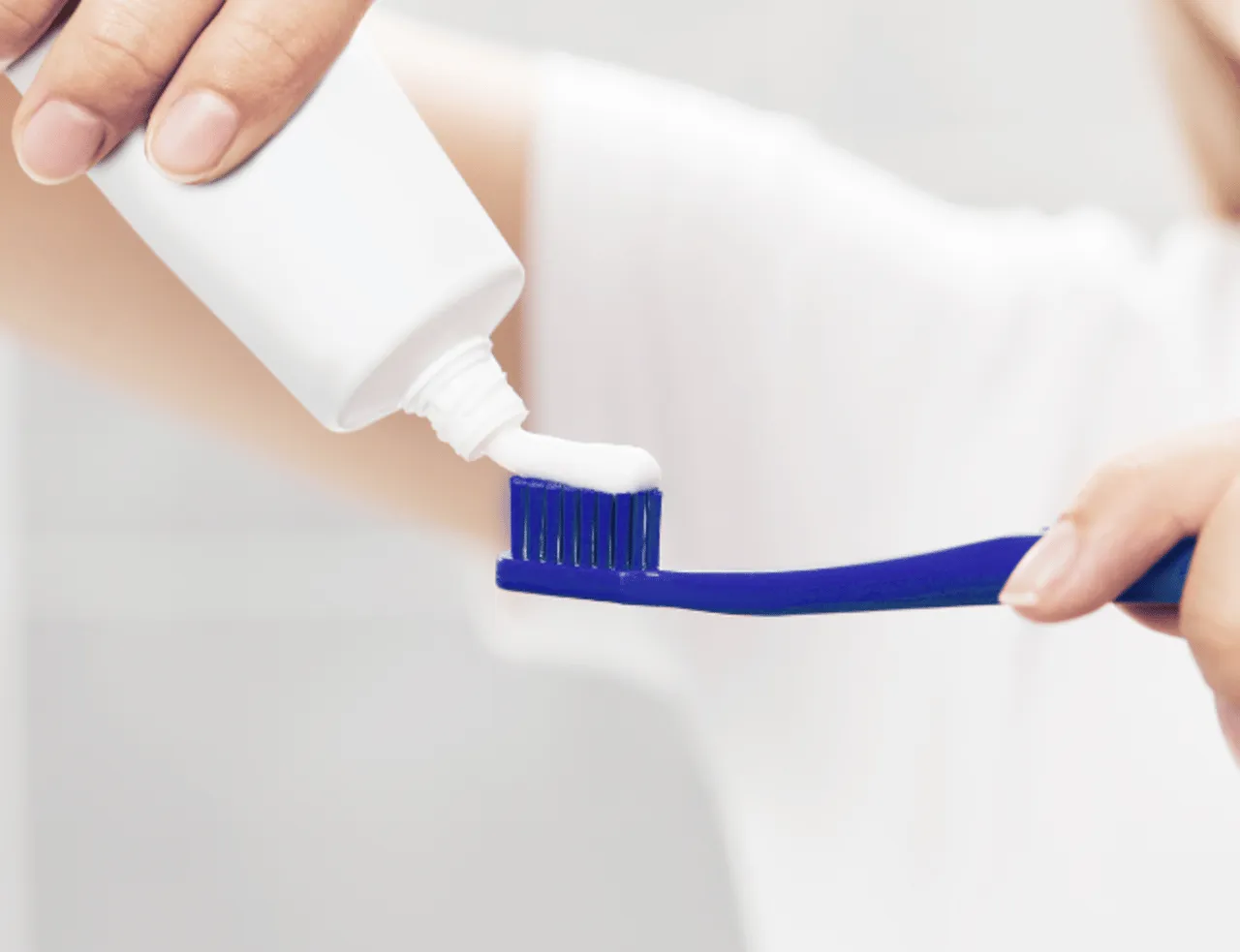
Clean your denture and mouth regularly using suitable products. Choose cleaning agents according to the material and the manufacturer's instructions; not every product is suitable, particularly for dentures with metal components. Do not use hot water or attempt your own repairs with household glue. The denture should be removed for cleaning so that the retaining elements and the areas beneath them can also be reached.
Discuss whether and how it should be stored overnight when you receive it. Breaks from wearing it are usually recommended; following a recent tooth extraction, different instructions may temporarily apply. Ask for written care instructions. The article cleaning dentures explains material-appropriate cleaning in more detail.
Discuss Check-ups and Changes Promptly
A partial denture and its supporting teeth need regular check-ups. A change in fit, a new pressure sore, a fracture or a loose component are all reasons to contact the practice. The tissues in the mouth and the remaining teeth can change, so a denture that once fitted well may not continue to fit unchanged indefinitely. Whether an adjustment, repair or a new treatment plan is appropriate will depend on the examination.
When you receive the denture, make a note of when your next check-up should take place and which problems would require an earlier appointment. Also ask how the plan would change if a supporting tooth were lost later. This question does not amount to a prediction, but helps you choose a restoration whose long-term management you can understand. A partial denture should come with a clear aftercare plan.
Frequently Asked Questions
With a partial denture, natural teeth are still present in the jaw concerned. A full denture replaces all the teeth in an edentulous jaw. Retention and support are planned differently accordingly.
No, the extent and shape differ according to the design and clinical findings. Whether a smaller area of coverage is possible is decided on the basis of stability, support and the teeth present.
No. Other retention systems may require additional treatment to existing teeth. The advantages and disadvantages must be compared for your particular oral situation.
Contact the practice to have it adjusted. Do not grind it down yourself or bend any retaining elements. Describe the affected area and agree how to wear the denture until your appointment.
Yes. The remaining teeth and the spaces between them still need care. Cleaning the denture is an additional task and does not replace brushing your natural teeth.
For dental prosthetic treatment under German statutory health insurance, fixed subsidies based on the clinical findings apply. The design, the restoration selected and individual circumstances affect the amount you pay yourself. Ask for your specific treatment and cost plan to be explained.