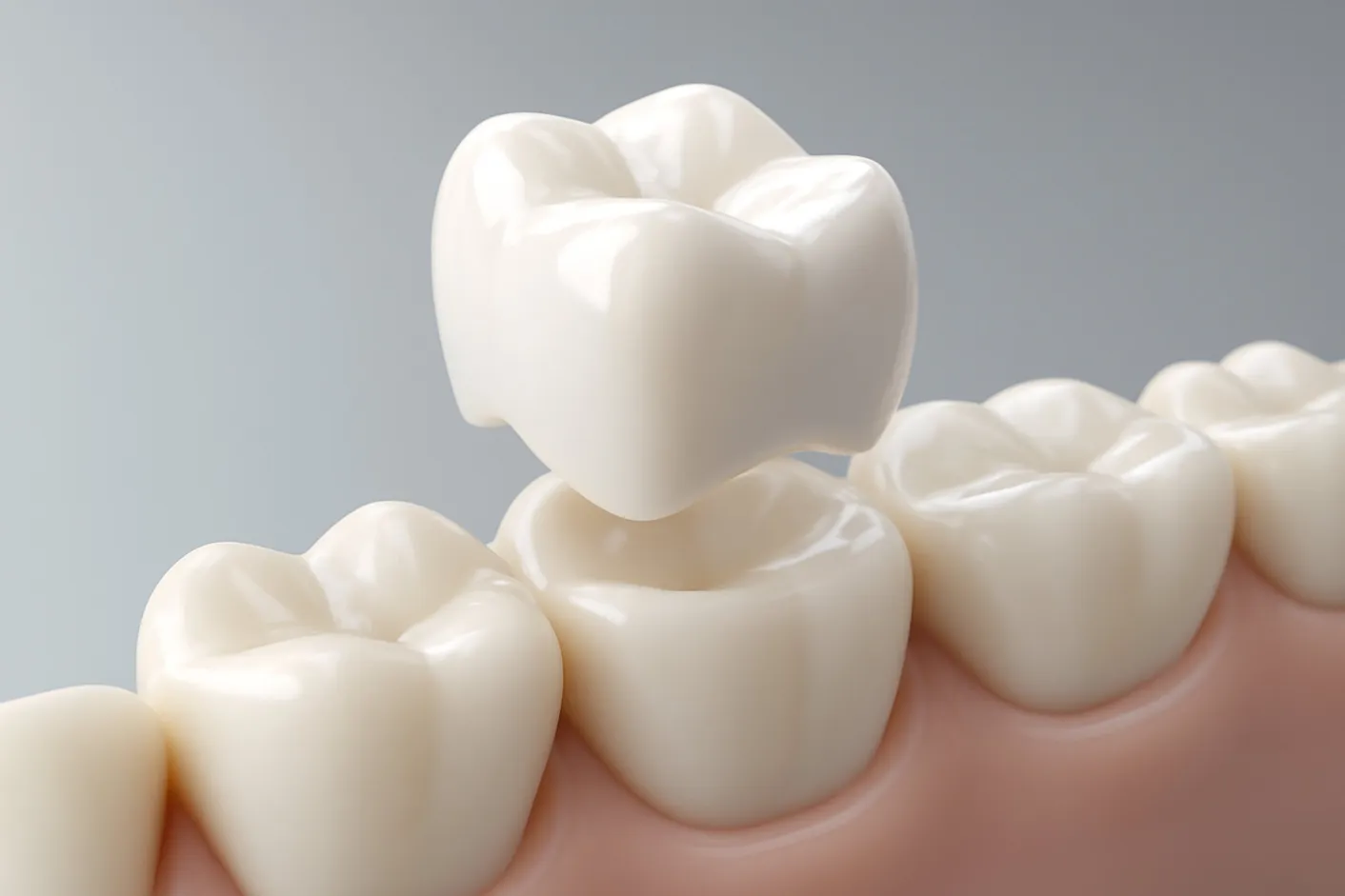
Zirconia Dental Restorations: The Modern Solution for Dental Treatments
In modern dentistry, zirconia has established itself as one of the best materials for dental restorations. Zirconia offers not only high durability, but also an aesthetically pleasing effect. In this article, you will find out everything about zirconia dental restorations, their advantages, potential disadvantages and the...
Über 350 Google-Bewertungen
The short answer
Zirconia is a modern, very strong and biocompatible material for dental restorations that can be matched to the natural tooth colour and does not discolour. A zirconia crown generally costs between €1,000 and €1,200, although this varies by practice and region; where treatment is medically necessary, health insurance usually covers only part of the cost. The individual cost plan provided before treatment begins sets out the binding amounts.
- Cost (guide)
- A zirconia crown generally costs €1,000–€1,200, with regional variations – a detailed cost plan is provided before treatment begins
- Health insurance cover
- Where medically necessary, usually only partial cover; the practice assists with communication with the health insurance provider
- Durability
- Many years with good care; the material does not discolour and its appearance remains stable
- Good to know
- Zirconia is difficult to repair – damage usually means it needs to be replaced
General information, not a promise of cure. Suitability and costs are determined individually in the treatment and cost plan following a dental examination.

What are zirconia dental restorations?
Zirconia, also known as zirconium dioxide, is a high-strength, biocompatible material. It is used in dentistry for dental restorations. Zirconia crowns and zirconia bridges are particularly popular. Both deliver excellent results in terms of both function and aesthetics.
Zirconia is a ceramic material known for its resistance to fracture and wear. It is used primarily for crowns and bridges that are attached to teeth or implants.
Zirconia for teeth: advantages at a glance
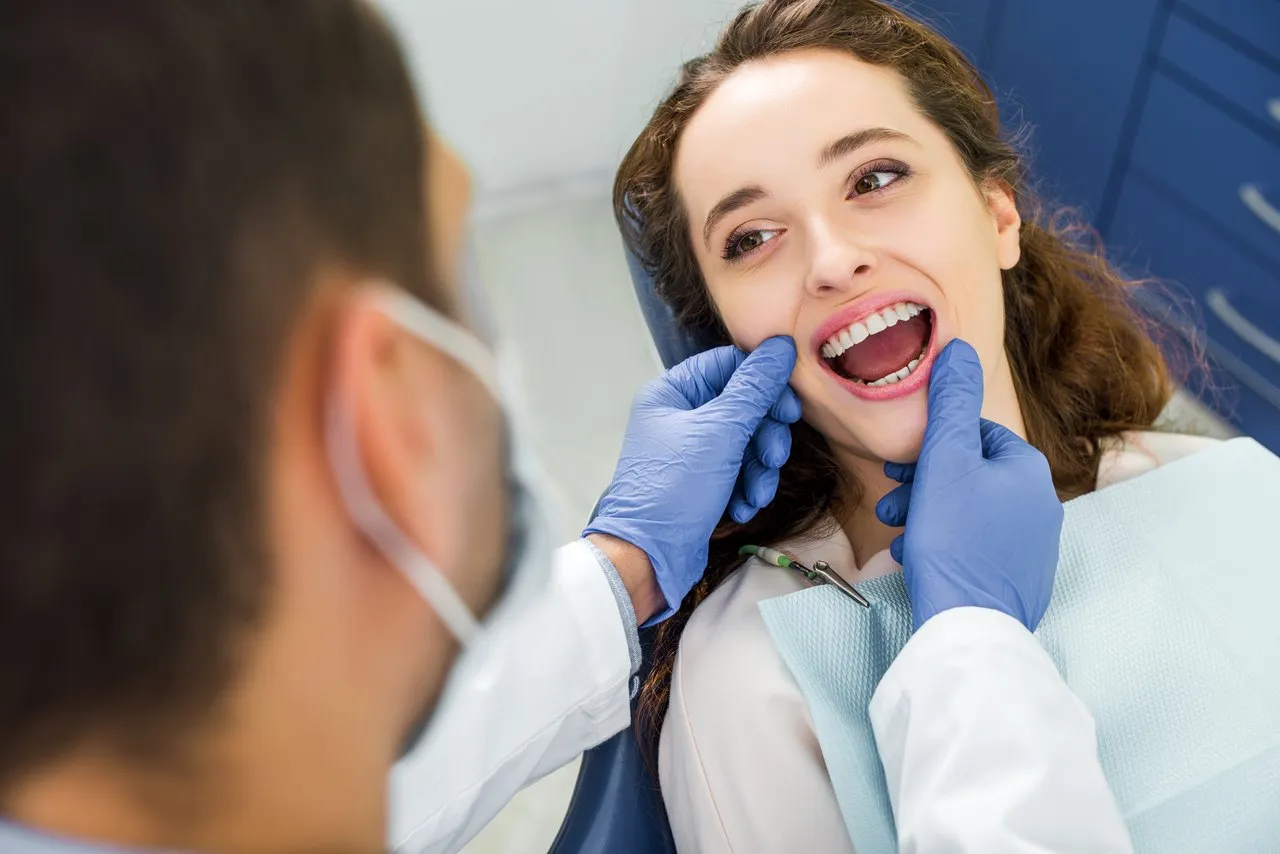
Zirconia dental restorations offer numerous advantages that make them a preferred choice for dental treatments: 1. Excellent aesthetics: Zirconia crowns and zirconia teeth look particularly natural. They perfectly mimic the translucency of a natural tooth. Zirconia is often used in the front tooth region in particular, as its colour and light reflection are very similar to those of a natural tooth. 2. Longevity and durability: Zirconia dental restorations are extremely resistant to abrasion and are also fracture-resistant. These properties make them a particularly long-lasting option for dental restorations. 3. Biocompatibility: Zirconia is a biocompatible material, which means that it is well tolerated by the human body. It does not trigger allergic reactions or rejection reactions and is therefore suitable for almost all patients. 4. Minimally invasive treatment: As zirconia materials are generally very stable, they often require less removal of tooth substance than other materials.
Zirconia dental restorations for different applications
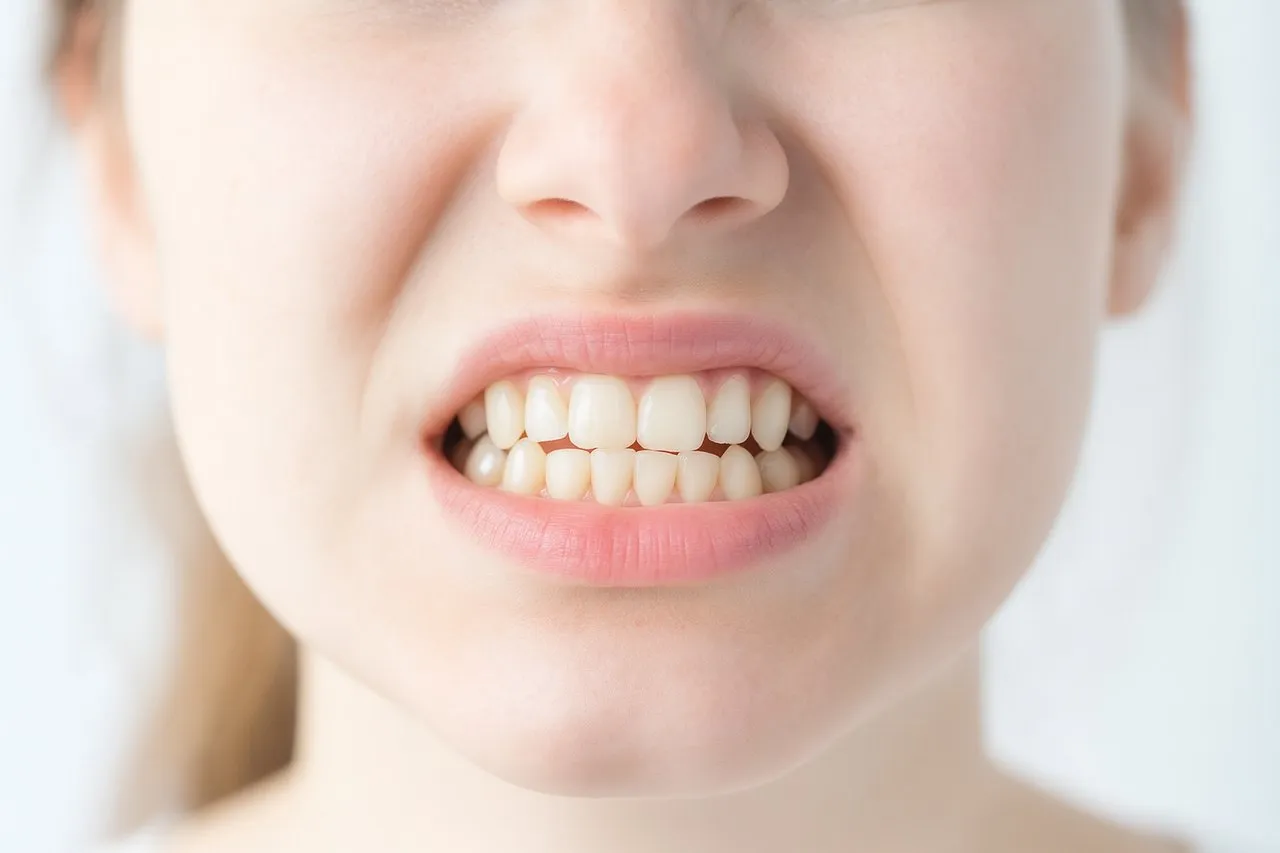
Zirconia dental restorations can be used for a wide range of dental treatments: • Zirconia dental crowns: These are frequently used to restore damaged or broken teeth. They offer a perfect combination of function and aesthetics and are particularly suitable for visible areas. • Zirconia bridges: Zirconia bridges replace missing teeth and are both functional and visually very appealing. They can be used as a solution for the loss of a single tooth or larger gaps between teeth. • Teeth made of zirconia: In many cases, teeth made of zirconia are used to replace natural teeth. They offer a permanent solution for tooth loss that does not discolour or wear down over time.

Costs of zirconia dental restorations
A common concern for patients is the cost of zirconia dental restorations. Prices can vary depending on the type of treatment, the dentist and the region. In general, zirconia crowns cost more than conventional metal or plastic crowns.
The cost of zirconia teeth in Germany typically ranges from 1,000 to 1,200 euros per tooth. The exact amount depends on the complexity of the treatment. There are also cost differences between zirconia teeth and other dental restoration materials. The disadvantages of zirconia teeth are generally not as pronounced as those of other materials. However, the higher prices of zirconia crowns can be a challenge for some patients. Health insurance generally covers only part of the costs. And even then, only if the dental restoration is medically necessary. For aesthetic treatments or procedures that are not strictly necessary, the patient must pay the difference themselves.
Disadvantages of zirconia dental restorations
Despite the many advantages, there are also some disadvantages of zirconia crowns that should not be overlooked: • Costs: As already mentioned, zirconia crowns and zirconia dental restorations are more expensive than other materials. This can be a particular problem if the costs are not covered by health insurance. • Problems with zirconia crowns: As with any dental restoration material, problems can also occur with zirconia dental restorations. Cracks or fractures are rare but possible, especially if the dental restoration is subjected to heavy loads.
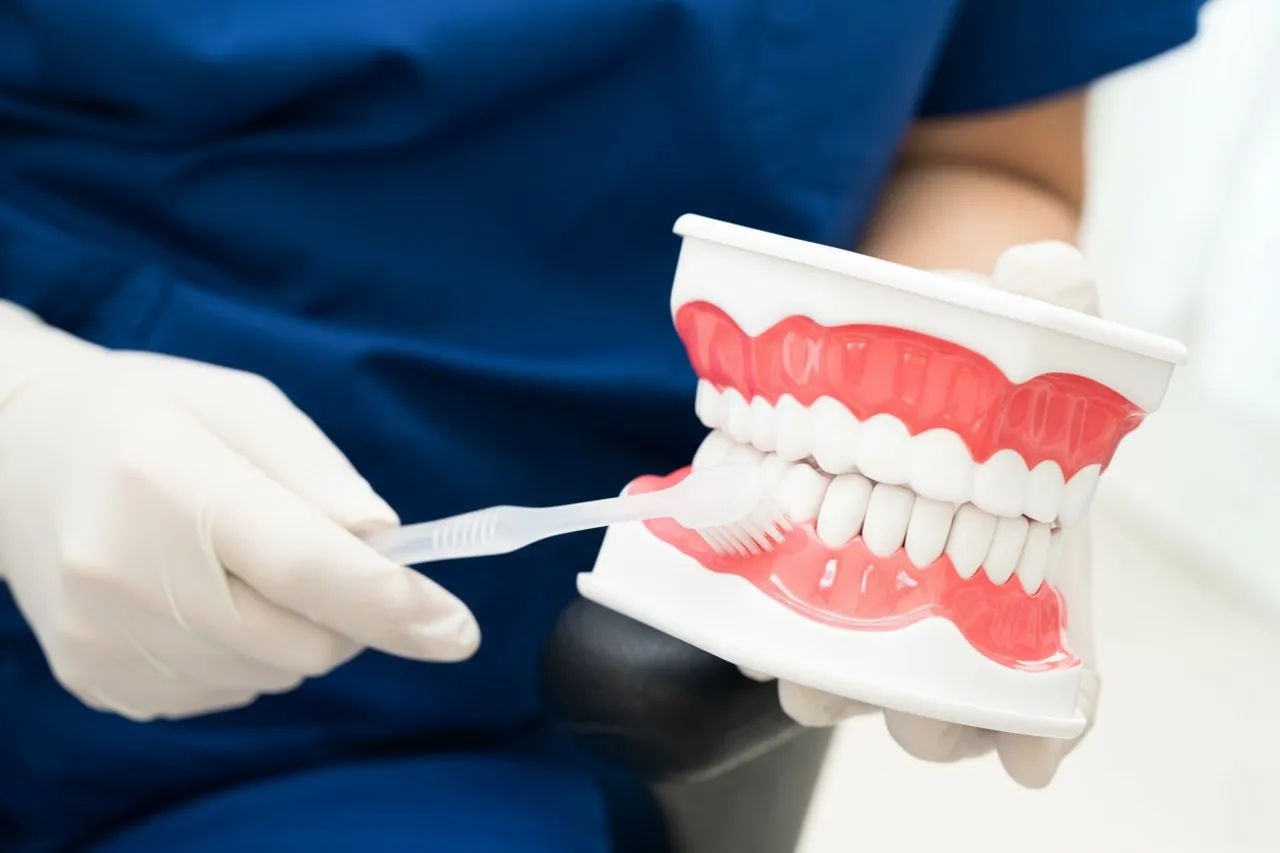
Caring for zirconia dental restorations
Caring for zirconia dental restorations is straightforward. Normal oral hygiene measures such as regular brushing, flossing and professional dental cleanings are generally sufficient. This will extend the lifespan of your zirconia dental restoration.
FAQs about zirconia dental restorations
The cost of a zirconia crown usually ranges from 1,000 to 1,200 euros. The price may vary depending on the dentist and region. We will provide you with detailed advice at our practice.
Health insurance usually only covers part of the costs if there is a medical necessity. Before treatment, we will provide you with a detailed cost plan. We will also help you communicate with your health insurance provider.
Zirconia is aesthetically appealing, durable and biocompatible.A modern solution for your dental restoration.
The higher costs and the need to manufacture zirconia dental restorations in a laboratory are possible disadvantages.
Zirconia is a very strong material, but even zirconia crowns can fracture under extreme loads.
Yes, zirconia teeth can be matched to the natural tooth colour, which makes them particularly aesthetically pleasing.
With good care, zirconia dental restorations can last for many years. Often even a lifetime.
Yes, zirconia dental restorations are more expensive than conventional metal or plastic crowns, but they offer better aesthetics and durability.
Unlike other materials, zirconia does not discolour and its appearance remains stable.
Zirconia dental restorations are generally difficult to repair. If they are damaged, they usually have to be replaced.