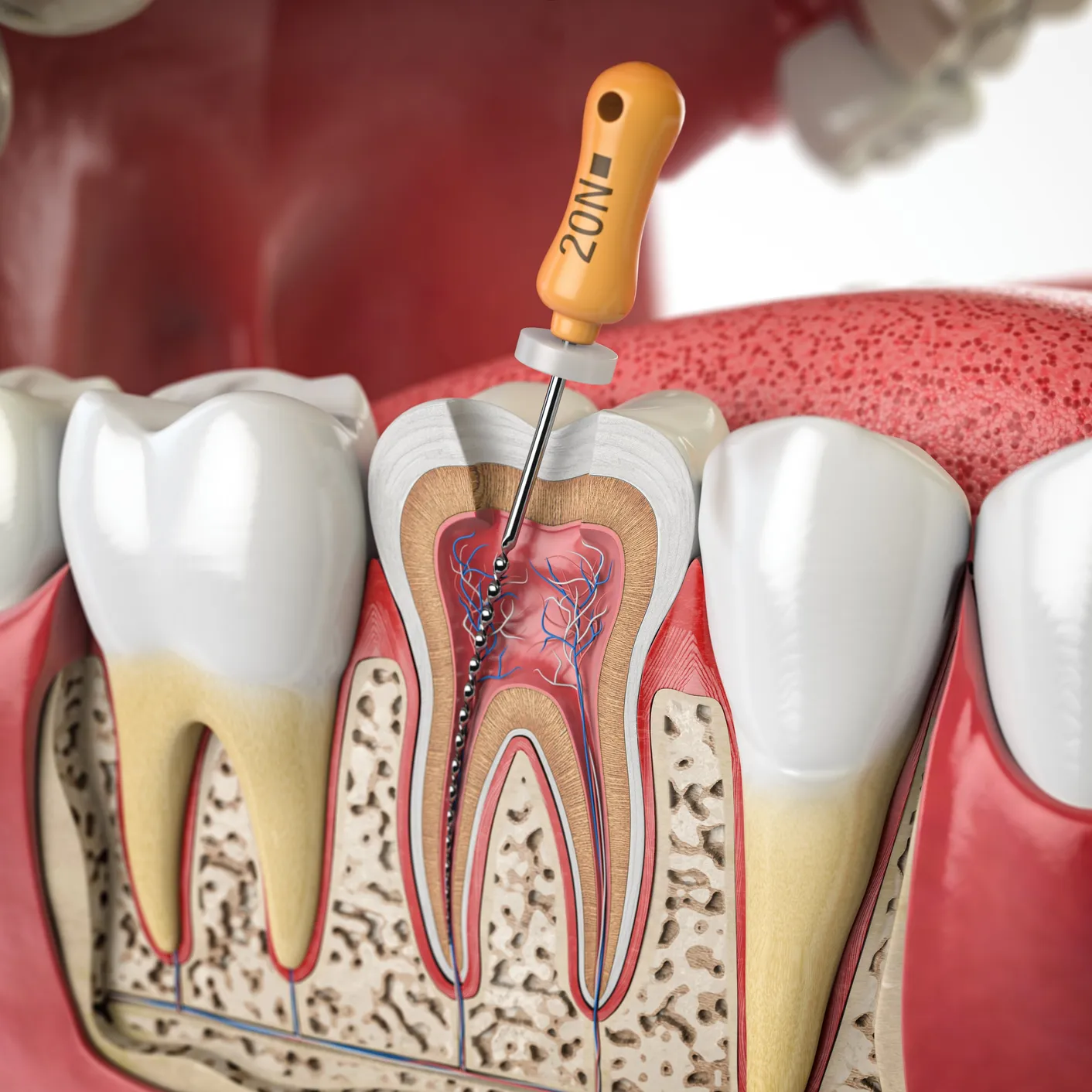
Inflammation after root canal treatment will not go away
Root canal treatment is intended to stop pain and save the tooth. Sometimes, however, inflammation persists. Many people then ask themselves: why will it not go away?
Über 350 Google-Bewertungen
The short answer
If inflammation persists after root canal treatment, there is often still a source of irritation around the root – such as residual bacteria, a missed canal, a fine crack or a leaking filling or crown. Warning signs include persistent pain, pain when biting, swelling or pus in the gum. Depending on the findings, root canal retreatment, sealing the restoration or an apicoectomy may help.
- Common causes
- Residual bacteria in the canal, a missed additional canal, a fine crack in the tooth or a leaking filling or crown.
- Warning signs
- Persistent or worsening pain, pain when biting, swelling or pus or a fistula in the gum.
- Treatment
- Depending on the findings, root canal retreatment, replacement of the restoration or apicoectomy; antibiotics only as an adjunct for widespread infections.
Persistent symptoms after root canal treatment should be assessed by a dentist promptly; this does not replace a personal diagnosis.
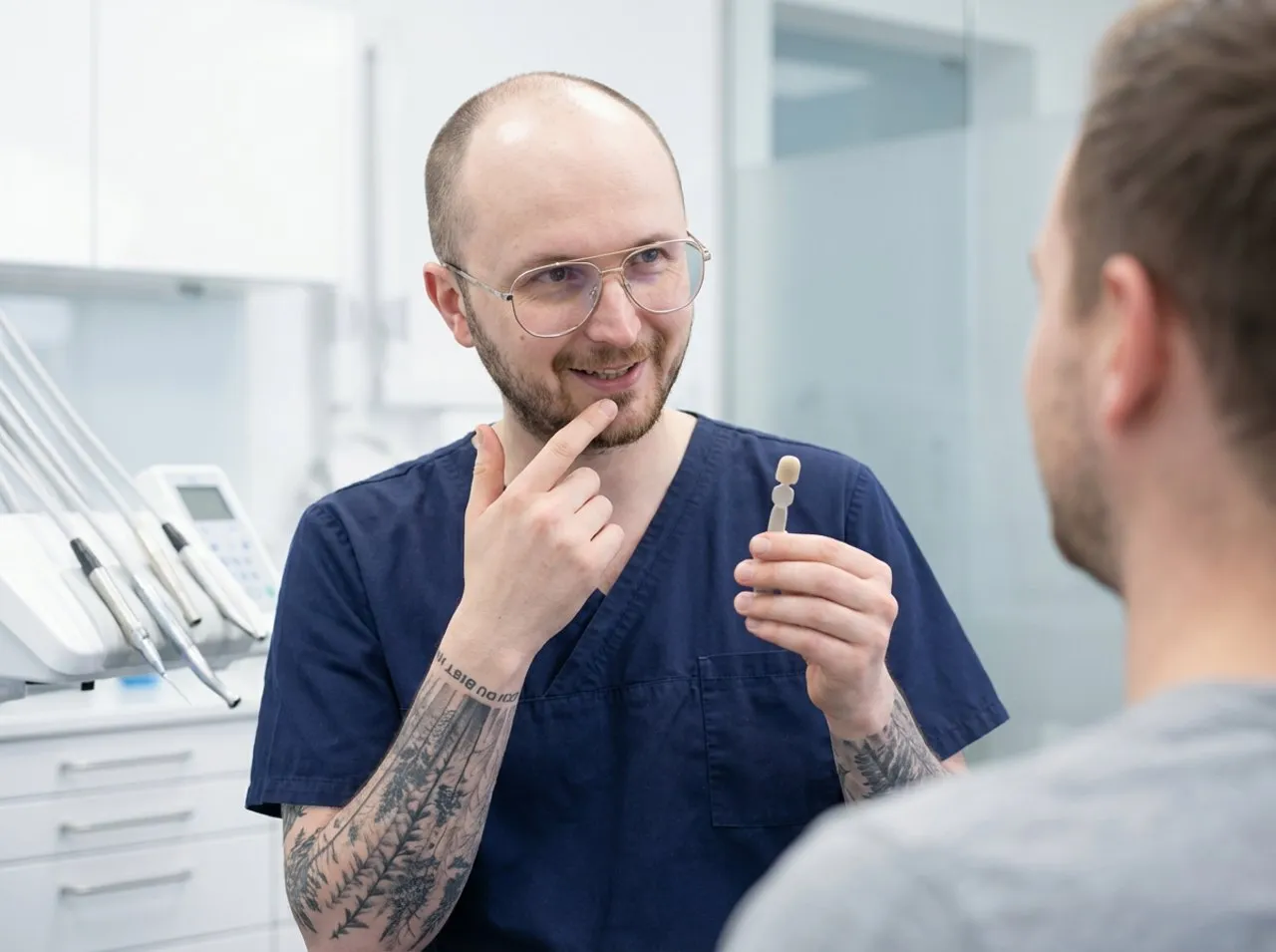
What is still normal after root canal treatment
A feeling of pressure and mild pain are common during the first few days. The tissue is healing and is sensitive. A pulling sensation when chewing can also occur briefly. The healing time for tooth root inflammation varies greatly from person to person. Symptoms usually improve significantly within a few days. It can take longer in severe cases.

When the inflammation does not subside
Warning signs include persistent pain or new swelling. Throbbing or pain when biting can also persist. There is often still a source of irritation in the root area. Sometimes bacteria have been left behind in the root canal. An additional canal may also have been missed. Rarely, the tooth has a fine crack. Leaking fillings or crowns are also a risk. Germs can enter the tooth again through gaps. The inflammation can then flare up again.
Swelling of the gums after root canal treatment
Swelling of the gums after root canal treatment should be assessed promptly. Swelling after root canal treatment will not go away if pus collects. A small bump on the gums is often visible. Tenderness to pressure directly above the root tip is typical. The area feels warm. Sometimes a fistula with discharge also develops. Pus after root canal treatment is not a good sign. It indicates a bacterial infection. The tooth should then be checked promptly.
Root canal treatment pain: common causes
A root-treated tooth may remain sensitive despite treatment. The surrounding tissue is often still irritated. This is particularly true after prolonged inflammation. Pain in a root-treated tooth can also come from the bite. A high contact puts excessive strain on the tooth. Even a small adjustment can help. If the pain remains constant or gets worse, caution is needed. There may then be inflammation at the root tip. Specialists often refer to this as apical inflammation.
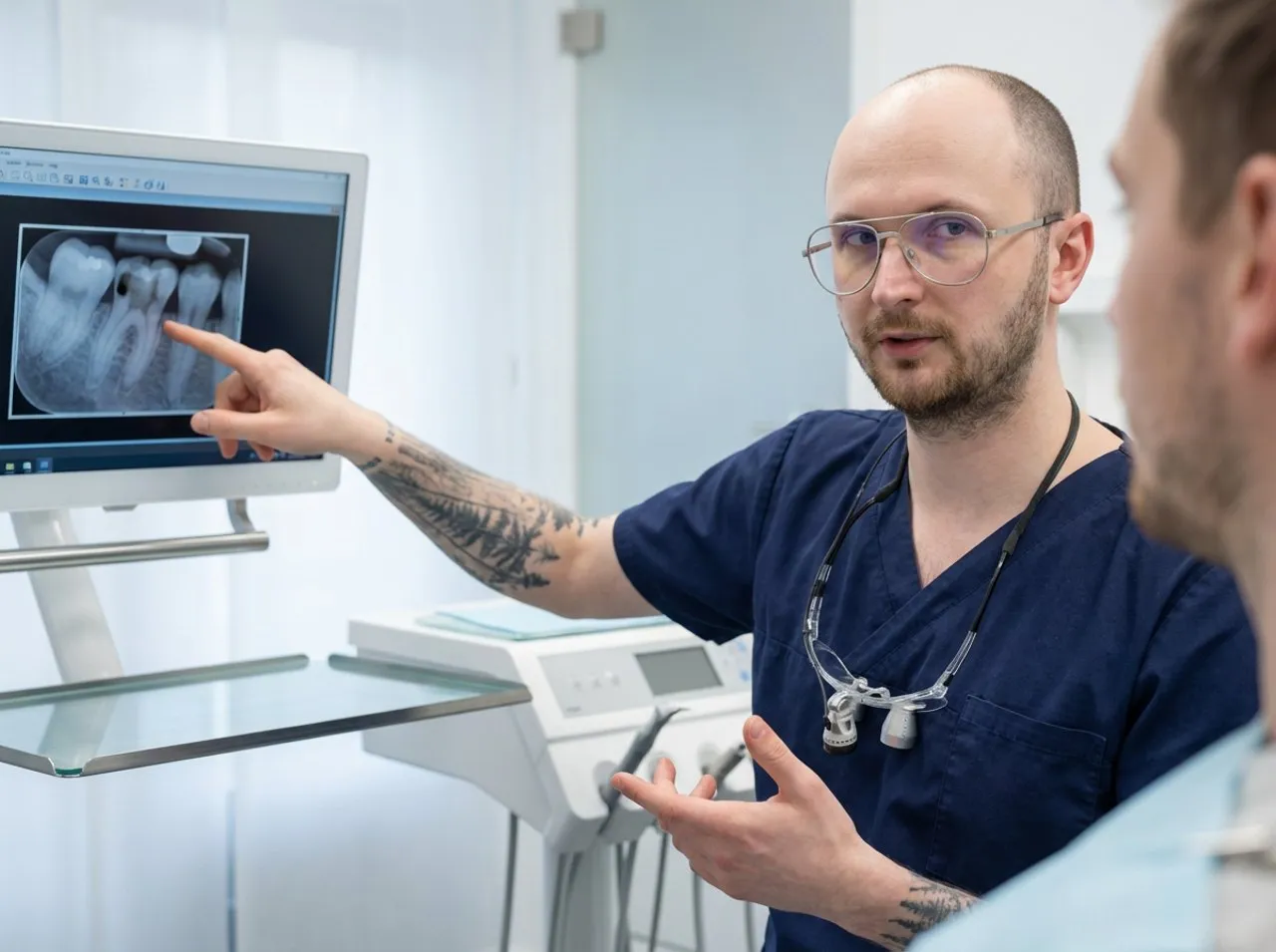
Diagnosis: how the cause is identified
First, we examine the area clinically. We check the response to pressure and tapping and assess the bite. The gums and periodontal pockets are also assessed. An X-ray is usually taken next. This reveals radiolucent areas at the end of the root. In unclear cases, a 3D scan can help, for example CBCT. The seal of the restoration is also important. A loose filling can be seen. The same applies to a gap at the margin of a crown.

Treatment: what helps if the inflammation persists?
The treatment depends on the findings. Root canal retreatment is often advisable. The canals are cleaned again and filled to create a tight seal. Sometimes correcting the crown or filling is sufficient. This seals the tooth again. This reduces the risk of new germs entering. An apicoectomy can help with persistent foci of infection. The root tip is surgically shortened. The inflamed tissue is removed. Antibiotics are not always necessary. They help primarily with extensive infections. The key remains eliminating the cause within the tooth. If the tooth cannot be saved, removal is the last option. We then plan a suitable replacement tooth. This keeps chewing function stable.
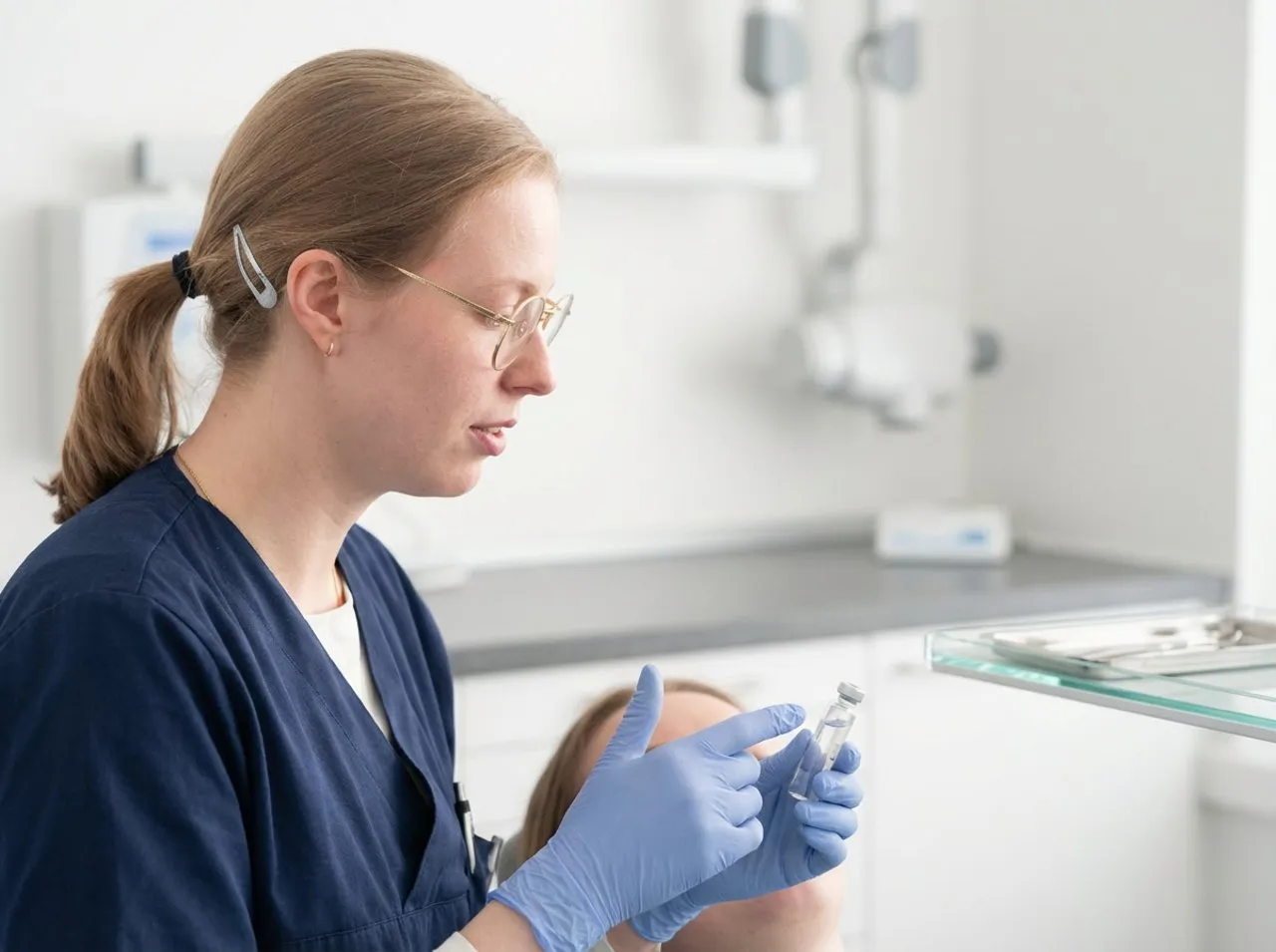
Root canal treatment: inflammation can occur years later
Inflammation can also occur years later. It is often dormant for a long time and causes hardly any pain. Then swelling or a feeling of pressure suddenly appears. New leakage or a crack is often the trigger. Periodontitis can also affect the area. Regular check-ups are therefore important.
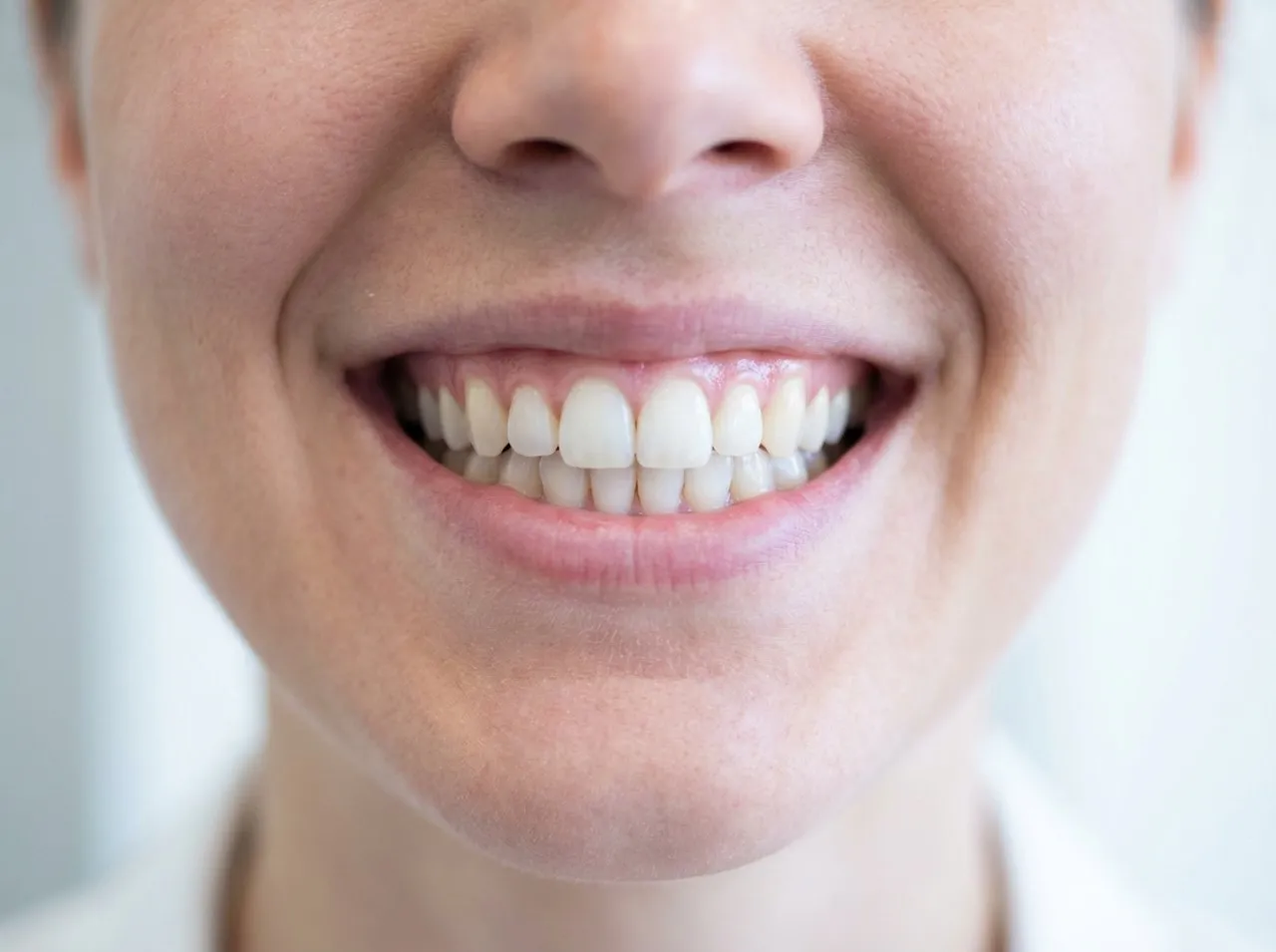
What you can do yourself until your appointment
Cooling helps with swelling and throbbing. Avoid heat, alcohol and smoking. Brush carefully but thoroughly. Painkillers can provide short-term relief. Use them only as directed in the patient information leaflet or advised by a doctor. Do not take antibiotics without a prescription.
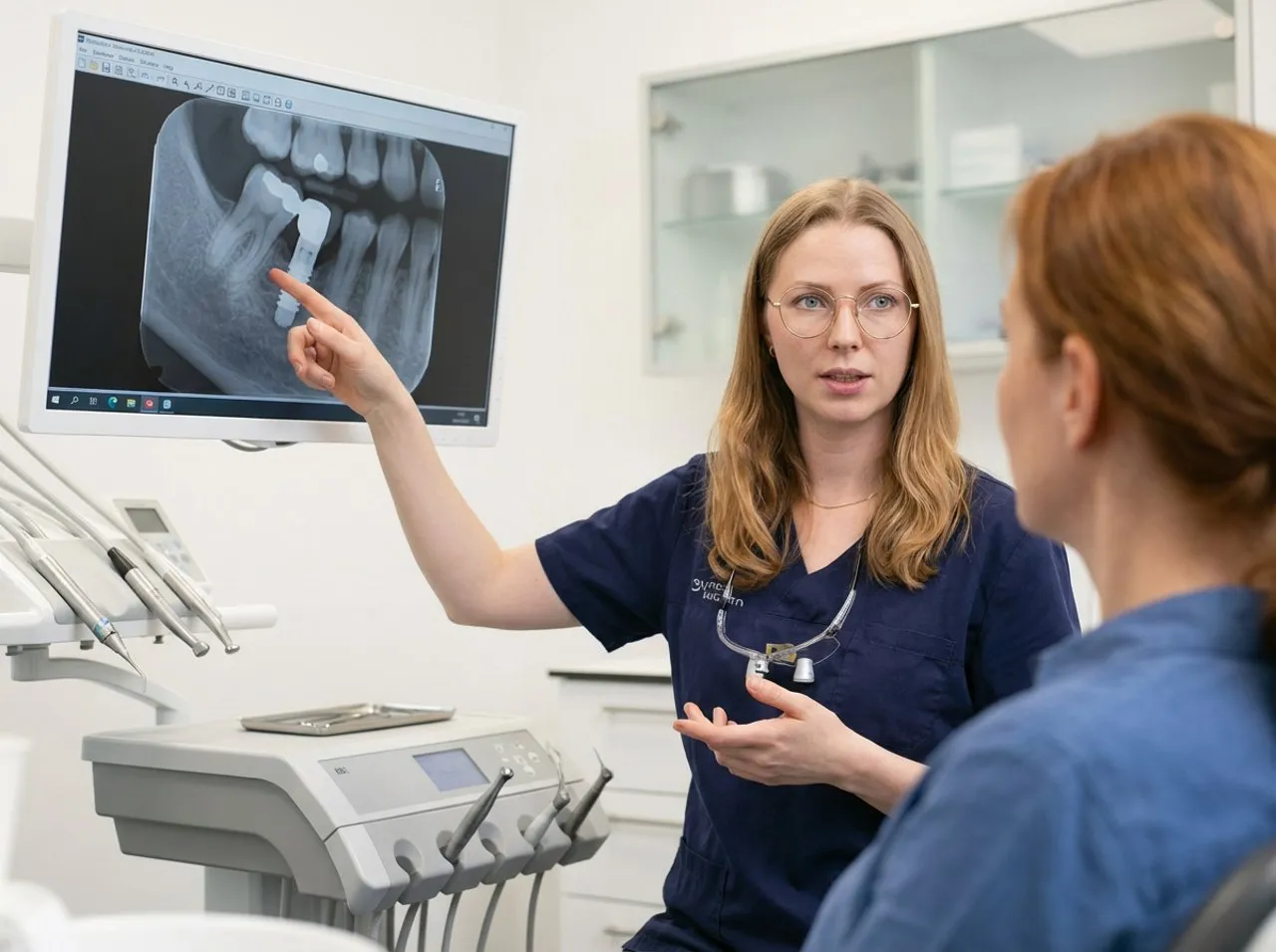
When you should act immediately
Seek dental help immediately if you have a fever or feel very weak. Rapidly increasing swelling is also critical. If you have difficulty swallowing or breathing, call 112 in Germany for emergency medical care. An unpleasant taste with pus can also be a warning sign. The infection may then spread. For the other symptoms, the emergency dental service is the right place to go.
Your treatment at Wunschlachen in Berlin
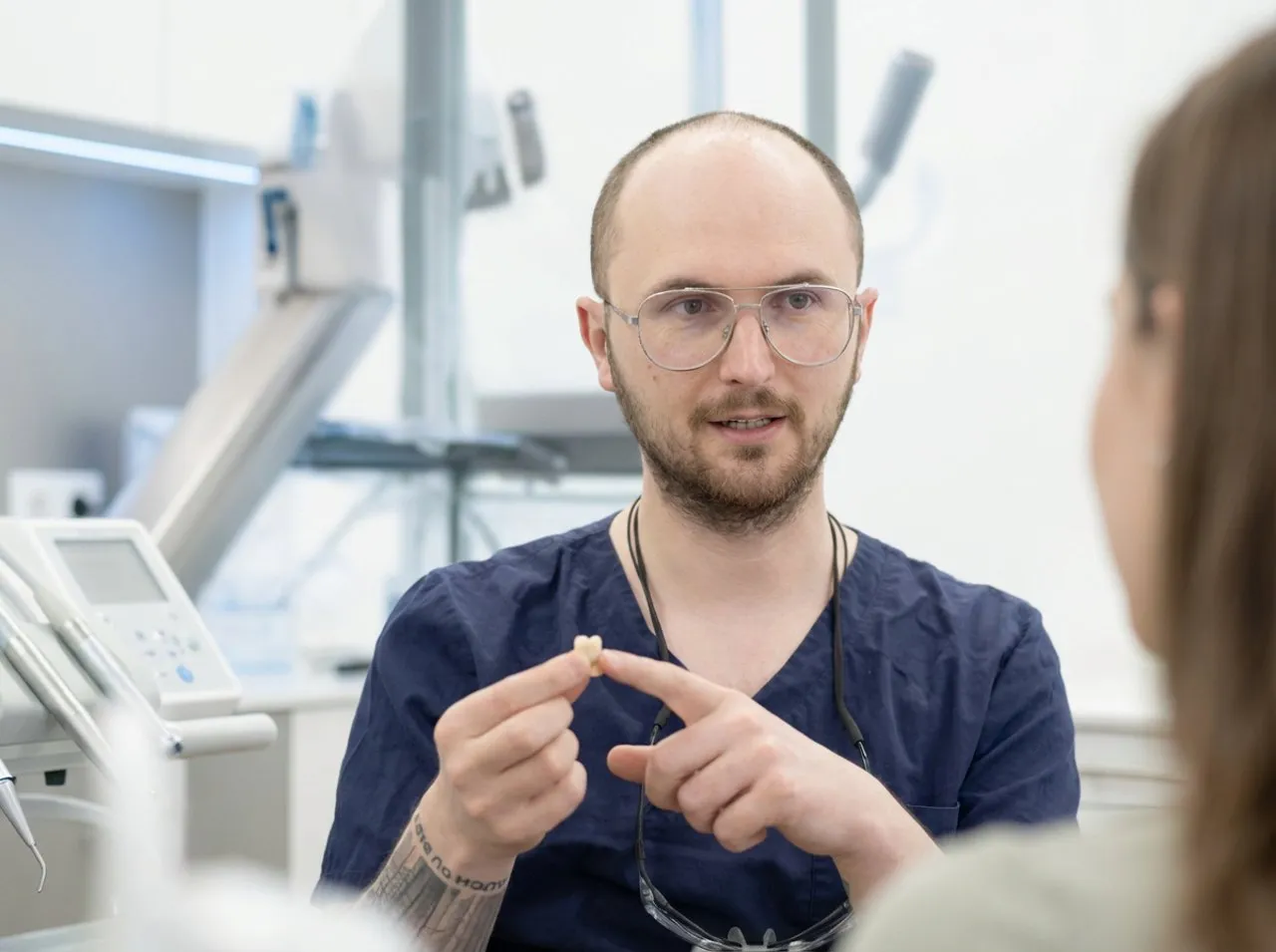
At our Wunschlachen practice, we take symptoms after root canal treatment seriously. We systematically investigate the cause. You then receive a clear treatment plan. We use gentle anaesthesia and precise diagnostics. Our aim is to preserve the tooth wherever possible. And we explain every step clearly.
Conclusion
If inflammation does not go away after root canal treatment, it needs to be checked. A leak or residual infection is often the cause. Retreatment or surgery can often stabilise the tooth.
FAQ: inflammation after root canal treatment
Mild symptoms are often normal for a few days. It can take longer with severe inflammation.
Pus usually indicates a bacterial infection. The tooth should be examined promptly.
Fluid or pus often collects in the tissue. This can also lead to a fistula.
In most cases, there is still a focus of inflammation at the root tip. Sometimes the tooth does not have a proper seal.
Sometimes, but not always. Without cleaning the canals, the cause remains.
Yes, that is possible. New marginal gaps or cracks are often the cause.
When germs have remained in the canal or a canal was missed. It is also advisable if there are any leaks.
No, retreatment is often sufficient. Surgery is more useful for persistent foci of inflammation.
Cooling and rest often help. Only use painkillers as recommended.
Do not wait to seek dental help if you have a fever, severe swelling or pus. Difficulty breathing or swallowing is a medical emergency: call 112 in Germany.