
Bone necrosis: causes, symptoms and treatment
Bone necrosis is a serious condition in which bone tissue dies. It can affect various bones in the body. The thigh bone and jaw joint are most commonly affected. In this condition, the blood supply to part of the bone...
Über 350 Google-Bewertungen
The short answer
In bone necrosis, bone tissue dies because the blood supply, and therefore the oxygen supply, is disrupted. In the jaw, a common cause is the use of bisphosphonates. The symptoms — pain initially during activity and later also at rest, swelling and restricted movement — often develop gradually. Early diagnosis by a specialist is crucial for treatment.
- Typical causes
- Impaired blood supply to the bone due to injuries, certain medications (e.g. corticosteroids or, in cases involving the jaw, bisphosphonates), alcohol misuse or vascular disease
- Warning signs
- Dull or stabbing pain (initially during activity, later also at rest), restricted mobility, swelling and possibly a grinding sensation in the joint
- When to see a doctor
- Seek medical advice early for persistent bone or jaw pain — the condition is often only noticed late, and early diagnosis improves the treatment options
General information, not individual medical advice. Suspected bone necrosis should be assessed by a specialist without delay; never stop or change medication on your own.
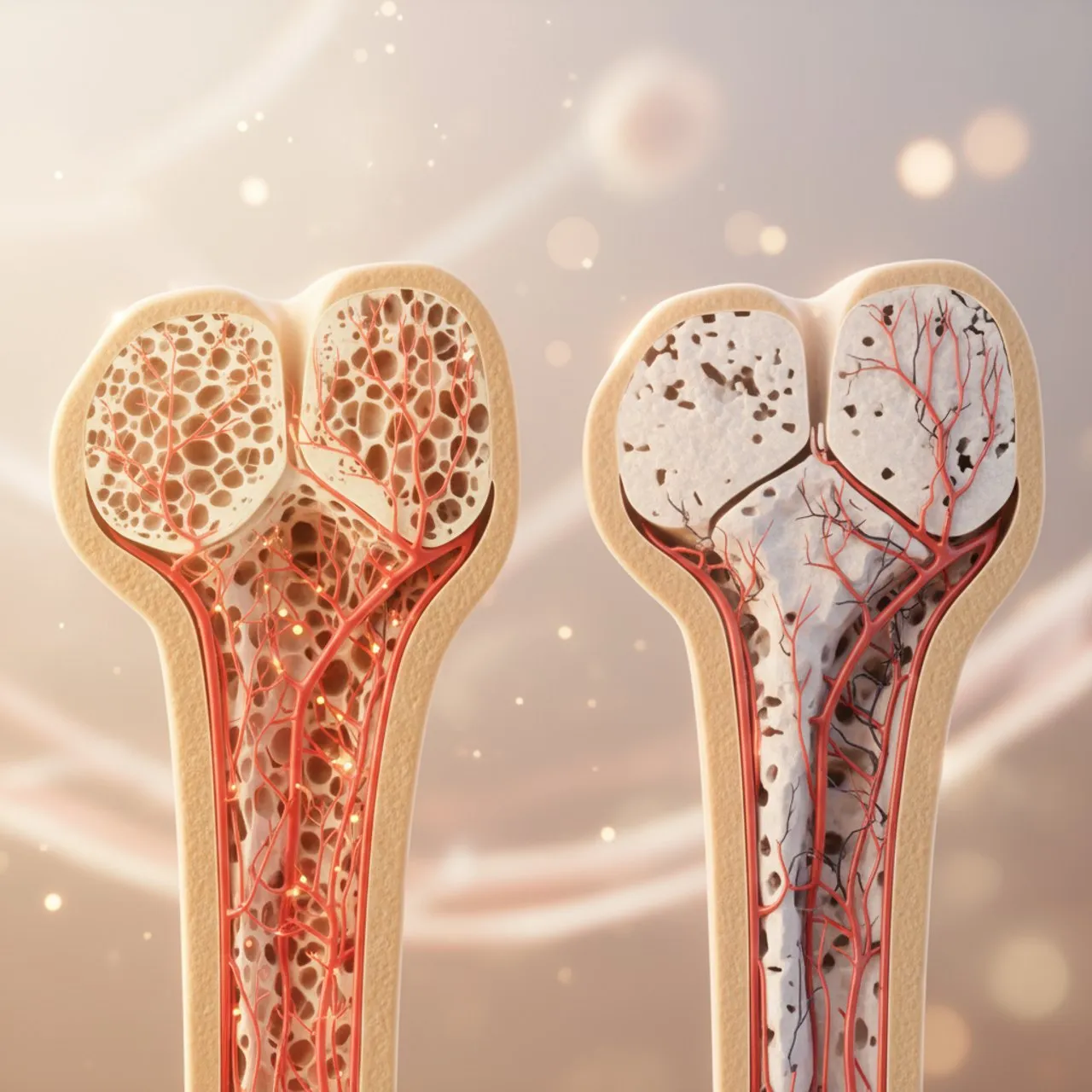
Causes of bone necrosis
The exact cause of the condition cannot always be clearly determined. However, there are several factors that can increase the risk. One of the main factors is an impaired blood supply to a particular area of bone. This can be caused by various factors: • Injuries: Trauma or a fracture can disrupt the blood supply to the bone. • Taking medication: Certain medications, such as corticosteroids, can increase the risk. • Alcohol misuse: Excessive alcohol consumption can damage the blood vessels. • Vascular diseases: Conditions such as diabetes or high cholesterol that affect blood clotting and circulation. • Genetic predisposition: In some cases, hereditary conditions can increase the risk.
However, the exact cause of the necrosis cannot always be determined, as it is influenced by various factors.

Symptoms of bone necrosis
Typical symptoms of the condition can vary depending on the bone affected and the severity. The most common symptoms include: • Pain: A common symptom is a pulling or stabbing pain in the affected area. At first, this pain may only occur during exertion or movement. As the condition progresses, it also persists during periods of rest. • Restricted movement: In advanced stages, the mobility of the affected joint may be restricted. Swelling and inflammation: In some cases, the affected area may swell. • Crunching: In some cases, a ‘crunching’ sound may occur in the affected joint.
The symptoms can develop gradually, which is why the condition is often not noticed until it has reached an advanced stage.
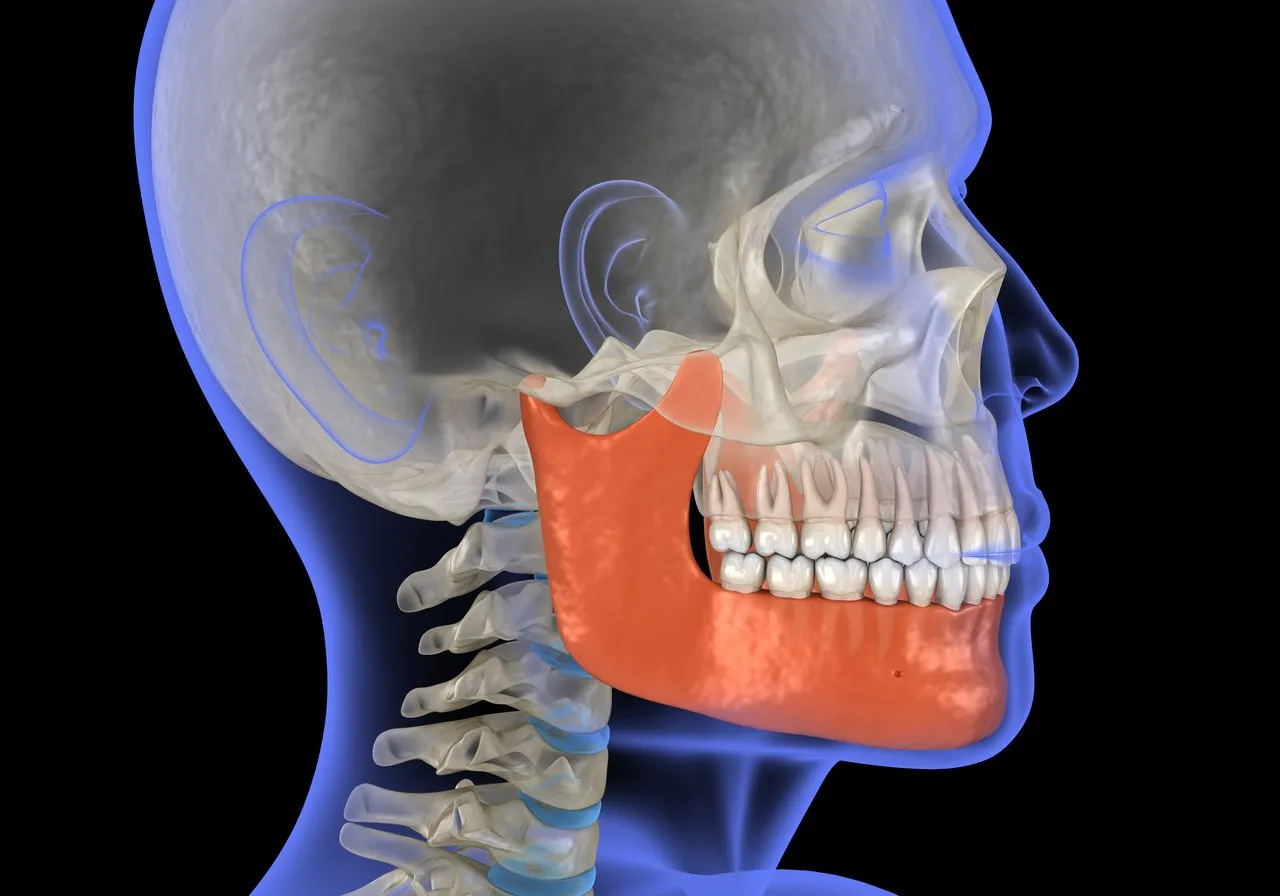
Bone necrosis in the jaw
The condition can also affect the jaw, leading to what is known as ‘jaw necrosis’. In this case, bone tissue in the jaw dies. One of the most common causes of this form of necrosis is the use of bisphosphonates. These medicines are used to treat osteoporosis and other bone diseases. They can weaken the bone tissue in the jaw and impair healing, which can lead to necrosis.

Aseptic bone necrosis
Aseptic bone necrosis is a particular form of the condition in which no bacterial infection is present. This means that the bone necrosis is not caused by inflammation, but by an impaired blood supply. This type of condition occurs in people with factors such as alcohol misuse or long-term use of medication.

Treatment for bone necrosis
Treatment for necrosis depends on the stage of the condition and the bone affected. In the early stages, conservative treatment with painkillers and physiotherapy may be helpful. In advanced cases, surgery may be required. In some cases, stem cell therapy is being investigated as a way of regenerating bone tissue. Early diagnosis and treatment of necrosis are crucial to prevent the condition from worsening.

Conclusion
Bone necrosis is a serious condition. It can significantly impair the lives of those affected if it is not treated in time. It is important to look out for the symptoms and consult a specialist promptly if the condition is suspected.
Conservative measures and surgery offer promising options for treating bone necrosis, while stem cell therapy remains investigational. We will help you restore your quality of life and health.
Frequently asked questions (FAQs)
The main causes are injuries, excessive alcohol consumption, long-term use of medication and vascular diseases.
The most common symptoms include pain, restricted movement, swelling and possibly also grinding in the joint.
Aseptic bone necrosis occurs without an infection, whereas other forms are caused by bacterial infections.
Yes, bone necrosis can also affect the jaw, particularly in people taking bisphosphonates.
Diagnosis is made using imaging techniques such as X-rays, MRI or CT.
Treatments include conservative therapy and surgery; in some cases, stem cell therapy is being investigated.
Yes, corticosteroids in particular and certain other medications can increase the risk of bone necrosis.
If bone necrosis is left untreated, the affected bone may continue to be destroyed. This leads to permanent damage and restricted freedom of movement.
In the early stages of the condition, pain only occurs during movement, but later it also occurs during periods of rest.
Avoiding excessive alcohol consumption, injuries and long-term use of corticosteroids can reduce the risk.