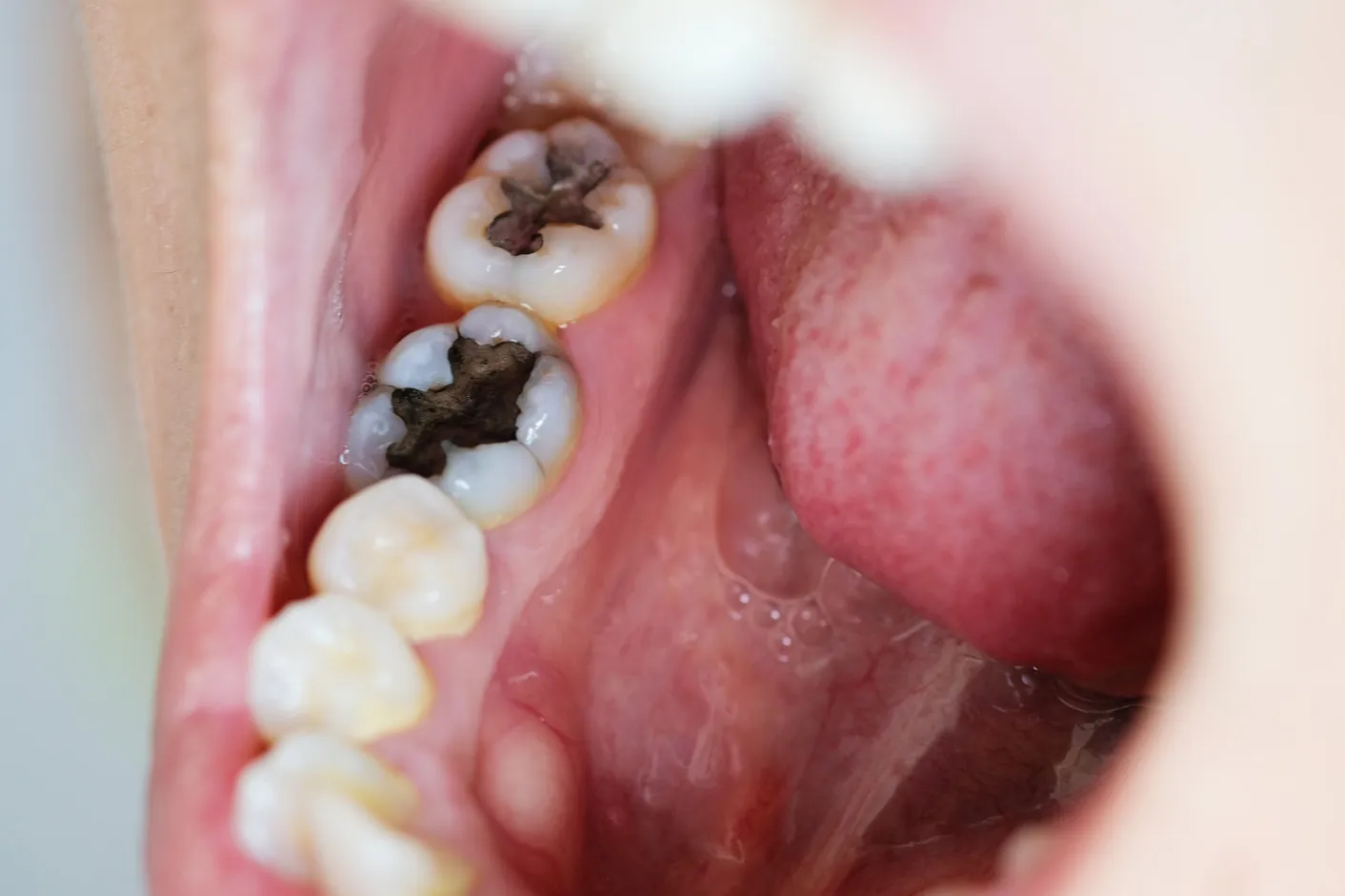
Tooth decay or discolouration? How to tell the difference
A spot on a tooth can quickly cause concern. Is it tooth decay or discolouration? Both look similar. However, their causes and consequences differ clearly. In this article, you will learn about possible clues that may help you tell the two apart. You will learn about typical signs, tests and treatments. Only a dental diagnosis can provide certainty. This will help you...
Über 350 Google-Bewertungen
The short answer
The appearance of the surface can provide clues to help distinguish between tooth decay and discolouration: tooth decay may look dull and rough, while discolouration may appear smooth and be polishable. However, these features alone do not allow a reliable diagnosis. Discolouration usually only disappears with professional cleaning, whereas tooth decay always requires treatment – whitening does not help with tooth decay. Only a dental diagnosis can provide certainty, especially with spots in fissures.
- How to tell them apart
- Tooth decay can look dull and feel rough, while discolouration is often smooth and may be polished away; appearance and feel alone cannot reliably distinguish between them
- Warning signs
- Take white chalky spots and soft, dark areas in fissures seriously – especially in children
- When to see a dentist
- Promptly if a spot is unclear; otherwise have a check-up about every six months, or more often if you are at increased risk
- Statutory health insurance cover
- Professional dental cleaning is a private service; statutory health insurance funds cover the full cost of standard fillings
Only a dental diagnosis can reliably determine whether a spot is tooth decay or discolouration.

Why spots develop
Teeth become discoloured by pigments from coffee, tea or tobacco. Tooth discolouration is usually external. Red wine, cola and spices also leave traces. These pigments are deposited on the outer surface of the enamel. Tooth decay has a different cause. Bacteria break down sugar into acids. Acids demineralise the enamel and attack the deeper layers.

Tooth decay or discolouration: the key differences
Discolouration is usually superficial. It appears smooth and even and can be wiped away. The colour is yellowish, brownish or dark. Tooth decay often begins as a dull, chalky spot. Later, the spot becomes rough, soft or brittle. The colour ranges from white through brown to black. The tooth is often sensitive to sweet things or cold.
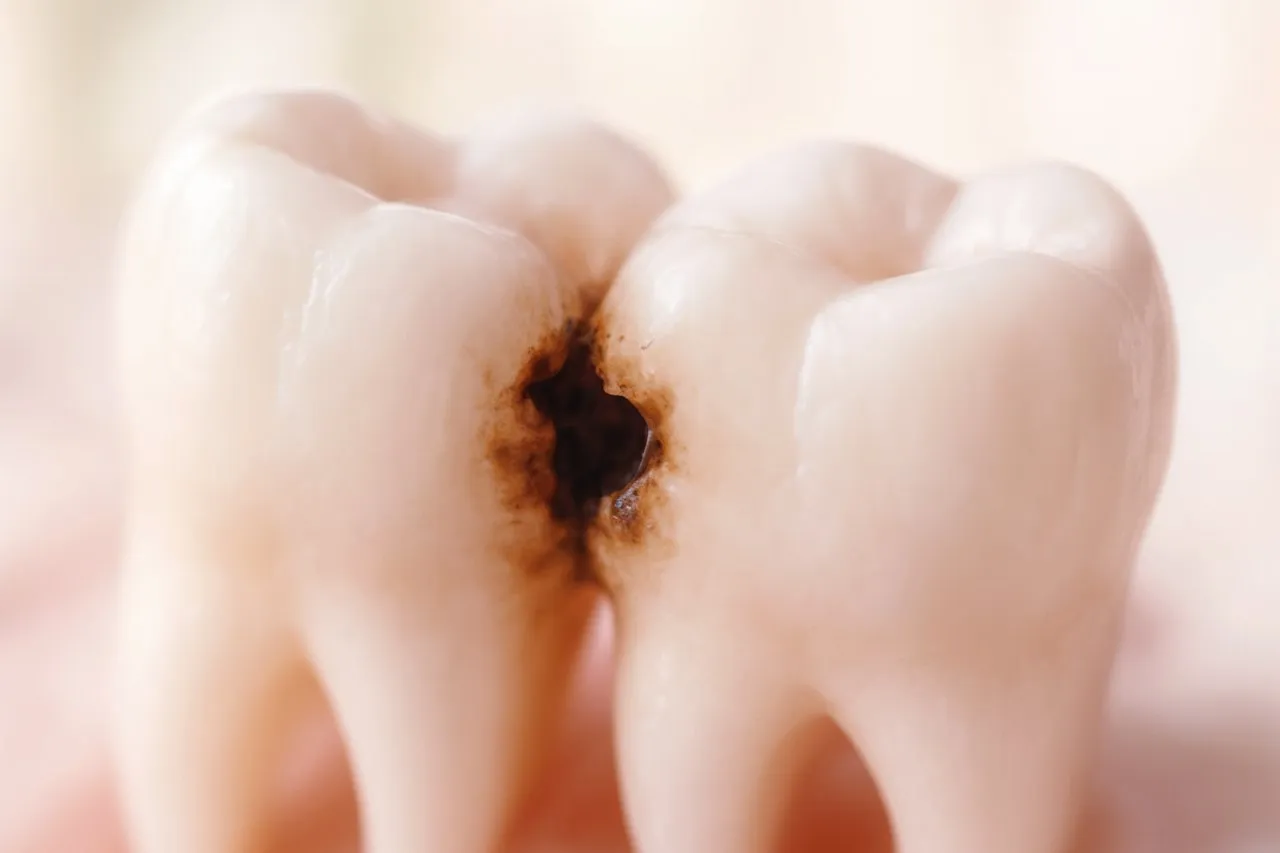
Posterior tooth: caries or discolouration?
On a back tooth, the grooves are particularly deep. Pigments readily become lodged there. Tooth decay also frequently starts in these fissures. A brown spot in a groove can be either. If the spot can be polished away, it is usually discolouration. If the surface caves in, this indicates tooth decay. A brief test with a probe provides clarity.
Quick self-checks at home
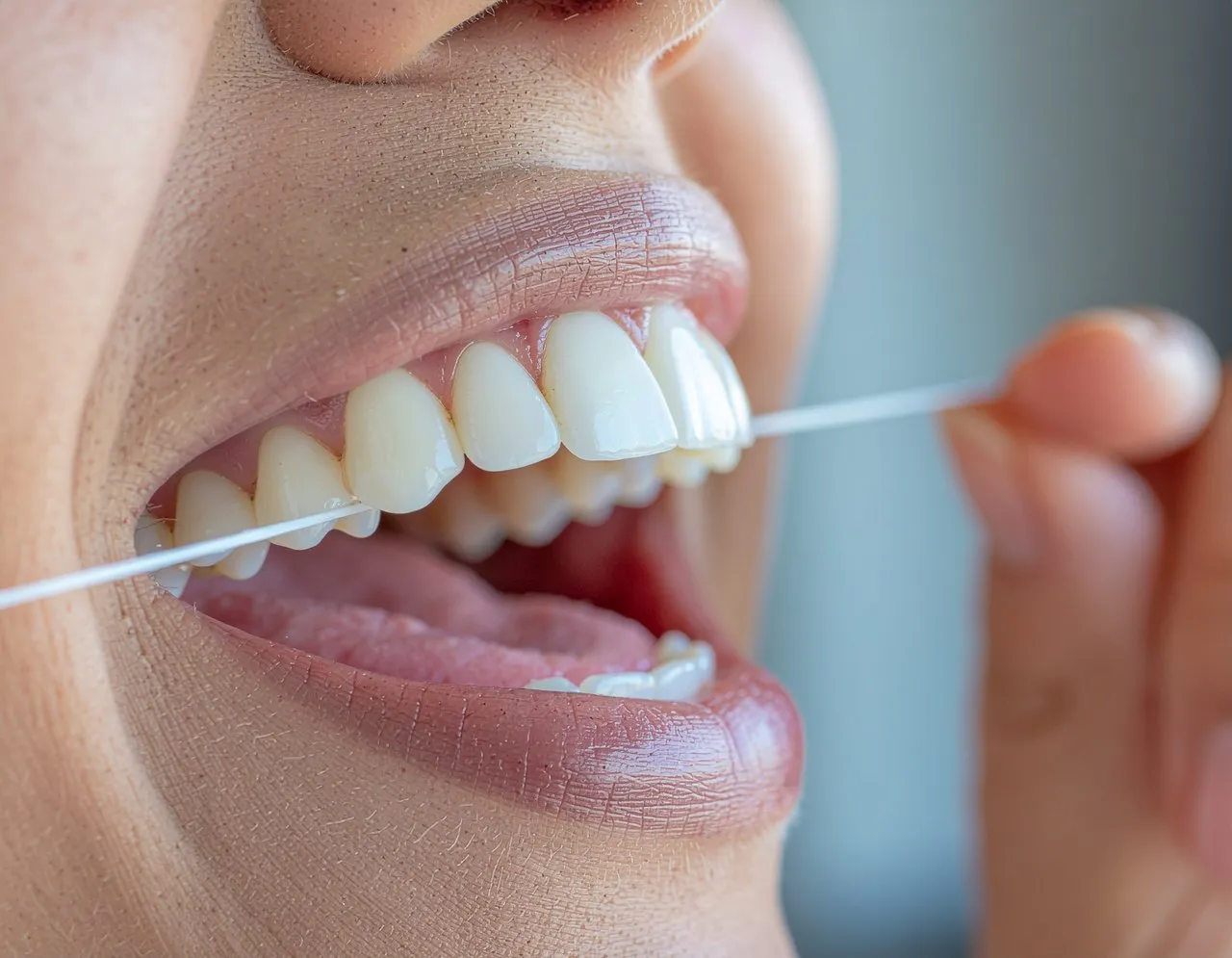
Gently clean around the spot with dental floss and brush thoroughly with a gentle toothpaste. If the spot remains unchanged, you should book an appointment. Its surface appearance alone cannot show whether it is discolouration or tooth decay. Also look out for pain with sweet things, cold or pressure.
Professional diagnosis at the dentist
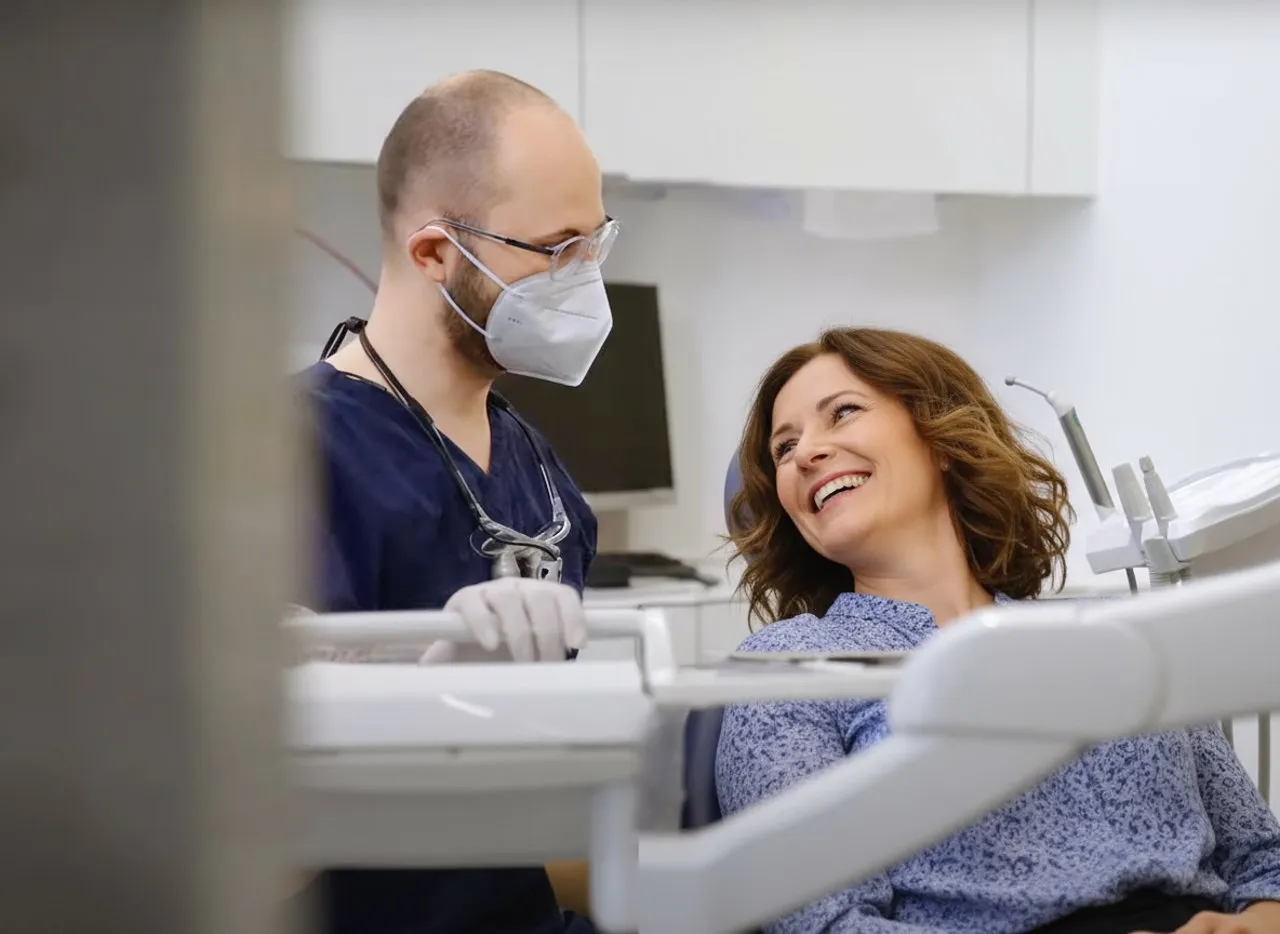
At the practice, we examine the surface with a probe. We look at its lustre, hardness and colour. X-rays reveal hidden defects between the teeth. In unclear cases, cold air helps with sensitivity testing. This allows tooth decay to be reliably confirmed or ruled out. We then plan the appropriate treatment.

Treatment for discolouration
We remove superficial deposits gently. A professional dental clean smooths the surface. Pigments are loosened using a powder jet or small brushes. We then polish the surfaces. This makes it harder for new pigments to adhere. Whitening can help with deeper discolouration. The procedure is tissue-sparing and controlled.

Treatment for early tooth decay
Early tooth decay can often be stopped without drilling. We harden the enamel with fluoride and minerals. Infiltration can seal porous areas. Consistent plaque control is important. Fine interdental brushes and dental floss are suitable for this. A low-sugar diet significantly reduces the risk of acid attack.
Treatment for advanced tooth decay
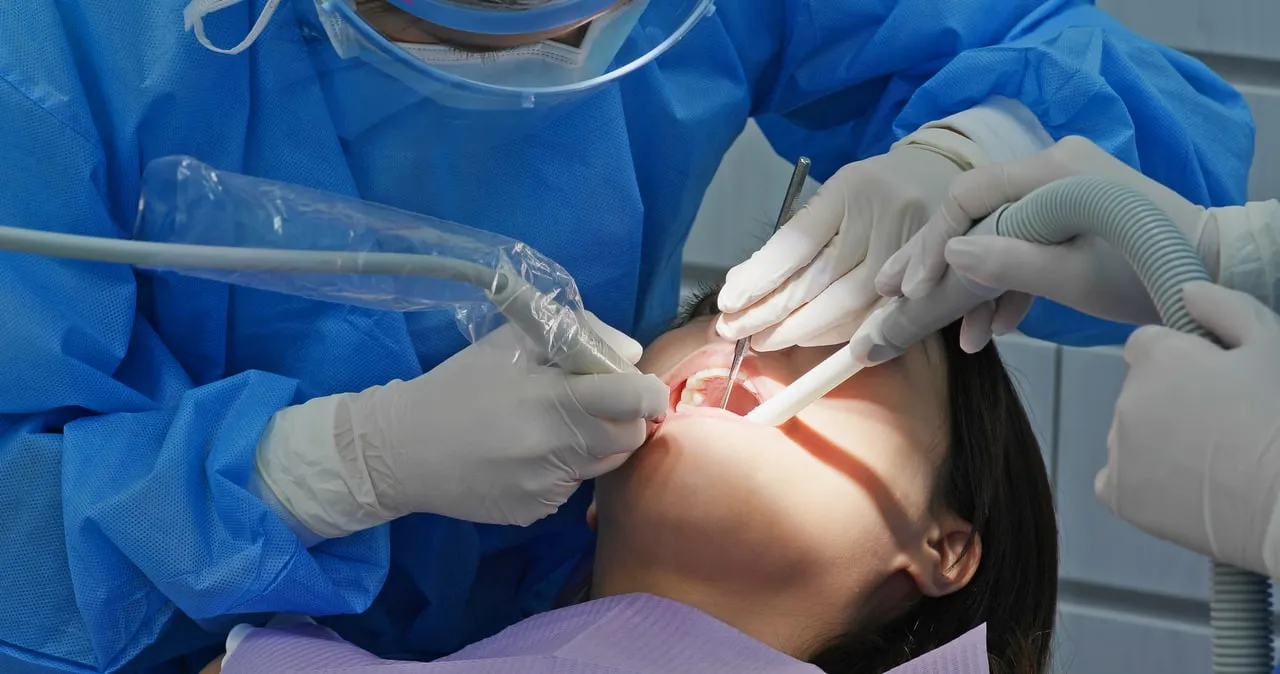
If a hole has developed, we must remove the diseased tissue. We then fill the tooth with composite. If the defect is extensive, we plan a partial crown. If the nerve is affected, the appropriate treatment depends on the diagnosis, whether the tooth can be restored and whether treatment to preserve the pulp is suitable; root canal treatment may be necessary. The aim is to preserve the tooth in the long term. The earlier treatment starts, the less invasive it is.

Prevention: how to protect your teeth
Brush twice a day for two minutes. Use a fluoride toothpaste. Clean between your teeth daily. Drink low-sugar beverages. Take breaks between snacks. Rinse with water after acidic foods. Arrange check-ups and cleanings every six months. This allows us to detect problems early.
Special case: white spot or chalky spot
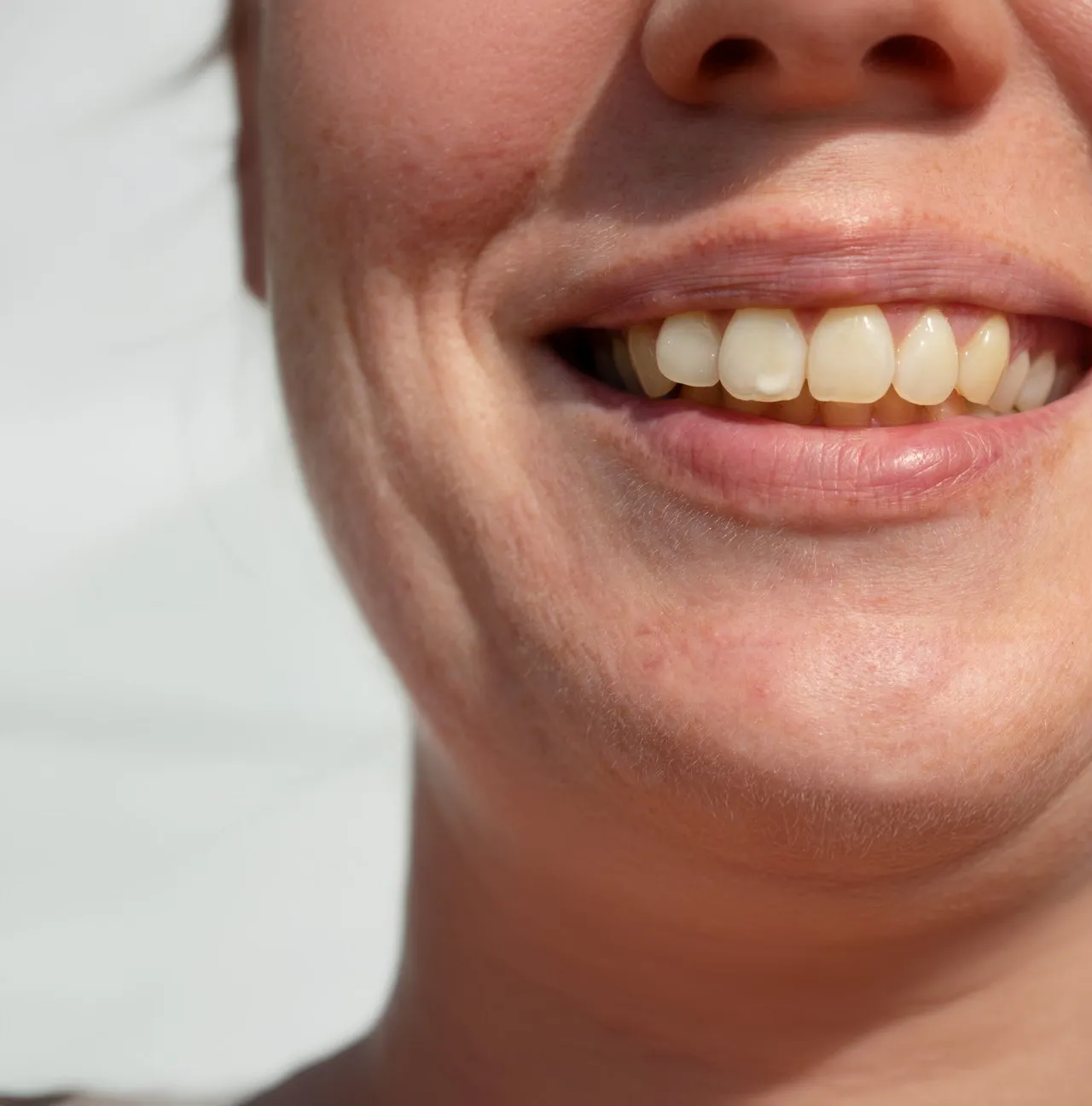
White, dull areas are warning signs. The enamel has lost minerals here. This is often the first step towards tooth decay. Such spots are not merely cosmetic. They indicate active demineralisation. They can be stabilised with fluoride, saliva flow and good oral care. If the area remains rough, treatment is advisable.
Special case: black spot in a fissure
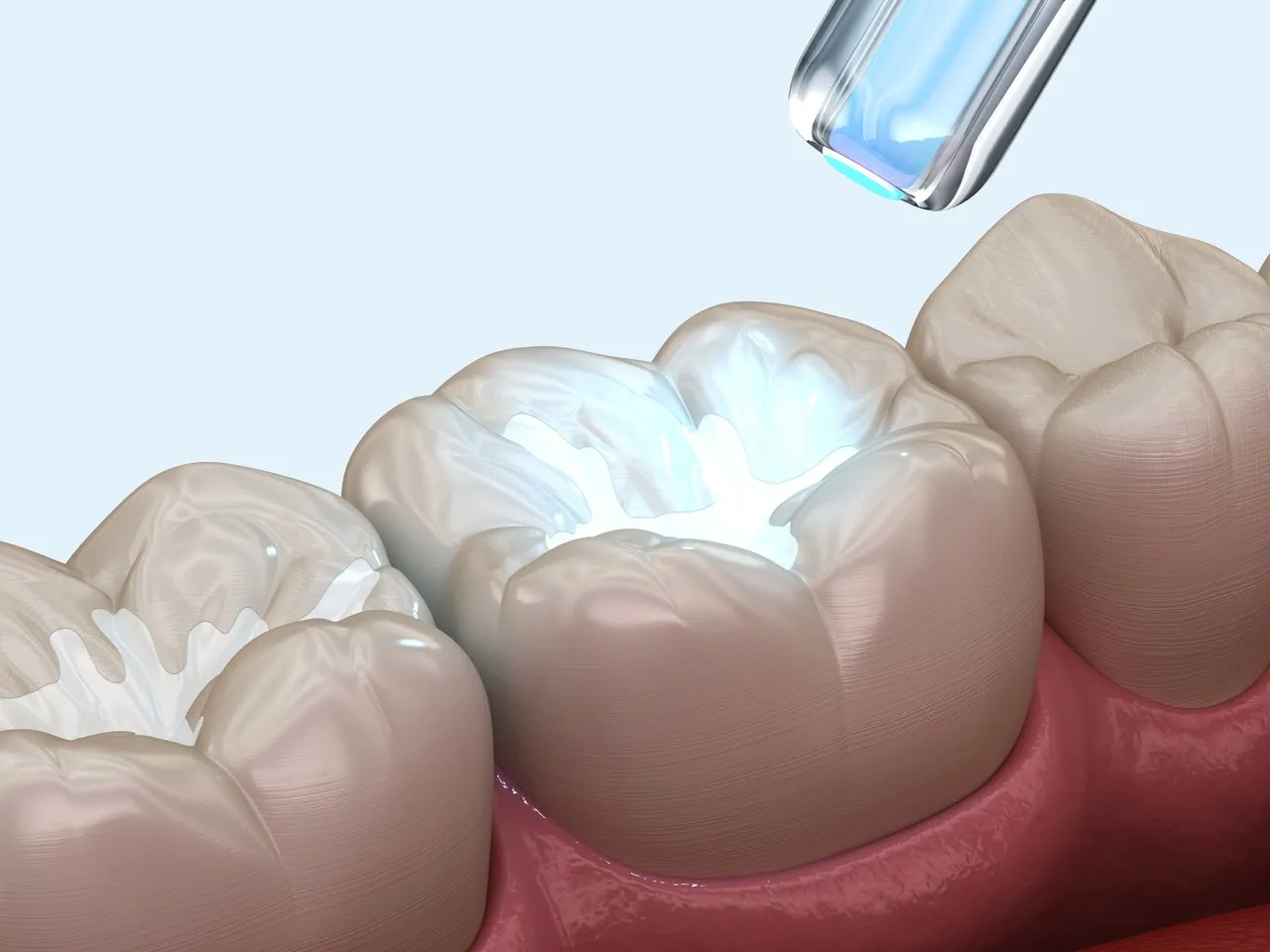
A dark spot can look dramatic. However, it may be harmless. Discoloured fissures are often merely pigmented. A fine polish makes them lighter. If the area is soft or caves in, tooth decay is likely. The fissure should then be sealed or minimally filled. This allows us to prevent a deeper cavity.

Children and adolescents
In children, the enamel is still young. It reacts sensitively to acids. Whitish spots develop quickly. Regular fluoride is particularly important here. Sugary drinks between meals should be avoided. A fissure sealant protects deep grooves in the long term.

When should you come immediately?
If pain persists, please come and see us promptly. This also applies to night-time discomfort. Or if the tooth is sensitive to biting. Bleeding or swelling are also warning signs. Broken edges should be treated promptly. This allows us to prevent the problem from spreading.

Wunschlachen in Berlin: your partner when you are uncertain
Are you unsure whether it is tooth decay or discolouration? We assess this precisely. You receive a clear diagnosis with imaging. We explain every step at your leisure. Together, we choose the appropriate, gentle solution. On request, we offer flexible payment in instalments. This keeps high-quality treatment affordable.
FAQs – Frequently asked questions
Tooth decay can look dull and rough, while discolouration can appear smooth and be polishable. These features are possible clues only; a reliable diagnosis requires a dental examination.
No. The early stages are usually painless. However, sensitivity is possible.
Usually not. Professional cleaning reliably removes the pigments.
No. Whitening only lightens pigments. Tooth decay requires treatment.
Both frequently occur in fissures. A diagnosis clarifies the findings.
It hardens the enamel. It reduces the risk of new defects.
Yes, if the surface is hard. Polishing may then be sufficient.
Every six months is ideal. More frequently if you are at risk.
Cleaning is a private service. Statutory health insurance funds cover standard care, including standard fillings. Separately agreed extras may incur additional costs. We prepare a cost plan for you and support you in communicating with your health insurance fund.
Take white spots seriously. Treat them early and maintain consistent oral care.