Onlay – High-quality, long-lasting dental restoration in Berlin
At our Wunschlachen dental practice in Berlin, we offer modern and durable dental restorations. They are both functional and meet the highest aesthetic standards.
A dental onlay is a particularly stable solution that also preserves tooth substance. It is used,...
Über 350 Google-Bewertungen
The short answer
An onlay is a partial crown custom-made in a laboratory for the back teeth, covering not only the chewing surface but also one or more cusps. It falls between a filling and a full crown and is suitable for medium-sized defects because it preserves healthy tooth substance and stabilises the tooth. Treatment usually takes place over two appointments; materials such as ceramic or gold also influence its appearance and durability.
- Treatment duration
- Usually two appointments, with laboratory time in between for the custom-made restoration; a temporary restoration protects the tooth.
- Costs
- These depend on the material, laboratory work and clinical findings; the treatment and cost plan provided before treatment begins is the reliable basis for pricing.
- Statutory health insurance cover
- Onlays are generally among the higher-quality restorations. If classified as an indirect filling, the statutory filling benefit can apply, with any additional charges agreed. If classified as an eligible partial crown, the statutory health insurance fund may provide a diagnosis-based fixed subsidy. Additional costs may apply. Your dentist will confirm the classification before treatment.
This does not replace individual dental advice; binding cost information is provided before treatment begins.

What is a dental onlay?
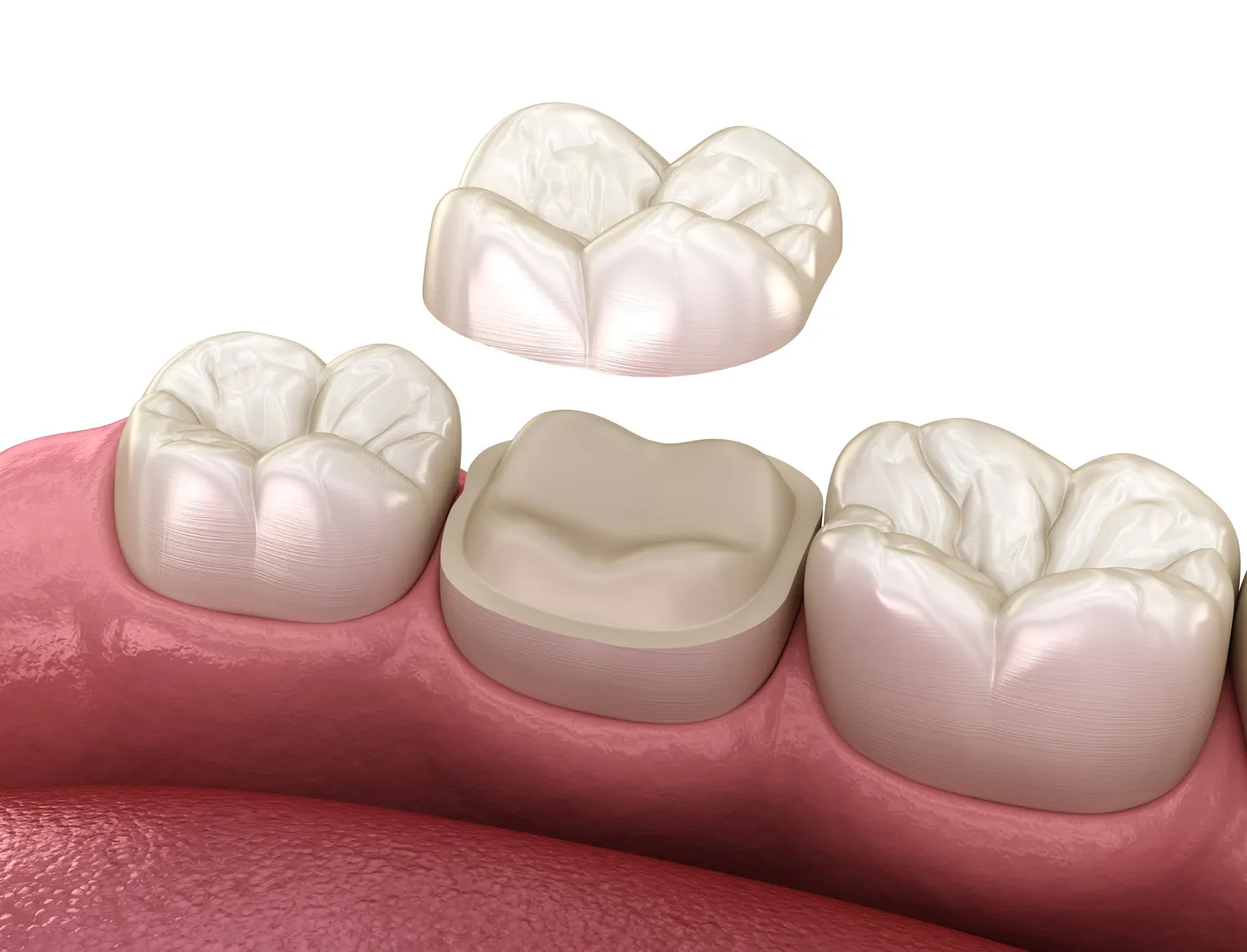
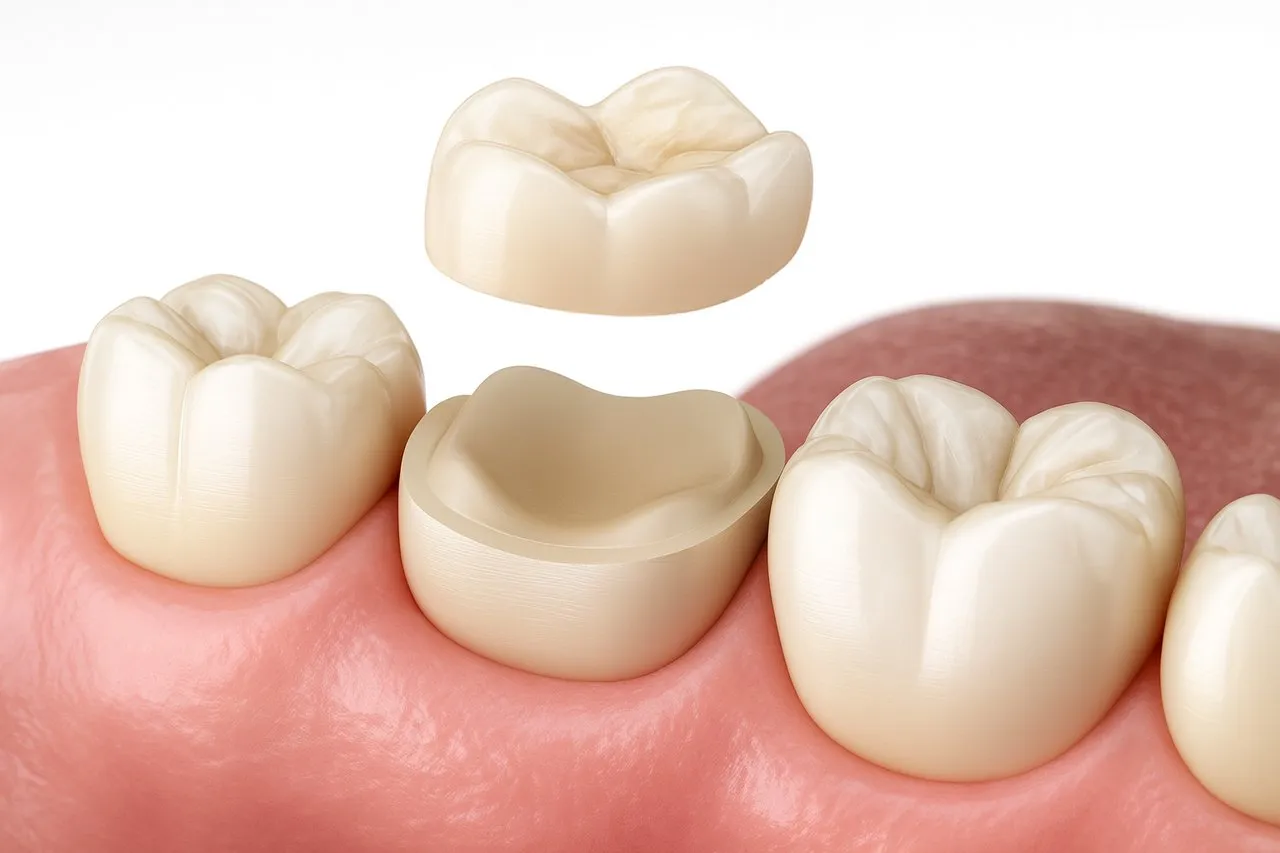
The special feature of an onlay is its custom-made fit. The onlay is produced in a dental laboratory using an impression or a digital scan of the prepared tooth. This is a clear advance over conventional fillings, which are shaped directly on the tooth.
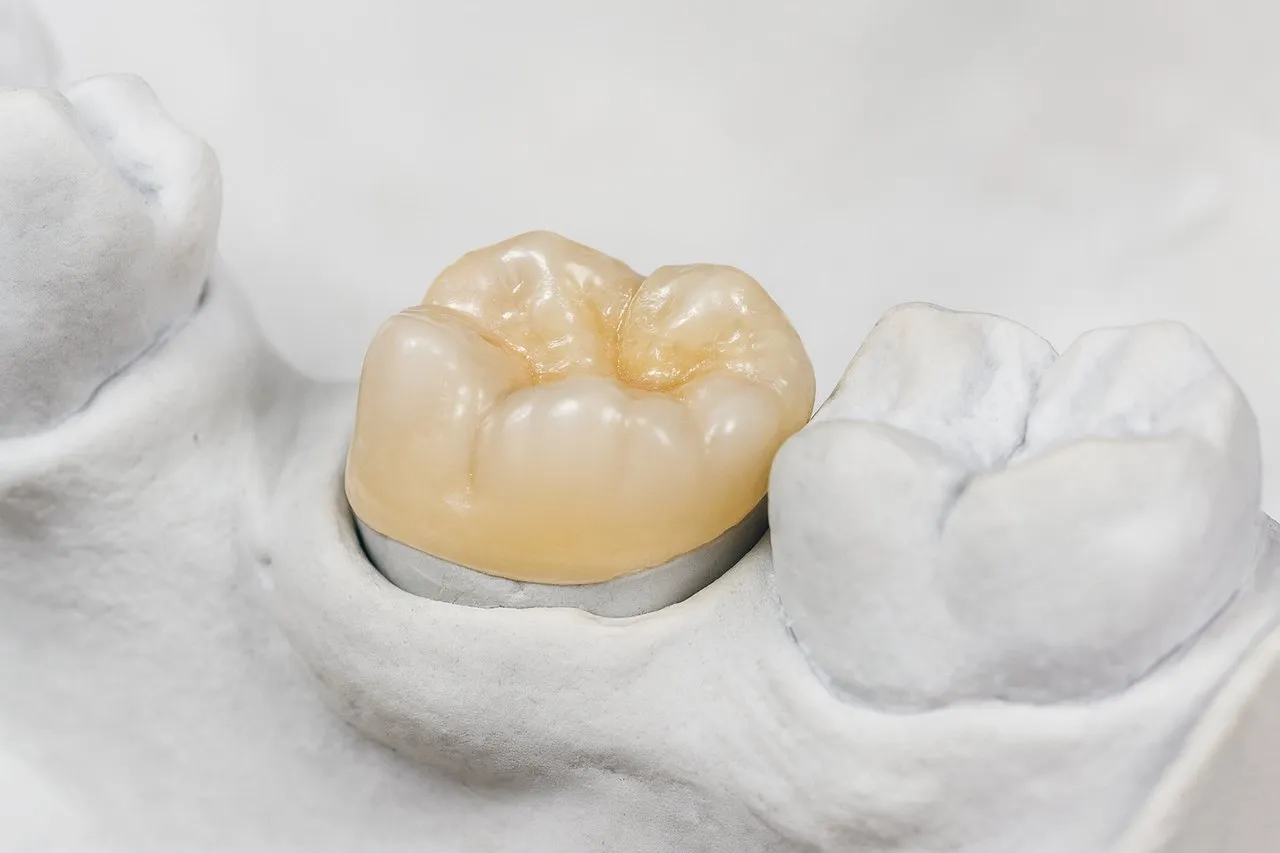
This approach allows for a high degree of precision and a fit tailored to the individual tooth shape. Onlays are often made of ceramic or gold. Ceramic offers tooth-coloured aesthetics, while gold is characterised by exceptional durability and stability.
When is a dental onlay useful?
An onlay is used for medium-sized tooth defects: too large for a simple filling, but not so severely damaged that a crown is required. This is often the case with extensive tooth decay, defective old fillings or fractures in the back teeth. Here, an onlay offers an ideal balance between preserving natural tooth substance and providing a stable, resilient restoration.
How onlay treatment works at our practice
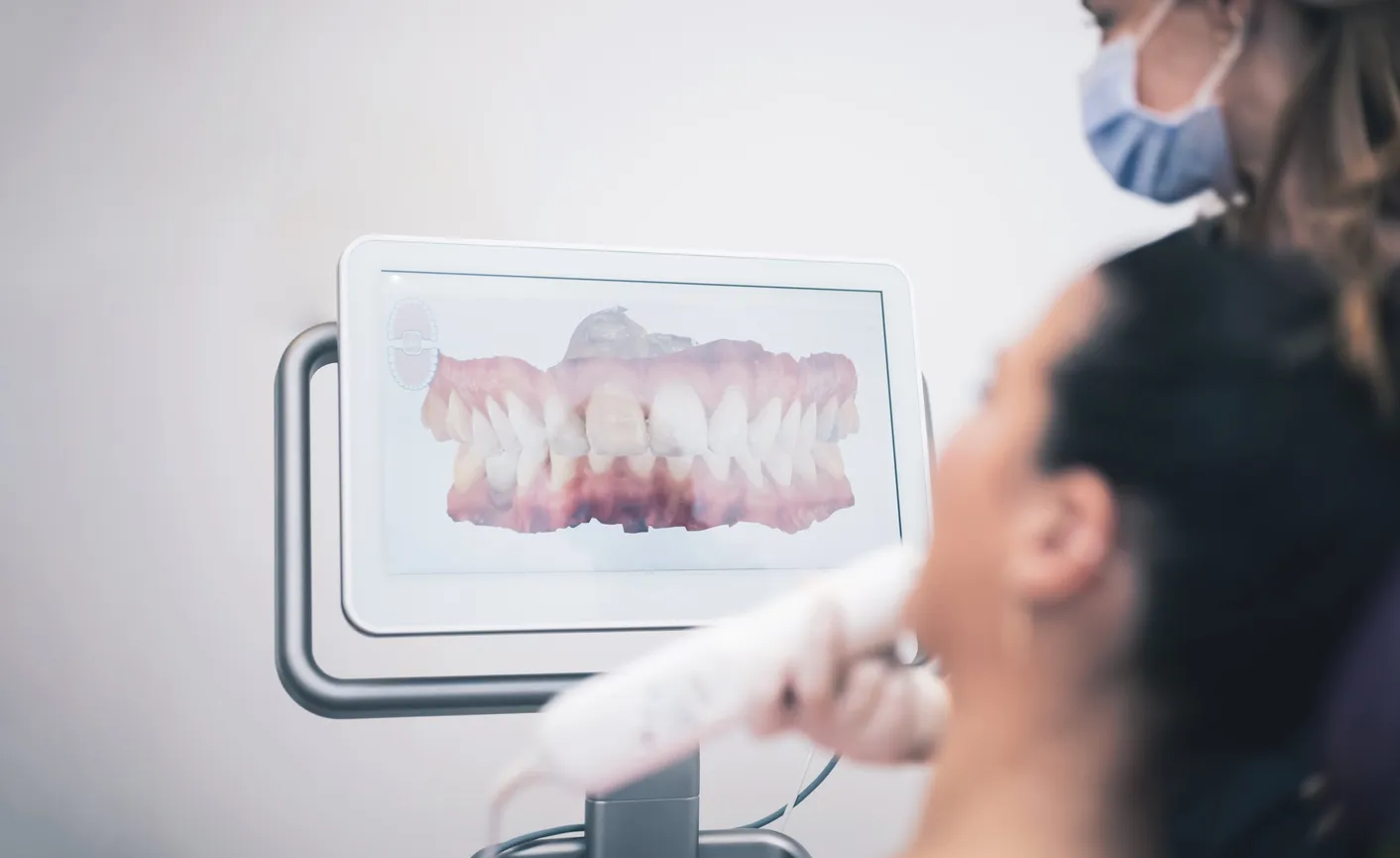
Treatment with an onlay usually takes place over two appointments. At the first appointment, the tooth is thoroughly examined, cleaned and cleared of decay. It is then prepared to receive the onlay.
An impression or a digital scan forms the basis for precise fabrication in the dental laboratory. A temporary restoration is placed to protect the tooth in the meantime.
Once the dental onlay has been completed, the second appointment takes place. The onlay is fitted, checked for accurate fit and colour, and then permanently bonded into the tooth with an adhesive. After placement, the tooth can immediately withstand normal biting forces and be used fully again. However, do not eat until the local anaesthetic has worn off, as you could injure your lip, tongue or cheek. Follow your dentist's instructions.
How long does an onlay last?
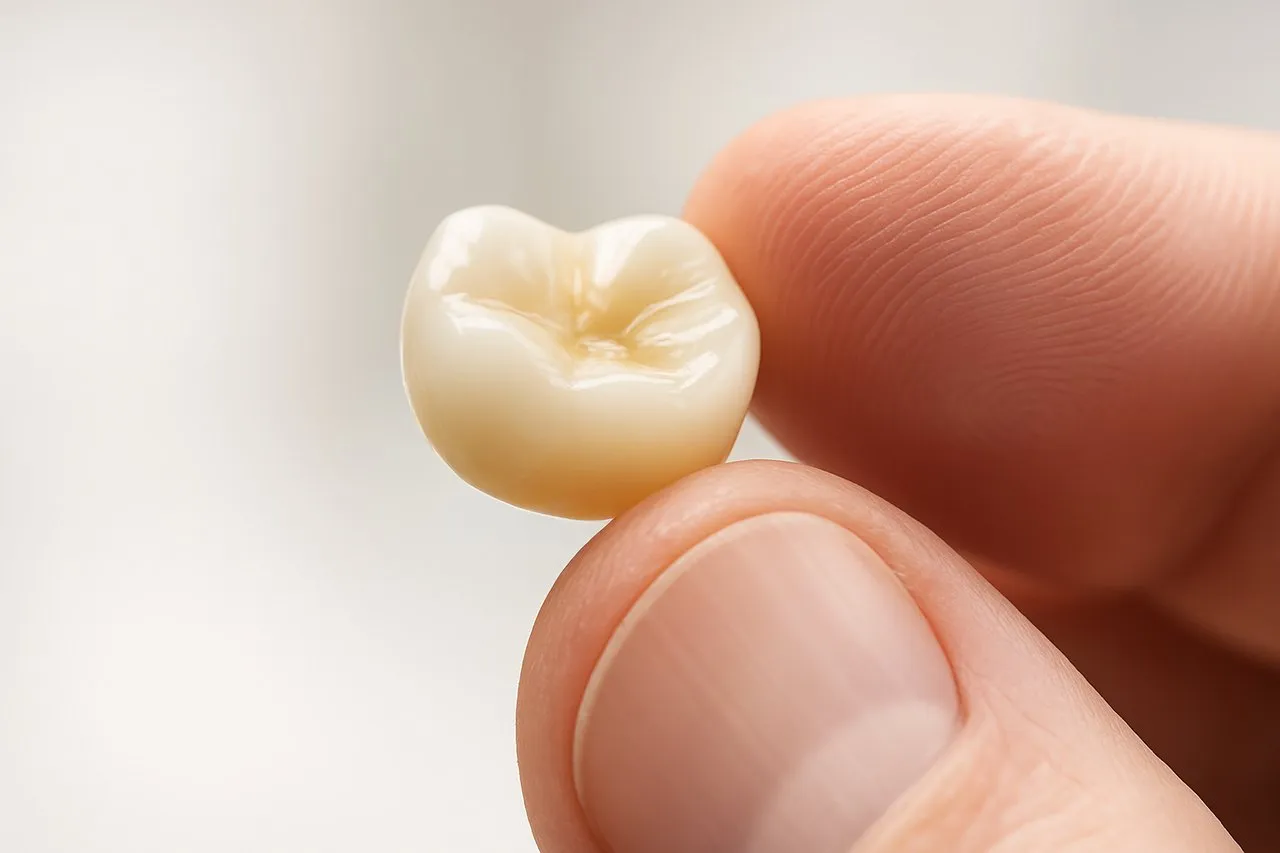
High-quality onlays are characterised by their exceptional durability. With careful oral hygiene and regular check-ups, onlays can remain in place for many years, often even decades. Their care is no different from normal dental care:
• thorough tooth brushing at least twice a day
• the use of dental floss or interdental brushes
• regular professional dental cleanings at our practice
Advantages of an onlay
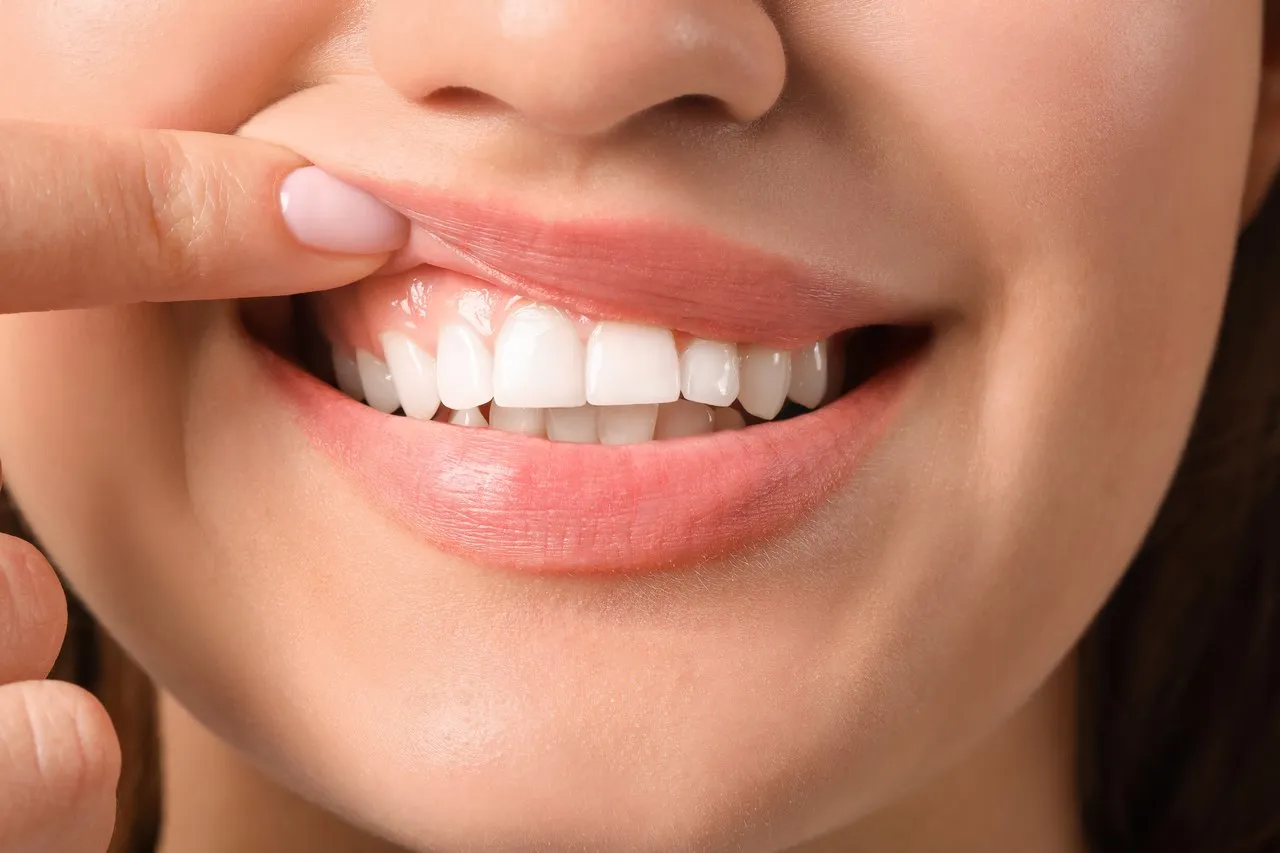
The onlay offers a wide range of benefits. It is strong, durable and fits the tooth's anatomy perfectly. Ceramic onlays are barely distinguishable in colour from the natural tooth and do not become discoloured.
Gold onlays offer particularly high load-bearing capacity and are therefore especially suitable for the posterior region, which is subject to heavy strain. Compared with a full crown, an onlay requires less healthy tooth substance to be ground away, which helps preserve the tooth in the long term.
Dental onlays – aesthetic perfection with ceramic
A ceramic onlay is a highly aesthetic solution because it blends harmoniously with the natural tooth colour. Ceramic reflects light in a similar way to natural tooth enamel, producing an inconspicuous and natural result. Ceramic onlays are therefore particularly attractive for patients who place great importance on a flawless smile.
Durability and cost-effectiveness of onlays
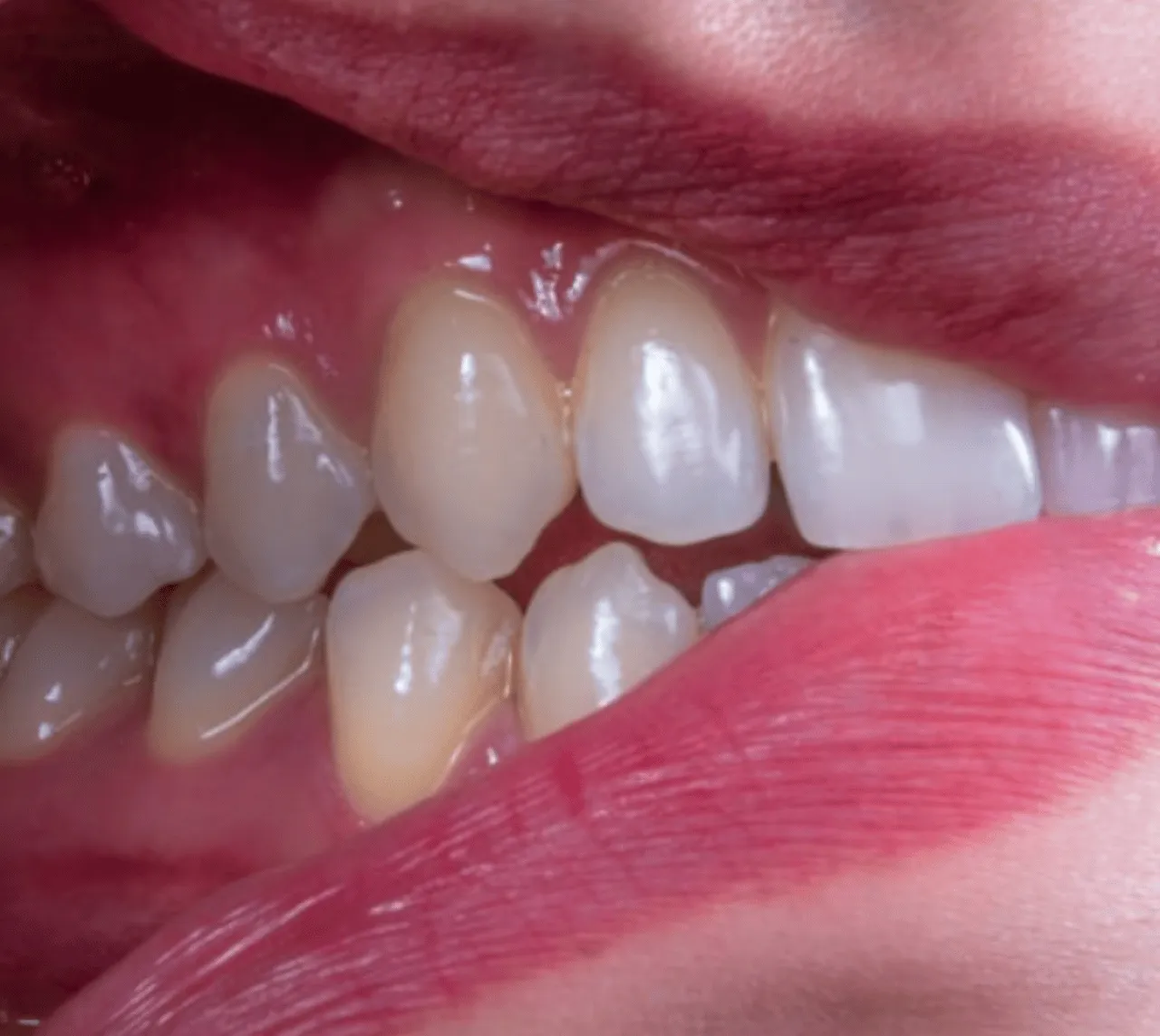
Although a high-quality onlay is more expensive than a simple filling, it offers impressive durability and stability. It therefore needs replacing less often, which also makes financial sense in the long term. In addition, the onlay protects the tooth from further damage and helps prevent complex follow-up treatment.

Individual advice at the Wunschlachen dental practice
Every tooth and every patient is unique. That is why we take the time for a detailed consultation at our Wunschlachen dental practice. Together, we will find the best possible solution.
We will explain whether an onlay is the best option in your case, which materials are available and what the treatment process will involve. Our aim is to provide you with a durable, functional and aesthetic restoration with which you will be satisfied for many years.
FAQ – Frequently asked questions about onlays
An onlay is a laboratory-made dental filling that covers not only the chewing surface but also one or more cusps.
They are used when a tooth defect is too large for a filling but too small for a crown.
An inlay covers only the inner area of the chewing surface, while an onlay also covers the cusps of the tooth.
Onlays are usually made of ceramic or gold, and less often of special plastics.
With good care, an onlay can remain stable in the tooth for many years, often over a decade.
Treatment is carried out under local anaesthetic and is usually pain-free.
Statutory health insurance generally covers only standard fillings; onlays are often a private service.
Normal dental care with a toothbrush and dental floss, together with regular professional dental cleanings, is sufficient.
For larger defects, an onlay offers greater stability and durability than a conventional filling.
In some cases it can be repaired, but replacement is often necessary.