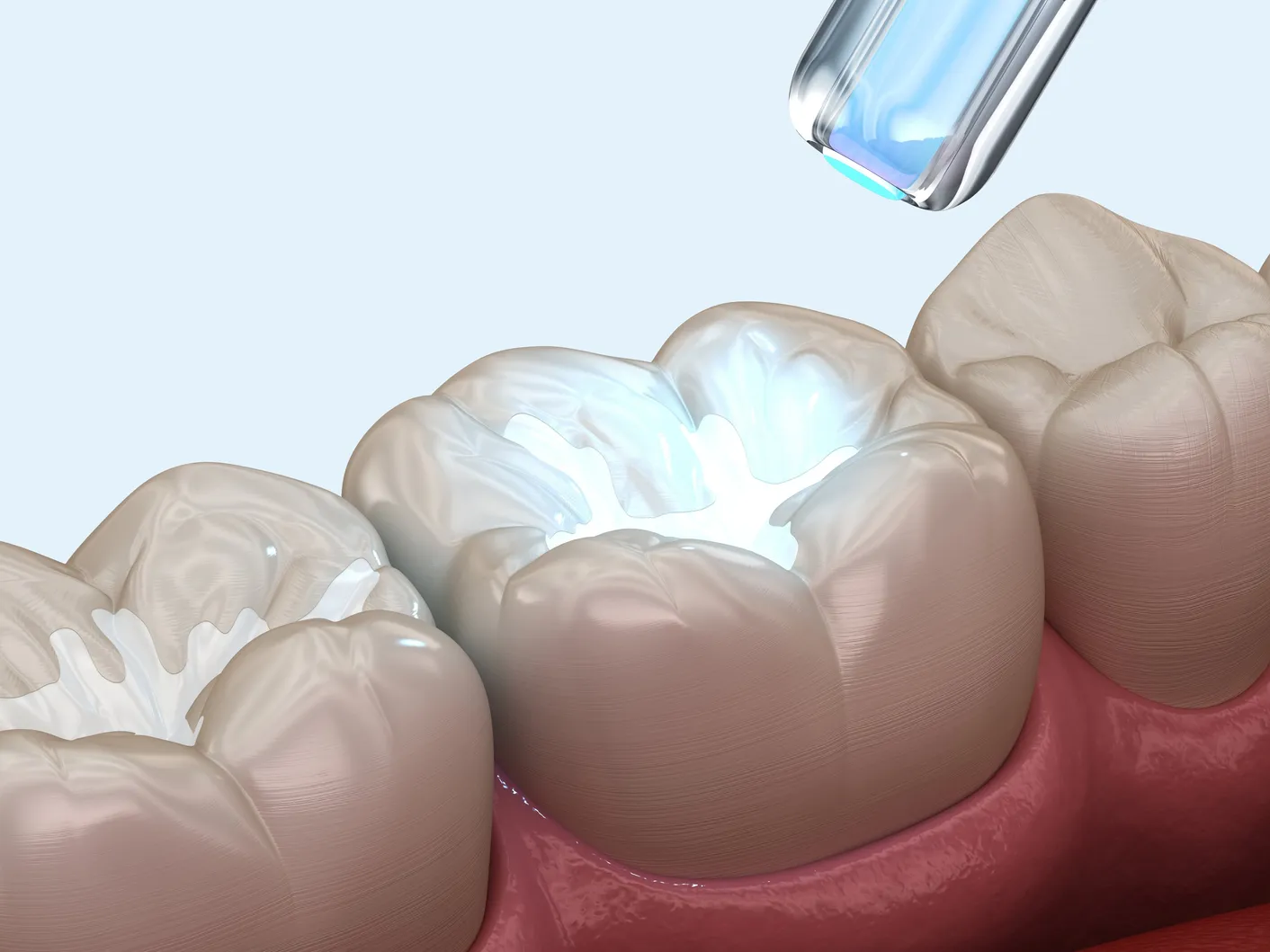
Composite Filling – A Modern Solution for Tooth Defects
Dental restorations and fillings are among the most common dental treatments. One of the most popular and versatile solutions is the composite filling, which offers an aesthetically appealing and durable option. Composite fillings can be used for both incisors and back teeth...
Über 350 Google-Bewertungen
The short answer
A composite filling consists of plastic with glass particles and provides a tooth-coloured repair for defects in both front and back teeth while preserving tooth structure. The material is placed into the tooth in layers and cured with light, then shaped and polished. On average, a composite filling lasts around 5 to 10 years; good care extends its lifespan.
- Durability
- On average around 5–10 years — depending on chewing load, position in the mouth and care
- Suitable for
- Front and back teeth; particularly popular in visible areas as it mimics the natural tooth colour
- Good to know
- Preserves healthy tooth structure: Less healthy tooth structure needs to be removed than with some other types of filling; placement in layers with light curing
General information, not individual dental advice. A personal examination will determine whether a composite filling is suitable and what costs will be incurred.

What is a composite filling?
A composite filling is a dental filling material that consists mainly of plastics and glass particles. It is used to repair tooth defects such as those caused by tooth decay, wear or accidents. Composite fillings are distinguished by their natural tooth colour, which makes them particularly suitable for visible teeth. They can restore the shape and function of the tooth while providing an aesthetic solution. Dental fillings made from composite material imitate the natural tooth colour and therefore have a natural appearance. This makes them particularly suitable for fillings in visible areas.
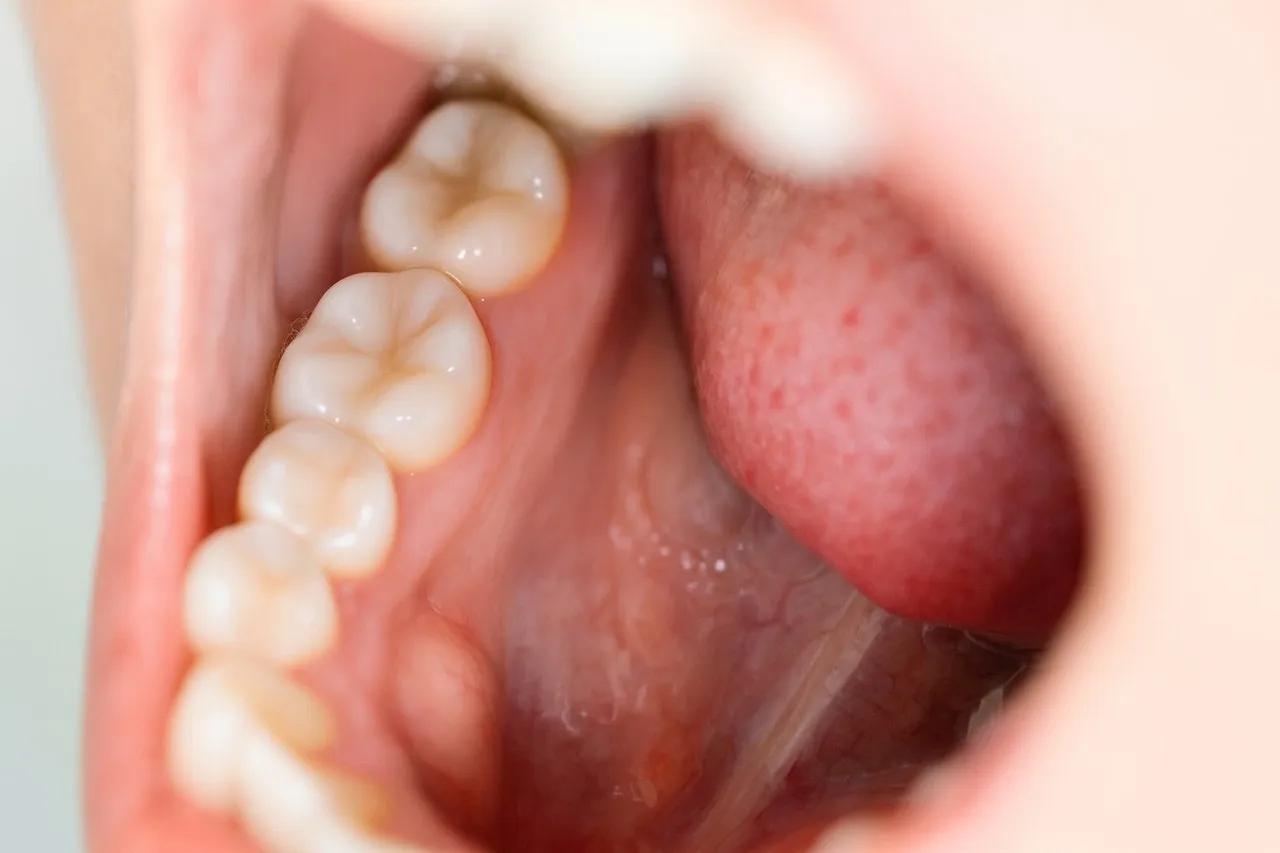
Composite filling in a back tooth
Composite fillings in back teeth offer a stable and functional solution. The requirements for a filling are particularly high in the back teeth. Composite fillings in these areas must withstand high chewing pressure without breaking or coming loose. Modern composite fillings are extremely resistant and offer a long-lasting solution comparable to the natural tooth structure. Treating back teeth with composite requires precise preparation of the tooth so that the material adheres optimally. A special layering technique is often used for deep tooth defects to ensure the durability of the filling.
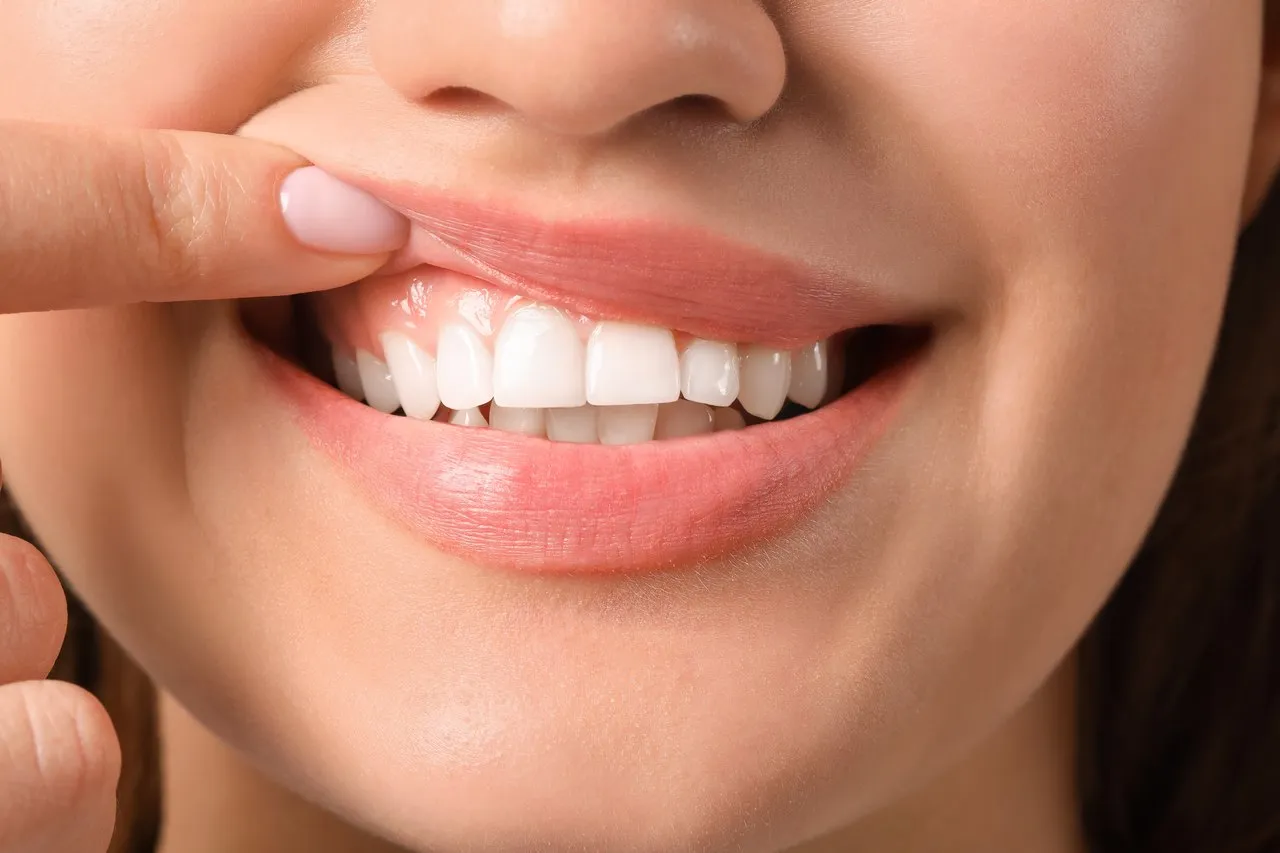
Composite filling in an incisor
Composite fillings for incisors are particularly popular because they allow damage to be repaired almost invisibly. The dentist can perfectly replicate the natural tooth colour. As a result, the filling is barely noticeable, even on close inspection. Treatment with a composite filling in an incisor is relatively quick and straightforward. After the damaged tooth substance has been removed, the material is applied in several layers and cured under UV light. This creates a stable and aesthetically pleasing dental filling.

Composite filling procedure
The filling is inserted in several steps: 1. Diagnosis and planning: The dentist decides whether a filling made from composite material is the best solution. If a filling is required, the dentist will remove the damaged tooth substance. 2. Preparing the tooth: The tooth is thoroughly cleaned and, if necessary, slightly roughened. This ensures better adhesion of the composite. 3. Insertion and curing: The composite material is inserted into the tooth in several layers. Each layer is cured with UV light to ensure a stable and durable filling. 4. Shaping and polishing: After curing, the filling is shaped and polished. Conclusion: The tooth is now functional again and aesthetically pleasing.
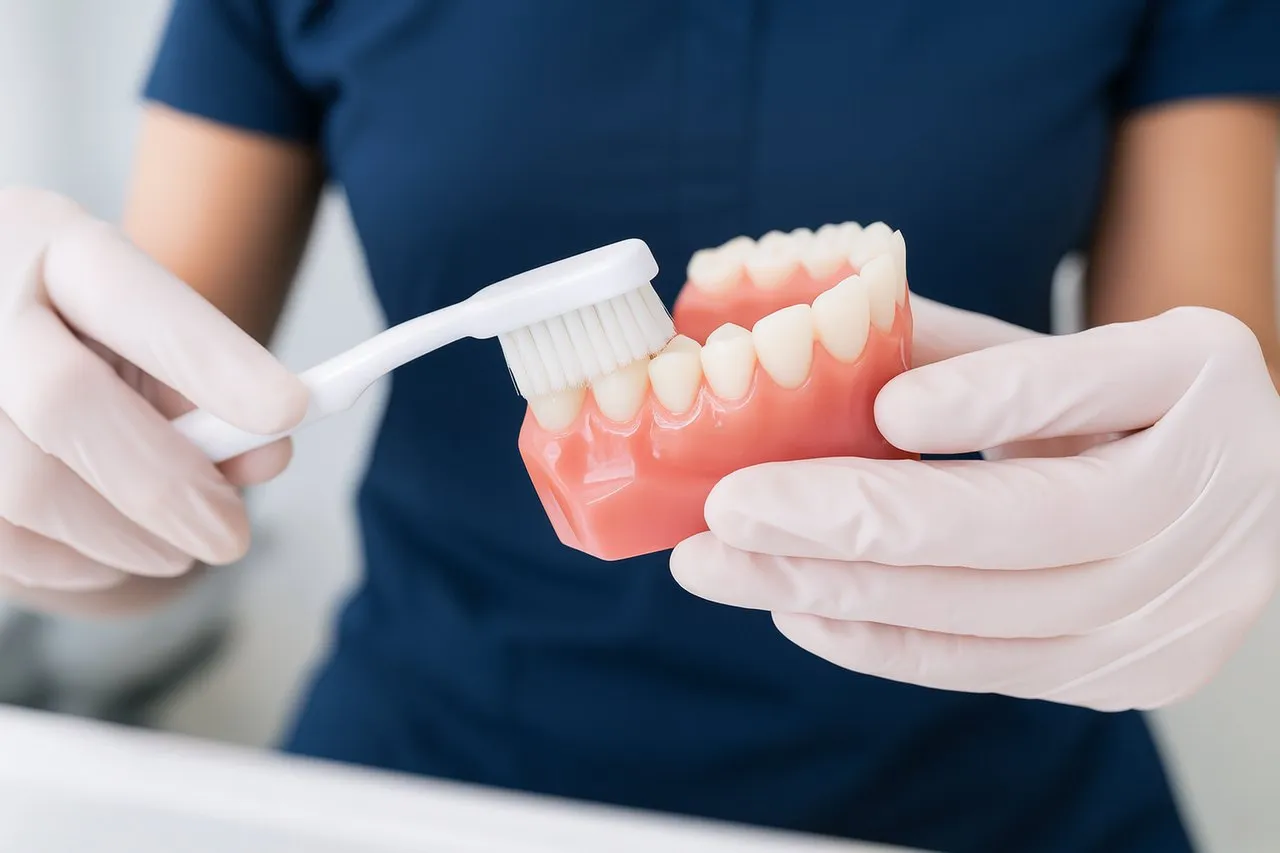
How long does a composite dental filling last?
The durability of composite fillings is generally good. However, it depends on various factors, including the load placed on the tooth and proper care. Fillings made of composite material can last an average of 5 to 10 years, depending on how well they are cared for and where they are placed in the mouth. Fillings in areas subject to high forces, such as the back teeth, can wear out more quickly than those in less stressed areas. Regular dental care can extend the lifespan of the filling.

Benefits of composite fillings
Fillings made from composite material offer numerous benefits: • Aesthetics: They perfectly match the natural tooth colour and are particularly inconspicuous, especially on incisors. • Biocompatibility: Fillings made from composite material are well tolerated and rarely cause allergic reactions. • Versatility: They can be used for various tooth defects, in both the front teeth and the posterior region. • Tooth-preserving: Compared with other filling materials, less healthy tooth substance is removed when composite is used.

Disadvantages of composite fillings
Despite their many benefits, composite fillings also have some disadvantages: • Costs: Composite fillings are generally more expensive than those made from conventional materials. • Lifespan: Although they are durable, they may have a shorter lifespan than other materials such as gold fillings. • Sensitivity to temperature effects: Composite fillings can be more sensitive to hot and cold temperatures, particularly in the first few weeks after treatment.
Frequently asked questions (FAQ)
A composite filling is a dental filling material made from plastics and glass particles that is used for tooth defects.
A composite filling lasts an average of 5 to 10 years. However, this depends on oral care and the dental material used.
Yes, composite fillings are highly suitable for incisors because they imitate the natural tooth colour.
Yes, composite fillings are also suitable for back teeth. However, due to the greater forces exerted on them, they must be placed in a particularly stable manner.
The procedure involves removing damaged tooth substance, inserting the composite and curing it with UV light, followed by shaping and polishing.
Yes, composite fillings can be used to fill small gaps between teeth, with the dentist shaping the material precisely.
No, composite fillings are biocompatible and rarely cause allergic reactions.
After a composite filling has been inserted, you should avoid eating hard or sticky foods for a short time.
Yes, regular tooth brushing and the use of dental floss are important to keep the filling in good condition.