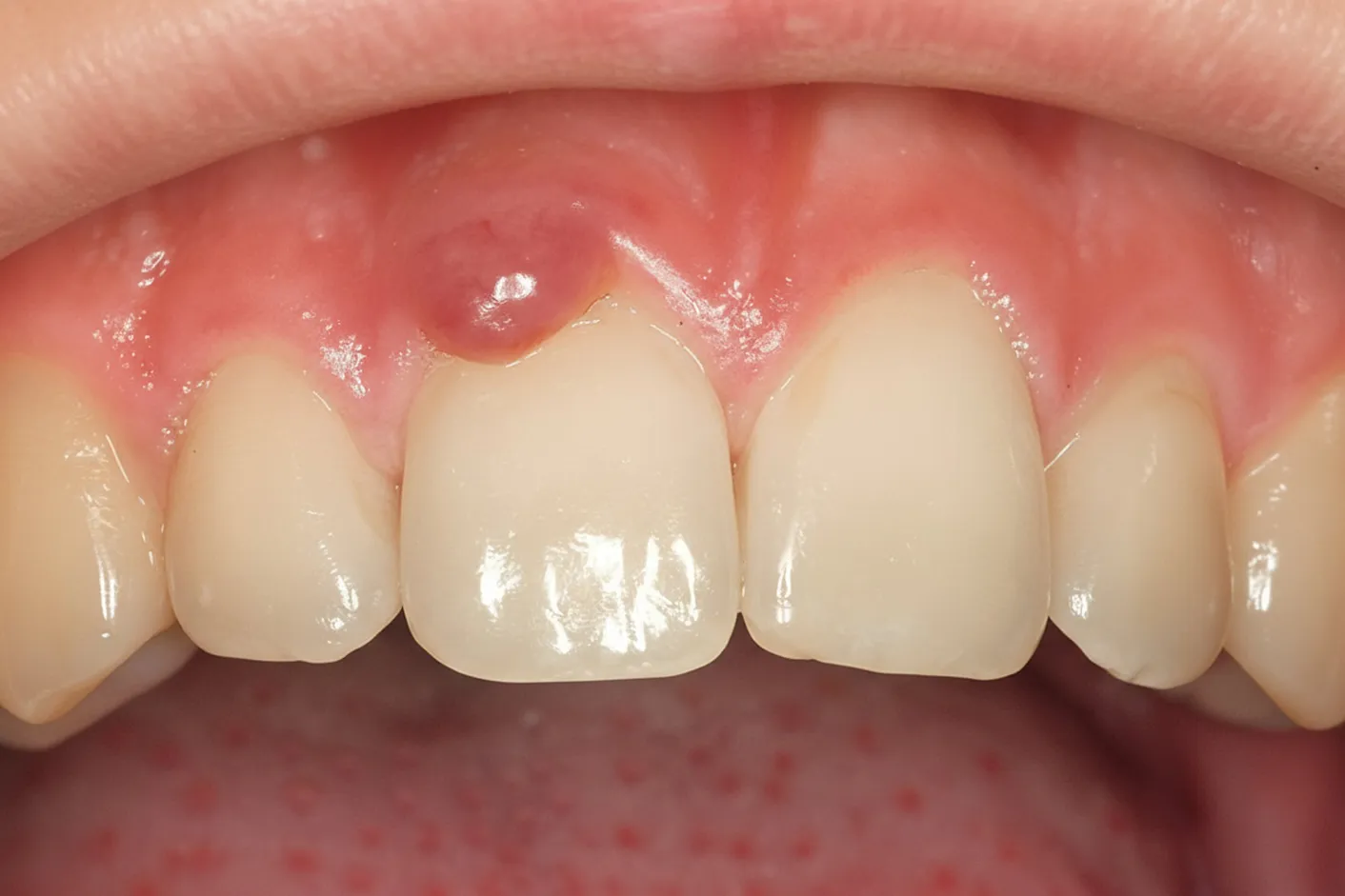
Dental abscess: causes, symptoms and treatment
Über 350 Google-Bewertungen
The short answer
A dental abscess is a pus-filled inflammation caused by bacteria at the root tip or in the gum, usually as a result of deep tooth decay or periodontitis. Severe, throbbing pain and swelling are typical. As the inflammation can spread to the jaw, face and, in extreme cases, the body, an abscess always requires prompt dental treatment – home remedies are no substitute for this. Call 112 immediately if you have difficulty breathing or swallowing; significant difficulty opening your mouth or other signs of a severe spreading infection also require immediate emergency medical care.
- Typical causes
- Deep untreated tooth decay, a dead tooth nerve, periodontitis, deep gum pockets or leaking fillings.
- Warning signs
- Severe throbbing pain, swelling and pus; seek immediate medical assessment if you have a fever or a severely swollen cheek. Call 112 immediately if you have difficulty breathing or swallowing.
- When to see a dentist
- Always promptly – if left untreated, the inflammation can spread to the jaw and face. Airway symptoms, significant difficulty opening the mouth or other signs of a severe spreading infection require immediate emergency medical care.
General information without any promise of a cure – diagnosis and treatment require a dental examination.
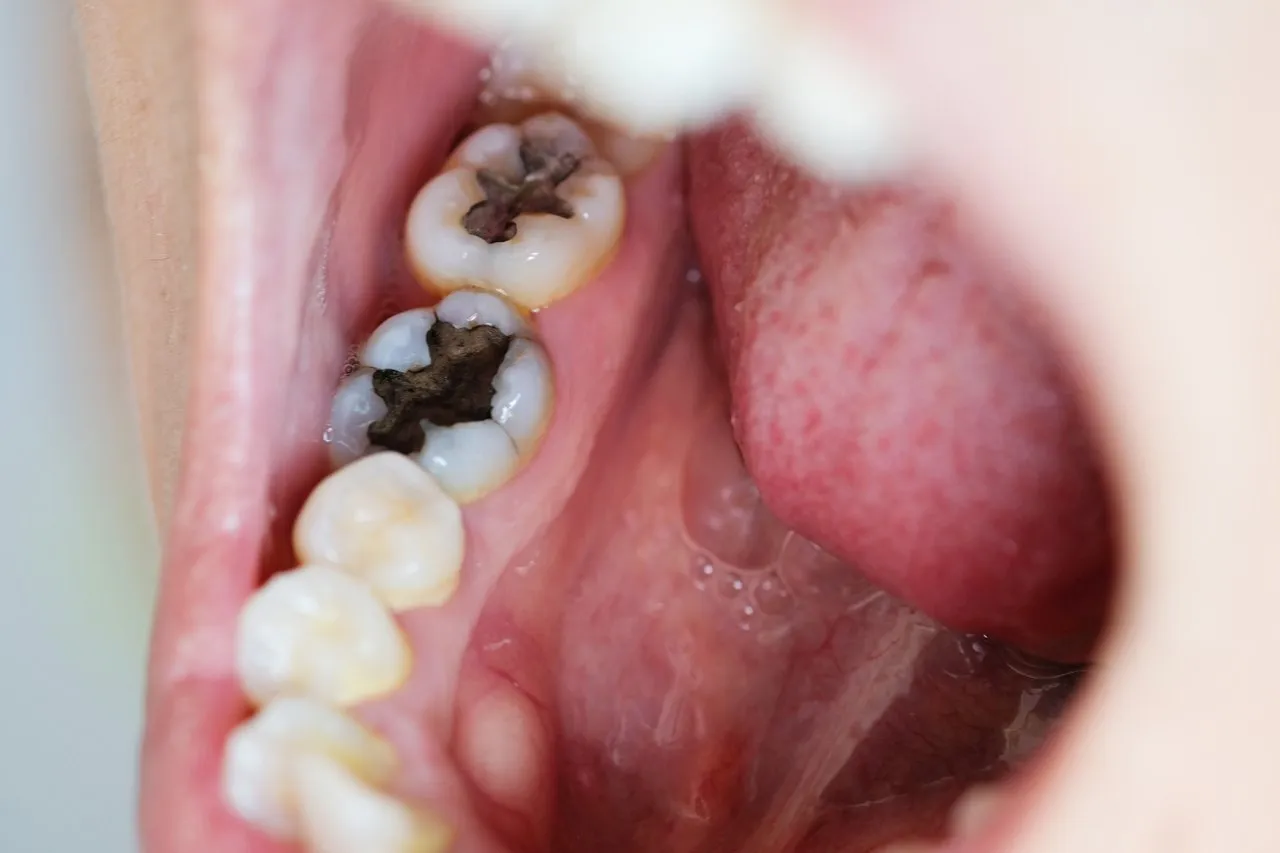
How does a tooth become infected and produce pus?

Risk factors for a collection of pus around a tooth

Symptoms: how can I recognise an abscess on a tooth?

Further warning signs of a pus-filled infection

Is a dental abscess dangerous?
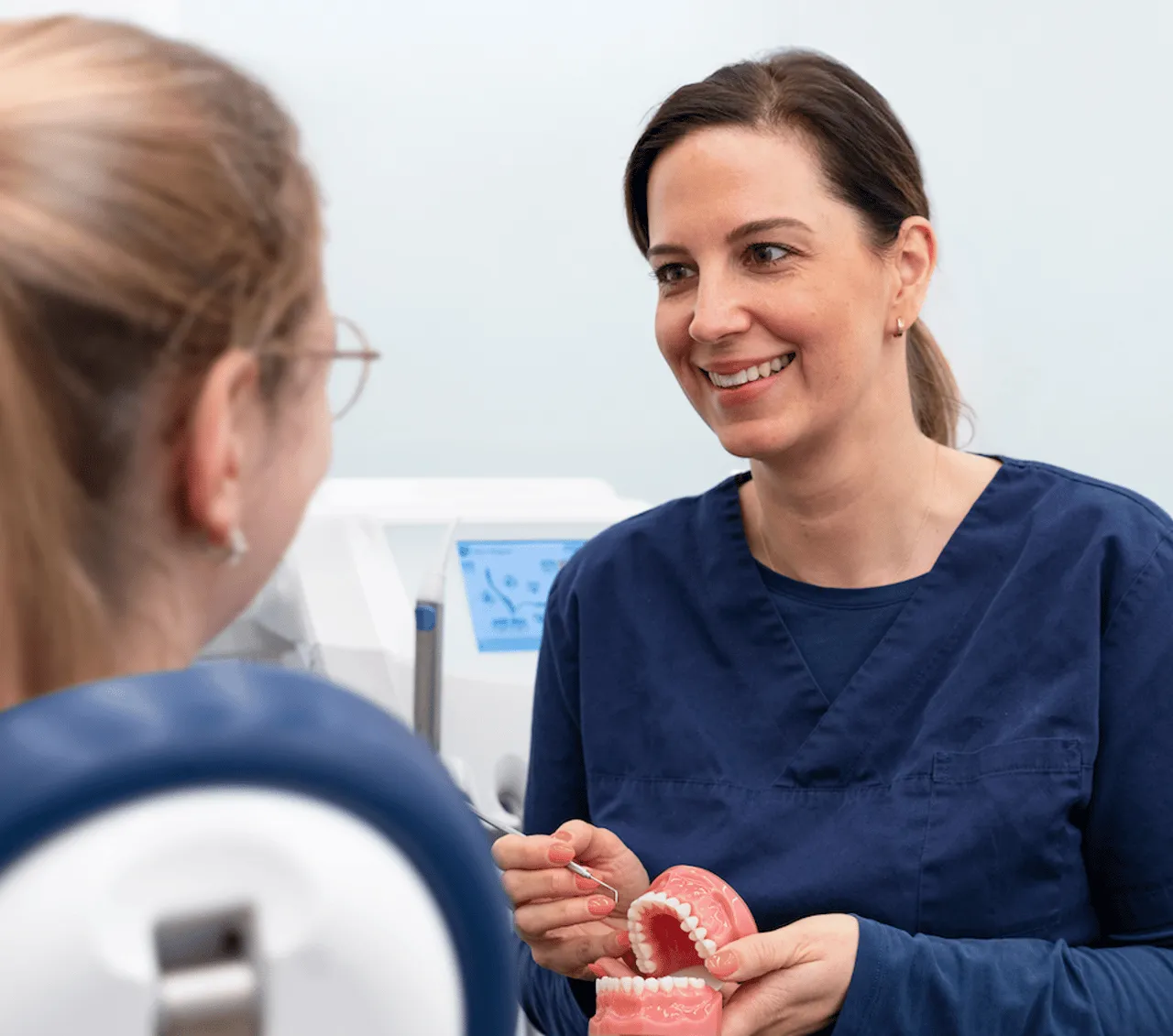
Treatment of a dental abscess at Wunschlachen

Antibiotics and further measures

Home remedies for a pus-filled tooth infection – what is useful?

Dental abscesses in children and during pregnancy
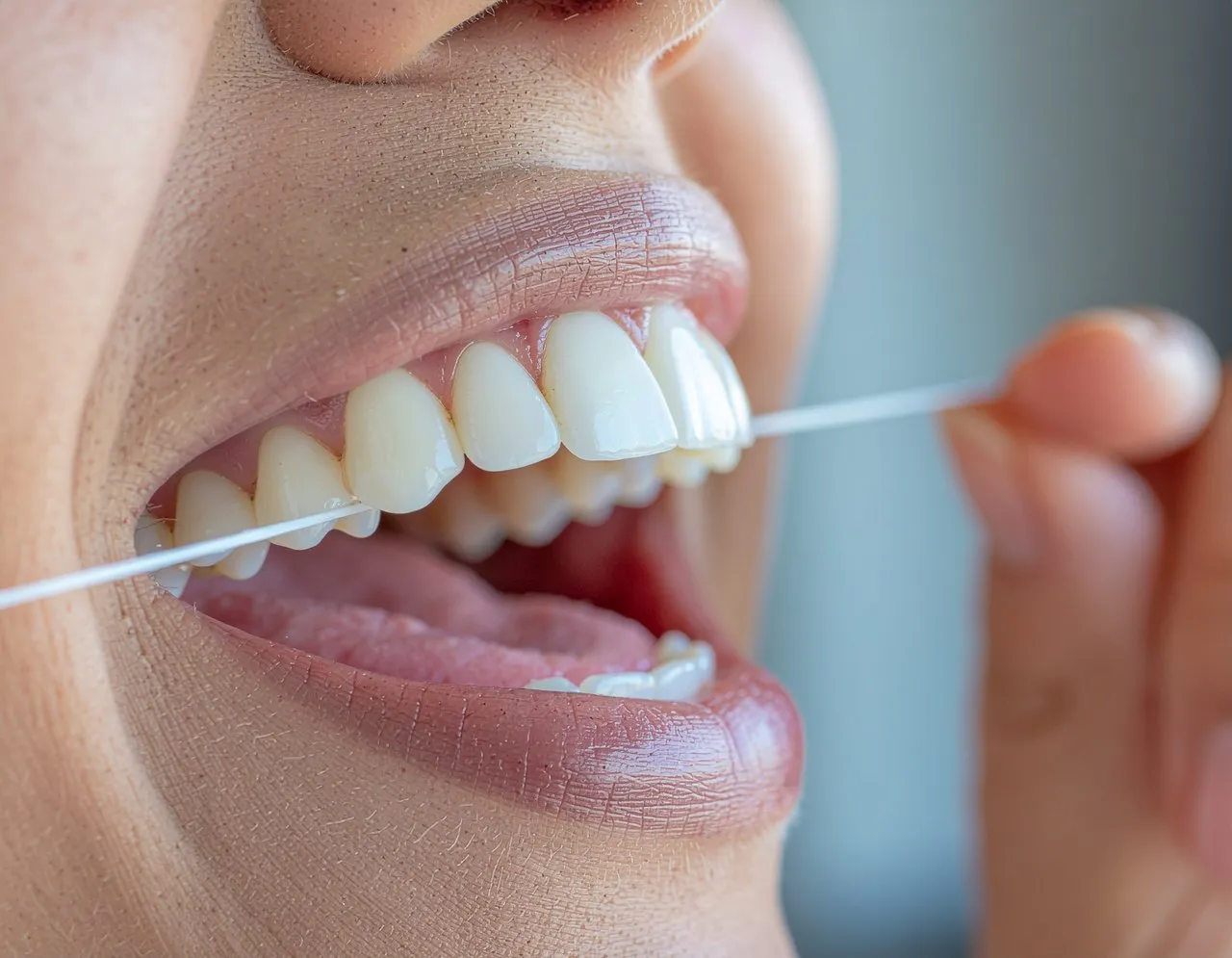
How can I prevent a dental abscess?
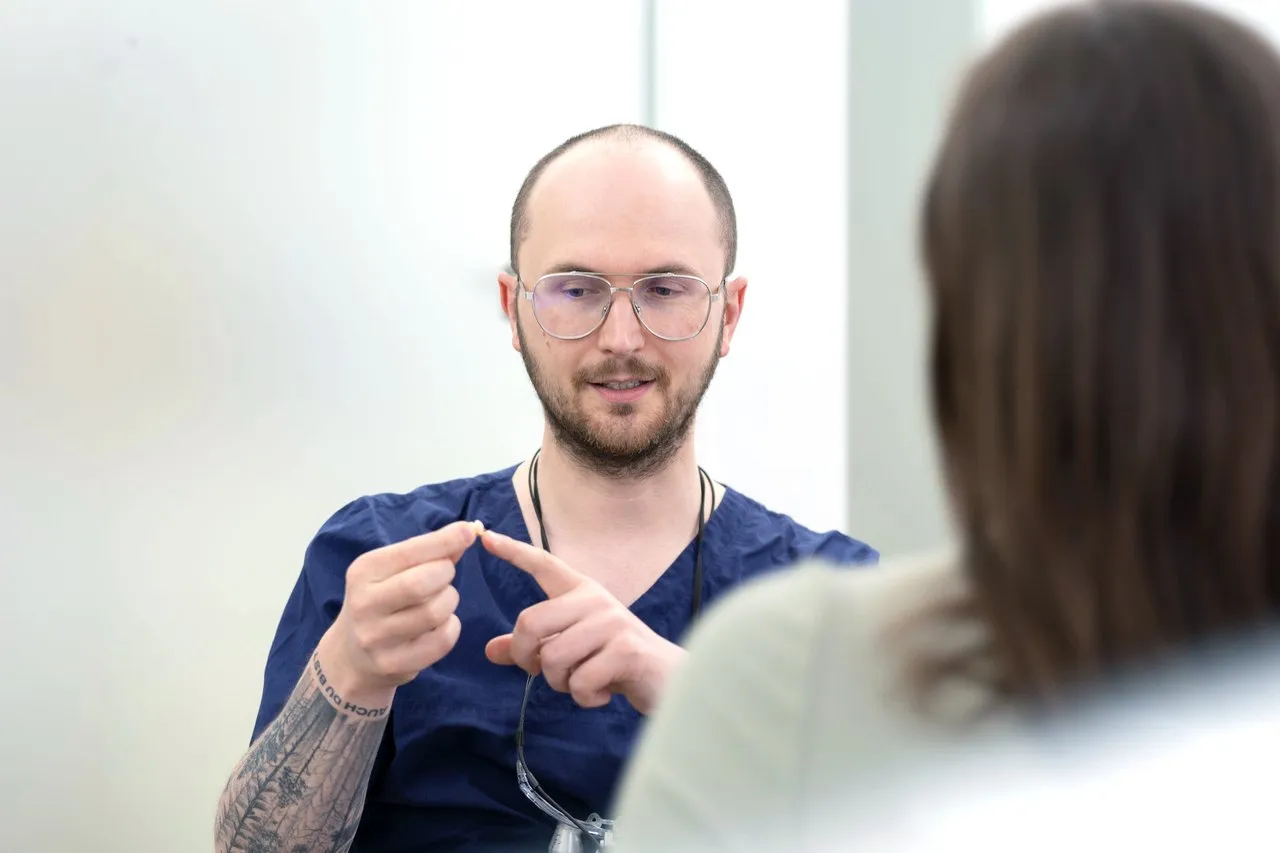
Conclusion: act early if you notice swelling around a tooth
Your dental practice in Berlin – locations
Our dental practices in Berlin are located in Reinickendorf, Schöneberg, Friedrichstraße and Charlottenburg. We offer high-quality treatments and modern technology. Book your dental appointment now. Online or by telephone for a radiant smile.
General dentistry and surgery
Reinickendorf
Dentist & implants
Gotthardstr. 27, 13407 Berlin Tel.: 030 / 495 20 10[email protected]Mon-Thu: 08:00–20:00 Fri: 08:00–14:00
Find out moreSchöneberg
Dentist & implants
Bayerischer Platz 7, 10779 Berlin Tel.: 030 / 854 44 83[email protected]Mon-Thu: 08:00–20:00 Fri: 08:00–14:00
Find out moreFriedrichstraße
Dentist & implants
Friedrichstraße 147, 10117 Berlin Tel.: 030 / 959 990 644[email protected]Mon-Thu: 09:00–18:00 Fri: 09:00–14:00
Find out moreCharlottenburg
Dentist & implants
Savignyplatz 5, 10623 Berlin Tel.: 030 / 233 290 390[email protected]Mon-Thu: 09:00–18:00 Fri: 09:00–13:00
Find out moreOrthodontics and paediatric dentistry
Reinickendorf
Orthodontics & paediatric dentistry
Gotthardstr. 27, 13407 Berlin Tel.: 030 / 495 20 10Mon-Thu: 08:00–20:00 Fri: 08:00–14:00
Find out moreSchöneberg
Orthodontics & paediatric dentistry
Bayerischer Platz 7, 10779 Berlin Tel.: 030 / 854 44 83Mon-Thu: 08:00–20:00 Fri: 08:00–14:00
Find out more