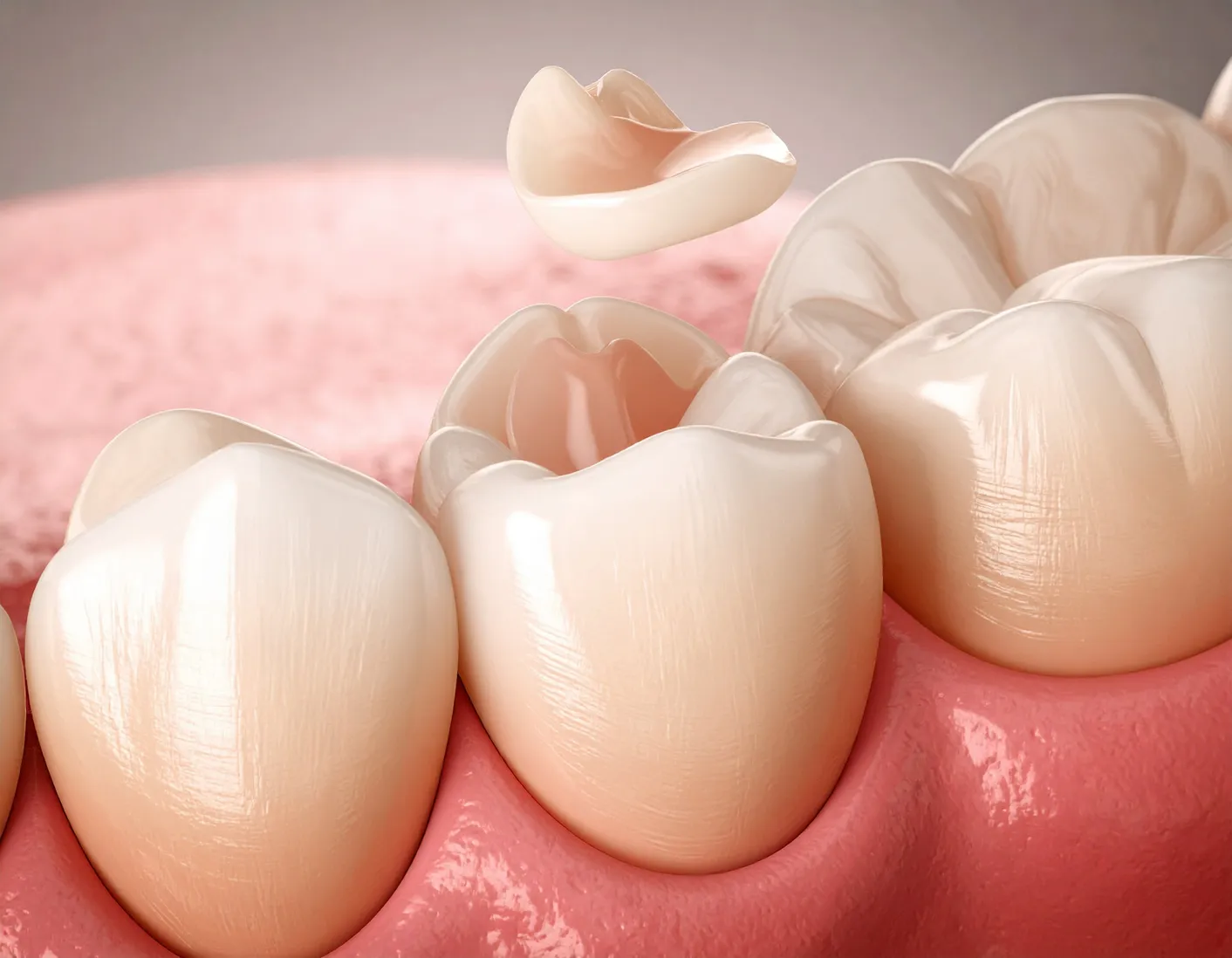
Dental cement fillings: everything you need to know
Dental fillings are an essential part of dental care, restoring damaged teeth and their function. One of the most common materials used for dental fillings is cement. Below, we explain what cement fillings are, the types...
Über 350 Google-Bewertungen
The short answer
Cement is particularly suitable as a dental filling for small cavities, baby teeth and temporary restorations: it adheres well and is inexpensive, while fluoride-releasing varieties such as glass ionomer cement can help protect against tooth decay. However, cement is less durable than other filling materials, especially under heavy loads, and is less suitable for aesthetic fillings in front teeth. Common types include glass ionomer cement and resin-modified glass ionomer cement for direct restorations; zinc phosphate cement is used as a luting or base cement.
- Typical use
- Small cavities, baby teeth and temporary fillings
- Advantages
- Good adhesion, inexpensive; fluoride-releasing cements such as glass ionomer cement can help protect against tooth decay; quick to apply to baby teeth
- Limitations
- Shorter lifespan than other materials, sometimes sensitive to moisture, not always tooth-coloured – replacement may be needed after a few years
- Types
- Glass ionomer cement and resin-modified glass ionomer cement for direct restorations; zinc phosphate cement for luting or use as a base
This is general information and not a promise of cure. Your dentist will advise which filling material is suitable in your individual case.

Can dental cement be used as a filling?
Cement-based filling materials consist of a special mixture that is placed in the cavity of the affected tooth to fill it. This material has the advantage of adapting well to the tooth structure and providing good adhesion to the tooth substance. It is used particularly for smaller fillings or as a temporary solution, but can also be used for long-term repairs, depending on the type of dental material used.

Types of cement fillings
There are various types of filling materials used in dentistry. The most common include: 1. Glass ionomer cement (GIC) This filling material is often used for fillings in primary teeth or in dental emergencies. It has the advantage of releasing fluoride, which helps to prevent tooth decay. It also bonds well to the tooth and is well tolerated. 2. Zinc phosphate cement This material is very stable and is often used as a luting or base cement rather than for permanent fillings. However, zinc phosphate cement has the disadvantage of being less aesthetically pleasing and tending to slightly irritate the gums. 3. Resin-modified glass ionomer cement This type of filling material combines the advantages of glass ionomer cement with the properties of resin. It is stronger and more durable and is particularly suitable for filling back teeth, as it is more resistant to mechanical stress. 4. Composite cement This resin cement is often used in areas where aesthetics are particularly important, as it is tooth-coloured and offers good durability. It is mainly used for aesthetic repairs and for securing crowns or bridges, and is distinct from composite used for direct fillings.

Advantages of cement fillings
Cement offers numerous advantages in dentistry: • Good adhesion: Cement adheres well to the tooth structure, creating a strong bond. • Caries prevention: Some filling materials, such as glass ionomer cement, release fluoride, which protects the teeth against further tooth decay. • Cost-effective: Compared with other materials such as composite, cement is relatively inexpensive and provides a quick solution. • Easy to use: Dental restoration materials made from cement can be applied relatively quickly and easily, making them a practical solution for smaller fillings.

Disadvantages of cement fillings
However, cement also has some disadvantages: • Lower durability: Certain types of cement, particularly glass ionomer cement, are not as durable as other materials and need to be replaced more often. • Appearance: Although tooth-coloured variants are available, many types of cement are not ideal for areas where appearance is important, such as the front teeth. • Sensitivity to moisture: Some filling materials can lose their adhesive strength in a moist environment, making them less suitable for areas that are constantly exposed to moisture.
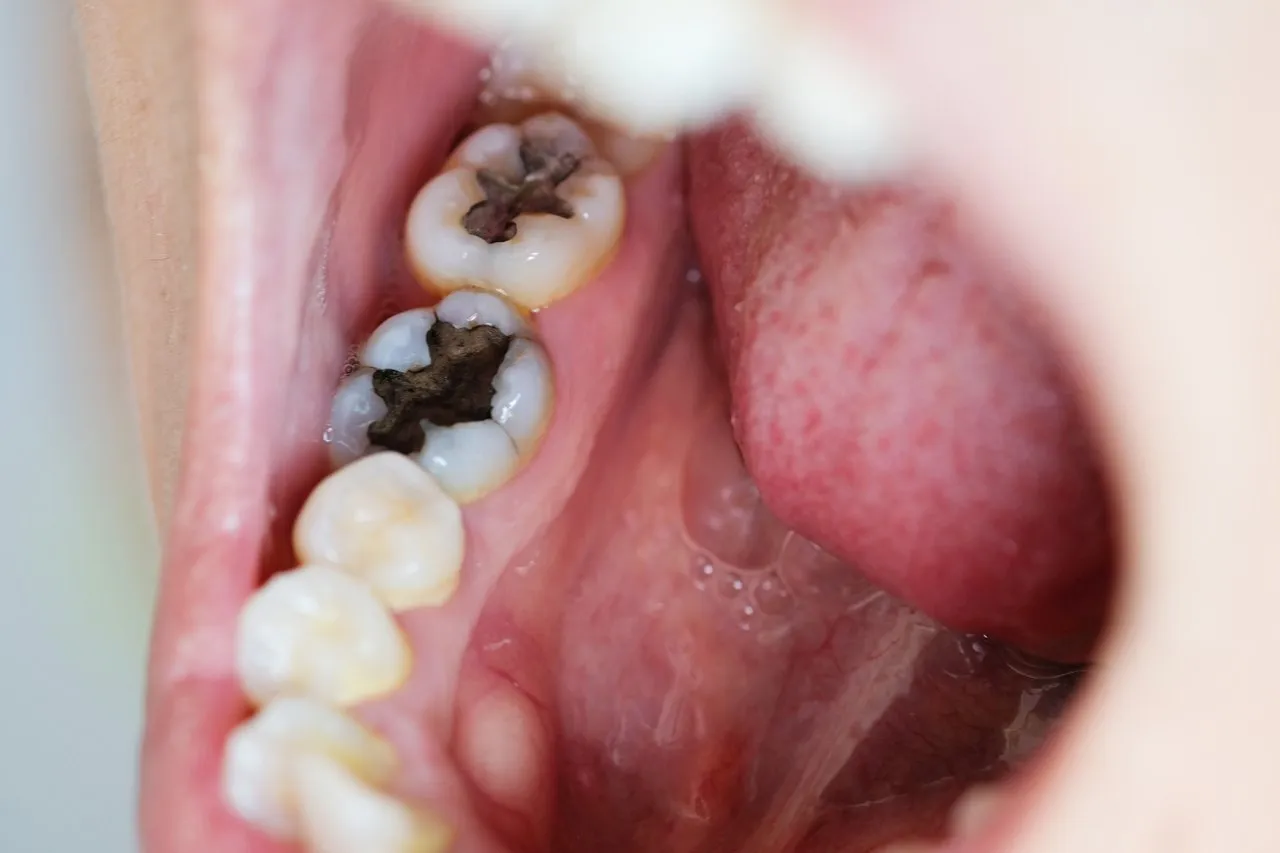
When is cement used as a dental filling?
Cement fillings are particularly suitable for: • Small cavities: cement is an excellent choice for smaller defects in the tooth. • Baby teeth: As cement-based filling materials adhere well and allow quick treatment, cement is frequently used for fillings in baby teeth. • Temporary fillings: Cement is ideal for temporary dental fillings, as it is easy to remove and replace. • Dental fillings in less visible areas: Cement is frequently used for the back teeth or as a temporary solution for the front teeth.

Conclusion
Cement is a versatile material in dentistry that is used for both temporary and permanent fillings. It has many advantages, particularly its quick application and low cost. However, durability can be an issue, especially with certain filling materials. When choosing the right material, patients should always speak to their dentist to find the best solution for their specific needs.
FAQ – frequently asked questions about dental fillings
Cement provides good adhesion and is inexpensive; fluoride-releasing cements, such as glass ionomer cement, can help protect against tooth decay.
Cement is particularly suitable for small cavities, baby teeth and temporary dental fillings.
Cement is generally less durable than other materials, especially under heavier loads.
Yes, these include glass ionomer cement and resin-modified glass ionomer cement for direct restorations, as well as zinc phosphate cement for luting or use as a base.
Because it is quick to apply, adheres well and is inexpensive.
Cement is less suitable for cosmetic front-tooth fillings, as it is not always tooth-coloured.
Cement fillings have a shorter lifespan than other materials and often need to be replaced sooner.
Yes, some types of cement are sensitive to moisture and can then lose their adhesive strength.
In some cases, cement can cause temporary sensitivity, particularly after application.
Yes, cement fillings often need to be replaced after a few years, especially when subjected to heavy wear.