Cysts in the teeth and jaw: symptoms and treatment
Cysts in the teeth and jaw are fluid-filled cavities. They can develop in various parts of the mouth. They often develop as a result of infections or inflammation. This article explains the types of cysts, their symptoms and how they are treated.
Über 350 Google-Bewertungen
The short answer
Cysts in the tooth and jaw region are fluid-filled cavities that often develop as a result of infections or inflammation – for example, at the root of a tooth following an infection of the dental nerve. They often go unnoticed at first, but can cause pain, swelling, loose teeth and jaw problems. Jaw cysts are usually treated surgically; early diagnosis helps prevent complications.
- Typical signs
- Swelling and pain, worse when chewing or touched – often unnoticeable at first
- Warning signs
- If left untreated, teeth may become loose and jaw problems may develop; cysts in the maxillary sinus can impair nasal breathing
- Treatment
- Usually surgical removal, generally taking one to two hours; followed by monitoring and, if necessary, aftercare
- When to see a dentist
- Have swelling, pain or recurrent infections checked promptly
General information, not a promise of a cure. Diagnosis and treatment are determined individually following a dental examination.
Types of cyst
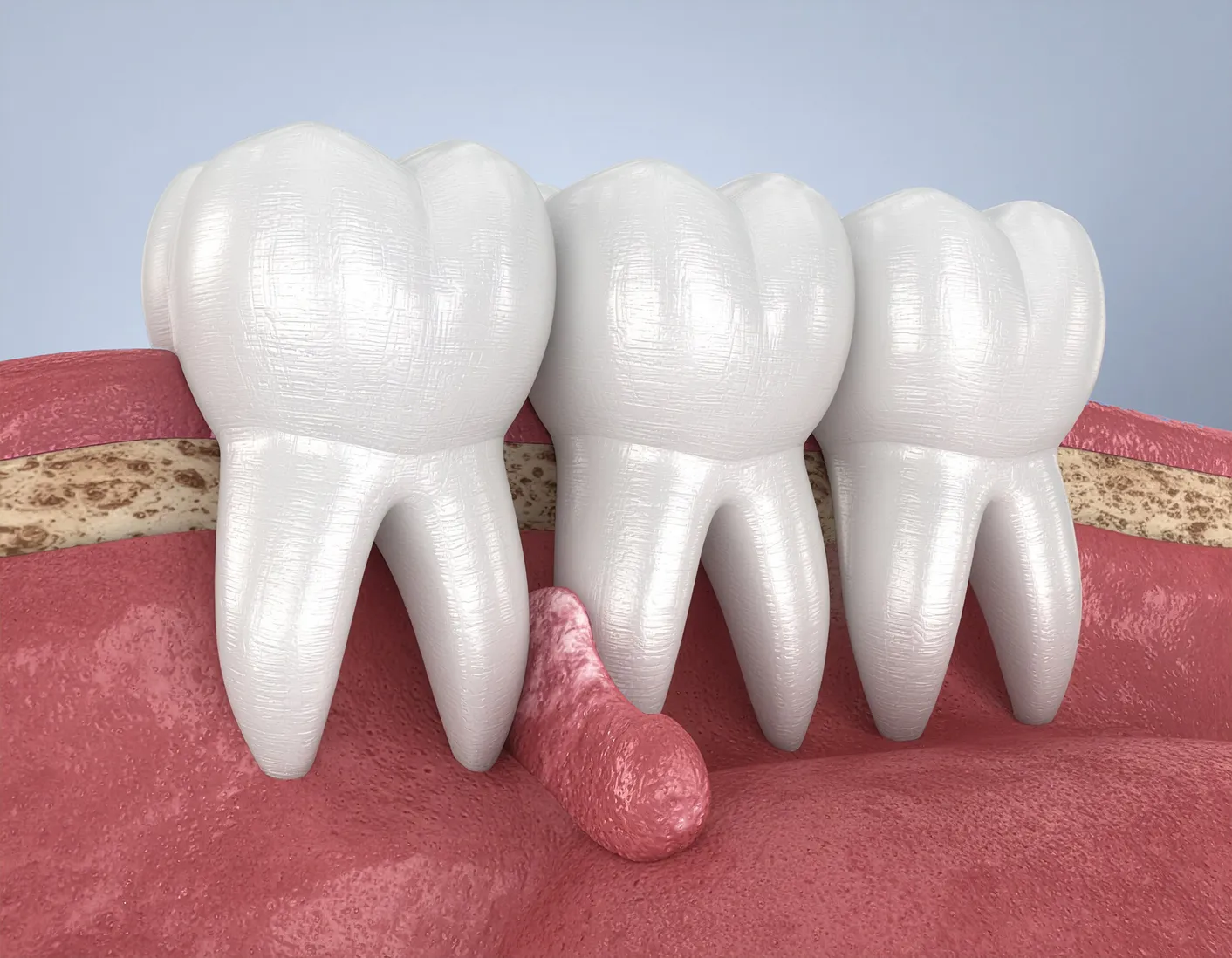
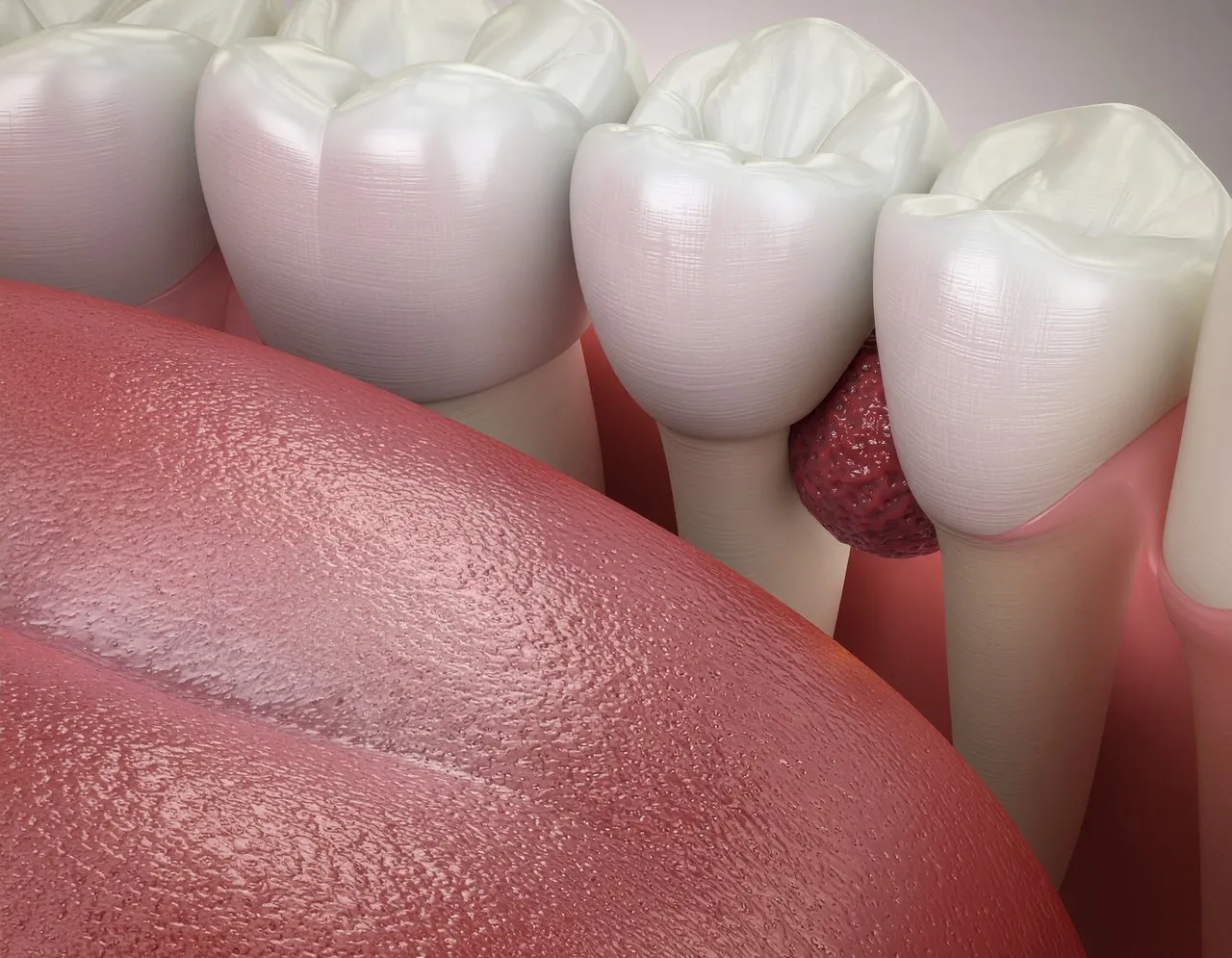
Cysts in the teeth and jaw can occur in various places. The most common types include: • Cyst on a tooth: This cyst forms at the root of a tooth. It often develops as a result of an infection of the dental nerve. It can cause pain and swelling. • Cyst in the mouth: Cysts in the mouth can occur in various places, such as under the tongue or on the inside of the cheek. They often cause no pain. However, if they cause swelling, this can lead to difficulties chewing or speaking. • Cyst in the jaw: These cysts occur in the jawbone or maxillary sinuses. They often develop as a result of infections or inflammatory processes. If left untreated, they can cause loose teeth and jaw problems. • Palatal cyst: Cysts in the palate often develop as a result of inflammation. If they cause pain, they usually have to be removed surgically. An untreated palatal cyst can impair the function of the palate. • Maxillary sinus cyst: These cysts often develop as a result of maxillary sinus infections. They can impair nasal breathing. Surgical removal is often necessary.
Symptoms of cysts
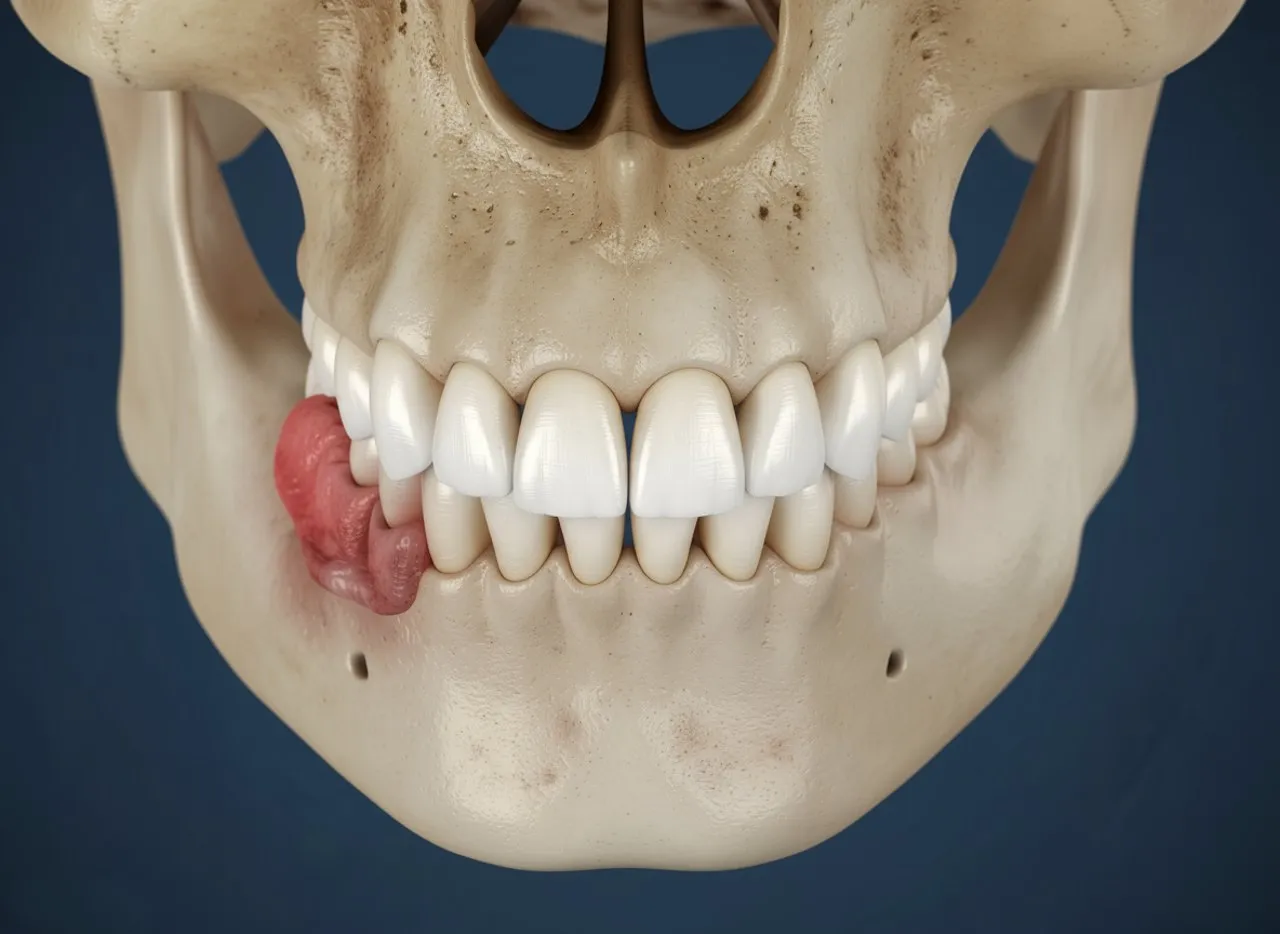
Cysts do not always cause symptoms. They often go unnoticed, particularly in the early stages. When symptoms do occur, they can include: • Pain in the affected area: Cysts can cause pain when they press on surrounding tissue. • Swelling in the mouth, jaw or palate: A cyst can cause visible swelling in the affected area. • Tooth sensitivity: Cysts on the teeth or tooth roots in particular can cause tooth sensitivity. This is especially noticeable with hot, cold or sweet drinks. • Difficulty chewing or speaking: A larger cyst can affect chewing or speaking because it restricts jaw movement.
Diagnosis and treatment of cysts
A cyst is usually diagnosed using X-rays or a CT scan of the jaw. The treatment plan depends on the type of cyst. Here are the most common treatment options: • Treating a cyst associated with a tooth: Following diagnosis of the lesion, initial root canal treatment or specialist surgery may preserve a restorable tooth. If the tooth cannot be preserved, extraction may be indicated together with removal of the cyst. This prevents the infection from spreading further. • Removing a cyst in the jaw: Jaw cysts are often removed surgically, particularly when they affect the jawbone. In some cases, the jawbone must be reconstructed after removal. • Removing a cyst in the maxillary sinus: These cysts often have to be removed surgically if they impair nasal breathing or the surrounding structures. • Treating cysts in the palate: If a cyst occurs in the palate, it is usually removed surgically to prevent discomfort and complications.

Conclusion
Cysts in the teeth and jaw should not be left untreated. They can lead to serious health problems if they are not treated in time. If you notice symptoms such as toothache, swelling or difficulty chewing, see a dentist. Timely diagnosis and treatment are key to preventing serious complications.
FAQs
A cyst on a tooth is a fluid-filled sac that forms at the root of the tooth. It often develops as a result of an infection of the dental nerve and can cause pain and swelling.
A cyst in the mouth can be identified by swelling or pain. In many cases, however, it initially goes unnoticed.
An untreated jaw cyst can lead to loose teeth and jaw problems. Timely treatment is therefore important.
An untreated cyst in the palate can lead to persistent pain and problems with palatal function. Surgical removal is required in many cases.
Cysts in the maxillary sinus can cause breathing problems and impair nasal breathing. Recurrent infections can also be a sign of a cyst in this area.
Cysts in the jaw are usually removed surgically, especially if they affect the jawbone or adjacent teeth.
Yes, a cyst on a tooth can cause considerable pain by putting pressure on surrounding tissue. The pain can be worse when chewing or when the area is touched.
Removal of a cyst in the jaw is generally quick and usually takes one to two hours.
After a cyst is removed, the area is monitored to ensure that no further complications arise. Follow-up treatment is necessary in some cases.
Palatal cysts are usually removed through surgery to prevent pain and functional impairment.