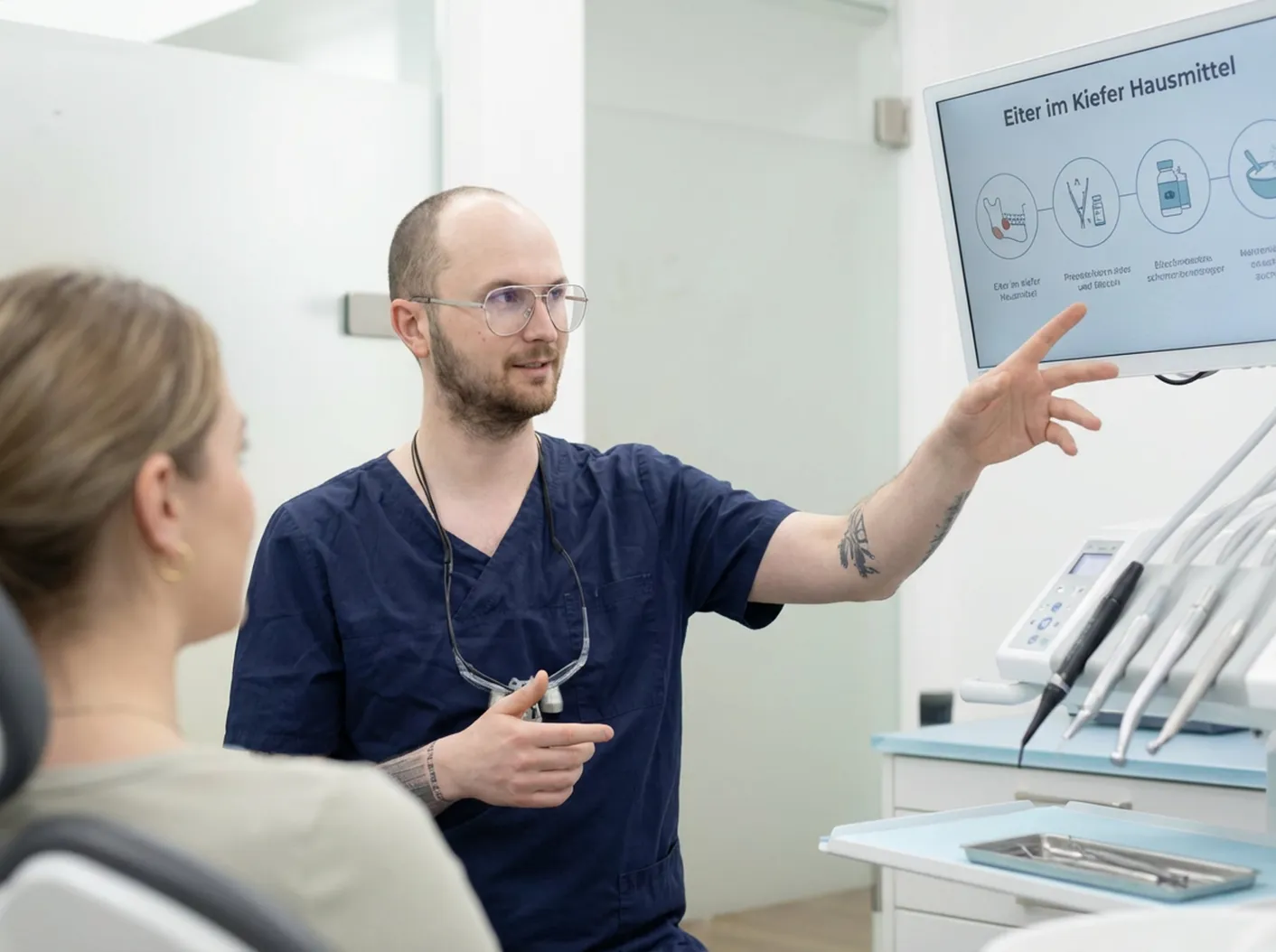
Implants in the lower jaw – your foundation for secure tooth replacement
The lower jaw plays a central role in chewing. Losing teeth there has a noticeable impact on everyday life as a whole. Chewing, speaking and even smiling can be affected. Conventional dentures offer a quick replacement, but many patients suffer...
Über 350 Google-Bewertungen
What is hyperdontia?
Implants in the lower jaw replace lost teeth securely and stably – as few as two to four implants can hold a full denture firmly in place. Thanks to the dense bone structure, lower jaw implants usually integrate stably; integration generally takes three to six months. The path of the lower jaw nerve is taken into careful account during planning.
- Duration
- Integration generally takes 3–6 months, depending on bone quality
- Special feature
- Dense bone promotes stable integration; the path of the nerve in the lower jaw requires precise planning
- Denture retention
- As few as 2–4 implants can securely stabilise a removable full denture
- Costs
- Depending on the number of implants and the tooth replacement; personal consultation with a cost plan before treatment begins
Sufficient bone and a suitable state of health are required – this is checked during the dental examination.
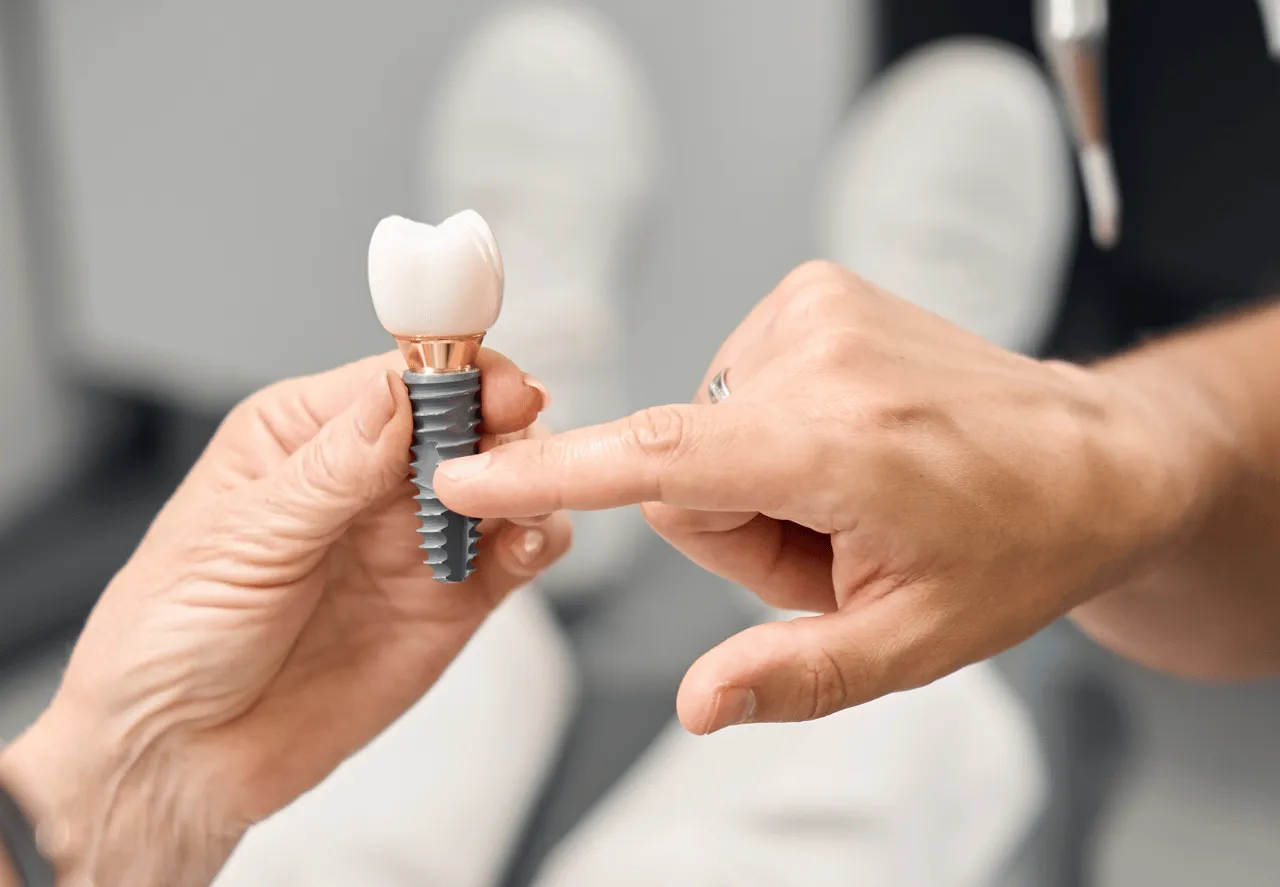
What is an implant in the lower jaw?
An implant in the lower jaw is an artificial tooth root that is firmly anchored in the jawbone. The implant performs the function of a natural tooth root. It provides the basis for dental restorations in the form of a crown, bridge or denture. Dental implants in the lower jaw are usually made of titanium or ceramic. These are materials that are very well accepted by the body and provide a secure foundation for long-lasting dental restorations. The firm connection with the bone creates stable support that feels natural.
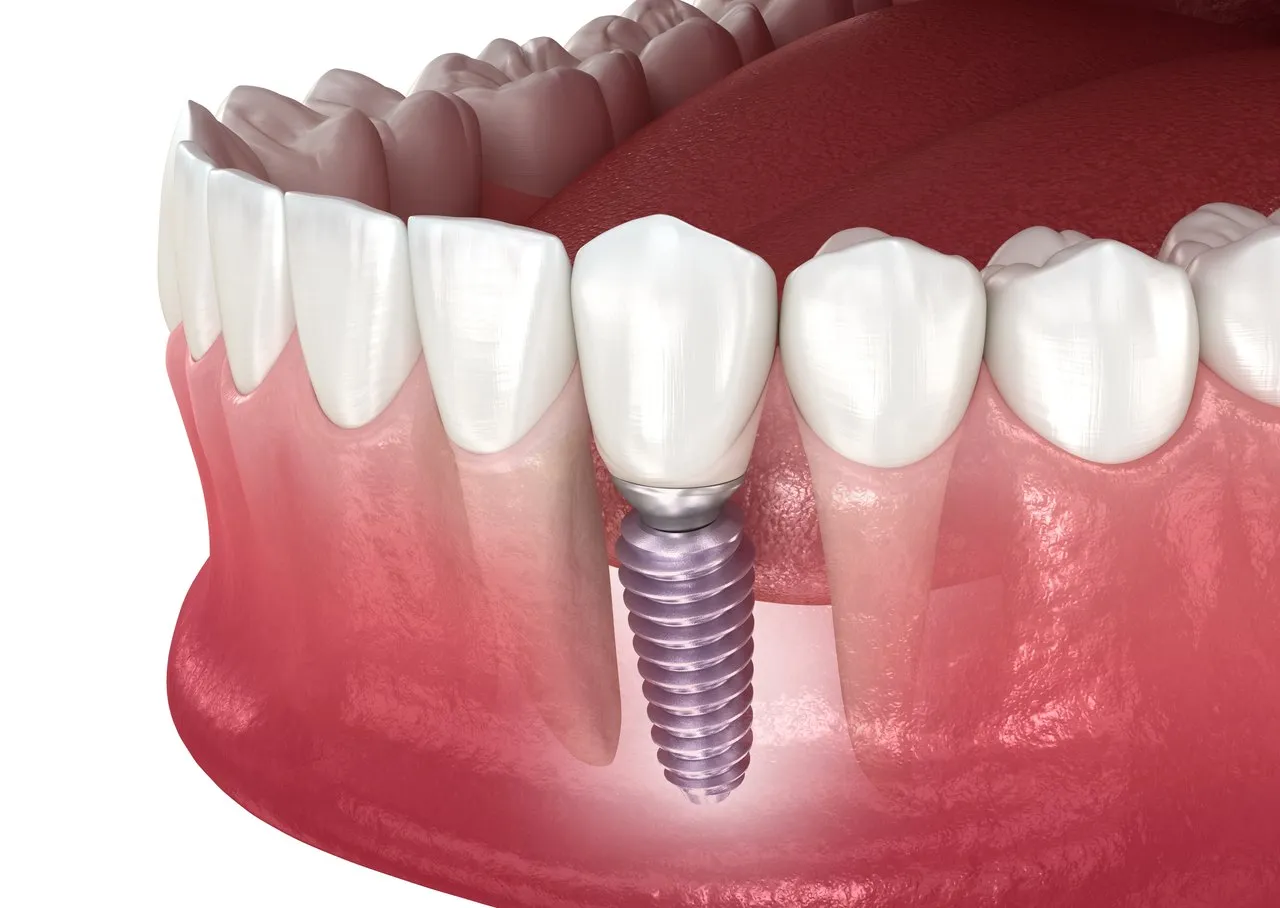
Special features of dental implants in the lower jaw
The lower jaw differs anatomically from the upper jaw. The bone structure is usually denser and firmer, which provides a good foundation for implants. At the same time, the inferior alveolar nerve, which supplies the lip and chin, runs through the lower jaw. When planning dental implants in the lower jaw, this nerve must be carefully considered to avoid numbness or sensory disturbances. Despite these particular features, implants in the lower jaw are considered especially promising in terms of success. The bone quality here is generally more favourable than in the upper jaw. This means there is a greater chance of a successful procedure.
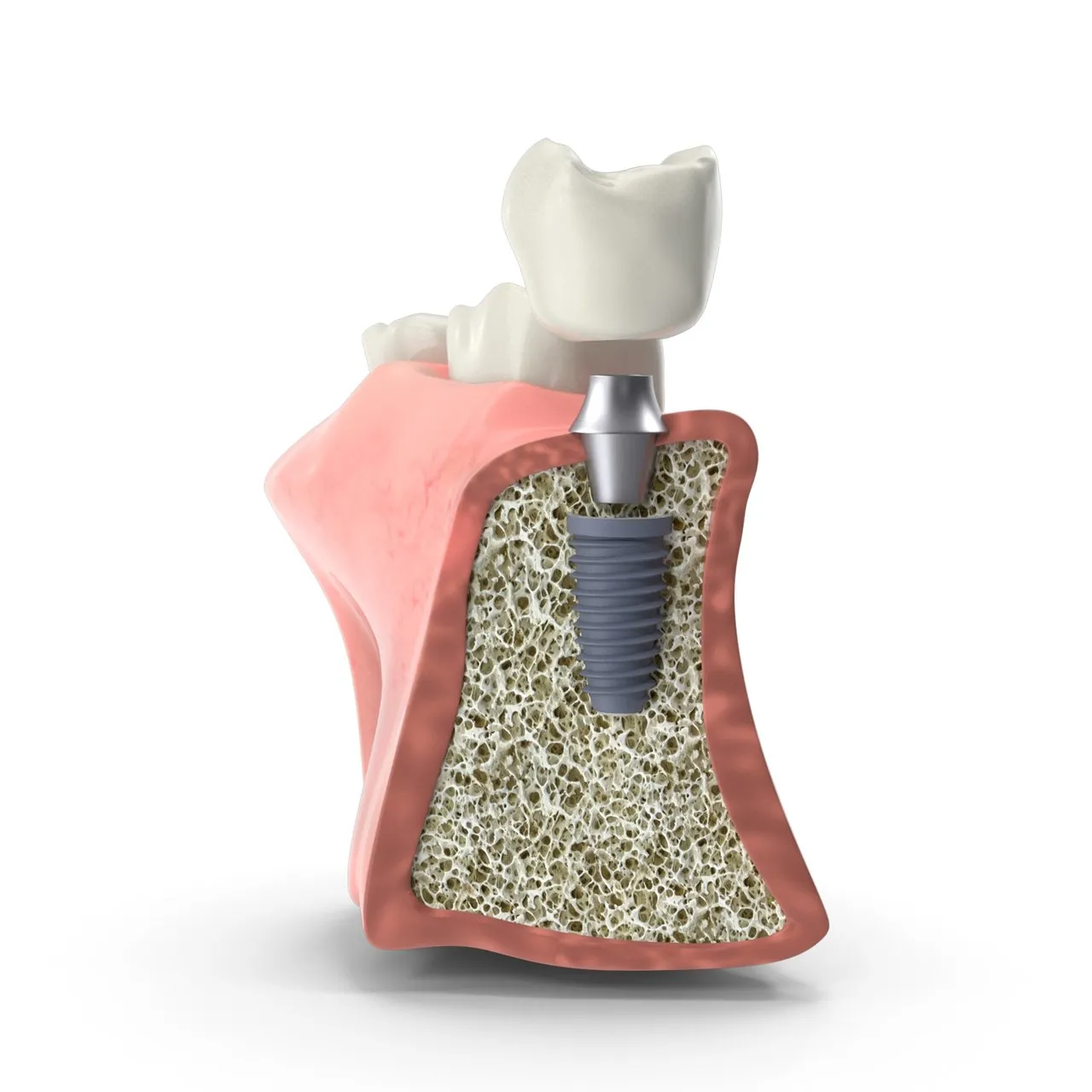
Advantages of implants in the lower jaw
A dental implant in the lower jaw offers many advantages over conventional dental prostheses: • Secure fit: Implants sit securely in the bone and can help prevent the dental prosthesis from slipping.
• Natural function: Chewing feels similar to using your own teeth.
• Bone stability: Implants can help prevent bone loss, as chewing forces are transferred physiologically to the jaw.
• Aesthetics: The dental prosthesis looks like real teeth and blends harmoniously into the dentition.
• Longevity: With good care, implants can last for decades.
Options for treatment with implants in the lower jaw
Single-tooth replacement
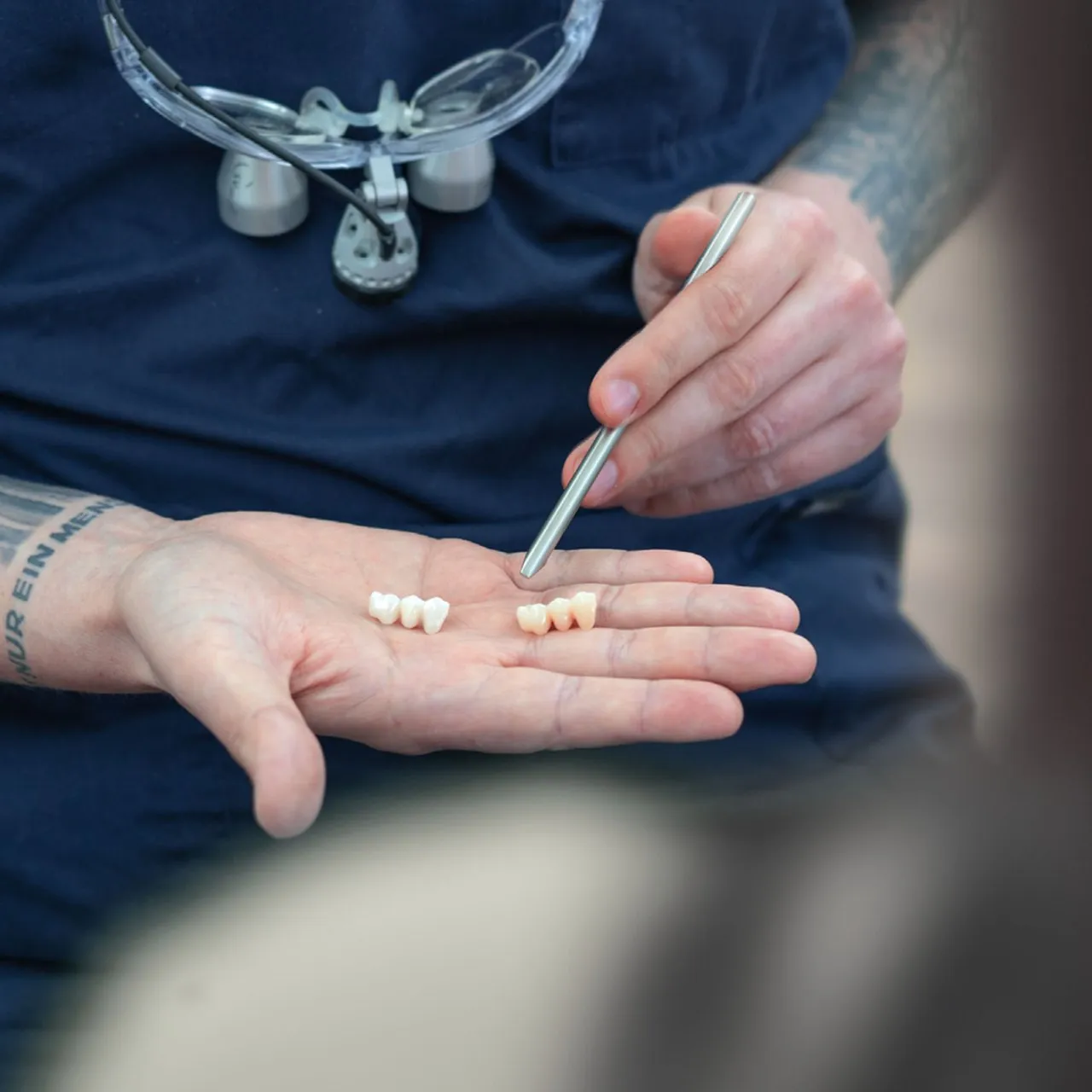
If only one tooth is missing, an implant with a crown can be used without grinding down the neighbouring teeth. Implant-supported bridges
If several teeth are missing in the lower jaw, implants can serve as stable abutments for a bridge. Implant-supported denture
An implant-supported denture is a tried-and-tested solution, particularly for edentulous lower jaws. Just a few implants in the lower jaw are sufficient to securely fix a complete denture in place. A common option is a denture supported by two to four implants.
Treatment procedure
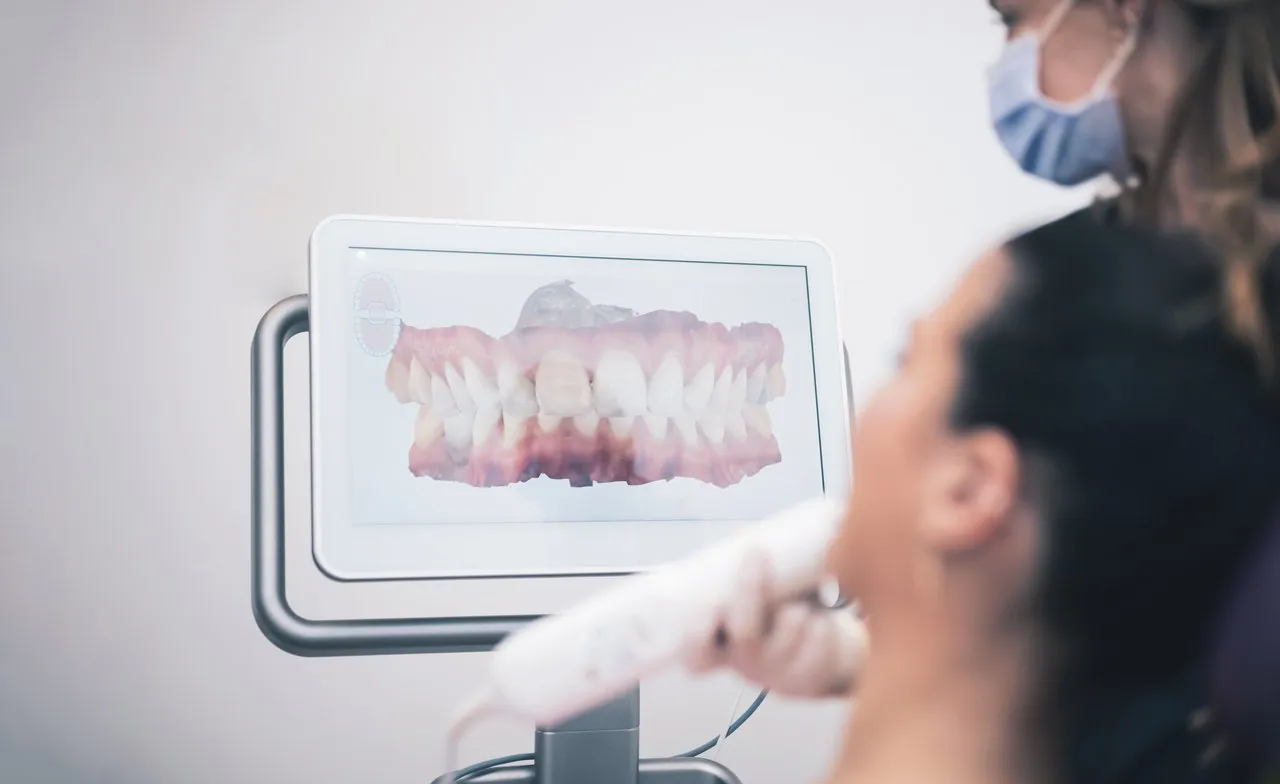
1. Planning and diagnostics: X-rays and 3D scans assess the bone quality and the position of the inferior alveolar nerve.
2. Implant placement: The implant is inserted into the bone under local anaesthetic.
3. Healing phase: Over several months, the implant fuses with the bone.
4. Prosthetic restoration: Following successful healing, the crown, bridge or denture is attached.

Risks associated with implants in the lower jaw
As with any surgical procedure, there are possible risks here too. In addition to infections or impaired wound healing, nerve irritation can occur in the lower jaw. This manifests as numbness or tingling in the lip or chin area. These symptoms are usually temporary and subside; in rare cases, they can persist for longer. However, modern diagnostics and precise surgical techniques can significantly reduce risks.
Caring for dental implants in the lower jaw
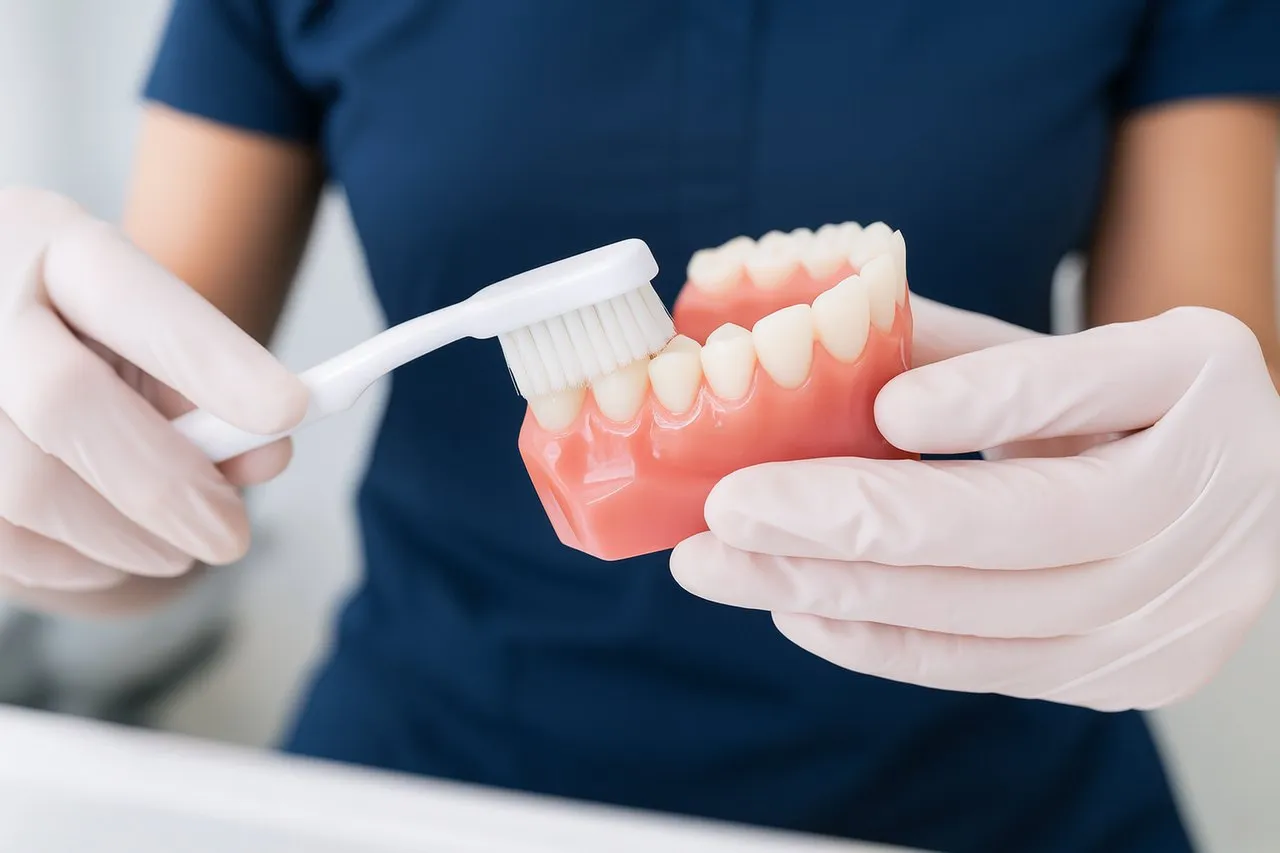
For a dental implant in the lower jaw to last long term, careful oral hygiene is essential. This includes: • thorough tooth brushing, • using interdental brushes or dental floss, • regular professional dental cleaning and • follow-up examinations.
This minimises the risk of inflammation (peri-implantitis) and preserves the durability of the implants.
Conclusion: lower jaw implants as a secure solution
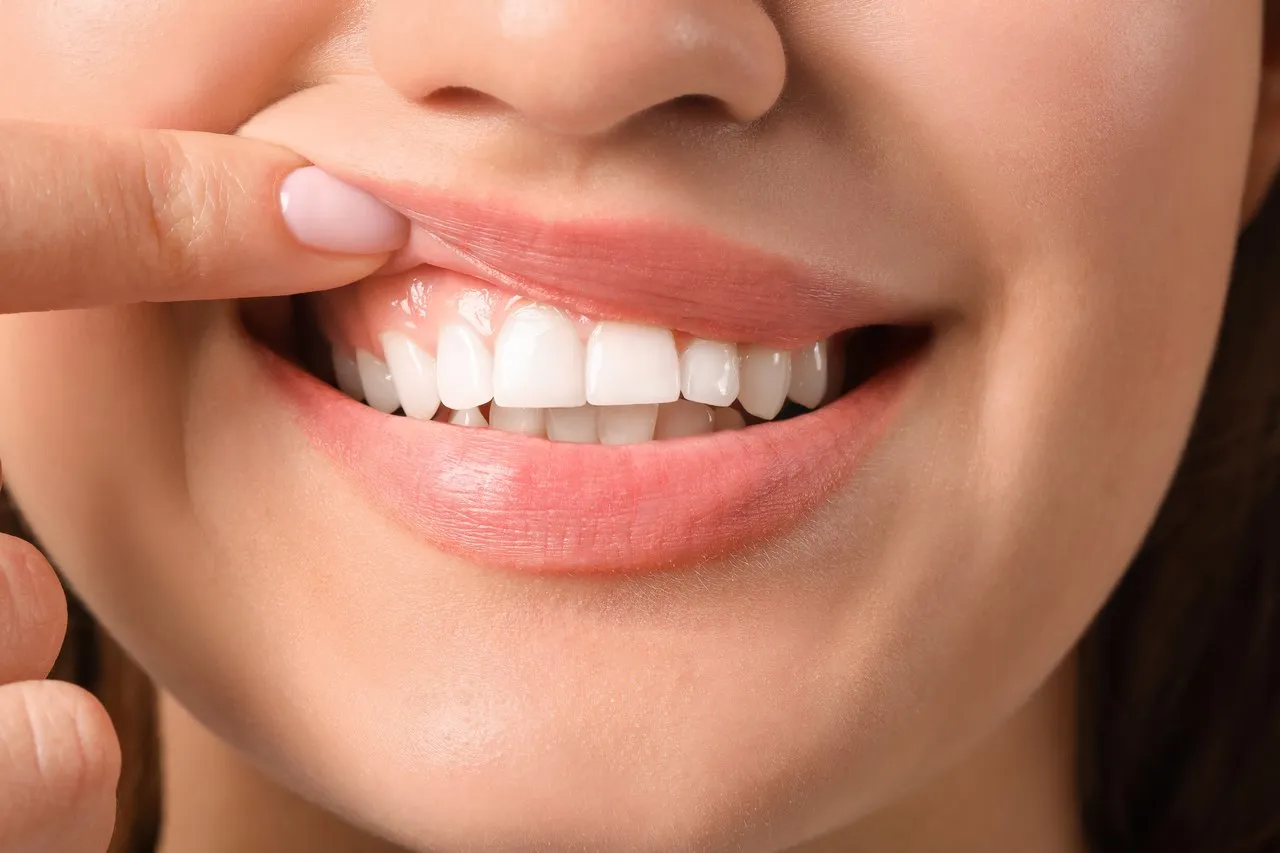
Implants in the lower jaw offer a reliable and aesthetically pleasing way to replace missing teeth. They can provide a secure fit and a natural chewing sensation, and can help preserve the jawbone over the long term.
FAQ – Frequently asked questions about implants in the lower jaw
Usually three to six months, depending on bone quality.
No, due to the denser bone structure, they usually integrate even more securely.
Often, two to four implants are enough to securely anchor a full denture.
Titanium or ceramic are most common; both are highly biocompatible.
Yes, provided there is sufficient bone and there are no health-related contraindications.
Rare risks include infections, impaired wound healing or irritation of the inferior alveolar nerve.
With good care and regular check-ups, often for decades.
Yes, just two implants can stabilise a removable denture.
Costs vary depending on the number of implants and the type of tooth replacement. A personal consultation is necessary.
Implants can offer greater stability, help prevent bone loss and provide a significantly more comfortable fit.
Book your appointment now
We would be happy to advise you in person at our practice.