
Which dental prosthetics does health insurance cover?
Dental prosthetics are an important part of dentistry. They make it possible to restore the functionality of the dentition. Many patients wonder what health insurance covers in relation to dental prosthetics. In this article, you will find out everything you need to know.
Über 350 Google-Bewertungen
The short answer
Statutory health insurance contributes towards dental prosthetics through a diagnosis-related fixed subsidy based on standard care – that is, simple, functional crowns, bridges and dentures. Patients pay for higher-quality materials such as all-ceramic themselves as their own contribution; implants are a private service except in rare medical exceptions. Reimbursement is based on the treatment and cost plan approved in advance.
- Subsidised
- Crowns, bridges and partial and full dentures in the standard version through the diagnosis-related fixed subsidy
- Usually a private service
- Implants (except in rare, medically justified exceptional cases) and higher-quality aesthetic materials such as all-ceramic
- Process
- The dentist draws up a treatment and cost plan, the health insurance provider approves it and pays the fixed subsidy; the patient pays their own contribution
This information does not replace individual advice. The specific subsidy depends on the diagnosis and is bindingly determined through the treatment and cost plan.
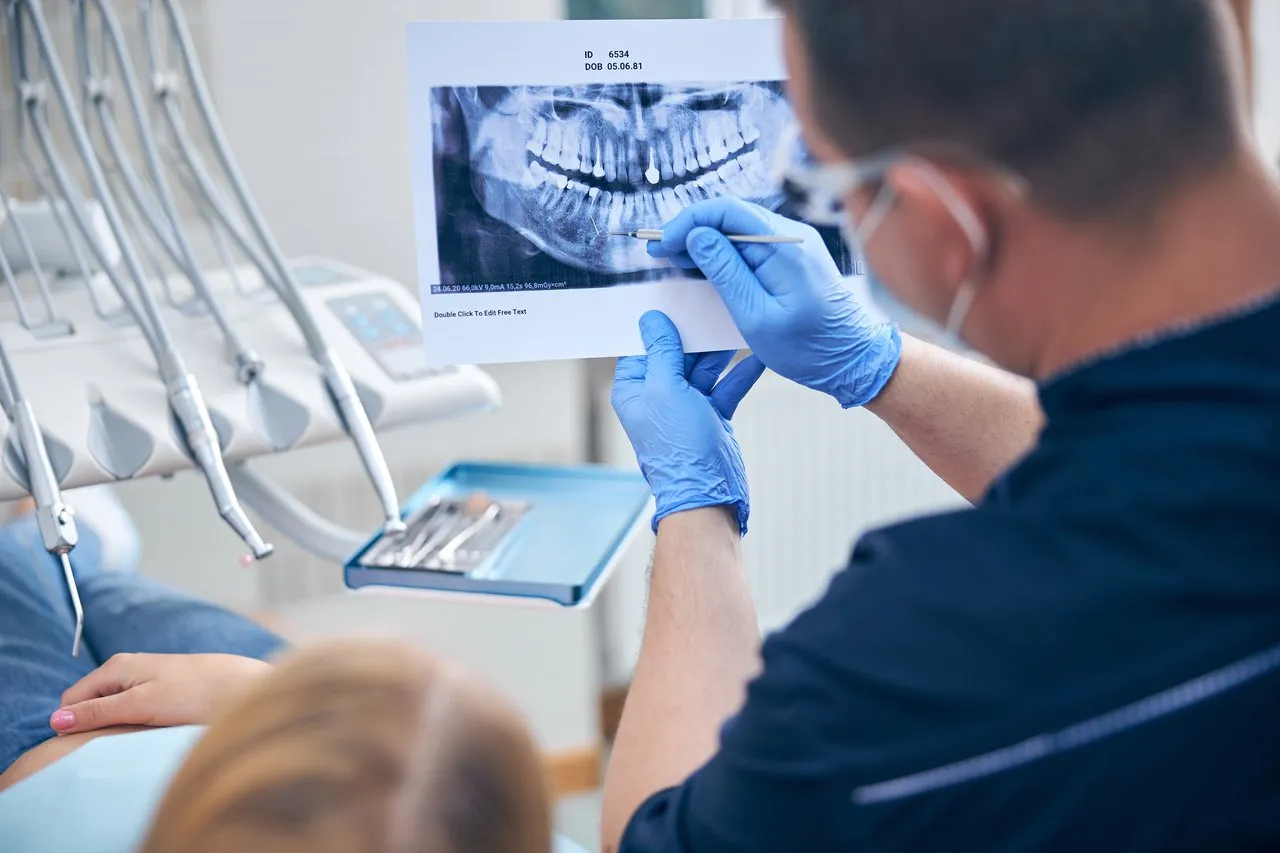
What are dental prosthetics?
Dental restorations encompass all dental measures used to replace missing teeth or restore damaged teeth. They can take various forms, including crowns, bridges, dentures and implants. Dental restorations are used to maintain the functionality of the dentition, particularly when teeth are missing or severely damaged.

What does health insurance pay for dental prosthetics?
Statutory health insurance covers part of the cost of dental prosthetics, but not the full amount. The fixed subsidy is based on the diagnosis and the associated standard care. It remains the same even if patients opt for higher-quality or different treatment, with the extra cost usually remaining the patient's responsibility.
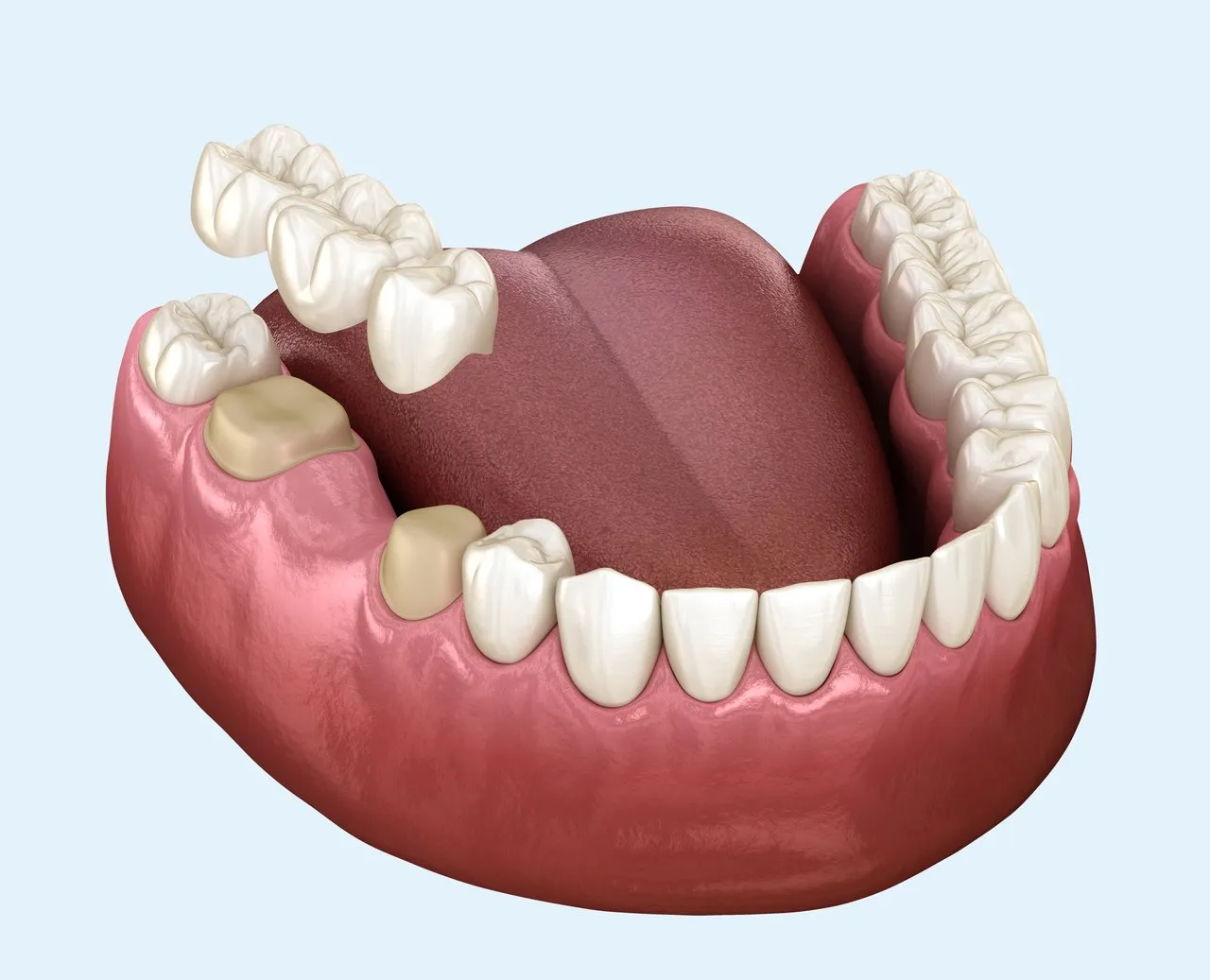
1. Crowns and bridges
Crowns and bridges are two of the most common types of dental restoration for which statutory health insurance provides a fixed subsidy. A crown is used to protect a damaged tooth and preserve its function. A bridge, on the other hand, can replace several teeth that have been lost due to tooth decay or accidents. Statutory health insurance generally provides a diagnosis-based fixed subsidy towards the standard care for a crown or bridge. This subsidy remains the same for more aesthetically sophisticated options, such as ceramic crowns or bridges; patients generally pay the additional costs themselves.
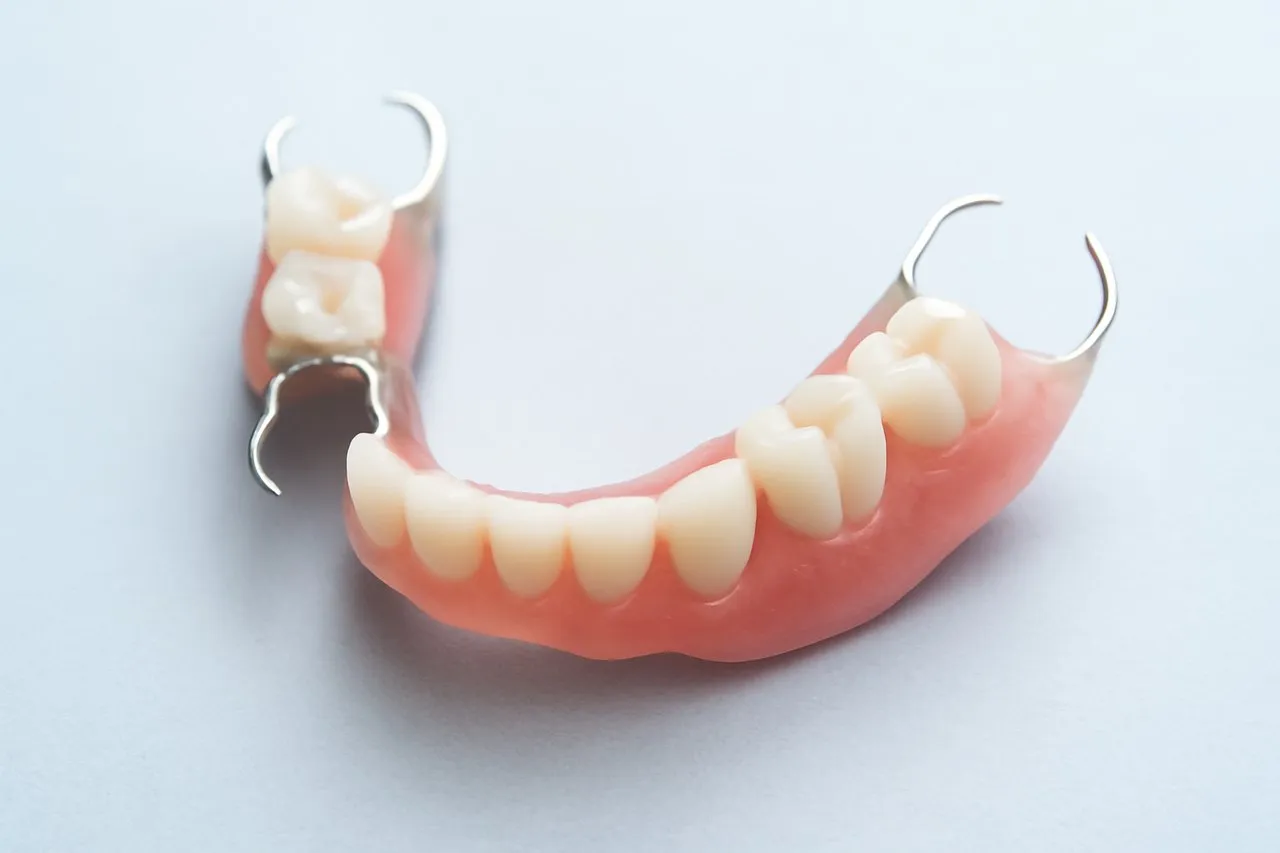
2. Dentures
A denture is used when several teeth are missing and cannot be replaced with crowns or bridges. There are different types of dentures. These include partial dentures, which replace only part of the dentition, and full dentures, which replace the entire dentition. Here too, statutory health insurance only covers part of the cost. The subsidy is based on the so-called fixed subsidy system. This depends on the individual diagnosis and the necessity of the dental prosthetics. Here too, patients have to bear additional costs for certain types of dentures or aesthetic adjustments.
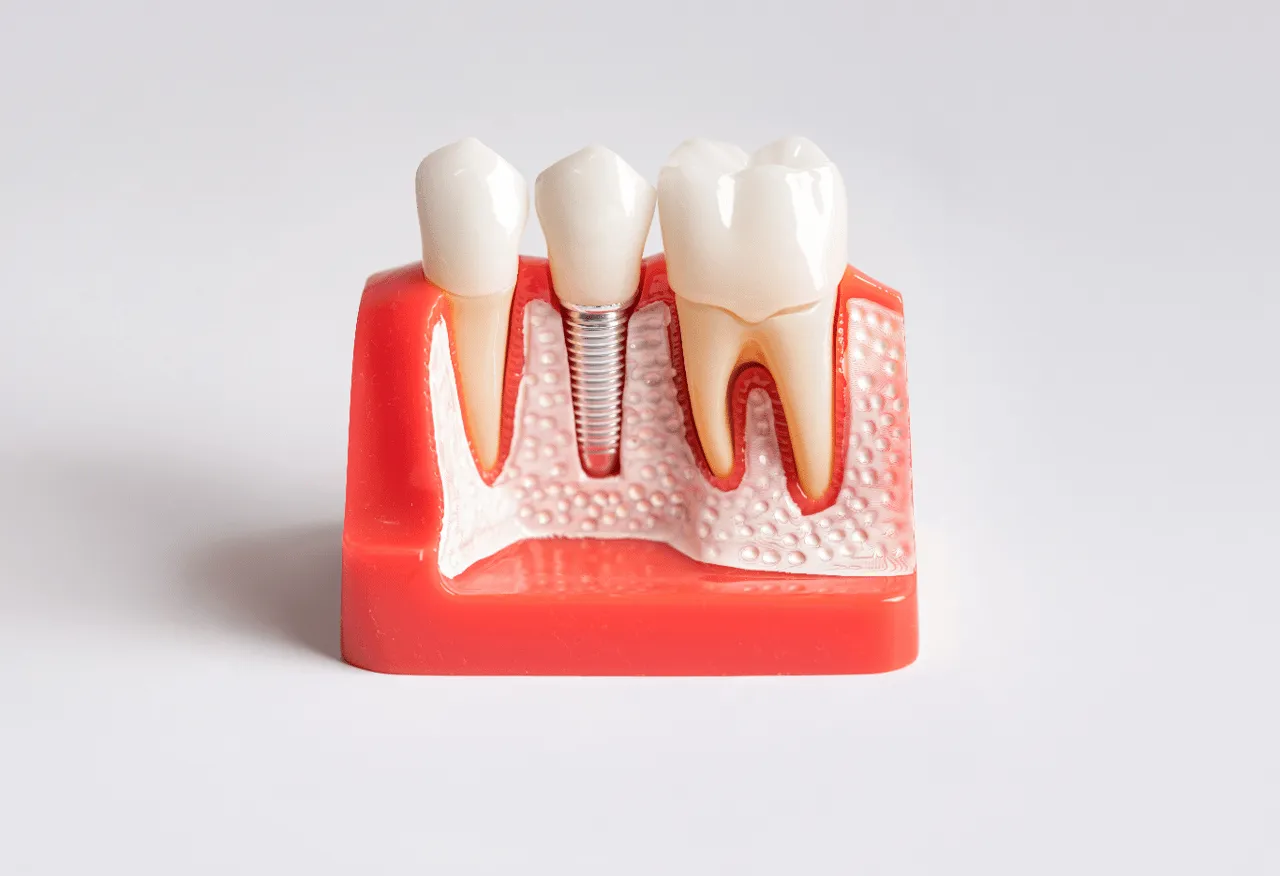
3. Implants
Implants are considered the most modern form of dental restoration. They replace the missing tooth with an artificial tooth root, which is inserted into the jawbone. Implants are particularly stable and durable and offer an aesthetic solution because they look like natural teeth. Statutory health insurance does not usually cover the cost of implants.

What does health insurance cover for dental prosthetics?
Statutory health insurance generally only covers so-called ‘standard benefits’, which represent the minimum standard of treatment. For dental prosthetics, this means that the health insurance provider grants a fixed subsidy based on the diagnosis and associated standard care. The fixed subsidy remains the same if patients choose aesthetic or high-quality materials. Patients generally have to pay the additional costs for higher-quality materials, such as all-ceramic crowns or bridges, themselves. Fixed subsidies Health insurance provides a fixed subsidy for dental prosthetics. This is based on the individual diagnosis and associated standard care. The fixed subsidy only covers part of the cost. The patient's remaining contribution towards the outstanding costs depends on the choice of material and treatment. The fixed subsidy remains available even if patients choose higher-quality or different treatment. Supplementary dental insurance Many patients opt for supplementary dental insurance. These insurance policies cover part of the costs not covered by health insurance. They also offer more extensive cover for dental services. However, this depends on the particular policy.

When and how are the costs of dental prosthetics reimbursed?
Reimbursement by health insurance is generally based on the treatment and cost plan (HKP). This is drawn up by the dentist and submitted to the health insurance provider for approval. The HKP contains a detailed breakdown of the planned treatment and the associated costs. Once the health insurance provider has approved the plan, it pays the fixed subsidy. In most cases, this is paid in advance. The patient's own contribution must be paid immediately after completion of the treatment.
Frequently asked questions about dental prosthetics and health insurance cover
Health insurance provides a fixed subsidy for basic dental prosthetics, such as crowns, bridges and dentures, based on the diagnosis and associated standard care. The subsidy remains the same for higher-quality or different treatment. Patients must pay the additional costs for high-quality materials themselves.
Implants are not generally covered by health insurance. Unless they are necessary for medical reasons. However, part of the cost may be covered in certain circumstances. We will support you in communicating with your health insurance provider.
The fixed subsidy is based on the individual diagnosis and the associated standard care. It remains the same for higher-quality or different treatment and covers part of the cost.
A standard filling is the simple, functional solution. High-quality fillings are made from more aesthetically appealing materials, which often incur additional costs.
Health insurance provides a fixed subsidy towards a metal crown as standard care. It also grants the same diagnosis-based subsidy for tooth-coloured ceramic crowns, but patients generally pay the additional costs for these more aesthetically demanding crowns themselves.
Without supplementary dental insurance, patients generally have to pay a substantial contribution towards high-quality dental prosthetics themselves.
Yes, you can pay for the treatment in advance.
The fixed subsidy is generally approved in advance by the health insurance provider and deducted directly during treatment.