Dental treatment: procedure, methods, costs and safety
Dental treatment encompasses all the steps involved in preserving and restoring teeth. It ranges from preventive care to dental prostheses. The aim is functional occlusion and long-term stability.
Über 350 Google-Bewertungen
The short answer
Dental treatment covers every step, from diagnostics, preventive care and fillings to root canal treatment and dental prostheses. It begins with a medical history, clinical examination and vitality test, followed by X-ray or 3D diagnostics where necessary. Treatment is as minimally invasive as possible, based on the findings. Warning signs such as sensitivity to cold, pressure pain when chewing or bleeding gums should be assessed promptly.
- Procedure
- Medical history, clinical examination, vitality test and X-rays (3D imaging in complex cases), followed by treatment planning based on the findings.
- Methods
- Preventive care and professional teeth cleaning, fillings and inlays, root canal treatment, periodontitis treatment and dental prostheses.
- Costs
- These depend on the findings and the treatment chosen; binding cost information is provided before treatment begins in your individual treatment and cost plan (Heil- und Kostenplan).
This overview does not replace dental advice. Diagnosis and treatment are tailored to your individual findings.
Common reasons for dental treatment
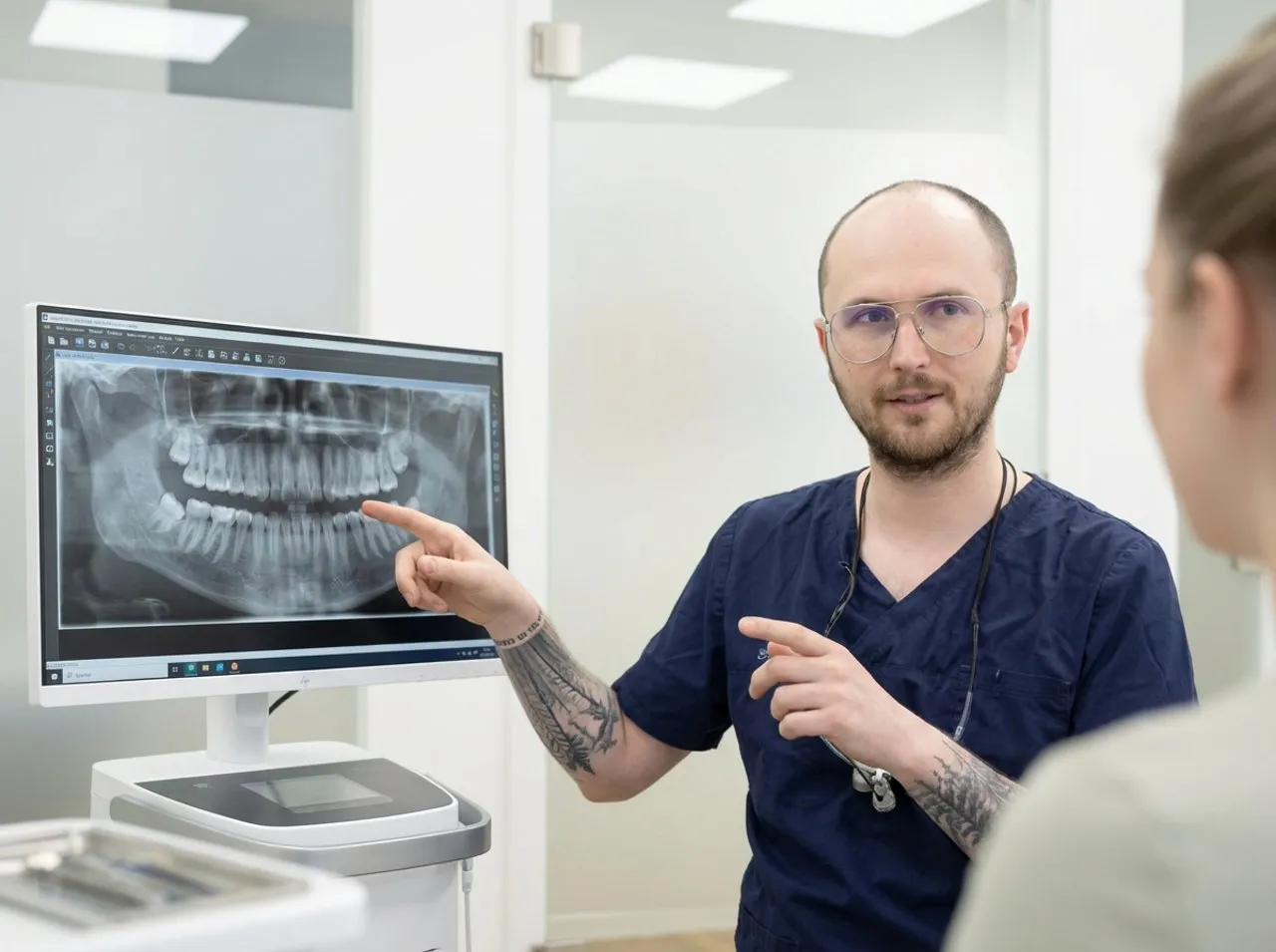
Sensitivity to cold is an early warning sign. Pressure pain when chewing often indicates a crack. Bleeding gums should also be investigated. Waiting rarely makes the problem go away. Defects usually get larger, increasing the amount of treatment required. Contact us promptly if you experience any of these symptoms.
Diagnostics: from medical history to findings
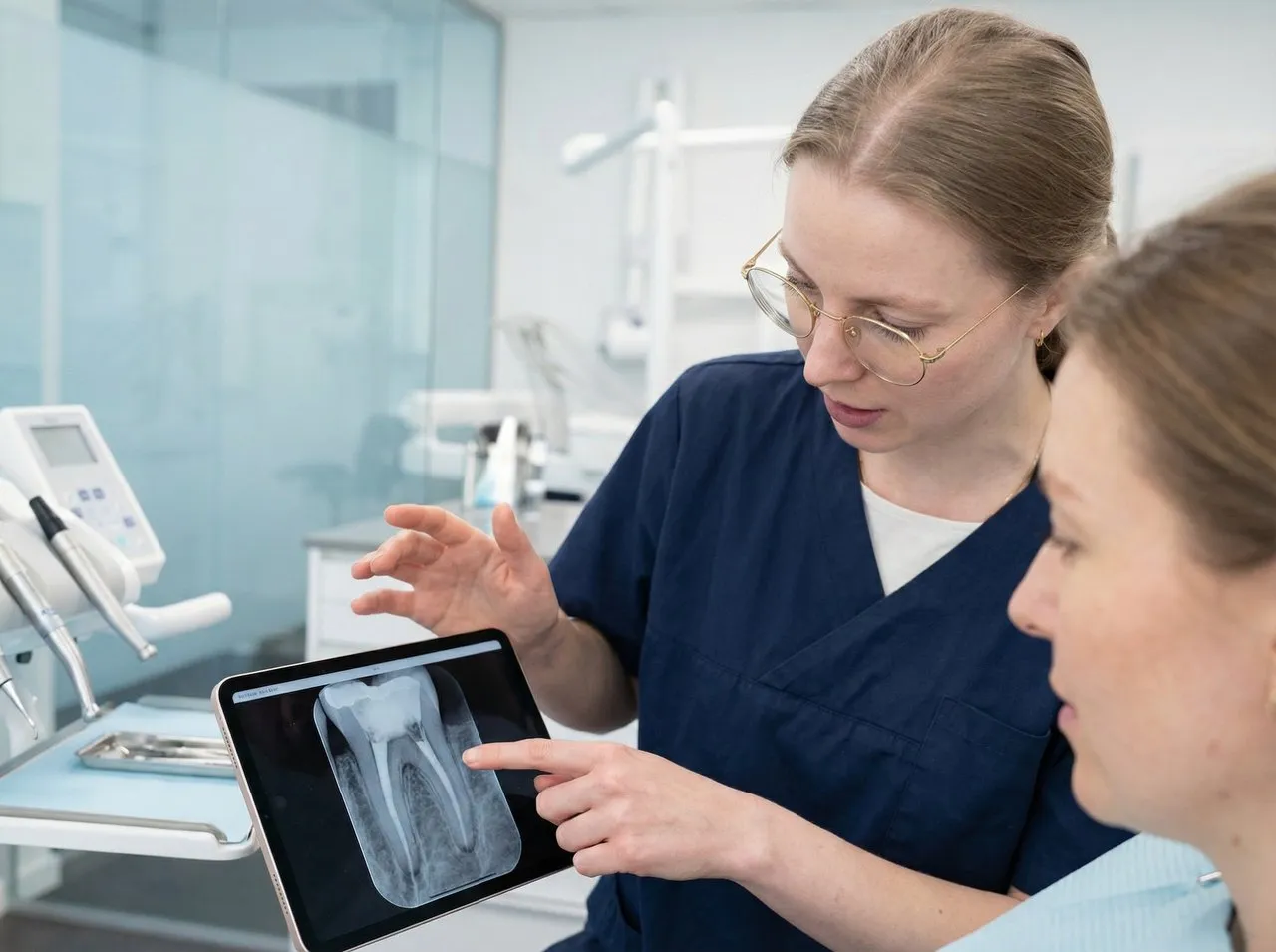
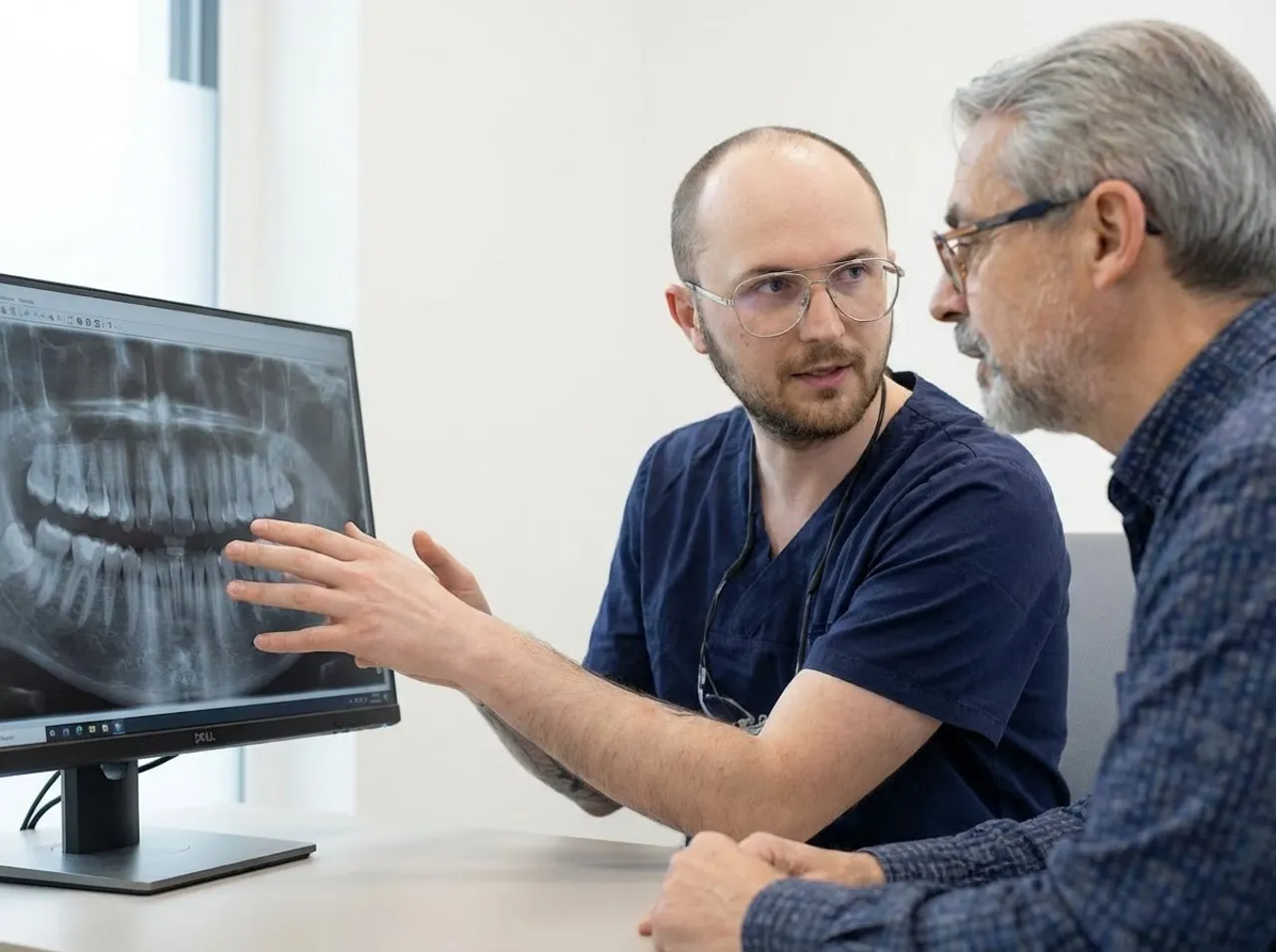
We begin by taking your medical history. We ask about pain, how long it has lasted and what triggers it. Medication also plays an important role. This is followed by an intraoral clinical examination. We check fillings, crowns and contact points. We also test the vitality of the pulp. X-rays support the diagnosis, allowing us to see roots and bone. In complex cases, we also produce a 3D image.
Common treatments at a glance
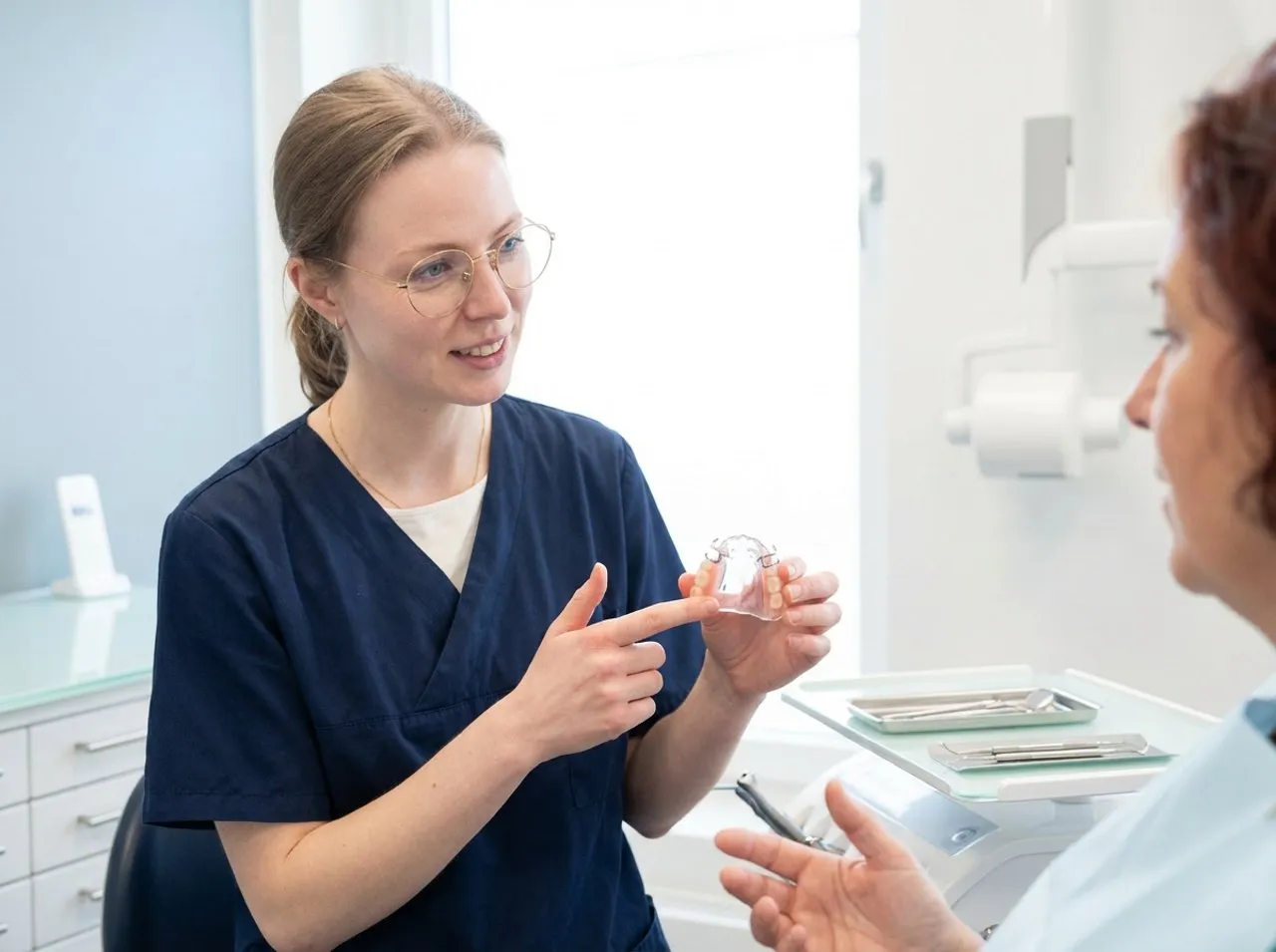
Treatment depends on the findings. We plan minimally invasive treatment wherever possible. We also explain the alternatives so that you have a complete picture.
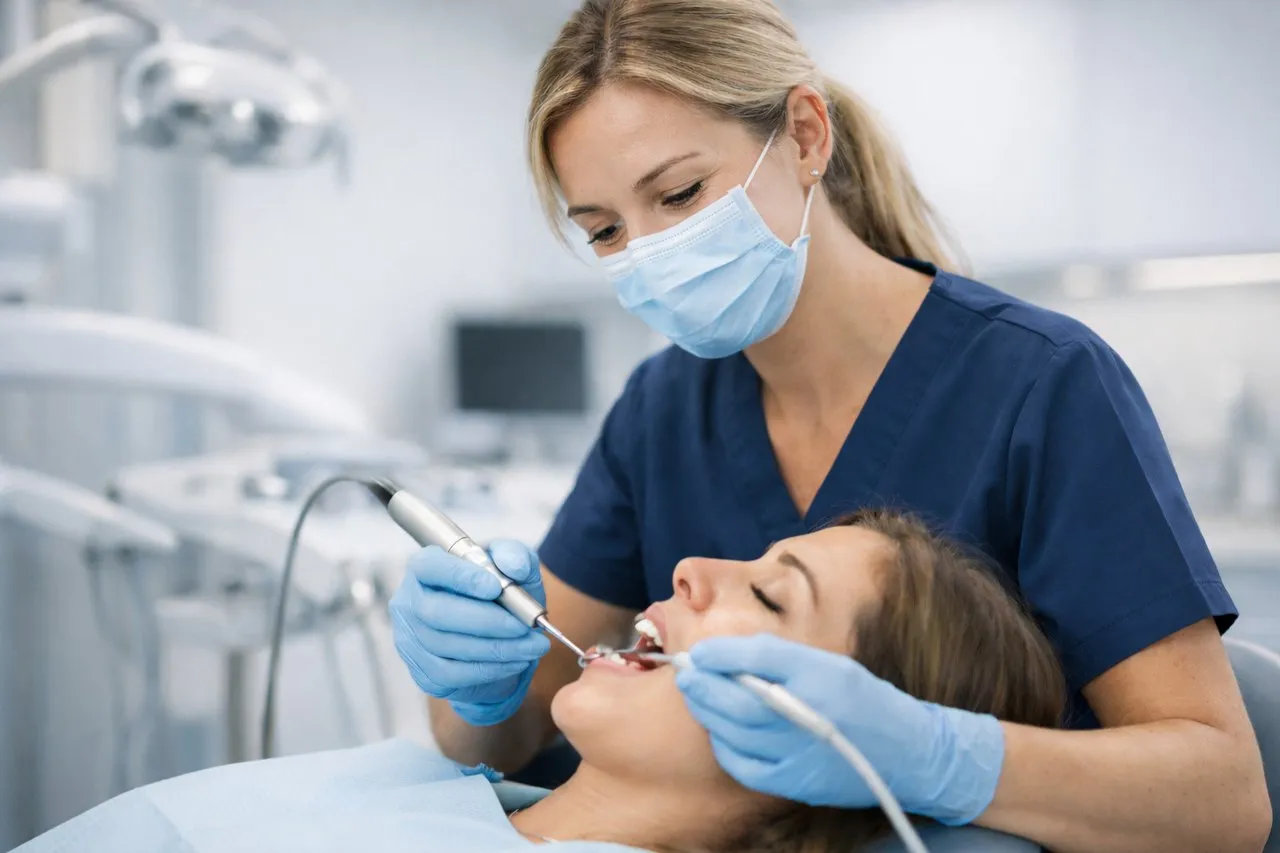
Preventive care and professional teeth cleaning
Preventive care significantly reduces the risk of tooth decay. Professional dental cleaning removes biofilm and tartar. Polishing smooths the surface. Fluoride treatment strengthens the enamel. Where necessary, we seal fissures. This is particularly beneficial for children.
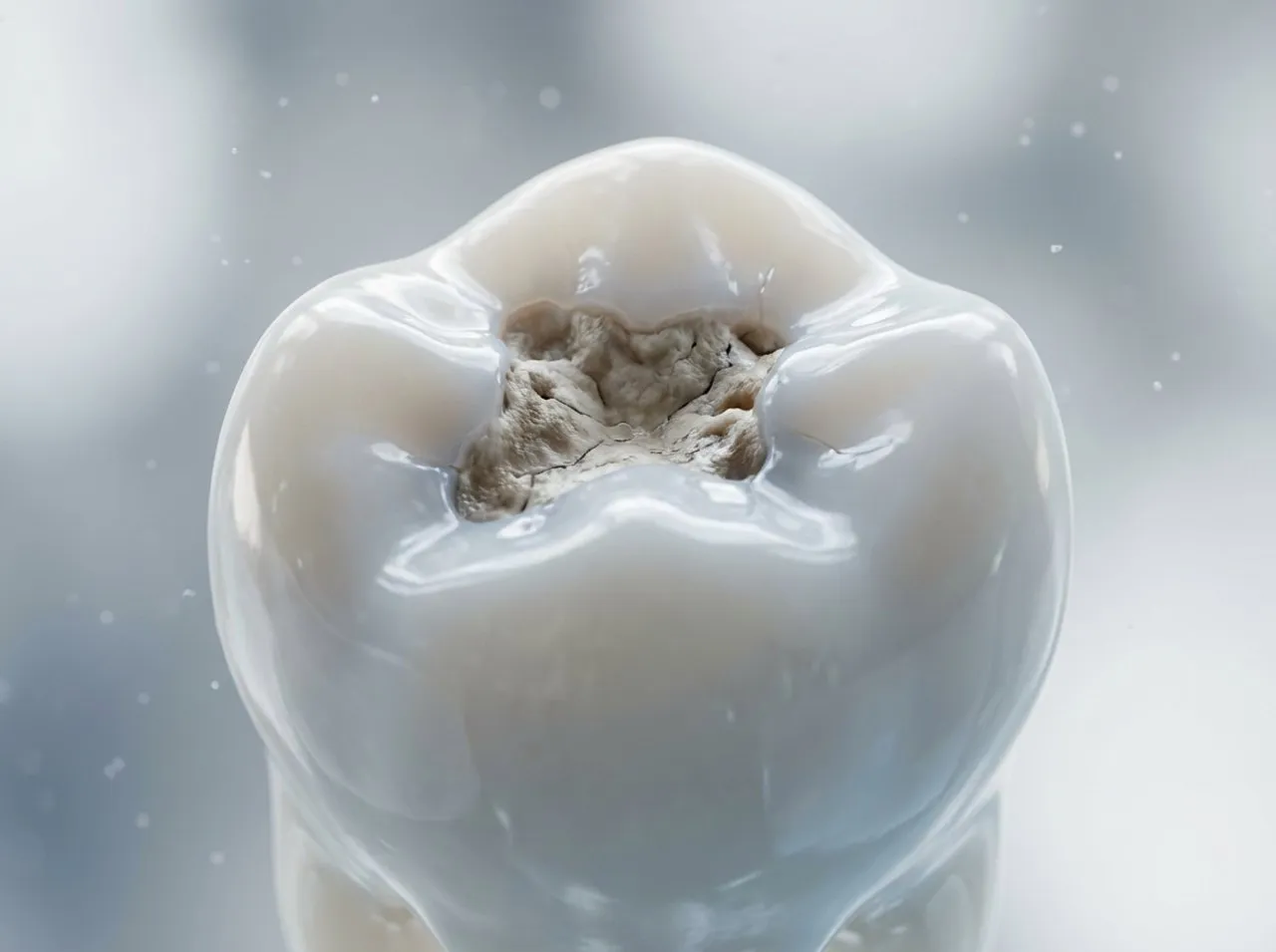
Caries treatment and fillings
Tooth decay is removed under direct vision. This is followed by a tightly sealed restoration. We often use an adhesive technique with composite. Small defects can be treated in a single appointment. For larger defects, an inlay is an option. Ceramic looks very natural.
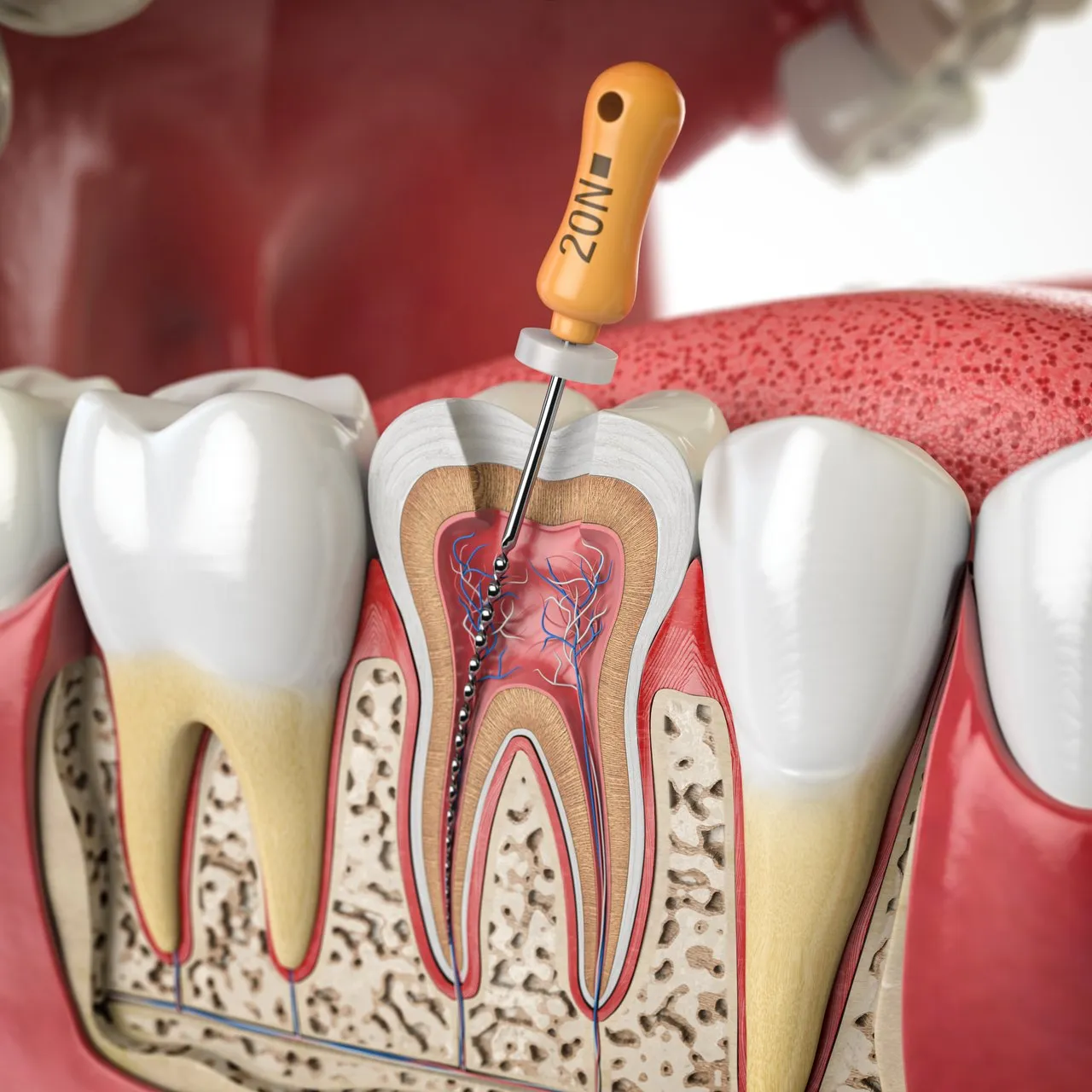
Root canal treatment in endodontics
Endodontics plays an important role in cases of deep inflammation. This involves treating the root canal system. The aim is a bacteria-free, tightly sealed closure. We prepare the canals mechanically. Irrigation solutions reduce bacteria. We then fill the canals. The tooth often needs a crown afterwards so that it can withstand pressure again. This reduces the risk of fracture.
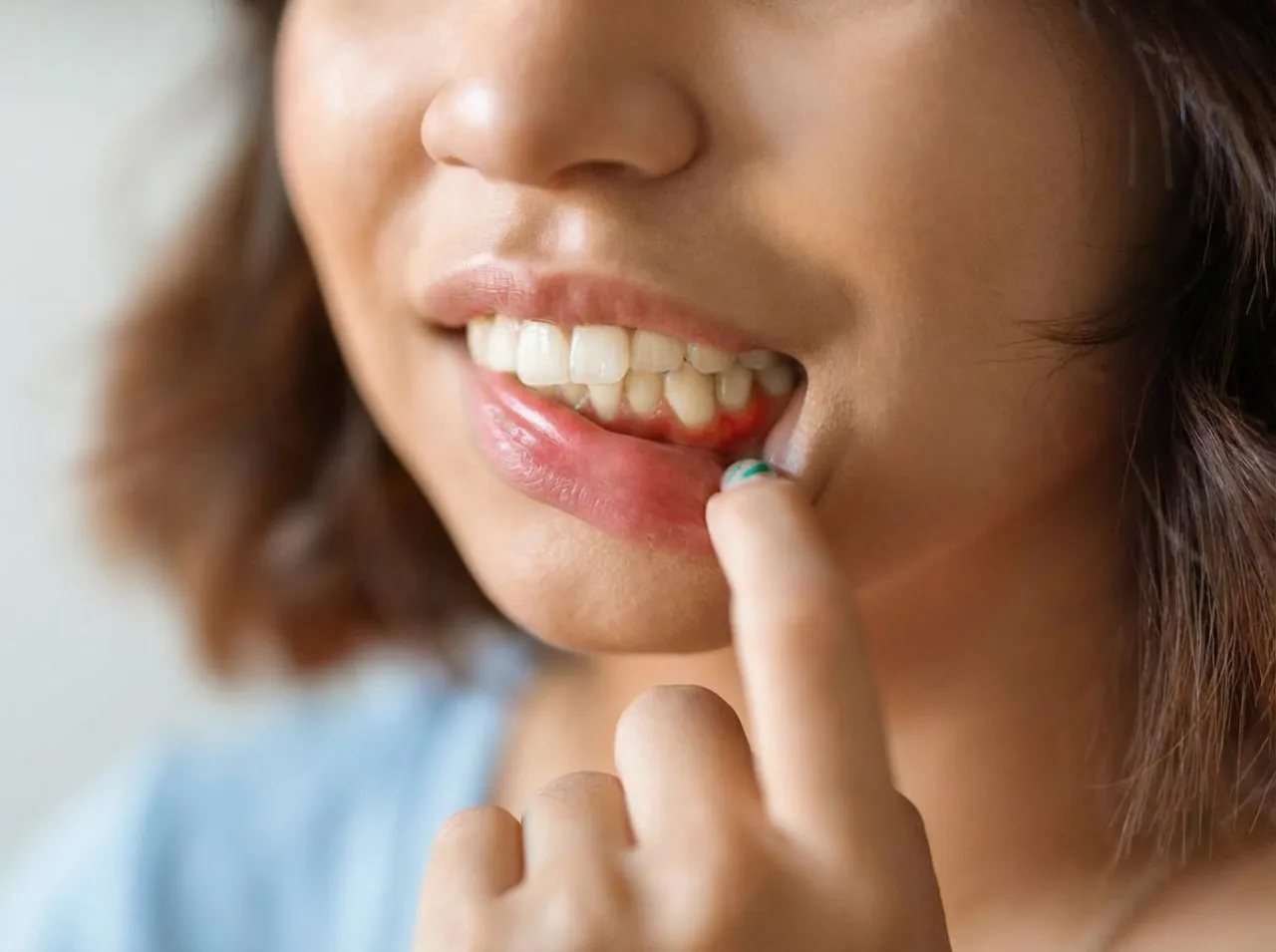
Periodontitis treatment and gum therapy
Gum inflammation is common. If left untreated, it can develop into periodontitis, causing gradual bone loss. If periodontitis is diagnosed, we measure probing depths and bleeding. Where indicated, we then clean below the gumline. This diagnosis-led treatment is called subgingival instrumentation and is separate from routine gingivitis management. Aftercare following treatment is crucial. Check-ups also help to stabilise the result. Good interdental care must not be neglected.
Dental prostheses: crowns, bridges and implants
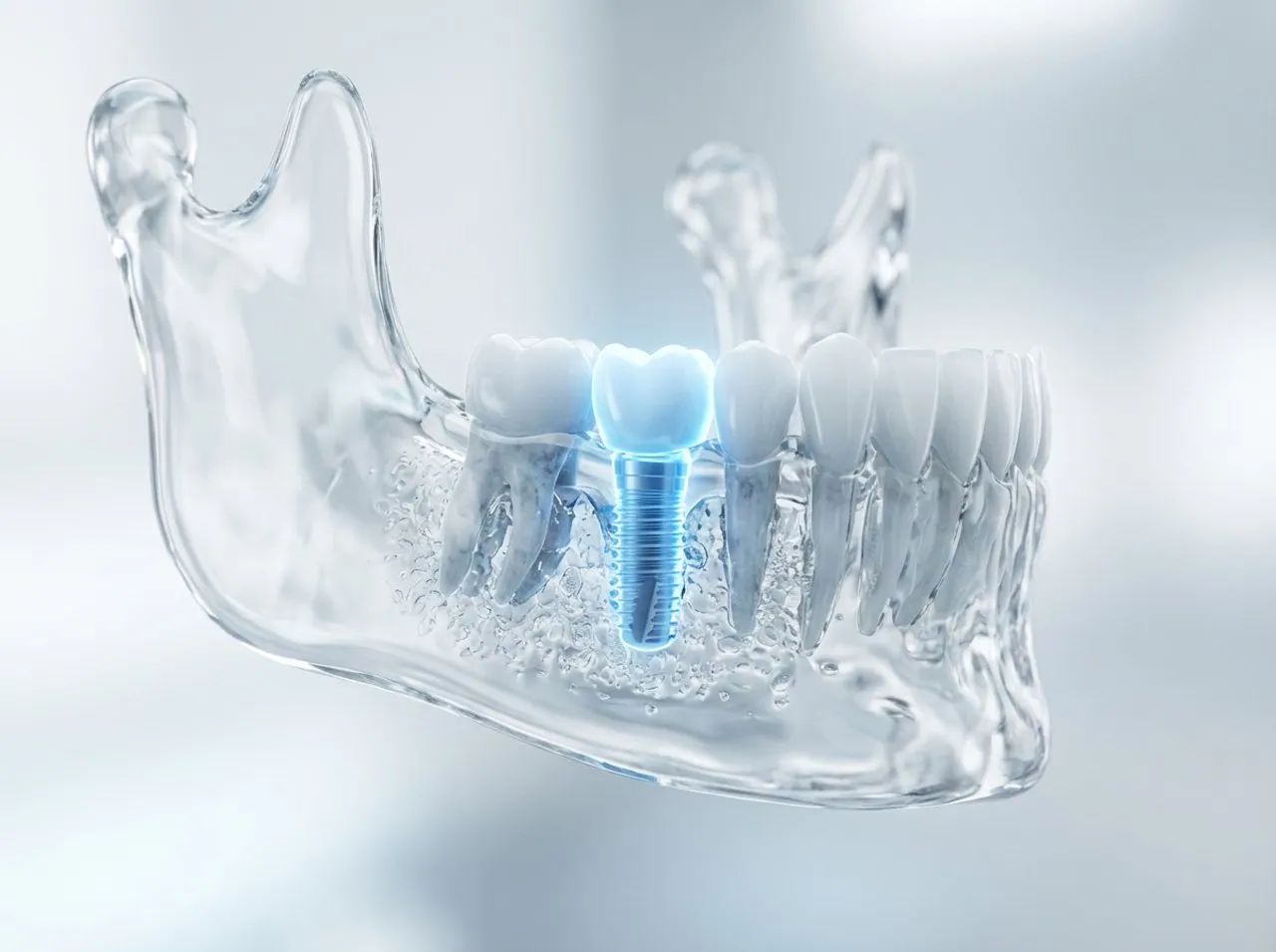
If a tooth is severely weakened, a crown can help. It protects the remaining tooth structure while restoring its shape. If a tooth is missing, a bridge is a possible replacement. The adjacent teeth are used as abutments. However, this is not always ideal. An implant also replaces the root and is the most modern method. Sufficient jawbone is required. If there is not enough, bone augmentation may be necessary.

Anaesthesia, anxiety and comfort
Many treatments are carried out under local anaesthetic. It usually works quickly and reliably. It minimises pain, but not the sensation of pressure. For severe anxiety, structured breaks can help. Sedation can also be used for additional support. We discuss the risks and any pre-existing conditions with you beforehand.

Costs, health insurance and predictability
Costs depend on the work involved and the materials used. For dental prostheses, statutory health insurance funds usually subsidise only standard prosthetic care (Regelversorgung); this is distinct from cover for standard dental treatment in general. Elective comfort options often incur a separate additional charge. Before more extensive treatment, where applicable, we will provide you with an individualised treatment and cost plan (Heil- und Kostenplan). This sets out any subsidies and alternatives. For dental prostheses, a bonus booklet (Bonusheft) can increase the statutory subsidy.
Preparation and what to do after your appointment
Follow the eating and drinking instructions for your appointment, particularly any instructions from the sedation team. If you are not having sedation and no other restrictions apply, eat normally before your appointment if possible. Bring a list of your medicines with you. Tell us if you are taking any blood thinners. After the anaesthetic, please wait before having hot food. Cooling the area can help reduce swelling following procedures. You should avoid sport on the same day. Continue to brush your teeth thoroughly but gently. Use dental floss or interdental brushes. Chlorhexidine should only be used when recommended.

When is treatment urgent?
Severe swelling is a warning sign and requires urgent assessment. Fever can also indicate that an infection is spreading and requires urgent assessment. If you have difficulty breathing or swallowing, or other signs of airway compromise, call 112 immediately. Dental injuries always require prompt attention. The sooner we act, the better. This reduces the risk of complications. It is often possible to save the tooth.
Dental treatment at Wunschlachen in Berlin
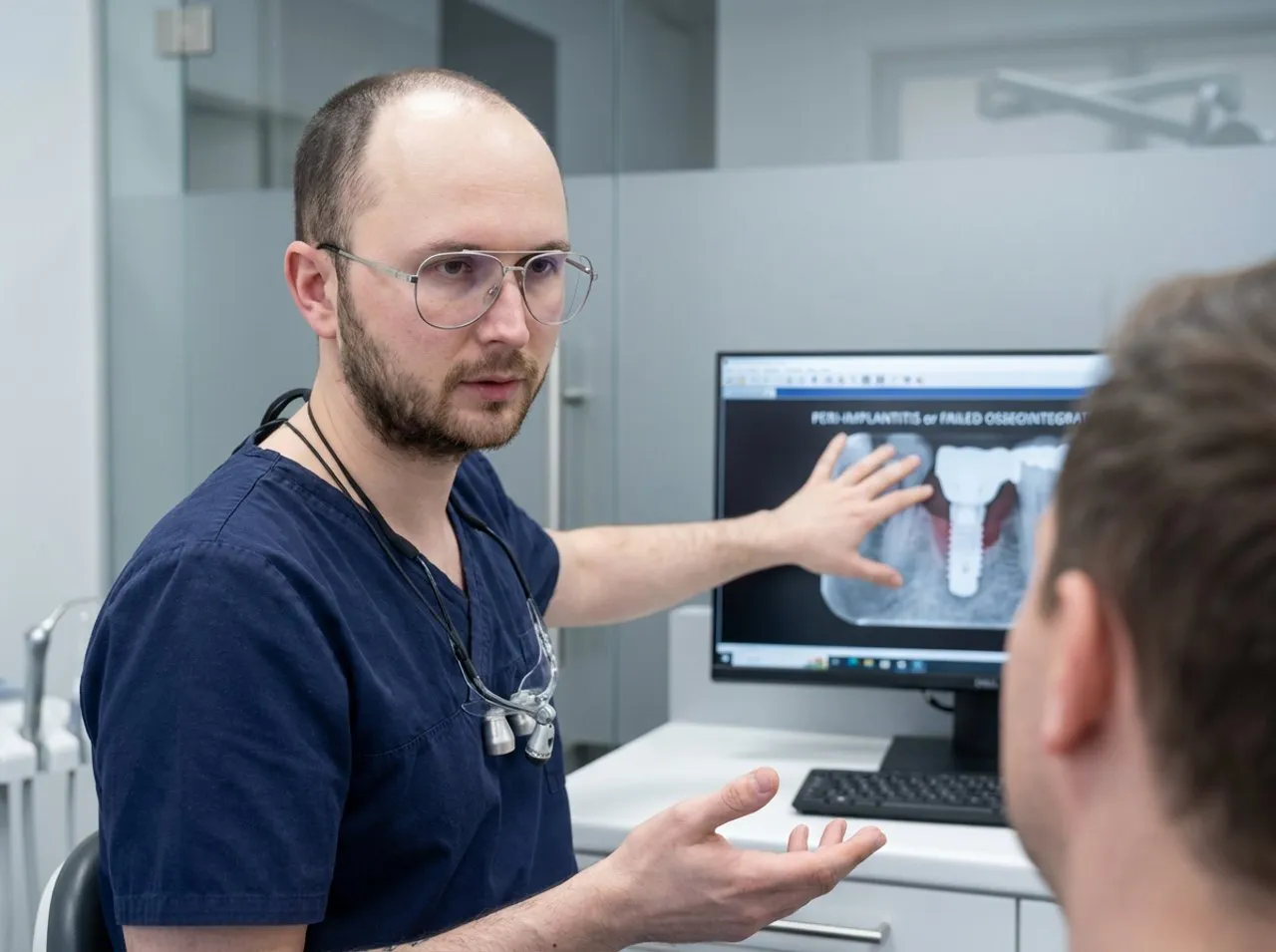
At Wunschlachen, we focus on clear diagnostics. We explain our findings clearly and transparently. You can decide without any time pressure. Our priority is preserving teeth rather than replacing them. When replacement is necessary, we plan treatment with function in mind, while also considering aesthetics and hygiene. Book an appointment in Berlin. We will provide you with individual advice. Together, we will find the right solution.
FAQs about dental treatment
A check-up often takes only a few minutes. A filling frequently takes less than an hour. Several appointments are usually needed for dental prostheses.
Wait until you can confidently feel the area again. This helps you avoid bite injuries. You can usually drink sooner.
No, not at every appointment. It is very helpful when symptoms are unclear. We only use it when clinically appropriate.
The defect usually continues to grow. The pulp may then be affected. In the worst case, root canal treatment becomes necessary.
Bleeding when brushing is a sign. Bad breath can also occur. Measuring the gum pockets at the dentist provides certainty.
Mild symptoms are often nothing to worry about. For an elective procedure, a fever may mean that we postpone treatment; however, it can also indicate a dental infection, so severe swelling or fever requires urgent assessment rather than waiting until your appointment. If you have difficulty breathing or swallowing, or other signs of airway compromise, call 112 immediately. Otherwise, we will discuss your symptoms shortly before your appointment.
A calm approach helps many patients. We explain every step in advance. If necessary, we can discuss sedation.
It is a good option when there is a stable bone foundation. This avoids affecting the adjacent teeth. We assess the planning on an individual basis.
Avoid very hot food after anaesthesia. Do not drink alcohol after the procedure. Smoking can also significantly impair healing.
For many people, an appointment every six months is sufficient. Shorter intervals are often advisable for periodontitis. We determine the interval based on risk and clinical findings.