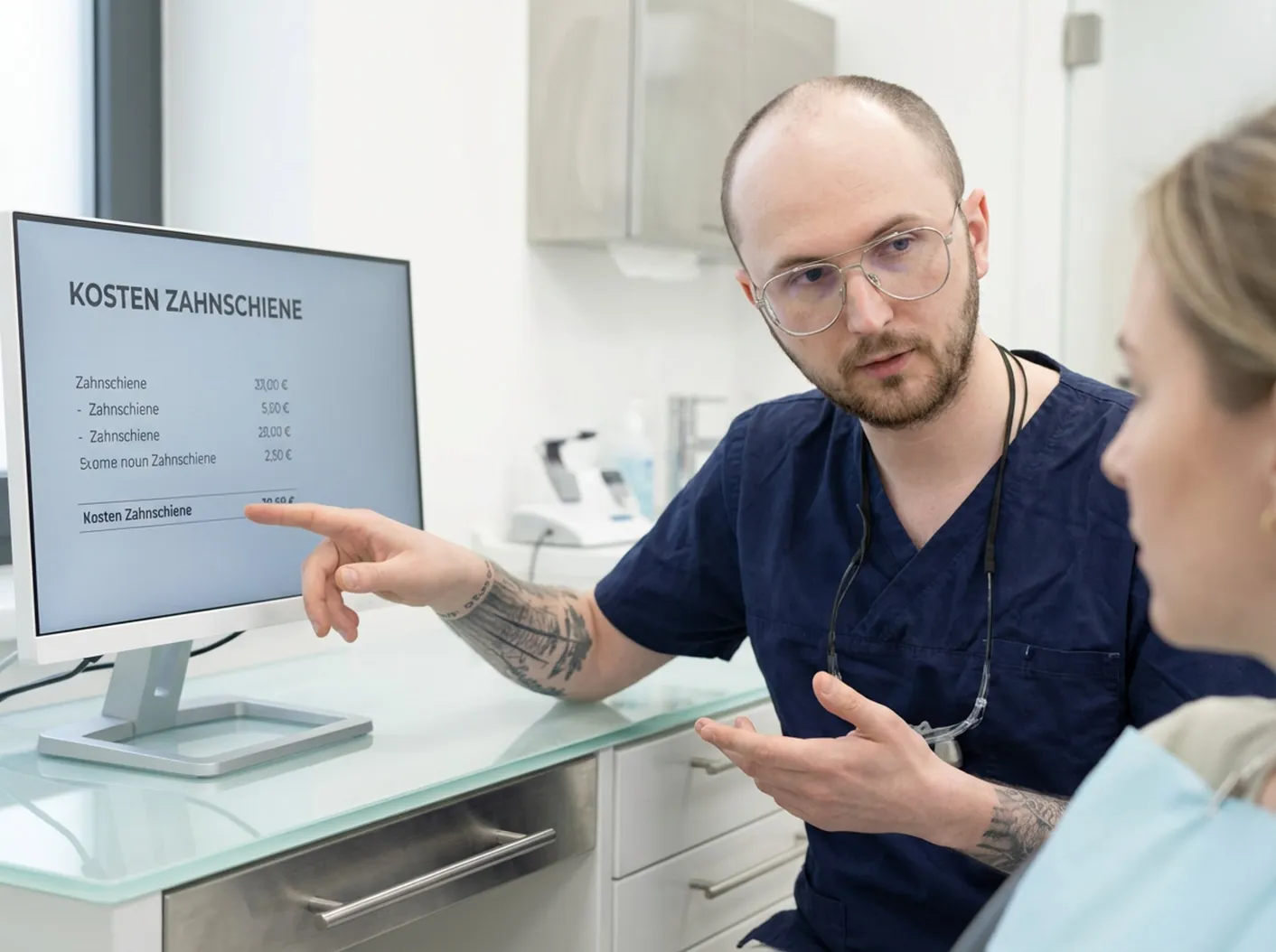
Dental treatment abroad – why cheap offers can become expensive
More and more people are opting for dental treatment abroad to avoid supposedly high costs in Germany. There are numerous offers that can even be booked as a complete package including flights and a hotel. But what sounds attractive at first glance can, in the long term, lead to considerable...
Über 350 Google-Bewertungen
The short answer
Dental treatment abroad initially appears cheaper, but carries risks: time pressure when complex procedures are completed in just a few days, sometimes different quality and hygiene standards, language barriers, incomplete documentation and a lack of aftercare following your return. If dental work subsequently has to be corrected or replaced in Germany, the total costs are often higher than with continuous treatment locally.
- Key point
- Prices vary between providers and according to what a quote includes. Complex dental restorations require careful planning and aftercare, and patients should also consider the cost and arrangements for any corrective treatment.
- Common problems
- Lack of preliminary examination and aftercare, language barriers, incomplete medical documentation, and difficulty enforcing warranty claims from afar.
- Good to know
- If dental prosthetic work from abroad has to be revised or replaced in Germany, the final bill may exceed the supposed savings.
This overview does not replace individual advice. Whether a treatment is suitable is determined by a dental examination in each individual case.
Video laden
Mit Klick wird eine Verbindung zu TikTok hergestellt.
Why many patients travel abroad
So-called dental tourism has increased in recent years. Dental restorations from Hungary or Turkey, in particular, are heavily advertised online. For many patients, such an offer sounds tempting. At first glance, dental treatment abroad may appear cheaper than treatment in Germany.
The main reasons for this trend:
• Lower wages and living costs abroad
• State subsidies or tax relief for dental centres
• Aggressive advertising campaigns with package deals
However, prices and the services included in quotations vary between providers. When comparing offers, patients should consider not only the price but also treatment planning, aftercare and possible additional costs.
Risks of dental treatment abroad
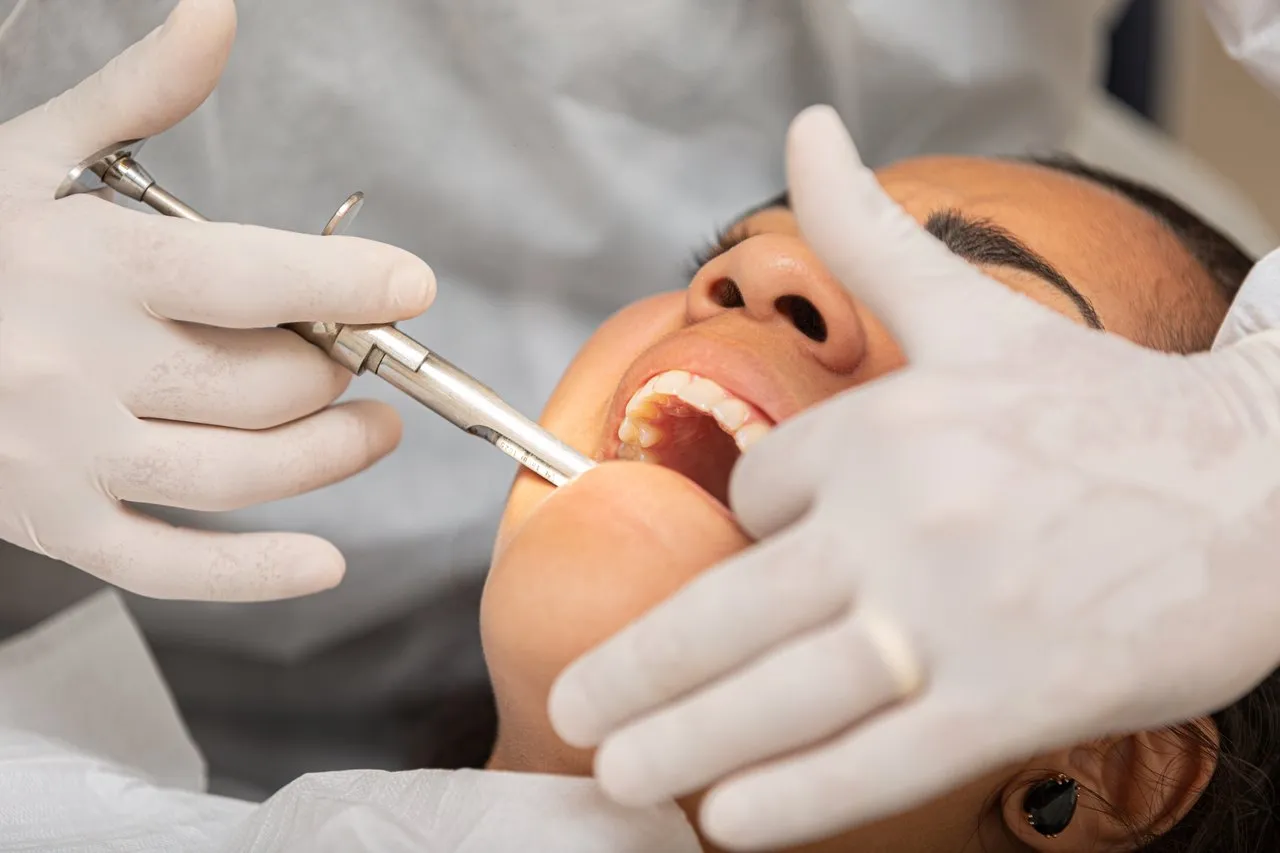
Dental treatment abroad can be risky if the necessary material quality, hygiene standards or dental expertise are not provided. Risks can include:
• The use of inferior materials in dental restorations from abroad
• A lack of individual preliminary examination and treatment planning
• Time pressure due to short stays, with complex treatments completed in just a few days
• Insufficient aftercare following your return
• Language barriers and a lack of medical documentation
Complications range from inflammation and pain to functional disorders or the need for completely new dental restorations.
If dental restorations need to be corrected in Germany
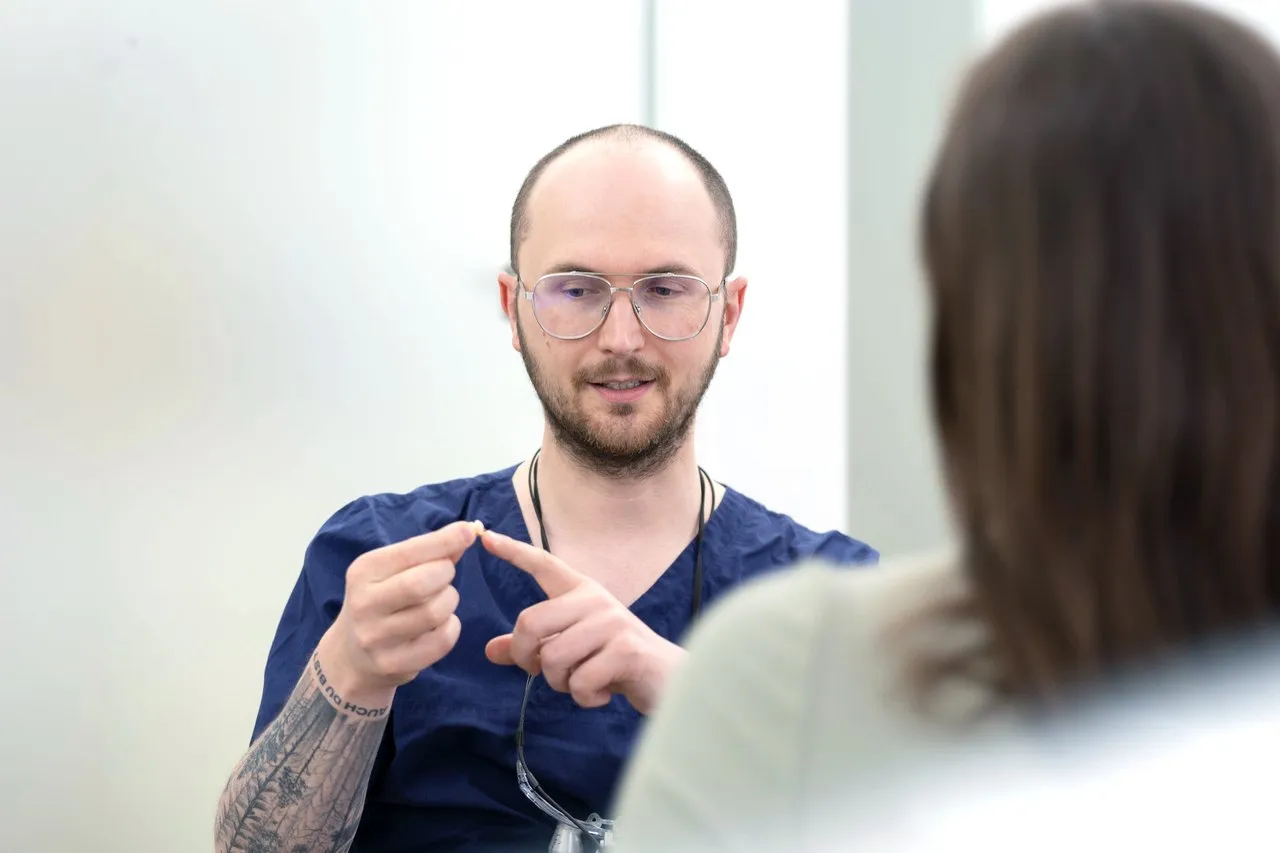
In our practice, we see cases where dental work carried out abroad has to be revised or replaced. This often results in significantly higher overall costs for the patient than direct treatment in Germany. Moreover, the additional strain on the teeth and gums should not be underestimated.
Case study: Veneers from abroad
In a recent case, a patient came to us after having veneers made abroad. The result was neither aesthetically nor functionally satisfactory.
In the video we have prepared, we show how we corrected this work at our Wunschlachen practice. This example illustrates how important careful planning, high-quality materials and experienced practitioners are. This is the only way to achieve a lasting, beautiful and healthy result.
Quality has its price – and protects your health
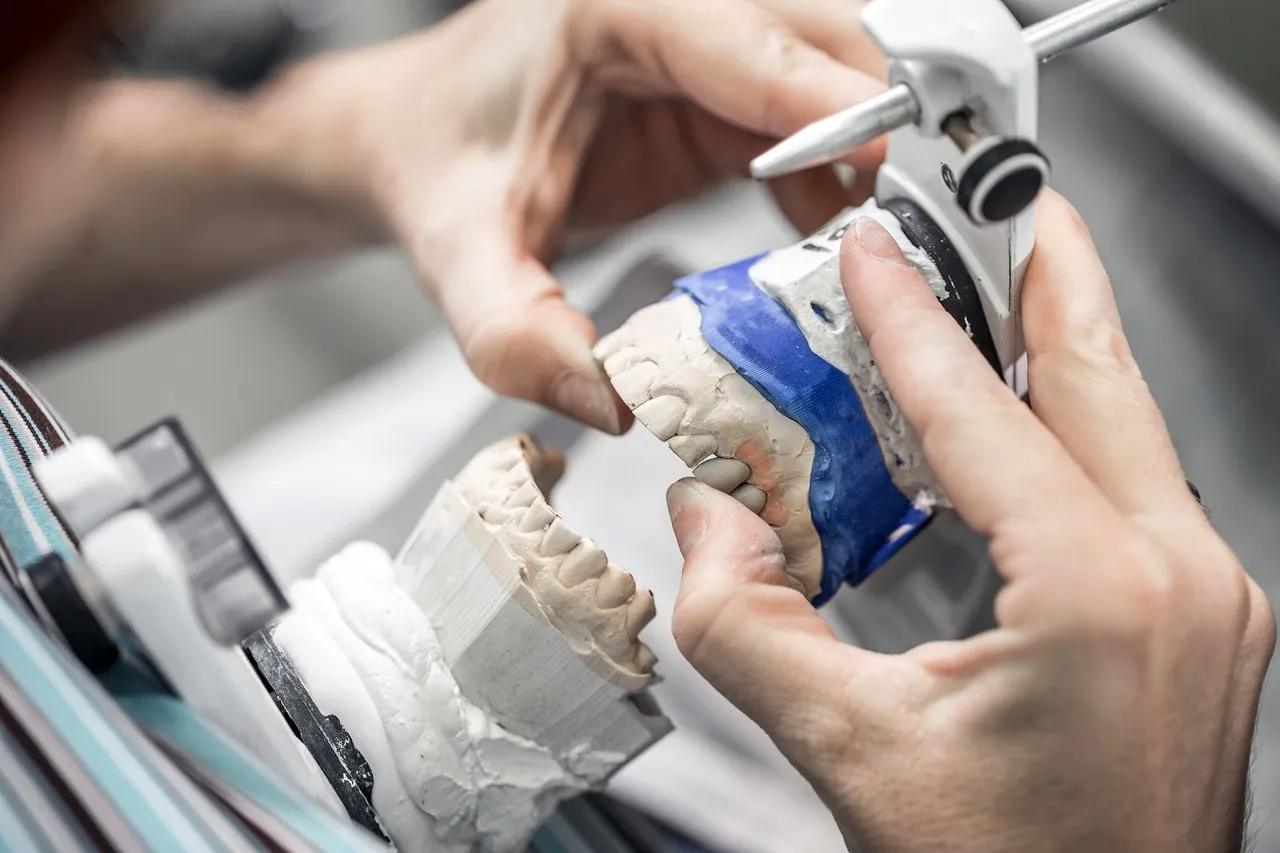
With dental restorations from Turkey or Hungary, prices and what is included can vary between providers. Germany has strict requirements for materials, hygiene, documentation and safety. Each restoration is planned individually, statutory warranty periods apply, and aftercare is available locally.
Warranty terms, cover for corrective treatment and the applicable jurisdiction depend on the country and provider. Hungary is in the EU, whereas Turkey is not, so their legal frameworks should not be treated as identical. Even with a reputable clinic, some risk remains; patients should therefore check the arrangements for aftercare and corrective treatment in advance.
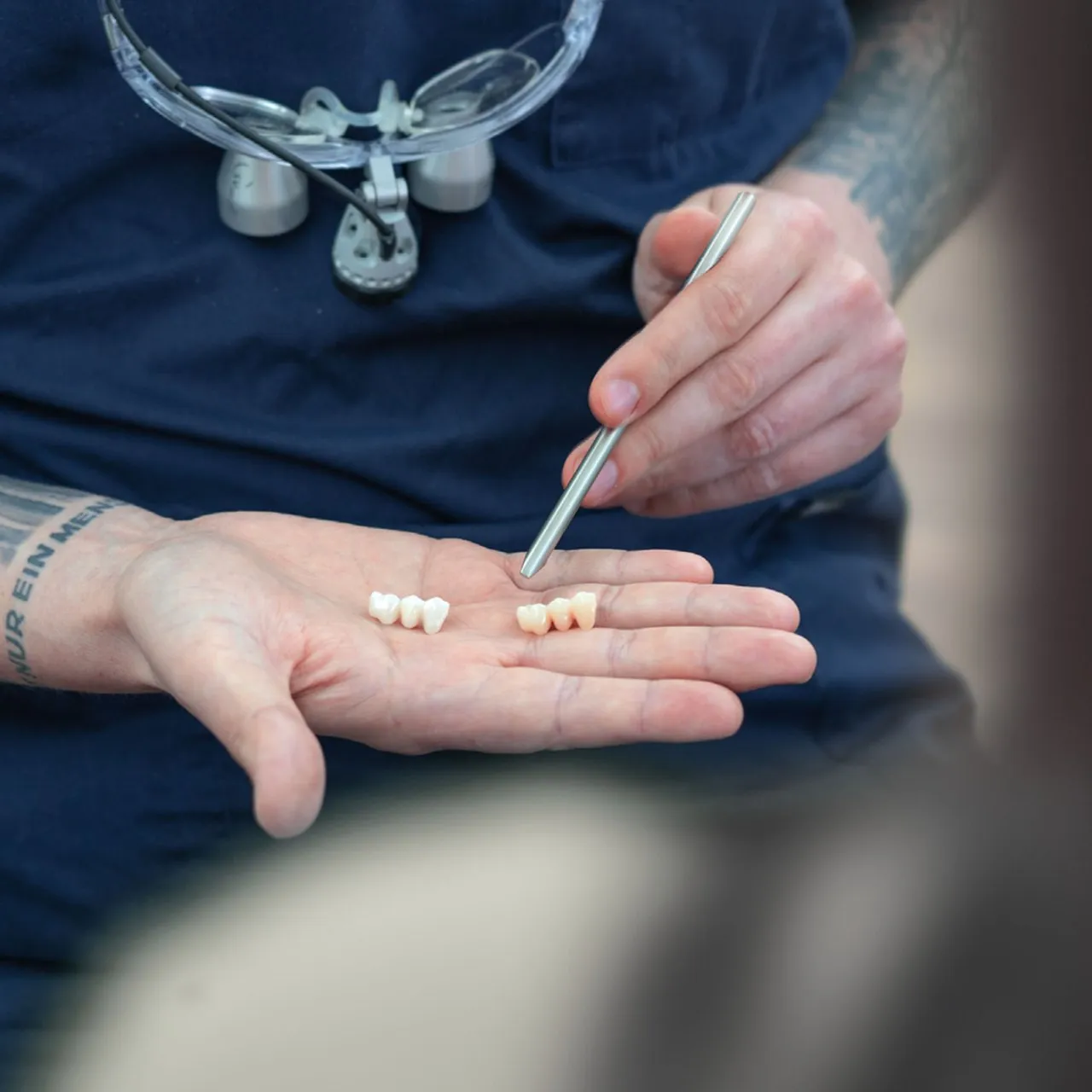
Why corrective work becomes expensive
If dental treatment carried out abroad has to be corrected, any reimbursement depends on the patient's insurance, the country concerned and, for planned treatment, prior approval of the treatment and cost plan. Emergency care is subject to separate rules. Patients may have to pay for corrective treatment in Germany themselves. Warranty terms for dental treatment abroad depend on the provider and the applicable jurisdiction; they do not automatically end when the patient leaves the country.

Dental tourism – tempting, but risky
Dental treatment abroad may appear cheaper, but prices and the services included vary between providers. Patients should consider treatment planning, material quality, aftercare, warranty arrangements and possible additional costs, as complications and corrective treatment can put dental health at risk and significantly increase overall costs.
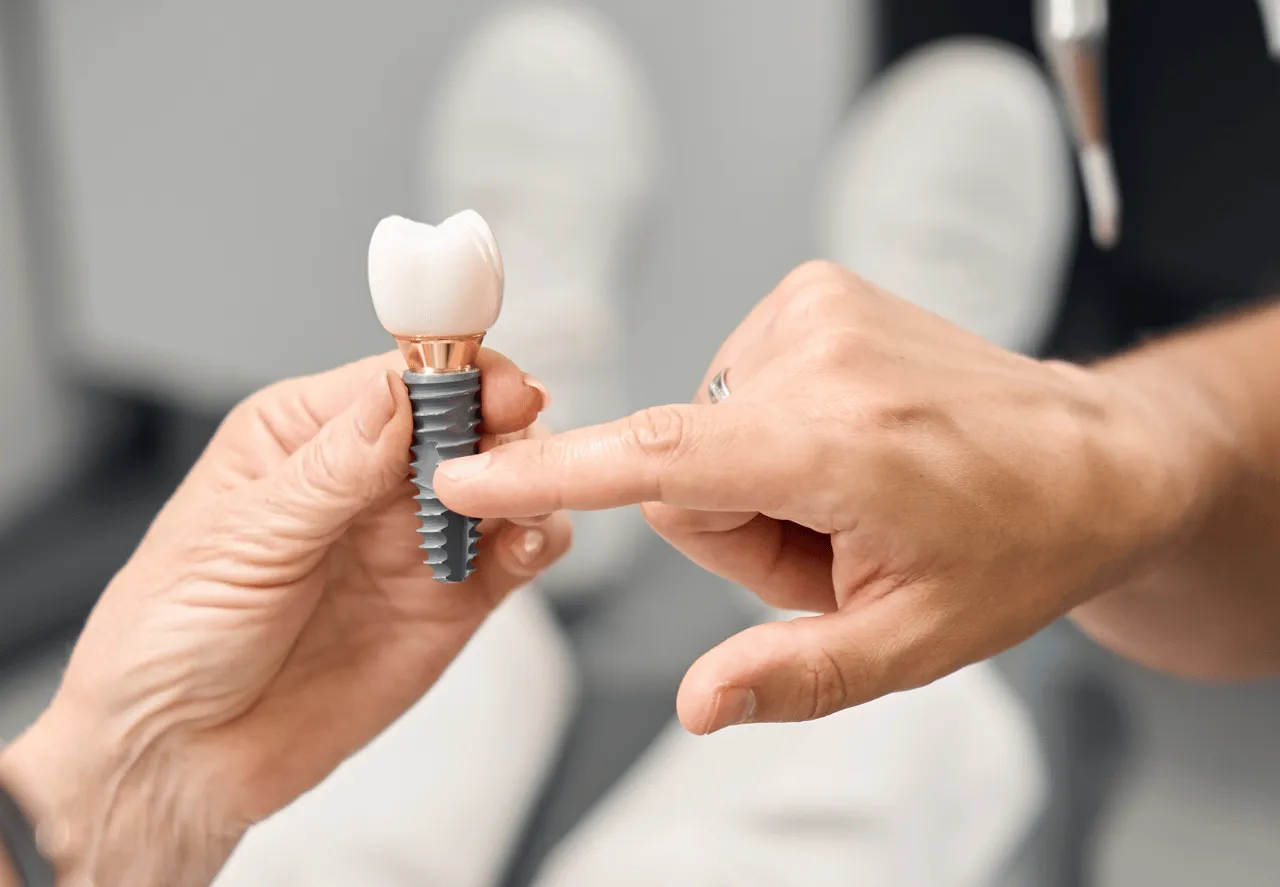
Medical risks and possible consequences
Inadequate dental treatment abroad can not only lead to aesthetic problems, but can also have serious health consequences. Inflammation, poorly fitting crowns or bridges and an inaccurate bite can damage dental health in the long term. If inferior materials are used, there is also a risk of allergic reactions or intolerances.
Treatments that are completed within a few days, even though several weeks would be scheduled for them in Germany, are particularly critical. Complex procedures such as implant placement require sufficient healing time to minimise the risk of implant loss or infections. In cases where these healing phases are shortened or skipped, problems are often highly likely.

Lack of legal protection
Another aspect that is often overlooked concerns legal protection. In Germany, patients benefit from clearly defined warranty periods, consumer protection rights and a well-functioning dental chamber.
For dental treatment abroad, the available support, warranty terms, cover for corrective treatment and applicable jurisdiction depend on the country and provider. If a guarantee is offered, using it may require another trip abroad. This can result in additional costs for travel, accommodation and lost working time.
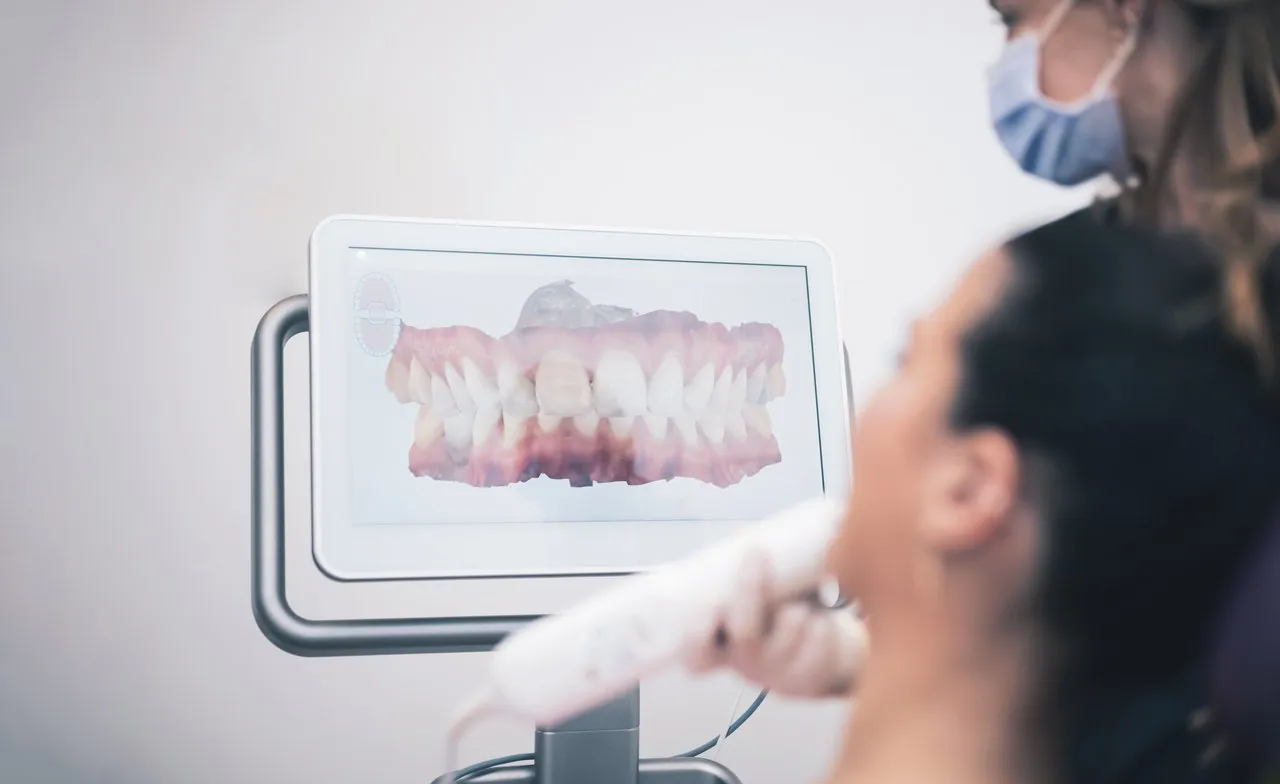
Quality assurance by experienced dentists
German dental practices such as Wunschlachen work according to strict guidelines. Regular further training, the use of tested materials and complete documentation are mandatory. This ensures not only a high level of safety, but also consistently high treatment quality.
With dental restoration treatment abroad, on the other hand, these quality controls may not exist to the same extent. This does not mean that all foreign practices perform poorly, but standards can vary considerably.
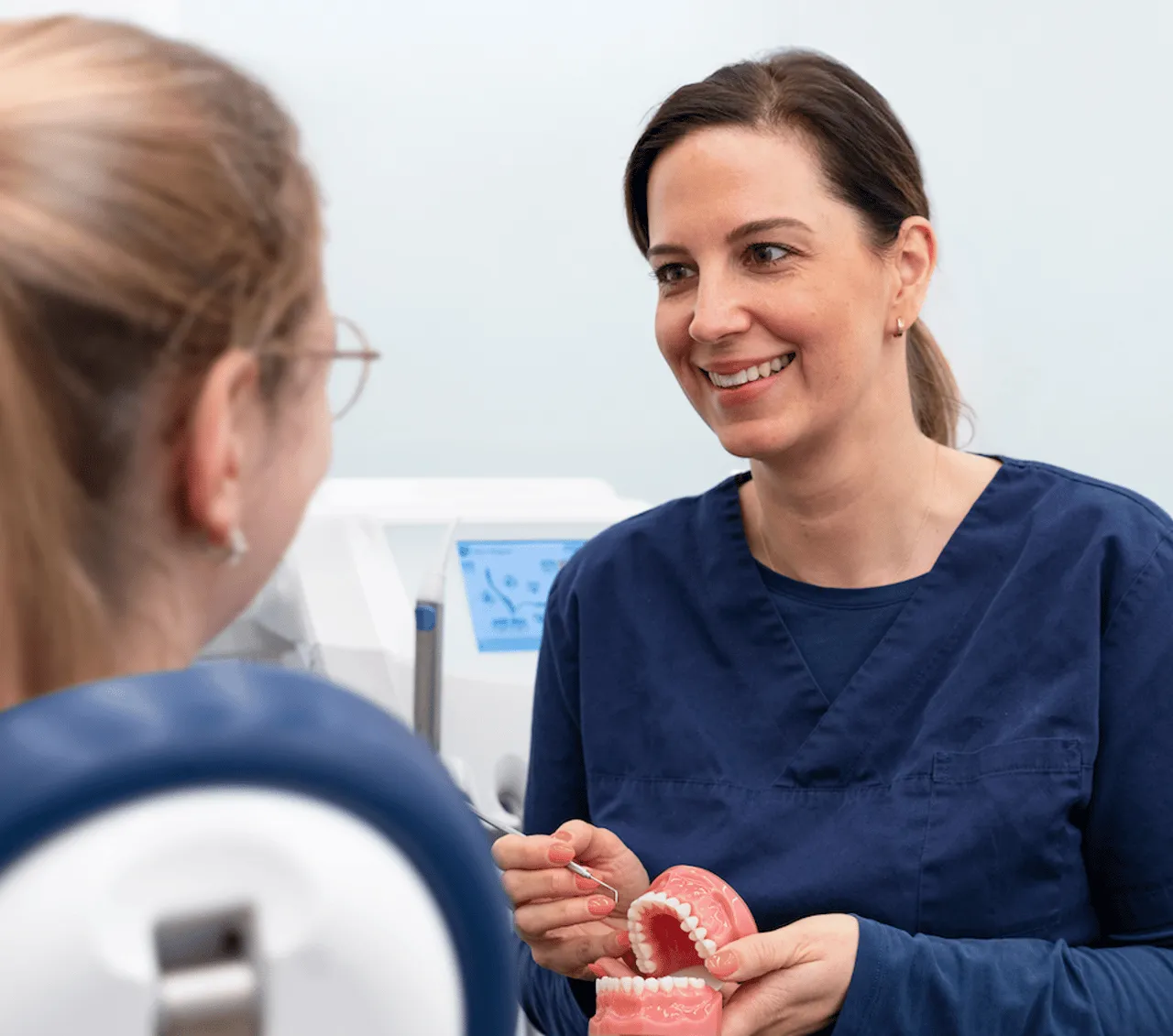
Conclusion – caution is better than aftercare
Anyone who decides to have dental treatment abroad should be aware of the risks. A supposed price advantage can quickly be lost if complications arise. Well-planned, high-quality treatment in Germany is often the safer option in the long term and, ultimately, also the cheaper choice.
Our experience shows that an investment in quality pays off not only through a beautiful smile. It also offers long-term preservation of dental health. That is exactly what should always come first.
FAQ – Frequently asked questions about dental treatment abroad
Not necessarily, but there are higher risks if quality standards and aftercare are not guaranteed.
Due to strict hygiene regulations, high-quality materials, high wages and comprehensive aftercare.
The difference varies between providers and according to what each quote covers. Planning, aftercare and possible corrective treatment should also be considered when comparing costs.
Reimbursement is not limited to exceptional cases. For eligible treatment in the EU, the health insurance fund generally reimburses up to the amount it would pay in Germany; planned dental restorations require prior approval of the treatment and cost plan.
Complications do not necessarily have to be treated in Germany. If corrective treatment is carried out there, German dentists are not obliged to correct dental restorations provided abroad free of charge, so patients may have to pay themselves. Any reimbursement and warranty claims depend on the patient's insurance, the provider's terms and the applicable jurisdiction.
Hungary and Turkey in particular.
Yes, but choosing one requires thorough research. A residual risk nevertheless remains.
A lack of individual planning, inferior materials or time pressure more frequently lead to problems.
Check qualifications, request a detailed treatment plan, ask about materials and clarify aftercare.
In many cases, yes. Especially if follow-up costs for corrections are avoided.