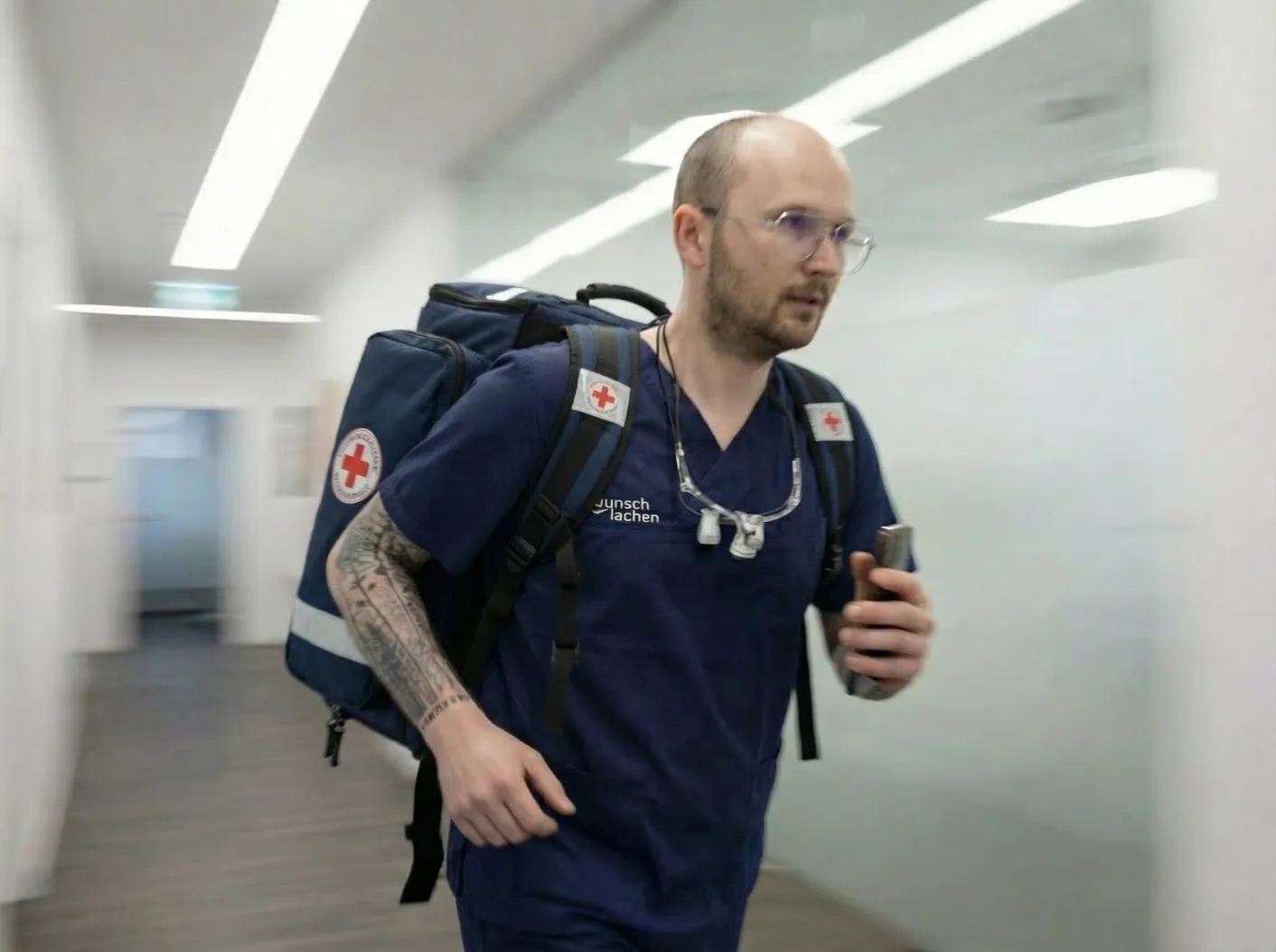
Emergency dentist: Rapid help for acute toothache
• A dental emergency requires prompt assessment to prevent complications. • Typical warning signs are severe pain, swelling, bleeding or a dental injury. • In Berlin, the emergency dental service can help when practices are closed.
Über 350 Google-Bewertungen
The short answer
A dental emergency involves severe or worsening pain, swelling, persistent bleeding or a dental injury. If you have difficulty breathing or swallowing, call 112 or go to A&E immediately. A knocked-out tooth should be kept moist and taken to a dentist as soon as possible. The emergency service includes a medical history, examination, usually an X-ray and urgent treatment to relieve pain; outside opening hours, the emergency dental service in Berlin can help with dental emergencies.
- Warning signs
- Severe or worsening pain, swelling, persistent bleeding, dental injury
- Act immediately
- If you have difficulty breathing or swallowing; keep a knocked-out tooth moist and seek prompt dental care
- Outside opening hours
- Emergency dental service or official emergency service lists; check the service area and times in advance
This information does not replace an examination; if you have acute symptoms, you should always seek a prompt dental assessment.
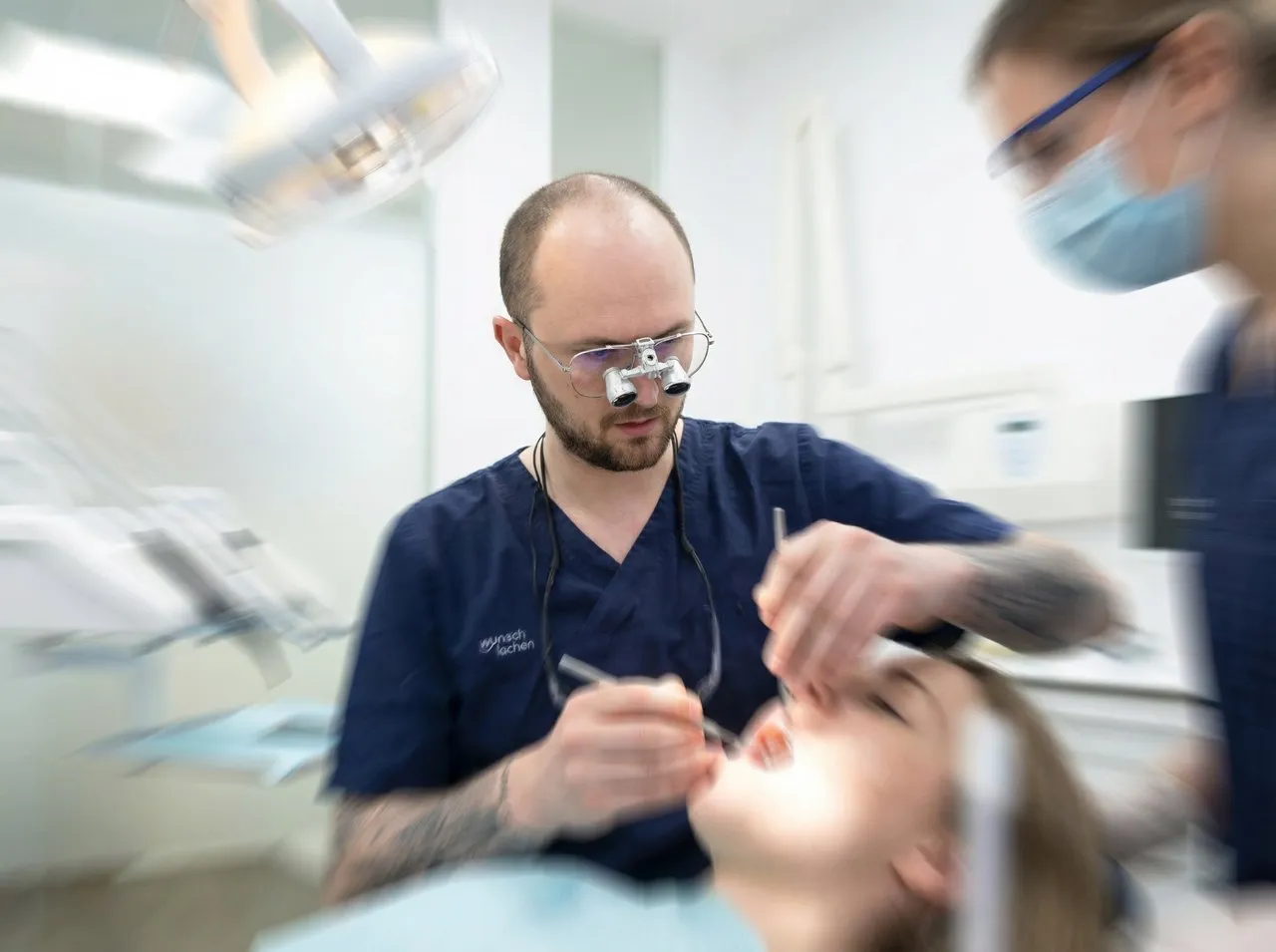
Emergency dentist: When is it truly urgent?
An emergency exists when pain suddenly becomes severe. The consequences of an accident also count as an emergency. The same applies to facial swelling. Warning signs include fever, pus, difficulty swallowing or breathing difficulties. If you have difficulty breathing or swallowing, call 112 or go to A&E immediately. Rapid action is then important. Waiting can allow the infection to spread. Many people seek prompt help outside normal hours. Identifying the cause is crucial. We therefore assess the findings and symptoms.
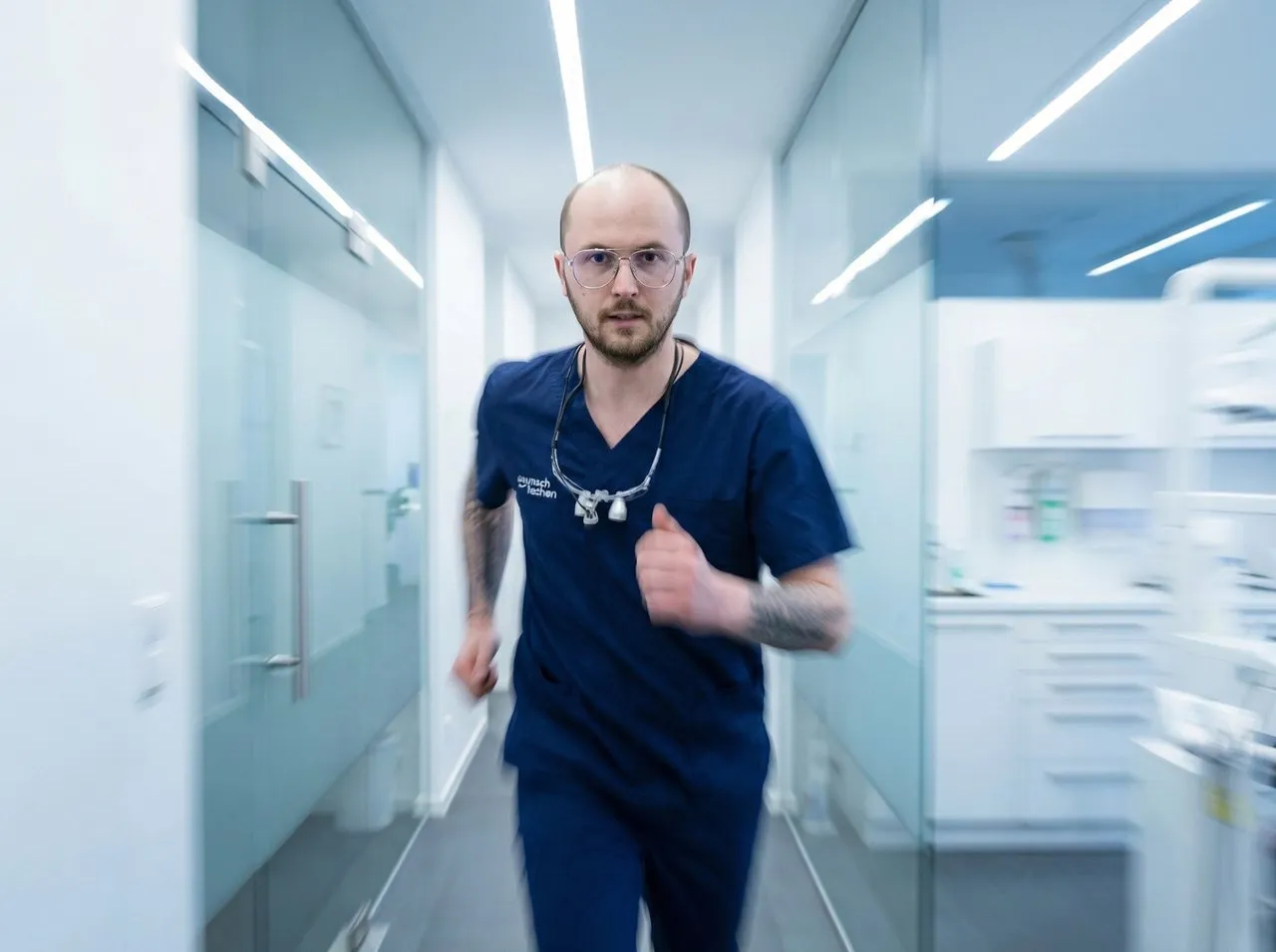
Common reasons for a dental emergency
Acute toothache is often caused by deep caries. Pulpitis is also a possibility. An inflammation of the root may also be the underlying cause. A tooth broken in a fall is also common. Loose teeth also need to be checked. This is particularly important if there is bleeding. Swelling of the gums can indicate an abscess. A feeling of pressure in the jaw often accompanies it. Sometimes there is severe pain when chewing.
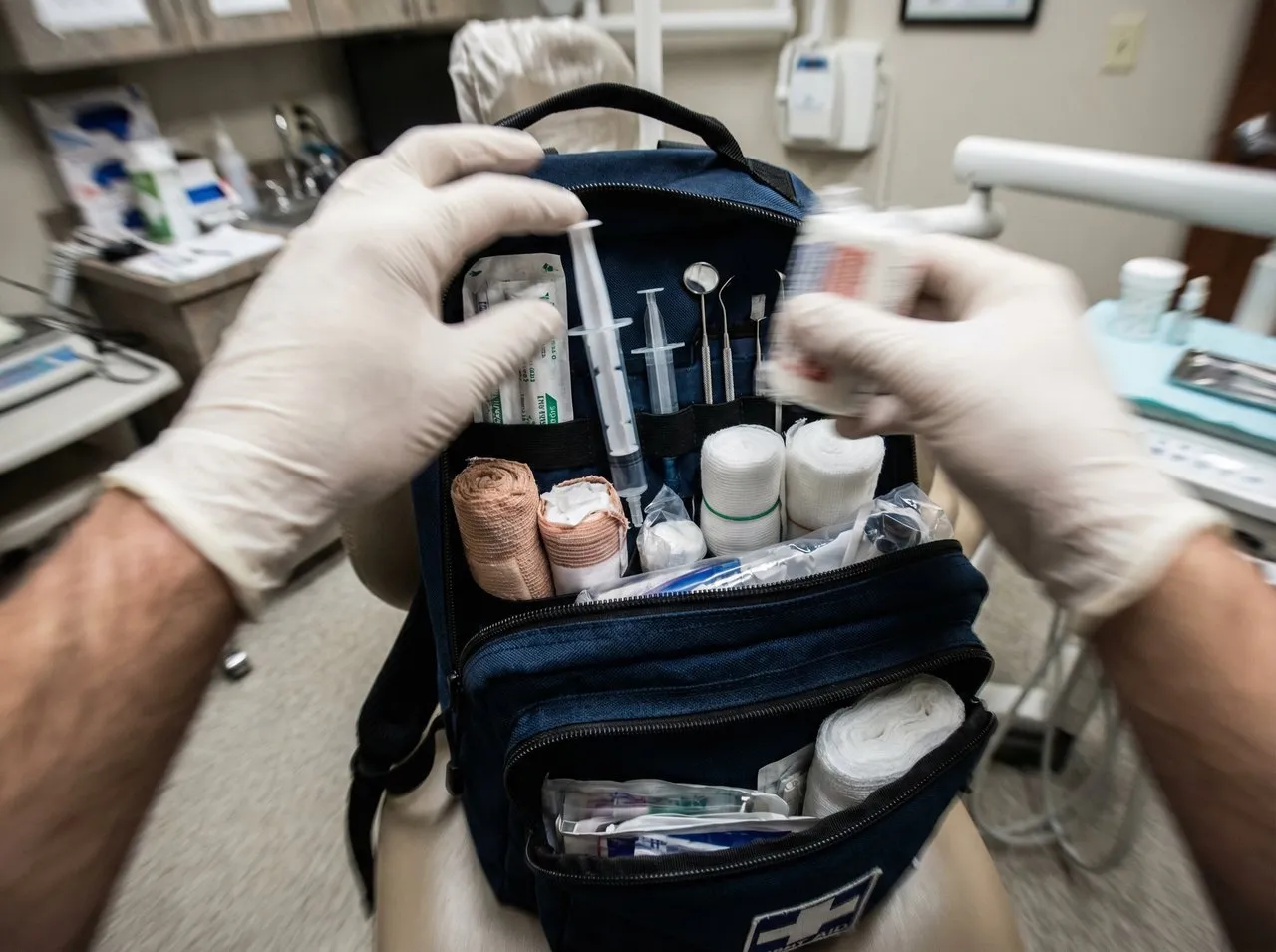
Urgent or an emergency: This distinction helps
Not every sensitivity is a genuine emergency. Reactions to cold are often short-lived. An appointment the following day is then usually sufficient. A lost inlay is often urgent, but rarely dangerous. Nevertheless, the area should be protected. Otherwise, secondary caries may develop. The situation is different if pain persists at rest. This suggests inflammation. A prompt examination is then advisable.
What you should check before your appointment
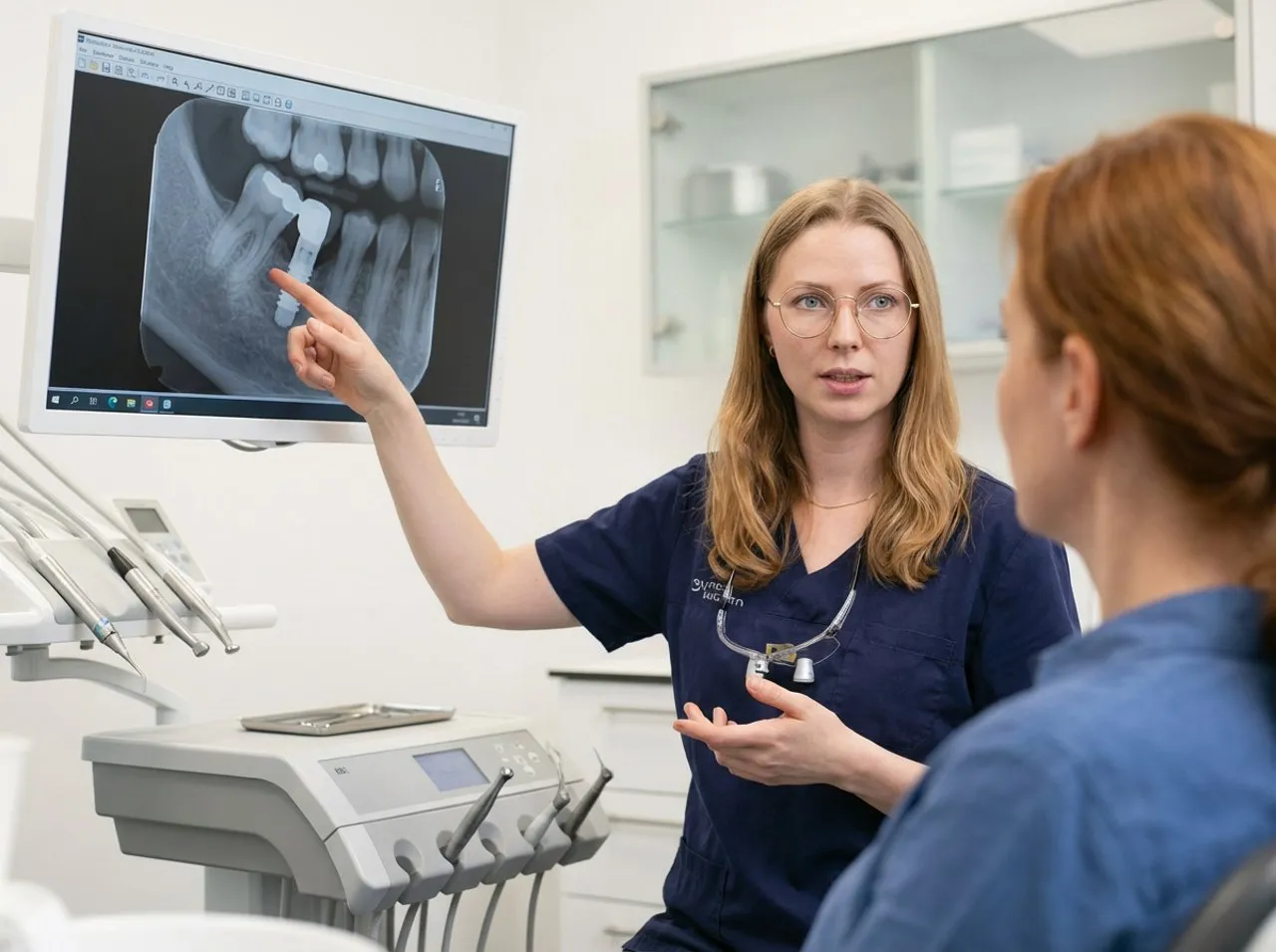
Localise the pain as precisely as possible. Note when it started and how it has progressed. Document any additional symptoms. Take your temperature if you feel unwell. Check for any visible swelling. Pay attention to mouth opening and swallowing. If you are taking medication, state the active ingredient and dose. The same applies to allergies. This information improves safety.
What you should bring
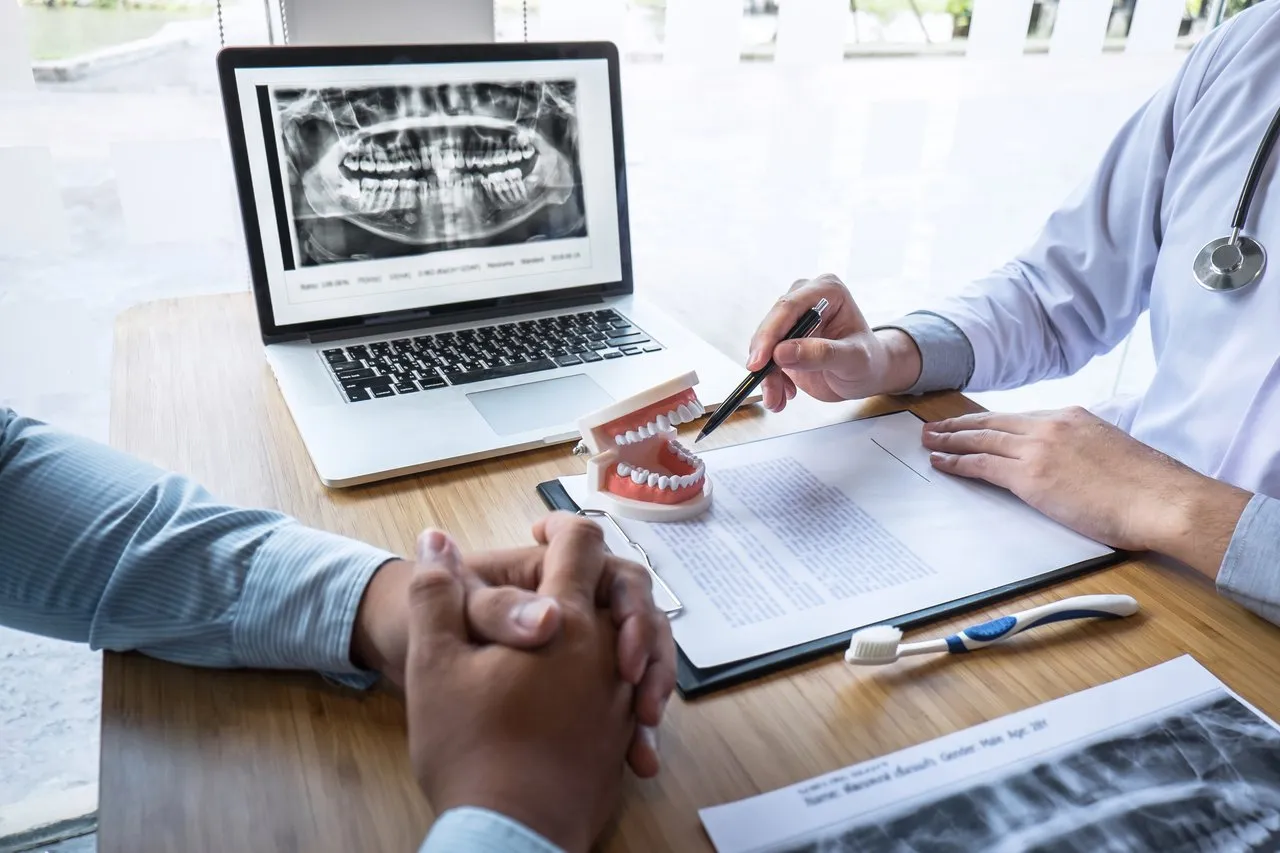
Bring your health insurance card with you if possible. Have an up-to-date list of your medication ready. Note any relevant pre-existing conditions. For children, a brief account of the accident is helpful. Describe the fall, when it happened and the impact. Photographs can make assessment easier. If you are pregnant, please let us know. This affects X-rays and medication. Breastfeeding is also important to mention.

Emergency dentist near you: How to find the right place
An on-call service can help outside opening hours. Many people search in haste for an open practice. A reliable source is important. Berlin has central emergency service structures. In addition, some practices offer acute appointments. Ask about availability and procedures. In Berlin, the day service and area of responsibility matter. Check whether X-rays are available. Clarify the procedure in advance.
Emergency dental appointment: How treatment works
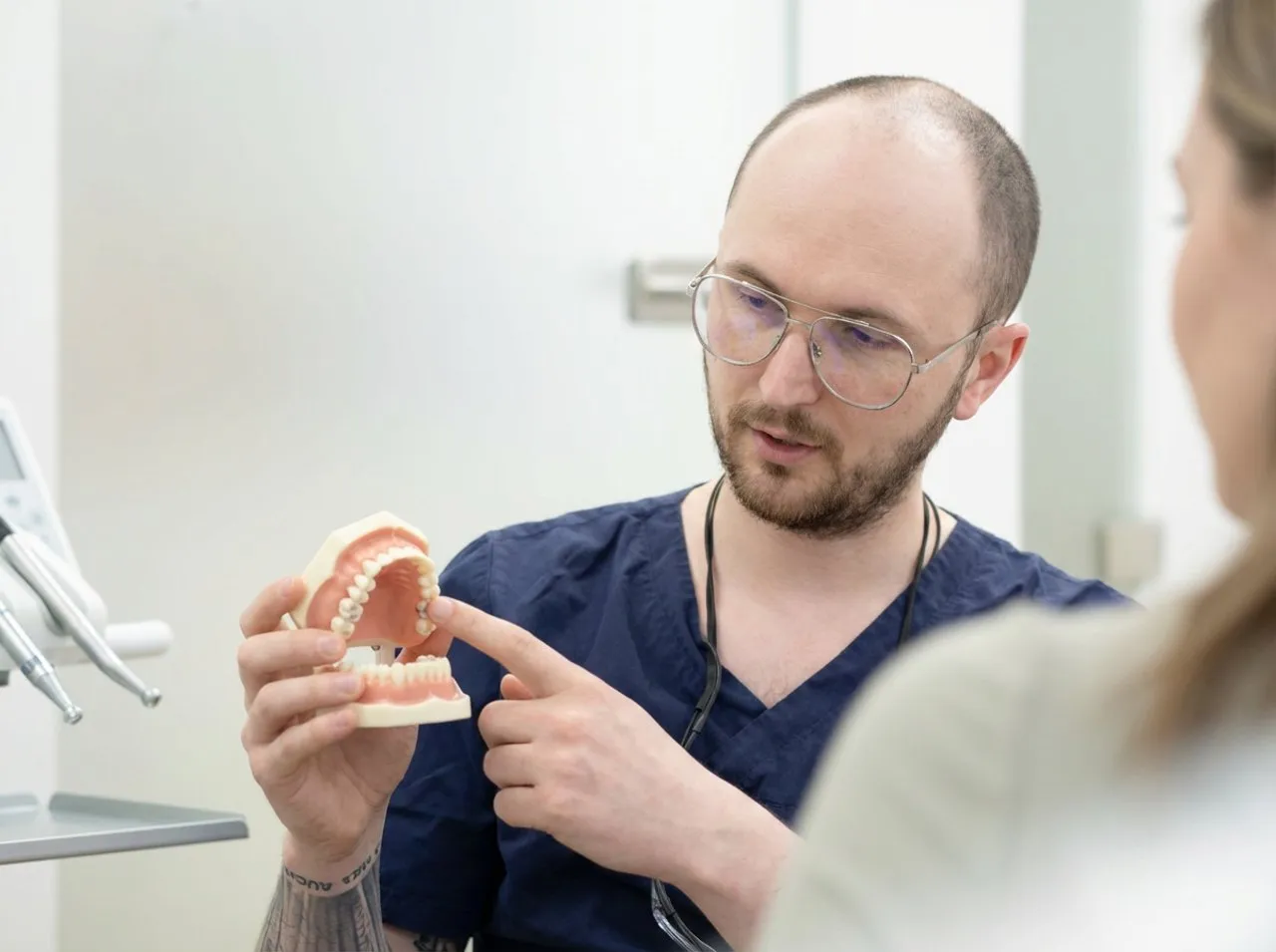
The priority in an emergency appointment is pain relief. First, a brief medical history is taken. We then examine the affected area. This is followed by clinical tests and often an X-ray. This allows us to narrow down the cause. We then plan the emergency treatment. Depending on the findings, trepanation, drainage or a temporary filling may be carried out. Sometimes an extraction is necessary. The aim is to provide relief.
First aid until you can see a dentist
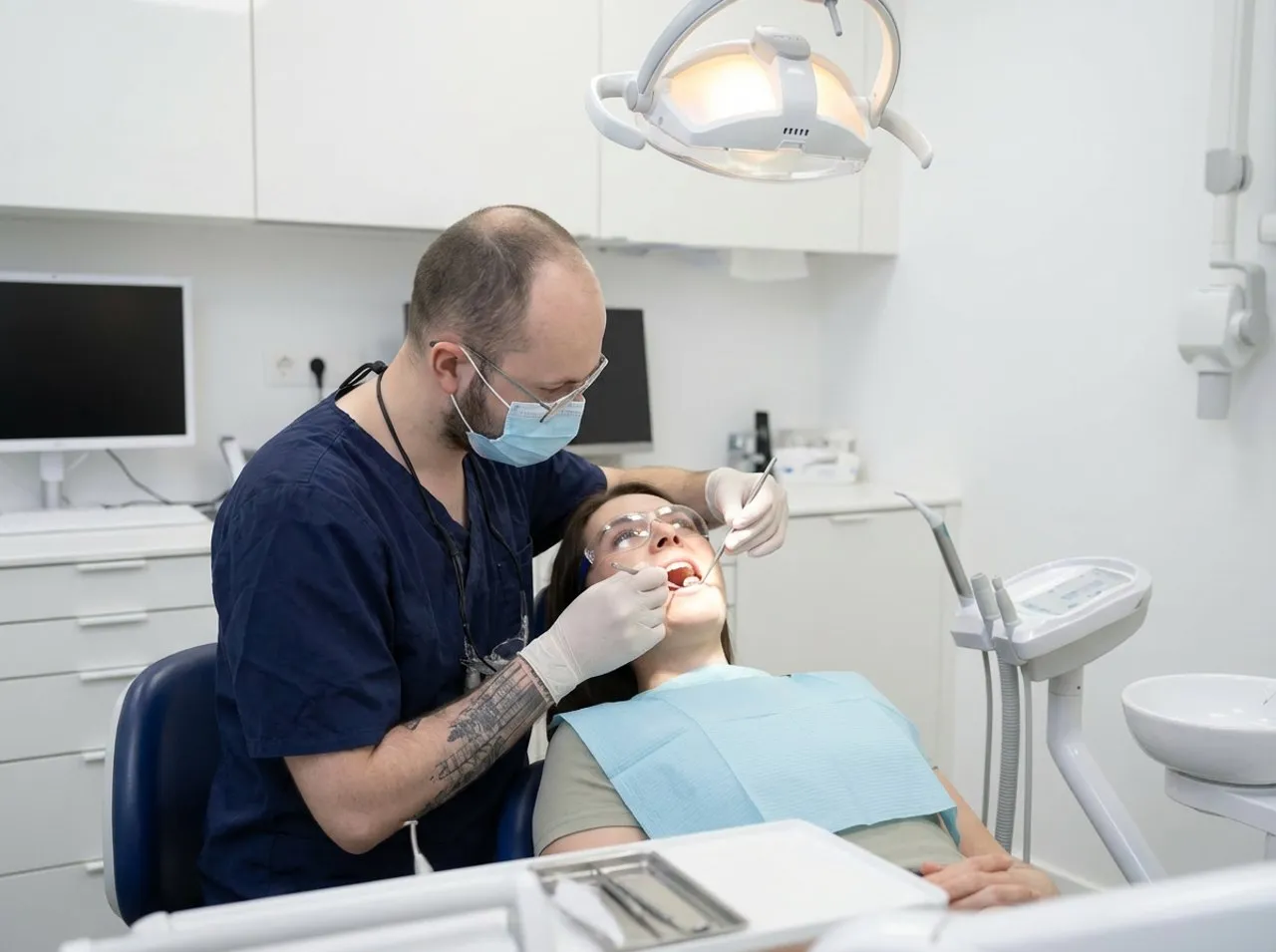
If there is swelling, cool your cheek from the outside. Use short intervals. Avoid applying cold directly to the tooth. Do not rinse aggressively. A mild mouthwash may be helpful. Avoid alcohol and heavy smoking. Only take painkillers as directed in the package leaflet. Do not combine active ingredients without careful thought. If you are unsure, seek advice.
Which treatments are available from the emergency service?
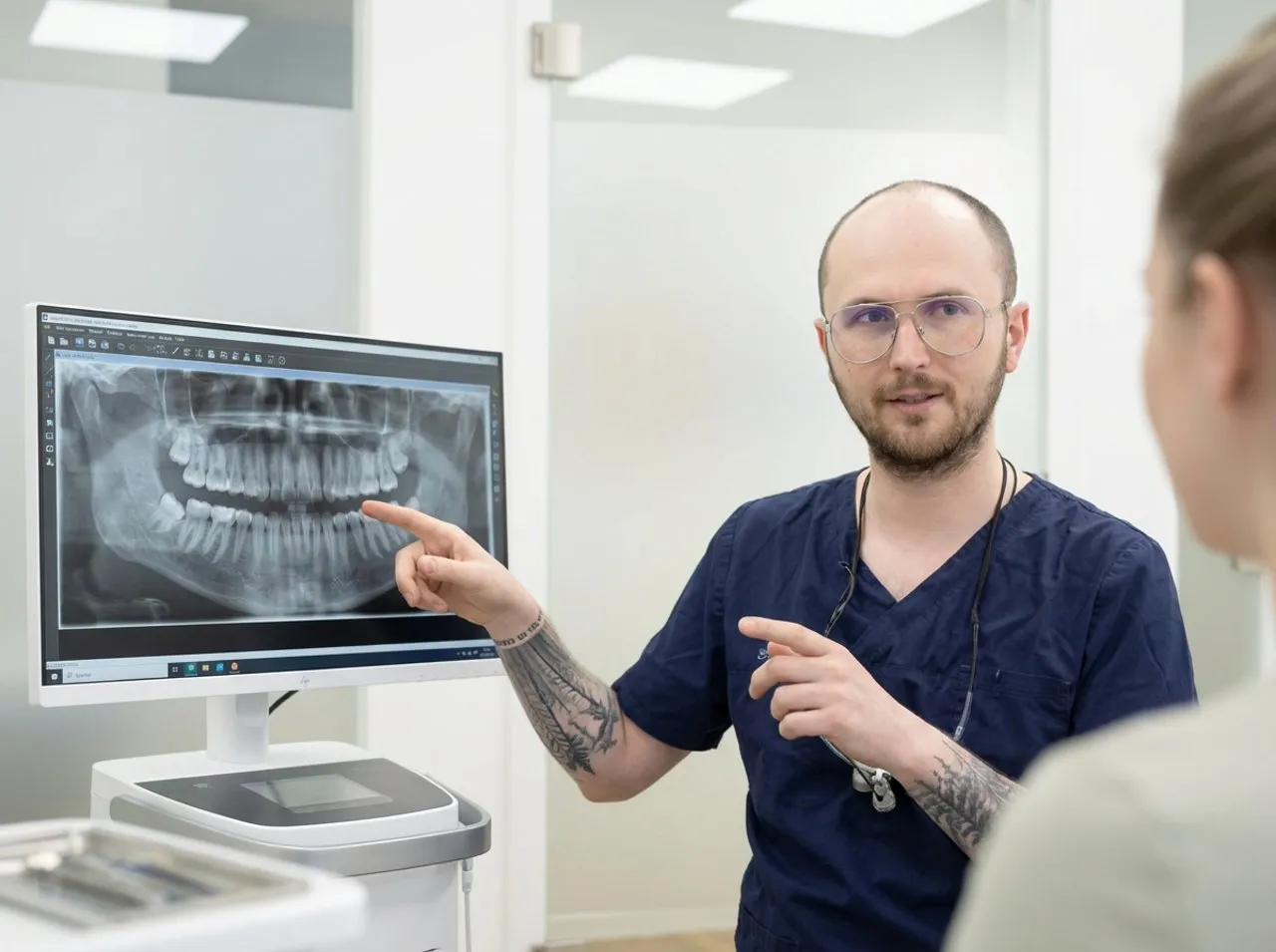
For deep caries, pain-relieving preparation may be carried out. A medicated dressing is often applied. Definitive treatment then follows. For an abscess, the inflamed area is relieved. Sometimes an antibiotic is necessary. This depends on the findings. For dental trauma, we stabilise the tooth where possible. We examine the gums, bone and neighbouring teeth. We then plan follow-up appointments.
Aftercare and next steps
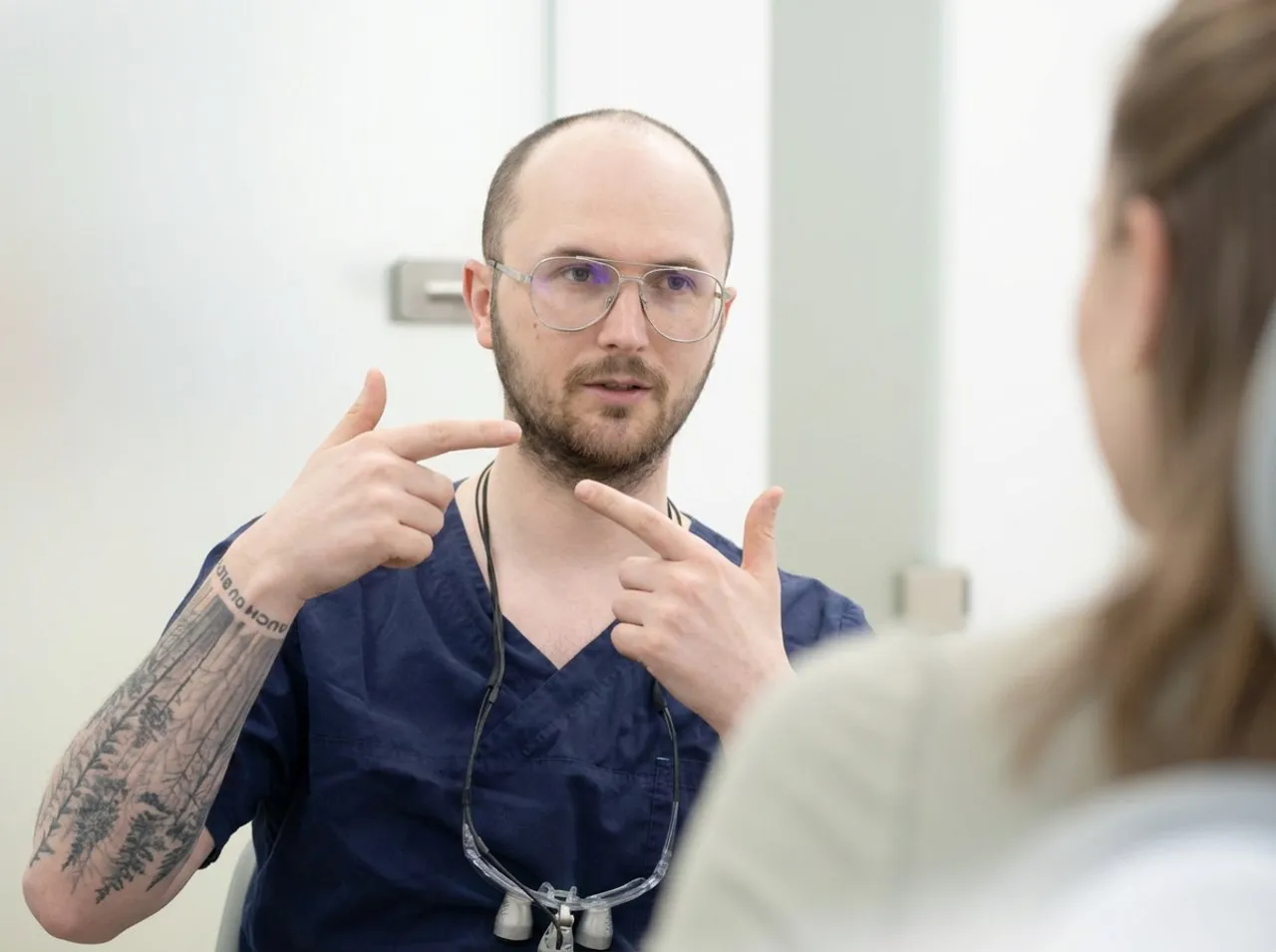
Follow-up appointments are often needed after emergency treatment. These ensure that healing is complete. They prevent recurrences. Watch out for persistent pain or new swelling. If this occurs, contact us again. This also applies if you develop a fever. Regular check-ups reduce the risk of emergencies. These include preventive care and caries screening. This helps teeth remain stable in the long term.
Emergency treatment at Wunschlachen in Berlin
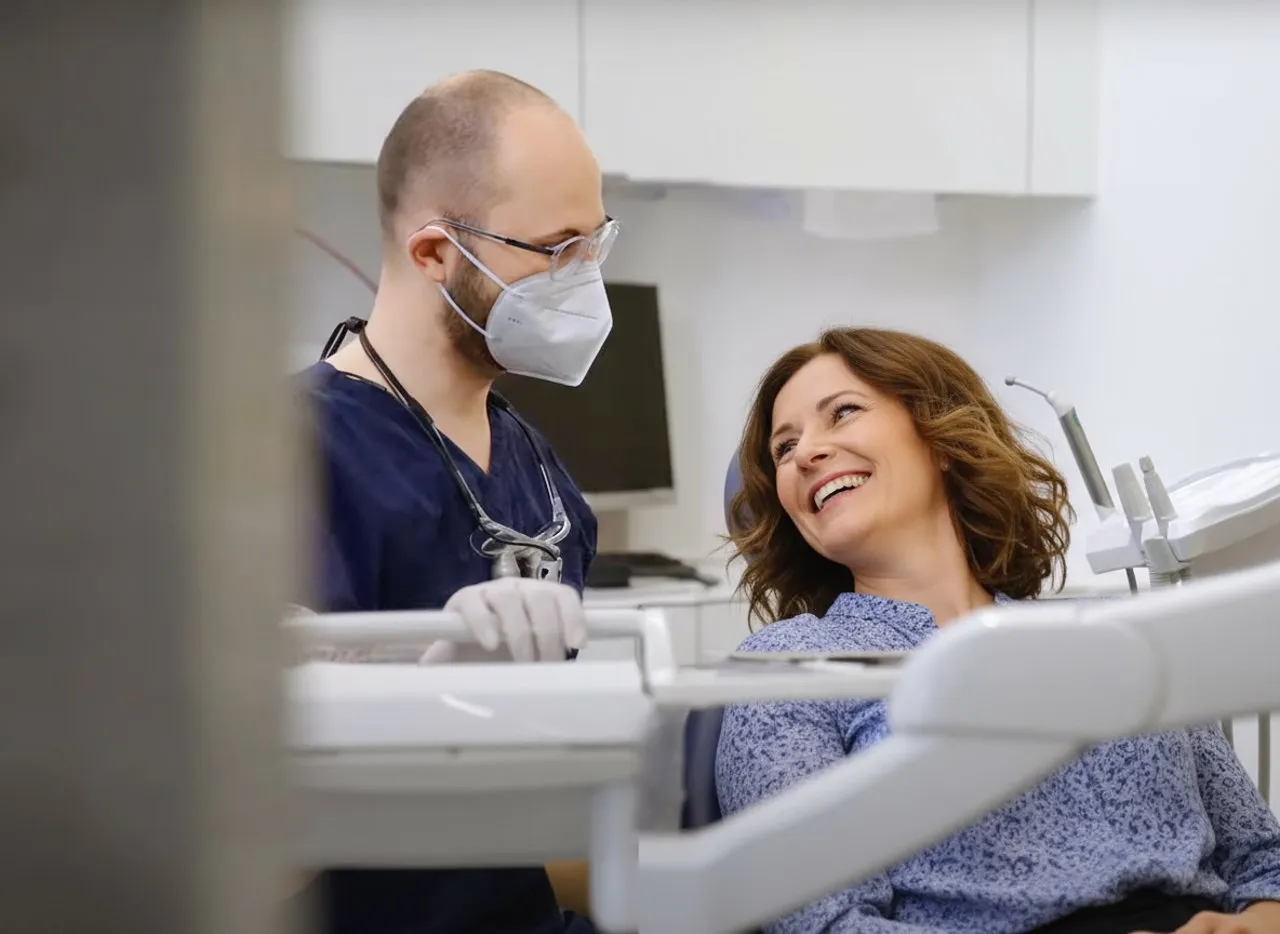
Wunschlachen stands for structured diagnostics and modern technology. We work with clear procedures. This facilitates rapid decisions. Our teams provide clear information about options and risks. We choose gentle emergency treatment. We then plan the definitive treatment. If you have a dental emergency, we take your symptoms seriously. We prioritise according to urgency. This ensures safe care.
FAQs about emergency dentists
An assessment is advisable if you have severe, worsening pain or swelling. It is urgent if you have breathing difficulties or problems swallowing: call 112 or go to A&E immediately.
This means treatment to reduce pain quickly. Planned follow-up treatment then usually follows.
Yes, time is crucial. The tooth should be kept moist and assessed promptly.
Yes, bleeding after an accident or procedure must be checked. The source of the bleeding can often be stopped in a targeted manner.
There is a medical history, an examination and often an X-ray. An emergency measure is then carried out to provide relief.
Use official emergency service lists or the on-call service. Check the times and area of responsibility.
Berlin is large, so the region matters. Clarify the service area and current patient acceptance.
Yes, if needed, often to provide initial relief. The root canal preparation is usually completed later.
Eating is usually possible with local anaesthesia, but wait until sensation returns before chewing and follow any procedure-specific instructions. Special rules apply with sedation.
Regular check-ups and preventive care significantly reduce the risk. Defects detected early can be treated gently.