
Failed root canal treatment: causes and help
A failed root canal treatment can remain unnoticed for months or years. Later, pressure, swelling or discomfort when chewing may develop. An accurate diagnosis shows which further treatment is appropriate.
Über 350 Google-Bewertungen

What does failed root canal treatment mean?
During root canal treatment, inflamed tissue is removed from the tooth. The canals are then cleaned, disinfected and filled to create a tight seal. Nevertheless, healing may not occur or may be disrupted again later.
This is known as failed endodontic treatment. The tooth may become diseased again even though it initially appeared trouble-free. Symptoms are possible, but are not necessarily present.
Why can root canal treatment fail?
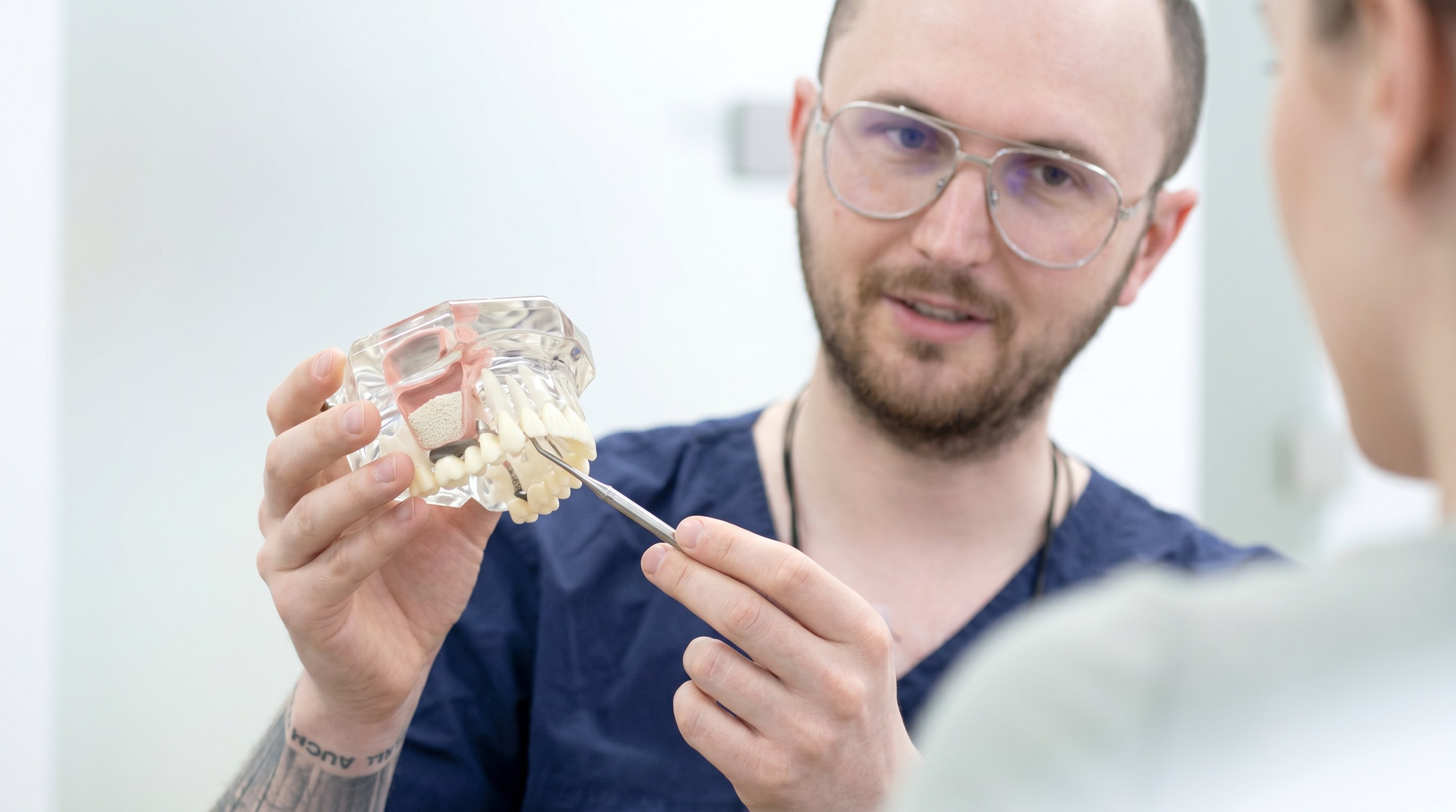
Root canals often have fine branches and pronounced curves. Some areas can be difficult to reach. Bacteria or tissue remnants may remain there.
Sometimes an additional canal was overlooked during the initial treatment. A root filling that is too short or does not seal properly also encourages new inflammation. The same applies to leaking fillings or crowns.
New tooth decay can allow bacteria to enter the canal system again. Cracks or tooth fractures also worsen the prognosis. In rare cases, broken instruments or perforations make further treatment more difficult.

What symptoms are typical?
A root-treated tooth may be sensitive when chewing or biting. Some patients feel a dull pressure. Others notice throbbing pain or increasing swelling.
A small fistula may form on the gum. Fluid may occasionally drain from it. An unpleasant taste may also be a sign of inflammation.
Fever and severe facial swelling are warning signs, as is difficulty swallowing. If you have difficulty swallowing or breathing due to oral or neck swelling, call 112 in Berlin immediately for emergency medical help. If you have fever or severe facial swelling without difficulty swallowing or breathing, seek immediate dental care. An infection can spread to surrounding tissue.
However, a failed root canal treatment can remain symptom-free. Changes are then often detected on X-rays. Regular check-ups after root canal treatment are therefore important.
How is the affected tooth examined?
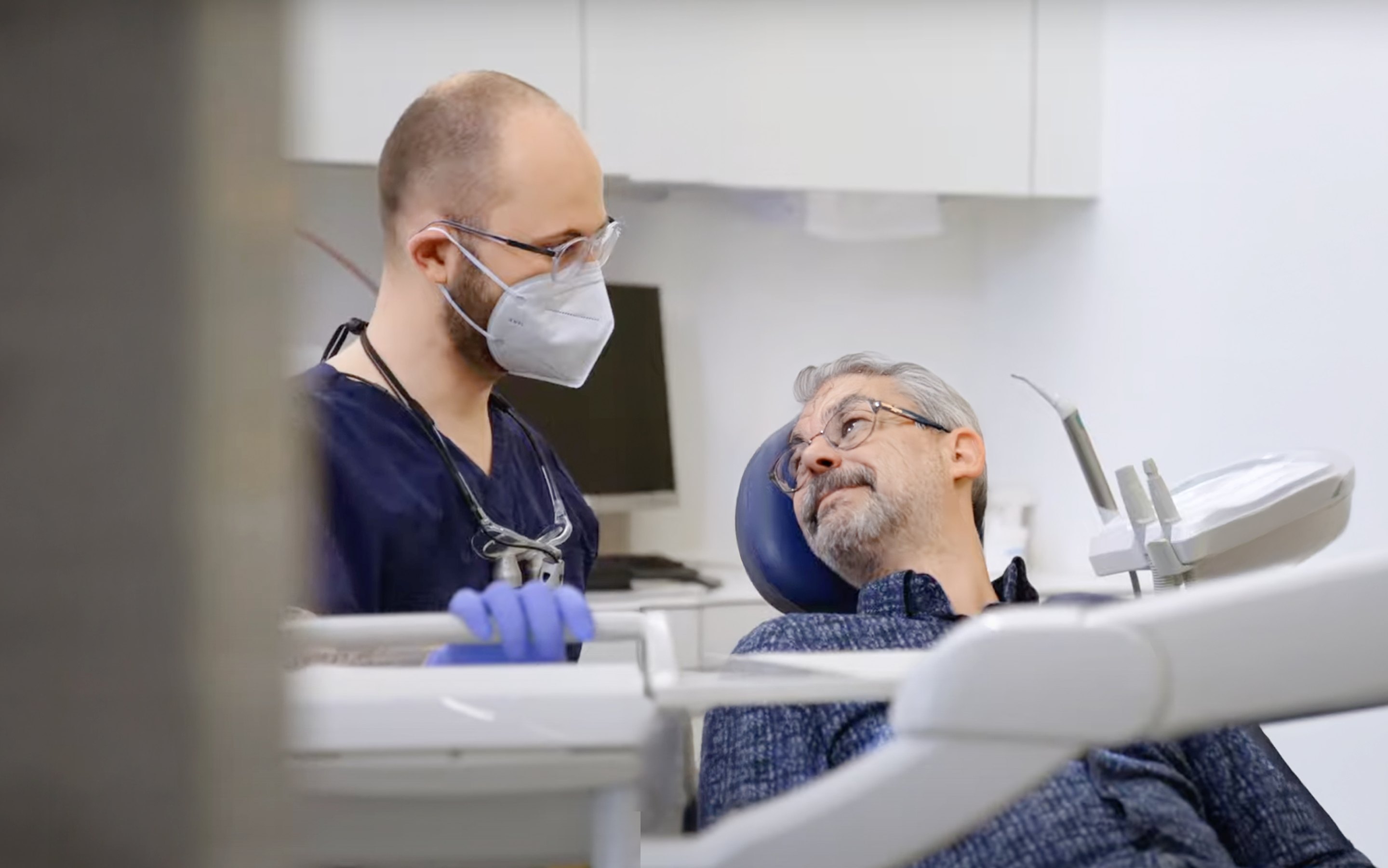
First, symptoms and previous treatments are recorded in detail. The dentist then checks tenderness to percussion, the bite and the gums. Adjacent teeth are also examined.
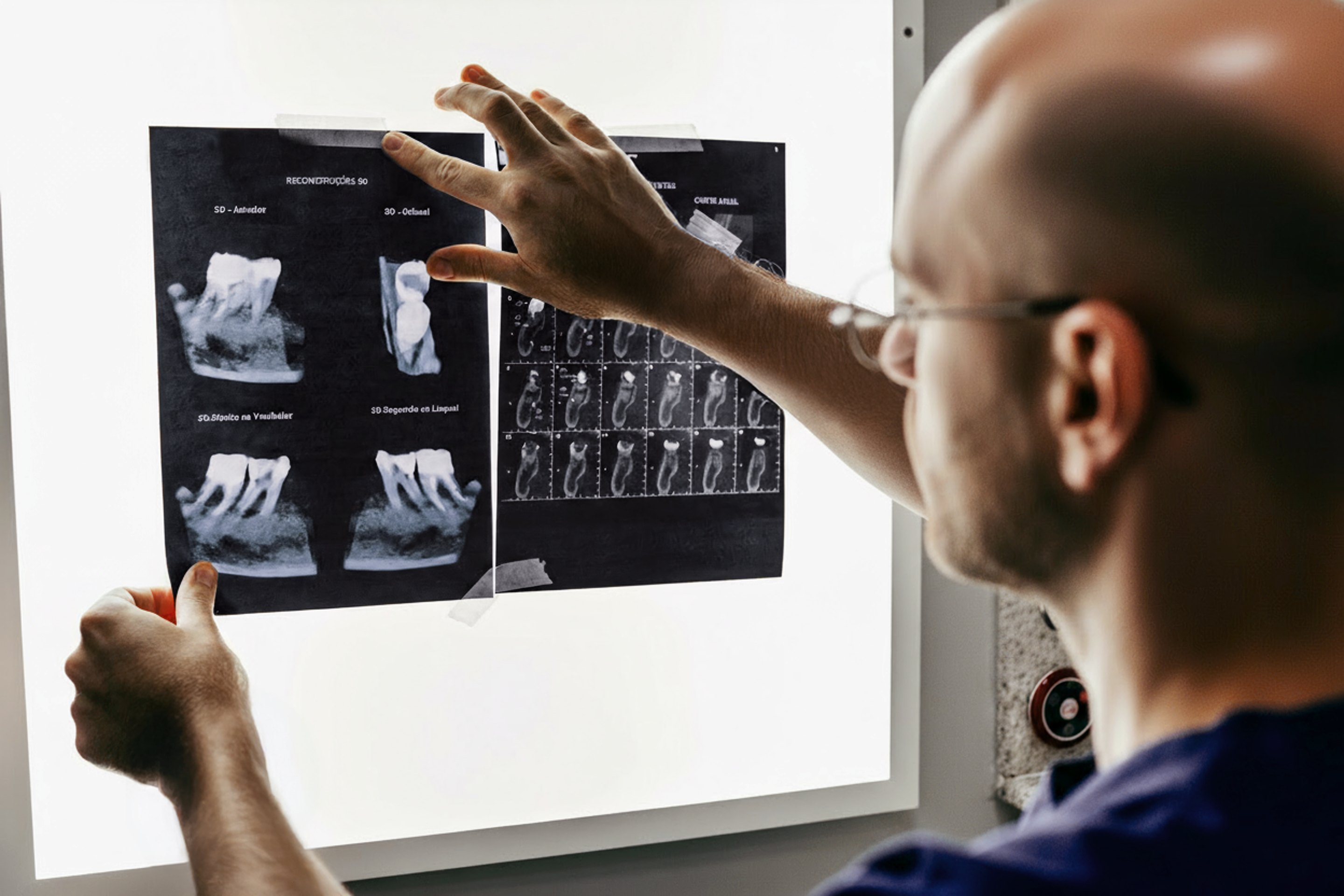
X-rays show changes around the root tip. For complex findings, three-dimensional imaging can be helpful. It makes additional canals or bone changes easier to see.
Before any further treatment, the cause should be as clear as possible. Not all pain originates from the treated tooth. Jaw joints, muscles or neighbouring teeth can also cause symptoms.

Retreatment after failed root canal treatment
Root canal retreatment repeats the treatment inside the tooth. First, the crown, filling or post and core restoration is carefully opened. The dentist then removes the existing root filling.
The canals are then prepared again and thoroughly irrigated. Hidden areas can be seen more clearly under magnification. A new root filling is then placed, sealing as tightly as possible.
Retreatment aims to reduce remaining bacteria and support healing. Its chances of success depend on the individual findings. Important factors include tooth substance, canal anatomy and existing damage.
When is root end surgery advisable?
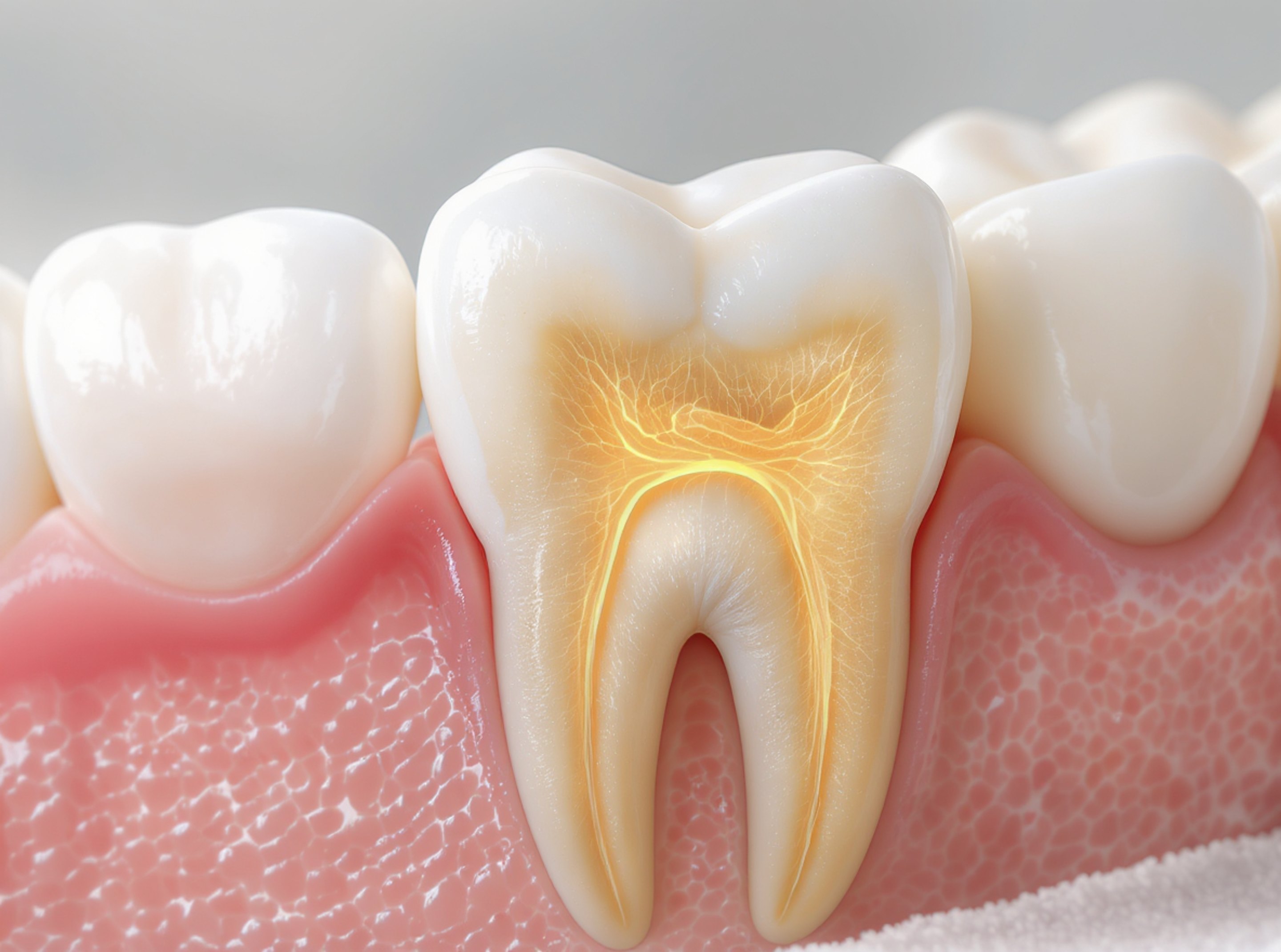
Sometimes the focus of inflammation cannot be reached through the tooth. In such cases, an apicoectomy may be an option. This involves surgically removing the affected root tip.
Inflamed tissue is also removed from the bone. The canal can be sealed from the root tip. This treatment is planned after an individual diagnostic assessment.
Does the tooth always have to be extracted?
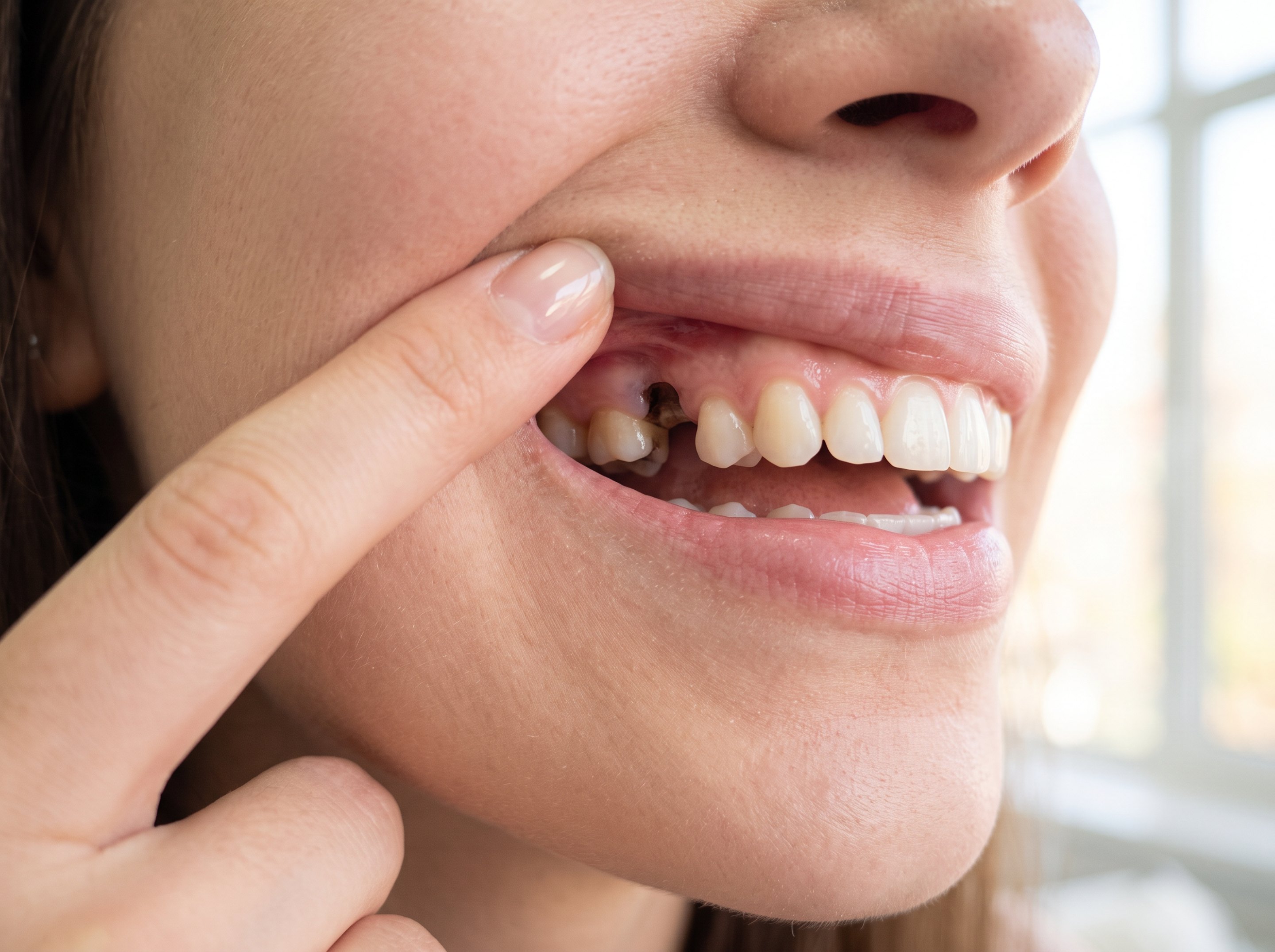
Tooth extraction is not automatically necessary. Many affected teeth can be preserved through retreatment. The decisive factors are stability, remaining tooth substance and long-term prognosis.
With a deep vertical fracture, it is often not possible to save the tooth. The same applies to extensive damage below the gum margin. Severe bone loss can also argue against further treatment.
After an extraction, the resulting gap is assessed. Possible options are an implant, bridge or removable dental prosthesis. The appropriate solution depends on the overall findings.

What should anyone affected do now?
Persistent symptoms should be examined promptly. Painkillers can temporarily reduce symptoms. However, they do not eliminate the cause in the root canal.
Antibiotics are only appropriate with certain signs of infection. They are no substitute for cleaning or relieving the affected tooth. The dentist makes the decision after the examination.
Until the appointment, avoid putting strain on the affected side. Very hard foods increase the risk of a fracture. Good oral hygiene nevertheless remains important.
Why a prompt check-up is advisable
Early assessment improves the choice of possible treatments. Small leaks can often be treated more effectively. Untreated inflammation can cause bone loss around the root.
Check-up appointments also serve to monitor progress. X-rays show whether the affected region is healing completely. This allows changes to be detected early.

Failed root canal treatment at Wunschlachen
At Wunschlachen, we examine the tooth comprehensively and systematically. Modern imaging supports an accurate assessment. We then explain all appropriate treatment options clearly.
Our aim is the long-term preservation of your natural teeth. In doing so, we take into account the findings, prognosis and your personal preferences. If your symptoms persist, arrange a check-up appointment promptly.