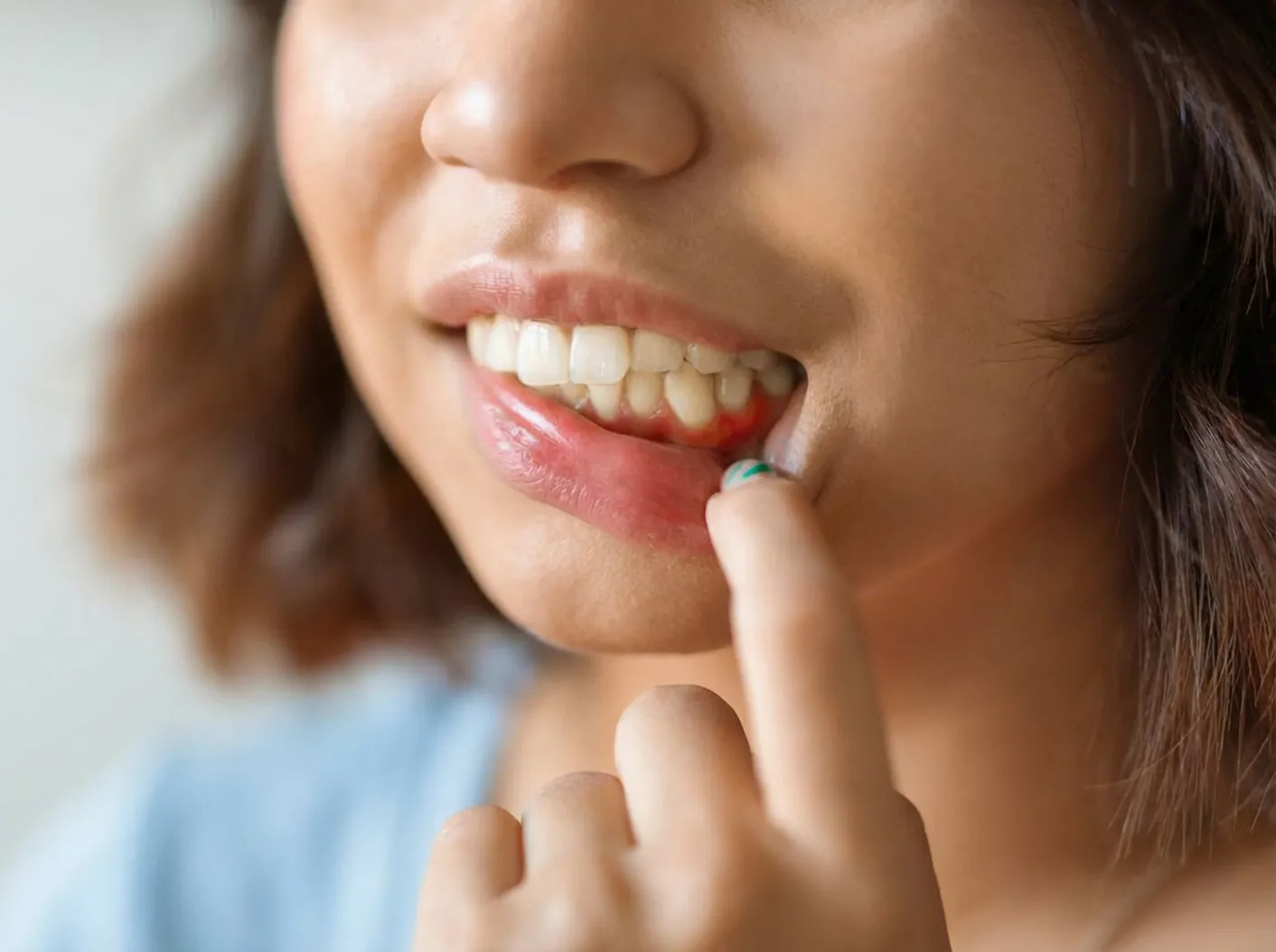
Gums during pregnancy – what happens to them
Healthy gums are especially important during pregnancy. The body undergoes major changes. These also affect the mouth and teeth. Many women suddenly notice sensitive gums. They bleed more easily and appear swollen. Sometimes bad breath and pain occur at the same time...
Über 350 Google-Bewertungen
The short answer
During pregnancy, the hormones oestrogen and progesterone change the blood supply to the gums: the mucous membrane becomes softer and more sensitive, bacteria settle more easily, and minor irritations become inflamed more quickly. Typical symptoms include bleeding when brushing, swelling and redness – known as pregnancy gingivitis. Without treatment, it can worsen, so careful oral hygiene and dental check-ups are especially important now.
- Common causes
- Hormonal changes (oestrogen, progesterone) with increased blood flow and softer mucous membranes; more frequent snacks also increase plaque formation.
- Warning signs
- Gums that bleed even when lightly touched, red and taut gums, and sometimes small nodules (pregnancy gingivitis).
- When to see a dentist
- If bleeding, swelling or pain persists – regular check-ups during pregnancy protect against deeper inflammation.
This overview is no substitute for a dental examination. Treatment and preventive care are tailored individually during pregnancy.

What happens to the gums during pregnancy?
Hormone levels change considerably during pregnancy. Oestrogen and progesterone rise significantly. This affects the blood supply to the gums. The mucous membrane becomes softer and more sensitive. Bacteria can settle more easily. Minor irritations lead to inflammation more quickly. Eating habits also often change. Frequent snacks increase plaque formation. This places additional strain on the gums and teeth.
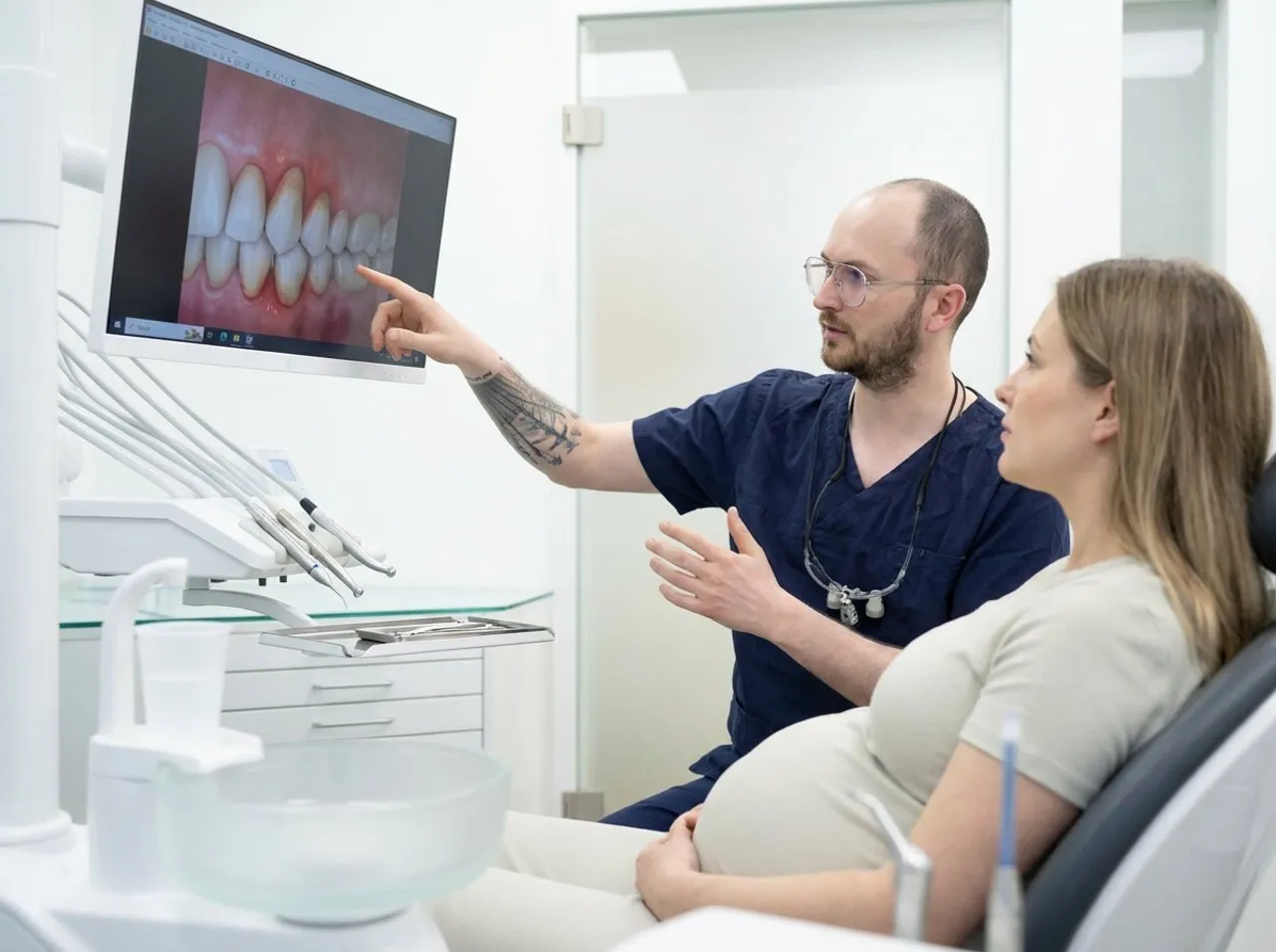
Common symptoms: bleeding gums and swelling
A common sign is bleeding gums when brushing your teeth. Even light contact with the toothbrush is enough. This can be very unsettling. Swelling is also typical. The gums appear red and feel tight. Small nodules may form in some areas. These symptoms are known as pregnancy gingivitis. Without treatment, it can worsen. This can lead to a deeper inflammation of the gums.

Causes: hormones, plaque and changes in the oral microbiome
Hormonal changes are the main trigger. They make the tissue more vulnerable. Bacteria take advantage of this weakness. Plaque plays the central role. It forms from food debris and bacteria. Without thorough cleaning, it hardens into tartar. The oral microbiome also changes. Frequent vomiting in the first trimester damages tooth enamel. Acids attack the teeth and gums.

Risks to dental health and pregnancy
Untreated gum inflammation can spread. This can lead to periodontitis. The jawbone and fibres are then also affected. Advanced periodontitis is suspected of increasing the likelihood of premature births. Inflammatory messengers enter the bloodstream. Every inflammation should therefore be treated early. Risks also increase for the mother. Loose teeth, bad breath and pain affect everyday life. Well-being declines significantly.
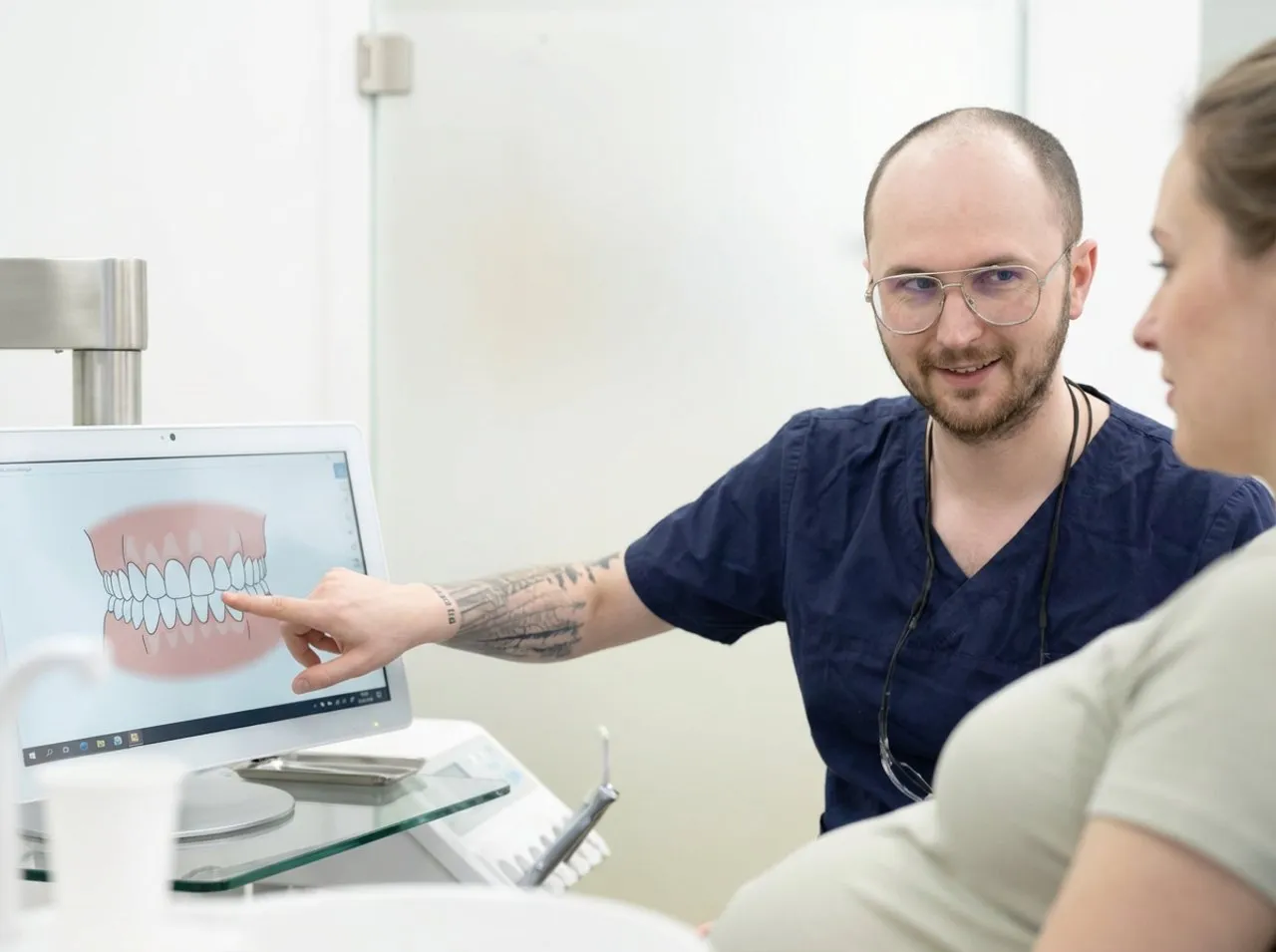
How to care for your gums during pregnancy
Thorough but gentle oral hygiene is now crucial. Brush your teeth twice a day. Use a soft toothbrush with a small head. Also clean between your teeth. Dental floss or interdental brushes are ideal for this. This removes deposits that the brush cannot reach. Fluoride toothpaste strengthens tooth enamel. A mild, alcohol-free mouthwash can be used as an additional measure. This reduces the number of bacteria in the mouth.

Dietary tips for healthy gums during pregnancy
Try to reduce sugary snacks. They are particularly harmful between meals. Nuts, cheese or vegetables are better choices. Drink plenty of water. This supports saliva flow. Saliva neutralises acids and washes away food debris. After vomiting, you should only rinse your mouth with water. Wait at least 30 minutes before brushing. This protects tooth enamel that has been exposed to acid.
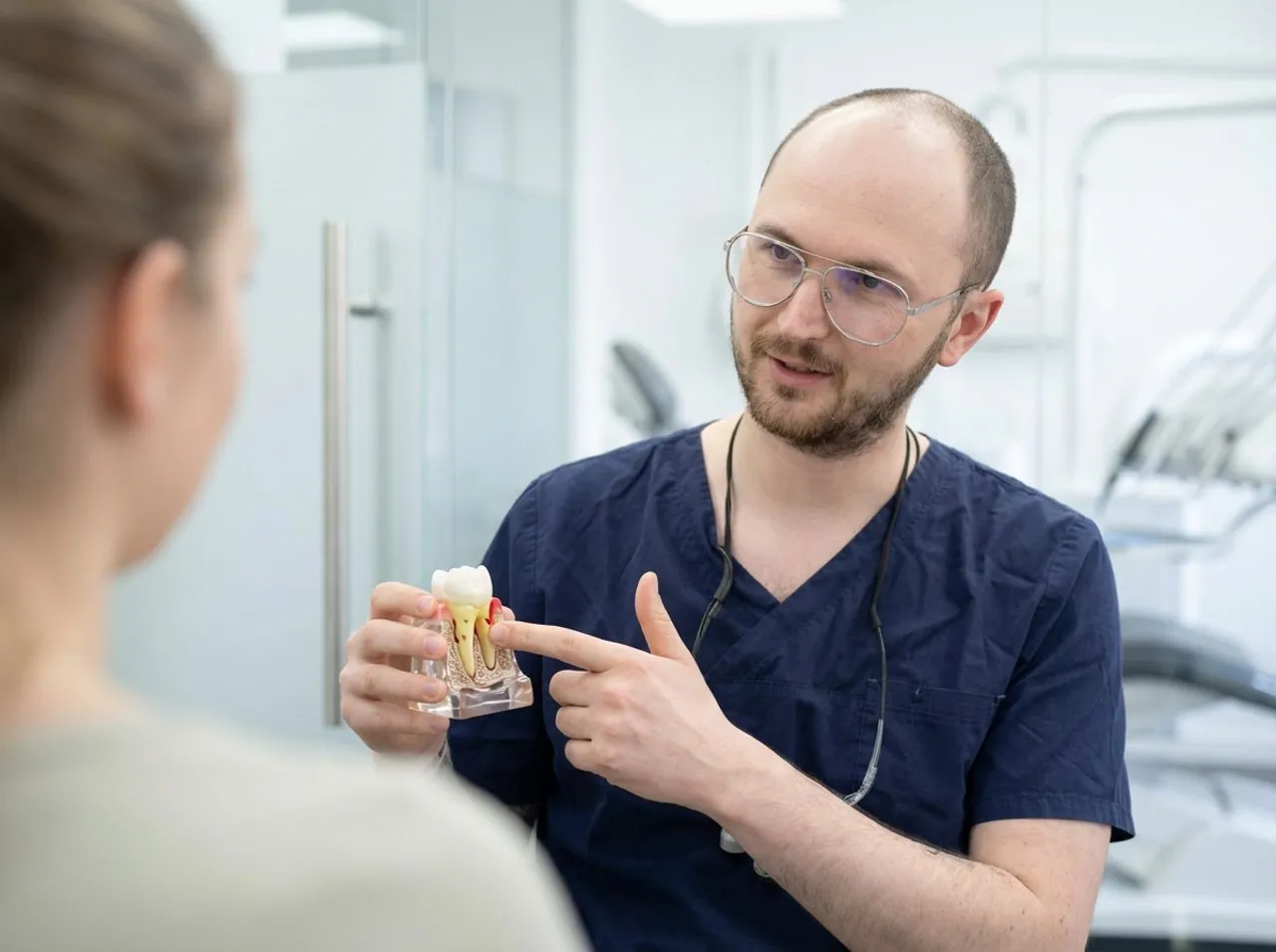
Professional help at Wunschlachen in Berlin
Regular check-ups are particularly advisable during pregnancy. We examine your gums, teeth and oral mucosa. Problems detected early can be treated gently. Professional dental cleaning reliably removes hard deposits. This removes tartar and discolouration. It significantly relieves the gums. We are happy to advise you on suitable care products. We also give specific tips on the best brushing technique. This helps you feel confident in everyday life.

Gums, pregnancy and breastfeeding
Some hormonal influences persist while breastfeeding. Some women continue to notice sensitive gums. Regular check-ups therefore remain advisable. Breastfeeding mothers often reach for small snacks between meals. This increases the risk of tooth decay again. Good oral hygiene then protects both mother and child. If medication is necessary, we check that it is compatible with breastfeeding. Many dental procedures remain possible. We always plan treatment individually.

After the birth: will my gums settle down again?
After giving birth, hormone levels gradually fall again. The gums usually become less sensitive. Bleeding often subsides. Even so, we recommend ensuring that any existing inflammation heals completely. Otherwise, it can become chronic. The risk of periodontitis then remains. A check-up after breastfeeding is advisable. This allows us to reassess the situation. If necessary, we will plan further treatment.
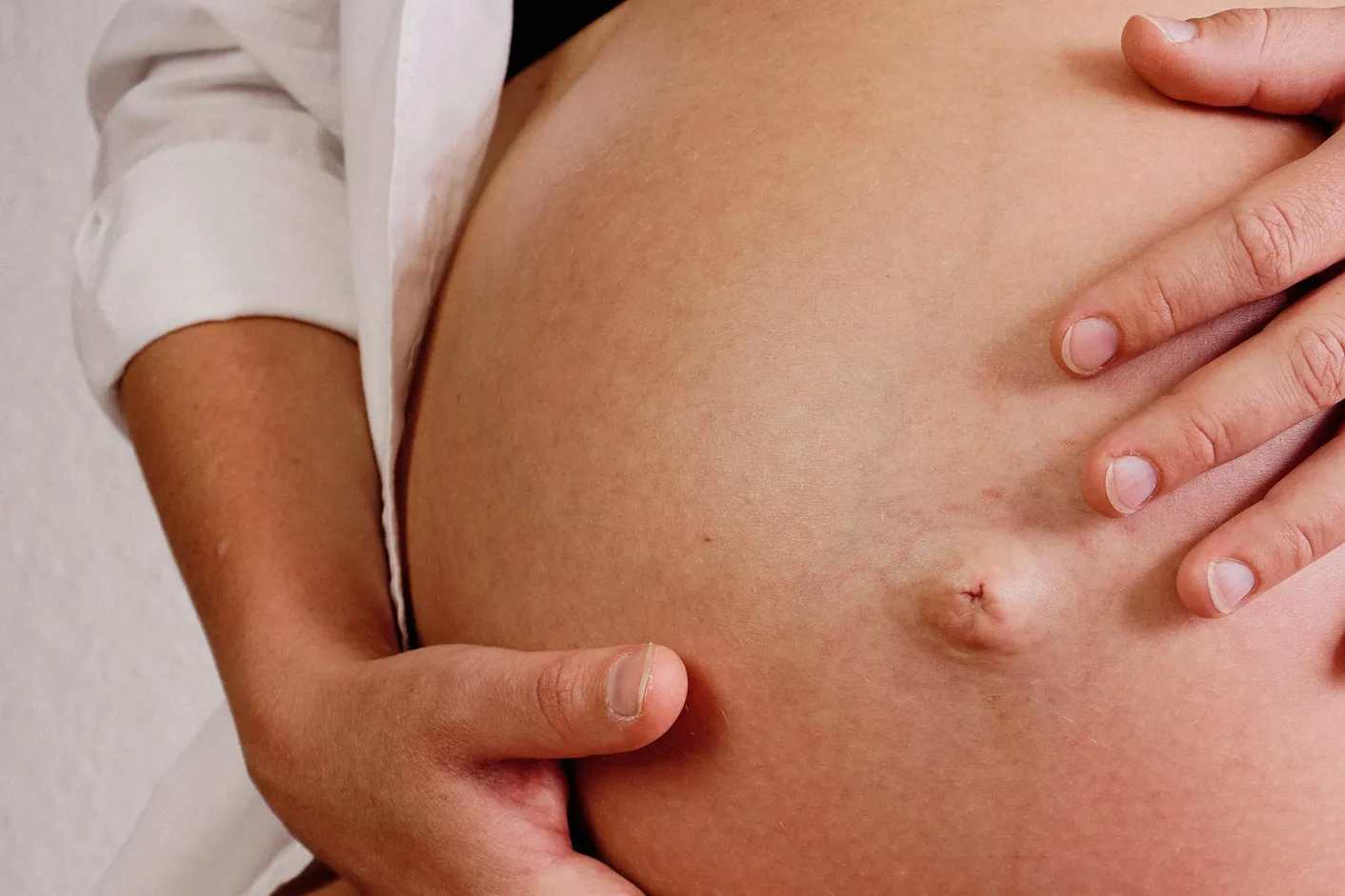
Conclusion: protect your gums during pregnancy
Gum problems during pregnancy are very common. They can usually be treated well. An early dental check-up is important. Good oral hygiene, an adapted diet and professional care keep teeth stable. At the same time, this also protects general health. Mother and child both benefit. At the Wunschlachen practice in Berlin, we are happy to support you. Book a check-up early. This allows you to enjoy your pregnancy with peace of mind.
FAQs – frequently asked questions about gums and pregnancy
Bleeding gums are often caused by hormonal changes. The tissue reacts more sensitively to deposits.
In most cases, it is harmless at first. However, untreated inflammation can develop into periodontitis.
Yes, check-ups are very important. Many treatments are also possible during pregnancy.
Use a soft toothbrush. Electric models with pressure control are particularly gentle.
In most cases, yes. It helps to reduce inflammation and relieve the gums.
Thorough cleaning and antibacterial mouthwashes help. Also have your dentist investigate the cause.
Severe, untreated inflammation can place strain on the body. It should therefore always be treated.
Use a toothpaste containing fluoride that is not too harsh. Your dentist can recommend suitable products.
Yes, the gums often improve after the birth. However, persistent inflammation requires treatment.
Ideally, right at the start of pregnancy. This allows risks to be identified early.