
Swelling after dental implant placement
• Swelling after dental implant placement is usually a normal healing response. • It often peaks on the second or third day. • Warning signs include fever, pus, increasing pain or breathing difficulties.
Über 350 Google-Bewertungen
The short answer
Swelling after dental implant placement is usually a normal healing response: the body develops a protective wound oedema that increases during the first 24 hours and is often at its worst on the second or third day. After that, the swelling in the tissue usually subsides steadily. Fever, pus or increasing pain are warning signs that should be assessed by a dentist. Breathing or swallowing difficulty requires immediate emergency medical care: call 112 immediately.
- Typical course
- Increases during the first 24 hours, often peaks on days 2–3, then usually subsides steadily.
- Normal
- A feeling of pressure in the surgical area, visibly swollen cheek, brief mild bleeding – resting supports healing.
- Warning signs
- Fever, pus or increasing pain – contact the practice promptly. Breathing or swallowing difficulty – call 112 immediately.
This overview is no substitute for a dental examination. Your individual healing process will be professionally monitored after the procedure.
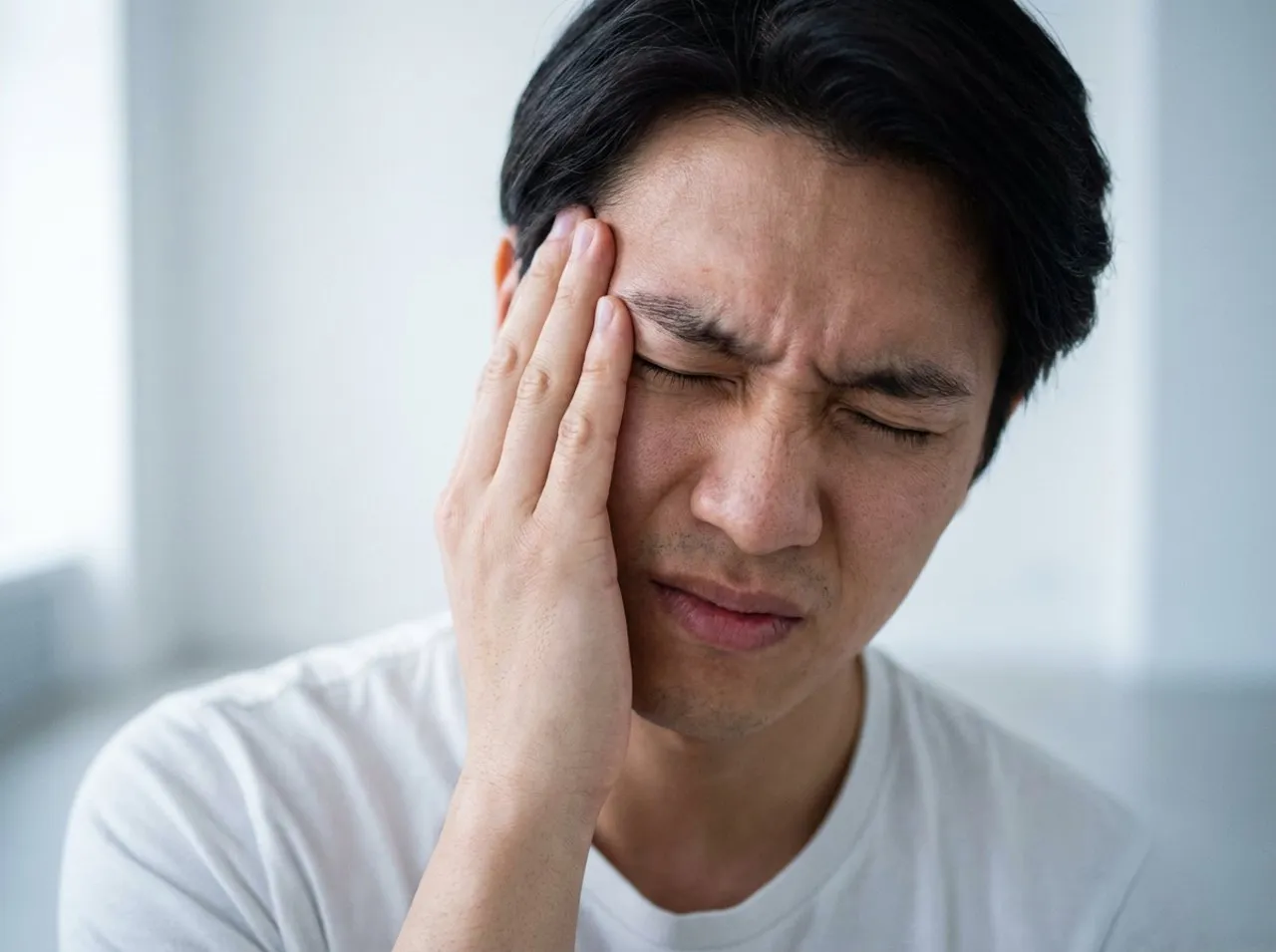
Why does swelling occur after implant placement?
During implant placement, the tissue is deliberately opened and prepared. The body responds with postoperative oedema. This reaction protects the wound and promotes regeneration.

Typical progression during the first few days
During the first 24 hours, swelling often increases gradually. It is often at its worst on the second or third day. After that, it usually begins to subside steadily.
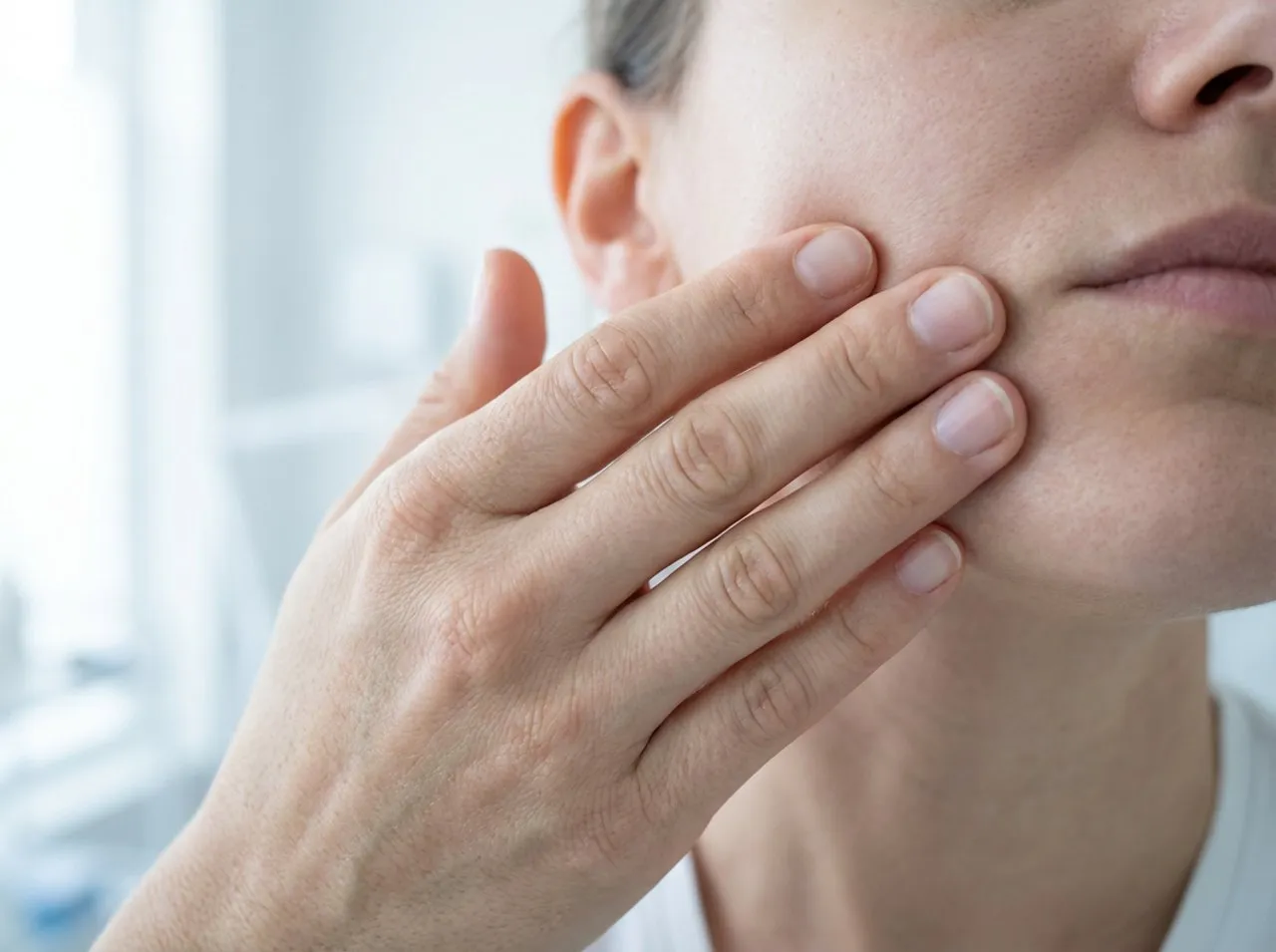
Swelling on the first day after the procedure
A feeling of pressure in the surgical area is common during this phase. Slight bleeding may also occur for a short time. Taking it easy reduces further bleeding and tissue irritation.

Days 2 to 3: when swelling often peaks
The cheek may appear visibly swollen. A sensation of warmth may also develop in the area. A haematoma is possible and usually harmless.

From day 4: reduction and stabilisation
The swelling should now decrease slightly each day. The gums often remain sensitive. Follow-up appointments ensure that the healing process can be assessed.
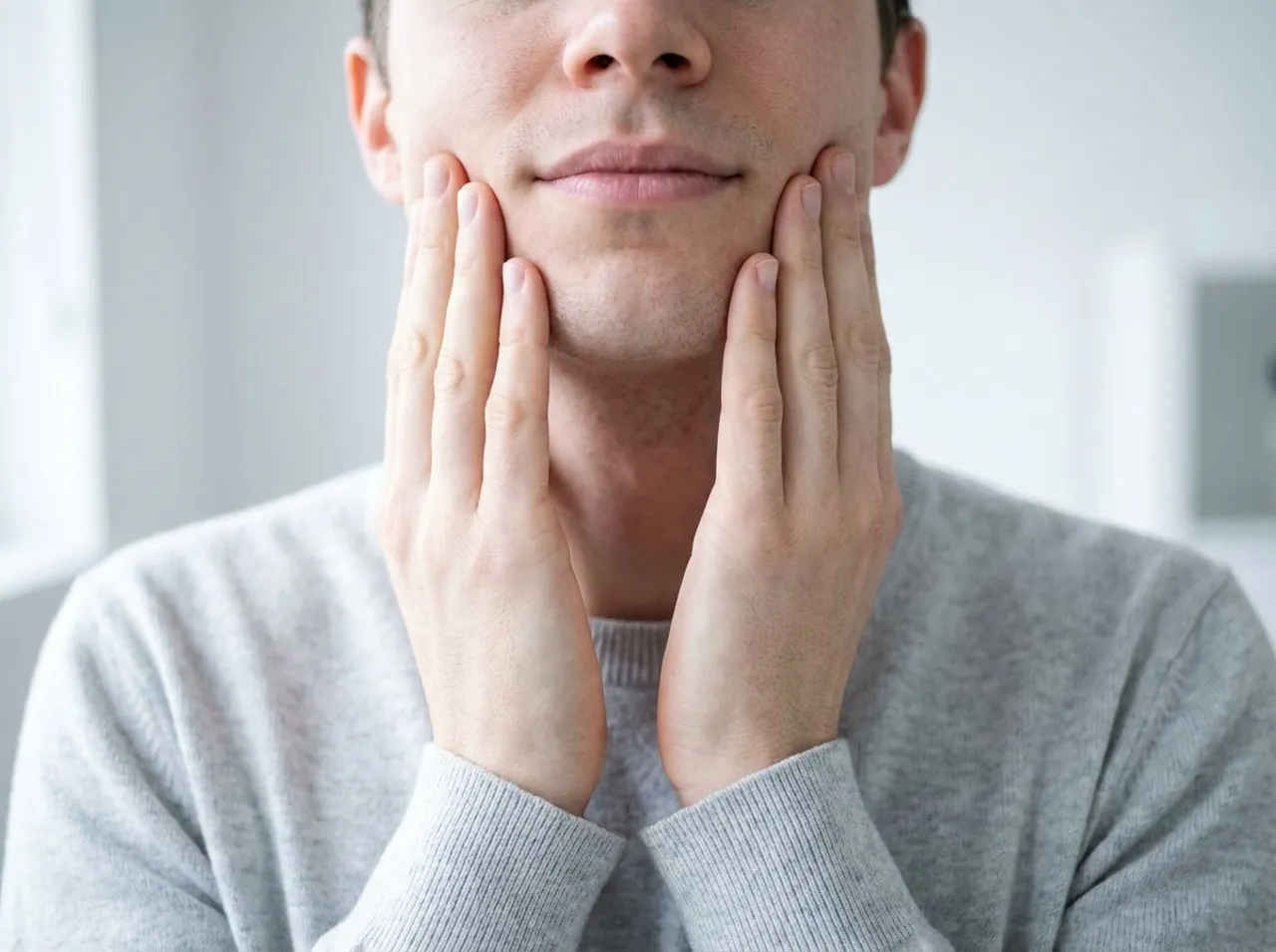
Swollen cheek after a dental implant: how long does it last?
Pronounced swelling often lasts for three to seven days. Slight residual swelling may persist for up to two weeks. The key factor is a clear reduction over time.
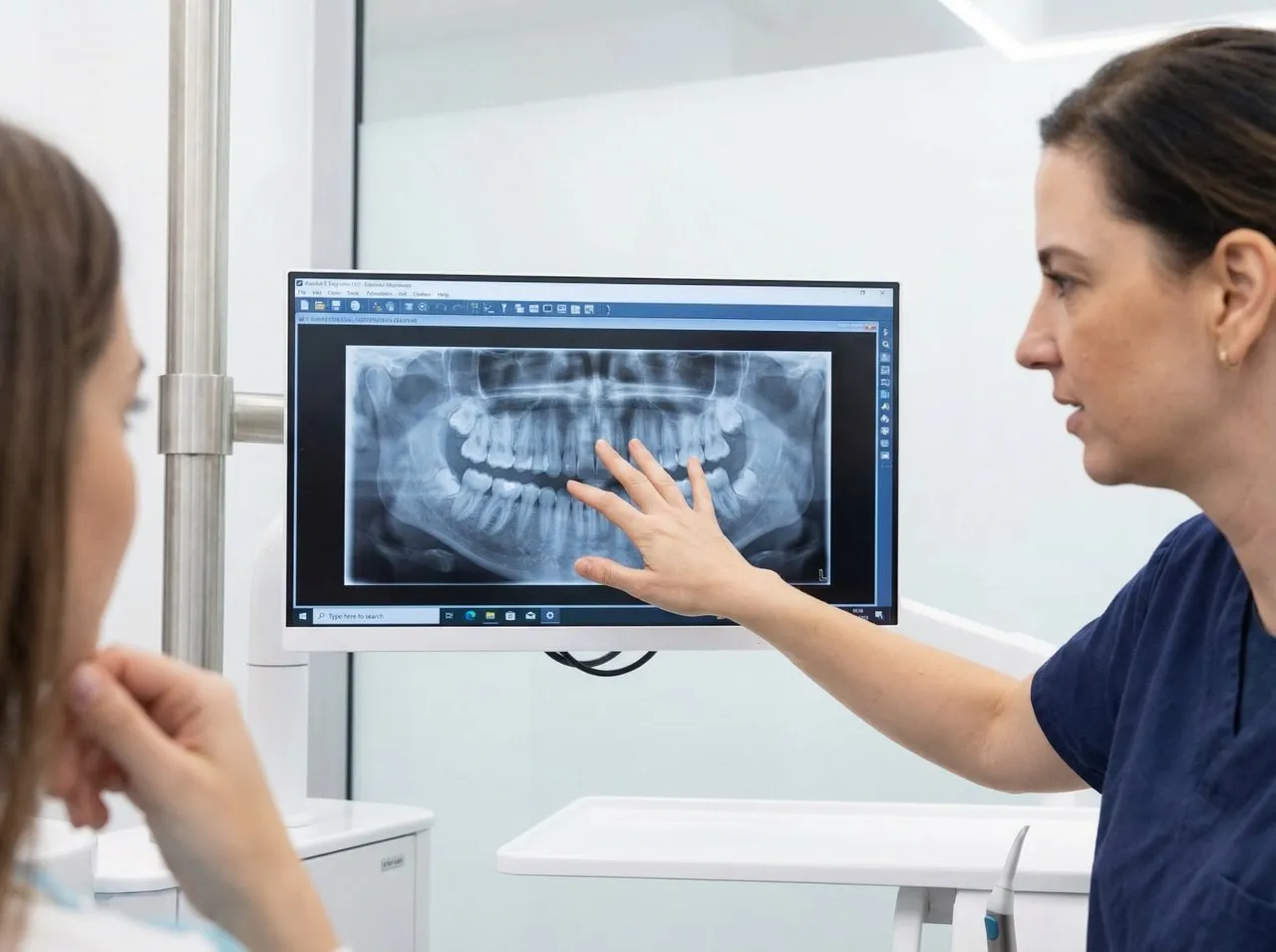
Differences between the upper and lower jaw
In the upper jaw, the region is close to the maxillary sinus. Sensations of pressure may therefore feel more pronounced. In the lower jaw, proximity to sensitive structures is important.
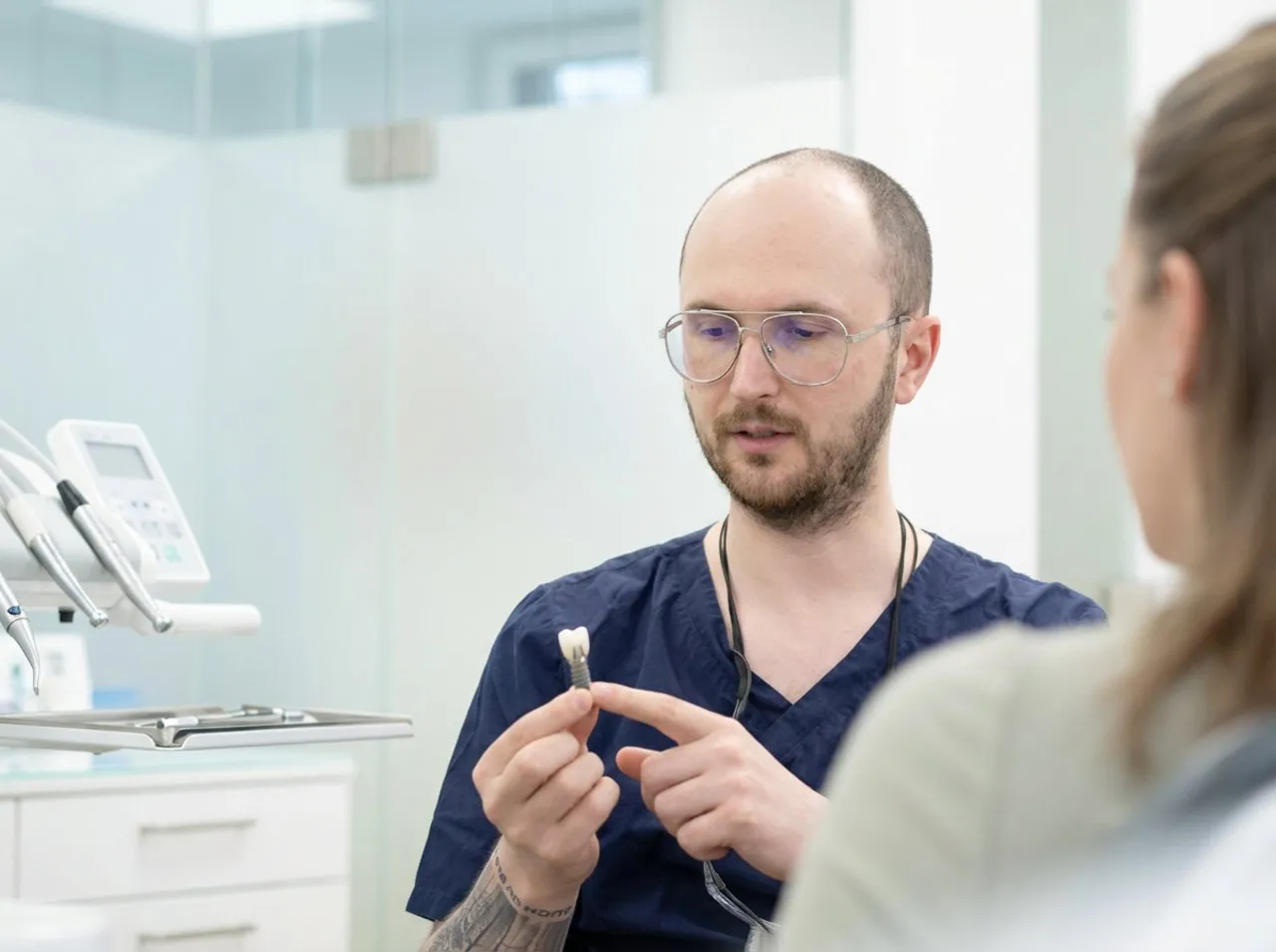
Effects of bone augmentation and a sinus lift
Bone augmentation increases the wound area and the healing required. A sinus lift can place additional strain on the soft tissues. More severe swelling is therefore more common in these cases.

Jaw locking and restricted mouth opening
The chewing muscles occasionally react to the procedure with protective tension. This can make it difficult to open the mouth. Mobility usually improves within a few days.
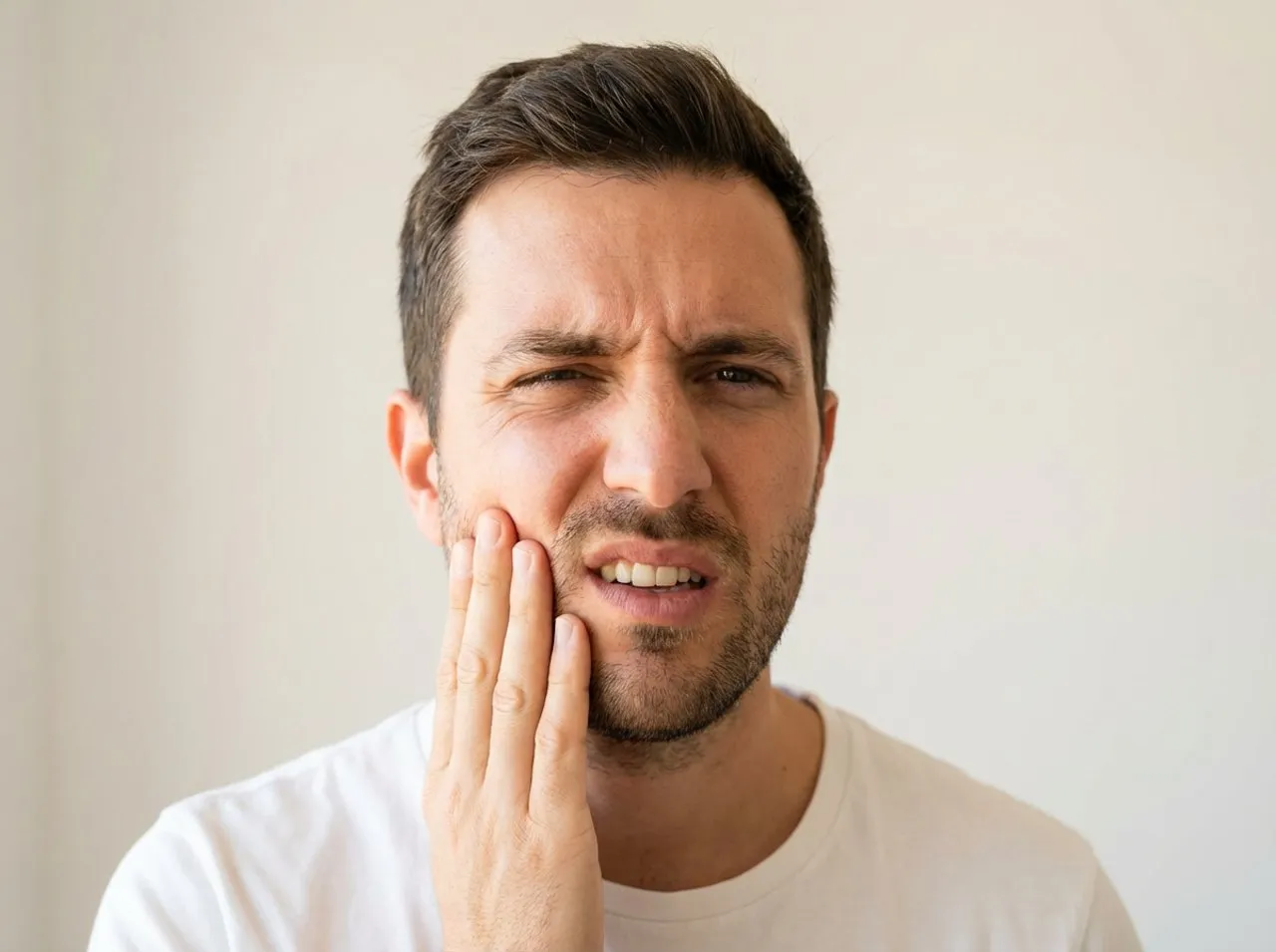
Factors that can increase swelling
Several implants increase the local strain on the tissue. Smoking reduces blood circulation and delays healing. Alcohol and intense physical exertion also have an adverse effect.
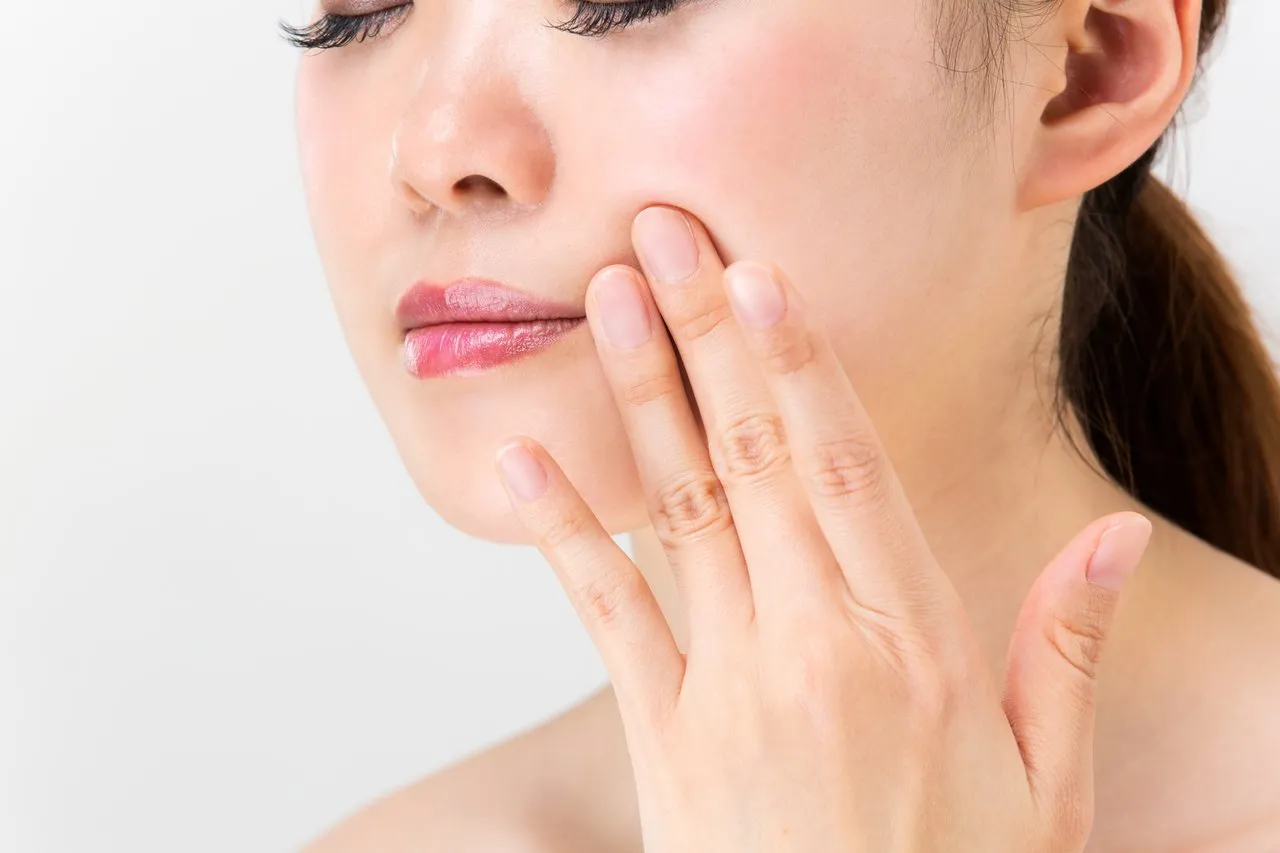
Swelling 2 weeks after a dental implant: assessment
Slight residual swelling after two weeks is occasionally possible. However, it should be significantly smaller than before. If there is no change, a prompt examination is required.
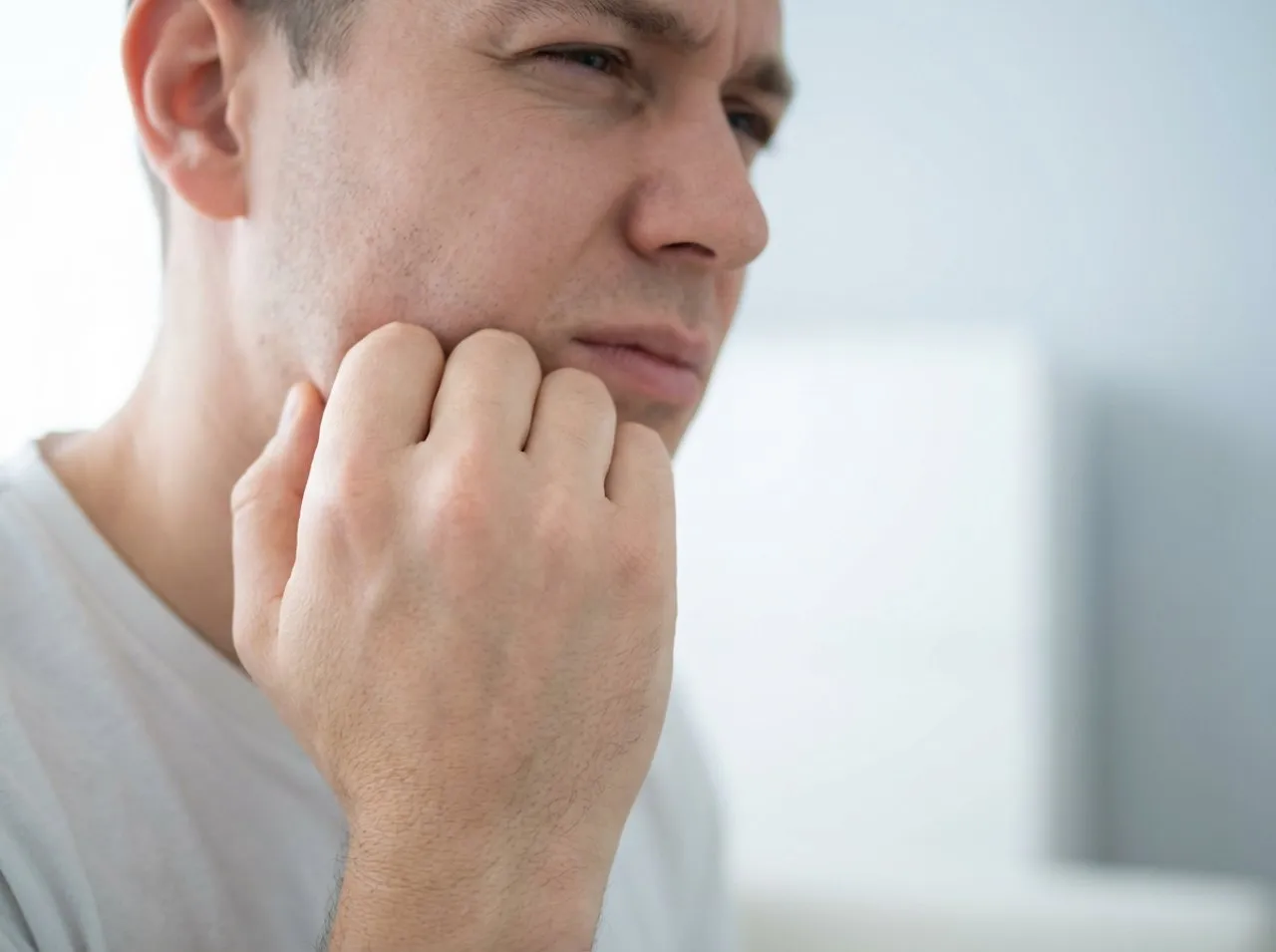
Possible causes of late or recurrent swelling
A gap in the suture line can weaken the gums’ barrier function. Bacteria can then enter the area more easily. In rare cases, early inflammation around the implant is present.

Warning signs: when you should act immediately
Fever is not a typical sign of normal wound healing. Pus, an unpleasant taste or severe bad breath are suspicious. Breathlessness or difficulty swallowing are acute emergency symptoms: call 112 immediately.
Self-care measures during the first 24 hours
Apply a cold compress externally. Use it for short intervals with sufficient breaks. Avoid heat, sunlight and physical exertion.

What to do in the following days
Sleep with your upper body slightly elevated. Eat soft, lukewarm foods. Avoid vigorous rinsing during the first few hours.
Oral hygiene during the healing phase
Brush carefully, but without putting pressure on the suture. Interdental cleaning should only be carried out if recommended by the practice. A water flosser should not be aimed directly at the wound.
Medication and anti-inflammatory treatment
Take prescribed medicines strictly according to schedule. Anti-inflammatory painkillers can reduce swelling and pain. Do not combine medicines without consulting a healthcare professional.
What the practice checks if swelling persists
We systematically examine the gums, suture and wound area. If there is any suspicion, the area is professionally cleaned. Antibiotic treatment may be necessary.
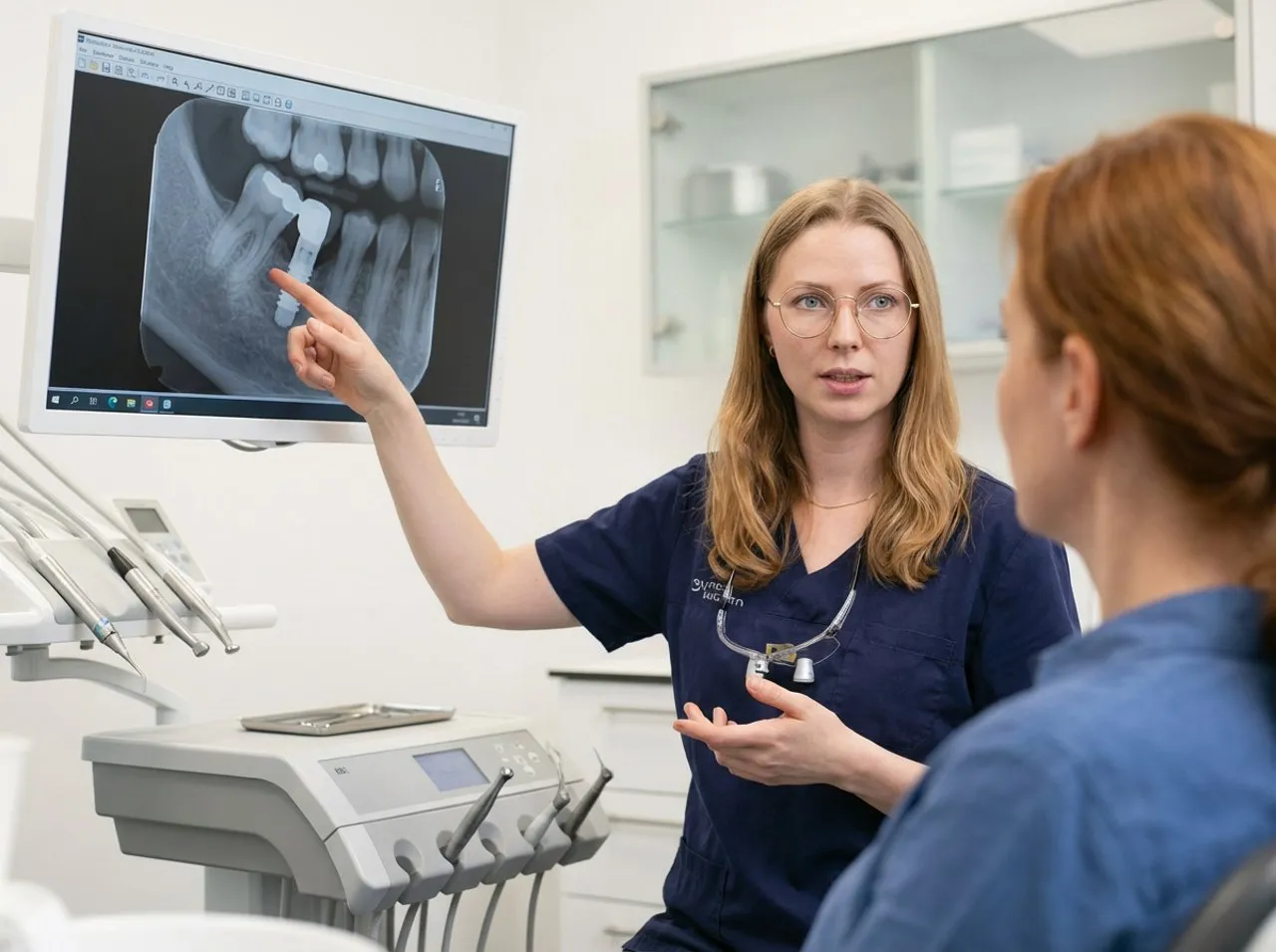
Imaging and diagnostics
An X-ray can clarify the situation around the implant. Three-dimensional imaging is useful in complex cases. The findings then guide further treatment.
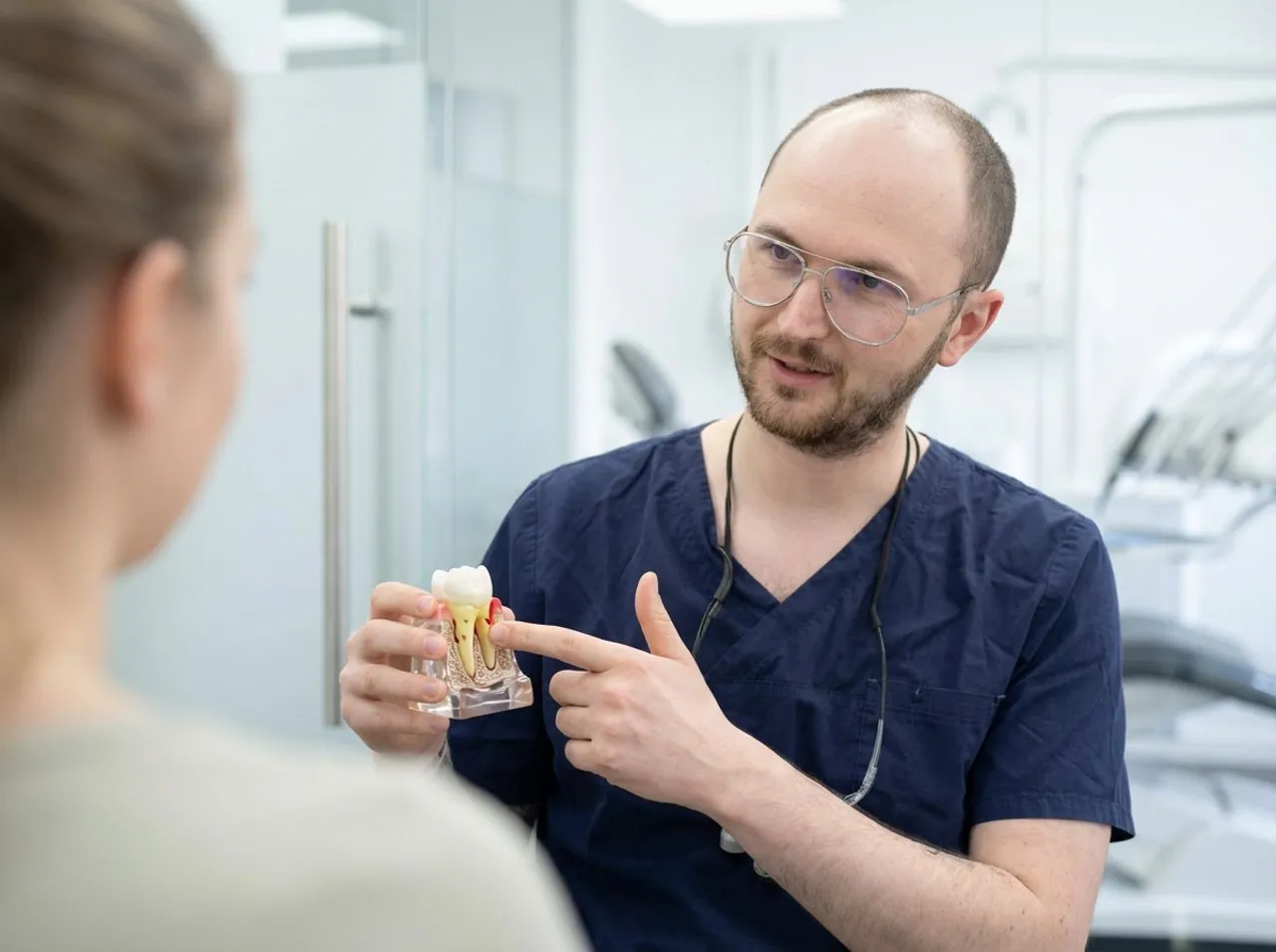
Prevention: how you can support the healing process
Plan to take it easy for two days after the procedure. Avoid nicotine and consistently reduce your alcohol consumption. Attend all follow-up appointments.
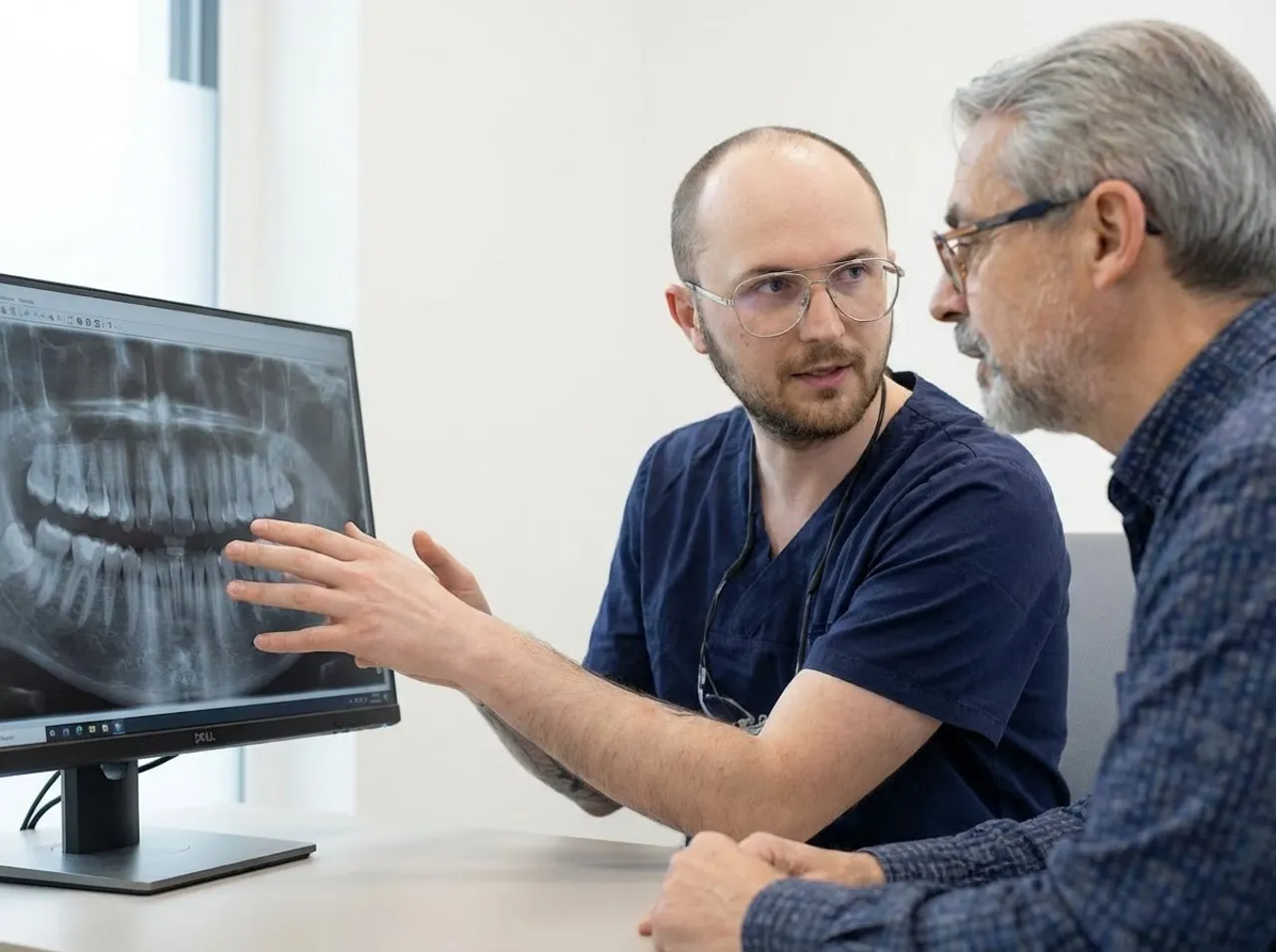
Conclusion
Swelling after dental implant placement is usually to be expected. It often peaks within the first three days. If warning signs occur, a prompt examination is necessary.
FAQ – Frequently asked questions
Pronounced swelling usually lasts for three to seven days. Slight residual swelling may last for up to two weeks.
Slight warmth may be part of the healing response. Pronounced redness accompanied by fever requires examination.
Cooling is particularly useful during the first 24 hours. It should be done in short intervals with breaks.
A bruise may be caused by minor injury to blood vessels. It usually resolves within ten days.
The procedure affects more tissue and sometimes the bone. This intensifies the postoperative response.
Light activity is often acceptable after a few days. Strenuous exercise should only be resumed once you have been given the all-clear.
Soft, lukewarm food puts less strain on the wound. Hard crusts and very hot food are best avoided.
Breathlessness or difficulty swallowing are emergencies: call 112 immediately. A high fever, pus or rapidly increasing swelling also require urgent assessment.
Cleaning should be careful and thorough. Mechanical pressure directly on the suture must be avoided.
Nicotine reduces blood circulation in the wound area. This increases the risk of inflammation and delays regeneration.