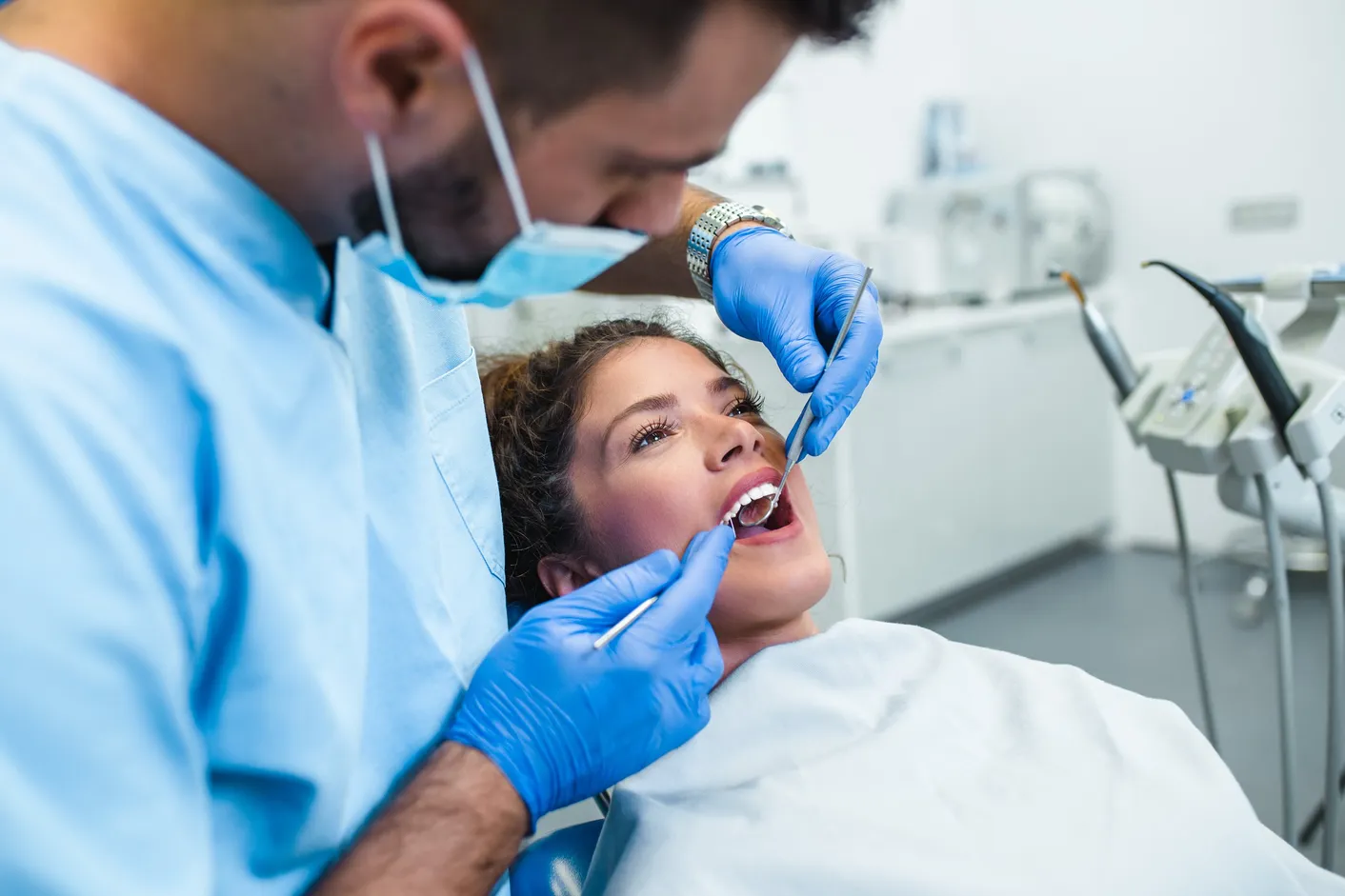
Completely restoring your teeth: Modern solutions at Wunschlachen
A healthy and attractive set of teeth is essential for dental health. It also affects self-confidence, quality of life and social interactions. Many people suffer from severely damaged, missing or worn teeth. At the same time, the question arises of how...
Über 350 Google-Bewertungen
The short answer
Severely damaged, missing or worn teeth can be restored through full-mouth rehabilitation. Depending on the findings, implants, crowns, bridges and partial or full dentures may be used – also in combination for complete tooth replacement. The process includes diagnostics with X-rays and, where clinically indicated and necessary for treatment planning, 3D scans, individualised planning, preliminary treatments such as bone augmentation or periodontal therapy where necessary, and regular aftercare.
- Options
- Implants, crowns, bridges, partial or full dentures – combined where necessary for complete tooth replacement.
- Procedure
- Consultation and diagnostics (X-rays, 3D scan where clinically indicated), planning, any preliminary treatments (e.g. bone augmentation, periodontal therapy), followed by treatment, with temporary restorations where appropriate, and aftercare.
- Costs
- These vary greatly depending on the extent of treatment, material and number of implants; an individual treatment and cost plan (Heil- und Kostenplan) is provided before treatment begins.
The right solution depends on the individual findings; this does not replace advice from a dentist. A binding cost estimate is provided before treatment begins.
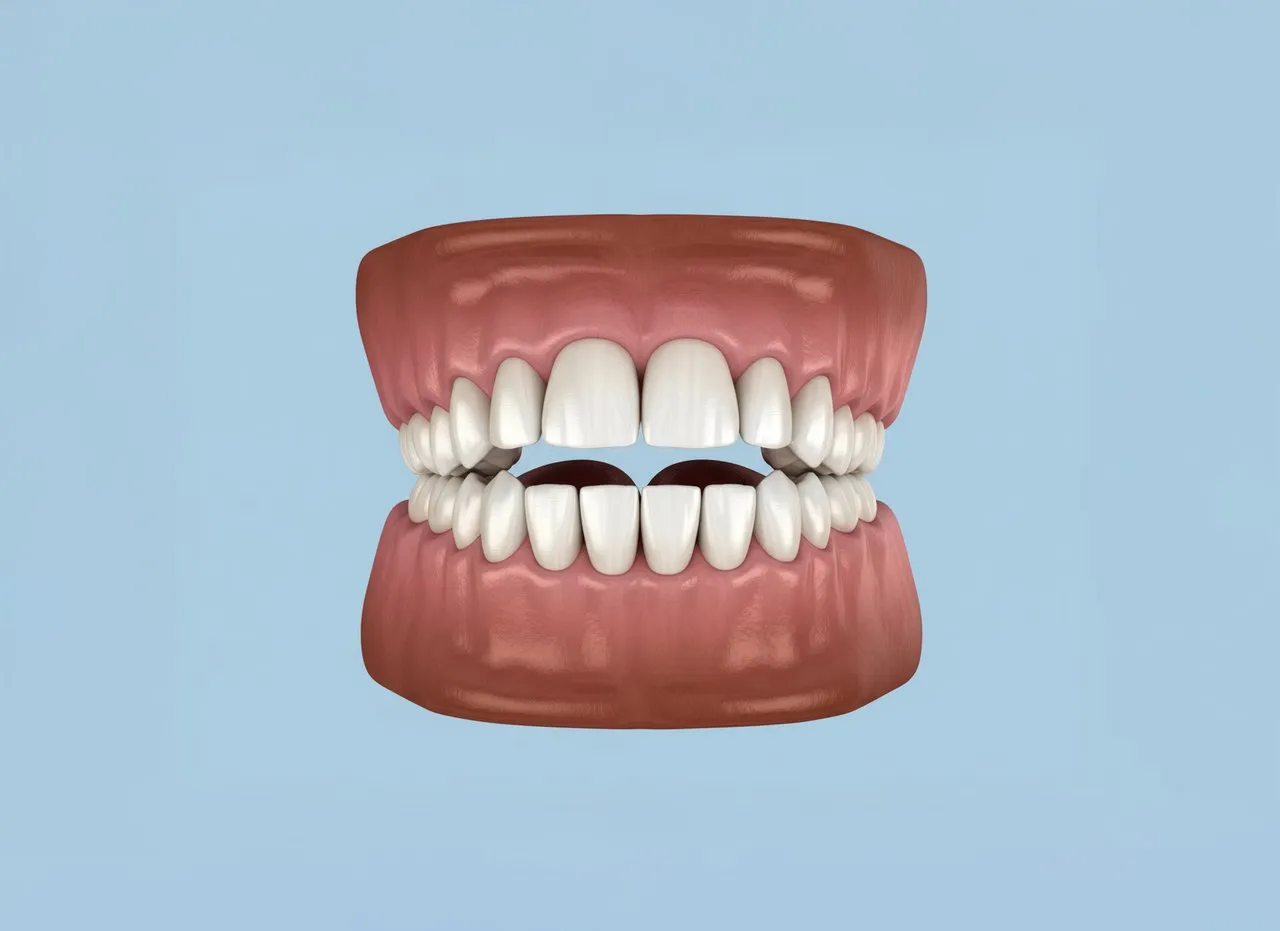
Can you have your teeth completely restored?
Teeth can be severely damaged for various reasons. The most common causes are tooth decay, periodontitis, accidents or years of neglecting dental care. These factors often result in a severely impaired dentition. In such cases, a single treatment is no longer sufficient. A comprehensive solution must be found, one in which the entire dentition is restored. Restoring the teeth can improve chewing function and support the health of the jawbone and gums. A stable and well-maintained dentition is important for balanced oral function. The aims and potential improvements in chewing and function are tailored to each patient's needs.
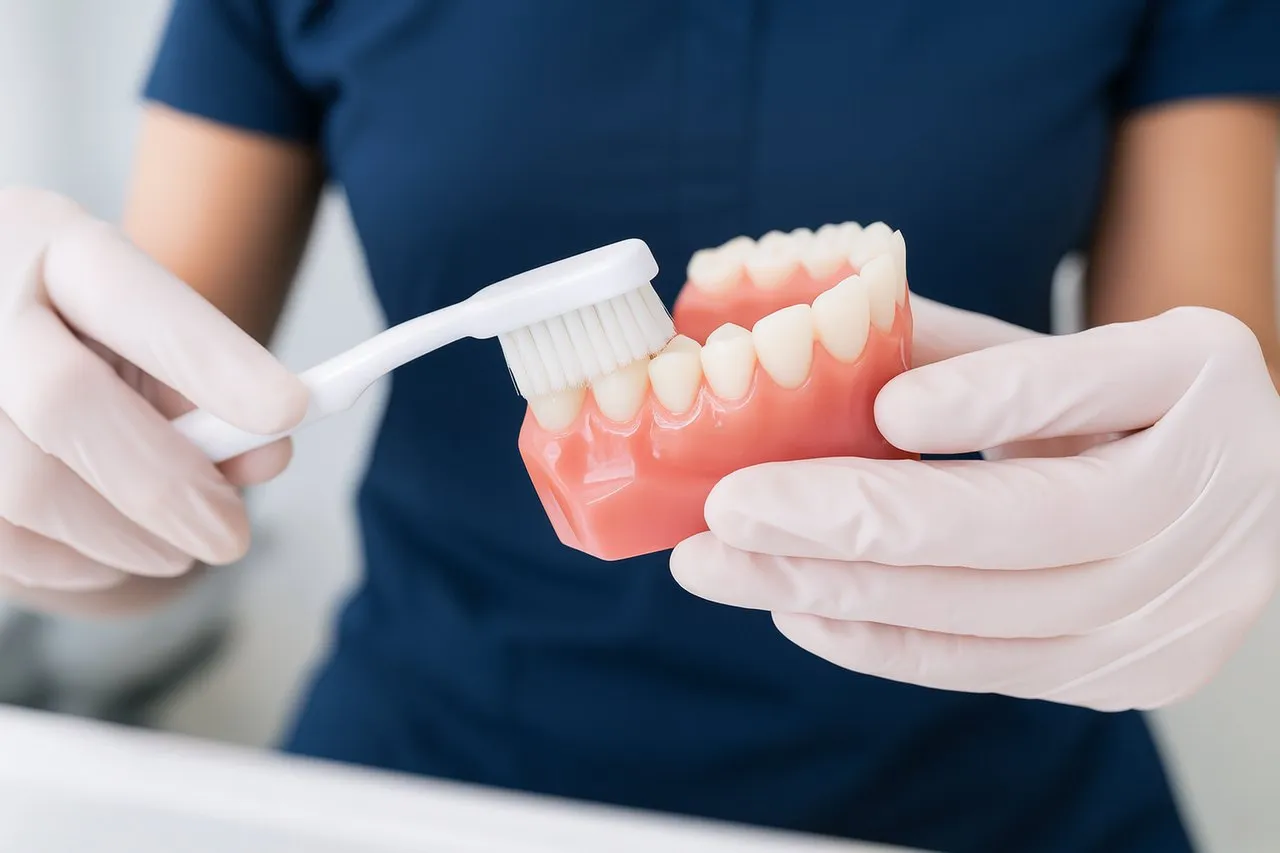
Completely restoring teeth
There are various options for completely restoring teeth, depending on the individual patient's situation. Modern dentistry now offers comfortable, aesthetic and long-lasting solutions: 1. Dental implants: Implants are artificial tooth roots that are firmly anchored in the jaw. They can be used to support individual teeth, bridges or entire rows of teeth. Implants are long-lasting and feel like natural teeth. This technique is one of the most modern methods. 2. Dentures: Partial or full dentures are used when many teeth are missing. Modern dentures are aesthetically pleasing and functional, especially when attached to implants. 3. Bridges: Dental bridges fill gaps between teeth and are anchored to adjacent existing teeth or implants. They are suitable for smaller areas where individual teeth need to be replaced. 4. Complete dental restoration (full dental restoration): If the entire dentition needs to be restored, we offer complete solutions. These involve restoring all of the teeth. This is a combination of implants, crowns and dentures. For a stable and aesthetically pleasing overall result.

The complete restoration process
1. Consultation and diagnostics: First, a thorough examination is carried out, including X-rays and, where clinically indicated and necessary for treatment planning, 3D scans, as well as an analysis of chewing function. This enables the treating dentist to draw up a personalised treatment plan. 2. Planning: Based on the examination, a decision is made as to which teeth need to be restored, replaced or built up. Planning includes selecting the materials, the type of dental restoration and the number of implants. 3. Tooth build-up and preliminary treatments: Certain preliminary treatments may be necessary before a complete restoration. For example, tooth extraction, jawbone augmentation or treatment for periodontitis. These tooth build-up measures are particularly important for creating a stable foundation for implants or bridges. 1. Implantation and dental restoration: After preparation, the artificial tooth roots are implanted if necessary. The dental restoration is then fitted by means of a surgical procedure. In many cases, patients can wear temporary teeth during treatment. 2. Aftercare: Once the new dentition has been completed, regular check-ups are essential. Professional cleaning, care instructions and dental visits help maintain long-term function and aesthetics.

Benefits of a complete restoration
• Aesthetics: Having all your teeth restored means a harmonious, natural smile. • Functionality: A complete row of teeth can improve chewing function and speech. • Health: Treatment can address the consequences of long-term tooth loss, with individual aims relating to jaw function and uneven loading. • Self-confidence: A radiant smile boosts self-confidence.

How much does it cost to have all your teeth done?
The cost of having all your teeth completely replaced varies considerably, depending on the extent of treatment, the choice of materials and the type of dental restoration. Some relevant points regarding the cost of dental rehabilitation are: • Cost of rebuilding teeth: This depends on the number of teeth and the type of treatment required. • Cost of tooth replacement per tooth: Individual teeth with implants or crowns can vary in price. • Cost of having a completely new set of teeth: The costs are higher for a complete set of teeth, including implants and prostheses. However, they also offer a long-term solution. • Cost of ‘third teeth’ / cost of complete dental rehabilitation: Here too, the price depends on numerous factors, such as the number of teeth, the materials used and the complexity of the treatment. • Cost of having teeth done: Before every treatment, you will receive an individual quote that transparently sets out all the steps. Our practice at Wunschlachen creates a tailored plan for every patient, including a detailed cost estimate. If desired, financing options can also be discussed to make the treatment easier to plan.
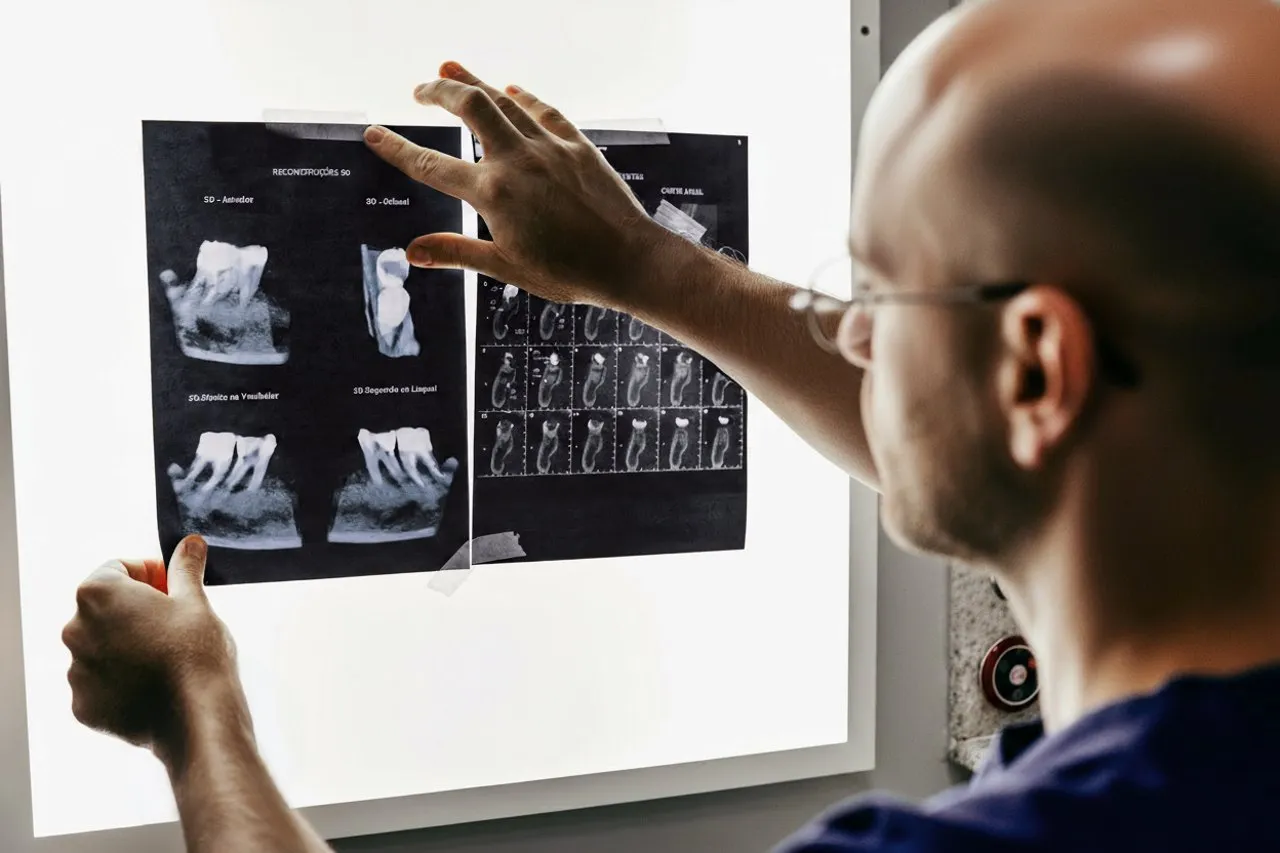
Modern materials and technologies
At Wunschlachen, we use modern materials such as all-ceramic, zirconium dioxide or high-quality plastics. These materials offer high durability and a natural appearance, and contribute to long-term dental health. Digital planning and manufacturing techniques enable precise adjustments so that the new dentition fits optimally and functionality is maintained.

Conclusion
If you would like to have all your teeth completely restored, Wunschlachen offers professional support. We support patients every step of the way, from the initial consultation and tooth build-up to complete dental restoration. With experience, modern technologies and personal care. A new set of teeth improves quality of life, aesthetics and functionality. It gives you a confident smile for the long term.
FAQ – Frequently asked questions about completely new teeth
It involves restoring or replacing all the teeth in the dentition, often in combination with implants, crowns or dentures.
The duration depends on the extent of treatment and the procedures chosen. Full-mouth rehabilitation can take several weeks to months.
Costs vary considerably depending on the material, number of implants and type of dental restoration. An individual quotation is required. We will draw up a personalised cost plan for you. You will be given detailed information about everything before treatment.
Yes, temporary dental restorations may be an option, depending on your individual circumstances. Our in-house laboratory can produce a temporary restoration for you; the turnaround time and level of function during treatment cannot be guaranteed.
All-ceramic, zirconium dioxide or high-quality plastic dentures are often used, depending on the aesthetic and functional requirements.
Often yes, as they provide a stable foundation for dental restorations. In some cases, however, dentures or bridges may also be sufficient. This depends on your individual situation.
Part of the costs may be covered by statutory health insurance, depending on the type and extent of treatment. Private supplementary insurance policies may cover additional benefits. We will assist you in communicating with your insurance provider.
Regular professional dental cleaning, good oral hygiene and regular check-ups with your dentist are important. You should also follow your treating dentist's instructions during and after treatment.
Some steps, such as implantation and dental restoration, may take place over several sessions. However, digital planning can sometimes shorten treatment times.
With good care, good oral hygiene and regular check-ups, your new teeth can last for many years. Modern dental restorations are designed for long-term use.