Jaw pain: causes, symptoms and treatment
Jaw pain can start suddenly or develop gradually. The teeth, muscles or jaw joint are often involved. Early assessment prevents subsequent damage.
Über 350 Google-Bewertungen
Jaw pain?
Jaw pain is most commonly caused by dental problems such as tooth decay, leaking fillings or root inflammation; other causes include periodontitis, teeth grinding or craniomandibular dysfunction (CMD). Until your dental appointment, soft food, cooling for swelling or warmth for muscle tension can help. Swelling, fever or numbness require immediate dental care. If you have difficulty swallowing, call 112 immediately.
- Common causes
- Tooth decay, leaking fillings, root inflammation, periodontitis, as well as CMD and night-time teeth grinding (bruxism)
- Warning signs
- Swelling, fever, numbness or a changed bite following an accident — seek urgent dental assessment; if you have difficulty swallowing or breathing, call 112 immediately
- When to see a dentist
- Early on for persistent pain or pain that worsens when chewing — a clear diagnosis prevents subsequent damage
General information, not individual dental advice. The cause of jaw pain must be assessed in person; painkillers should only be taken after consulting a doctor or in accordance with the instructions on the packet.
What is jaw pain and where does it occur?
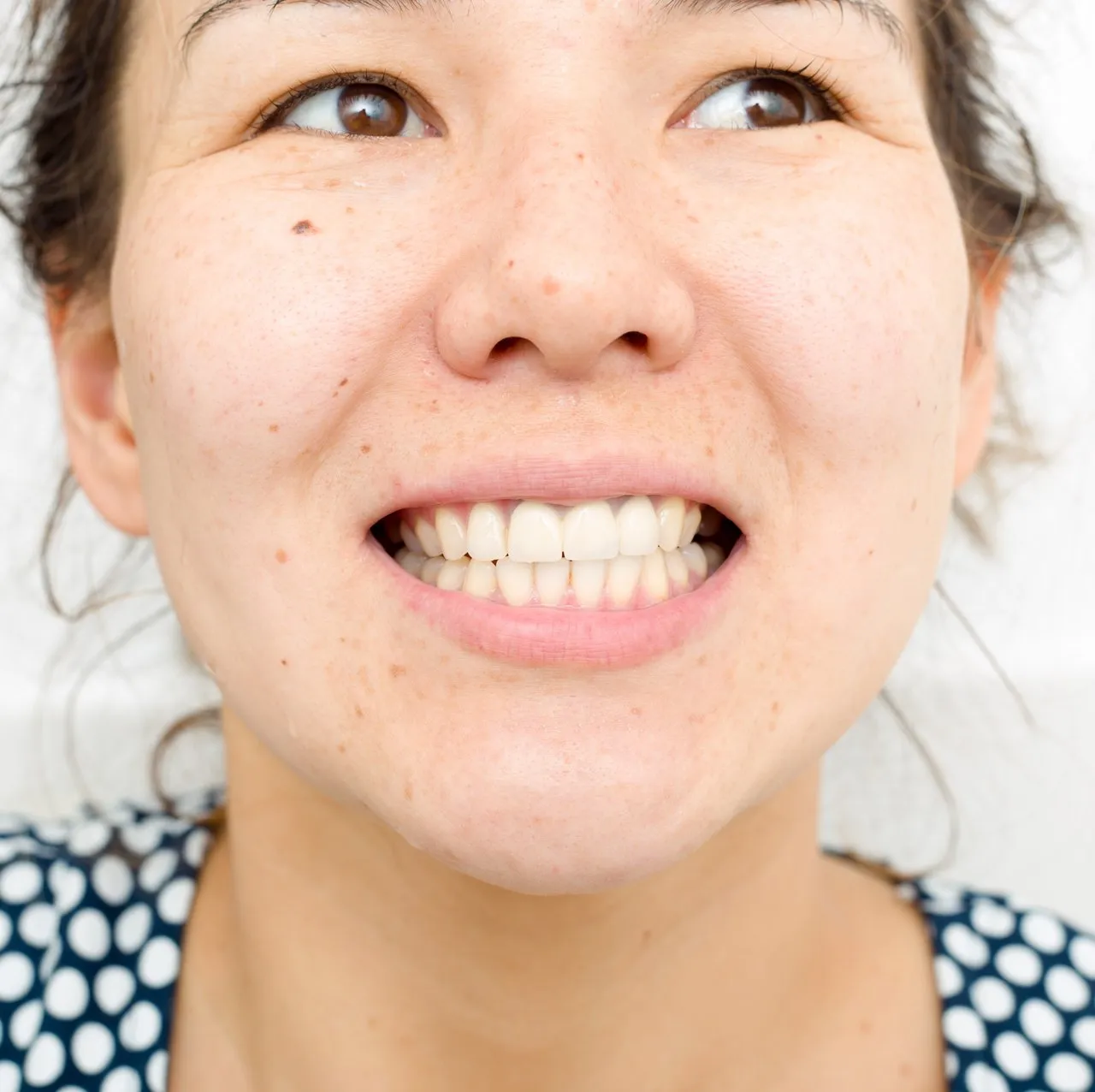
Jaw pain may be felt in the upper jaw, lower jaw or joint. Some people feel pressure, while others experience stabbing or throbbing. The pain often radiates to the ear, temple or neck.

Causes of jaw pain: the most common triggers in the mouth
The most common cause of jaw pain is a problem with a tooth. Tooth decay, leaking fillings or pulpitis irritate the dental nerve. Inflammation at the root tip can also cause deep jaw pain. Gum inflammation also plays a role. With periodontitis, pain is caused by inflamed tissue and loose teeth. In rare cases, the jawbone is affected.
Jaw joint and muscles: CMD, bruxism and overloading
Many patients have craniomandibular dysfunction, or CMD for short. This means that the bite is not quite right or the muscles are overstrained. Night-time teeth grinding, known as bruxism, makes the symptoms worse. When the muscles are tense, the jaw often feels tired. Opening the mouth is sometimes restricted in the morning. Clicking or grinding in the joint are also typical accompanying symptoms.
One-sided jaw pain: right, left or only in the joint
Unilateral jaw pain is particularly common. Jaw pain on the right-hand side often points to a tooth or wisdom tooth in the right jaw. Jaw pain on the left-hand side can have the same causes on the left-hand side. The cause is often local. A root, for example, may be the cause. Even unilateral occlusal interference when biting down is sometimes enough.

Jaw pain when chewing: a warning sign while eating
Jaw pain when chewing should be taken seriously. It is often caused by a contact that is too high or an inflamed tooth root. A hairline crack in the tooth can also become apparent in this way. The pain increases with hard food or when biting down. The muscles can also tense up and obscure the findings.
Sudden jaw pain: when it is urgent
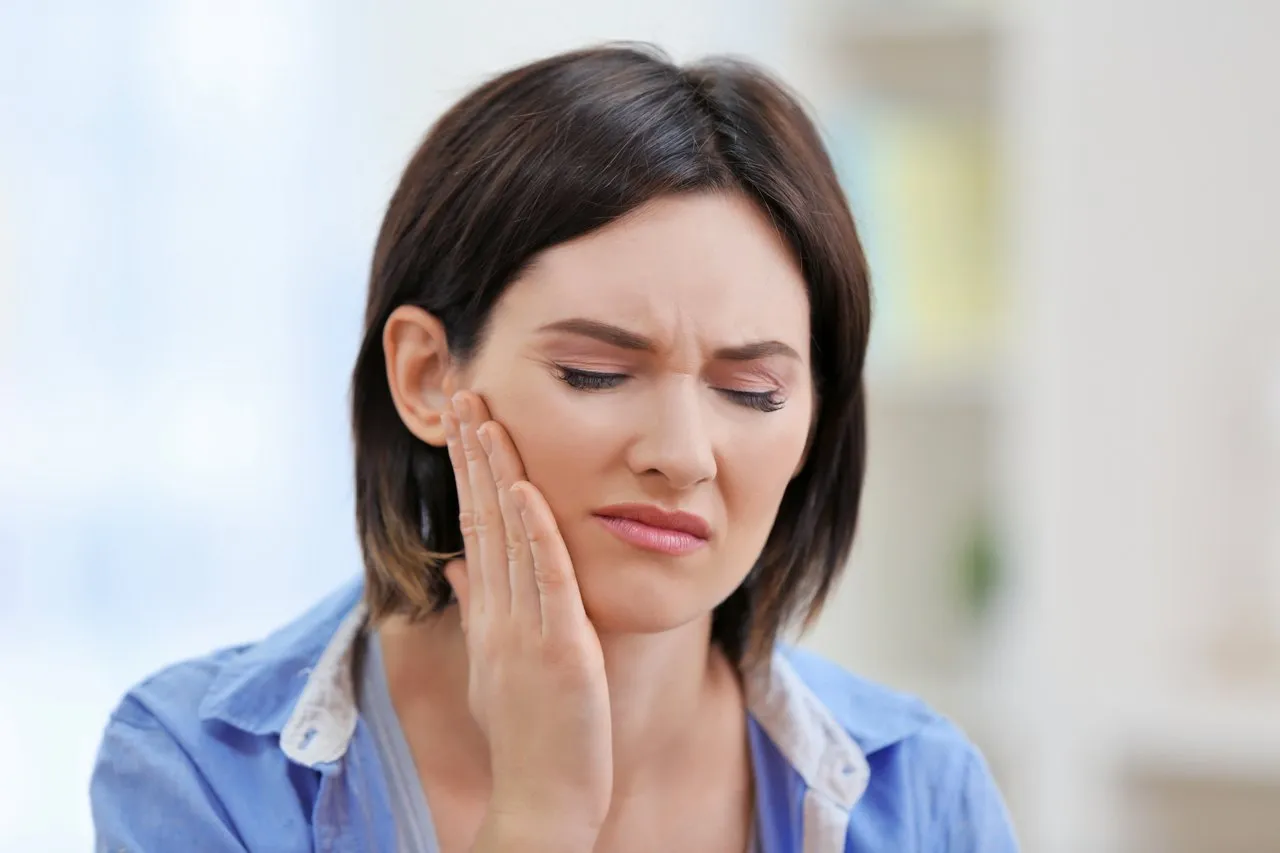
Sudden jaw pain can be alarming, but it is not always dangerous. Nevertheless, swelling or fever mean that you need urgent dental assessment. If you have difficulty swallowing, call 112 immediately. Numbness or a ‘misaligned bite’ following an accident is also urgent.
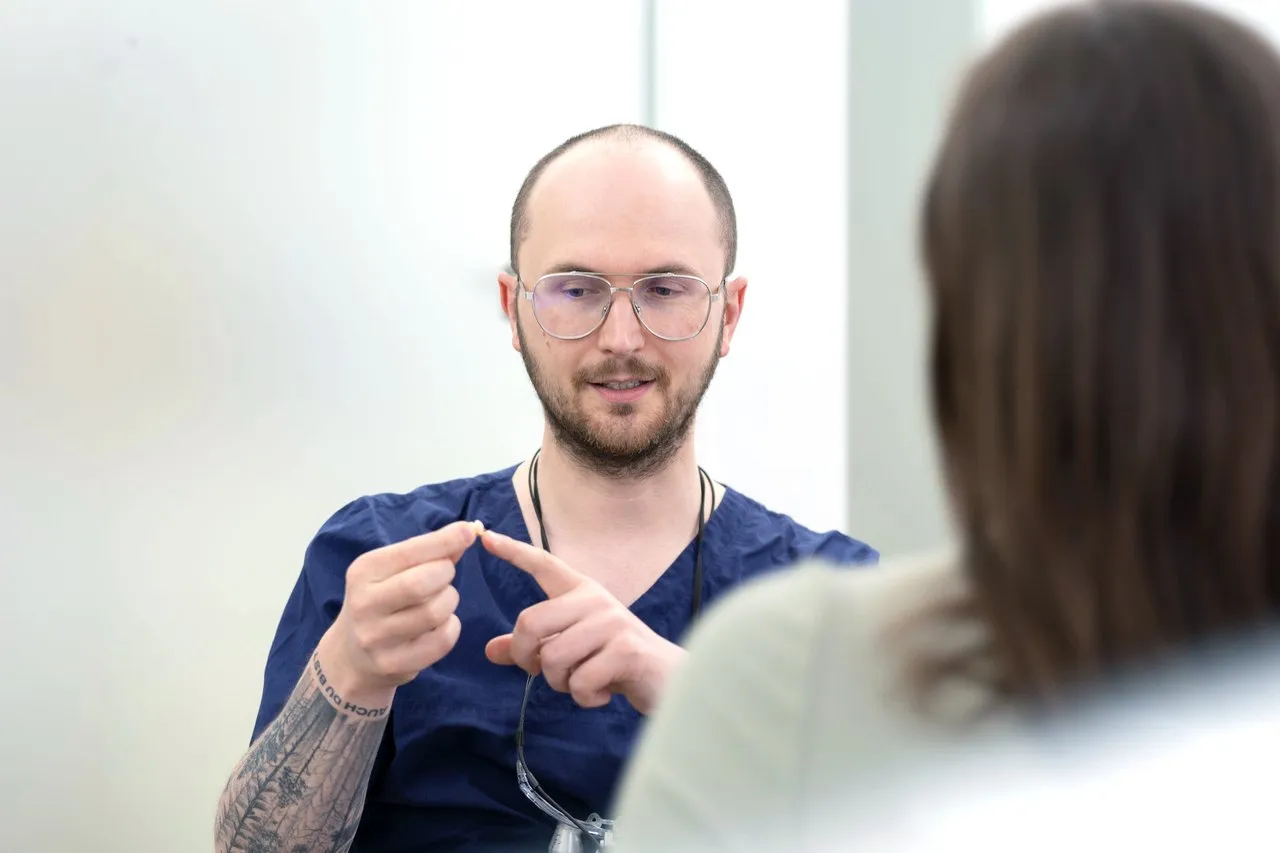
What helps with jaw pain until your appointment?
Many people ask what helps with jaw pain. Cooling can relieve acute swelling. Warmth is more helpful for muscle tension. Soft food rests the jaw. Avoid chewing gum and hard bread crusts. Only take painkillers in accordance with the instructions on the packet.
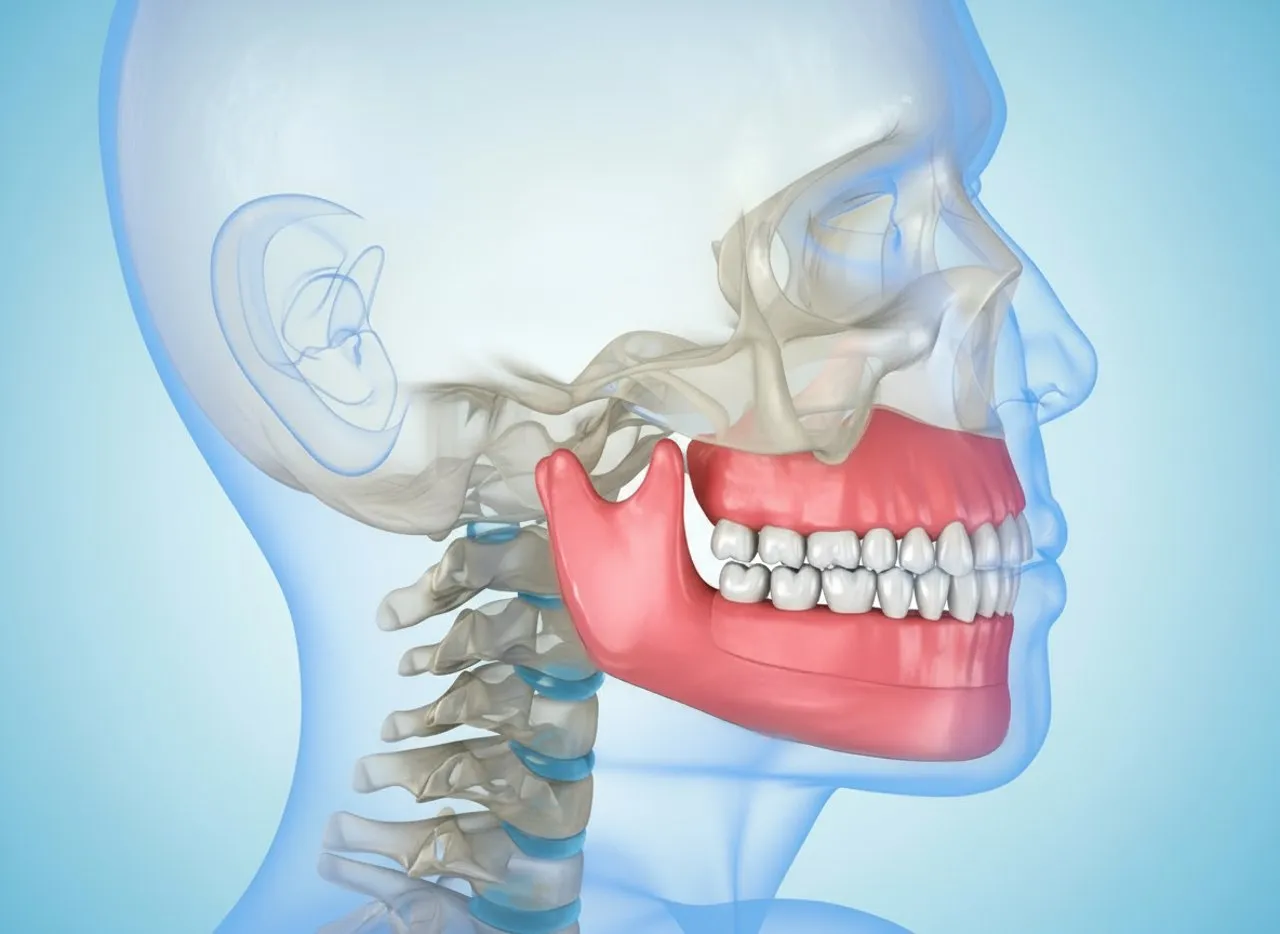
Diagnosis at Wunschlachen: how we identify the cause
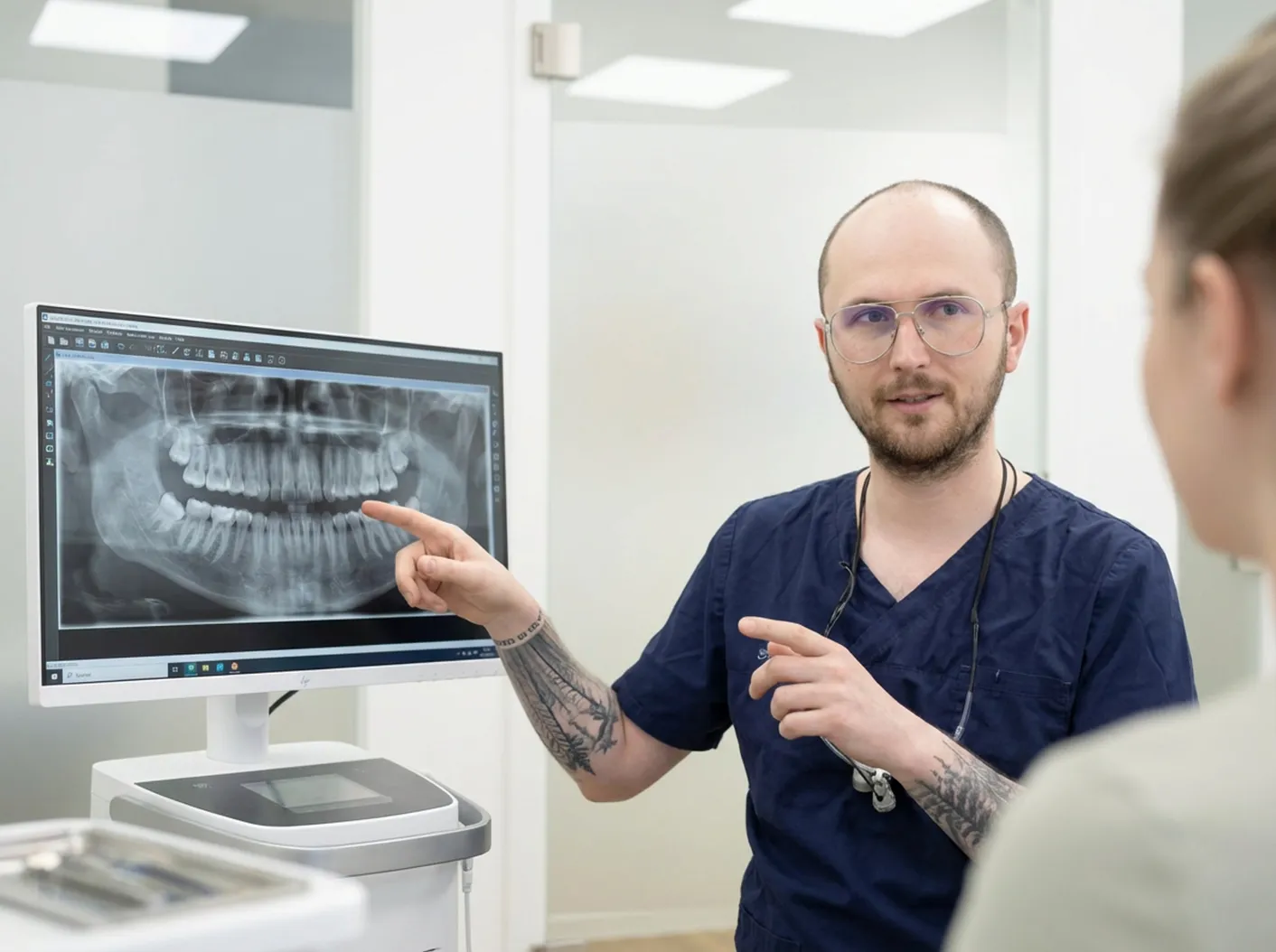
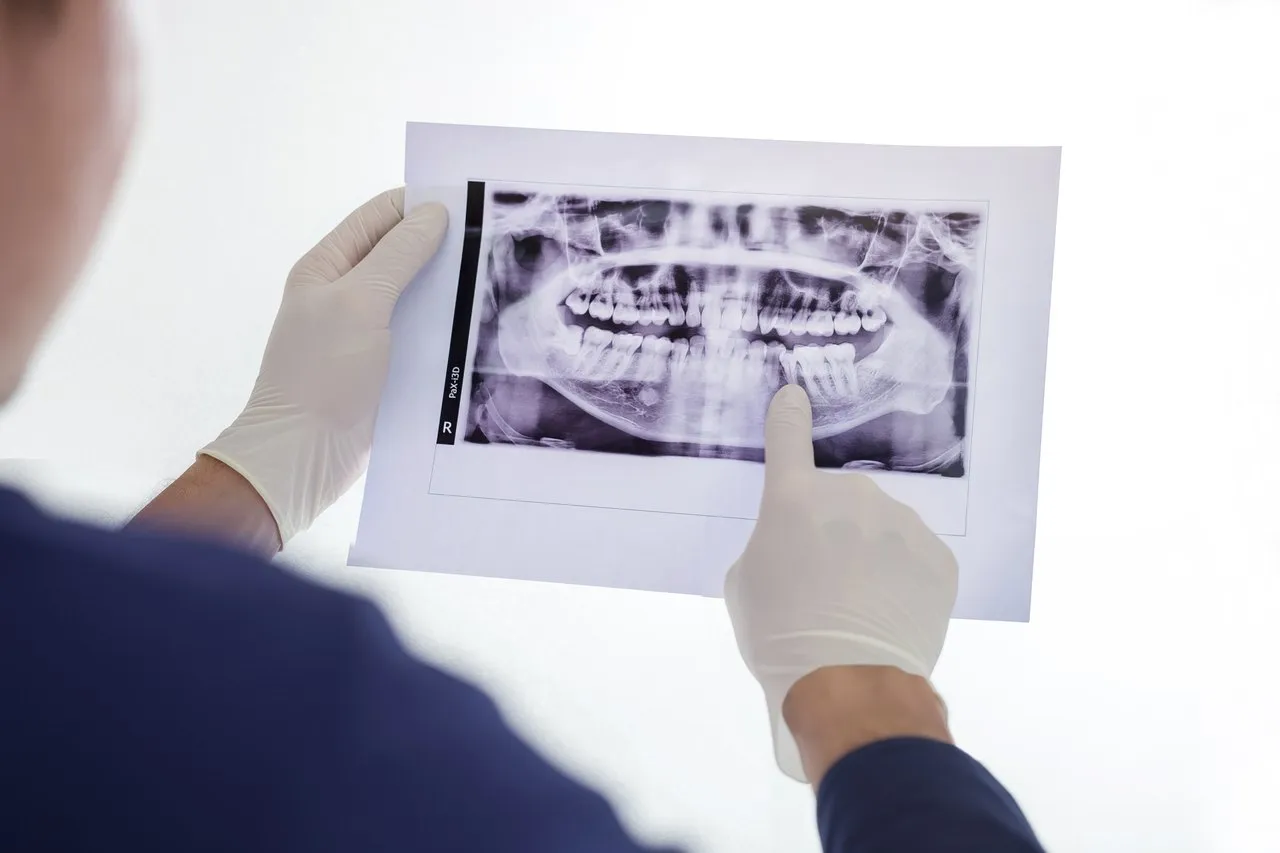
We begin by taking a structured medical history and carrying out a clinical examination. This involves examining the teeth, gums, occlusion and temporomandibular joint. If necessary, this is followed by digital radiography or 3D diagnostic imaging. We also test the masticatory muscles for tenderness to pressure. A functional analysis reveals abnormal occlusal contacts and loading of the joint. This allows us to reliably assess the causes of jaw pain.
Treatment: from preserving teeth to splint therapy
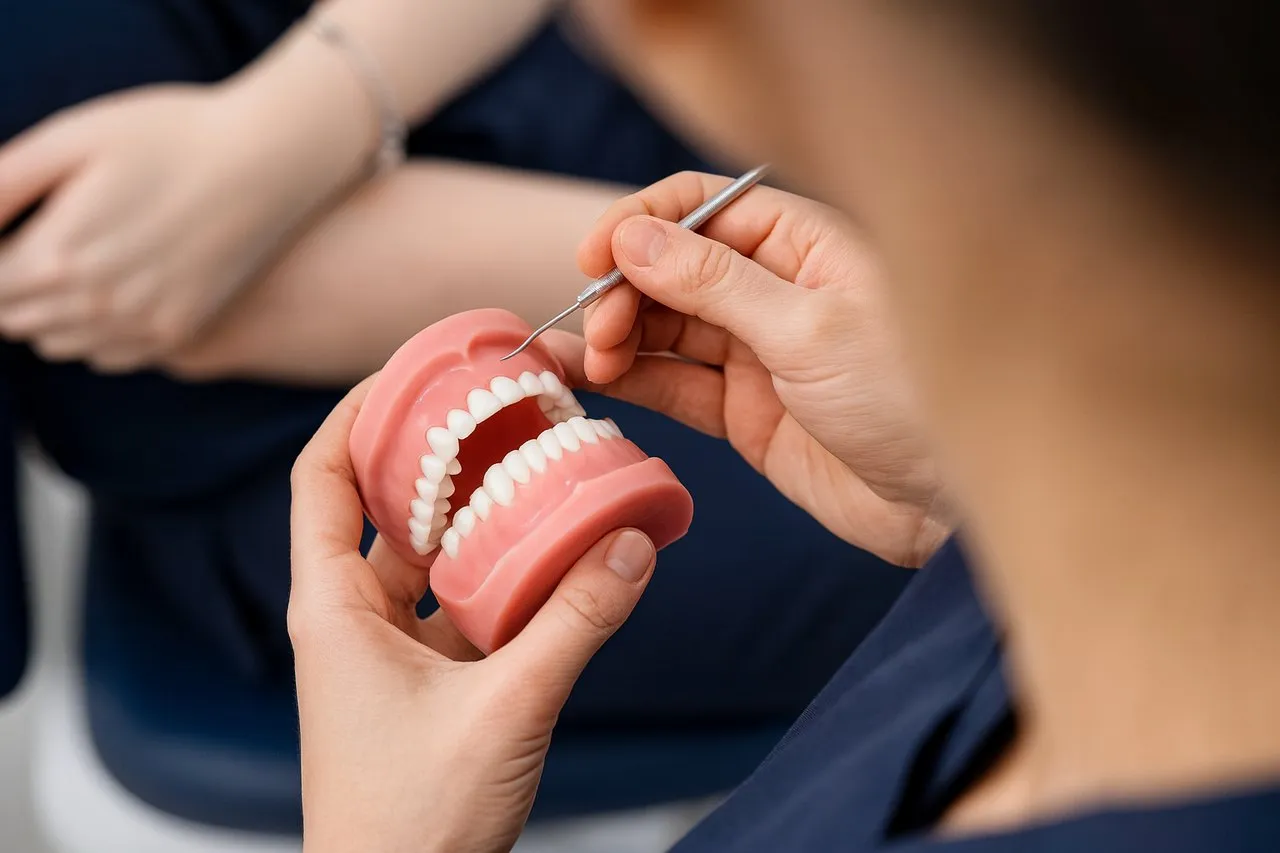
For dental problems, we treat the cause directly. This may involve a filling, root canal treatment or periodontal treatment. The aim is always to preserve the natural teeth. An occlusal splint often helps with CMD. It relieves strain on the joint and muscles at night. We also recommend physiotherapy and targeted stretching exercises. If right-sided jaw pain is caused by a wisdom tooth, we assess its position. Sometimes treating the inflammation is enough; sometimes removal is advisable. We provide individual, transparent advice.
Prevention: how to reduce the risk
Make sure you have regular check-ups and professional dental cleaning. Have grinding noises or morning muscle tension assessed. A demonstrably high restoration is a distinct diagnosis and should be assessed by your dentist. Stress management also helps. Relaxation reduces muscle tone and clenching. Even short breaks in everyday life make a difference.
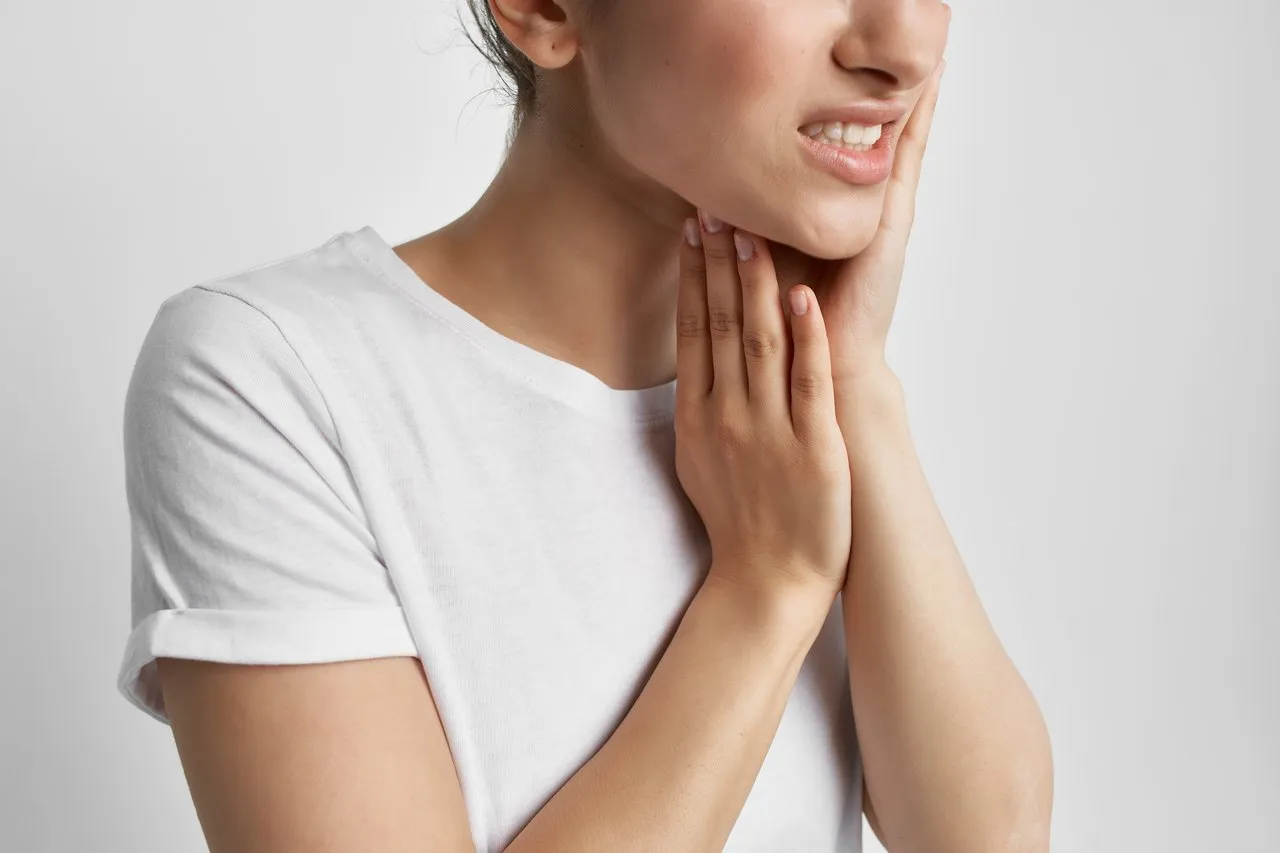
Conclusion: take jaw problems seriously
Jaw pain has many causes, but almost always has a solution. A clear diagnosis and appropriate treatment are crucial. Book an appointment at Wunschlachen in Berlin if you are experiencing symptoms.
Jaw pain FAQs
Rest, soft food and appropriate cooling can help in the short term. If the pain persists, a dental assessment should follow. This allows the cause to be treated specifically.
Often a single tooth, root inflammation or a wisdom tooth is involved. Occlusal interference in the bite can also trigger pain on one side. Sometimes CMD is the underlying cause.
The pain is usually clearly on the right and gets worse when biting down. A particular tooth or the gums often respond to pressure. An examination shows whether the tooth or joint is involved.
Left-sided symptoms often arise from the same factors as on the right. An inflamed tooth or tension in the chewing muscles is often responsible. A sinus infection can also cause radiating pain.
Chewing places strain on the teeth, roots and joint at the same time. With inflammation or a high contact, the pressure becomes painful. Cracks in the tooth also become apparent in this way.
Yes, overloading the chewing muscles can cause significant pain when eating. This is typical with stress and bruxism. A splint and physiotherapy often provide rapid relief.
It could be an acute inflammatory process or a bite problem. Swelling or fever require immediate dental assessment. If you have breathing problems, call 112 immediately. Even without warning signs, a timely diagnostic assessment is advisable.
A restoration that has been clinically assessed as too high is a distinct finding that may occur alongside CMD, clicking and tenderness on pressure. A functional analysis clarifies the mechanics.
Avoid hard food and rest the affected side. Cooling helps with swelling, and warmth helps with tension. A dental check should follow afterwards.
The long-term solution depends on the cause. Dental treatments, splint therapy and physiotherapy are often effective. Regular check-ups help maintain the results.