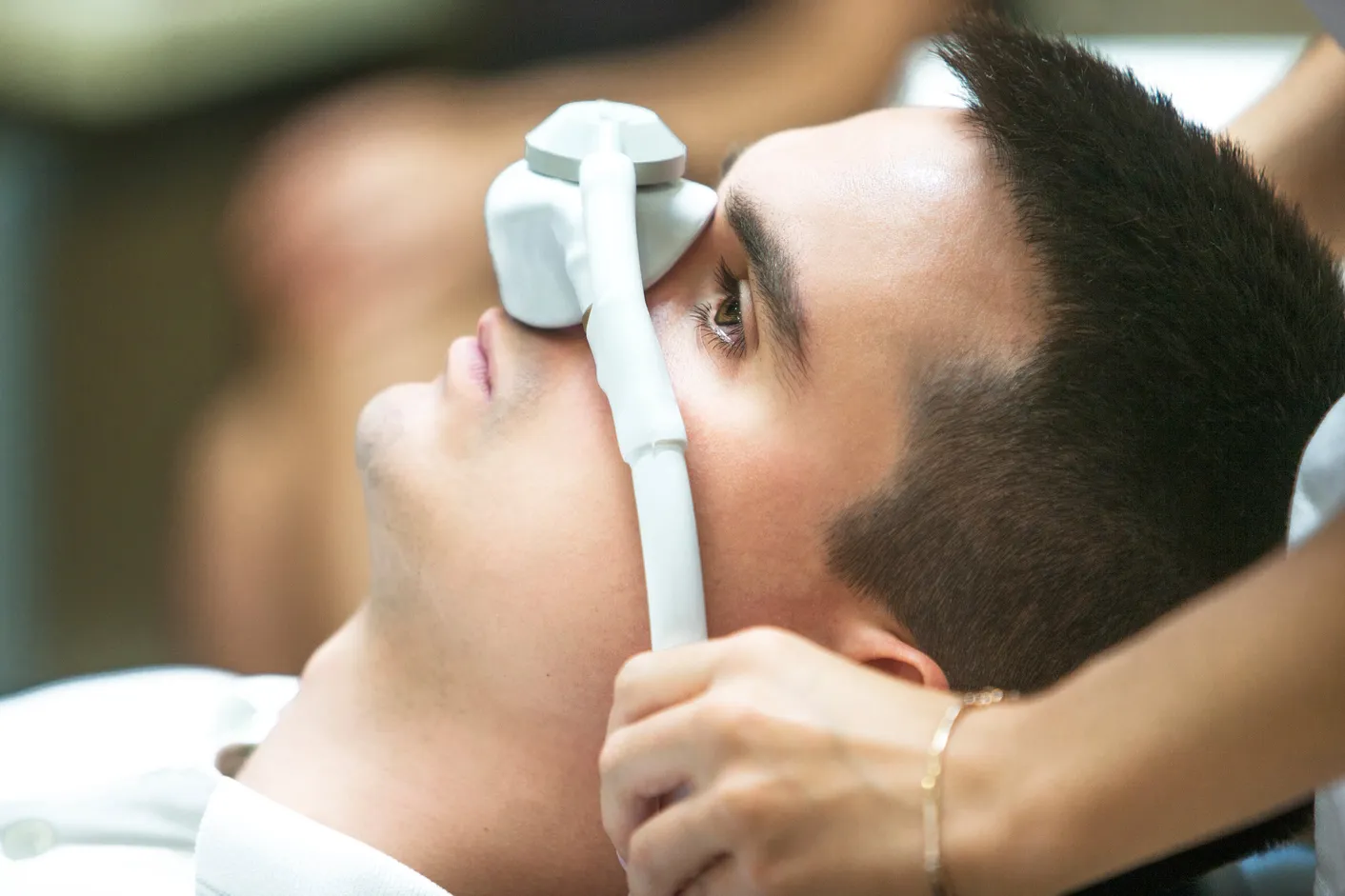
Duration of the effects of laughing gas: An overview
Nitrous oxide (N₂O), better known as laughing gas, is widely used in dentistry and anaesthesia to calm patients and relieve pain. Laughing gas takes effect quickly, but the duration of its effect varies depending on the dosage, how it is administered and individual factors....
Über 350 Google-Bewertungen
The short answer
Laughing gas has a calming effect after just a few breaths and, essentially, lasts only for as long as it is inhaled. After the mask is removed, the effects generally wear off within about two to five minutes. Recovery and return to baseline vary between patients, so the treatment team assesses readiness for discharge and provides instructions on returning to normal daily activities.
- Onset of action
- After just a few breaths – with relaxation and reduced anxiety.
- Duration of action
- Essentially only during inhalation; after it is stopped, the effects wear off in about 2–5 minutes.
- Good to know
- Particularly common for shorter procedures and anxious patients because of the short recovery period – suitability is assessed by a doctor.
General information without any promise of a cure – the treatment team decides on use and dosage individually.
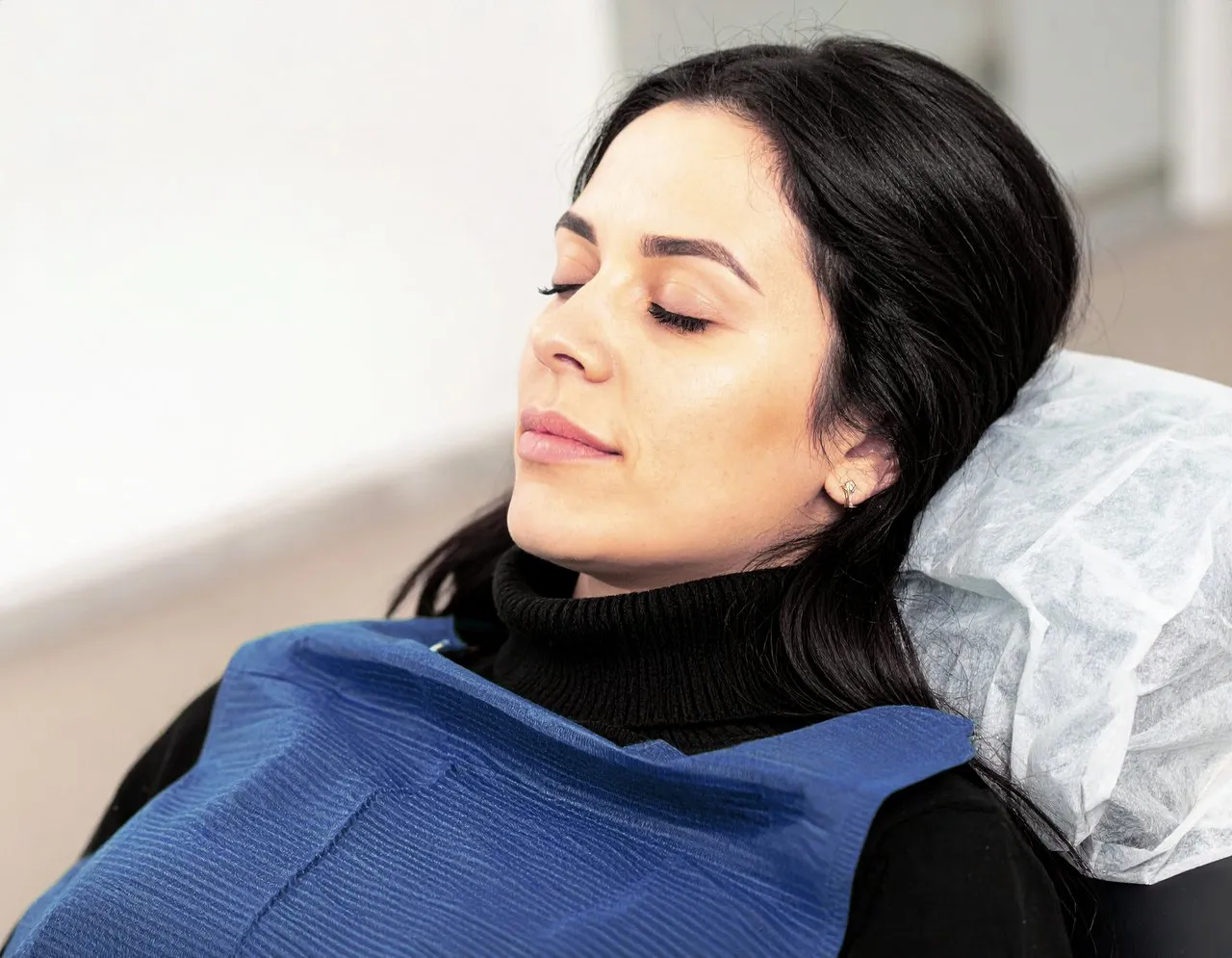
How long does the effect of laughing gas last?
Laughing gas takes effect very quickly. After just a few breaths, the patient begins to feel the calming effects, which are accompanied by relaxation and reduced anxiety. The exact duration of the effect depends on various factors, but generally it lasts only for as long as it is inhaled. Another advantage of laughing gas is that, when used with appropriate screening and monitoring, it usually allows rapid recovery, making it suitable for short medical procedures.

Duration of the effect
The effect of the gas itself is relatively short-lived. In most cases, the relaxing effect lasts only for the duration of inhalation. As soon as the patient stops inhaling it, the effects begin to wear off after approximately 2–5 minutes. This makes it particularly advantageous, as it works quickly and recovery is often rapid after treatment. However, recovery and return to baseline vary between patients. Before discharge, the treatment team assesses each patient and provides instructions on when they can resume their usual daily activities.

After using laughing gas
Compared with other anaesthesia methods, where the body takes longer to fully break down the substances, laughing gas can be eliminated from the body very quickly. After inhalation, patients' ability to speak and walk normally and resume daily activities depends on their recovery and return to baseline. The treatment team assesses readiness for discharge and provides activity instructions. Memory of the procedure can also vary between patients.
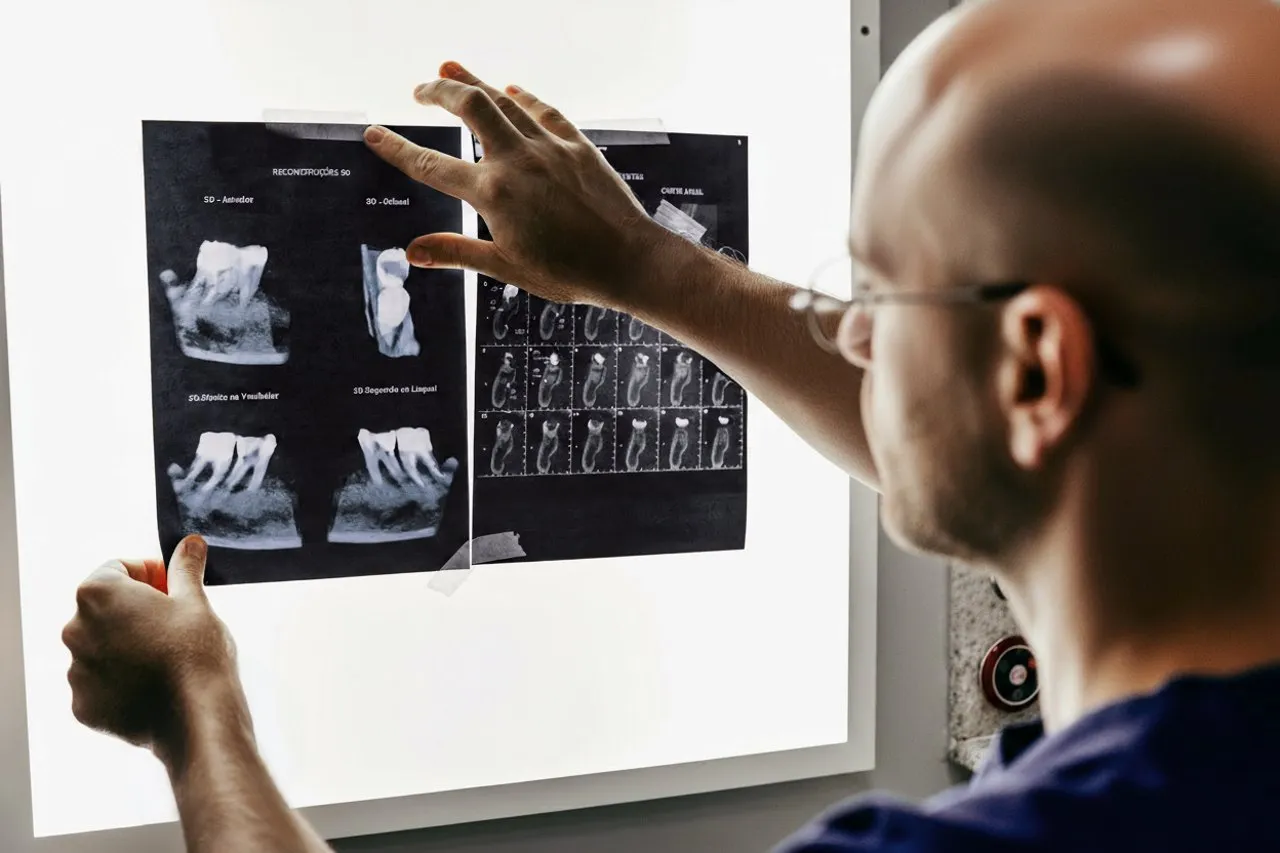
Factors influencing the duration of the effect
The duration of the effect can be influenced by the way in which the gas is administered. A mixture of nitrous oxide and oxygen is often used in dentistry. Depending on how much laughing gas is included in the mixture, the duration of the effect may be slightly longer or shorter. In some cases, the body's individual response can also affect when the effects wear off. People with certain pre-existing conditions, such as respiratory diseases, should discuss the treatment in detail with their dentist to determine the best possible dose and mixture.
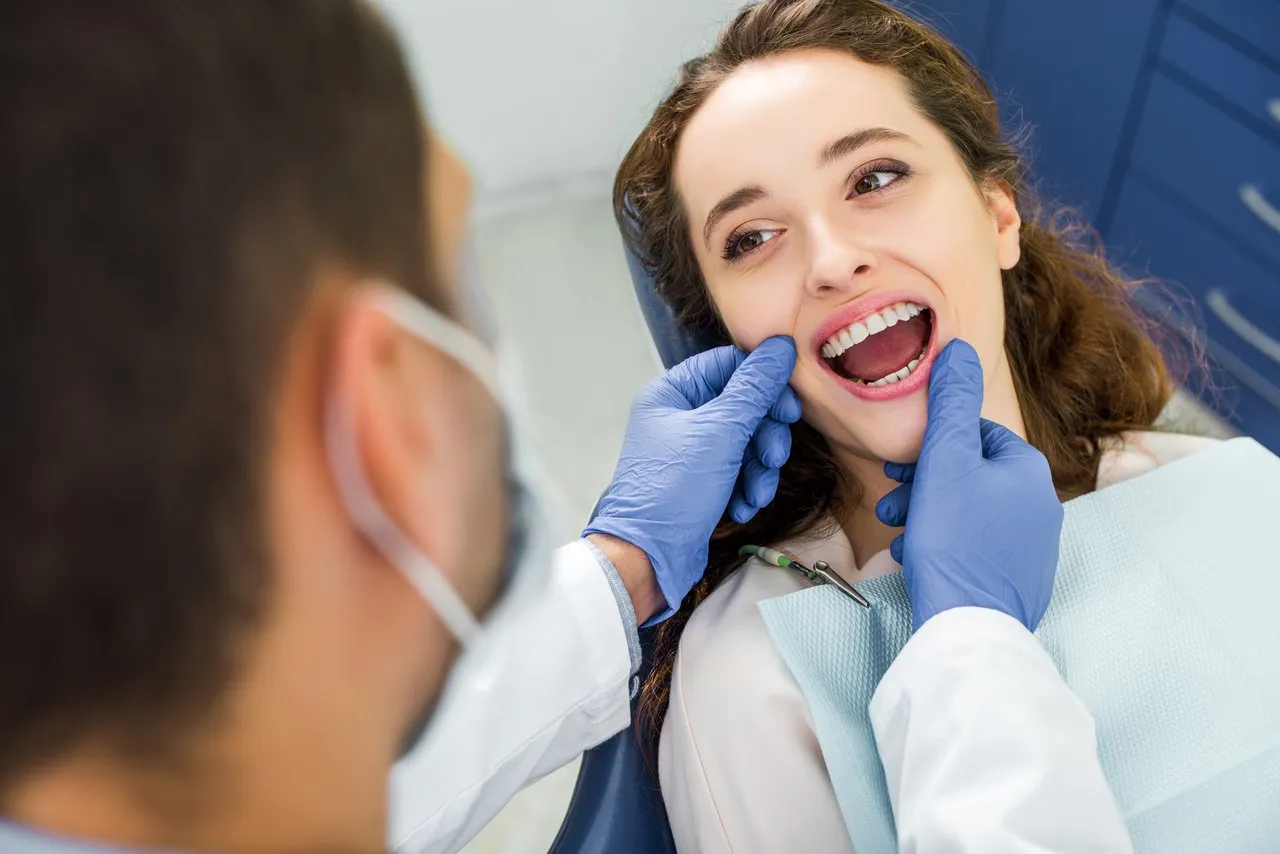
Conclusion
Laughing gas offers a fast, effective and short-term solution for pain relief and sedation during dental procedures and other medical treatments. The effect generally lasts only for as long as it is inhaled, with a rapid return to normal awareness after the procedure ends. Its short duration of action, coupled with its rapid elimination from the body, makes it a safe and efficient option for patients who want a quick recovery and a pain-free treatment experience.
FAQ – Frequently asked questions about laughing gas
Nitrous oxide, also known as laughing gas, is used in dentistry and anaesthesia for pain relief and sedation. It works quickly and has a short duration of action.
The effect of the gas generally lasts only for as long as it is inhaled. Once it is discontinued, the effects begin to wear off after approximately 2–5 minutes.
Laughing gas is considered safe for most patients, particularly during dental procedures. Patients with certain respiratory diseases or a sensitivity to the gas should inform their dentist beforehand.
Yes, as nitrous oxide leaves the body very quickly, patients can usually resume their daily activities after treatment, once their recovery has been assessed and in accordance with the dental team's guidance. However, you must not drive until you have fully recovered and the treating dental team has specifically confirmed that you may drive.
In dentistry, the gas is often used in combination with oxygen to enhance its effect and increase safety.
Side effects are generally rare, but can include mild headaches, nausea or dizziness. These symptoms usually disappear quickly after treatment.
The effect sets in almost immediately after inhalation. Patients quickly feel calm and relaxed.
The gas helps reduce anxiety and the sensation of pain, allowing patients to relax during the procedure. It is particularly useful for patients with dental anxiety.
Nitrous oxide has a low potential for misuse and is safe to use in dentistry and medicine when administered under controlled conditions.
Yes, other anaesthesia methods such as local anaesthesia or sedation can be used, but the gas remains a preferred option due to its rapid onset and minimal side effects.