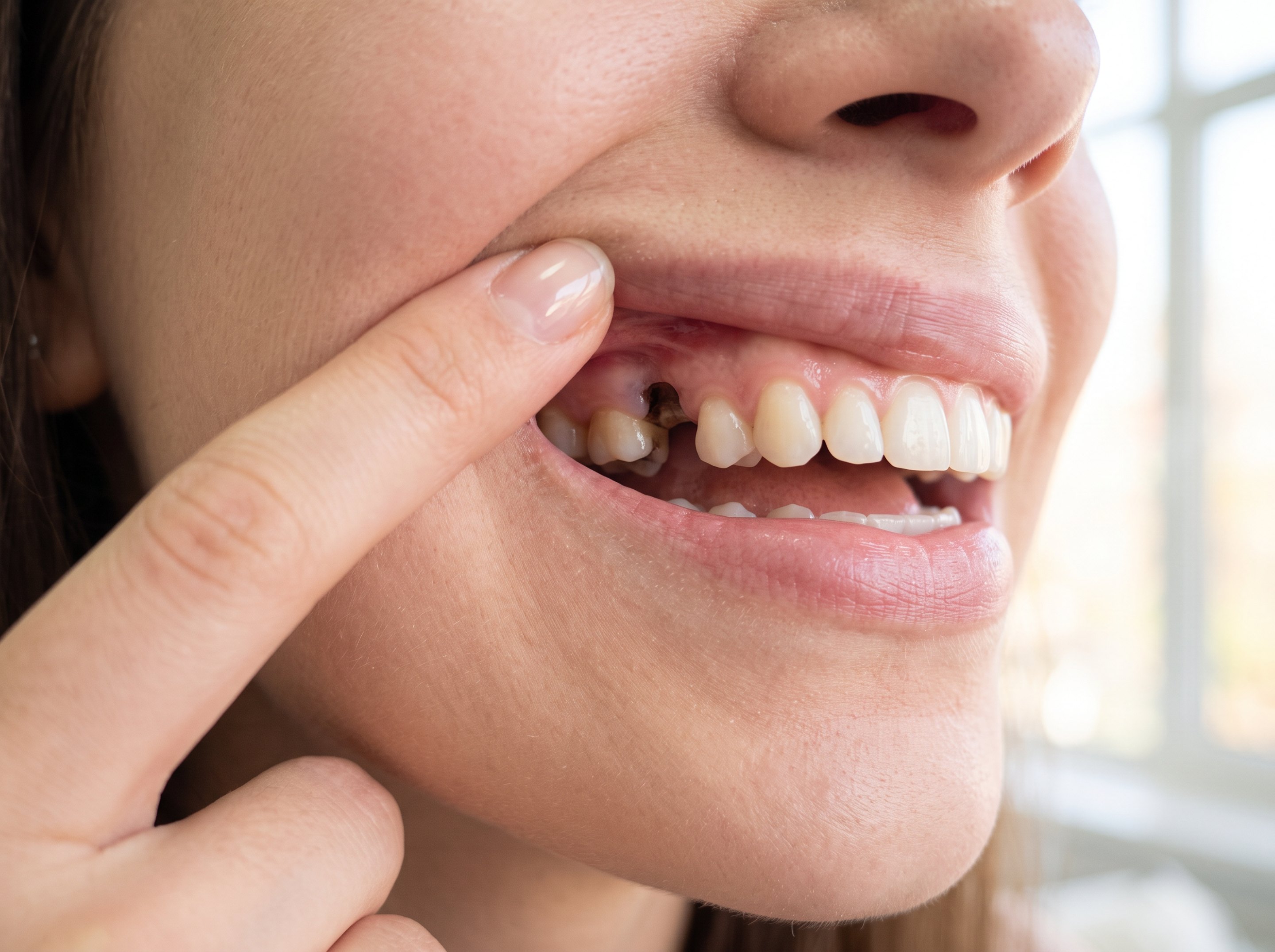
Lost a tooth: causes, immediate help and tooth replacement
A lost tooth should always be examined by a dentist promptly. After an accident, every minute often counts. If tooth loss is caused by disease, prompt treatment protects the teeth, bite and jawbone. Depending on the findings, reimplantation, a bridge, an implant or a denture may be suitable. Wunschlachen in Berlin develops an individually tailored treatment for you.
Über 350 Google-Bewertungen
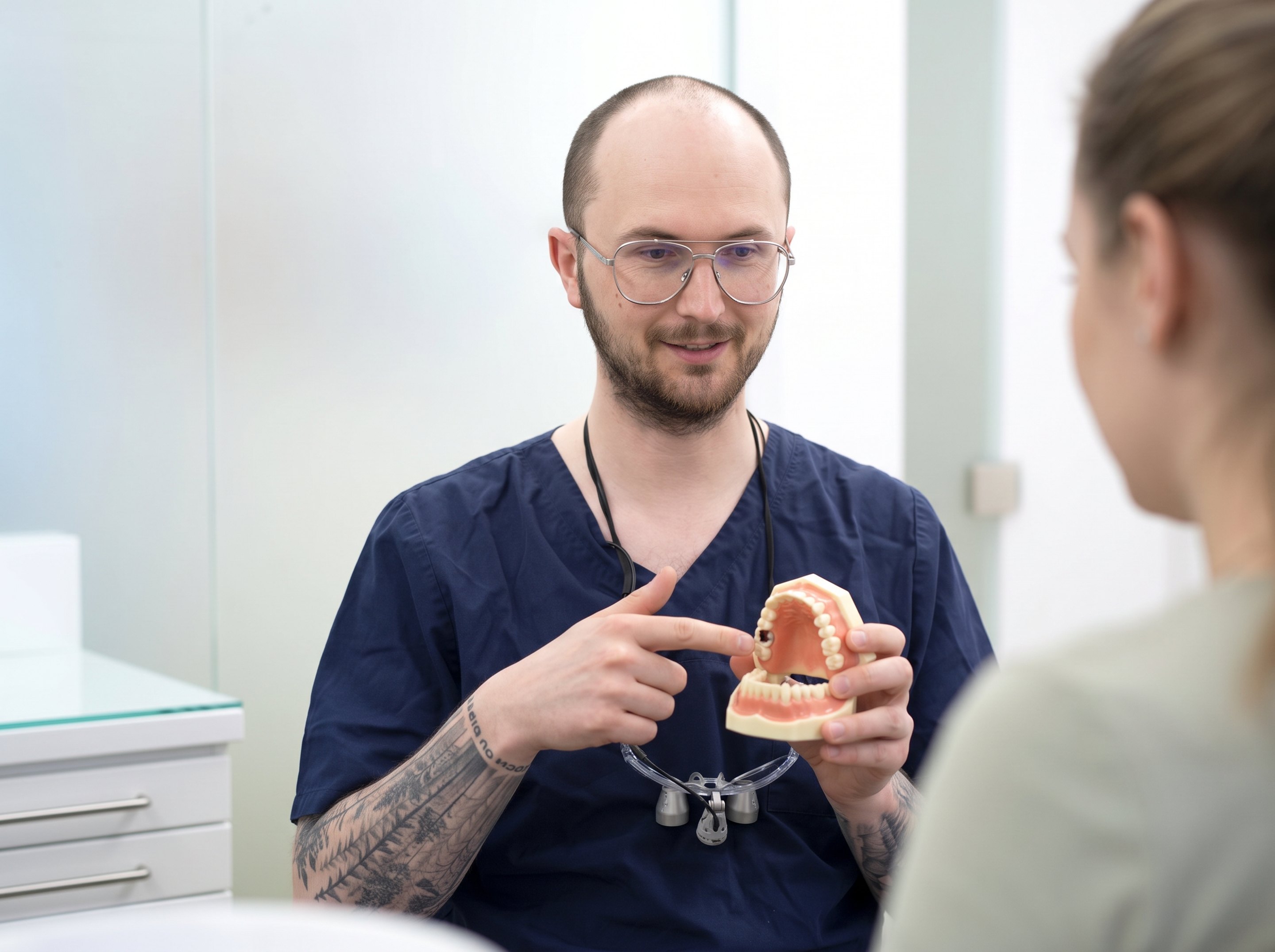
What does tooth loss mean for the jaw?
A tooth performs important functions when chewing and speaking, and in stabilising the dentition. If it is missing, the forces change throughout the entire jaw. Neighbouring teeth can slowly tilt into the gap. The opposing tooth can also shift.
The jawbone in the affected area is also placed under less strain. This can cause the bone volume to decrease over time. Later on, this bone loss may make it more difficult to fit a dental implant. Even a small gap should therefore be monitored.

How can a tooth be lost?
Tooth loss has various causes. Deep caries or inflammation often lead to tooth loss. Advanced periodontitis can also weaken the tooth's supporting structures. The tooth then becomes loose and loses its secure hold.
Other causes include accidents, falls or heavy strain during sport. Sometimes a severely damaged tooth fractures particularly deeply. In such cases, preserving the tooth permanently may no longer be advisable. Teeth grinding, poor oral hygiene and smoking also increase certain risks.
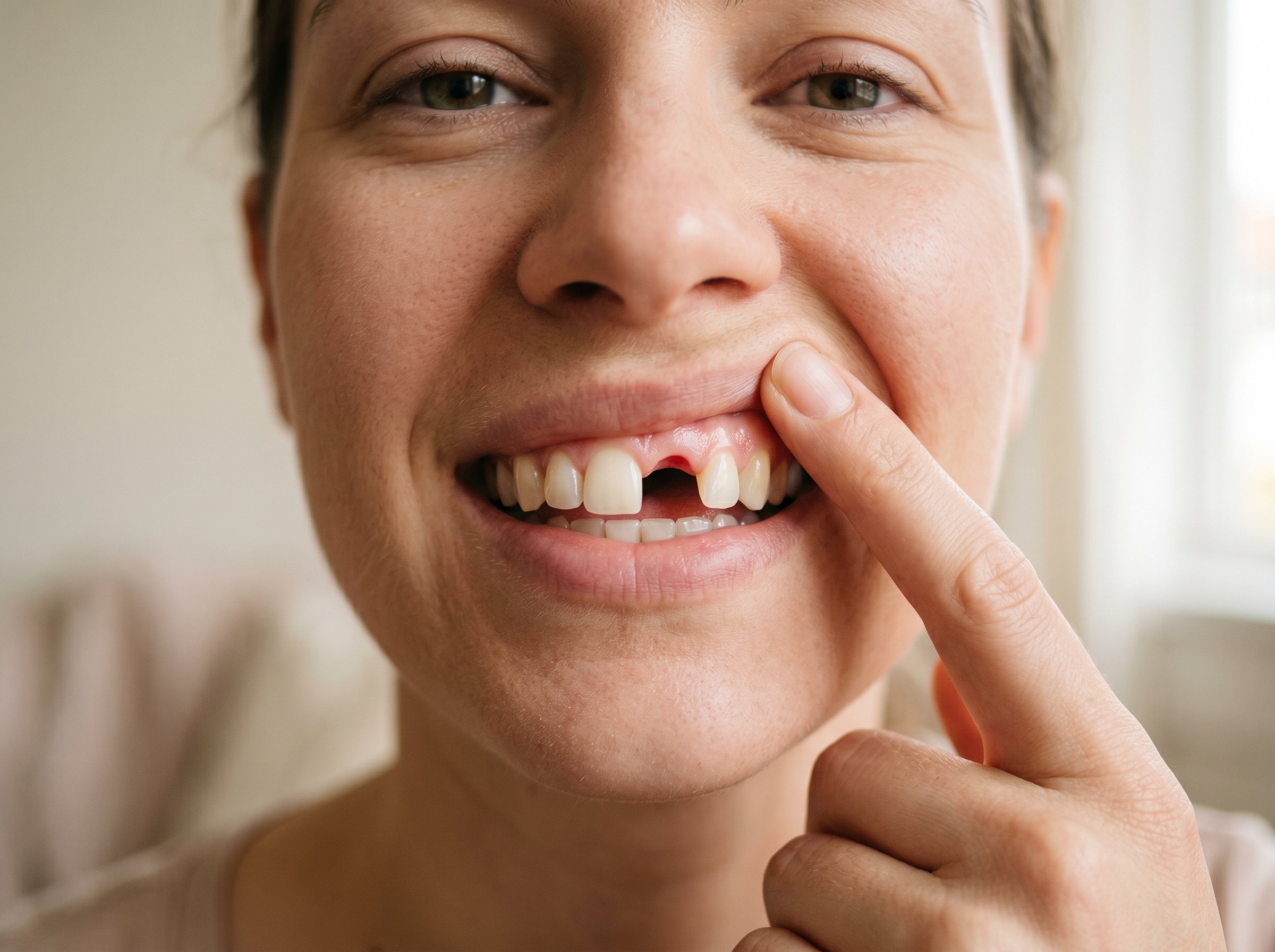
Knocked-out tooth: what should you do immediately?
A knocked-out permanent tooth is a dental emergency. Only touch it by the visible crown of the tooth. Avoid touching the sensitive root if possible. Do not clean or disinfect the tooth.
Place it immediately in a tooth rescue box. Alternatively, cold UHT milk is suitable for a short time. The tooth must not dry out. Afterwards, visit a dental practice or dental clinic without delay.
A knocked-out milk tooth is not reinserted. Nevertheless, the child should be examined promptly. This allows injuries to the jaw to be identified. The permanent tooth germ should also be checked.
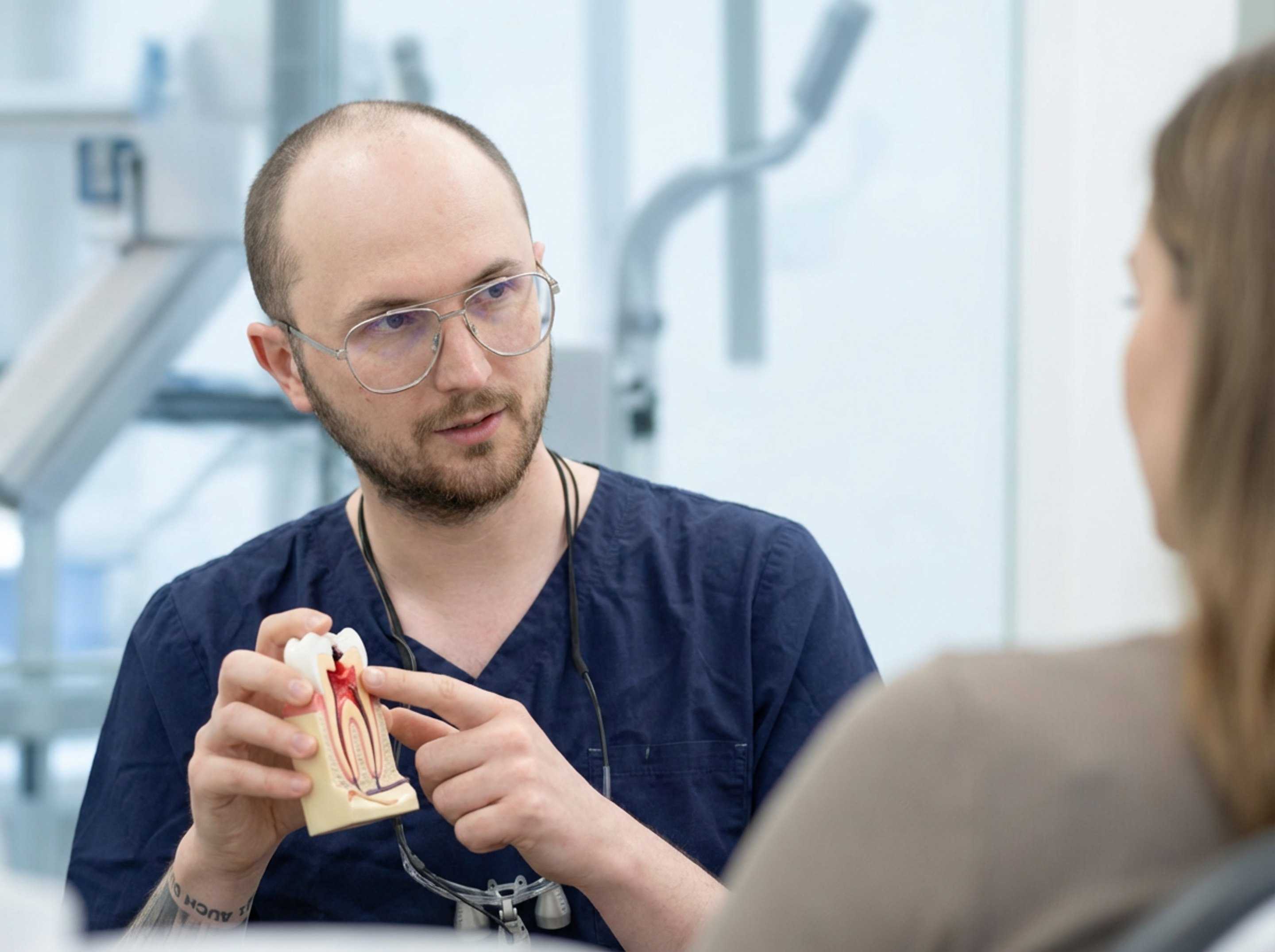
Can a lost tooth be reinserted?
After an accident, reimplantation may be possible. The dentist places the permanent tooth back into its socket. It is then often stabilised with a splint. The chances of success depend heavily on storage and the time elapsed.
Not every tooth is suitable for this procedure. Fractures or damage to the root affect the prognosis. A thorough examination and diagnostic X-rays provide clarity. An individual treatment plan then follows.

How is a lost tooth examined?
First, the dentist examines the gap and the surrounding tissue. The neighbouring teeth and gums are also carefully examined. X-rays reveal any root remnants, bone changes or hidden injuries.
Following an accident, the mobility of neighbouring teeth is also checked. The position of the jaw can also be important. Possible treatments are then explained clearly and selected together.
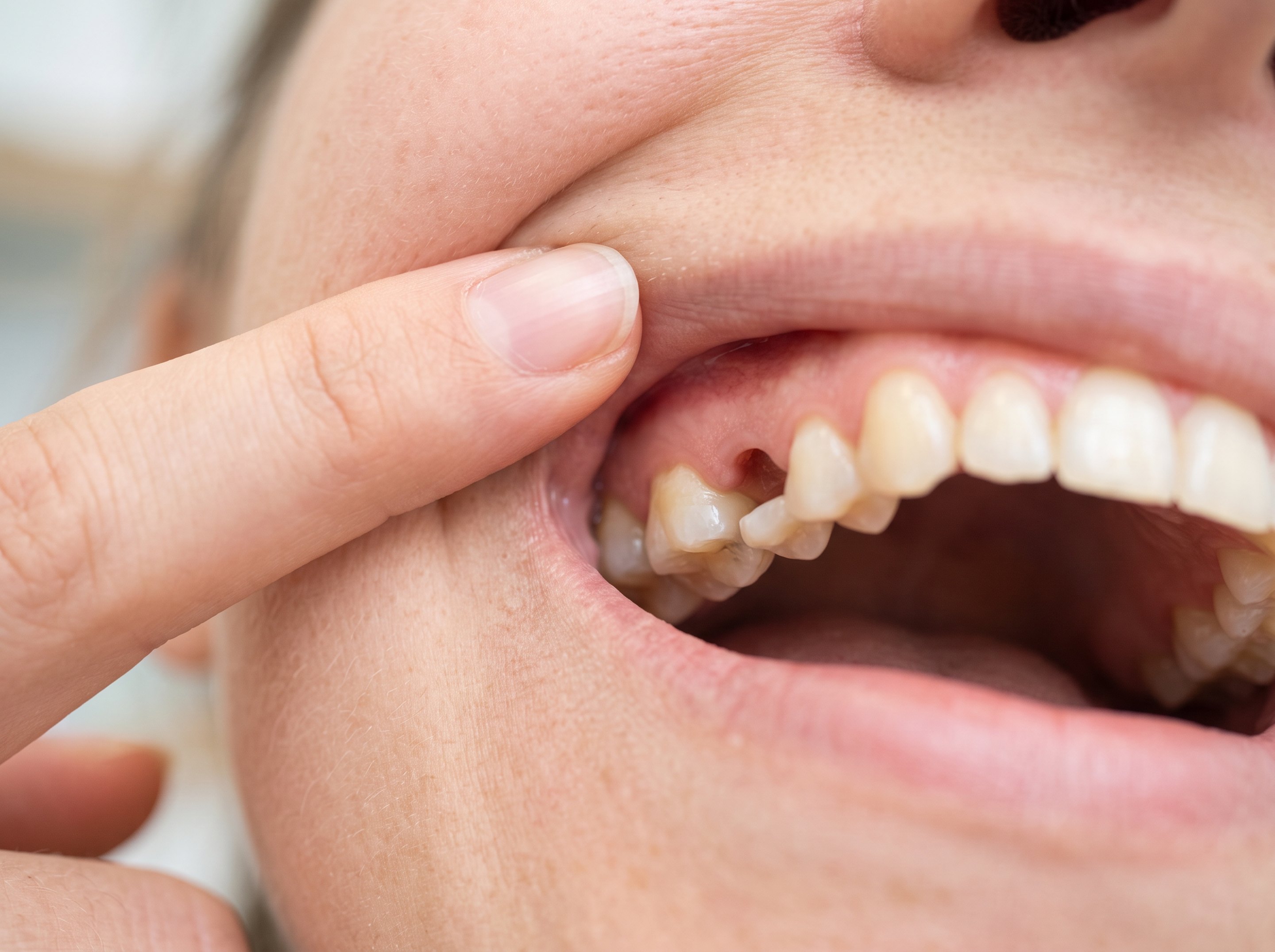
What are the consequences of an untreated gap?
A gap between the teeth affects more than just appearance. It can impair chewing function and speech. The load is distributed unevenly, particularly in the posterior region. This can place greater strain on the remaining teeth.
Tooth migration may alter the bite. This can create areas that are difficult to clean. This increases the risk of plaque and inflammation. In visible areas, the loss can also affect personal wellbeing.
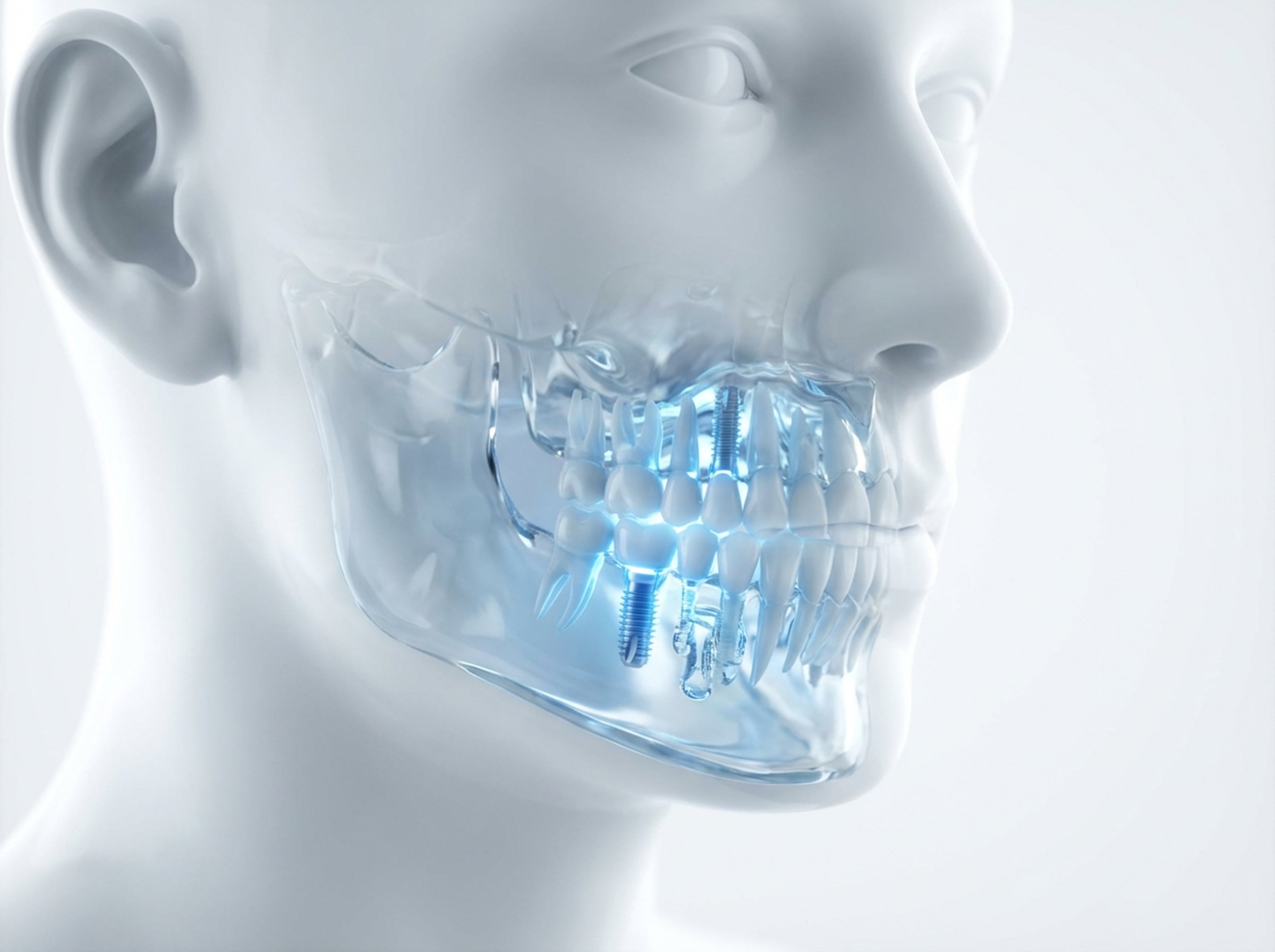
What tooth replacement options are available?
A single lost tooth can often be replaced with a bridge. The neighbouring teeth serve as abutments for this purpose. This solution is suitable when the neighbouring teeth are already filled or crowned. However, healthy tooth substance usually has to be ground down.
An implant also replaces the missing tooth root. An individually made crown is attached to it. The neighbouring teeth are usually left untouched. Sufficient bone and healthy surrounding tissues are required.
If several teeth are missing, a partial denture may be a suitable option. It is removable and can be extended later. Implant-supported solutions are also possible for larger gaps. The individual clinical findings determine which option is suitable.
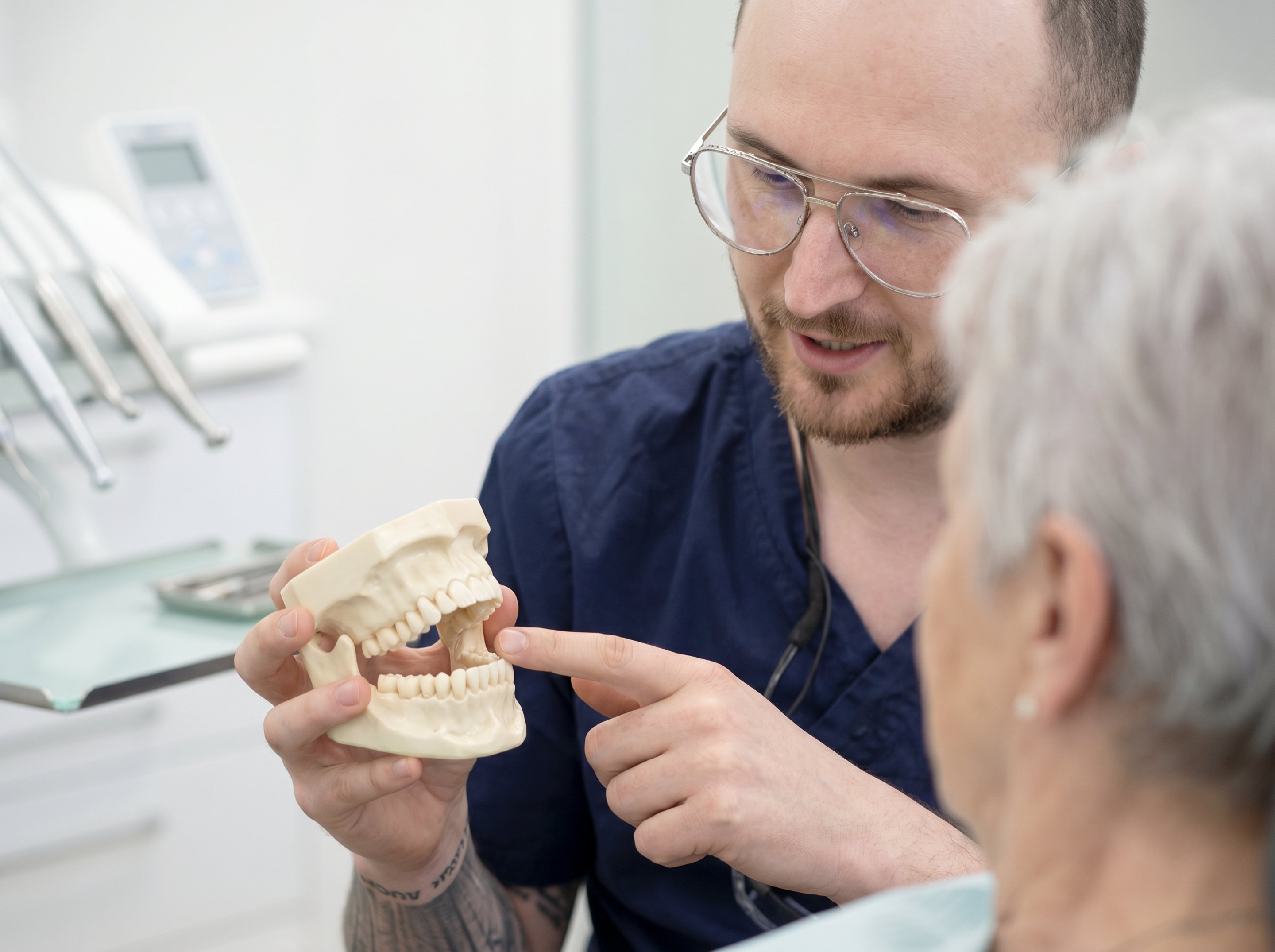
When is bone augmentation necessary?
Following prolonged tooth loss, the jawbone may shrink. An implant may then lack a stable foundation. Bone augmentation can supplement the existing volume. The extent and method depend on the affected region.
Not every implantation is preceded by bone augmentation. Modern diagnostics show the height, width and quality of the bone. This provides a basis for planning treatment precisely. The risks and healing time are discussed in detail beforehand.
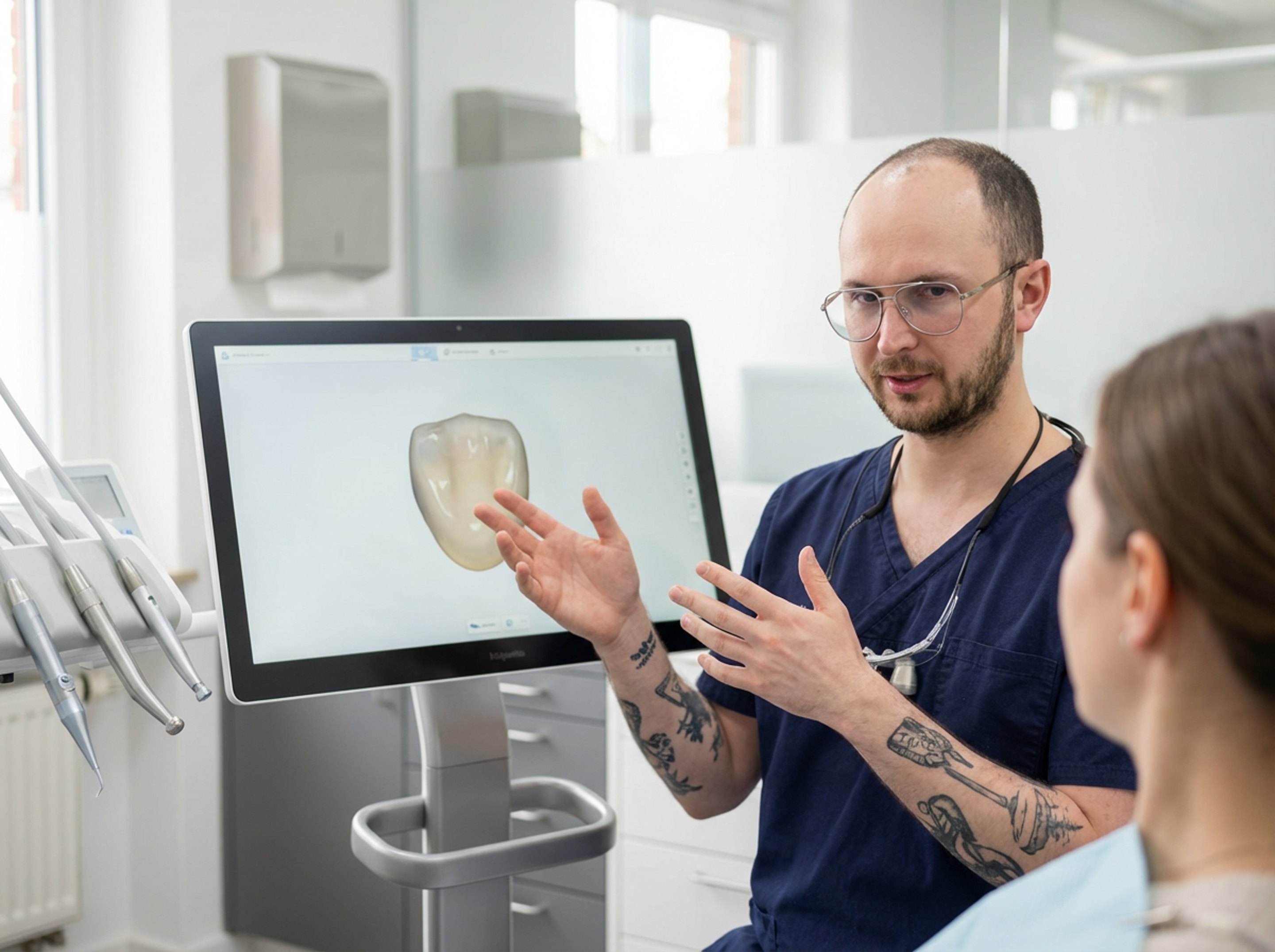
How can further tooth loss be prevented?
Thorough oral hygiene reduces the risk of many dental diseases. Clean your teeth and the spaces between them every day. Regular check-ups help to detect caries or periodontitis early.
Professional dental cleaning can also be a useful addition to home care. Any looseness, bleeding or persistent discomfort should be examined. The earlier the cause is identified, the better the treatment options often are.
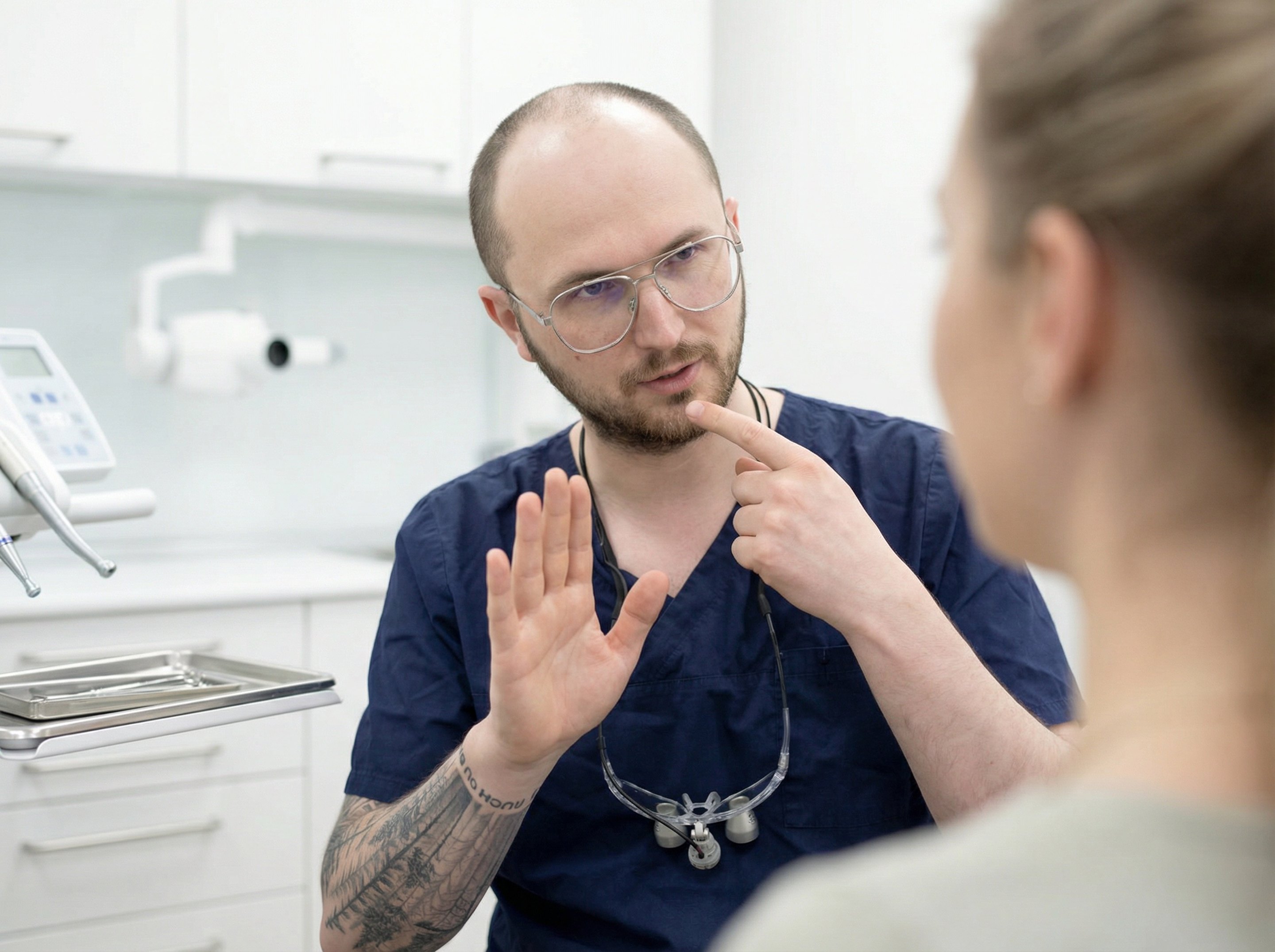
Lost a tooth: advice at Wunschlachen in Berlin
At Wunschlachen, our initial focus is on identifying the precise cause. We examine the teeth, gums, bite and jawbone. We then explain all suitable options clearly. Your wishes and health circumstances are taken into account in the planning.
After a dental accident, you should contact the practice immediately. An examination is also worthwhile if you have had a gap for some time. Early treatment can limit further changes. Together, we will find a tooth replacement that is functional and looks natural.