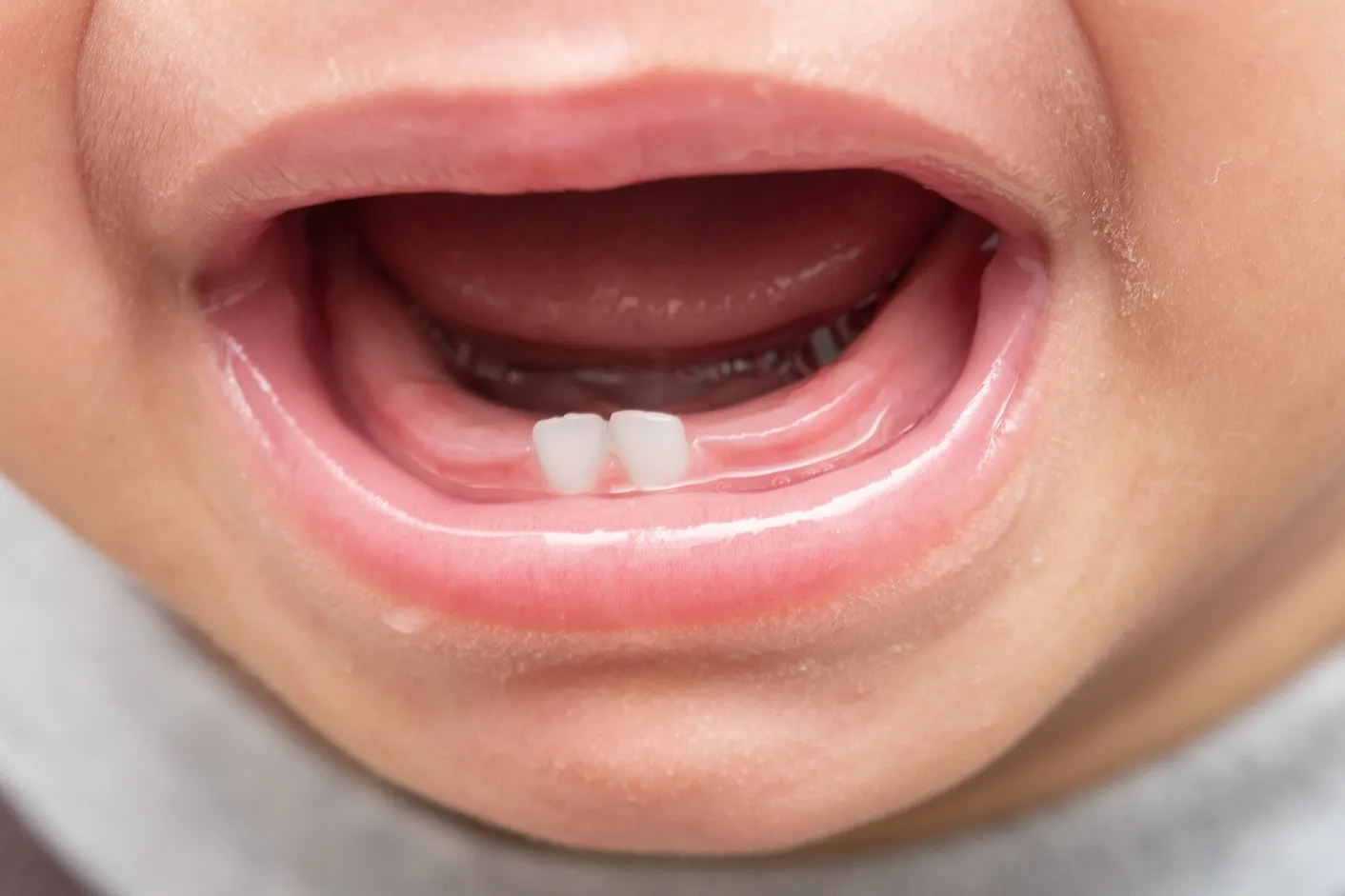
Milk tooth treatment for a healthy smile
Many parents ask themselves: does a milk tooth really need treating if it is going to fall out anyway? The answer is clear: yes. Milk teeth play an important role in speech development, chewing and holding space for the permanent teeth. If they are damaged by tooth decay or...
Über 350 Google-Bewertungen
The short answer
Yes, decayed milk teeth must be treated, even if they will fall out later: they are important for speech development, chewing and holding space for the permanent teeth. Untreated tooth decay can spread to permanent teeth and contribute to misalignment. Modern anaesthesia usually means that children experience little pain during treatment; basic care is covered by statutory health insurance, while a co-payment may be required for higher-quality fillings.
- Warning signs
- Brown or black spots, holes, sensitivity to touch
- Statutory health insurance cover
- Basic care is covered; a co-payment may be required for higher-quality fillings
- Good to know
- If a milk tooth is removed too early, a space maintainer may be needed
The scope and course of treatment depend on the individual findings and are planned in a child-friendly manner.
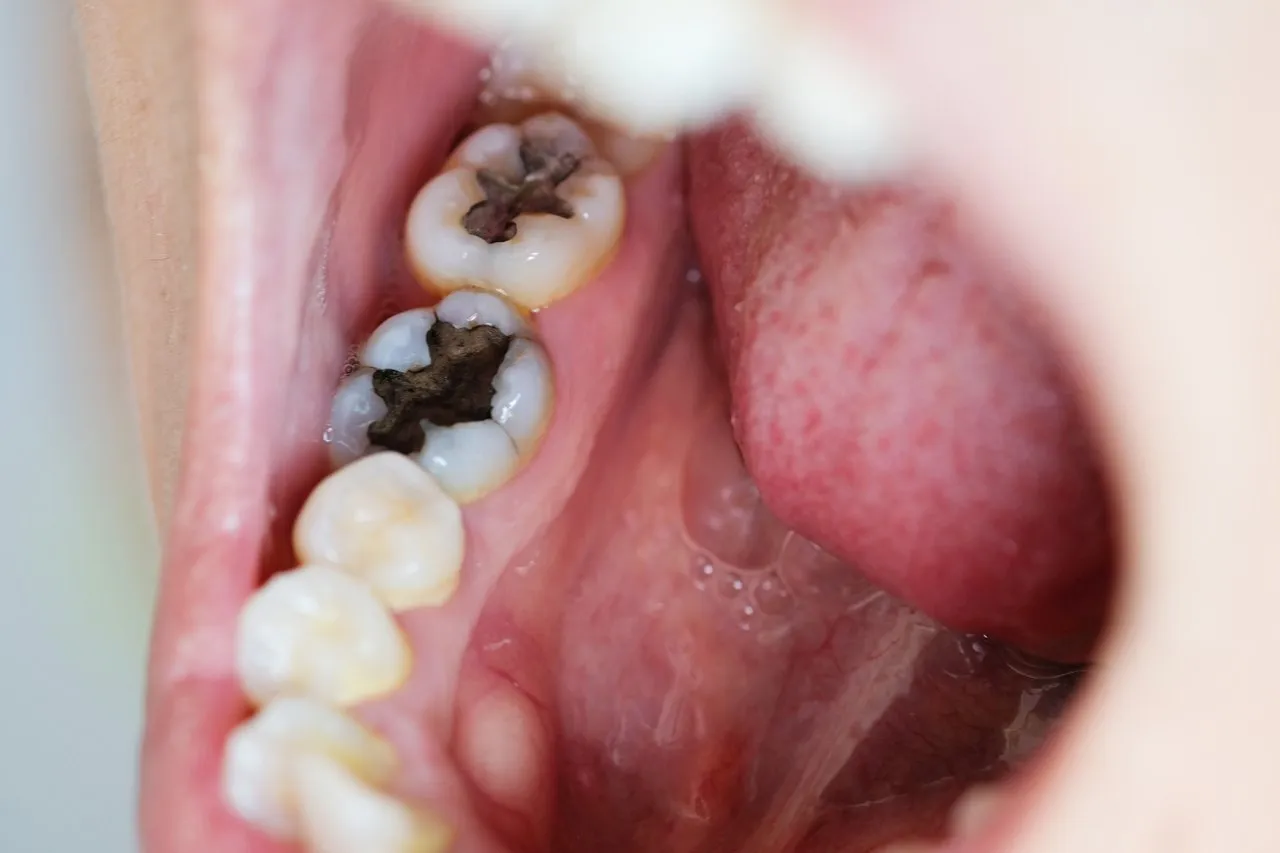
Tooth decay in milk teeth – a disease to be taken seriously
Caries is one of the most common chronic diseases in childhood. Almost one in two children is affected. The spaces between the teeth are particularly vulnerable, as milk tooth caries often develops here unnoticed. As the enamel on the first teeth is particularly thin, caries can spread quickly.
Typical consequences include:
• Toothache
• Sleep disturbances
• Eating problems and weight loss
• Increased susceptibility to infection
• Speech development disorders
Treating caries in milk teeth is therefore not a cosmetic issue, but a medically necessary one.

Causes of tooth decay in milk teeth
• Inadequate oral hygiene
• Sugary drinks and snacks
• Infrequent visits to the dentist
• Not using dental floss when the spaces between the teeth are narrow
The fourth and fifth milk teeth are particularly frequently affected. These teeth are positioned especially close together, and caries can easily spread from tooth to tooth here.
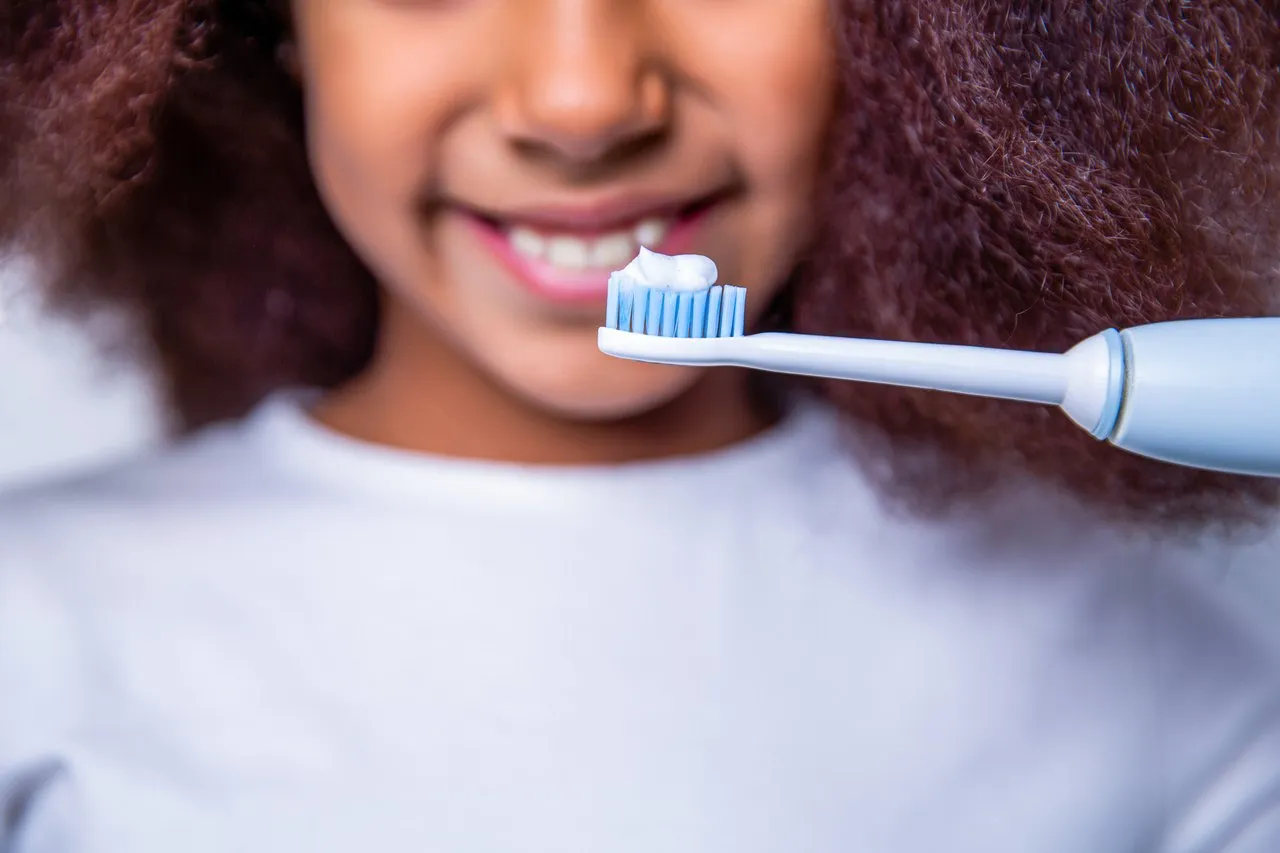
Treating tooth decay in milk teeth
Early action is crucial. Minor defects can be repaired with little effort. If the damage becomes too extensive, root canal treatment on a milk tooth or extraction of the tooth may be necessary.

Our treatment process:
1. Examination: Using X-rays and a thorough examination, we detect areas of caries at an early stage.
2. Removal of caries: The affected tooth material is carefully removed.
3. Filling: The resulting cavity is filled with a suitable material.
4. Aftercare: We explain the best way to care for the teeth at home and arrange check-up appointments.
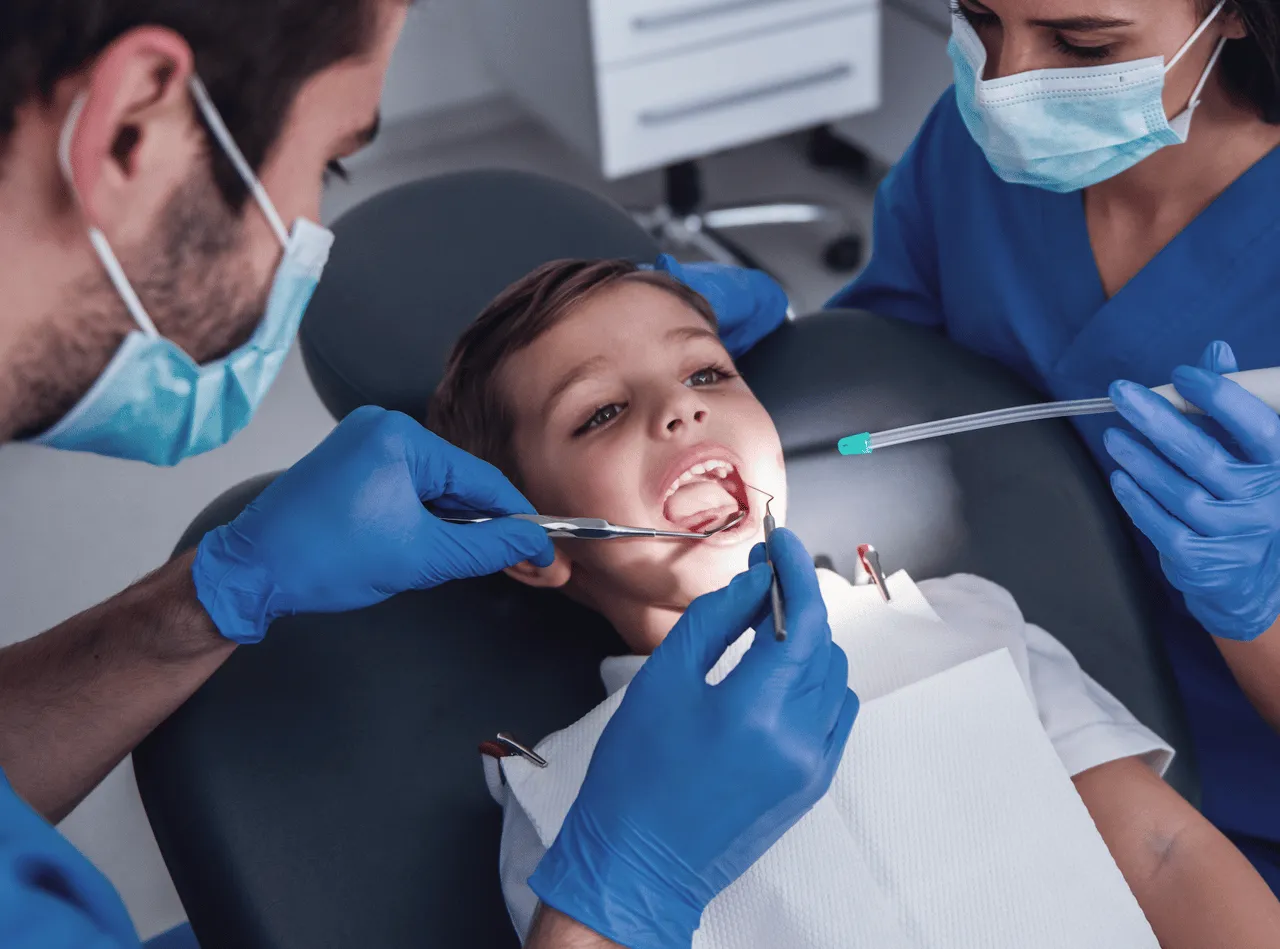
Fillings for milk teeth – what options are available?
We offer various filling materials, depending on medical needs and aesthetic requirements:
• Glass ionomer cement:
• Covered by statutory health insurance, but less durable and slightly yellowish.
• Composite (plastic):
• Tooth-coloured, durable and particularly aesthetic. Standard fillings are covered by German statutory health insurance; separately agreed additional services may require a private co-payment.
We provide individual advice on which treatment is best suited to your child.
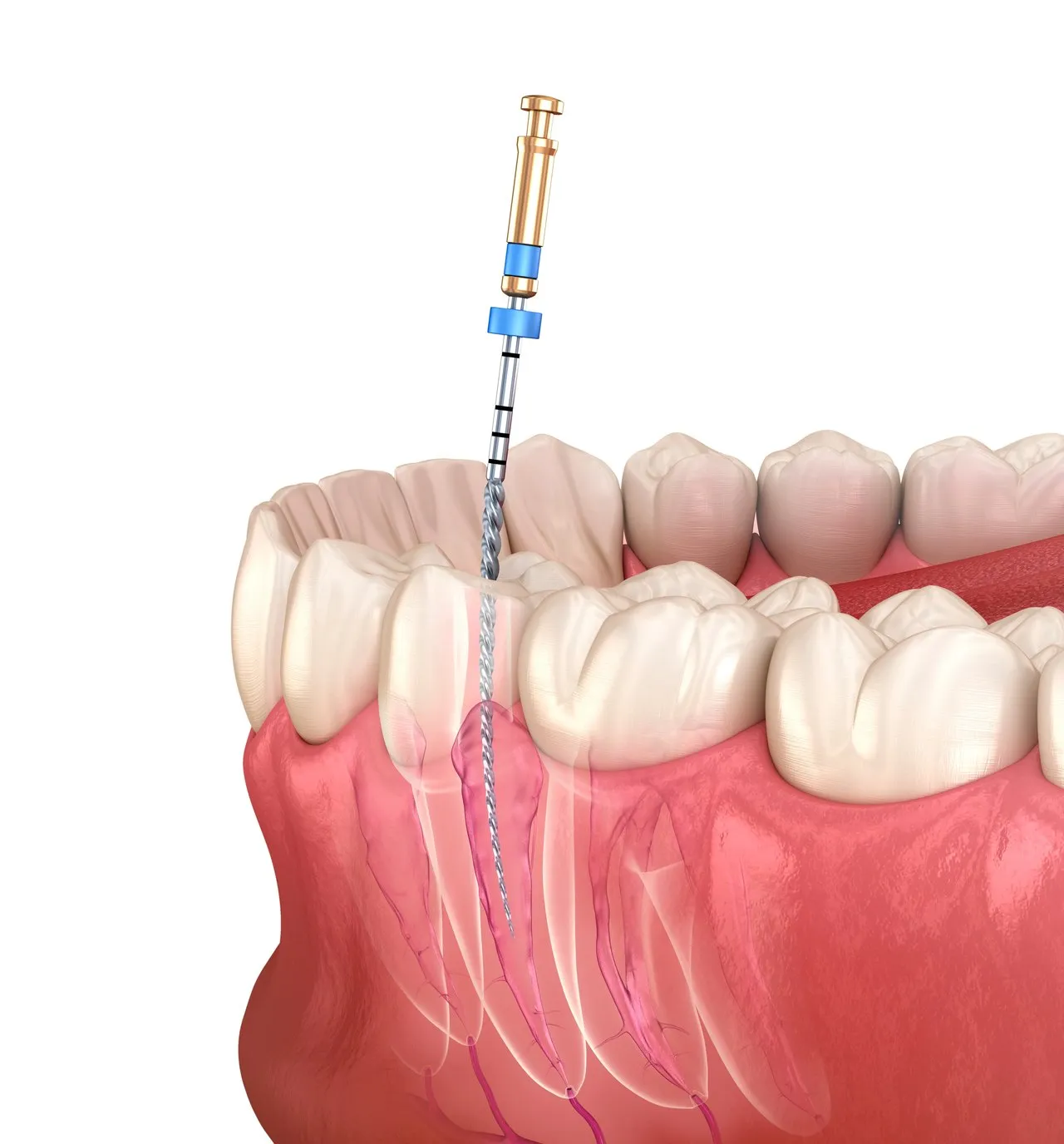
When is root canal treatment on a milk tooth necessary?
If the caries has already spread to the dental pulp, a simple filling is no longer sufficient. Depending on the diagnosis and restorability of the tooth, we select vital or non-vital pulp treatment, or extraction if necessary. Where the tooth can be preserved, the aim is to stop inflammation, relieve pain and maintain its function until it is naturally replaced.
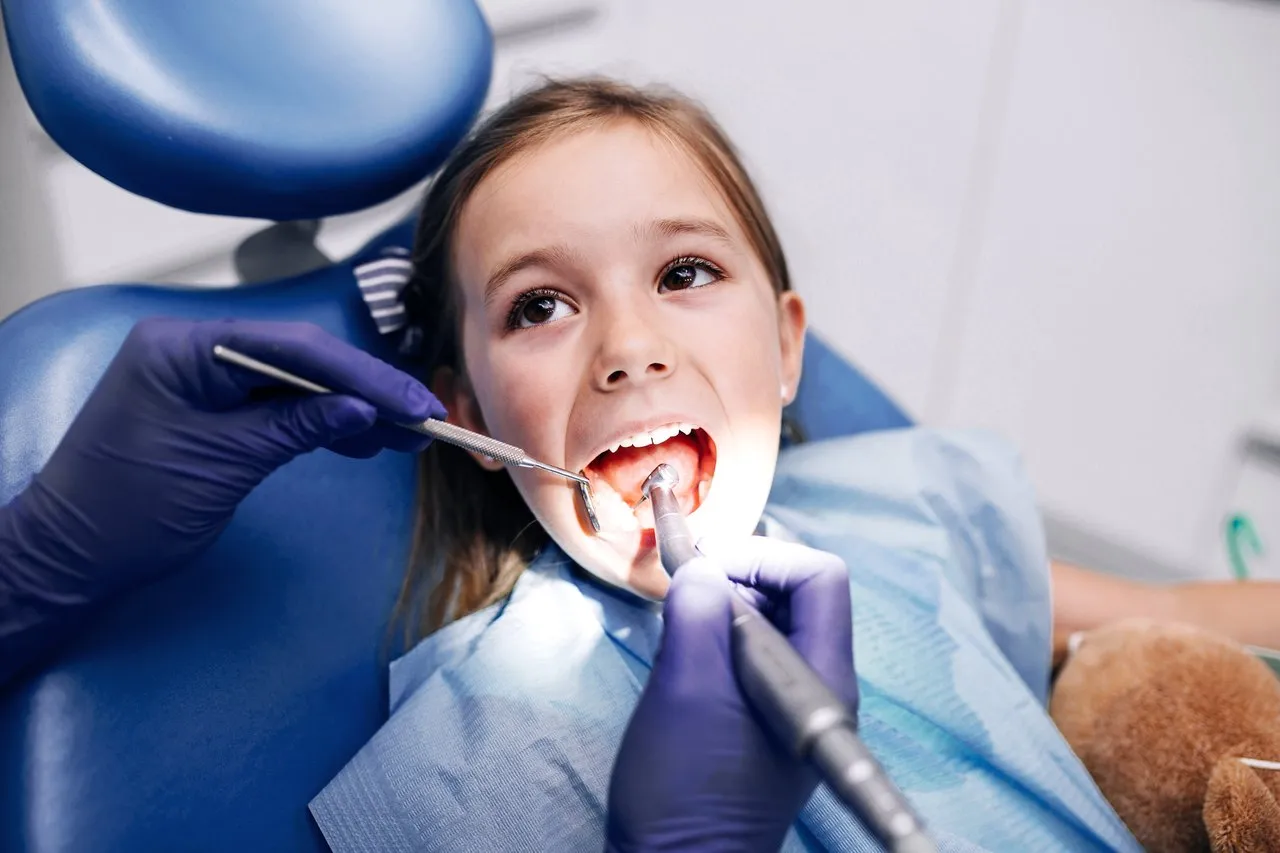
Do milk teeth need to be extracted?
In certain cases, milk teeth need to be extracted. For example, if teeth are severely damaged or following an accident.
Removal may also be necessary for retained milk teeth, that is, when the permanent tooth does not come through. If a tooth has to be extracted, we will also discuss possible space maintainers with you. This ensures that there is enough room for the future teeth.
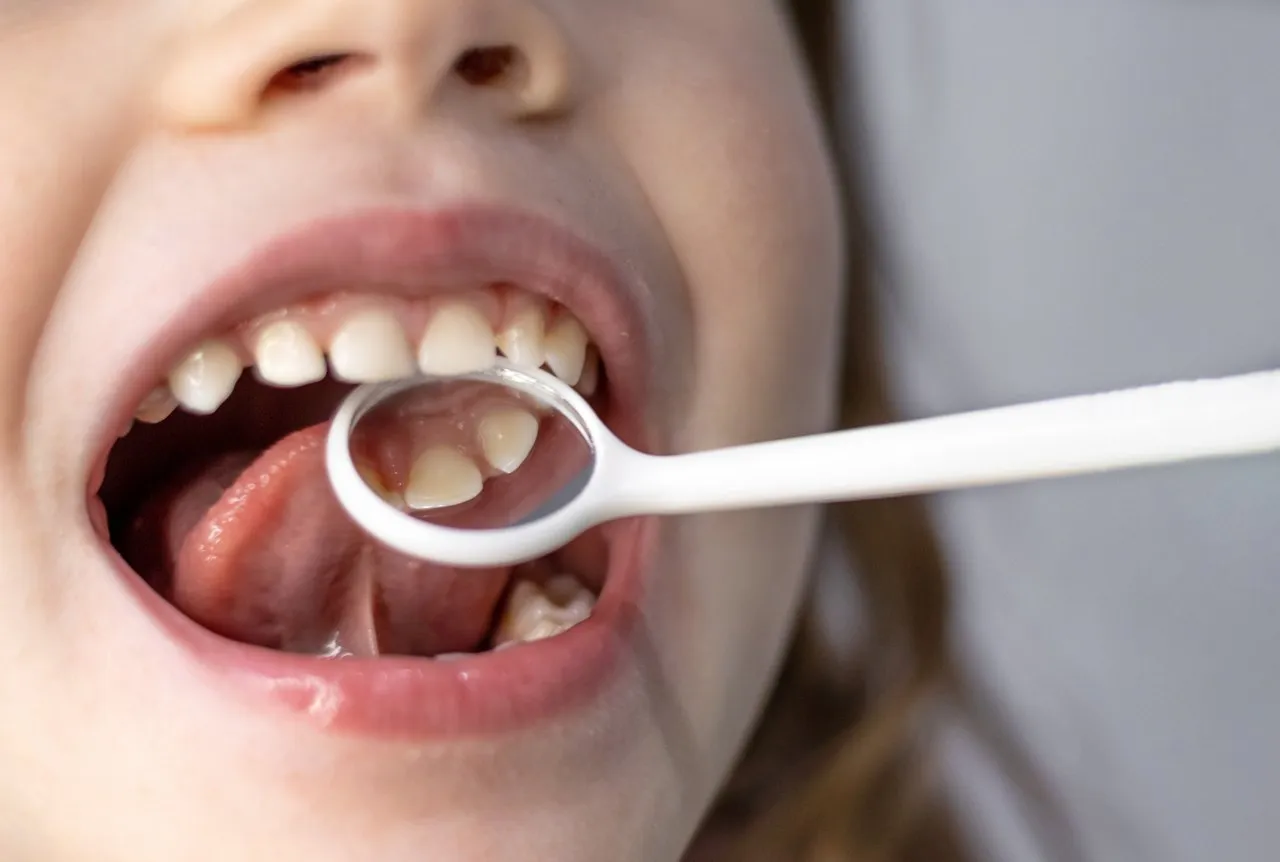
Compassionate treatment – even for anxious children
We know that a visit to the dentist can be frightening for children. That is why we use child-friendly communication, a calm atmosphere and, where indicated, nitrous oxide to relieve anxiety and/or a local anaesthetic to control pain, to make treatment as pleasant as possible. Our aim is to alleviate your child's fear and build a long-term relationship of trust.

Prevention is the best treatment
Dental care should begin as soon as the first tooth appears. Preventive care for milk teeth includes:
• Brushing twice a day, using either an age-appropriate fluoride toothpaste or, for infants, the fluoride-tablet regimen recommended in Germany under dental guidance, with total fluoride intake taken into account
• Using dental floss when the spaces between the teeth are narrow
• Regular dental check-ups
• Dietary advice to avoid sugar traps
This helps to prevent decay in milk teeth and costly follow-up treatments.
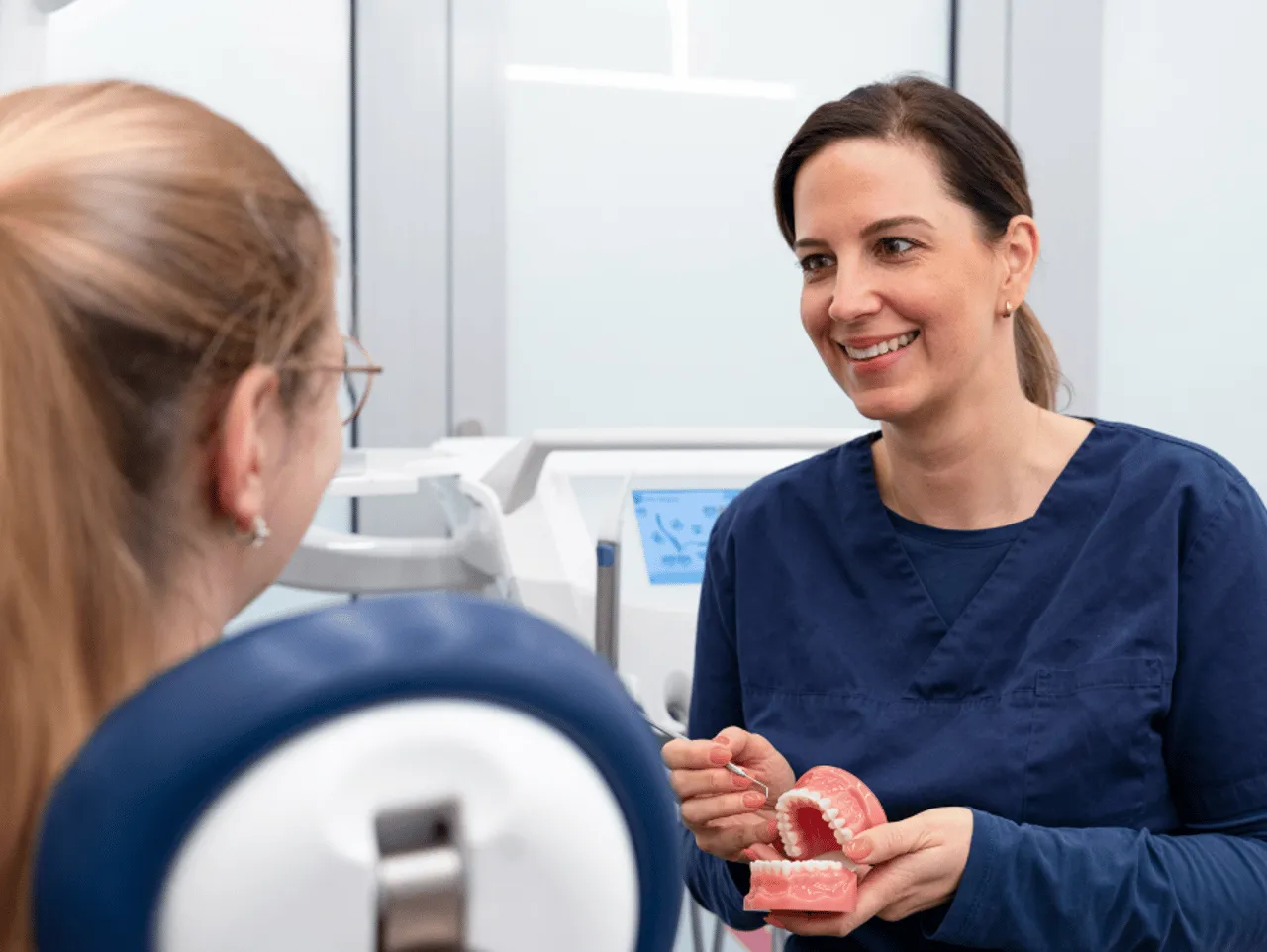
Your benefits at the Wunschlachen dental practice in Berlin
• Specialisation in paediatric dentistry
• Modern, gentle treatment methods
• Personal advice for parents
• Relaxed atmosphere for children
• Optional: nitrous oxide treatment for relaxed appointments
Conclusion: early milk tooth treatment protects the permanent teeth
Milk teeth form the foundation for healthy teeth in adulthood. Professional treatment of tooth decay in milk teeth protects your child from pain, misalignment and subsequent problems. At the Wunschlachen dental practice in Berlin, we look after your child's dental health with extensive experience and dedication.
FAQ – Milk tooth treatment
By the time the first tooth appears at the latest. This is usually at around 6 months of age.
Often through brown or black spots, holes or sensitivity to touch.
No, modern anaesthetic methods mean that children usually feel no pain.
Twice a year. More often if there is an increased risk of tooth decay.
Yes, basic care is covered. A co-payment may be required for premium filling options.
When the decay has reached the pulp, the clinician will select vital or non-vital pulp treatment according to the diagnosis and the tooth's restorability, or extraction if the tooth cannot be preserved.
In cases of severe damage or inflammation, or when the permanent tooth does not erupt.
With good oral hygiene, a low-sugar diet and regular visits to the dentist.
A space maintainer may be needed to preserve room for the permanent tooth.
Yes, with plenty of patience, child-friendly language and optional nitrous oxide support.