Antibacterial mouthwash after dental surgery
Über 350 Google-Bewertungen
Which mouthwash should you use after dental surgery?
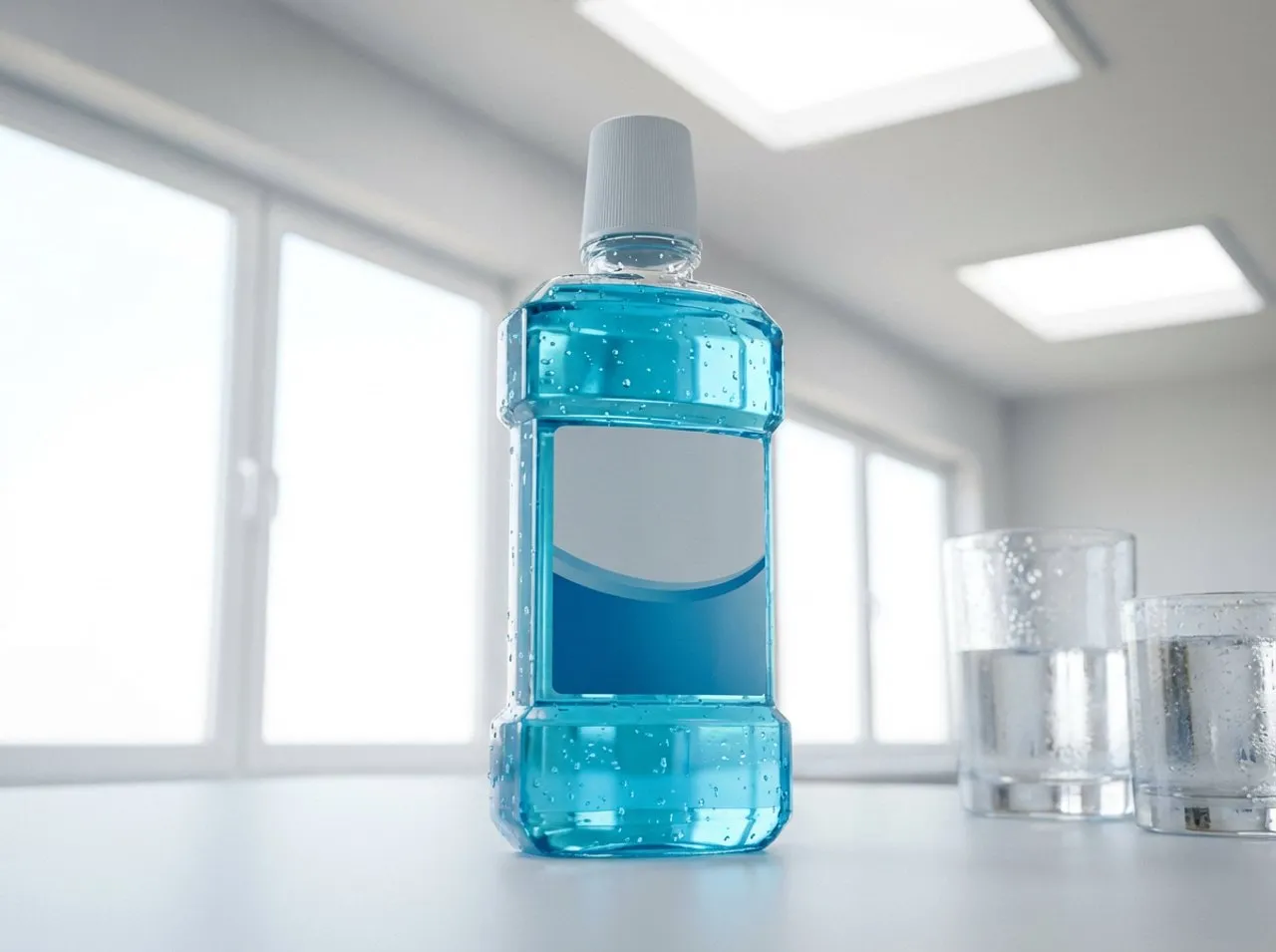
After dental surgery, an antibacterial mouthwash – often containing chlorhexidine – can reduce the risk of inflammation and support healing. It is usually started on the following day; after a tooth extraction, you should generally avoid rinsing for 24 hours to protect the blood clot, unless your treating clinician gives you procedure-specific instructions. It is generally used twice daily for one to two weeks, as recommended by your dentist. It complements toothbrushing but does not replace it; alcohol-based mouthwashes should be avoided immediately after surgery.
- Starting
- Usually on the following day, depending on the procedure; after a tooth extraction, generally avoid rinsing for 24 hours unless your treating clinician gives you procedure-specific instructions
- How to use
- Only as directed for your specified product and by your dentist; often twice daily for 1–2 weeks, according to your individual treatment plan
- Good to know
- Chlorhexidine can cause temporary brown deposits that can be removed; many products must be paid for privately
Your dentist will determine the product, start date and duration individually; stop using it and contact the practice if you experience burning or a rash.
When you should start using mouthwash

How to use antibacterial mouthwash correctly

Benefits and possible side effects

Procedures for which antibacterial mouthwash is particularly important

What is best avoided after dental surgery
Frequently asked questions about use
Book your appointment now
We would be happy to advise you in person at our practice.