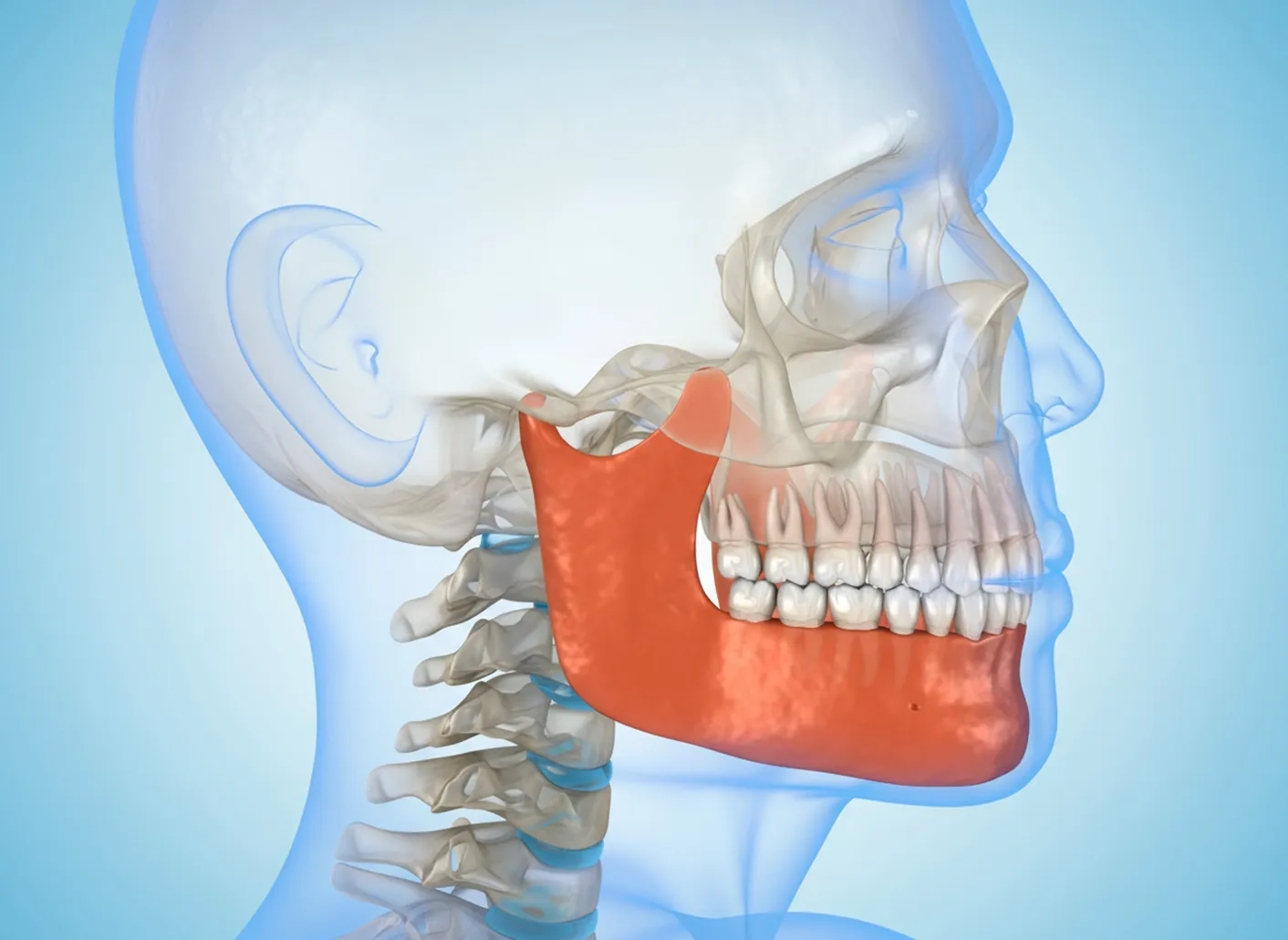
Osteomyelitis of the jaw – explained by Wunschlachen
Osteomyelitis is a serious bacterial infection of the bone that can also affect the jaw. It plays an important role in dentistry. The jawbone has a central function for teeth, dental prostheses and the stability of the entire mouth region. What is a...
Über 350 Google-Bewertungen
The short answer
Osteomyelitis is a bacterial inflammation of the bone and bone marrow which, in the jaw, usually originates in the teeth or gums, for example as a result of untreated root inflammation, deep tooth decay or following procedures. Typical symptoms include severe jaw pain, swelling, warmth, fever and sometimes loose teeth. It is serious and should be assessed by a doctor promptly, as untreated it can lead to bone loss and tooth loss. Call 112 immediately if you have difficulty breathing or swallowing, rapidly spreading swelling, or become severely unwell.
- Typical causes
- Infections originating in the teeth, such as root inflammation or deep tooth decay, and less commonly via the bloodstream; the risk is increased with diabetes or a weakened immune system.
- Warning signs
- Severe, radiating jaw pain, swelling and warmth, fever, discharge of pus, loose teeth and sometimes numbness in the lip or chin.
- When to see a dentist
- As soon as possible if you have these symptoms, as this is a serious condition. Call 112 immediately if you have difficulty breathing or swallowing, rapidly spreading swelling, or become severely unwell.
This does not replace individual dental advice; if you suspect osteomyelitis, please seek medical assessment.
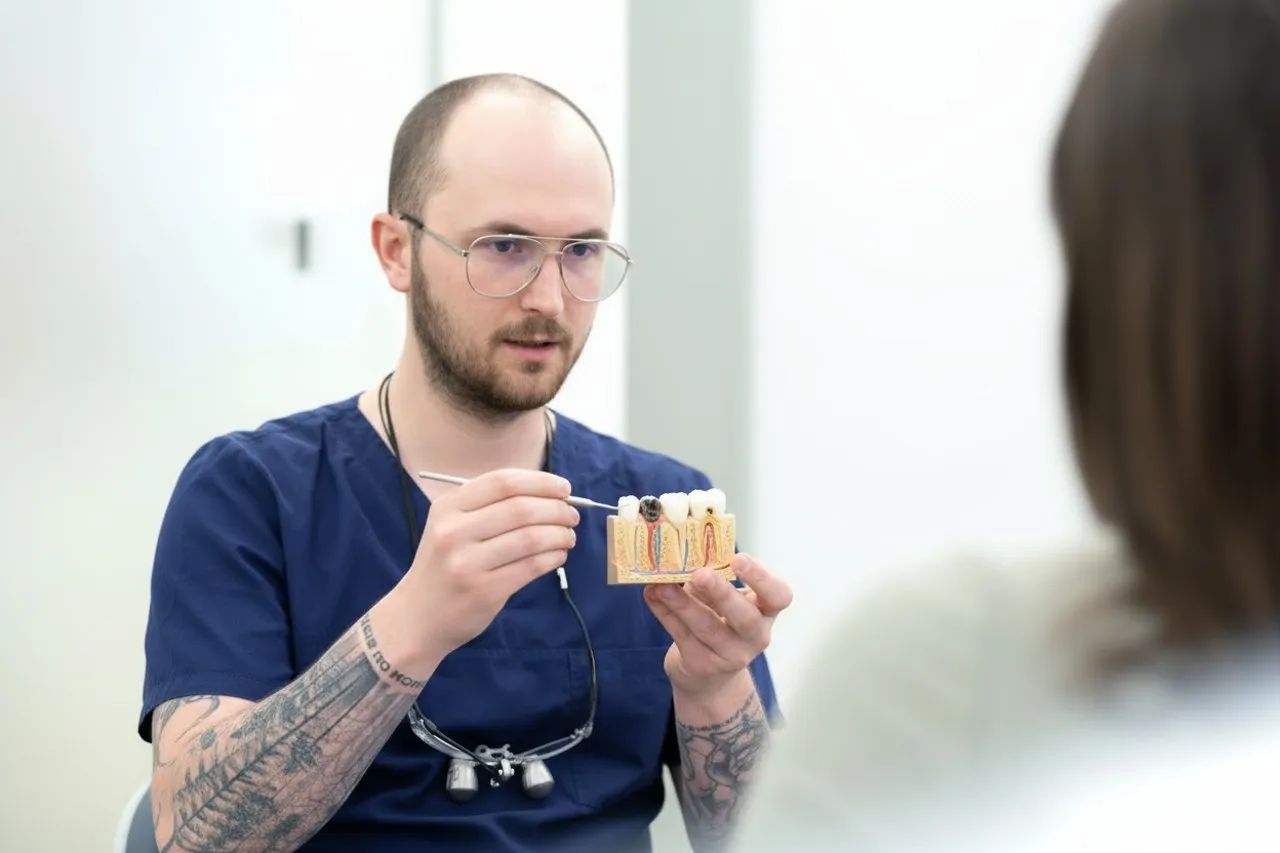
What is osteomyelitis?
The definition describes an infection of the bone. In most cases, it is caused by bacteria such as Staphylococcus aureus. In dentistry, it often affects the jawbone. Infections in the teeth or gums can spread relatively easily to the bone tissue. There, the bacteria trigger inflammation, accompanied by the formation of pus, swelling and destruction of the tissue. Osteomyelitis can occur acutely. In this case, bacteria suddenly enter the bone. The condition is chronic when the symptoms remain unnoticed for a prolonged period and repeatedly worsen.
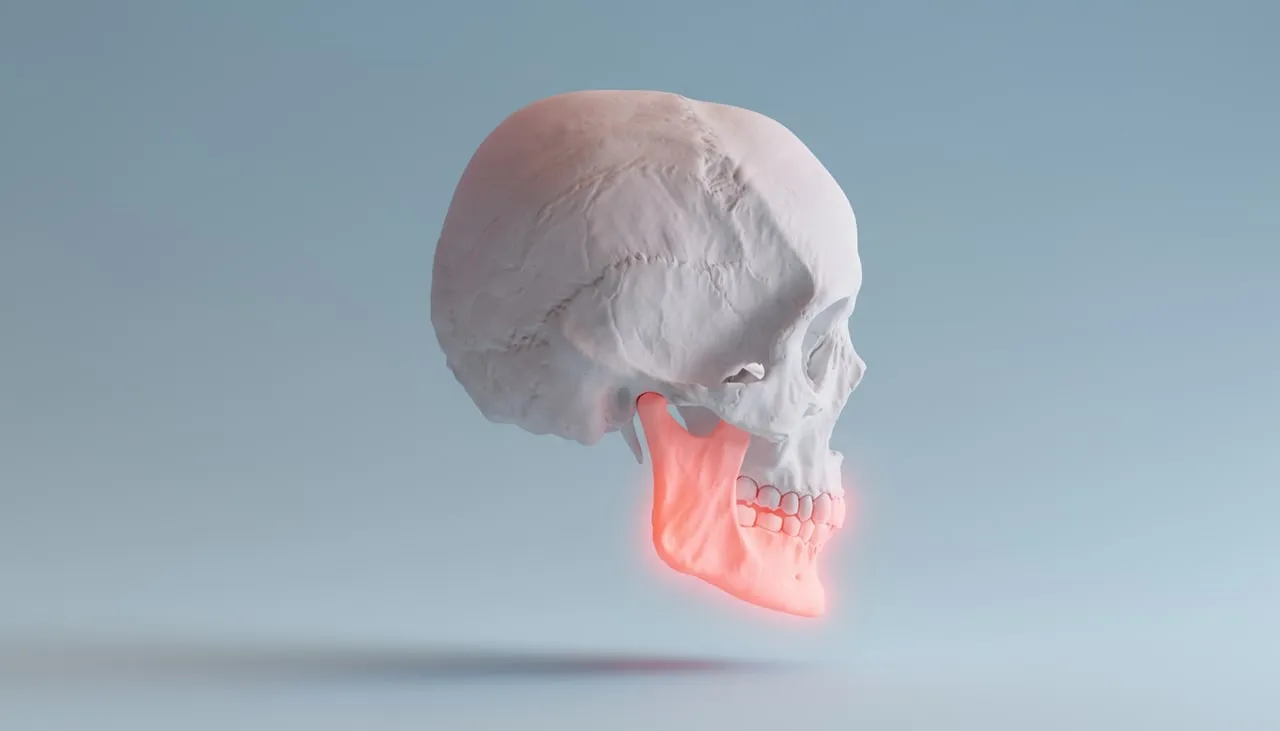
Causes of osteomyelitis – how does the condition develop?
The most common causes of the disease in the jaw area are infections originating from the teeth. Untreated inflammation of the tooth root, deep caries or severe periodontitis can provide an entry point for bacteria. These spread through the root tip into the jawbone and cause inflammation there. An infection can also develop after surgical procedures, such as tooth extractions, implant placement or apicoectomies. This occurs when wounds do not heal properly or germs enter the bone region. Risk factors include a weakened immune system, diabetes mellitus, circulatory disorders or malnutrition. In rare cases, the pathogens reach the jawbone via the bloodstream from another region of the body.

Symptoms of osteomyelitis of the jaw
Osteomyelitis causes various symptoms. Severe pain in the jaw is typical and may also radiate to neighbouring areas. Facial swelling, redness, warmth and tenderness to pressure may also occur. Many patients develop a fever and feel generally unwell. Other symptoms of osteomyelitis include loose teeth, difficulty chewing, discharge of pus through fistulous tracts and an unpleasant taste in the mouth. In severe cases, numbness may occur in the lower lip or chin. This happens when the inflammation affects the inferior alveolar nerve. If left untreated, the condition leads to tissue destruction, bone loss and, in the worst case, tooth loss. If you have ongoing symptoms, contact a dentist as soon as possible. Call 112 immediately if you have difficulty breathing or swallowing, rapidly spreading swelling, or become severely unwell. Prompt treatment can prevent the condition from progressing.

Differences between acute and chronic osteomyelitis
Acute osteomyelitis occurs suddenly and is accompanied by pronounced symptoms such as pain, swelling and fever. If it is detected in time, it can usually be treated successfully with targeted therapy. Chronic osteomyelitis, on the other hand, develops slowly and often insidiously. The symptoms may be less pronounced while the jawbone is already suffering permanent damage. Alternating phases of pain, suppuration and dead pieces of bone (sequestra) are typical. This form usually requires more extensive surgical procedures.

Diagnosis – how is osteomyelitis identified?
Diagnosing osteomyelitis in the jaw requires a combination of clinical examination and diagnostic imaging. First, the dentist assesses the typical symptoms of osteomyelitis of the jaw, such as swelling, redness and pain on pressure. X-rays are used to assess the bone in detail. In the early stages, osteomyelitis is often still difficult to detect on these images. Modern techniques such as computed tomography (CT) or magnetic resonance imaging (MRI) provide considerably more detailed images. This helps to identify inflammatory changes in the bone earlier. Microbiological tests are also carried out to identify the exact pathogen. This is important so that the condition can be treated with a targeted antibiotic.
Treatment of osteomyelitis – modern therapies
Treatment for osteomyelitis has two aims: to eliminate the infection and to stabilise the jawbone. A combination of antibiotic therapy and surgical treatment is generally used. Antibiotics are administered systemically, but only reach the bone to a limited extent. Surgical removal of dead bone tissue (sequestrectomy) is therefore often necessary. The inflamed tissue is removed to promote healing and improve access for antibiotics. In severe cases, additional bone augmentation procedures are needed to restore the stability of the jawbone. Supportive treatments such as hyperbaric oxygen therapy can also be used to accelerate healing.
Effects on quality of life
Untreated osteomyelitis affects not only dental health but also quality of life. Pain, chewing problems, tooth loss and aesthetic changes often place a heavy burden on those affected. Many patients also report a significant impact on their social lives. Early treatment is therefore of great importance not only medically but also psychologically.

Preventing osteomyelitis of the jawbone
Prevention is possible: regular dental check-ups, good oral hygiene and immediate treatment of dental infections significantly reduce the risk. Wound healing should also be carefully monitored after surgical procedures in the mouth to avoid complications. Patients with pre-existing conditions such as diabetes or a weakened immune system should be particularly vigilant.

Conclusion
Osteomyelitis of the jaw is a serious condition that can have severe consequences without timely treatment. Early diagnosis, targeted treatment and modern surgical procedures make a full recovery possible in most cases. By paying attention to symptoms and seeing a dentist in good time, you can protect your jawbone and your overall dental health.
FAQ – frequently asked questions about osteomyelitis
A bacterial inflammation of the bone and bone marrow that often affects the jaw.
Primarily dental infections, periodontitis, deep tooth decay, surgical procedures and a weakened immune system. Factors such as chronic illnesses can also play a role.
Pain, swelling, fever, loose teeth, suppuration and numbness. Contact your dentist as soon as possible if you notice these or similar symptoms. Call 112 immediately if you have difficulty breathing or swallowing, rapidly spreading swelling, or become severely unwell.
Through clinical examination, X-rays, CT/MRI and microbiological tests. At Wunschlachen, we use the most advanced methods to treat the condition.
The acute form occurs suddenly with severe symptoms, while the chronic form develops insidiously and causes permanent bone damage. Both forms of the condition are dangerous to dental health.
With antibiotics and surgical removal of inflamed portions of bone, with bone augmentation if necessary. We will draw up a personalised treatment and cost plan for you.
Depending on its severity, treatment can take several weeks to months. For chronic forms, the process is often longer and more complex.
Yes, a cure is possible in most cases with consistent treatment. Taking timely action is the most important aspect.
Through good oral hygiene, regular dental check-ups and prompt treatment of dental problems.
Bone destruction, tooth loss, spread of the infection and serious illnesses. If you have symptoms, do not hesitate to make an appointment with a dentist immediately. Call 112 immediately if you have difficulty breathing or swallowing, rapidly spreading swelling, or become severely unwell.