
The best painkiller for toothache: what really works
Über 350 Google-Bewertungen
Which painkiller should you take for toothache?
The choice of painkiller for toothache depends on the cause and your health: ibuprofen also reduces inflammation, paracetamol is considered a gentler option for the stomach, and acetylsalicylic acid (aspirin) should not be chosen as a new painkiller before or after dental procedures because it increases the tendency to bleed. Painkillers only provide short-term relief; the cause should be treated by a dentist promptly. Seek medical advice if you have any pre-existing conditions, or if you are pregnant or breastfeeding. Do not stop prescribed antiplatelet aspirin without consulting the clinician treating you.
- Common active ingredients
- Ibuprofen (also anti-inflammatory), paracetamol (gentler on the stomach), naproxen and diclofenac (longer-lasting effect); do not choose acetylsalicylic acid (aspirin) as a new painkiller after dental procedures. Do not stop prescribed antiplatelet aspirin without consulting the clinician treating you.
- For temporary relief only
- Use for a short time only, follow the patient information leaflet, and do not combine medicines without medical advice; consult a doctor about your choice if you have pre-existing conditions, or are pregnant or breastfeeding.
- Warning signs
- Severe swelling, pus or fever require prompt dental assessment. For new difficulty swallowing or breathing, seek emergency medical help immediately; in Berlin, call 112.
This does not replace individual advice from a dentist or doctor; if in doubt, consult a doctor before taking any medication.

Why the cause determines the active ingredient

How painkillers work in general

Ibuprofen: Often the first choice for inflammation

Paracetamol: A gentle alternative for sensitive stomachs

Naproxen and diclofenac: Longer-lasting relief for persistent pain

Acetylsalicylic acid: Not always the best option

Combinations: When they can be useful

When pain indicates acute inflammation
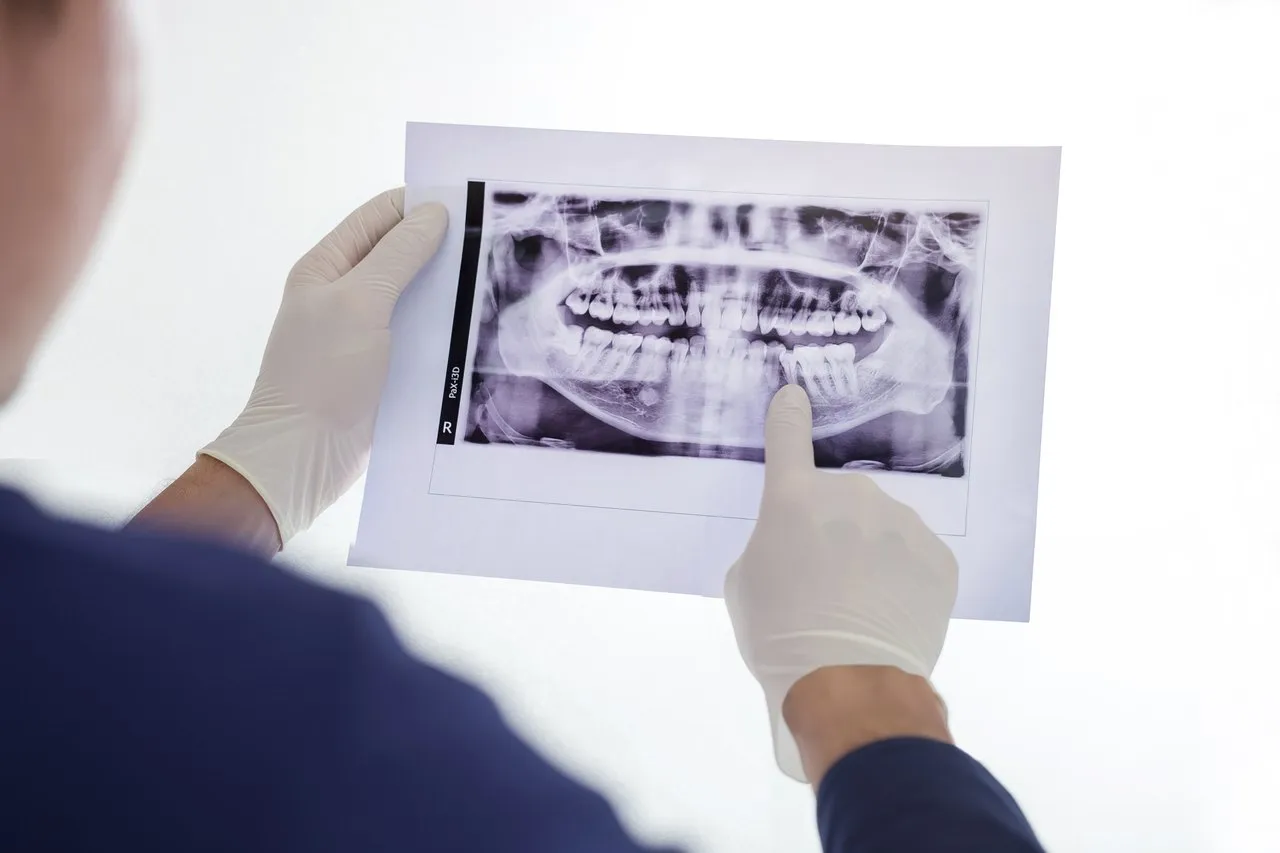
Warning signs that require prompt treatment

Home remedies: Only as a supplement for short-term relief

Toothache during a cold

After dental surgery: Staying pain-free safely and with a clear plan

Dental anxiety: Sedation enables relaxed treatment

Dosage, duration and safety

Who should be particularly cautious

Children, breastfeeding and pregnancy

Step by step for acute toothache

Treatment and costs at Wunschlachen