
Paracetamol in dentistry: effects and use
Toothache is one of the most unpleasant types of pain. It can severely disrupt everyday life, sleep and concentration. An effective pain-relieving medicine is therefore important for many patients. Various medicines are used in dentistry. One particularly commonly used...
Über 350 Google-Bewertungen
The short answer
Paracetamol is a painkiller and fever reducer that dampens pain perception in the nervous system but, unlike ibuprofen, has virtually no anti-inflammatory effect. In dentistry, it can relieve discomfort after procedures without treating the cause. It is considered comparatively gentle on the stomach; as high amounts can damage the liver, the dosage and suitability should be agreed with a doctor or dentist.
- Key point
- Temporarily relieves toothache but does not treat the cause and is no substitute for an examination.
- Good to know
- Has virtually no anti-inflammatory effect but is often gentler on the stomach than other painkillers; avoid alcohol while taking it.
- When to seek medical advice
- If you have pre-existing liver disease, are taking other medicines, or if the pain persists or is severe.
Does not replace individual dental advice; the dosage and suitability should be agreed with a doctor.

What exactly is paracetamol?
The active ingredient is a classic pain and fever medicine. Unlike ibuprofen, it is not an anti-inflammatory medicine. The medicine blocks certain chemical messengers in the nervous system. This reduces the pain signal in the brain. Many people tolerate the medicine well, as long as the dosage is correct.

Use for toothache
Toothache is often caused by inflammation of a tooth, root or gum. The painkiller can noticeably relieve the symptoms without eliminating the cause. The tablet can therefore never replace a thorough examination. In practice, the active ingredient is often recommended after treatments. It helps you get through the first few hours to days after a procedure more comfortably.
After dental procedures
After a tooth extraction or root canal treatment, the tissue is irritated. Swelling, a feeling of tightness and pain on pressure are typical reactions. A mild analgesic containing paracetamol can make this phase more bearable. It is often started before the anaesthetic wears off. This builds up protection against the onset of pain. Your treating dental team will give you specific recommendations.
Advantages of the active ingredient in dentistry
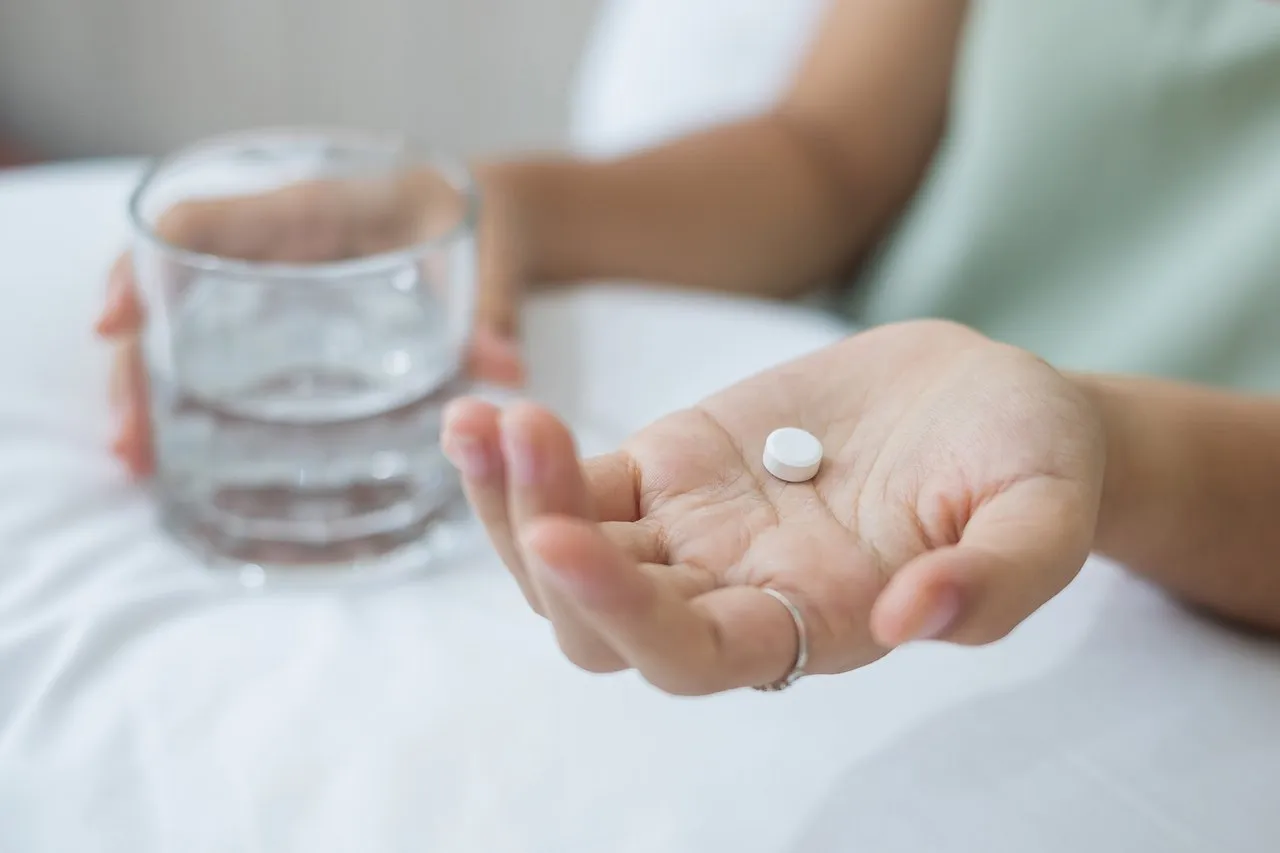
A major advantage of this painkiller is that it is well tolerated by the stomach. Compared with some other medicines, it usually irritates the stomach less. It is therefore often suitable for people with a sensitive digestive system. Paracetamol may also be the better choice if you have certain pre-existing conditions or take other medicines. We will discuss whether this applies to you in person. This helps minimise risks and interactions.

Correct dosage of paracetamol
The appropriate dose depends on age, weight and general health. It is important to follow the patient information leaflet or the practice's instructions exactly. Taking too much can cause serious side effects. Get urgent medical help if you think you have taken too much, even if you feel well. Check the ingredients of any other medicines you are taking, and do not use more than one product containing paracetamol at the same time. The total amount taken per day is particularly critical. Anyone who takes excessive amounts over a long period places considerable strain on the liver. The painkiller should therefore only be taken for as long as necessary.

Side effects and risks
Like any medicine, this active ingredient can also have side effects. These include nausea, malaise or, rarely, allergic reactions. Very high doses can permanently damage the liver. People with known liver problems should only use paracetamol after consulting a doctor. The same applies if you regularly take other medicines. Alcohol places additional strain on the liver and should be avoided.
Paracetamol or ibuprofen for toothache?
Many people wonder which medicine works better. Paracetamol relieves pain and reduces fever, but does not have a strong anti-inflammatory effect. Ibuprofen also has an anti-inflammatory effect. If there is significant inflammation, ibuprofen may be advantageous. In other situations, the stomach-friendly painkiller paracetamol is often sufficient.

Use in children
Children can also develop severe toothache. The active ingredient is frequently used in paediatric dentistry. The dosage depends strictly on body weight and age. Parents should never guess or estimate the dose themselves. Clear instructions from a dentist or paediatrician are essential.

Pregnancy and breast-feeding
Many pregnant women are unsure which painkillers they can use. Paracetamol is considered comparatively well studied during this time. Nevertheless, every use should be agreed with a doctor beforehand. Advice is also important while breast-feeding. Your doctor or dentist will weigh up the benefits and risks. This provides the best possible protection for mother and child.

When you need to see a dentist despite taking medication
The active ingredient can suppress pain, but cannot cure it. If symptoms persist for more than one or two days, an appointment is essential. The same applies to fever, swelling or throbbing pain. Anyone who needs tablets permanently risks damage to their teeth and organs. Only an early diagnosis can prevent complications. At Wunschlachen dental practice in Berlin, we take your concerns seriously.
Pain management with paracetamol at Wunschlachen
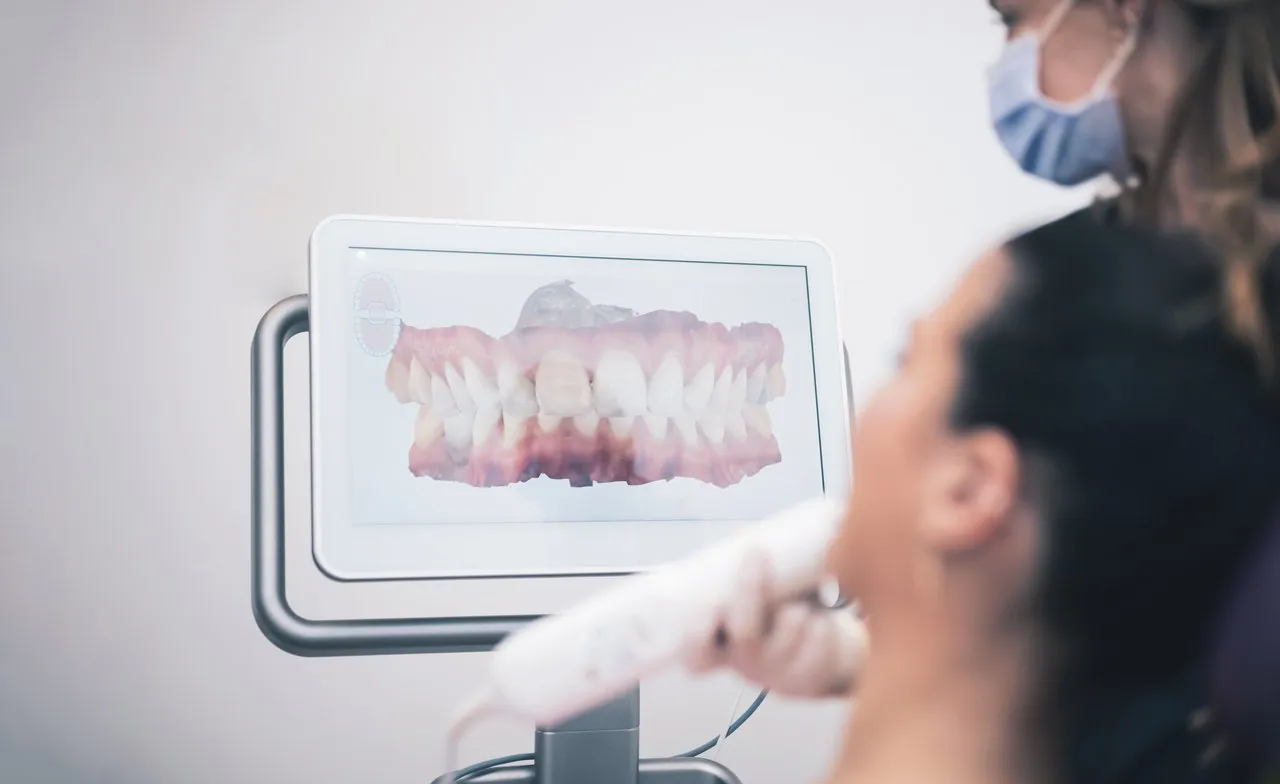
At our Wunschlachen practice, we advise you on suitable painkillers. We explain when paracetamol is useful and what alternatives are available. We take pre-existing conditions and your current medication into account. After every procedure, you will receive clear instructions on how to take it. If you wish, we will explain exactly how the active ingredient works in the body.
Conclusion: use paracetamol responsibly and safely
Paracetamol is an important medicine in dentistry. It reliably relieves many types of toothache and is considered well tolerated. When correctly dosed, it supports healing without placing unnecessary strain on the body. Nevertheless, it remains a medicine with potential risks. Always discuss its use, dosage and duration with healthcare professionals.
FAQ – Frequently asked questions about paracetamol in dentistry
The active ingredient helps with mild to moderate toothache. It reduces pain but does not eliminate the cause.
In principle, this is possible. Tell your dental team about every medicine you take.
Follow the patient information leaflet or your doctor's instructions. Never exceed the maximum daily dose.
This depends on inflammation, pre-existing conditions and tolerability. Your dentist is best placed to make this decision.
Some combinations are possible, others are critical. Discuss every medication you take with your doctor.
The active ingredient is considered well studied. Nevertheless, every use should be checked with a doctor beforehand.
Yes, but only at an appropriate dosage. The paediatrician or dentist will determine the right amount.
An overdose can severely damage the liver. Seek medical help immediately if you suspect an overdose.
Yes, paracetamol is often recommended after procedures in the mouth. Discuss exactly how to take it with your practice.
Because safe pain management is part of good dentistry. This relieves toothache without placing unnecessary strain on the body.